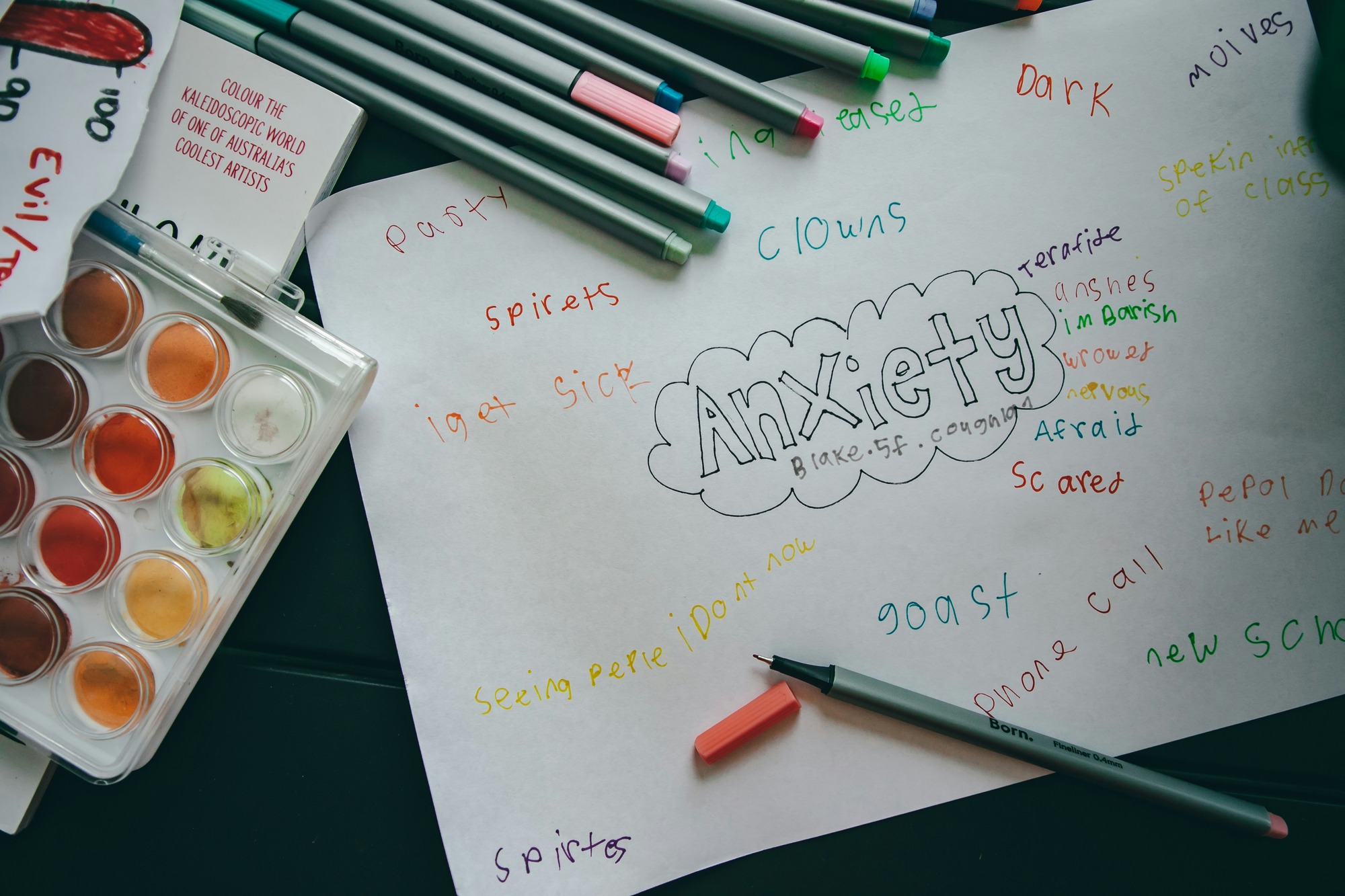
As parents, we naturally want to shield our children from fear and anxiety. Watching your child feel afraid or overwhelmed can be distressing, especially when you wish you could take away their worries. But while we tend to think of fear as something to be avoided or suppressed, it can actually play a positive role in your child’s development.
Fear, when understood and managed correctly, can help kids navigate difficult situations, stay safe, and make thoughtful decisions. The key is teaching them how to manage it. Here’s how to help your child transform anxiety into a tool they can use to grow stronger and more resilient.
The Role of Fear in Development
Fear is a natural and important emotion. It alerts us to danger, helps us avoid risky situations, and prompts us to take action. For children, fear plays a crucial role in their development. It’s an instinctive response that keeps them safe and helps them learn from their experiences. When they feel nervous or scared, their brain is processing a potential threat, real or perceived, and guiding them to respond appropriately.
While fear is protective, it can become problematic when it starts to interfere with daily activities or hinder a child’s growth. The challenge isn’t eliminating fear but teaching kids how to manage it so that it doesn’t control them.
Understanding Anxiety vs. Fear
Before teaching your child how to manage fear, it’s important to distinguish between fear and anxiety. Fear is usually a response to an immediate, specific threat, like seeing a dog that’s too large or hearing loud noises during a thunderstorm. Anxiety, on the other hand, is a feeling of unease about a future event or an uncertain outcome. It can lead to worry and apprehension about things that may or may not even happen.
For children, anxiety often manifests as worrying about school, friends, or situations where they feel out of control. While it’s normal for kids to feel anxious at times, it becomes concerning when anxiety starts to interfere with their ability to function in daily life.
Helping Your Child Understand Fear and Anxiety
The first step in helping your child manage fear is to help them understand what it is and why they feel it. Explaining fear and anxiety in simple, age-appropriate terms can give your child a sense of control and reduce the mystery around these emotions.
Tell your child that everyone experiences fear, adults included. The key is to learn how to handle it in a way that doesn’t let it take over. Explain that feeling afraid is a signal from their body to pay attention and be cautious. If they’re nervous about a new situation, it’s okay to feel that way, but it’s also important to find ways to handle it.
Help your child identify what makes them feel anxious. By recognizing these triggers, they can learn how to address them before the fear becomes overwhelming. If your child has anxiety about social situations, for example, talk with them about what specifically makes them uncomfortable. Is it meeting new people? Is it a fear of being judged? Understanding the root cause of anxiety can help you both work on strategies to cope with it.
Teach Relaxation Techniques
Once your child understands their fear, it’s time to introduce techniques that will help them manage it. Teaching relaxation exercises can be incredibly helpful when it comes to calming anxiety and regaining control over their emotions.
Some effective methods include:
- Deep Breathing: Teach your child to take slow, deep breaths when they start to feel anxious. Breathing in for a count of four, holding for four, and then exhaling for four helps calm the nervous system and bring their attention away from the fear.
- Progressive Muscle Relaxation: This technique involves tensing and then relaxing different muscle groups in the body to help relieve stress. Start with their toes and work your way up to their head, encouraging them to notice the difference between tension and relaxation.
- Visualization: Encourage your child to close their eyes and imagine a peaceful, safe place. This could be a favorite vacation spot, a calming nature scene, or even their bedroom. Visualization helps shift their focus away from the fear and onto something positive.
- Mindfulness: Simple mindfulness exercises, such as focusing on the present moment, can be powerful in calming anxiety. Encourage your child to pay attention to their surroundings, focusing on what they can see, hear, and feel.
Encourage Gradual Exposure to Fears
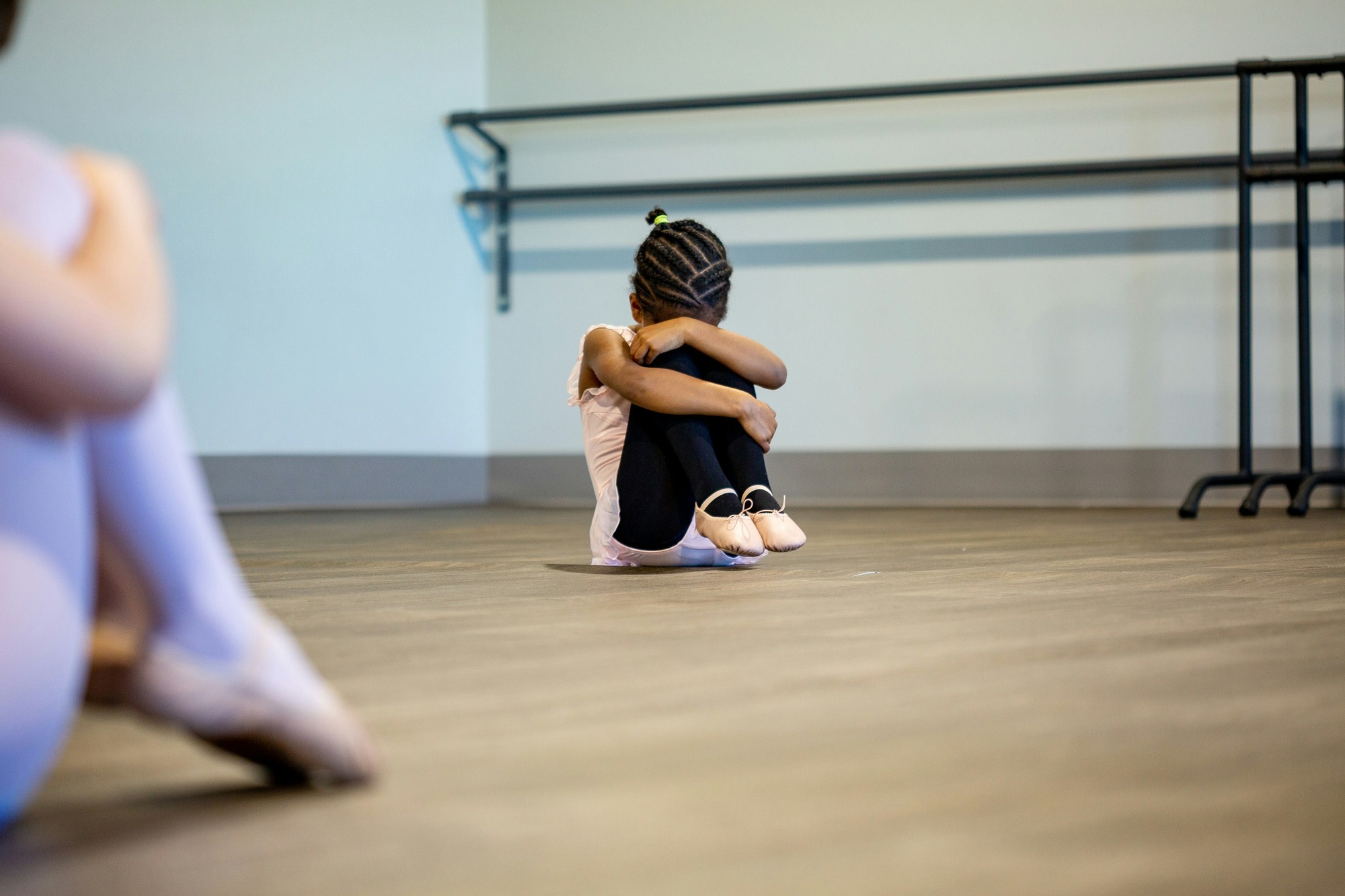
A key way to help children overcome fear is through gradual exposure. If your child has a specific fear, such as fear of speaking in front of others, don’t expect them to suddenly face it head-on. Instead, introduce small, manageable steps that build confidence over time.
Start with less intimidating versions of the situation they fear. If your child is afraid of going to a new school, for example, take a few trips to the school beforehand to explore the environment, meet teachers, and get comfortable with the surroundings. Over time, these small experiences will help your child build resilience and feel more in control.
Teach Problem-Solving and Positive Self-Talk
One way to reduce anxiety is by empowering your child with problem-solving skills. When they face fear, encourage them to think about what they can do to address the situation. Can they avoid it? Can they talk to someone for help? Problem-solving helps kids feel like they have more control over the situation, which can reduce feelings of helplessness.
Additionally, teaching your child to reframe negative thoughts is key to managing anxiety. Encourage them to practice positive self-talk, such as telling themselves, “I can handle this,” or “It’s okay to be scared, but I am safe.” Help your child replace irrational thoughts with realistic ones so they feel empowered instead of overwhelmed.
Encourage Healthy Habits for Managing Stress
A healthy body can lead to a calmer mind. Encourage your child to practice self-care habits that help them manage stress and anxiety, such as:
- Getting enough sleep
- Engaging in regular physical activity
- Eating nutritious foods
- Staying socially connected with friends and family
When children feel physically healthy and balanced, they are better equipped to manage emotional challenges like fear and anxiety.
Lead by Example
Children learn a great deal from observing the behavior of the adults around them. If you model healthy coping mechanisms for anxiety, your child is more likely to adopt these strategies as well. Show them that it’s okay to feel fear and anxiety, but that there are ways to handle it effectively.
For example, if you feel nervous before a big meeting or event, talk to your child about how you’re handling your own anxiety. This can normalize the experience and give your child tools to manage their own emotions.
Fear Can Be a Source of Strength
Fear isn’t always something to avoid. It can be a source of strength if we teach our children how to manage it. By helping your child understand and cope with their anxiety, you’re not only giving them the tools to face their fears but also equipping them to handle the challenges of life with confidence and resilience.
How do you help your child manage fear and anxiety? What strategies have worked for you?
Read More:
6 Signs Your Child Is Struggling with Social Anxiety
8 Signs Your Teen Doesn’t Feel Safe Talking to You
Read More

One of the biggest things I was unprepared for when I had kids was the…

Growing up, children have very few responsibilities in life, make your bed, help with chores,…

For many parents, sending a child to daycare comes with a long list of rules.…

When you become a parent, there are so many things that you are now responsible…


Image Source: Unsplash Naming a baby should feel magical, but many moms and dads find…

Few situations catch parents off guard quite like learning their child is accused of harassment…


Leave a Reply