
If you’ve ever stood outside your toddler’s closed door, heart aching as they sob through a time-out, you’re not alone. Parenting is deeply emotional work—especially when discipline clashes with connection. That’s why more parents are looking beyond traditional time-outs and trying a calmer, more collaborative approach: quiet time. Rather than focusing on isolation, quiet time encourages emotional regulation, empathy, and reconnection.
In a world that values emotional intelligence more than ever, this small shift in discipline can make a profound impact.
What Makes Quiet Time Different?
Time-outs have been a go-to for managing misbehavior, but their success hinges on how they’re used. When misapplied—shutting a child away with anger—time-outs can leave a child feeling fearful or shamed. Quiet time, however, involves pausing the conflict with your child, inviting them to calm down in a space you both occupy. This emphasis transforms discipline from something punitive to something partnered. By staying present, you model the kind of calm and care you want your child to develop.
A More Connected Way to Cool Down
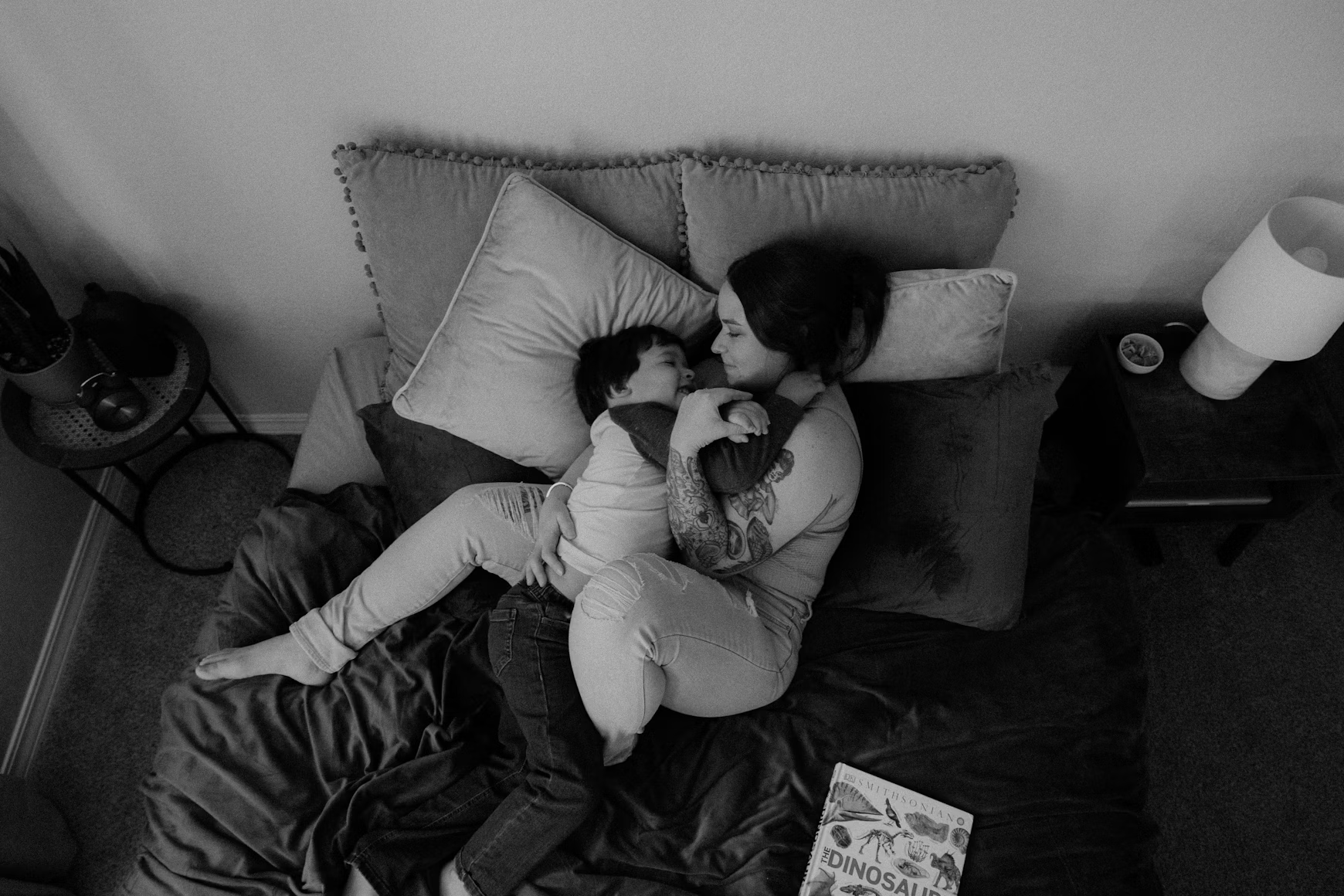
Perhaps the biggest edge quiet time offers is how it fosters connection, rather than pushing a child away at their most dysregulated. While time-outs remove stimulation and attention, quiet time maintains closeness—even if you’re just sitting beside them silently.
According to Child Mind Institute, a child under stress benefits most from feeling safe and seen. During quiet time, once your child has settled, you can gently discuss what happened—treating the event as a teachable moment, not just a power struggle.
Criticism Around Traditional Time-Outs
Time-outs aren’t inherently harmful, but research suggests the overall outcome depends greatly on execution. Some parents—out of frustration—simply bark “Go to your room!” and close the door, missing the chance to help the child reflect. Critics argue that this approach can inadvertently lead kids to feel isolated instead of guided. Quiet time flips the script: rather than removing your child from you, you join them in finding calm. It’s still a consequence—just one framed through connection and empathy.
The Role of Evidence-Based Parenting Apps
Today’s digital resources are helping parents integrate thoughtful discipline techniques like quiet time into daily life. Apps based on child development research can guide users through structured versions of both time-outs and quiet times, often incorporating techniques like praise or mindfulness. It’s not about perfection—it’s about receiving consistent support when emotions run high. Gentle discipline fosters internal self-regulation, a skill children carry throughout life, and quiet time is a perfect candidate for practice in real-world settings.
What Supporters Say About Time-Outs—And How It Overlaps
Even experts who support time-outs say it’s all about the “how.” Time-outs must be brief, calm, and consistently followed by reconnection if they’re to work effectively. Quiet time isn’t all that different in principle—just gentler. Instead of sending your child away, you accompany them into a calmer headspace. It’s still a structured approach to discipline, but one that emphasizes that you and your child are on the same team—something that builds trust and fosters deeper understanding.
Why This Shift Matters Now
Parenting today is about more than controlling behavior; it’s about nurturing the whole child. Choosing quiet time over time-outs reflects a larger cultural shift toward positive discipline—teaching rather than punishing. In a fast-paced world, children can feel overwhelmed, and having you close by during stressful moments offers genuine security. Yes, it requires more patience, but the long-term benefits—like emotional competence and closer parent-child bonds—speak for themselves.
How to Start Using Quiet Time at Home
If you’re curious about trying quiet time, here’s a quick guide:
- Pick a calm spot: A comfy corner or a sofa away from distractions.
- Stay close: Your presence is soothing, but allow your child space to breathe.
- Watch for calm, not the clock: A few minutes often suffice. Observe when your child’s mood visibly shifts.
- Debrief gently afterward: Ask what happened, how they felt, and how they might do things differently next time.
Practice, don’t punish: Quiet time isn’t about control; it’s about learning emotional resilience, together.
Rethinking Discipline as an Opportunity
Choosing quiet time over time-outs doesn’t mean you’re soft on boundaries. It means you’re reframing how you approach them—through empathy, connection, and a lot of patience. Discipline can be a chance for kids to learn, not just about rules, but about their own feelings. When we guide them through their hardest moments with calm and compassion, we equip them for life’s bigger challenges. And that may be the most valuable lesson of all.
Have you tried quiet time with your kids? Let us know what worked (or didn’t) in the comments below. We’re all learning and growing in this journey together.
Read More
- 12 Parenting Mistakes You’re Making Right Now: Learn How to Save Your Child’s Happiness Before It’s Too Late
- 10 Times Kids’ Stupid Mistakes Wrecked Their Parents’ Finances

Samantha Warren is a holistic marketing strategist with 8+ years of experience partnering with startups, Fortune 500 companies, and everything in between. With an entrepreneurial mindset, she excels at shaping brand narratives through data-driven, creative content. When she’s not working, Samantha loves to travel and draws inspiration from her trips to Thailand, Spain, Costa Rica, and beyond.
Read More

All over the world high school students are preparing to graduate and embark on their…

Image Source: Unsplash Many parents assume a hefty tuition bill guarantees a superior education. Yet…

Image Source: Unsplash Most of us love a budget-friendly fashion fix—especially when children outgrow their…


When I first saw the infomercial for the Shark Steam Mop, I froze -- eyes…


For many parents, joining the school’s Parent Teacher Association feels like a social and moral…

You expect diapers, onesies, and maybe some sleepless nights—but what about a \$300 charge for…


Leave a Reply