• Home
  • About Us
  • Toolkit
  • Archives
  • Advertise
  • Privacy Policy

Kids Ain't Cheap

But They Sure Are Worth It

  • Parenting
    • Baby Stuff
    • Books and Reading
      • Aesops Fables
      • Comic Books
    • Education
    • Family Time
    • Green Living
    • Growing Up
    • Healthy Living & Eating
    • Holidays
    • Parenting
    • Random Musings
    • Shopping
    • Stuff to Do
  • Money
  • Product Reviews
    • Books and Magazines
    • Discount Sites
    • Furniture
    • House Keeping
    • Reviews News
    • Toys and Games
  • Contact Us
  • Our Editorial Commitment
  • Search

Save Money on Entertainment with Reciprocal Museum Passes

November 25, 2021 | Leave a Comment

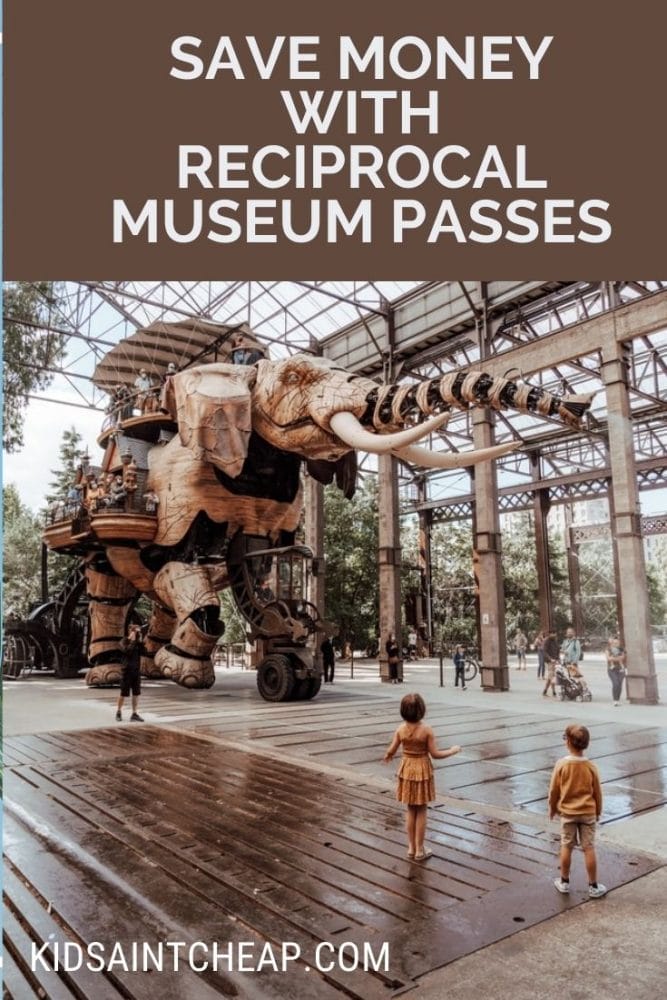
Save Money with Reciprocal Museum Passes

Recently, I took my children to our local art museum. It was the first time we went, and we enjoyed it. Buying a yearly pass was twice the cost of one-day admission, so we decided to upgrade. We knew we would be back, so the passes will pay for themselves after our next visit. But then, I found out the passes offer us reciprocal admission to many museums around the country! Those passes will save us a lot of money and give us an affordable entertainment option throughout the year.

What Museum Associations Offer Reciprocal Passes?

The museum we bought the yearly passes for is part of the North American Reciprocal Museum Association (NARM). There are over 1,175 museums in this network, all of which we have free access to with our museum pass. These museums are in the United States, Canada, Bermuda, El Salvador, and Mexico. In our state alone, there are 12 museums to which we will have access.

NARM is just one of many museum networks. You can also choose from the following organizations:

Art Museum Reciprocal Network (AMRN),

Association of Science and Technology Centers (ASTC) Travel Passport

Time Travelers (This pass offers free entry to some participating museums, but others only offer discounted entry with the pass.)

Smithsonian Affiliates, (Note that not all museums on this list choose to participate in the reciprocal agreement. While there are seven museums on this list in my state, only one participates in the reciprocal agreement.)

American Horticultural Society (AHS),

Association of Zoos and Aquariums (AZA), (Membership gives you 50% off at most zoos and aquariums on their reciprocal agreement.)

Reciprocal Organization of Associated Museums (ROAM),

Association of Children’s Museums (ACM), (Membership gives you 50% off the 200 children’s museums in the reciprocal agreement.)

Museum Alliance Reciprocal Program (MARP)

How to Save Money with Reciprocal Museum Passes

If you want to get the most for your money, choose the reciprocal program your family will use most frequently.

As mentioned above, read the fine details. Some reciprocal programs get you free admission to any of the participating programs. Others only offer discounted admission. Some have many participating museums in your state, others only have a few.

If you’re planning on taking a vacation during the year, check which programs have museums you’d be interested in visiting during your trip. Using a reciprocal pass can be an excellent way to reduce your vacation costs.

If You Can’t Afford a Museum Pass

Save Money with Reciprocal Museum Passes
Photo by Caroline Hernandez on Unsplash

Buying a season pass to just one museum in one of these reciprocal associations can make visiting museums throughout the year extremely affordable. However, some people cannot afford a season pass to even one museum. For those individuals, consider the Museum for All program.

Museums for All offers SNAP (Supplemental Nutrition Assistance Program) recipients free or discounted admission to 700 museums throughout the United States. Where I live, if I go to a local science museum with my three kids, I will pay $30 for admission. However, a SNAP recipient will just pay $12 for her and her three kids to enter, so the savings can be significant.

Final Thoughts

I hope these strategies help you save money on entertainment with reciprocal museum passes. We’re excited we’ll be able to visit our local museum several times this year AND visit other museums in our state that are part of the same group.

Read More

Save Money and Keep Kids Entertained By Rotating Streaming Services

Cheap, Fun Ways to Stay Cool This Summer

Ways to Whittle Down the Cost of Raising a Child

Melissa Batai
Melissa Batai

Melissa is a writer and virtual assistant. She earned her Master’s from Southern Illinois University, and her Bachelor’s in English from the University of Michigan. When she’s not working, you can find her homeschooling her kids, reading a good book, or cooking. She resides in Arizona where she dislikes the summer heat but loves the natural beauty of the area.


Filed Under: Family Time, Money and Finances, Stuff to Do Tagged With: entertaining kids, Entertainment, Frugal, Museum

Cheap, Fun Ways To Stay Cool This Summer

June 17, 2021 | Leave a Comment

Cheap Fun Ways to Stay Cool This Summer

After a long, cold winter, most of us embrace the warmer summer temperatures. . .until the weather becomes uncomfortably hot. We’re in Arizona and going through a heat wave; the daily highs will be 114 to 115 degrees for the next week. However, just because it’s hot doesn’t mean you and your kids have to be confined to the house all day. There are many cheap, fun ways to stay cool this summer.

Outdoor Activities

Play in the Water

Slap some sunscreen on and break out the sprinkler! My girls are 11 and 12, and they still love to run through the sprinkler and cool down.

If your kids are too young for a sprinkler opt for a kiddie pool or water table. When our kids were little, they could play for hours splashing water and throwing stuff in the water of their small stand-up water table. This is cheap, easy entertainment while still enjoying the summer.

You could also take the kids to the local community pool. Once a week my husband takes the kids to our community pool to cool off for a few hours.

Enjoy the Shade

Trust me, I know, some days even shade doesn’t cut it, but for the other days, plan a day of shaded activities only. One fun idea is to build a fort outside with sheets to play in! You’re protected from sun yet burning off some energy while enjoying fresh air.

Eat Some Cool Treats

Experiment with fun, cool healthy treats. Freeze smoothies into popsicles, eat some frozen fruit or jazz up water with frozen fruit for added flavor. Making homemade ice cream and experimenting with flavors is another option.

Indoor Activities

Walk Inside

If you need the A/C, try getting exercise at the same time. Super hot summer days are a great excuse to go to the mall…for a walk. Malls are air-conditioned and have wide halls that make a great walking path. If a true shopping trip isn’t in the budget, go to the mall and maybe grab a small treat like an ice cream at the food court. As long as your child knows the stipulations for the trip to the mall, whining should be limited when they can’t get the t-shirt/teddy bear/cell phone that they need.

Go to the Summer Movies

Every summer, theaters around the country offer discounted movie tickets for kids and their parents. Often, you can buy tickets for as little as $1. True, you don’t get to choose which movie you see at that price; you have to see the movie that the theater company designates. However, who can argue with a cheap movie and two hours of air conditioning while you watch?

Go Bowling

Fun Cheap Ways to Stay Cool This Summer
Photo by Todd Diemer on Unsplash

Likewise, bowling alleys also offer discounted bowling rates for kids. While this activity is fun, it’s probably the least frugal activity on the list because the price of renting bowling shoes can add up quickly. If your kids have their own bowling shoes, then this activity becomes much cheaper.

Final Thoughts

Hot summer days don’t mean all fun has to be zapped. While it is more difficult, it isn’t impossible to find cheap fun ways to stay cool this summer.

What are your favorite ways to stay cool this summer?

Read More

12 Free or Cheap Things to Do with Kids This Summer

How to Eat Well in the Summer

Cleaning Poop and Other Jobs Your Kid Can Do This Summer to Earn Money

Melissa Batai
Melissa Batai

Melissa is a writer and virtual assistant. She earned her Master’s from Southern Illinois University, and her Bachelor’s in English from the University of Michigan. When she’s not working, you can find her homeschooling her kids, reading a good book, or cooking. She resides in Arizona where she dislikes the summer heat but loves the natural beauty of the area.

Filed Under: Stuff to Do Tagged With: Cool, Stay Cool, Summer, Summer Activities, Summer Treats, Water Fun

Free Printable Kids Money for Download

October 29, 2020 | Leave a Comment

Getting ready to teach your children or students how to interact with money? That’s fantastic! Not only will this building block help them learn mathematics like counting by fives and tens, but it will also prepare them for the workplace. Let’s take a look at a variety of free printable kids money available on the Web and ways to teach kids about money.

play money for kids

Free Printable Kids Money for Download

Monopoly Money

One of the most recognizable currencies for children (or at least this 90s kid) is the brightly colored money from the Hasbro game, Monopoly. These bills differ from U.S. currency in appearance but offer your children a chance to practice their counting, sorting, and hand-eye coordination skills.

Download your free printable Monopoly money here.

U.S. Coins

Are your children ready to learn coin values? Making change? Let’s take a look at some printable coin sheets for you:

Customized printable sheets of play money – At StemSheets.com, you can customize the number and denomination of play coins you need on each sheet. For example, you can print off 20 coins of each value (up to a quarter) on a single piece of paper. That’s 80 coins – in color – on one sheet.

Printable coins and coloring pages – Head over to EnchantedLearning.com to view printable images of quarters, dimes, nickels, and pennies. Also, view a myriad of coloring pages for your child to enjoy as they educate her about U.S. coins.

Printable coin math worksheets – Ready to test your child’s knowledge of counting and making change? These free worksheets are great tools for just that.

Bonus Read: “6 Fun Money Games for Kids“

U.S. Dollars

Got a bank teller in the making? Help your children or students identify the correct face on each piece of currency and count them in quantities of fives, tens, twenties, or even hundreds with these options:

Fake Play Bills – Looking for fake $1, $5, $10, $20, $50, and $100 bills for your kids? Here is a complete list of free and printable play bills. These can engage your young child in a myriad of money lessons like counting, sorting, and even practicing good habits like using the envelope system.

Realistic Bills – Add a Face – A great way to quiz your child on whose face belongs to which bill is to show him this realistic play money with no face in the middle. After printing out these bills by denomination, he can color in his own face for some added fun. No worries. It’s only a federal crime to deface U.S. currency when it’s not play money. 😉

Games and Play to Teach Kids About Money

In the preschool years, kids are just beginning to learn that money has value and can be used to buy goods.  In early elementary, they learn to distinguish between the various bills and coins and their value.  You can help your child become money smart at an early age by playing money games with them.  Consider some of the following:

Buying Groceries

Print, cut, and laminate these terrific flash cards to quiz your child on prices at the grocery store. For example, she can use her fake money to pay for a $2 bag of popcorn or $1 bottle of water or do the math to pay for them both.

As your child gets older and masters this play game, you can take her with you to the grocery store.  Give her a certain amount of money and ask her to buy a few select things from your list.  This is a great time to teach her the difference between name brand and unbranded goods and the price difference between them.

Going to a Restaurant

Free Printable Kids Money
Photo by Annie Spratt on Unsplash

Take advantage of your child’s love of play to play a game of restaurant.  Present children with a menu using one of these realistic free menu downloads.  Then, let your child choose his food, pay for the meal, and leave a tip.  This is an excellent time to talk about budgeting and staying within a budget when dining out.  Don’t forget to let your child switch roles and practice being the waiter.

Using Printable Play Checks

Is your child old enough to write? Then he’s old enough to learn how to write a check. Paper checks may seem archaic in today’s digital world, but it’s still a foundational skill from which your child will build his financial knowledge upon.

For example, give him a set list of chores to complete, then pay with a check using these free printable checks. Teach him how to understand the information on the check, endorse it properly on the back, and cash it. This will help him understand the role banks and employers will play in his life later, even if his paychecks are directly deposited.

Practicing Estimation

Another fun activity is helping your children practice estimation.  Fill a glass jar with coins, and let your kids guess how much money is in there.  The person with the closest estimate wins a small prize.

Collecting Change

Another idea is to save all your coins in a jar as a family.  Decide together what you’ll use the money for.  Maybe you’ll use it for a fun day out or for a donation to a charity you all agree on.

Teaching about Interest

For older elementary kids, teach them how interest works.  They can deposit money with you for their savings, and every month you can give them interest, at a rate you’ve determined, on their savings.  Your kids will likely be excited by this “free” money they’ve earned and want to save even more.

Final Thoughts

We all want our kids to be savvy when it comes to saving and spending.  Those skills should start being developed early, when kids are three to ten, through printable money and games with the kids.  The earlier you can start them understanding the value of money, the longer you have to teach them how to use money responsibly.

Bonus Read: “How to Teach a Child to Count Money“

Got any favorite ways to teach kids about money? We’d love to hear about them in the comments below!

Read More

Parenting Win: Teaching Money Skills to Your Kids,

Games That Teach Kids About Money,

Free Apps that Help Kids Manage Their Pocket Money

Melissa Batai
Melissa Batai

Melissa is a writer and virtual assistant. She earned her Master’s from Southern Illinois University, and her Bachelor’s in English from the University of Michigan. When she’s not working, you can find her homeschooling her kids, reading a good book, or cooking. She resides in Arizona where she dislikes the summer heat but loves the natural beauty of the area.

Filed Under: Education, Family Time, Growing Up, Money and Finances, Stuff to Do Tagged With: free printable money for kids, Monopoly money, printable kids money, printable play money, teach kids to count

Free Online Games to Teach Kids about the Environment

May 14, 2020 | Leave a Comment

If you’re a mom of kids under 12, you know that one of the best ways to teach kids so that they actually remember information is to play games.  Games are fun, so kids are eager to play, not knowing (or caring) that they’re actually learning something.  If you have science minded kids, there are many free online games to teach kids about the environment.

Free Online Games to Teach Kids about the Environment

Free Online Games to Teach Kids about the Environment

There are so many games and so many ways you can teach kids about the environment!

Games for Ages 4 to 7

Even your little children can learn about the environment with these fun games.

Environmental Protection Agency

Free Online Games to Teach Kids about the Environment

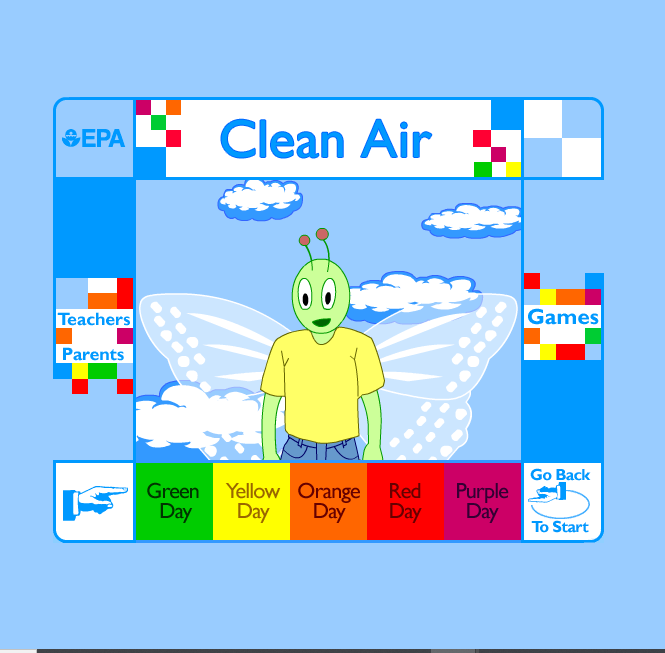
Choose one of three games for ages 4 to 7 to teach them about air pollution and what the various colors mean—green day, red day, etc.

National Institute of Environmental Health Sciences

There are many, many games on the Kids Environment Kids Health page from the National Institute of Environmental Health Sciences.  These games are for kids in 1st to 4th grade.  The free online games to teach kids about the environment include:

Climates of the World

Kids match children in a variety of clothes with the climate and country that they live in.

Matching Game

In one of the matching games, kids can match bird songs with the birds that make them.

Do check this site out as there is so much here young kids would like include many different games, jokes, riddles, and songs.

Energy Star

Calling all Dr. Seuss fans!  The Energy Star website has a fun game called Join the Lorax.  Games include coloring the Lorax characters, completing a word search, and a picture search for energy efficient items.

Games for Ages 8 to 12

SciJinks

Free Online Games to Teach Kids about the Environment

The SciJinks site has many different games for kids from grades 3 to 7.  This site has 23 games including a hurricane simulator and a tornado simulator (kids will probably enjoy seeing the flying cow spinning around when the tornado hits).  Game topics include:

  • Weather,
  • Hurricanes and Storms,
  • Clouds, Water, and Ice,
  • Tides and Oceans,
  • Atmosphere,
  • Seasons,
  • Satellites and Technology,
  • Space Weather

EPA

For those who prefer more scholarly free games to teach kids about the environment, the EPA has an ozone science crossword puzzle.  This puzzle would be perfect for 5th to 7th graders.  There are 17 clues and 17 answers to choose from.

Energy Kids

The U.S. Energy Information Administration has all sorts of activities for kids on the part of their website called Energy Kids.

They have fun energy-related riddles such as, “How do energy-conscious people feel about wind power?  Answer—they’re blown away.”  When my son was in 3rd grade, he would have loved riddles like this.

They also have energy slang terms as well as puzzles (Sudoko, slider puzzles, crosswords and word searches).

For students who love participating in science fairs, the site has science fair experiment ideas for all ages, K-12.

Lastly, the site has suggestions for energy-based field trips as well as a brief description of each site.

NASA Science

For your kids in grades 6-9, Nasa Science has a game to teach your kids about energy flow called Go with the Flow.  Kids get to experiment with how salt and heat affect the weather and the water currents.

If your child is interested in learning about space weather, there is also a game for that on the site called Shields Up!

Smithsonian Science Education Center

If you want to teach your kids about the environment, the Smithsonian Science Education Center site has games for kids in grades 3 to 6.

In the game Habitats, children are given a picture of a habitat (habitats range from desert, coral reef, jungle and marsh.)  They then can choose from images of three animals to decide what animal belongs in that particular habitat.

Similarly, they also have a game, Home on the Range, that corresponds with 2nd grade learning standards.  Kids try to find animals and plants that exist in certain habitats around the United States.  If they don’t know the answer, they can click on each animal or plant that is a possible answer and read more about that particular one.

Smokey for Kids

Teach your kids about the dangers of wild fires with the Smokey for Kids site.  Not only do kids learn how to prevent wildfires, but they also can play games to reinforce what they learn.  Kids might find it especially fun to play the Storymaker Game.  They first fill out quite a bit of information personalized to them, and then a story is created using that information.

Water Sense

In the Water Sense game, created by the EPA, lead the water drop through a maze, being careful to avoid water wasters.  This game is great for late elementary and early middle school students.

Smithsonian’s National Zoo & Conservation Biology Institute

In the Migration Game, students answer questions about migration.  Each question that they answer correctly gets Wanda the Wood Thrush closer to her summer home in Maryland from her winter home in Costa Rica.

Sample multiple choice questions include, “When do Wood Thrushes fly when they are migrating?” and “How long does it take a Wood Thrush to migrate from Costa Rica to Maryland?”

Recycle City

Another site created by the EPA, Recycle City offers two activities for kids.  First, there is the Recycle City Challenge, where kids can answer questions about actions people can take to reduce waste and energy use.  They can earn points and jump on the leader board.

They can also play the Dumptown Game.  The player is in charge of Dumptown and must start programs to reduce waste and encourage recycling.  Players will be able to see the financial differences based on the programs they implement.

Final Thoughts

Most kids love playing games, all the better if they’re electronic games.  Why not use these free online games to teach kids about the environment to both entertain and educate your children?  I’m guessing your kids, if they’re like mine, would be happy to try out these games and learn new jokes and riddles to add to their repertoire.

Melissa Batai
Melissa Batai

Melissa is a writer and virtual assistant. She earned her Master’s from Southern Illinois University, and her Bachelor’s in English from the University of Michigan. When she’s not working, you can find her homeschooling her kids, reading a good book, or cooking. She resides in Arizona where she dislikes the summer heat but loves the natural beauty of the area.

Filed Under: Education, Green Living, Parenting Blog at KidsAintCheap, Stuff to Do Tagged With: educational games, environmentally friendly, Learning

Memory Jar – Fun Way For Kids To Look Back

May 29, 2019 | Leave a Comment

memory jar

Teaching our kids gratitude is one thing that is tops on the list of values to teach. Strangely, our brains are designed to focus more on negativity and survival rather than enjoying the moment. Thankfully, we can change that easily be showing gratitude and remembering the great things that have happened. A memory jar is a perfect way to focus on the moment and relive those later in life.

[Read more…]

Filed Under: Stuff to Do

Where to Get the Best Pacman Coloring Pages

April 24, 2019 | 1 Comment

pacman coloring pages

Maybe it’s a rainy day, and the kids are testing your nerves—the day where nothing seems to satiate their boredom, and you want to scream. Hey, we all have been there! I remember one rainy day in which my child decided that coloring was fine—as long as he could color this one thing, Pacman. He had been playing a lot of Pacman on our Wii, and he wouldn’t look at anything else. Fortunately, I was able to find him some Pacman coloring pages and save my sanity at the same time. Here are my favorite sites for Pacman coloring pages. You might even like them for some of their other coloring pages as well.

[Read more…]

Filed Under: Freebies for Parents, Stuff to Do Tagged With: coloring pages, pacman

Save More Money With the Best Restaurant Deals and Apps for Families

October 26, 2018 | Leave a Comment

best restaurant dealsSometimes you want more than your home cooking or a hamburger from a local fast food eatery. But if you have kids, dining out can be expensive. Thank goodness some restaurants offer free meals for kids so parents can enjoy being served instead of serving. You can check your local restaurants for deals, but here are five of the best restaurant deals (and some reward programs and apps) that will help you save money next time you’re out.

[Read more…]

Filed Under: Money and Finances, Stuff to Do Tagged With: restaurant deals, rewards programs

5 Fun and Affordable Fall Family Vacations

October 9, 2018 | Leave a Comment

family vacations on a budget

Many schools give the kids a fall break and it’s the perfect time for a quick getaway. You probably don’t want to dip into your Christmas money, and you don’t want to break that piggy bank. Here are 5 fun ideas for family vacations on a budget — and a few free things you can do too!

[Read more…]

Filed Under: Family Time, Stuff to Do Tagged With: family vacations

5 Free Printable Baby Shower Games

May 8, 2017 | 4 Comments

free printable baby shower gamesYou’ve graciously offered to throw a baby shower for someone. Perhaps it’s a friend, coworker, or family member. Well done! It’s a fun time, but planning can be stressful. That’s why I’ve put together a roundup of free printable baby shower games to make the most of the mom-to-be’s special day.

5 Free Printable Baby Shower Games

Name That Baby

This is a game we used at my baby shower. Simply pass out the printable forms with a list of animals and have each guest write the names of baby animals of the same breed. for example, goose and gosling.

Find your printable sheets for “Name That Baby” here.

Name That Nursery Rhyme

This single sheet lists several first lines from famous nursery rhymes. Test your guests and see who gets the most right! The printable sheet and answer key are both at the link below:

Print off your copy of “Name That Nursery Rhyme” here.

Baby Bingo

Baby Bingo is a simple and fun game shower guests of any age can play. Print off several of these bingo cards – blue or pink. Make sure you have game pieces, candy, buttons, or coins for players to use for their cards. In each box, write what the expectant mother could potentially receive at her baby shower. For example, diapers, baby blanket, or lotion.

Call out each item and see who calls “Bingo” first!

Choose your printable “Baby Bingo” cards here.

Baby Shower Scavenger Hunt

A great ice breaker that helps people interact with one another is a scavenger hunt. Ask your guests to form into teams of two or three, then give each team a copy of the first clue. The rest of the clues have been hidden by you throughout the house.

I like this version of a scavenger hunt for a baby shower because each clue is fill-in-the-blank, making the clues more solvable and moving the game along at a nice pace. Make sure you have enough prizes for each team member to receive!

Get your “Baby Shower Scavenger Hunt” clues here.

Baby Shower Charades

Could you stand up in front of your friends and describe “Mary Had a Little Lamb” without using words? Try this fun version of charades that centers around popular nursery rhymes. Cut up each choice and have each guest draw one out of a hat to act out.

You can choose a different theme for charades, of course. You can have your guests act out baby-related things like going into labor, swaddling a baby, or having your water break. Oh, the possibilities for fun…

Print off your nursery rhyme-themed “Baby Shower Charades” here.

If you’re looking for more free printable baby shower games or need help putting together your theme, invitations, or snack ideas, then be sure to check the wealth of resources on Pinterest. These five games should help your guests break the ice and enjoy their time making memories and honoring their friend.

Next Up: “5 Quality Baby Items That Are Worth the Investment”

Which baby shower games have you played? Share a favorite with us below!

Image Credit: jdurham (MorgueFile)

Planning on staying home after your baby is born? Check out our top financial resources for stay-at-home moms:

  • 10 Steps to a Successful Stay-at-Home Mom Budget
  • How to Afford Your Dream of Becoming a Stay-at-Home Mom
  • 14 Online Jobs for Stay-at-Home Moms (That Are Worth Your Time)
  • 13 Ways for Stay-at-Home Moms to Save Money
  • Loans for Stay-at-Home Moms – What Are YOUR Options?
  • The SAHM Budget Test: How to Afford to Be a Stay-at-Home Mom
  • How to plan your finances properly when a baby is on the way

Filed Under: Baby Stuff, Freebies for Parents, Random Musings, Stuff to Do Tagged With: baby shower bingo, baby shower game printouts, baby shower scavenger hunt, free printable baby shower games, Pinterest

How to Launch a 52-Week Money Challenge for Kids

April 10, 2017 | Leave a Comment

52-week money challenge for kidsAs you set your goals each year, it’s fun to include your children in the process. Involvement helps them learn to set goals of their own. In the interest of helping them develop strong savings habits, why not have them participate in a 52-week money challenge for kids?

Similar to the well-known 52-week money challenge for adults, the kids’ challenge helps kids to save more money by determining a set amount of cash to put into a savings account, and then increasing that amount each and every week.

How to Personalize Your Child’s 52-Week Money Challenge for Kids

Based on your child’s age and his or her ability to access money, you can pick the weekly money amount that works best for their particular situation.

Even with the smallest weekly contribution, the savings will add up. If your child is younger, you can start with a small amount – for example, a nickel – each week. Here’s how the challenge works:

  • $0.05 contribution – WEEK 1
  • $0.10 contribution – WEEK 2
  • $0.15 contribution – WEEK 3

And so on. If you choose to use a nickel for the challenge, your child simply increases each weekly savings contribution by one nickel. By the end of the 52 weeks, your child will have saved $68.90.

Here is a breakdown of other coin values and potential savings amounts:

  • Dime = Save $137.80 by the end of the 52 weeks.
  • Quarter = Save $344.50 by the end of the 52 weeks.
  • Dollar = Save $1,378 by the end of the 52 weeks.

Why Teaching Kids to Save is Important

We’re living in a time where it’s easy to not save money. Clever marketing and social pressures encourage kids to spend rather than save. Therefore, they start to believe they can have the latest and greatest of everything on the market – without the hard work of earning it.

Saving money is becoming less and less important to people as generations go by. America’s declining savings rate proves it. In May of 1975, the personal savings rate in the United States reached a high of 17%. At the end of 2016, it was 5.4%.

By teaching our children to develop a habit of saving money, we give them a head start on the road to financial responsibility.

Other Ways to Teach Kids to Save

Besides using a 52-week money challenge for kids, there are other ways you can teach your children to make saving money a consistent habit.

  • Require your kids to save a percentage of all money they earn or receive as a gift
  • Boost your child’s enthusiasm for saving by committing to match what they put into savings dollar for dollar
  • Create a savings contest between you and your child (or between your children) to see who can save the biggest percentage of their income for the year

The 52-week money challenge for kids is a great way to encourage children not just to save money, but to challenge themselves to save more than they initially thought was possible. So, give your kids the gift of making savings a habit starting today.

Bonus Reading: “6 Fun Money Games for Kids”

Would you ever do a 52-week money challenge with your child? Have ever done one on your own? Let us know in the comments below!

Image Credit: Nathaniel_U (Creative Commons)

Are you a stay-at-home mom? Make sure you bookmark or pin some of these resources for later!

  • 10 Steps to a Successful Stay-at-Home Mom Budget
  • How to Afford Your Dream of Becoming a Stay-at-Home Mom
  • 14 Online Jobs for Stay-at-Home Moms (That Are Worth Your Time)
  • 13 Ways for Stay-at-Home Moms to Save Money
  • Loans for Stay-at-Home Moms – What Are YOUR Options?
  • The SAHM Budget Test: How to Afford to Be a Stay-at-Home Mom
  • 52-week Money Challenge by Saving Advice

Filed Under: Education, Growing Up, Money and Finances, Parenting, Stuff to Do, Toys and Games Tagged With: 52-week money challenge for kids, how to launch a 52 week money challenge, money games, save money, teach kids to save

Frugal Summer Fun For Your Toddler

June 4, 2014 | Leave a Comment

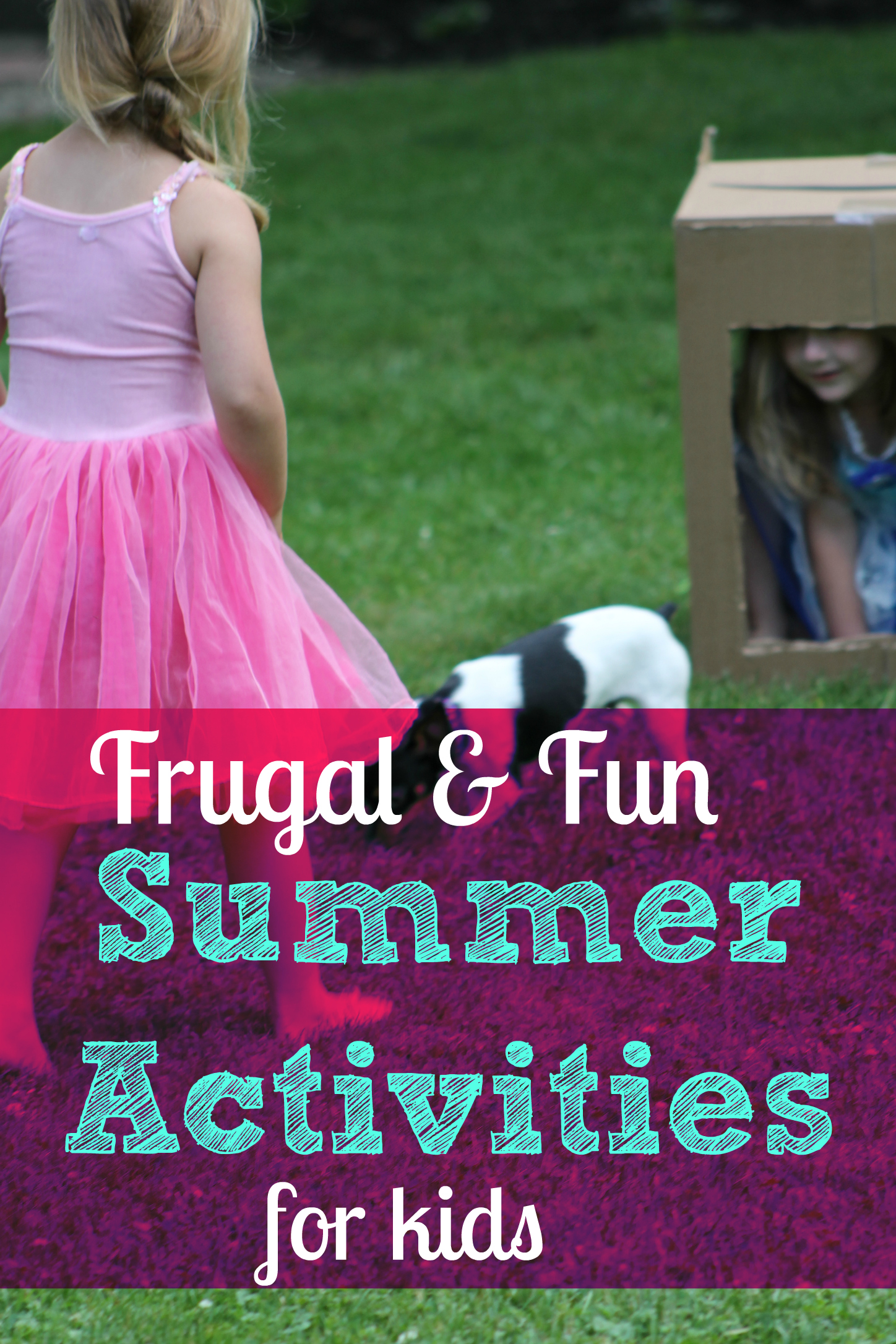
frugal summer activities for kidsIt’s hard to believe that June is here!

The weather is finally starting to warm up (the cold weather was dragging on forever here) and we’re venturing outside. This is the first summer that my daughter could really ”do anything”. She was born in June so last year, being only one, was just learning how to walk and explore.

This year, a full-fledged active two year old, requires strategic planning to keep her entertained. The good thing is that she’s only two so doesn’t really know how or what is out there unless we expose her to it. The bad thing is that she is very busy and requires me to be as creative as I can be to keep her entertained all summer.

After pursing the internet and talking to my mom and teacher friends, I have come up with a list of fun fugal outdoor activities for your toddler:

  • Painting with water. We did this the other day and it’s as easy as it seems. Bucket of plain water and a paintbrush! We painted the driveway and fence. This literally entertained her for over an hour and 100% mess-free!
  • Chalk/bubbles. Another favorite and cost less than $1.
  • Explore your neighbourhood. I like taking walks with kiddo before it gets too hot in the summer mornings. It’s usually not too busy traffic-wise and I can let her out of the stroller to just run ahead of me a little to burn off some energy herself.
  • Parks and playgrounds. When we’re on our walks we will often stop at a local playground to run around. Bonus if there are other kids present for her to play with otherwise mom is getting an added workout playing too 🙂
  • DIY Sandbox or dirtbox. Little fact: Kids love to dig and play in dirt. We plan on buying a cheap kiddy pool (less than $10) and filling it with either sand or dirt. We can hide a few toys within the sand/dirt and let them dig it out. I went to the local dollar store and purchased some little shovels and a toy dump truck for her to play with in said box.
  • Beach days. Great idea of you’re close to one!
  • Picnics. There’s something so fun about eating outside. You don’t even have to go anywhere, you’re own backyard will do. It’s the change in routine that will have them entertained.
  • Treasure hunt. Take objects (ideally kids toys) and hide them outside having them find them based on description such as ”eye spy something that is red”.
  • Garden. Kids love helping. Something like a garden is something they can help with (maybe something as simple as buying them a tiny watering can sort of thing). Have them help pick out flowers and I’m sure the first thing out of their mouths every morning will be ”flowers!”. They will love the added responsibility to help keeping it alive.

Keeping little ones entertained can be exhausting for parents. It’s so easy to run out of ideas especially with very active toddlers. I hope there are a few new ideas for you and your little one. Bring on warm weather!

What other frugal summer fun ideas can you think of?

Catherine
Catherine

Catherine is a first time momma to a rambunctious toddler. When she isn’t soaking up all that motherhood has to offer, you can find her blogging over at Plunged in Debt where she chronicles her and her husbands journey out of debt. You can also follow her on Twitter.

plungedindebt.com

Filed Under: Family Time, Money and Finances, Stuff to Do, Uncategorized Tagged With: Frugal, Kids, Summer Activities

Enjoy Sporting Events at a Great Price!

January 18, 2014 | Leave a Comment

seats at a sporting eventWe are a sports loving family! The boys’ nursery was sports themed — and now, their bedroom is pretty much the same. Once we moved them to their bunk beds, we did away with the baby stuff and gave their room a “little-big kid” update. We purchased their first baseball gloves when they were still infants — and my Aunt and Uncle made sure they had even better quality baseball gloves for their 1st birthday. Once my Uncle found out A. was a lefty, he promptly went out and purchased him a left-handed glove.

We don’t push sports on our kids but they are surrounded by it. They are still too little to play organized sports (they’ve had soccer lessons but nothing competitive). However, N does love to play baseball — and has grand visions of being a catcher one day.

My husband and I love sports. I’m a huge Bears fan and enjoy watching just about any sport live. My husband follows a variety of sports; baseball, football, hockey, basketball and now that Portland has a pro-soccer team — he might be converted to a soccer fan as well. The boys know all the right teams to cheer for. Although, I’m afraid when they go through their rebellious stage — they’ll, also know the teams they can root for, to drive my husband and I crazy!  I am also proud to say that the boys can recognize logos of quite a few sports teams – at least the important ones anyway. And if you are wondering — no, we don’t quiz them with flash cards.


Free Sports Events

Attending professional sporting events can be spendy but there are a lot of other options. For instance, our boys love going to any sporting event, especially ones where they can see their “big kid” friends play. These sporting events are usually free – or cost very little – to enjoy. These games may not have all the thrill and excitement of pro games – but for little ones – they will just love the atmosphere and some great bonding time.

We actually took the boys to their first little league game, when they were only about a month old. Of course they slept through the game  — but I could tell they were really happy to be there. They went to their first middle school football game when they were less than a year old. They liked it, until my friend cheered for her son’s team — which scared A. Actually, he cried through the rest of the game. I am happy to report that he had a much better time the following year — and cheered along with the crowd.


Low Price Sporting Events

Semi-pro teams are also a fantastic way to take in a game without spending a ton of money. We actually just took the boys to watch our town’s semi-pro basketball team. Total cost for 2 adults, 2 children, 2 bags of chips , and a bottle of water — $13. You can barely get one person into a movie for that amount of cash! The team plays at the local community college, and it’s a great time for the whole family.

They do free face painting, they are always giving away things, and they even had a station set up so people can make signs, to show the team support. The best part is, if the kids are having a tough time sitting still, or get too tired to be there — you don’t feel like you are wasting money if you need to leave early.

Check out your local area. You may discover a team you didn’t even know about (like we did last year–we had no idea our town had a semi-pro basketball team). Tickets to semi-pro baseball, hockey, car racing, etc. won’t break the bank and you’ll make fabulous memories with the kiddos!

Finally, if you want to really surprise your family or spouse, you can put together a sports package and go see a major sports team or sporting event.  For example, you could find a discount sports package through a service like RoadTrips, and you could get into a great event for a good price.  I’ve done this for my husband’s birthday, and we had a blast.

How do you work sporting events into your budget?

Brian
Brian

Brian is the founder of Kids Ain’t Cheap and is now sharing his journey through parenthood.

 
Email • Google + • Facebook • Twitter

Filed Under: Family Time, Stuff to Do Tagged With: Amateur, Little League, Semi-pro, Sports

Next Page »
  • Facebook
  • Pinterest
  • RSS
  • Twitter
Best Parenting Blogs

Most Popular

11 Ways Kids Are Outsmarting Parental Controls 1. Using Alternate Devices One common trick is simply turning to another device. If a child’s main phone or tablet is restricted, they may borrow a sibling’s, friend’s, or even a school laptop. This instantly gives them access to content outside of parental oversight. Parents often focus on one device, forgetting that others in the household can serve as loopholes. Knowing this tactic helps families tighten controls across all electronics. 2. Clearing Browsing Histories Many kids quickly learn that clearing browsing history hides evidence of restricted activity. With just a few clicks, they can erase any trace of websites visited. This makes it harder for parents to notice when rules are being broken. Parents may assume no history means no browsing, but the reality is often the opposite. Kids are outsmarting parental controls by making it seem like nothing happened at all. 3. Using Private Browsing Modes Most browsers offer “incognito” or private browsing features. Kids use this mode to access websites without leaving a record in the history. To parents checking later, everything looks clean and safe. This simple trick is often one of the first ways kids discover how to bypass restrictions. Conversations about private browsing can help close this gap. 4. Guessing or Resetting Passwords Children who are persistent may try to guess passwords to parental control apps or accounts. Others may find ways to reset them through email prompts or security questions. Once inside, they can disable restrictions entirely. Parents may not even realize controls have been altered until much later. Stronger, less predictable passwords can make this more difficult. 5. Using VPNs to Hide Activity Virtual private networks, or VPNs, let kids disguise their online locations. With one downloaded app, they can bypass geographic or parental restrictions. Some children learn about VPNs through friends or even social media. This makes it easy for them to reach content that should be blocked. Parents often underestimate just how simple it is for kids to use these tools. 6. Creating Fake Accounts When parents monitor social media, kids may create hidden accounts. These “finstas” or fake profiles allow them to interact freely without parental oversight. While their main account appears harmless, the secondary one tells a different story. Kids are outsmarting parental controls by playing both sides at once. Checking for duplicate accounts can help parents stay more aware. 7. Exploiting Time Zone Settings Some kids change the time zone on their devices to bypass screen time limits. This trick allows them to gain extra hours of usage undetected. Parents may assume controls are working, but in reality, the child is bending the clock. It’s a clever loophole that highlights just how resourceful kids can be. Monitoring device settings regularly can catch this tactic. 8. Disabling or Uninstalling Apps Parental control apps can be deleted or disabled with surprising ease. Some kids even reinstall them before a parent checks, making it seem like nothing changed. Others may simply restrict permissions to prevent apps from functioning properly. When apps aren’t monitored closely, parents may not notice they’ve been tampered with. This shows the importance of consistent follow-up. 9. Turning to Friends for Access If a child can’t get past restrictions on their own, they may rely on friends. Visiting a friend’s house or borrowing their phone can give them a free pass. Parents often forget that peer environments can override restrictions set at home. This kind of social workaround is especially common with gaming or social media. Open conversations about trust and responsibility are essential. 10. Hiding Apps in Plain Sight Kids sometimes download apps that look innocent but serve as gateways to hidden activity. These apps may disguise themselves as calculators or utilities. In reality, they allow file storage, private messaging, or browser access. Parents glancing at a home screen may overlook them entirely. Learning to recognize these disguised apps can help parents stay informed. 11. Outpacing Parents’ Tech Knowledge Finally, kids often know more about devices than their parents do. Whether through YouTube tutorials, TikTok hacks, or peer groups, they quickly learn advanced workarounds. This knowledge gap means controls can be bypassed before parents even realize the loophole exists. Staying informed and continually learning about new technology is the best defense. Kids are outsmarting parental controls because they adapt faster than most adults. The Real Solution Lies Beyond Restrictions While controls and filters are important, no system is perfect. Kids will always find creative ways around barriers, making communication the strongest safeguard. Setting clear expectations, building trust, and having ongoing conversations about online behavior matter more than apps alone. Parents who combine technology with open dialogue create a safer digital environment. The goal isn’t to win a battle of wits but to build a relationship that keeps kids both safe and honest. Do you think kids are outsmarting parental controls faster than parents can keep up? Share your experiences in the comments below. What to Read Next... 6 Parenting Tech Shortcuts That Can Expose Your Child to Strangers How Much Screen Time Is Too Much—Legally Speaking? Is Your Child’s School Quietly Tracking Their Location Without Your Consent? How Much Screen Time Is Quietly Reshaping Childhood Behavior? Why Some Parents Are Being Investigated Over Homeschooling Records

11 Ways Kids Are Outsmarting Parental Controls

Catherine Reed
Smiling grandfather holding a happy baby indoors.

Why Grandparents Shouldn’t Babysit Their Grandkids Every Week – The Unspoken Issue

Samantha
Girl getting makeup done, referencing psychologist-approved age.

Wearing Makeup: Here Is the Age That Psychologists Agree It’s Okay for Girls to Wear Makeup

Samantha
birthday gifts

7 Birthday Gifts Your Child Should Never Bring to a Party

Latrice Perez

Babysitting Without Cash: 10 Ways to Barter Your Way Out of Childcare Costs

Ashleigh Clyde

All content on Kids Ain’t Cheap is for entertainment purposes only. By reading this blog, you agree that Kids Ain’t Cheap is not responsible for any actions taken after reading this blog. For the full disclaimer, see our privacy policy.

Please note that Kids Ain’t Cheap has financial relationships with some of the merchants mentioned here. Kids Ain’t Cheap is funded by banner advertising, commission sales and search optimization consulting.

Copyright © 2006–2026 | District Media | All Rights Reserved | Privacy Policy

Copyright © 2026 Runway Pro Theme by Viva la Violette