
• Home
  • About Us
  • Toolkit
  • Archives
  • Advertise
  • Privacy Policy

Kids Ain't Cheap

But They Sure Are Worth It

  • Parenting
    • Baby Stuff
    • Books and Reading
      • Aesops Fables
      • Comic Books
    • Education
    • Family Time
    • Green Living
    • Growing Up
    • Healthy Living & Eating
    • Holidays
    • Parenting
    • Random Musings
    • Shopping
    • Stuff to Do
  • Money
  • Product Reviews
    • Books and Magazines
    • Discount Sites
    • Furniture
    • House Keeping
    • Reviews News
    • Toys and Games
  • Contact Us
  • Our Editorial Commitment
  • Search

Does Your Child Need More Support After Moving to a Larger School?

August 11, 2026 | Leave a Comment

Kids In Class
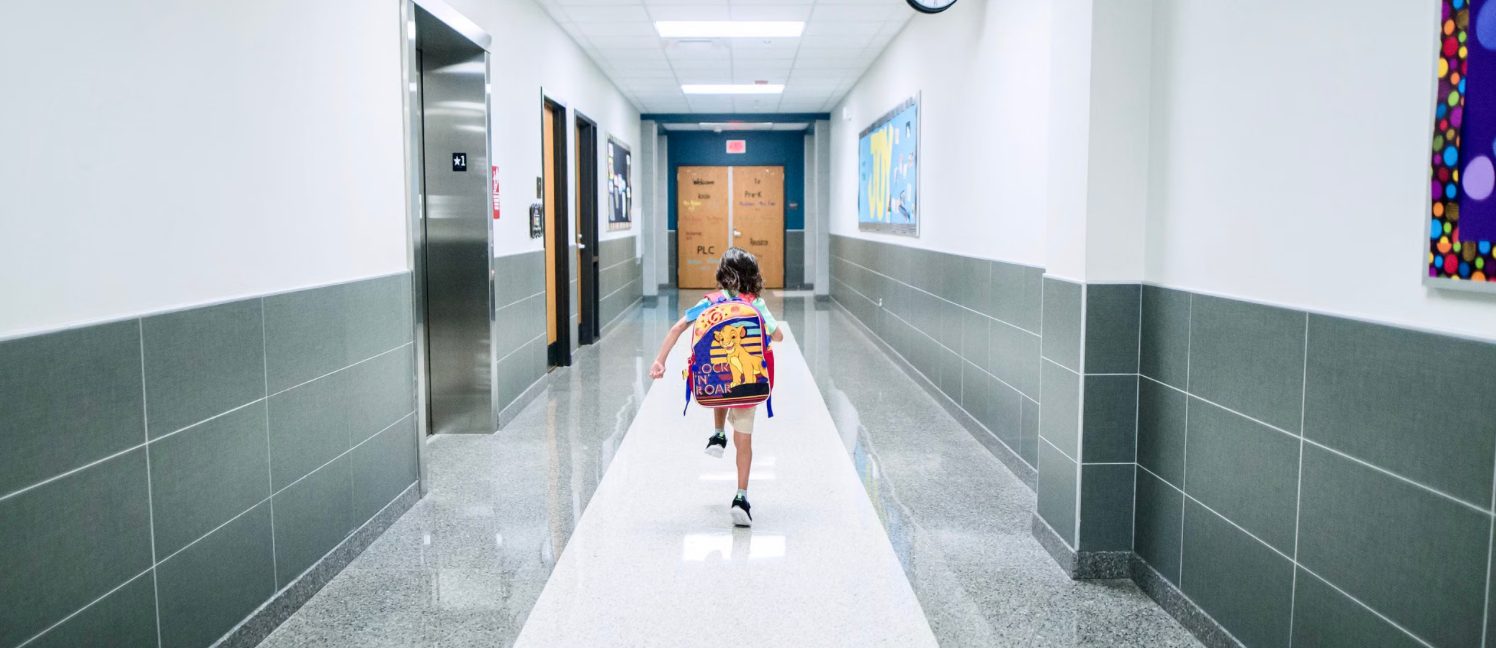
A parent and child should walk confidently toward a larger school while discussing the day’s routine, highlighting how preparation and teamwork can ease school transitions. (Pexels).

Moving to a larger school can be exciting, but it can also create unexpected challenges for children, especially those with autism. A bigger campus, more students, louder hallways, and unfamiliar routines can increase stress and make it harder to adjust. For parents of an autistic child changing schools, it is natural to wonder whether extra support is needed during the transition. While every child adapts differently, recognizing early signs and working with the school as a team can make the move smoother and more successful.

Why a Larger School Can Feel Overwhelming

A larger school often introduces more sensory input, social expectations, and schedule changes than a child has experienced before. An autistic child changing schools may suddenly need to navigate crowded hallways, multiple teachers, noisy cafeterias, and less predictable transitions throughout the day. Even students who performed well in a smaller setting can struggle when familiar routines disappear. That does not automatically mean something is wrong, but it does signal that additional support may be helpful while they adjust. Parents should remember that this transition is not a test of independence but an opportunity to identify what helps their child thrive.

Signs Your Child May Need Additional Support

Some children express stress with words, while others show it through behavior or physical symptoms. An autistic child changing schools may become more anxious before school, have frequent meltdowns after returning home, withdraw from classmates, or suddenly resist attending school. You might also notice declining grades, difficulty completing homework, disrupted sleep, or increased sensory sensitivities. These changes are not diagnostic of a new condition, but they are important signals that deserve a conversation with teachers, school staff, and healthcare providers when appropriate. The American Academy of Pediatrics encourages families to address concerns early rather than waiting for problems to become more significant.

Building a Support Plan With the School

The best outcomes usually happen when parents, educators, therapists, and healthcare providers communicate openly and consistently. If your child already has an Individualized Education Program (IEP) or a Section 504 Plan, ask whether accommodations should be updated to reflect the demands of a larger campus. Helpful supports may include visual schedules, sensory breaks, a quiet space, extra transition time between classes, or regular check-ins with a trusted staff member. If your child does not currently have formal accommodations but you have concerns, request a team-based evaluation through your school rather than relying on assumptions or online advice alone. Early conversations often prevent small challenges from becoming long-term barriers to learning.

Helping Your Child Feel More Confident at Home

Parents can reinforce school strategies by creating predictable routines before and after school. Walking through the daily schedule, practicing routes around campus before school starts, and using visual calendars can reduce uncertainty for an autistic child changing schools. Many families also find that allowing extra downtime after school helps children recover from sensory overload before starting homework or other activities. Celebrating small victories, such as successfully finding a classroom or making a new friend, builds confidence without placing unnecessary pressure on perfection. Consistency between home and school gives children a stronger foundation during periods of change.

The Goal Is Progress, Not Perfection

Every child adjusts to change at a different pace, and progress rarely happens in a perfectly straight line. Some students settle into a larger school within a few weeks, while others may need additional supports throughout the school year. Research and guidance from the CDC emphasize that educational supports should be individualized because autism affects each person differently, and interventions are most effective when tailored to the child’s specific needs. Parents should avoid comparing their child with classmates and instead focus on meaningful improvements in confidence, communication, and daily functioning. Most importantly, needing extra support after moving to a larger school is not a setback—it is often a practical step toward long-term success.

The Bigger Picture for a Successful Transition

A successful transition is about far more than academics because children also need to feel safe, connected, and understood in their new environment. When parents stay engaged, communicate regularly with school staff, and respond early to signs of stress, an autistic child changing schools is more likely to develop confidence over time. Remember that this article is not diagnostic, and concerns about behavior, development, or emotional well-being should be addressed through a team-based evaluation with educators and qualified healthcare professionals. The right combination of school accommodations, family support, and patience can help children adapt while building resilience for future transitions.

Has your family experienced an autistic child changing schools? Share your experience or tips in the comments to help other parents facing the same journey.

What to Read Next

How to Prepare an Autistic Child for a New School Routine

7 Signs a School Accommodation Exists on Paper but Not in Practice

Special-Education Terms Parents Should Know Before the School Year Begins

Evan Morgan

Evan Morgan has been a full-time freelance writer and editor for 10+ years. When not working, he enjoys catching the latest true crime documentary or getting lost in a good book.


Filed Under: Education Tagged With: autism, autistic child changing schools, Back to School, child development, education, Parenting, school transition, special education

7 Signs a School Accommodation Exists on Paper but Not in Practice

August 7, 2026 | Leave a Comment

Classroom
A parent should review a student’s accommodation plan while discussing classroom supports with a teacher, emphasizing that consistent implementation matters just as much as the written document. (Pexels).

A well-written accommodation plan can help level the playing field for a student, but the document alone does not guarantee consistent support. Whether a child has an Individualized Education Program (IEP) or a Section 504 plan, success depends on accommodations being understood and applied throughout the school day. Parents often notice subtle patterns before anyone else, especially when grades, behavior, or stress levels suddenly change. Recognizing these warning signs early can help families start productive conversations with educators instead of waiting for small concerns to become larger problems.

1. Your Child Is Frequently Surprised by Missed Supports

One of the earliest signs is when a student regularly says they forgot to ask for extra time, a quiet testing space, or another listed accommodation. Many accommodations should be provided proactively rather than only when a student remembers to request them. For example, a child with documented extended testing time should not have to negotiate for it before every quiz. Consistent implementation helps reduce unnecessary anxiety and creates predictable learning conditions. Experts note that accommodations are intended to remove barriers, not create additional hurdles for students.

2. Different Teachers Handle Accommodations Differently

Students often have several teachers throughout the day, and consistency matters. If one teacher routinely follows the plan while another rarely does, families may notice uneven academic performance between classes. This difference does not automatically mean anyone is intentionally ignoring the plan, but it may indicate communication gaps or inconsistent implementation. Keeping respectful notes about specific situations can help identify patterns before discussing them with the school. Clear communication often resolves misunderstandings more effectively than assumptions.

3. Classroom Performance Doesn’t Match Home Performance

A child who completes assignments successfully at home but struggles during classroom assessments may be missing needed supports. For instance, a student who performs well with extra processing time at home may have difficulty finishing timed classroom tests without that accommodation. Looking at work samples from different settings can provide valuable context. Sharing these examples during meetings helps keep discussions focused on observable facts instead of frustration. This practical approach often leads to more productive problem-solving.

4. Your Child Begins Avoiding School

Children rarely explain school avoidance with legal or educational terminology. Instead, they may complain about headaches, stomachaches, or simply say school feels overwhelming. While many factors can contribute to school reluctance, parents should consider whether classroom supports are being delivered consistently. Addressing concerns early can prevent unnecessary stress while allowing the school to review current practices together with the family. Open communication benefits everyone involved.

5. Progress Stalls Despite a Strong Accommodation Plan

A detailed accommodation plan may look excellent during meetings, yet progress should still be monitored over time. If report cards, assessments, or classroom participation show little improvement despite appropriate interventions, it may be worth reviewing how accommodations are working in daily practice. Sometimes the issue is not the plan itself but how consistently supports are delivered or whether they remain appropriate for the student’s current needs. Regular review meetings provide opportunities to make thoughtful adjustments. Effective accommodations should evolve as students grow.

6. Communication Between Home and School Becomes Unclear

Parents should generally understand how accommodations are being implemented without needing constant reminders. If updates become vague or questions receive conflicting answers, it may be time to request clarification. A simple conversation focused on specific examples often uncovers misunderstandings that can be corrected quickly. Bringing dated notes, assignments, or teacher emails helps keep discussions objective. Collaborative communication usually produces better outcomes than assuming the worst.

7. Meetings Focus More on the Document Than Daily Practice

Review meetings sometimes spend significant time discussing paperwork while leaving little room to examine how supports function in the classroom. Families may benefit from asking practical questions, such as how accommodations are implemented during quizzes, group work, or substitute teacher days. These real-world examples provide a clearer picture than simply reviewing written language. Schools and families share the same goal of helping students access learning successfully. Focusing on daily experiences often leads to more meaningful conversations than reviewing forms alone.

Looking Beyond the Paper Plan

A written plan is only one part of supporting student success. The most effective school accommodations become part of a student’s daily learning experience through consistent communication and teamwork. Families who document observations, ask thoughtful questions, and work collaboratively with educators are often better positioned to identify solutions before problems grow.

Have you ever noticed a difference between what an accommodation plan says and what happens in the classroom? Share your experience or advice in the comments to help other families navigating similar situations.

What to Read Next

Key Questions to Ask Before Agreeing to a Shortened School Day

Understanding Hidden Costs of Starting a New Therapy Schedule During the School Year

A Closer Look at School-Bus Details Parents of Autistic Children Should Confirm in Writing

Evan Morgan

Evan Morgan has been a full-time freelance writer and editor for 10+ years. When not working, he enjoys catching the latest true crime documentary or getting lost in a good book.

Filed Under: Education Tagged With: 504 plan, classroom support, disability accommodations, education, IEP, Parents, school accommodations, school advocacy, special education, student success

Free College-Prep Services Eligible Teenagers Can Get Through TRIO

July 27, 2026 | Leave a Comment

Young College Student
Students participating in a TRIO college-prep program receive free tutoring, admissions guidance, campus visits, and mentoring that can help make higher education more attainable. (Pexels).

For many families, preparing for college can feel overwhelming, especially when tutoring, test preparation, campus visits, and admissions counseling come with a hefty price tag. Fortunately, eligible students across the United States can access many of these services for free through TRIO programs. These federally funded initiatives help students overcome financial, academic, and social barriers that may stand between them and higher education. If your teenager is the first in the family to attend college or comes from a qualifying background, these programs could provide valuable support throughout the college journey.

Free Academic Support That Builds Confidence

One of the biggest advantages of TRIO programs is year-round academic support designed to help students succeed before they ever submit a college application. Eligible participants often receive tutoring, study-skills coaching, homework assistance, and enrichment activities that strengthen classroom performance. Programs such as Upward Bound and Talent Search frequently offer instruction in math, science, writing, and reading while helping students stay on track for graduation. According to the Council for Opportunity in Education, nearly one million students benefit from TRIO services each year through colleges, universities, and nonprofit organizations. Instead of replacing school resources, TRIO adds another layer of personalized guidance that many families might otherwise struggle to afford.

College Admissions Guidance From Experienced Advisors

Applying to college involves much more than filling out an application, and many students have questions that parents may not have encountered themselves. TRIO advisors help participants create college lists, understand admissions requirements, write stronger application essays, and prepare for interviews. Students also receive guidance on scholarship opportunities and financial aid forms, including the FAFSA, helping reduce confusion during the application process. For first-generation college students, having a trusted mentor explain each step can make the process feel much less intimidating. This individualized support often helps students avoid common mistakes that could delay or complicate admissions.

Opportunities Beyond the Classroom

Many TRIO participants experience activities that expose them to college life long before high school graduation. Summer academic programs, college campus visits, cultural experiences, leadership workshops, and career exploration events give students practical exposure to higher education. Imagine a sophomore who has never stepped onto a university campus spending several days attending workshops, touring classrooms, and speaking with current college students. Experiences like these help teenagers picture themselves succeeding in college rather than simply hoping they belong there. Building confidence early can have a lasting impact on educational goals and career planning.

Who Qualifies for TRIO Programs?

Eligibility depends on the specific TRIO program, but many participants are first-generation college students, students from families meeting income guidelines, or students with documented disabilities. Different programs also serve middle school students, high school students, college students, veterans, and adults returning to education. Not every participant must meet every eligibility category because individual program requirements vary by grant and institution. Families sometimes assume they earn too much or do not qualify, yet local programs can explain eligibility based on current guidelines and available services. Contacting a nearby college or university that hosts a TRIO program is often the fastest way to determine whether a student can participate.

Why Families Should Explore TRIO Early

Waiting until senior year may limit the number of opportunities available through TRIO, so families benefit from exploring programs as early as middle school or freshman year of high school. Earlier participation allows students to strengthen grades, explore careers, prepare for standardized testing, and develop long-term college plans without unnecessary pressure. Research consistently shows that ongoing mentoring and structured college-preparation support improve educational outcomes for students facing barriers to higher education. Families should also remember that many TRIO services are offered at no cost because participating colleges and organizations receive competitive federal grants to operate the programs. Taking advantage of free college-prep services can save families thousands of dollars while giving students practical tools for long-term success.

The Bottom Line for Families Planning Ahead

College preparation does not have to depend on expensive private consultants or costly tutoring services. Free college-prep services through TRIO continue helping eligible students gain academic skills, confidence, and guidance that can make higher education more accessible. Every family’s situation is different, but exploring local TRIO opportunities early can open doors that students may not realize exist. If you think your teenager could qualify, reaching out to a nearby participating college or educational organization is a smart first step.

Have you or someone in your family participated in a TRIO program, and what advice would you share with other parents? Leave a comment below and join the conversation.

What to Read Next

College Child Care Resources Student Parents May Not Know Exist

8 College Costs Families Don’t See Coming Until It’s Too Late

The 3 Most Expensive Mistakes Parents Make When Saving for College

Evan Morgan

Evan Morgan has been a full-time freelance writer and editor for 10+ years. When not working, he enjoys catching the latest true crime documentary or getting lost in a good book.

Filed Under: Education Tagged With: college admissions, college planning, FAFSA, first-generation students, free college-prep services, higher education, scholarships, Talent Search, TRIO programs, Upward Bound

College Child Care Resources Student Parents May Not Know Exist

July 25, 2026 | Leave a Comment

Child Playing With Blocks
A student parent might study on campus while their child participates in a nearby child care program, highlighting the hidden resources that can help families succeed in college. (Pexels).

College life is demanding on its own, but raising a child while earning a degree adds another layer of responsibility. Many student parents assume they must handle child care costs and scheduling challenges without much help, yet colleges often provide resources that go unnoticed. Knowing where to look can make the difference between struggling through a semester and staying on track toward graduation. If you’re balancing classes, work, and parenting, these lesser-known college child care resources could save both time and money.

Campus Child Care Centers Often Cost Less Than You Think

Many colleges operate on-campus child care centers, but surprisingly few student parents realize they exist or assume they are too expensive. Schools that receive funding through the Child Care Access Means Parents in School (CCAMPIS) program may offer reduced-cost care, sliding-scale tuition, or even free child care for qualifying low-income students. While eligibility varies by institution, Pell Grant recipients often receive priority consideration. Having child care just steps from classrooms also eliminates long commutes between daycare and campus. Even if your school has a waiting list, joining early can significantly improve your chances of securing a spot.

Emergency Child Care Can Prevent Missed Classes

Unexpected situations happen to every parent, whether a babysitter cancels or a child care center closes unexpectedly. Some colleges have emergency child care funds or short-term backup care partnerships that help students avoid missing important exams, labs, or presentations. These programs are rarely advertised, so many students never think to ask about them. Universities participating in CCAMPIS frequently connect students with both on-campus and approved community providers when regular care falls through. A quick conversation with your student services office could uncover resources that prevent a temporary crisis from affecting your academic progress.

Student Parent Centers Offer More Than Parenting Advice

Many colleges have dedicated student parent centers or family resource offices designed specifically for students raising children. Beyond parenting workshops, these offices often help families locate affordable child care, apply for financial assistance, navigate scheduling conflicts, and connect with local community services. Some campuses even organize parent support groups, family study spaces, and children’s events that help student parents build valuable networks. These connections can reduce stress and create a stronger sense of belonging during college. Having access to experienced staff who understand student-parent challenges can make navigating college much less overwhelming.

Financial Aid May Help Cover Child Care Costs

Many student parents assume financial aid only pays for tuition and books, but child care expenses can sometimes be factored into a student’s cost of attendance. Colleges may adjust financial aid calculations through professional judgment or allow students to request additional aid based on documented dependent care expenses. Some institutions also offer scholarships, grants, or campus-specific subsidies specifically for parenting students. Meeting with a financial aid advisor early each academic year can help identify every available funding opportunity. Even a modest increase in aid may reduce the financial pressure of balancing education and family responsibilities.

Flexible Campus Resources Can Fill the Gaps

Child care isn’t always about full-day daycare, especially for students attending evening classes or occasional labs. Some colleges partner with nearby providers, offer drop-in child care during exams, or maintain family-friendly study lounges where parents can work while supervising children for short periods. Libraries, recreation centers, and student organizations may also host family events that give parents additional support and networking opportunities. Every campus is different, so asking detailed questions during orientation or advising appointments can reveal services that aren’t widely promoted. Taking advantage of several smaller resources often creates a much stronger support system than relying on a single solution.

Building a Stronger Future Starts With Asking Questions

Being a student parent requires resilience, organization, and plenty of problem-solving, but you shouldn’t have to navigate college alone. Many valuable college child care resources remain underused simply because students never hear about them during enrollment. From subsidized campus child care and emergency assistance to financial aid adjustments and student parent centers, these programs exist to help families succeed academically without sacrificing their children’s well-being. Before assuming you have exhausted every option, schedule a meeting with student services and financial aid to ask specifically about parenting resources. You may discover support that makes earning your degree more manageable than you expected.

Have you discovered a campus resource that made balancing college and parenting easier, or is there a service you wish your school offered? Share your experience in the comments and help other student parents find solutions they may not know exist.

What to Read Next

66% of Parents Can’t Afford Summer Childcare in 2026

Tax Breaks Parents May Miss When Paying for Child Care

Free Library Benefits That Replace Costly Children’s Activities

Evan Morgan

Evan Morgan has been a full-time freelance writer and editor for 10+ years. When not working, he enjoys catching the latest true crime documentary or getting lost in a good book.

Filed Under: Education Tagged With: campus child care, CCAMPIS, college child care resources, college success, family resources, financial aid, higher education, Parenting, student parents

7 Ways Families Can Get Free Internet or Discounted Devices for Students

July 22, 2026 | Leave a Comment

Young Girl Using Tablet
Affordable internet programs, nonprofit technology organizations, and school partnerships can help students get connected without overwhelming family budgets. Knowing where to look can make education more accessible. (Pexels).

Reliable internet and a working computer are no longer optional for students. Homework, virtual classrooms, research, and even communication with teachers often depend on being connected. Yet many families still struggle to afford broadband service or replace aging laptops when they break. The good news is that several trusted programs and nonprofits continue to help eligible households get affordable technology, making it easier for students to succeed without stretching the family budget.

1. Check Your Internet Provider’s Low-Income Program

Many major internet providers offer discounted plans specifically for qualifying households. Programs such as Xfinity Internet Essentials, AT&T Access, Spectrum Internet Assist, and Cox Connect2Compete provide reduced monthly rates for eligible families, often based on participation in qualifying assistance programs. While speeds and pricing vary by provider and location, these plans are designed to support schoolwork, streaming educational content, and video calls. Before signing up for an expensive internet package, contact your provider and ask whether they offer a low-income program because many families never realize these options exist. This simple phone call could save hundreds of dollars each year.

2. Explore Nonprofits That Provide Affordable Technology

Several nonprofit organizations focus on closing the digital divide by supplying refurbished computers and affordable internet. Human-I-T offers discounted laptops, Chromebooks, internet plans, digital skills training, and technical support for qualifying households. Families can often purchase refurbished devices for a fraction of retail prices while still receiving reliable equipment suitable for school assignments. A refurbished laptop may look lightly used, but it can perform just as well for everyday educational tasks. Choosing a nonprofit source also helps reduce electronic waste while expanding access to technology for more students.

3. Ask Your Child’s School About Device Programs

Many school districts maintain laptop or Chromebook loan programs for students who need them. Some schools also partner with local businesses, charities, or internet providers to distribute free hotspots and computers throughout the school year. If your child is struggling with unreliable technology, speak with the school counselor, technology coordinator, or principal before purchasing a new device. Schools often know about local grants and community programs that are not widely advertised. Taking a few minutes to ask questions could lead to a free device that keeps your student connected throughout the academic year.

4. Look for Local Community Technology Programs

Libraries, community centers, United Way organizations, and local nonprofits frequently sponsor technology assistance programs. Depending on where you live, these organizations may distribute refurbished laptops, lend Wi-Fi hotspots, or connect families with discounted internet services. Some also host digital literacy classes that help parents and students become more confident using online learning tools. These local resources are especially valuable when national programs have waiting lists or limited availability. Checking community websites or calling your local library can uncover opportunities that many residents overlook.

5. Compare Refurbished Devices Before Buying New

A brand-new laptop is not always necessary for schoolwork. Quality refurbished computers from reputable nonprofit organizations or certified retailers often cost far less while providing everything students need for web browsing, writing papers, and attending virtual classes. Many refurbished devices are professionally tested, cleaned, and backed by limited warranties, giving families added peace of mind. Spending far less on a dependable refurbished laptop instead of a premium new model can make a significant difference for households managing tight budgets. Shopping carefully allows families to stretch their education budget without sacrificing quality.

6. Verify Eligibility Before Applying

Every assistance program has different qualification requirements, so reading the eligibility guidelines carefully can save time and frustration. Some programs use household income, while others rely on enrollment in public assistance programs or participation in school meal programs. Having documents such as benefit letters or proof of income ready can help speed up the application process. If you’re unsure whether your family qualifies, many organizations have support teams that can answer questions before you apply. Preparing in advance improves your chances of receiving free internet or discounted devices without unnecessary delays.

7. Stay Alert for Seasonal Giveaways and Community Events

Back-to-school events, holiday drives, and local technology donation campaigns often provide free computers, tablets, or internet assistance. Businesses, charitable foundations, and nonprofit organizations regularly partner to help students start the school year with the tools they need. These opportunities may be limited, so following local school districts, libraries, and nonprofit organizations on social media can help families learn about giveaways early. Even if an event has limited quantities, arriving prepared with any required documentation improves your chances of qualifying. Staying informed throughout the year can lead to valuable savings when you least expect it.

Helping Every Student Stay Connected

Access to affordable technology can make a meaningful difference in a student’s education, especially as digital learning continues to play a central role in classrooms and at home. Families who take time to research internet assistance programs, nonprofit organizations, and school resources often discover solutions that fit both their educational needs and household budget. The best approach is to compare multiple options, verify eligibility, and apply as early as possible since some programs have limited funding or inventory. Every student deserves a fair opportunity to complete assignments, participate in online learning, and prepare for future success.

Which of these resources surprised you the most, and have you found another program that helped your family? Share your experience in the comments to help other readers discover valuable resources.

What to Read Next

7 Winter Boredom Busters Under $10 That Teachers Recommend Over Tablets

Child Care Assistance Programs Working Parents Often Overlook

7 Summer Programs That Fill Up Before Most Parents Even Start Looking

Evan Morgan

Evan Morgan has been a full-time freelance writer and editor for 10+ years. When not working, he enjoys catching the latest true crime documentary or getting lost in a good book.
Filed Under: Education Tagged With: affordable internet, broadband, digital divide, discounted laptops, education, family savings, free internet for students, refurbished computers, student technology

What Teachers Wish Parents Would Stop Buying for the Classroom

July 20, 2026 | Leave a Comment

School Supplies
Practical classroom supplies like pencils, tissues, dry-erase markers, and glue sticks often help teachers far more than novelty items or decorative extras. Thoughtful donations based on teacher requests can make every classroom budget go further. (Pexels).

Parents who generously donate classroom supplies deserve appreciation, but good intentions do not always translate into helpful purchases. Teachers often receive well-meaning items that are difficult to use, create distractions, or fail to meet the actual needs of students. According to a 2025 AdoptAClassroom survey, teachers spend an average of $895 out of pocket each school year because classroom budgets often fall short, making thoughtful donations more important than ever. When parents understand what teachers truly need, every dollar stretches further and benefits the entire classroom.

Heavily Scented Products Can Create Health Problems

Strongly scented hand sanitizers, tissues, candles, and air fresheners may seem like thoughtful additions, but many teachers would rather avoid them altogether. Students and staff can have asthma, allergies, migraines, or sensory sensitivities that are triggered by artificial fragrances. A classroom should be comfortable for every child, and overpowering scents can quickly become a distraction instead of a benefit. Fragrance-free tissues, unscented hand sanitizer, and gentle cleaning supplies are usually the safer choice. When parents are unsure, checking the classroom wish list first is the easiest way to avoid purchasing something that cannot be used.

Novelty School Supplies Often Cause More Distractions Than Learning

Character-themed pencils, oversized erasers, glitter notebooks, and flashy gadgets may excite children in the store, but teachers often find they interrupt instruction. Students naturally compare items, trade them, or spend valuable class time showing them off instead of focusing on lessons. Decorative classroom supplies also tend to wear out more quickly than standard materials. Simple, durable notebooks, folders, pencils, and crayons are usually the items teachers reach for every day. Practical classroom supplies help lessons run smoothly while keeping attention where it belongs—on learning.

Cheap Bulk Supplies That Break Easily

Buying the least expensive option is understandable, especially during back-to-school shopping, but poor-quality classroom supplies often create extra work. Markers that dry out within days, glue sticks that barely stick, or pencils that constantly snap end up being replaced almost immediately. Teachers frequently find that dependable brands save money because they last much longer throughout the school year. Considering that many educators still purchase classroom basics with their own money, durable supplies provide far more value over time. Spending slightly more on quality often reduces waste and frustration for everyone involved.

Classroom Decorations Teachers Did Not Request

Many parents enjoy donating motivational posters, seasonal decorations, or decorative bins, believing they will brighten the classroom. While the gesture is thoughtful, teachers usually spend considerable time designing learning spaces that match their instructional goals, grade level, and available wall space. Extra decorations may not fit the classroom theme or could conflict with school fire-safety rules if too much material is displayed. Some educators also intentionally minimize visual clutter to support students with attention challenges or sensory needs. Before purchasing decorations, parents should ask whether the teacher actually has room or a need for them.

Individual Supplies When the Classroom Uses Shared Materials

Some parents carefully select personalized folders, crayons, or pencils expecting only their child to use them, only to discover that many classrooms combine supplies into shared community bins. This practice helps ensure every student has access to the same materials throughout the year, even when some families cannot afford every item on the supply list. Communal classroom supplies can also reduce disruptions when students run out of basics during class. Rather than purchasing expensive personalized versions, parents can often make a bigger impact by choosing quality standard supplies that everyone can use. Asking the teacher about the classroom’s supply policy before shopping can prevent confusion and disappointment.

Small Changes Can Make a Big Difference

Supporting a classroom is not about spending more money; it is about spending wisely. Teachers consistently say that practical classroom supplies such as pencils, dry-erase markers, copy paper, tissues, disinfecting wipes, and quality glue sticks disappear quickly because they are used every day. Organizations that study classroom funding continue to report that educators regularly fill budget gaps with their own money, making carefully chosen donations especially meaningful. Parents who follow teacher wish lists instead of guessing often provide the greatest value for both students and educators.

The Real Gift Teachers Appreciate Most

Every parent wants to help children succeed, and most classroom purchases come from a place of kindness. The biggest takeaway is that teachers usually prefer practical, requested classroom supplies over trendy or decorative items that may never be used. Listening to classroom needs instead of shopping based on appearance helps reduce waste, saves teachers money, and creates a better learning environment for every student. Small, thoughtful choices can have a lasting impact throughout the school year.

What classroom item surprised you most on this list, and what do you think parents should add—or stop adding—to school supply carts? Share your thoughts in the comments and join the conversation.

What to Read Next

Here’s Why School Supplies Continue to Cost More and More Every Year

Teachers Beg Parents: Stop Buying These 7 Expensive School Supplies

5 Ways To Find The Most Budget Friendly School Supplies on Amazon

Evan Morgan

Evan Morgan has been a full-time freelance writer and editor for 10+ years. When not working, he enjoys catching the latest true crime documentary or getting lost in a good book.

Filed Under: Education Tagged With: Back to School, classroom supplies, education, Parenting, Parents, school supplies, teacher tips, teachers

IEP Reporting Rules: What Schools Must Document vs. What They Don’t

July 14, 2026 | Leave a Comment

Child In School Hallway
Educators should review an Individualized Education Program with a parent, highlighting required progress reports, measurable goals, and the documentation schools must legally maintain. (Pexels).

Parents often assume every classroom note, teacher observation, or conversation about their child must appear in an Individualized Education Program (IEP) record. In reality, federal law draws a clear line between information schools are required to document and information they may keep as informal working notes.

Under the Individuals with Disabilities Education Act (IDEA), an Individualized Education Program (IEP) is a legally required document that must include specific information about a student’s services, goals, accommodations, and progress monitoring. However, not every classroom observation or teacher note is required to become part of the official record.

What Schools Are Legally Required to Document

An IEP must include a student’s current academic and functional performance levels, measurable annual goals, special education services, accommodations, and how progress toward those goals will be measured. Schools must also specify when parents will receive progress reports, which often coincide with report cards but can follow another schedule if the IEP states it. If services change, those changes must be reflected in the IEP after the proper team process. These requirements exist because the IEP is a legally binding document, not simply a collection of classroom notes. Understanding these core IEP reporting rules helps parents recognize whether essential information is missing from their child’s records.

What Schools Usually Do Not Have to Document

Not every interaction between a teacher and student belongs in the official IEP file. Casual classroom reminders, brief conversations, informal observations, and personal memory aids used only by a teacher generally are not required parts of the student’s educational record. Likewise, schools are not obligated to record every daily instructional adjustment unless it affects the student’s documented services or progress monitoring. Parents sometimes worry that missing informal notes indicate wrongdoing, but that is not automatically the case. Knowing what falls outside official IEP reporting rules can prevent unnecessary misunderstandings while keeping attention on legally required documentation.

Progress Reports Should Show Meaningful Data

One of the most overlooked requirements involves documenting progress toward annual IEP goals. Federal regulations require schools to explain how progress will be measured and when those updates will be shared with families. For example, if a reading goal calls for achieving 90 words per minute with 95% accuracy, progress reports should include measurable data rather than vague statements. Specific numbers, percentages, or frequency counts help parents determine whether interventions are working.

Parents should also expect updates that show how their child is progressing toward each annual goal using the measurement method described in the IEP. Depending on the goal, that may include percentages, reading fluency rates, behavior frequency counts, work samples, or other objective data—not simply statements such as “making progress” or “improving.” IDEA also requires the IEP to specify when those reports will be provided.

Parents have the right under the Family Educational Rights and Privacy Act (FERPA) to inspect and review their child’s education records. If you believe important records are missing or inaccurate, you can request to review the student’s file and discuss concerns with the school.

Common Misunderstandings Parents Should Know

Many parents believe report cards and IEP progress reports serve the same purpose, but they measure different things. A report card reflects classroom performance, while an IEP progress report measures advancement toward individualized goals established by the IEP team. While report cards may reference IEP progress when communicating with parents, schools should be careful about unnecessarily disclosing disability status on transcripts that may be shared with colleges, employers, or other third parties. Federal disability and privacy laws are designed to prevent unnecessary disclosure of a student’s disability.

Questions to Ask at Your Next IEP Meeting

  • How is each goal being measured?
  • Can you show me the data used for the progress report?
  • When will I receive future progress reports?
  • What happens if my child isn’t making expected progress?
  • How are accommodations being documented?
  • Has anything changed since the last IEP meeting?

Knowing What Belongs in an IEP Helps Parents Advocate More Effectively

Understanding IEP reporting rules empowers parents to focus on the records that truly matter instead of worrying about every informal classroom interaction. If progress reports lack measurable data or required services are missing from documentation, those concerns deserve immediate discussion with the IEP team. Keeping organized copies of evaluations, IEPs, progress reports, and meeting notes also makes future conversations far more productive. Families who understand the documentation process are often better equipped to advocate effectively while maintaining positive relationships with educators.

What questions do you still have about IEP reporting rules, and has your child’s school explained its documentation process clearly? Share your experience in the comments to help other families navigate the special education process.

What to Read Next

When an IEP Fails: 4 Steps Parents Can Take Before Filing a Complaint

The “Quiet” IEP Denials: 5 Phrases Schools Use to Delay Services

What Families Lose When Moving From Public School IEPs to Private Voucher Schools

Evan Morgan

Evan Morgan has been a full-time freelance writer and editor for 10+ years. When not working, he enjoys catching the latest true crime documentary or getting lost in a good book.

Filed Under: Education Tagged With: advocacy, disability services, Education Law, IDEA, IEP, IEP reporting rules, Parents, school records, special education, student progress

Florida Special Ed Funding Changes: What Families Should Expect

July 14, 2026 | Leave a Comment

Boy In School
Parents should review an IEP with school staff while discussing Florida special education funding changes and how they may affect student services. Staying informed helps families confidently advocate for the support their children need. (Pexels).

More than 400,000 Florida students receive Exceptional Student Education services each year, making Florida one of the nation’s largest special education systems. Lawmakers have been making adjustments to school funding formulas, scholarship programs, and Exceptional Student Education (ESE) allocations. For families, these updates can sound overwhelming, especially when headlines focus on budgets rather than on how children will be affected in the classroom. The good news is that changes to funding do not automatically reduce a student’s legal right to receive services outlined in an Individualized Education Program (IEP). Understanding what is changing—and what remains protected—can help parents make informed decisions and confidently advocate for their children.

Florida Special Education Funding Is Becoming More Targeted

For the 2025-26 school year, Florida continued funding Exceptional Student Education (ESE) through the Florida Education Finance Program (FEFP), including the ESE Guaranteed Allocation for many students with disabilities and additional funding for students with the highest support needs through the state’s service matrix system.

Florida special education funding is distributed through several funding streams, including the FEFP and the state’s Exceptional Student Education Guaranteed Allocation. Students with the most intensive support needs continue to generate additional funding through service matrices that measure the level of services required under their IEPs. Recent state budgets have maintained funding formulas while updating annual funding amounts and weighted cost factors for students with higher support needs.

The Florida Department of Education reminds districts that services for students with disabilities must continue to comply with the federal Individuals with Disabilities Education Act (IDEA), regardless of annual budget discussions.

Your Child’s IEP Still Determines Services

One of the biggest misconceptions is that schools can reduce services simply because funding changes. Federal law under the Individuals with Disabilities Education Act (IDEA) still requires districts to provide every service documented in a student’s IEP. For example, if a child receives speech therapy twice a week, the district cannot eliminate those sessions solely because of local financial pressures. Funding helps schools pay for services, but it does not replace the legal protections built into an IEP.

Schools may propose IEP changes if a student’s educational needs change, but they cannot reduce services simply because of budget constraints. Any proposed changes must be discussed through the IEP process, with parents participating as equal members of the team.

Scholarship Growth May Influence School Budgets

Florida has continued expanding scholarship opportunities for eligible students with disabilities, including programs that help families access private educational services. Scholarship availability has increased alongside exceptional student enrollment, giving more qualifying families additional educational choices. While many parents appreciate having more options, increased scholarship participation may also contribute to enrollment shifts that affect district budgets.

Families considering a scholarship-funded private placement should understand that many private schools accepting scholarship students are not required to provide the full range of IDEA procedural protections that public schools must offer. It is important to carefully compare available services before changing educational settings because private schools do not always provide the same protections guaranteed under IDEA as public schools.

Families Should Watch for Staffing and Service Delivery Changes

Even when student services remain protected, funding adjustments can influence how districts deliver those services. Some schools may experience therapist shortages, larger caseloads, or longer timelines for filling vacant special education positions. Imagine a district struggling to hire occupational therapists; students may still receive required therapy, but scheduling could become more challenging until staffing improves.

If required services are missed repeatedly, parents can ask the district whether compensatory services are appropriate to help make up for lost instructional time, depending on the circumstances and the student’s needs.

Maintaining open communication with teachers, therapists, and case managers throughout the school year will go a long way. Documenting missed sessions and requesting makeup services when appropriate can also strengthen ongoing collaboration.

Staying Informed Is Your Best Advocacy Tool

Florida special education funding will likely continue evolving as lawmakers approve new state budgets each year. Parents do not need to become finance experts, but understanding how funding works makes conversations with schools far more productive. Attend IEP meetings prepared with questions about staffing, services, and any proposed changes affecting your child. Keeping organized records of evaluations, progress reports, and communications can make resolving concerns much easier if disagreements arise. The more informed families are, the better positioned they are to ensure their children receive the support they deserve.

Questions Parents Should Ask At Your Next IEP Meeting

  • Will my child’s services change this year?
  • Has staffing changed?
  • How will missed therapy sessions be made up?
  • Who should I contact if services aren’t delivered?
  • Are there vacancies affecting special education staff?

What Matters Most for Florida Families Moving Forward

Florida special education funding will continue changing as education priorities evolve, but the foundation of special education remains the same. Students with disabilities still have legally protected rights to individualized services that meet their educational needs. Parents who stay informed, participate actively in IEP meetings, and communicate regularly with school staff are often the strongest advocates for their children. Budget headlines may change from year to year, but informed families are better equipped to navigate those changes with confidence.

What questions do you still have about Florida’s special education funding, and how do you think these changes could affect your family? Share your thoughts and experiences in the comments below.

What to Read Next

Florida Families Report Longer Delays for School-Based Autism Services

Florida Families Say Social Security Delays Are Disrupting Autism Therapy Access

The SEED Act Victory: What Parents Should Know About the New 2026 Child Care Funding

Evan Morgan

Evan Morgan has been a full-time freelance writer and editor for 10+ years. When not working, he enjoys catching the latest true crime documentary or getting lost in a good book.

Filed Under: Education Tagged With: disabilities, education funding, Florida ESE, Florida special education funding, IDEA, IEP, Parents, school choice, special education

Soft Suspensions: How Schools Are Informally Removing Students With Disabilities

July 13, 2026 | Leave a Comment

Boy In School
A student with disabilities should work alongside a supportive teacher, highlighting the importance of inclusive classrooms over informal removals that reduce learning time. (Pexels).

Parents often expect a school suspension to come with official paperwork, clear policies, and documented reasons. However, many families of children with disabilities are discovering a less visible practice known as a soft suspension. These informal removals can include repeated requests to pick up a child early, shortened school days, or being told to keep a student home without formal disciplinary action. Understanding how soft suspensions affect students with disabilities is essential because these practices can disrupt learning while avoiding the accountability that comes with formal suspensions.

What Are Soft Suspensions and Why Do They Matter?

A soft suspension occurs when a school informally removes a student from the learning environment without officially recording it as a suspension. Examples include frequent phone calls asking parents to pick up a child due to behavioral challenges, shortened schedules that were never approved through the student’s Individualized Education Program (IEP), or encouraging families to keep students home after difficult days. These informal removals may still violate students’ educational rights if they significantly reduce access to instruction. Researchers have noted that undocumented exclusionary practices often receive far less attention than formal suspensions. Understanding these practices helps families recognize when additional advocacy may be necessary.

How Soft Suspensions Affect Students With Disabilities

The effects of a soft suspension often extend well beyond the missed school day. Students with autism, ADHD, emotional disabilities, or other support needs may lose valuable instructional time, therapy services, and opportunities to build relationships with classmates. Imagine a child who is sent home early twice each week because staff members feel unprepared to manage behavioral challenges; those missed hours quickly add up over an entire school year. Families may also face lost income when parents repeatedly leave work to pick up their children on short notice. Over time, these disruptions can increase academic gaps while making students feel unwelcome in school.

Why Schools Sometimes Turn to Informal Removals

Most educators genuinely want students to succeed, but many schools struggle with limited staffing, inadequate behavioral supports, and growing classroom demands. When a student experiences repeated emotional or behavioral challenges, administrators may view an early pickup as the quickest solution instead of implementing evidence-based interventions. Students with disabilities continue to experience exclusionary discipline at higher rates than their peers. Experts recommend investing in staff training, behavioral specialists, and positive intervention strategies instead of relying on informal removals. These supports benefit both students and educators.

What Parents Can Do If They Suspect a Soft Suspension

Parents should keep detailed records whenever a school requests that their child leave early or stay home because of behavior. Saving emails, documenting phone conversations, and tracking missed instructional hours can provide valuable evidence if concerns continue. Families also have the right to request an IEP meeting to discuss additional accommodations or behavioral supports. Open communication with teachers often resolves misunderstandings before they escalate. Knowing your child’s educational rights is one of the strongest tools for protecting access to learning.

Building Schools That Include Every Student

Reducing the use of a soft suspension requires a shared commitment from educators, families, and school leaders. Schools that invest in de-escalation training, behavioral intervention plans, mental health resources, and inclusive classroom practices often see stronger outcomes for all students. When children receive consistent support instead of repeated exclusion, they are more likely to remain engaged and succeed academically. Transparency in discipline practices also helps districts identify patterns that may otherwise remain hidden. Inclusive schools create stronger relationships between educators, students, and families.

The Bigger Picture for Students and Families

Soft suspensions may be less visible than formal disciplinary actions, but their impact on students with disabilities can be just as significant. Recognizing these practices is the first step toward ensuring every child receives the educational opportunities they deserve. Families who stay informed, ask questions, and document concerns are better equipped to advocate for meaningful solutions instead of temporary fixes. Schools also benefit when they replace informal removals with proactive supports that keep students engaged in learning.

Have you or someone you know experienced a soft suspension? Share your thoughts or experiences in the comments and join the conversation about creating more inclusive schools for every student.

What to Read Next

5 Signs Your Child’s School Is Struggling With Special Ed Compliance

The “Unteachable” Label: How Some Students Are Quietly Flagged

North Carolina Schools: 5 Policy Shifts Affecting Special Needs Families

Evan Morgan

Evan Morgan has been a full-time freelance writer and editor for 10+ years. When not working, he enjoys catching the latest true crime documentary or getting lost in a good book.

Filed Under: Education Tagged With: disability rights, education, IDEA, IEP, inclusive education, Parenting, school discipline, soft suspension, special education, students with disabilities

Why Districts Are Increasingly Outsourcing Special Ed Services

July 12, 2026 | Leave a Comment

Boy In School
Special education professionals work one-on-one with students while collaborating with classroom staff, highlighting how outsourced specialists help districts maintain essential support amid nationwide staffing shortages. (Pexels).

School districts across the United States are facing unprecedented challenges in providing consistent support for students with disabilities. Rising demand for special education, ongoing staffing shortages, and tighter budgets have pushed many districts to rethink how they deliver essential services. As a result, outsourcing special education services has become an increasingly common solution rather than a temporary fix. While some parents worry that outsourcing could reduce quality, many districts are using specialized providers to maintain legally required services and ensure students continue receiving the support outlined in their Individualized Education Programs (IEPs).

Staffing Shortages Are Driving the Shift

One of the biggest reasons districts are outsourcing special education services is the nationwide shortage of qualified professionals. Schools continue to struggle to hire speech-language pathologists, occupational therapists, school psychologists, and special education teachers, leaving many positions vacant for months. National education reports consistently identify special education as one of the hardest areas to staff. Rather than allowing students to miss legally required support, districts often contract with outside specialists who can begin working immediately. This approach helps schools remain compliant while minimizing disruptions to student learning.

Specialized Providers Offer Greater Flexibility

Outsourcing special education services gives districts access to experienced professionals without committing to permanent hires when staffing needs fluctuate. A rural district may only need a school psychologist for a few days each week, making a full-time position financially impractical. Specialized agencies allow administrators to scale services based on actual student needs. Many providers also offer teletherapy and virtual evaluations that expand access to underserved communities. This flexibility has become increasingly valuable as student enrollment and support needs continue to evolve.

Financial Pressures Are Reshaping District Decisions

Special education remains one of the fastest-growing expenses in many school budgets. At the same time, districts face financial uncertainty while trying to preserve classroom instruction and student support programs. Outsourcing special education services can help reduce recruitment costs, employee benefits, and long-term staffing obligations. District leaders increasingly cite predictable budgeting and access to specialized expertise as major advantages. Although outsourcing is not always the least expensive option, it often provides greater financial stability.

Parents Often Benefit from Faster Access to Services

Families naturally want consistency for their children, and some initially worry when outside providers are involved. However, an experienced contracted therapist is often preferable to waiting months for a vacant district position to be filled. A student requiring weekly speech therapy can continue progressing instead of losing valuable instructional time. Many contracted professionals work exclusively with children who have disabilities and collaborate closely with school teams. Maintaining communication between parents, teachers, and providers remains essential for successful outcomes.

Outsourcing Is Not a One-Size-Fits-All Solution

Although outsourcing special education services offers many advantages, districts must carefully manage the process. Frequent turnover among contractors can disrupt relationships that students depend on. Schools must ensure providers understand district procedures, document services properly, and coordinate with classroom teachers. Strong oversight helps maintain educational quality while meeting legal responsibilities. When managed effectively, outsourced professionals complement existing school staff instead of replacing them.

The Future Will Likely Include Hybrid Service Models

Many education leaders now view outsourcing as one component of a broader staffing strategy. Districts continue investing in recruiting permanent employees while partnering with outside agencies to address difficult-to-fill positions. Hybrid staffing models provide greater flexibility during periods of changing enrollment and increased student needs. This balanced approach allows schools to maintain continuity while expanding access to specialized expertise. Ultimately, the goal remains ensuring every student receives timely, high-quality support.

Looking Ahead: Keeping Students at the Center

The growing trend of outsourcing special education services reflects the complex realities facing today’s school districts. Staffing shortages, rising demand, and financial pressures have made outside partnerships an increasingly practical solution. When implemented thoughtfully, outsourcing helps schools maintain compliance while reducing delays in student services. Parents should remain actively involved and communicate regularly with educators and providers to ensure their child’s needs are met.

Do you believe outsourcing special education services benefits students, or should districts focus more on expanding their in-house teams? Share your thoughts in the comments below.

What to Read Next

Golden Arches, Empty Wallet: 7 Real-World Meals Better Than Takeout

7 Things Daycares Charge Extra For in 2026 That Used to Be Free

Teachers Warn: 4 Classroom Strategies That Can Harm Autistic Students

Evan Morgan

Evan Morgan has been a full-time freelance writer and editor for 10+ years. When not working, he enjoys catching the latest true crime documentary or getting lost in a good book.

Filed Under: Education Tagged With: education funding, education policy, IEP, occupational therapy, outsourcing special education services, public schools, school districts, special education, speech therapy, staffing shortages

School Counselors Report 5 Biases Affecting Students With Disabilities

July 11, 2026 | Leave a Comment

Counselor With Student
A school counselor meets with a student while teachers collaborate on inclusive strategies, highlighting the importance of recognizing strengths, addressing bias, and ensuring equal opportunities for students with disabilities. (Pexels).

Students with disabilities continue to face barriers that go beyond academics. Many school counselors say that unconscious bias, outdated assumptions, and unequal expectations still shape how some students are treated in classrooms and school activities. While schools have made significant progress toward inclusion, experts agree that bias can quietly influence opportunities, discipline, and even student confidence. Understanding these challenges is the first step toward creating schools where every child has the chance to succeed.

1. Lower Academic Expectations Can Limit Student Growth

School counselors frequently observe that some educators unintentionally expect less from students with disabilities before giving them the opportunity to demonstrate their abilities. When expectations are lowered, students may receive fewer challenging assignments, leadership opportunities, or advanced coursework recommendations. The American School Counselor Association emphasizes that students with disabilities deserve access to rigorous academic, career, and social-emotional opportunities alongside appropriate supports. A student with dyslexia, for example, may excel in science but never be encouraged to enroll in advanced classes because adults focus only on reading difficulties. High expectations combined with individualized accommodations often produce stronger outcomes than limiting expectations from the start.

2. Invisible Disabilities Are Often Misunderstood

Not every disability is immediately noticeable, and that can create misunderstandings in school settings. Students with ADHD, autism, anxiety disorders, learning disabilities, or chronic medical conditions are sometimes viewed as lazy, distracted, or unmotivated instead of needing appropriate support. School counselors often spend time educating teachers and classmates about these less visible disabilities to reduce stigma and improve understanding. Research has consistently shown that disability awareness programs improve peer acceptance and create more inclusive school environments. When schools recognize invisible disabilities early, students are more likely to receive the accommodations they need before frustration turns into academic struggles.

3. Discipline Decisions May Be Influenced by Bias

Behavior can sometimes be interpreted differently depending on a student’s disability or background. Recent research examining school decision-making has found that stigmatizing assumptions and racial bias can influence how educators interpret student behavior during important disciplinary reviews. Instead of asking whether a behavior may be connected to a student’s disability, adults may mistakenly assume the student is simply refusing to follow directions. School counselors often advocate for evaluating the full context before disciplinary action because inappropriate punishment can damage both learning and self-esteem. Fair, individualized decision-making protects students while helping schools maintain consistent expectations for everyone.

4. Social Exclusion Can Be Just as Harmful as Academic Barriers

Bias does not only appear in grades or discipline; it also affects friendships and participation. Students with disabilities may be unintentionally excluded from group projects, extracurricular activities, or social events because classmates feel unsure about how to interact with them. Counselors regularly organize disability awareness activities that encourage empathy and normalize differences among students. A child who uses a communication device, for instance, may become fully included once classmates understand how to communicate effectively. Building genuine peer relationships improves confidence, reduces bullying, and supports stronger mental health throughout a student’s school years.

5. Families Sometimes Face Assumptions Instead of Collaboration

Parents of students with disabilities often report feeling dismissed when raising concerns about services or accommodations. School counselors recognize that families possess valuable knowledge about their child’s strengths, challenges, and learning styles. Effective schools treat parents as equal members of the educational team rather than viewing questions as conflict. Open communication helps prevent misunderstandings while leading to stronger Individualized Education Programs (IEPs) and Section 504 plans. When educators, counselors, and families work together respectfully, students benefit from consistent support both at school and at home.

Creating Schools Where Every Student Can Thrive

Bias is not always intentional, but its impact on students with disabilities can be significant if left unaddressed. School counselors play an essential role by advocating for fair treatment, educating staff, supporting families, and helping students develop confidence in their abilities. Small changes in expectations, communication, and inclusion can dramatically improve educational experiences and long-term success. Every student deserves to be recognized for their strengths rather than defined by their challenges. By acknowledging these five common biases, schools can continue moving toward learning environments where every child feels respected, supported, and empowered.

What changes would you like to see schools make to better support students with disabilities? Have you witnessed examples of inclusive practices or bias in your local schools? Share your thoughts and experiences in the comments below to help continue this important conversation.

What to Read Next

School Counselors Report a Rise in Severe Anxiety Among Younger Students

School Counselors Say More Children Are Masking Autism Symptoms Until Burnout Hits

Counselors Flag a Growing Social Trend Raising Anxiety in Kids Under 12

Evan Morgan

Evan Morgan has been a full-time freelance writer and editor for 10+ years. When not working, he enjoys catching the latest true crime documentary or getting lost in a good book.

Filed Under: Education Tagged With: 504 plans, child development, disability awareness, education, IEP, inclusive education, K-12 education, Parenting, school counselor bias, school counselors, special education, students with disabilities

North Carolina Schools: 5 Policy Shifts Affecting Special Needs Families

July 9, 2026 | Leave a Comment

Girl In Class
North Carolina parents should meet with educators during an IEP conference, highlighting how recent policy changes are giving families a greater role in educational decisions for students with disabilities. (Pexels).

Parents of children with disabilities often juggle school meetings, therapy appointments, transportation challenges, and medical paperwork all at once. In North Carolina, special education policy is changing in ways that could affect how families plan for the school year. Some updates may give parents more choices, while others raise new questions about services, accountability, and access. Here are five North Carolina special education shifts families should watch closely.

1. Parents May Have More Input on School Nursing Services

For students who need medical support during the school day, nursing services can be the difference between attending class safely and missing learning time. North Carolina has moved toward giving some parents more say in who provides required IEP-related nursing care, which matters for children with seizures, feeding tubes, diabetes, or complex medication schedules.

The new law doesn’t give parents unlimited authority to select any nurse they choose. Instead, it allows a local school district to assign a parent’s preferred nurse if specific conditions are met, including that the nurse already provided care to the child, works through a qualified nursing agency, and the agency agrees to contract with the district under the same terms as other providers. The law took effect beginning with the 2025–26 school year.

A realistic example is a student who already works with a private duty nurse at home and may benefit from that same trusted professional supporting them at school. Families should still expect districts to review credentials, documentation, and service requirements before approving any arrangement.

2. Private School Choice Is Expanding, but Services Can Vary

North Carolina’s school choice conversation continues to grow, especially around Opportunity Scholarships and support for students with disabilities. Some families see private schools as a chance for smaller classes, a calmer environment, or a specialized teaching approach that better fits their child. However, parents should not assume a private school must provide the same special education services a public school would provide under an IEP.

Before switching schools, ask whether the school offers speech therapy, occupational therapy, behavior supports, assistive technology, testing accommodations, and trained special education staff. For North Carolina special education planning, the safest move is to compare services side by side before giving up a public-school placement.

Even as state policies evolve, students who qualify for special education remain protected under the federal Individuals with Disabilities Education Act (IDEA). Schools must continue providing a Free Appropriate Public Education (FAPE) through an individualized education program (IEP), regardless of local staffing or administrative challenges.

3. Literacy Instruction Is Becoming More Structured

Reading policy remains one of the most important issues for children with dyslexia, language-based learning disabilities, and delayed reading development. North Carolina’s continued focus on the science of reading practices means more classrooms are emphasizing phonics, decoding, vocabulary, fluency, and comprehension in a structured way. That can help many struggling readers, but families should still ask whether interventions are targeted to the child’s documented needs.

Parents can ask whether their child’s reading intervention uses evidence-based structured literacy practices and how often progress is measured. Requesting copies of progress-monitoring data makes it easier to determine whether interventions are working or whether additional evaluation may be appropriate.

For example, a third grader who guesses words from pictures may need explicit decoding instruction, not just more independent reading time. In North Carolina special education meetings, parents can request progress-monitoring data and ask how often reading growth is being measured.

4. Funding Pressures Remain a Serious Concern

Even strong policies can fall short when schools do not have enough staff, specialists, or classroom support. Advocacy groups have long raised concerns that special education funding limits can leave districts serving more students with disabilities than state formulas fully recognize. For families, that may show up as delayed evaluations, larger caseloads for therapists, or fewer available paraprofessionals. A child may have an excellent IEP on paper but still struggle if services are missed or staff turnover is high. North Carolina special education parents should track service minutes, save communication with the school, and speak up quickly when services are not delivered as written.

5. Health Care Coordination Is Becoming More Important

Many students with disabilities depend on both school-based services and health care supports outside the classroom. Changes in Medicaid programs, provider networks, or managed care coordination can affect therapy schedules, medical documentation, and the services families can access after school. If a child receives speech therapy privately and at school, parents may need to help both teams understand the same goals without assuming they communicate automatically. Keeping updated evaluations, medical orders, and therapy notes in one folder can make IEP meetings more productive. For North Carolina special education families, better coordination can prevent gaps that affect safety, learning, and daily routines.

What Families Should Do Before the Next IEP Meeting

The best preparation starts before a problem becomes urgent. Parents should review the current IEP, highlight services that are unclear, and write down questions about nursing care, reading support, transportation, behavior plans, or therapy minutes. Bring real examples, such as missed services, homework frustration, regression after breaks, or a child avoiding school because support is inconsistent. It is also wise to ask for data instead of relying only on general statements like “your child is doing fine.” When families approach North Carolina special education meetings with records, questions, and a calm but firm tone, they are better positioned to advocate effectively.

Which policy shift do you think will affect North Carolina special education families the most? Share your experience in the comments so other parents can learn from it.

What to Read Next

7 New North Carolina School Policies Special Needs Parents Should Watch in 2026

North Carolina Autism Services: Therapy Access Improves in Rural Areas

7 New North Carolina School Rules Taking Effect for the 2026-2027 Academic Year

Evan Morgan

Evan Morgan has been a full-time freelance writer and editor for 10+ years. When not working, he enjoys catching the latest true crime documentary or getting lost in a good book.

Filed Under: Education Tagged With: disability education, education policy, IEP, literacy instruction, Medicaid, North Carolina schools, North Carolina special education, parental rights, school choice, special needs families

Next Page »
  • Facebook
  • Pinterest
  • RSS
  • Twitter
Best Parenting Blogs

Most Popular

11 Ways Kids Are Outsmarting Parental Controls 1. Using Alternate Devices One common trick is simply turning to another device. If a child’s main phone or tablet is restricted, they may borrow a sibling’s, friend’s, or even a school laptop. This instantly gives them access to content outside of parental oversight. Parents often focus on one device, forgetting that others in the household can serve as loopholes. Knowing this tactic helps families tighten controls across all electronics. 2. Clearing Browsing Histories Many kids quickly learn that clearing browsing history hides evidence of restricted activity. With just a few clicks, they can erase any trace of websites visited. This makes it harder for parents to notice when rules are being broken. Parents may assume no history means no browsing, but the reality is often the opposite. Kids are outsmarting parental controls by making it seem like nothing happened at all. 3. Using Private Browsing Modes Most browsers offer “incognito” or private browsing features. Kids use this mode to access websites without leaving a record in the history. To parents checking later, everything looks clean and safe. This simple trick is often one of the first ways kids discover how to bypass restrictions. Conversations about private browsing can help close this gap. 4. Guessing or Resetting Passwords Children who are persistent may try to guess passwords to parental control apps or accounts. Others may find ways to reset them through email prompts or security questions. Once inside, they can disable restrictions entirely. Parents may not even realize controls have been altered until much later. Stronger, less predictable passwords can make this more difficult. 5. Using VPNs to Hide Activity Virtual private networks, or VPNs, let kids disguise their online locations. With one downloaded app, they can bypass geographic or parental restrictions. Some children learn about VPNs through friends or even social media. This makes it easy for them to reach content that should be blocked. Parents often underestimate just how simple it is for kids to use these tools. 6. Creating Fake Accounts When parents monitor social media, kids may create hidden accounts. These “finstas” or fake profiles allow them to interact freely without parental oversight. While their main account appears harmless, the secondary one tells a different story. Kids are outsmarting parental controls by playing both sides at once. Checking for duplicate accounts can help parents stay more aware. 7. Exploiting Time Zone Settings Some kids change the time zone on their devices to bypass screen time limits. This trick allows them to gain extra hours of usage undetected. Parents may assume controls are working, but in reality, the child is bending the clock. It’s a clever loophole that highlights just how resourceful kids can be. Monitoring device settings regularly can catch this tactic. 8. Disabling or Uninstalling Apps Parental control apps can be deleted or disabled with surprising ease. Some kids even reinstall them before a parent checks, making it seem like nothing changed. Others may simply restrict permissions to prevent apps from functioning properly. When apps aren’t monitored closely, parents may not notice they’ve been tampered with. This shows the importance of consistent follow-up. 9. Turning to Friends for Access If a child can’t get past restrictions on their own, they may rely on friends. Visiting a friend’s house or borrowing their phone can give them a free pass. Parents often forget that peer environments can override restrictions set at home. This kind of social workaround is especially common with gaming or social media. Open conversations about trust and responsibility are essential. 10. Hiding Apps in Plain Sight Kids sometimes download apps that look innocent but serve as gateways to hidden activity. These apps may disguise themselves as calculators or utilities. In reality, they allow file storage, private messaging, or browser access. Parents glancing at a home screen may overlook them entirely. Learning to recognize these disguised apps can help parents stay informed. 11. Outpacing Parents’ Tech Knowledge Finally, kids often know more about devices than their parents do. Whether through YouTube tutorials, TikTok hacks, or peer groups, they quickly learn advanced workarounds. This knowledge gap means controls can be bypassed before parents even realize the loophole exists. Staying informed and continually learning about new technology is the best defense. Kids are outsmarting parental controls because they adapt faster than most adults. The Real Solution Lies Beyond Restrictions While controls and filters are important, no system is perfect. Kids will always find creative ways around barriers, making communication the strongest safeguard. Setting clear expectations, building trust, and having ongoing conversations about online behavior matter more than apps alone. Parents who combine technology with open dialogue create a safer digital environment. The goal isn’t to win a battle of wits but to build a relationship that keeps kids both safe and honest. Do you think kids are outsmarting parental controls faster than parents can keep up? Share your experiences in the comments below. What to Read Next... 6 Parenting Tech Shortcuts That Can Expose Your Child to Strangers How Much Screen Time Is Too Much—Legally Speaking? Is Your Child’s School Quietly Tracking Their Location Without Your Consent? How Much Screen Time Is Quietly Reshaping Childhood Behavior? Why Some Parents Are Being Investigated Over Homeschooling Records

11 Ways Kids Are Outsmarting Parental Controls

Catherine Reed
Smiling grandfather holding a happy baby indoors.

Why Grandparents Shouldn’t Babysit Their Grandkids Every Week – The Unspoken Issue

Samantha
Girl getting makeup done, referencing psychologist-approved age.

Wearing Makeup: Here Is the Age That Psychologists Agree It’s Okay for Girls to Wear Makeup

Samantha
birthday gifts

7 Birthday Gifts Your Child Should Never Bring to a Party

Latrice Perez

Babysitting Without Cash: 10 Ways to Barter Your Way Out of Childcare Costs

Ashleigh Clyde

All content on Kids Ain’t Cheap is for entertainment purposes only. By reading this blog, you agree that Kids Ain’t Cheap is not responsible for any actions taken after reading this blog. For the full disclaimer, see our privacy policy.

Please note that Kids Ain’t Cheap has financial relationships with some of the merchants mentioned here. Kids Ain’t Cheap is funded by banner advertising, commission sales and search optimization consulting.

Copyright © 2006–2026 | District Media | All Rights Reserved | Privacy Policy

Copyright © 2026 Runway Pro Theme by Viva la Violette