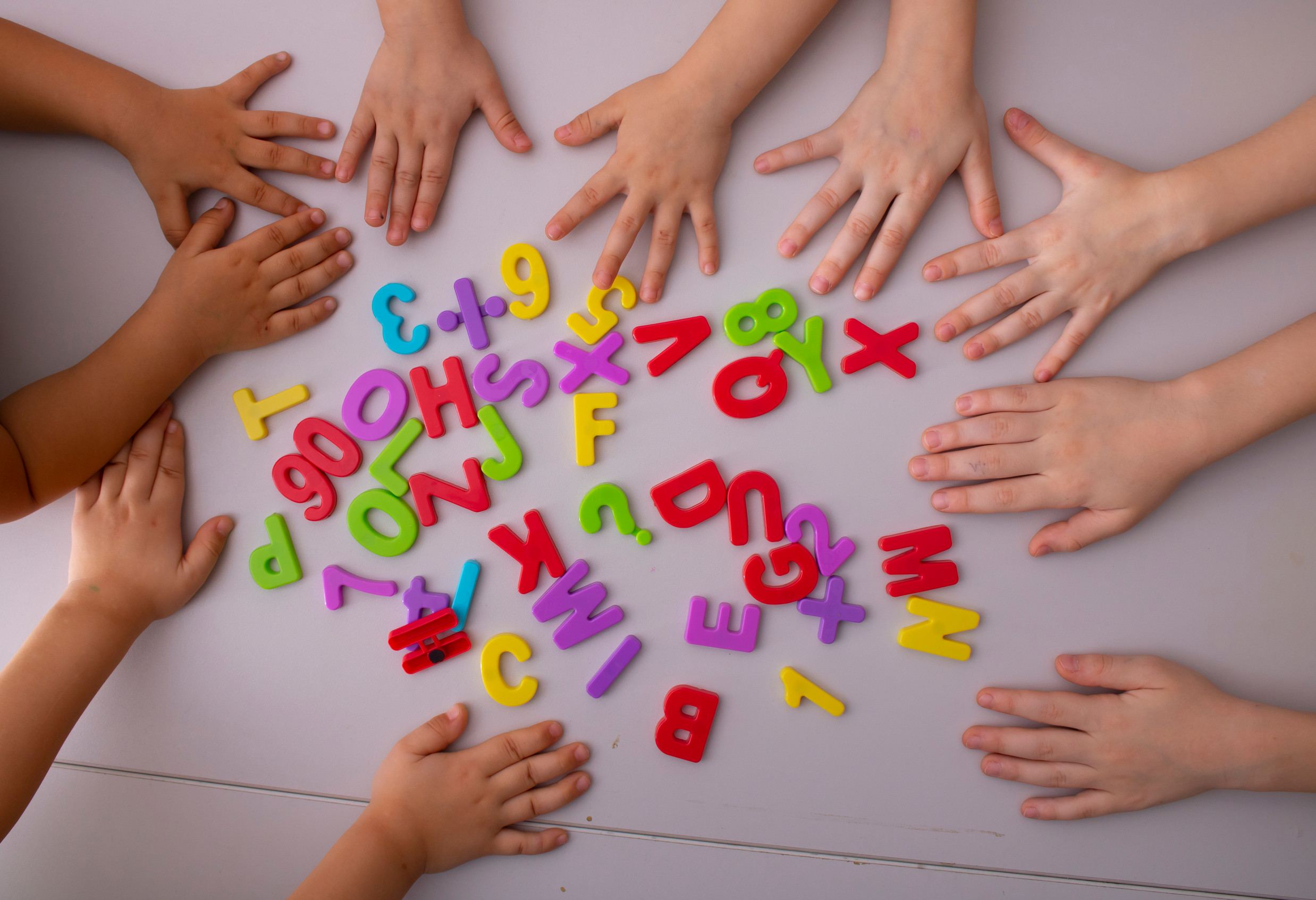
Teaching your child the alphabet doesn’t have to feel like a chore—for you or for them. With a little imagination and the right approach, learning letters can be a joyful part of everyday play. Young kids thrive when they’re having fun, especially when new skills are introduced through songs, games, and hands-on experiences. Whether your child is just beginning to recognize letters or ready to explore phonics, there are countless ways to make the process engaging. Let’s explore six creative strategies to spark their excitement and build a strong foundation for reading success.
1. Turn Learning Letters into a Game
Kids love games, and turning letter recognition into play is one of the easiest ways to make learning letters fun. You can create a simple letter scavenger hunt around the house using sticky notes or flashcards. Try “alphabet hopscotch” where they jump to the correct letter when you call it out. Even matching uppercase and lowercase pairs can feel like a puzzle challenge when presented as a game. When kids associate letters with movement and excitement, they’re much more likely to stay engaged.
2. Get Messy with Sensory Play
Tactile experiences make learning letters memorable. Fill a tray with shaving cream, sand, or salt and encourage your child to draw letters with their fingers. You can also use playdough to form letter shapes or trace them with a paintbrush dipped in water on a chalkboard. These hands-on activities help children remember letters through touch as well as sight. Plus, the sensory element makes it feel like playtime rather than a formal lesson.
3. Sing, Dance, and Chant the Alphabet
If your child responds to music, use rhythm and movement to make learning letters more exciting. Classic songs like the ABCs are great, but you can also try alphabet rap songs or choreographed letter dances. Have your child act out a different motion for each letter (A for airplane arms, B for bouncing, and so on). This combination of physical movement and audio repetition helps reinforce letter shapes and sounds. Singing and dancing make learning letters a full-body experience that sticks.
4. Use Their Favorite Things to Personalize Practice
When you’re learning letters, the more personal it feels, the more meaningful it becomes. Start by focusing on the letters in your child’s name and other familiar words like “Mom,” “Dad,” or “dog.” You can create custom alphabet books using family photos or draw pictures of their favorite toys next to corresponding letters. Reading and writing about what they love helps motivate your child to keep learning. It shows them that letters aren’t just abstract symbols—they’re tools for expressing things that matter.
5. Read Alphabet Books with Enthusiasm
Alphabet books offer a natural way to reinforce letter knowledge while spending quality time together. Choose books with bold visuals, catchy rhymes, and interactive features like flaps or textures. Make the reading experience fun by pointing out each letter and saying its sound or naming objects that start with it. Some books even come with songs or audio recordings for extra engagement. Repetition through reading is one of the most effective ways to support learning letters without added pressure.
6. Bring Letters into Everyday Life
The alphabet is all around us—on cereal boxes, street signs, clothing, and even grocery lists. Use these real-world moments to point out letters and ask your child to name or find them. Turn errands into learning opportunities by playing “I Spy” with letters or identifying them on menus and packaging. This approach helps kids understand that letters are everywhere and useful in daily life. It also reinforces the idea that learning letters isn’t limited to school time—it’s part of the world they interact with.
Confidence Grows One Letter at a Time
Helping your child fall in love with learning letters sets them up for reading success, but it also builds confidence in their ability to learn. When they master a new letter or recognize one out in the world, it sparks a sense of pride and curiosity. Keep it fun, low-pressure, and consistent. You’re not just teaching them the ABCs—you’re showing them that learning is something to enjoy, not fear. And that mindset can last a lifetime.
What fun strategies have helped your child get excited about learning letters? Share your favorite tips in the comments—we’d love to hear them!
Read More:
5 Secrets of Academically Successful Kids
School Success Starts at Home—Here’s How to Prep Your Kids

Catherine is a tech-savvy writer who has focused on the personal finance space for more than eight years. She has a Bachelor’s in Information Technology and enjoys showcasing how tech can simplify everyday personal finance tasks like budgeting, spending tracking, and planning for the future. Additionally, she’s explored the ins and outs of the world of side hustles and loves to share what she’s learned along the way. When she’s not working, you can find her relaxing at home in the Pacific Northwest with her two cats or enjoying a cup of coffee at her neighborhood cafe.
Read More

Nothing ever prepares you for starting a new family and becoming a parent. There are…

As screens become a bigger part of family life, many parents assume that sharing one…

As parents, we often stress over birthday parties, new clothes, and planning every little detail…

Choosing what to call your child is one of the biggest decisions a parent can…


Though it's early in the season, we currently have our first hurricane among us. Where…


Ever wonder what it actually cost to raise a child back in 2010? You might…


Leave a Reply