• Home
  • About Us
  • Archives
  • Contact Us
  • Advertise
  • Privacy Policy

Kids Ain't Cheap

But They Sure Are Worth It

  • Home
  • Toolkit
  • Parenting
    • Baby Stuff
    • Books and Reading
      • Aesops Fables
      • Comic Books
    • Education
    • Family Time
    • Green Living
    • Growing Up
    • Healthy Living & Eating
    • Holidays
    • Parenting
    • Random Musings
    • Shopping
    • Stuff to Do
  • Money
  • Product Reviews
    • Books and Magazines
    • Discount Sites
    • Furniture
    • House Keeping
    • Reviews News
    • Toys and Games
  • Search

6 Unspoken Rules Pediatricians Wish More Parents Followed

November 8, 2025 | Leave a Comment

6 Unspoken Rules Pediatricians Wish More Parents Followed

Image source: shutterstock.com

Every parent wants to do what’s best for their child, but sometimes even the most well-meaning families overlook simple courtesies or practices that make pediatric visits smoother and more productive. There are unspoken rules pediatricians quietly hope parents will follow, not to make their lives easier, but to ensure every child receives the best care possible. From arriving prepared to respecting time boundaries, small actions can have a big impact on how effectively your child’s health is managed. Here are six unspoken rules pediatricians wish every parent knew before their next visit.

1. Be Honest About Symptoms and Habits

One of the most important unspoken rules pediatricians emphasize is honesty. Some parents hesitate to admit when their child skips doses, eats too many snacks, or isn’t getting enough sleep. However, your pediatrician can only help if they have an accurate picture of your child’s routine and symptoms. Withholding details or glossing over concerns can lead to incorrect assumptions or delayed diagnoses. Being completely transparent allows your doctor to tailor care plans and provide realistic, judgment-free guidance.

2. Respect Appointment Time Limits

Every parent wants their child’s visit to feel personal, but another unspoken rule pediatricians hope families recognize is respecting the scheduled time frame. Appointments are typically structured for a set duration, and when one runs long, it pushes back the entire day’s schedule. Arriving on time, preparing your questions beforehand, and focusing on the most pressing issues ensure you get quality answers without unnecessary stress. If you have additional concerns, many offices welcome scheduling follow-up calls or visits. This approach helps everyone—parents, staff, and other families—stay on track.

3. Avoid Bringing a Sick Sibling Along

It’s understandable that childcare can be challenging, but bringing a contagious sibling to a pediatric appointment is one of the unspoken rules pediatricians wish more parents respected. Waiting rooms are already filled with vulnerable infants and children whose immune systems are still developing. Exposing others to illness—even unintentionally—can cause real harm. When possible, arrange care for sick siblings or call ahead to see if special accommodations can be made. Taking small precautions like this helps protect every child who comes through the clinic doors.

4. Follow Through on Medical Advice

Pediatricians often spend extra time creating personalized care plans, yet one of the unspoken rules pediatricians mention most often is the importance of following through. Whether it’s giving medication as directed, scheduling lab tests, or monitoring developmental milestones, consistency matters. Parents who only partially follow instructions can unintentionally delay recovery or confuse the treatment process. If something doesn’t make sense or feels unmanageable, it’s better to ask questions than to ignore recommendations silently. Doctors appreciate when parents communicate challenges honestly—it helps them adapt the plan for success.

5. Keep Non-Urgent Questions for Office Hours

Another of the unspoken rules that pediatricians hope parents adopt involves setting clear communication boundaries. Many families use text messages, online portals, or after-hours calls to address questions that can wait until business hours. While emergencies always deserve immediate attention, asking about mild rashes or feeding tips at 10 p.m. can overwhelm an already stretched healthcare team. Saving non-urgent inquiries for regular hours ensures staff can respond thoughtfully and efficiently. It also allows doctors to dedicate their emergency time to patients who truly need urgent care.

6. Trust the Expertise You Sought Out

Finally, one of the most significant unspoken rules pediatricians wish parents understood is trust. The internet has made information more accessible, but it has also flooded parents with conflicting advice. When families second-guess every recommendation or demand specific treatments from online sources, it can hinder progress and create unnecessary tension. Pediatricians want collaborative relationships built on mutual respect and open communication. Trusting your child’s doctor doesn’t mean never asking questions—it means recognizing that their training and experience are centered on your child’s well-being.

Building a Partnership for Better Care

Pediatric visits are more effective when parents and doctors work as a team. Understanding these unspoken rules that pediatricians wish parents would follow helps foster mutual respect and smoother communication. By being transparent, respectful of time, and mindful of how actions affect others, families contribute to a calmer and more efficient healthcare experience. Every small effort—whether it’s arriving prepared or following advice diligently—adds up to better outcomes for your child’s growth and health. The best care happens when both sides see each other as partners in the same goal: a healthy, happy child.

Which of these unspoken rules resonates most with you? Share your thoughts or experiences in the comments below.

What to Read Next…

  • 6 Questions Pediatricians Wish Parents Would Actually Ask
  • Why Are Pediatric ER Visits Rising for First-Time Parents?
  • 10 Pediatric Visits That Leave Parents With Unexpected Bills
  • Pediatrician Secrets: 8 Dangers Your Pediatrician Won’t Discuss
  • What Are Pediatricians Quietly Saying About Parental Guilt?
Catherine Reed
Catherine Reed

Catherine is a tech-savvy writer who has focused on the personal finance space for more than eight years. She has a Bachelor’s in Information Technology and enjoys showcasing how tech can simplify everyday personal finance tasks like budgeting, spending tracking, and planning for the future. Additionally, she’s explored the ins and outs of the world of side hustles and loves to share what she’s learned along the way. When she’s not working, you can find her relaxing at home in the Pacific Northwest with her two cats or enjoying a cup of coffee at her neighborhood cafe.

Filed Under: Healthy Living & Eating Tagged With: child health, doctor visits, family wellness, parenting tips, pediatric advice, pediatric care

6 Questions Pediatricians Wish Parents Would Actually Ask

October 26, 2025 | Leave a Comment

6 Questions Pediatricians Wish Parents Would Actually Ask

Image source: shutterstock.com

Parents often arrive at the pediatrician’s office with a list of concerns, from rashes to runny noses. But in the rush of a short appointment, many don’t think to ask the questions that could have the biggest impact on their child’s long-term health and development. Pediatricians often wish parents would focus less on temporary issues and more on overall well-being—physical, emotional, and social. Asking the right things can lead to more meaningful conversations and better outcomes for your child. Here are six questions pediatricians wish parents would actually ask and why they matter.

1. How Can I Support My Child’s Mental Health?

In today’s world, one of the most important questions pediatricians wish parents would actually ask is about mental health. Many parents assume their child’s mood swings or stress are just “phases,” but early intervention can prevent bigger challenges later. Pediatricians can help identify whether a child’s anxiety, sadness, or behavior changes signal deeper issues. They can also recommend counselors, coping techniques, or lifestyle changes that promote emotional stability. Making mental health part of regular checkups ensures kids receive the same proactive care for their minds as they do for their bodies.

2. Is My Child Getting Enough Sleep for Their Age?

Another crucial but often overlooked question is about sleep. Many parents underestimate how much rest their child truly needs, especially once homework, sports, and screen time enter the mix. Asking about sleep patterns allows pediatricians to assess whether fatigue, irritability, or poor focus might stem from rest deprivation. They can share specific recommendations on bedtime routines, ideal hours of rest by age, and screen-free wind-down strategies. Good sleep isn’t just about avoiding crankiness—it’s essential for memory, immune health, and growth.

3. What Are the Best Ways to Encourage Healthy Eating Habits?

Diet questions come up often, but they’re usually focused on weight or picky eating rather than long-term nutrition. One of the top questions pediatricians wish parents would actually ask is how to build sustainable eating habits. Pediatricians can guide parents on portion sizes, meal balance, and how to make fruits and vegetables more appealing. They can also identify whether supplements or allergy testing might be necessary. Encouraging kids to enjoy nutritious foods early on can prevent health issues like diabetes, obesity, and nutrient deficiencies later in life.

4. How Much Screen Time Is Too Much?

Technology has become an unavoidable part of childhood, but many parents aren’t sure where to draw the line. Pediatricians often wish parents would ask about screen limits instead of waiting until problems arise. Too much time online can affect sleep quality, attention span, and even emotional development. Asking this question helps parents set realistic boundaries based on a child’s age and activities. A pediatrician can suggest healthy alternatives, such as outdoor play or family reading time, that promote balance without completely cutting out digital devices.

5. What Should I Know About My Child’s Social Development?

Social growth plays a huge role in overall well-being, yet it’s often overlooked during medical visits. Among the questions pediatricians wish parents would actually ask, this one helps uncover issues with confidence, peer relationships, and communication skills. Pediatricians can provide insight into what’s typical at each stage and when to be concerned about isolation or bullying. They can also share strategies for supporting friendships and empathy at home. Understanding social milestones gives parents tools to help their children build resilience and emotional intelligence.

6. Are There Any Preventive Health Steps I’m Overlooking?

Between busy schedules and information overload, it’s easy for parents to miss small but important preventive care details. This includes things like dental referrals, eye exams, and developmental screenings. Asking about preventive steps helps ensure your child’s care is truly comprehensive, not just reactive. It also gives pediatricians a chance to review lifestyle habits like exercise, hydration, and safety precautions. This single question can uncover potential issues before they become bigger problems, saving both stress and money in the long run.

Turning Checkups Into Conversations That Matter

Pediatric visits don’t have to be limited to height, weight, and vaccines. The questions pediatricians wish parents would actually ask are about creating a full picture of a child’s health—body, mind, and social world included. When parents take the initiative to ask deeper questions, they open the door to meaningful guidance that goes beyond standard care. These discussions also build trust, helping kids see their doctor as a safe, supportive resource. Ultimately, the best care happens when curiosity and communication meet in the exam room.

Which of these questions do you think parents overlook most during checkups? Share your thoughts and experiences in the comments below!

What to Read Next…

  • 10 Pediatric Visits That Leave Parents With Unexpected Bills
  • Why Are Pediatric ER Visits Rising for First-Time Parents?
  • Pediatrician Secrets: 8 Dangers Your Pediatrician Won’t Discuss
  • 8 Health Fads Parents Are Pushing on Their Kids Without Science
  • 10 Children’s Medications That Were Recently Recalled
Catherine Reed
Catherine Reed

Catherine is a tech-savvy writer who has focused on the personal finance space for more than eight years. She has a Bachelor’s in Information Technology and enjoys showcasing how tech can simplify everyday personal finance tasks like budgeting, spending tracking, and planning for the future. Additionally, she’s explored the ins and outs of the world of side hustles and loves to share what she’s learned along the way. When she’s not working, you can find her relaxing at home in the Pacific Northwest with her two cats or enjoying a cup of coffee at her neighborhood cafe.

Filed Under: Healthy Living & Eating Tagged With: child development, child health, family wellness, parenting advice, parenting tips, pediatric care, preventive care

8 Health Fads Parents Are Pushing on Their Kids Without Science

October 24, 2025 | Leave a Comment

8 Health Fads Parents Are Pushing on Their Kids Without Science

Image source: shutterstock.com

In an age where every scroll reveals a new “miracle” routine or superfood, even well-meaning parents can get caught up in wellness trends that sound healthy but lack scientific backing. Kids often become the testing ground for these ideas, from trendy supplements to strict food rules. The problem is that what works—or seems to work—for adults doesn’t always translate to a growing child’s needs. Before following the latest craze, it’s worth taking a closer look at the most popular health fads parents are pushing and whether they actually make sense for kids.

1. Cutting Out Entire Food Groups

One of the most common health fads parents are pushing involves eliminating entire food groups, such as dairy, gluten, or carbs. While there are legitimate reasons for these exclusions—like allergies or celiac disease—many parents adopt them based on social media trends rather than medical advice. Growing children need a wide range of nutrients for development, and cutting out foods without guidance can cause deficiencies. For example, removing dairy might reduce calcium intake, while skipping carbs can impact energy levels. A pediatrician or registered dietitian can help determine whether a restriction is necessary before making big changes.

2. Putting Kids on Keto or Low-Carb Diets

The ketogenic diet gained massive popularity for weight loss among adults, but some parents are now applying it to their children. This is one of the more concerning health fads parents are pushing because kids need carbohydrates to fuel growth and brain development. Restricting carbs can lead to fatigue, irritability, and nutrient imbalances in children. Unless prescribed for specific medical conditions like epilepsy, these diets are not recommended for young kids. Balanced meals with whole grains, fruits, and vegetables are far more beneficial than extreme carb cutting.

3. Overloading on “Immunity Boosting” Supplements

Parents naturally want to keep their kids healthy, especially during cold and flu season, but the rush toward daily vitamins, herbal gummies, and “immune shots” has gone overboard. Many of these supplements are unregulated, unproven, and sometimes unnecessary if the child already eats a balanced diet. Too much of certain vitamins—like A or D—can even be toxic in high doses. The immune system isn’t something you can turbocharge with powders and pills. A nutritious diet, regular sleep, and physical activity remain the true cornerstones of a strong immune defense.

4. Forcing “Sugar-Free” Everything

Avoiding excessive sugar is wise, but the obsession with sugar-free foods has become another of the health fads parents are pushing without realizing the downsides. Many sugar substitutes can upset children’s digestion or teach them to crave hyper-sweet flavors. Some sugar-free snacks even contain artificial additives that raise other health questions. Natural sugar from fruit or small treats in moderation is not harmful. Teaching balance instead of strict avoidance creates healthier lifelong habits.

5. Juicing and Smoothie Replacements

Juicing might seem like a quick way to sneak in fruits and vegetables, but it often removes fiber and concentrates sugar. Parents drawn to this health fad may unknowingly give their kids calorie-dense drinks that spike energy and then crash it later. Smoothies can be nutritious if they include protein and fiber, but replacing meals with them is not ideal for children’s growth. Whole fruits and veggies provide texture, nutrients, and satiety that drinks can’t match. It’s better to serve smoothies as snacks rather than meal substitutes.

6. Using Detox Teas or Cleanses

Cleanses and detox teas have no solid scientific basis for improving health, yet they remain one of the most persistent health fads parents are pushing online. These products often promise to “flush out toxins” or “reset the body,” but the liver and kidneys already perform those functions naturally. Giving detox products to kids can lead to dehydration, diarrhea, and electrolyte imbalances. No reputable pediatric health organization recommends them for children. The safest “detox” is simply drinking water and eating real food.

7. Emphasizing Protein Shakes Over Real Food

With the rise of fitness culture, some parents think more protein automatically means better health. Kids are being handed protein bars or shakes designed for adults, which can throw off their nutrient balance. Children typically get enough protein from regular meals that include dairy, eggs, lean meats, beans, or nuts. Overloading on supplemental protein can strain their kidneys and reduce appetite for other food groups. Unless a pediatrician suggests it, there’s no need for shakes to replace real food.

8. Labeling Natural Remedies as “Better Than Medicine”

While natural remedies like honey for coughs or ginger tea can help mild symptoms, they shouldn’t replace proven medical treatments. One of the most problematic health fads parents are pushing is the belief that natural automatically means safer or more effective. Some herbal remedies can interact with medications or be harmful in large doses. Relying on them for serious illnesses can delay proper care and worsen outcomes. Parents should always consult healthcare professionals before trying new remedies, no matter how “organic” they sound.

Raising Healthy Kids with Common Sense

Health trends can be tempting, especially when they promise to make parenting feel more proactive or “clean.” But children’s needs are unique, and their growing bodies depend on evidence-based nutrition, not viral wellness ideas. Parents can best support their kids by focusing on balanced meals, movement, and medical guidance instead of fads. Health doesn’t come from trends—it comes from consistency, moderation, and a little common sense.

Have you noticed any health fads parents are pushing on their kids in your community? Which ones concern you the most? Share your thoughts in the comments below!

What to Read Next…

10 Snacks That Are Making Your Kids Overweight and Unhealthy

Don’t Ignore This: 7 Health Symptoms That Demand Immediate Attention In Kids

The “Harmless” Habit: 7 Health Habits Shortening Childhood For Many

Are You Missing It? 7 Health Warnings Your Child’s Behavior Gives You

Mental Health Crisis: 4 Critical Questions About Your Child’s Mental Health

Catherine Reed
Catherine Reed

Catherine is a tech-savvy writer who has focused on the personal finance space for more than eight years. She has a Bachelor’s in Information Technology and enjoys showcasing how tech can simplify everyday personal finance tasks like budgeting, spending tracking, and planning for the future. Additionally, she’s explored the ins and outs of the world of side hustles and loves to share what she’s learned along the way. When she’s not working, you can find her relaxing at home in the Pacific Northwest with her two cats or enjoying a cup of coffee at her neighborhood cafe.

Filed Under: Healthy Living & Eating Tagged With: child health, childhood development, family health, health myths, kids nutrition, nutrition, Parenting, parenting advice, wellness trends

6 Ways Shared Tablets Are Quietly Harming Your Child’s Sleep

October 18, 2025 | Leave a Comment

6 Ways Shared Tablets Are Quietly Harming Your Child’s Sleep

Image source: shutterstock.com

As screens become a bigger part of family life, many parents assume that sharing one device among siblings is a smart way to limit screen time. Yet, research increasingly shows that shared tablets can disrupt healthy sleep habits more than parents realize. From blue light exposure to digital competition before bedtime, these seemingly innocent habits can leave kids overtired, cranky, and less able to focus during the day. Understanding the hidden ways shared tablets affect sleep can help families set better boundaries—and create calmer nights.

1. Blue Light Exposure from Shared Tablets Delays Sleep Onset

Blue light from shared tablets suppresses melatonin, the hormone that helps children feel sleepy. When kids take turns using a tablet before bed, the light exposure is often extended far beyond what’s healthy for young eyes and developing brains. Even short bursts of screen use close to bedtime can shift their circadian rhythm, making it harder to fall asleep naturally. The problem compounds when siblings pass the tablet around, keeping screens lit longer in shared spaces like bedrooms or living rooms. Reducing or eliminating screen time an hour before bed can significantly improve how quickly children drift off.

2. Sibling Screen Sharing Increases Nighttime Stimulation

When multiple children share tablets, screen time often becomes competitive instead of relaxing. Kids may argue over whose turn it is, watch stimulating videos, or play interactive games that raise excitement levels right before bed. This mental stimulation keeps their brains alert long after the screens are turned off. For children, the shift from high-energy activity to quiet rest is difficult to make quickly. A calmer nighttime routine that replaces shared tablets with books or soothing music can help them transition more smoothly into sleep.

3. Inconsistent Bedtime Schedules Disrupt Sleep Patterns

Shared tablets often cause bedtime delays because one child’s turn bleeds into another’s. What begins as a simple schedule can quickly lead to inconsistent bedtimes, particularly in households where kids of different ages share one device. These irregular sleep times confuse the body’s internal clock, leading to restless nights and groggy mornings. Over time, inconsistent patterns can make it harder for children to get the deep, restorative sleep their growing bodies need. Parents can help by setting clear, consistent tablet cutoffs aligned with each child’s bedtime.

4. Shared Tablets Encourage Late-Night Sneaking

Many parents underestimate how tempting shared tablets can be once the lights go out. When one sibling keeps the device in their room, others might sneak in to use it late at night—especially if the tablet is loaded with games or videos. This hidden screen time not only steals precious sleep hours but can also create conflicts and secrecy between siblings. The glow of the screen, even at low brightness, signals the brain to stay awake longer. Keeping shared tablets in a common charging station overnight helps avoid these bedtime battles and preserves trust among siblings.

5. Shared Tablets Disrupt Bedroom Environments

Bedrooms should be associated with sleep, not scrolling. When shared tablets enter the space, they introduce distractions that make it harder for children to unwind. Notifications, game sounds, and the habit of checking devices can all interfere with the brain’s ability to relax. For households where siblings share a room, one child’s activity can easily disturb another’s ability to rest. Moving shared tablets out of the bedroom completely reinforces healthy sleep cues and helps kids separate tech time from rest time.

6. Shared Tablets Reduce Parent Oversight and Routine

It might seem like sharing a single device simplifies monitoring, but it often has the opposite effect. When multiple kids use shared tablets, parents may lose track of how long each child spends online or what content they’re viewing. Without consistent oversight, children can easily exceed recommended screen limits—especially in the evening. The lack of a defined routine can make bedtime more chaotic and unpredictable. Setting family rules about when, where, and how shared tablets can be used ensures more structure and better rest for everyone.

Reclaiming Restful Nights in a Screen-Filled World

Parents don’t need to eliminate shared tablets entirely to protect their children’s sleep—they just need mindful boundaries. Limiting evening screen use, keeping devices out of bedrooms, and establishing consistent bedtime routines can make a world of difference. By reclaiming nighttime as a screen-free zone, families encourage healthier sleep habits and stronger connections away from digital distractions. A well-rested child is happier, more focused, and better prepared to take on each day with energy and calm.

How do you manage your child’s screen time before bed? Share your favorite strategies for keeping tech out of the nighttime routine in the comments below!

What to Read Next…

  • Do Family Screen Time Rules Invite Emotional Manipulation?
  • 7 Reasons “Screen Time” Studies Are Misleading Parents
  • How Much Screen Time Is Too Much—Legally Speaking?
  • When “Screen-Free” Weekends Become Emotional Landmines
  • The Screen Trap: 9 Social Media Trends Kids Are Doing That Experts Warn About
Catherine Reed
Catherine Reed

Catherine is a tech-savvy writer who has focused on the personal finance space for more than eight years. She has a Bachelor’s in Information Technology and enjoys showcasing how tech can simplify everyday personal finance tasks like budgeting, spending tracking, and planning for the future. Additionally, she’s explored the ins and outs of the world of side hustles and loves to share what she’s learned along the way. When she’s not working, you can find her relaxing at home in the Pacific Northwest with her two cats or enjoying a cup of coffee at her neighborhood cafe.

Filed Under: Healthy Living & Eating Tagged With: child sleep, family technology, healthy routines, kids and tablets, parenting tips, Screen Time, sleep hygiene

10 Snacks That Are Making Your Kids Overweight and Unhealthy

October 14, 2025 | Leave a Comment

unhealthy snacks for kids

Image Source: Shutterstock

Kids love snacks—and let’s be honest, parents love the convenience. But not every grab-and-go option is doing your child’s body any favors. Some of the most popular “kid-friendly” snacks are packed with added sugar, artificial ingredients, and unhealthy fats, contributing to weight gain, energy crashes, and long-term health concerns. It’s not about banning snacks altogether but becoming more mindful of what’s really fueling your child’s day. If you’ve been tossing these common items in the lunchbox without a second thought, it may be time to reevaluate what snack time looks like.

1. Flavored Yogurts

Yogurt might seem like a healthy snack, but many flavored varieties are loaded with added sugar. Some single-serving containers contain more sugar than a doughnut, especially those marketed toward kids with bright packaging and candy mix-ins. While yogurt offers calcium and probiotics, those benefits are often overshadowed by the sugar overload. Kids who regularly consume sugary yogurts may face increased cravings and unwanted weight gain. A better option is plain Greek yogurt sweetened with a drizzle of honey or fresh fruit.

What to eat instead: Try some plain yogurt with natural sweeteners like fruit or applesauce. You can also opt for alternative dairy-free options like coconut or soy yogurt. 

2. Granola Bars

Granola bars sound like a wholesome choice, but most are little more than candy bars in disguise. Many store-bought versions are packed with corn syrup, chocolate chips, and artificial flavors. These snacks provide quick calories but lack the fiber and protein needed to keep kids full. The result? More snacking and less balanced eating throughout the day. Look for bars with whole food ingredients or consider making your own at home.

What to eat instead: Sub granola bars for fresh fruits and vegetables, cheese sticks, or crackers with toppings like hummus or peanut butter. 

3. Fruit Snacks

Despite the word “fruit” in the name, fruit snacks are typically made from processed sugars, gelatin, and dyes—not real fruit. These chewy treats offer almost no nutritional value and can contribute to both weight gain and dental problems. Kids often eat multiple packs without realizing how many calories and grams of sugar they’re consuming. Dried fruit can be a better option, but even that should be given in moderation. Real, fresh fruit will always be the best snack choice.

What to eat instead: The best option is always to opt for fresh fruit, but you can also make your own fruit snacks that are typically much healthier than store-bought. 

4. Juice Boxes

Juice may come from fruit, but the concentrated sugars in juice boxes can rival those of soda. Most lack the fiber of whole fruit and spike blood sugar quickly, leaving kids hungry again soon after. Drinking calories instead of eating them can also contribute to weight gain, especially when paired with other sugary snacks. Water or milk is a healthier beverage option at snack time. If you do serve juice, dilute it with water to reduce the sugar content.

What to eat instead: Healthier drink options include fruit-infused water, milk or plant-based milk, coconut water, smoothies, or yogurt drinks. If you decide to give your child juice, you can also dilute it with water to make it a bit healthier. 

5. Cheese Crackers

They’re salty, crunchy, and easy to love—but cheese-flavored crackers often contain refined flour, artificial colors, and very little actual cheese. These snacks offer minimal protein or fiber and are easy to overeat by the handful. Many kids munch on them mindlessly, racking up calories without ever feeling full. While occasional crackers are fine, they shouldn’t be an everyday go-to. Pair whole grain options with real cheese for a more balanced bite.

What to eat instead: Most kids like the “crunch” of cheese crackers. Some good alternatives are veggie sticks with hummus, popcorn, and roasted chickpeas. 

6. Packaged Muffins

Mini muffins and bakery-style treats might seem like a fun snack, but they’re often sugar bombs in disguise. Many are made with white flour, hydrogenated oils, and sweeteners that push their calorie count sky high. Despite their small size, these snacks provide little nutrition and lead to energy crashes. Some contain as much sugar as a cupcake—without the frosting. Homemade muffins with oats and fruit can be a smarter alternative.

What to eat instead: Try making your own homemade muffins with whole grains and less sugar. Homemade is always a bit healthier. 

7. Potato Chips

It’s no surprise that potato chips made the list. High in sodium, fat, and empty calories, they’re one of the least satisfying snacks for growing bodies. Chips don’t offer any fiber or protein, so they leave kids feeling hungry again soon after eating. Regularly snacking on chips can quickly lead to excess calorie intake and poor eating habits. Swap them out for air-popped popcorn or baked veggie chips when cravings strike.

What to eat instead: Encourage your child to eat “crunchy” healthy foods like cucumbers and carrot sticks. Popcorn, baked sweet potato chips, and apple chips are also good swaps. 

8. Frozen Snack Foods

Pizza bites, bagel dogs, and mini sliders are freezer staples in many households, but they’re far from healthy. These snacks are often made with refined grains, preservatives, and unhealthy fats. They’re calorie-dense without being nutrient-dense, meaning kids eat a lot but gain very little in terms of health benefits. Heating them up is easy, but so is roasting some sweet potato fries or prepping turkey roll-ups. Convenience doesn’t have to come at a cost to your child’s health.

What to eat instead: Fresh foods are always best. Always try to encourage your child to opt for fresh fruits, vegetables, and some of the other healthier options discussed above. However, an occasional pizza bite won’t hurt! 

9. Sugary Breakfast Cereals as Snacks

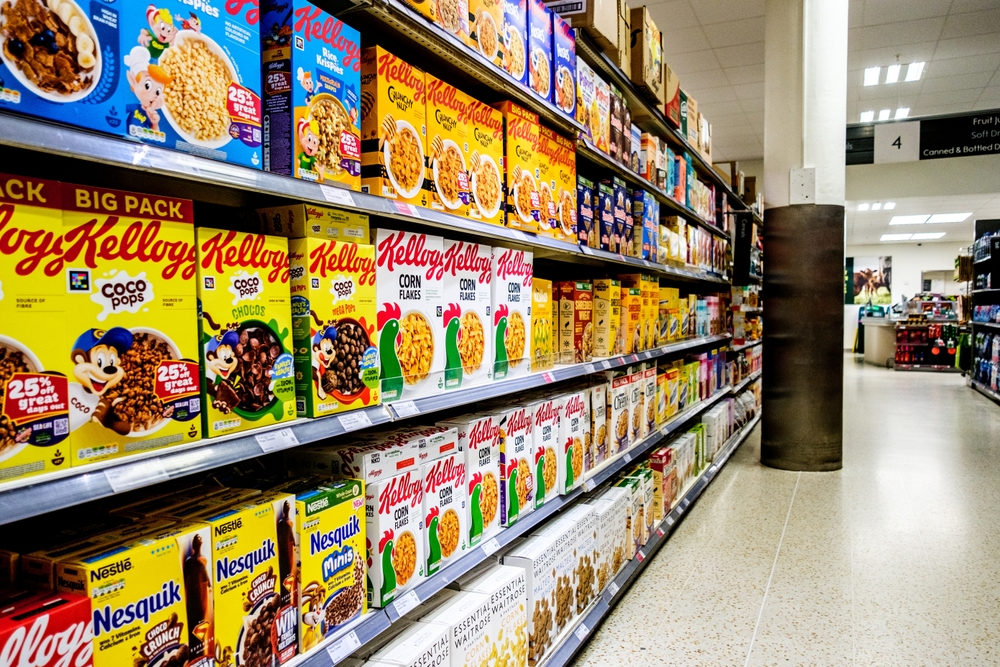
Many parents offer breakfast cereal as a snack because it’s quick and portable. But sugary cereals marketed to kids often have more sugar than dessert and almost no fiber or protein. Eating cereal dry doesn’t make it any healthier—it just makes it easier to eat more. Over time, these small bowls of cereal contribute to blood sugar spikes and increased cravings. Choose whole grain cereals with low sugar if cereal is on the menu.

What to eat instead: Look for brands that have less sugar. Magic Spoon cereals are a good swap. Cheerios also offers some good fruit and veggie blend cereals that are lower in sugar. 

10. Sweetened Applesauce Cups

While applesauce may sound healthy, many pre-packaged versions are sweetened with extra sugar or high-fructose corn syrup. This turns a simple fruit-based snack into a dessert-level sugar bomb. Even the “natural” versions can be overly processed and stripped of nutrients. Whole apples contain fiber and help regulate blood sugar in a way applesauce doesn’t. When in doubt, stick to fruit in its original form.

What to eat instead: Unsweetened applesauce is always optimal or… even better, the whole apple! 

Don’t Panic, Just Get Pickier About Snacks

No parent gets it perfect every time, and snacks are bound to include convenience items now and then. But by becoming more aware of what your kids are actually eating between meals, you can help them build better lifelong habits. Healthy snacks don’t have to be boring—they just need to be thoughtful. Reading labels, swapping out processed items, and choosing whole foods more often can make a big difference. After all, it’s not just about weight—it’s about energy, focus, and feeling their best every day.

What go-to snack have you cut from your kid’s routine? Or what healthy swap worked better than you expected? Share your snack wins in the comments!

What to Read Next 

  • Eat More, Weigh Less: 15 Foods That Are Perfect for Snacking
  • Food Choking Hazards: What Parents Should Watch Out For
  • 7 Popular Lunch Snacks That Were Quietly Recalled
  • The Truth About “Organic”: 8 Common Kid Snacks With Dangerous Allergens
  • Beyond The Brand: 8 Common Kid Snacks With Dangerous Allergens
Catherine Reed
Catherine Reed

Catherine is a tech-savvy writer who has focused on the personal finance space for more than eight years. She has a Bachelor’s in Information Technology and enjoys showcasing how tech can simplify everyday personal finance tasks like budgeting, spending tracking, and planning for the future. Additionally, she’s explored the ins and outs of the world of side hustles and loves to share what she’s learned along the way. When she’s not working, you can find her relaxing at home in the Pacific Northwest with her two cats or enjoying a cup of coffee at her neighborhood cafe.

Filed Under: Healthy Living & Eating Tagged With: Childhood Obesity, healthy eating, kids nutrition, mindful eating, parenting tips, snack alternatives, unhealthy snacks

7 Baby Items That Are Collecting More Bacteria Than a Toilet Seat

October 4, 2025 | Leave a Comment

7 Baby Items That Are Collecting More Bacteria Than a Toilet Seat

Image source: 123rf.com

Parents work tirelessly to keep their little ones safe, but some of the most common baby gear is far dirtier than it looks. Studies have shown that many everyday baby items that are collecting more bacteria than a toilet seat can harbor germs, allergens, and harmful microbes that spread quickly. The problem isn’t always neglect—it’s that these items are used so often and cleaned less frequently than they should be. Knowing where bacteria build up the most can help parents take simple steps to protect their child’s health.

1. Pacifiers Trap Germs Easily

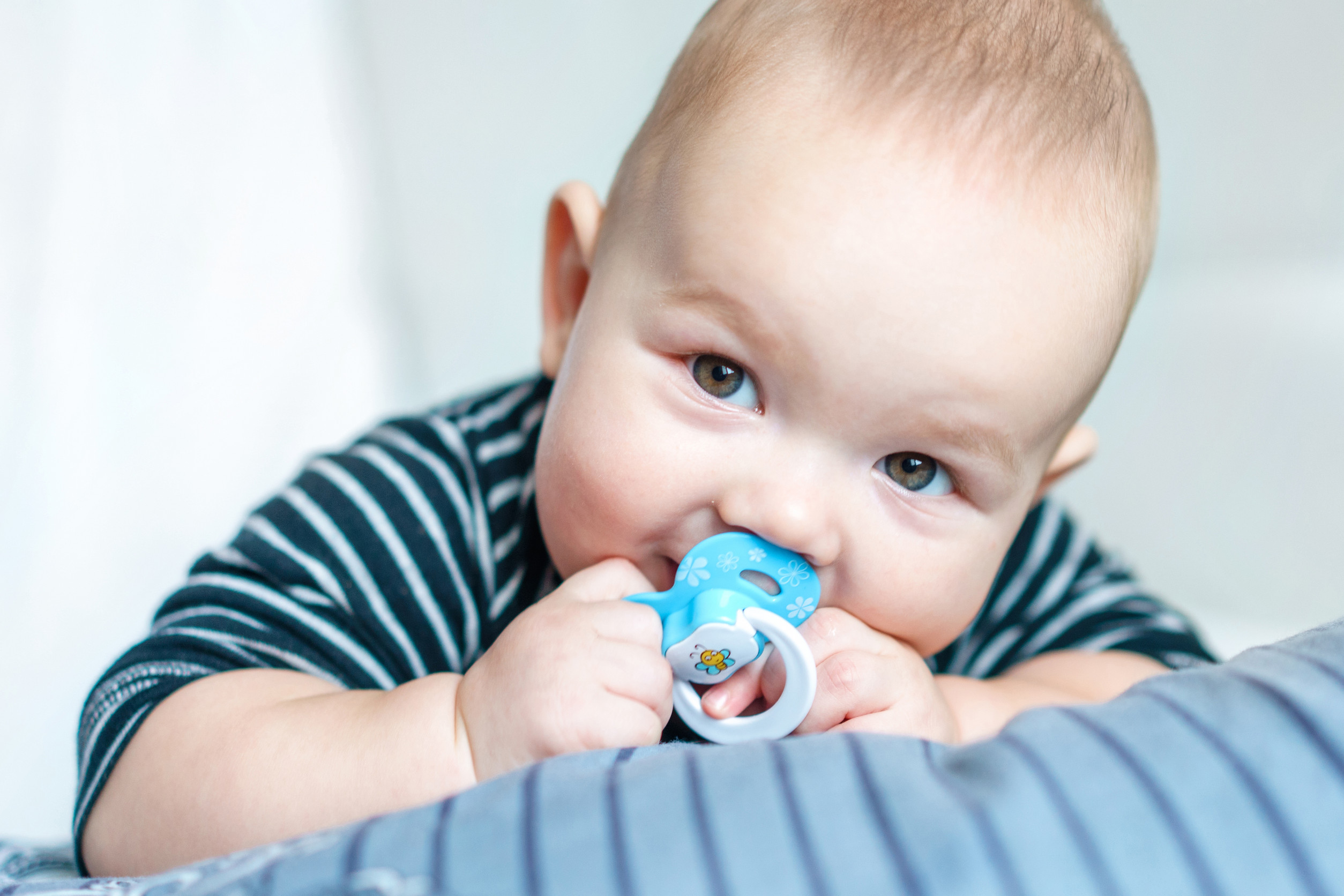
Pacifiers spend a lot of time on the floor, in diaper bags, and, of course, in a baby’s mouth. Because of their constant contact with saliva, pacifiers become prime breeding grounds for bacteria if not cleaned regularly. Some parents may rinse them off quickly, but that doesn’t kill the bacteria clinging to the small cracks and crevices. Over time, this buildup can expose babies to unnecessary germs. It’s no surprise that pacifiers are one of the baby items that are collecting more bacteria than a toilet seat.

2. Sippy Cups With Hidden Crevices

Sippy cups seem convenient, but their spouts and valves can trap leftover milk and juice. When these liquids sit, they quickly turn into breeding grounds for bacteria and even mold. Many parents don’t realize how difficult it is to fully sanitize every hidden part of a sippy cup. If not disassembled and washed thoroughly, they can expose children to harmful microbes daily. These cups easily rank among baby items that are collecting more bacteria than a toilet seat.

3. Plush Toys That Rarely Get Washed

Stuffed animals and soft toys are a source of comfort, but they’re also magnets for dirt, drool, and bacteria. Babies carry them everywhere, from the living room floor to outdoor play areas. Unfortunately, plush toys don’t always get cleaned as often as clothing or blankets. When not machine-washed regularly, they can harbor dust mites, allergens, and harmful germs. These seemingly innocent toys are baby items that are collecting more bacteria than a toilet seat.

4. Changing Pads With Frequent Contact

Changing pads are used multiple times a day and often come into direct contact with bodily fluids. Even with disposable liners, bacteria can seep into the seams and fabric if not disinfected consistently. Wiping them down quickly may not be enough to kill stubborn germs. Over time, this leads to a buildup of harmful bacteria in the very spot where parents think their babies are safest. That’s why changing pads join the list of baby items that are collecting more bacteria than a toilet seat.

5. High Chair Trays That Catch Everything

High chairs make mealtime easier, but the trays quickly become one of the dirtiest spots in the house. Between spilled food, sticky hands, and sneezes, the surface collects bacteria faster than parents can clean it. If trays aren’t thoroughly scrubbed after every meal, microbes can linger and multiply. Even dishwasher-safe trays need proper sanitization to truly eliminate germs. As a result, high chairs are baby items that are collecting more bacteria than a toilet seat.

6. Stroller Handles That Go Everywhere

Parents take strollers through grocery stores, sidewalks, playgrounds, and crowded public places. Along the way, the handles are touched by countless hands and exposed to environmental germs. Yet, stroller handles rarely get disinfected as often as they should. Babies sometimes chew on straps or touch the handles, spreading those germs further. This makes strollers another one of the baby items that are collecting more bacteria than a toilet seat.

7. Car Seats With Hidden Messes

Car seats are essential for safety, but they’re notoriously hard to clean thoroughly. Crumbs, spills, and sticky hands all contribute to bacteria hiding in the cracks and padding. Since many parents don’t disassemble and sanitize their car seats regularly, these germs can linger for weeks or months. Babies often snack or nap in car seats, increasing exposure to hidden bacteria. This is why car seats are baby items that are collecting more bacteria than a toilet seat.

Protecting Babies With Smarter Cleaning Habits

Parents can’t eliminate germs completely, but being aware of baby items that are collecting more bacteria than a toilet seat helps them take action. Simple habits like disinfecting pacifiers daily, washing plush toys weekly, and scrubbing high chair trays after every use can make a big difference. Strollers and car seats should be wiped down regularly, and sippy cups need full disassembly for thorough cleaning. By staying ahead of bacteria, families can keep their little ones healthier and reduce unnecessary exposure. Being proactive with cleaning isn’t just about tidiness—it’s about safeguarding a child’s well-being.

Which of these baby items surprised you the most? Share your cleaning tips and tricks in the comments below.

What to Read Next…

  • The Hidden Truth: 8 Common Cleaning Products Toxic For Kids
  • 6 Baby Items Hospitals Don’t Provide Anymore—But Parents Think They Do
  • 8 Items Daycares Often Ban Without Explaining Why
  • 6 Baby Products Pulled from Shelves But Still in Homes
  • Shocking Reality: 10 Popular Baby Items With Carcinogens
Catherine Reed
Catherine Reed

Catherine is a tech-savvy writer who has focused on the personal finance space for more than eight years. She has a Bachelor’s in Information Technology and enjoys showcasing how tech can simplify everyday personal finance tasks like budgeting, spending tracking, and planning for the future. Additionally, she’s explored the ins and outs of the world of side hustles and loves to share what she’s learned along the way. When she’s not working, you can find her relaxing at home in the Pacific Northwest with her two cats or enjoying a cup of coffee at her neighborhood cafe.

Filed Under: Healthy Living & Eating Tagged With: baby care, baby gear cleaning, baby hygiene, childcare safety, family health, parenting costs, parenting tips

7 Popular Lunch Snacks That Were Quietly Recalled

August 11, 2025 | Leave a Comment

7 Popular Lunch Snacks That Were Quietly Recalled

Image source: 123rf.com

It’s easy to assume that if a snack is on store shelves, it must be safe. But in recent months, several widely loved lunch snacks have been quietly pulled from distribution due to contamination risks and labeling issues. If you regularly pack your child’s lunch, knowing which products were recalled could protect your family from serious health concerns. The problem? Many of these recalls didn’t make national headlines. Here’s what every parent should know about recently recalled lunch snacks that might still be lurking in pantries or lunchboxes.

1. Cheese Crackers With Hidden Salmonella Risk

Cheese crackers are a staple in many lunchboxes, but one popular brand faced a recall due to potential salmonella contamination. The recall affected certain batches that were distributed to multiple major retailers, making it easy for parents to miss the warning. While no illnesses were reported at the time of recall, the manufacturer acted out of caution. The concern stemmed from a dairy supplier that flagged possible contamination during routine safety checks. If you bought cheese crackers in bulk, it’s worth double-checking expiration dates and lot numbers.

2. Fruit Pouches Found with Mold Inside

Fruit puree pouches are a go-to snack for younger kids, but several lots from a recognizable organic brand were recently pulled due to mold growth. The company received complaints about discoloration, and internal testing confirmed microbial contamination. Even though the mold posed a minimal health risk, it still triggered upset stomachs in a handful of children. These pouches are often tossed into lunchboxes without a second thought, making it vital to inspect any remaining stock at home. The affected products had expiration dates within a specific three-month window.

3. Granola Bars with Undeclared Allergens

Granola bars are marketed as a healthy lunch snack, but a popular variety had to be recalled when it was discovered that some batches contained peanuts, which weren’t listed on the label. This posed a significant danger to kids with severe peanut allergies. The error was blamed on cross-contamination during manufacturing, and the company swiftly notified the FDA. Parents were advised to discard the bars immediately or return them for a full refund. If your child has food allergies, it’s a good reminder to always scan packaging closely—even on trusted brands.

4. Yogurt Tubes Recalled for Plastic Fragments

Several families were shocked to learn that a beloved kid-friendly yogurt tube was pulled after customers reported finding small plastic fragments inside. Though no injuries were reported, the company voluntarily issued the recall due to the risk of choking or internal injury. These tubes are often frozen and packed as part of school lunches, making the risk even harder to detect before consumption. The issue was traced back to a malfunction in a packaging machine at one production facility. Always inspect prepackaged lunch snacks for any odd textures or shapes before serving.

5. Mini Muffins with Possible Listeria Contamination

Mini muffins often feel like a harmless treat, but a recall linked to listeria fears made waves among parents earlier this year. The baked goods were produced at a facility that later tested positive for listeria monocytogenes, a bacteria that can cause serious illness. Although no confirmed cases were tied to the muffins, they were widely distributed across the U.S. Many parents stock these muffins in bulk for school lunches and after-school snacks, meaning they could still be sitting in pantries or freezers. If you’ve kept unopened packs, check the lot codes and dispose of them if they match the recalled list.

6. Meat Sticks Pulled Over Mislabeling

Meat sticks are a protein-packed option for lunch, but one high-profile brand issued a recall after discovering that their packaging listed incorrect ingredients. In some cases, the meat sticks contained milk or soy—common allergens not mentioned on the label. This mistake raised serious health concerns for kids with dietary restrictions or allergies. The USDA quickly flagged the issue and urged customers to return the affected products. Parents who rely on these for school lunches should verify labels before serving and sign up for allergen-related recall alerts when available.

7. Trail Mix Recalled for Foreign Material

One brand of kid-friendly trail mix faced a recall after consumers found small metal shavings in the mix. This posed obvious dangers, including potential mouth injuries or worse if swallowed. The issue reportedly stemmed from a faulty machine used during the nut processing stage. The affected batches were sold in resealable lunch-sized pouches, making them a common choice for busy families on the go. If you’ve purchased trail mix recently, especially in multi-packs, take a moment to inspect each pouch before adding them to your child’s lunch rotation.

Stay Informed and Snack Safely

Recalls involving lunch snacks can be easy to miss, especially when announcements fly under the radar. But with so many kids relying on packaged snacks every day, it’s essential to stay alert. Take a few minutes each month to check the FDA and USDA recall lists—or sign up for alerts to stay informed automatically. Consider rotating snacks with fresher, homemade options when possible to reduce reliance on processed products. Most importantly, teach your children to speak up if something tastes or smells off in their food.

Have you ever discovered a recalled item in your pantry? Share your experience in the comments—we’d love to hear from you.

Read More:

10 Snacks That Are Making Your Kids Overweight and Unhealthy

6 Lunchbox Ingredients That Can Trigger Allergies Without Warning

Catherine Reed
Catherine Reed

Catherine is a tech-savvy writer who has focused on the personal finance space for more than eight years. She has a Bachelor’s in Information Technology and enjoys showcasing how tech can simplify everyday personal finance tasks like budgeting, spending tracking, and planning for the future. Additionally, she’s explored the ins and outs of the world of side hustles and loves to share what she’s learned along the way. When she’s not working, you can find her relaxing at home in the Pacific Northwest with her two cats or enjoying a cup of coffee at her neighborhood cafe.

Filed Under: Healthy Living & Eating Tagged With: child health, food recalls, kids nutrition, lunch snacks, parenting tips, product recalls, school lunch safety

6 Lunchbox Ingredients That Can Trigger Allergies Without Warning

August 7, 2025 | Leave a Comment

6 Lunchbox Ingredients That Can Trigger Allergies Without Warning

Image source: 123rf.com

Packing your child’s lunch seems simple enough until you realize that even a few innocent-looking foods can cause serious allergic reactions. From hidden dairy proteins to unexpected nut traces, some common lunchbox ingredients can be risky, even for kids without known allergies. With allergies on the rise and more schools going nut-free, it’s never been more important to double-check labels and rethink what goes into your child’s midday meal. The goal isn’t to scare—it’s to stay informed so you can pack safer lunches and avoid any surprises. Here are six sneaky lunchbox ingredients that can trigger allergic reactions without warning.

1. Bread and Baked Goods with Hidden Milk or Eggs

Many sandwich breads, wraps, muffins, and baked snacks contain milk or eggs, even if they don’t taste like it. These ingredients can be baked into the dough or used as a glaze, making them hard to detect without reading the fine print. Kids with dairy or egg allergies may have severe reactions from just a small bite. Always check for ingredients like whey, casein, albumin, or even “natural flavors,” which sometimes hide these allergens. Lunchbox ingredients like these often seem harmless but carry real risks for sensitive kids.

2. Processed Meats Containing Soy and Dairy

Ham, turkey, and other deli meats often come packed with added ingredients like soy protein or milk derivatives. These fillers help improve texture and shelf life, but they can be dangerous for kids with soy or dairy allergies. Even meats labeled as “natural” or “lean” may contain hidden allergens unless they specifically say allergen-free. It’s best to read both the ingredient list and allergen statements carefully or choose meats labeled “free from” common allergens. Processed meats are some of the trickiest lunchbox ingredients when it comes to hidden risks.

3. Trail Mixes and Granola Bars with Tree Nuts

Even if you skip peanuts, many trail mixes and snack bars include almonds, cashews, walnuts, or hazelnuts—ingredients that are just as risky. Sometimes the nut content is obvious, but other times it’s chopped up or blended into pastes and oils, making it harder to recognize. A bar that lists “nut butter” or “crunchy clusters” may still contain tree nuts even without a clear warning. For nut-allergic kids, even cross-contact from shared equipment can cause reactions. Always choose snacks from brands that clearly label for nut safety and avoid ambiguous descriptions.

4. Hummus and Dips Containing Sesame

Hummus is a healthy favorite in many lunchboxes, but it contains tahini, a paste made from sesame seeds. Sesame is now recognized as a major allergen in the U.S., yet it still hides in ingredient lists under names like “tahini,” “spices,” or “flavoring.” Even some salad dressings, breadsticks, and crackers may contain sesame or be processed in sesame-rich environments. If your child has never been exposed to sesame, it’s worth being cautious and watching for signs of sensitivity. What seems like a safe dip can be one of the more surprising lunchbox ingredients to trigger a reaction.

5. Flavored Yogurts and Dairy Snacks

Flavored yogurts, cheese sticks, and even “non-dairy” items can contain milk proteins that cause allergic reactions. Some products marketed as dairy alternatives still contain casein or whey, which are unsafe for kids with milk allergies. Yogurts with fruit-on-the-bottom or mix-in toppings often have added preservatives or artificial colors that can trigger sensitivities, too. Kids who are lactose intolerant may tolerate some dairy, but for those with a true allergy, it’s a no-go. Among lunchbox ingredients, yogurt seems healthy but can be dangerous if not carefully vetted.

6. Baked Goods Made with Soy Lecithin

Soy lecithin is a common emulsifier found in cookies, crackers, and even chocolate items. While it’s usually present in small amounts, kids with soy allergies may still react depending on their sensitivity. It’s often listed at the very end of ingredient lists, making it easy to overlook. If your child is soy-sensitive, double-check even the smallest baked goods and snack packs. What seems like a simple cookie could be one of those lunchbox ingredients that triggers symptoms without warning.

Safer Lunches Start with Smarter Choices

The good news is, awareness goes a long way. Many schools are getting better about allergen-safe policies, and more brands are clearly labeling for food allergens. Still, it’s up to us as parents to stay one step ahead when packing school lunches. Knowing which lunchbox ingredients are common allergy triggers helps you avoid risky choices and build a safer meal your child can enjoy with confidence. With just a few mindful swaps, you can keep lunch both tasty and safe.

Have you ever been surprised by a hidden allergen in a school snack? Share your story or favorite safe swaps in the comments!

Read More:

Are You Covered? 6 Urgent Updates To Your Child’s Health Records

7 Health Symptoms That Demand Immediate Attention In Kids

Catherine Reed
Catherine Reed

Catherine is a tech-savvy writer who has focused on the personal finance space for more than eight years. She has a Bachelor’s in Information Technology and enjoys showcasing how tech can simplify everyday personal finance tasks like budgeting, spending tracking, and planning for the future. Additionally, she’s explored the ins and outs of the world of side hustles and loves to share what she’s learned along the way. When she’s not working, you can find her relaxing at home in the Pacific Northwest with her two cats or enjoying a cup of coffee at her neighborhood cafe.

Filed Under: Healthy Living & Eating Tagged With: allergy-friendly lunches, food allergies, hidden allergens, kids lunch safety, lunchbox ingredients, parenting advice, school lunch tips

The “Harmless” Habit: 7 Health Habits Shortening Childhood For Many

July 28, 2025 | Leave a Comment

The Harmless Habit 7 Health Habits Shortening Childhood For Many

Image source: 123rf.com

They start out small, even innocent—snacks to keep kids quiet, screens to keep them entertained, packed schedules to “get ahead.” But some of these common routines may be doing more harm than good. As parents try to balance safety, success, and sanity, a growing number of seemingly helpful choices are actually turning into health habits shortening childhood. Kids today are facing physical and emotional challenges much earlier than expected, and some of it traces back to habits formed right at home. Here’s a closer look at seven health habits worth rethinking to help our kids enjoy longer, healthier childhoods.

1. Too Much Screen Time, Too Little Real Play

Screens are everywhere—tablets at dinner, cartoons before school, video games on weekends. While some screen time is fine, many kids are now logging more hours on devices than they are playing outside. This shift can affect their eyesight, posture, attention span, and even sleep cycles. More importantly, it takes away from imaginative play, peer interaction, and physical movement—all essential for healthy childhood development. Among the top health habits shortening childhood, passive screen use is one of the most overlooked.

2. Skipping Sleep for Busy Schedules

Whether it’s early practices, late-night homework, or just one more show before bed, many kids aren’t getting the rest they need. Chronic sleep deprivation can impact growth, learning, emotional regulation, and immune health. It can also mimic symptoms of ADHD or anxiety, leading to misdiagnosis or overmedication. Kids need consistent bedtimes, age-appropriate amounts of sleep, and environments that support rest—not overstimulation. Lack of sleep is one of the most silent yet dangerous health habits shortening childhood across the board.

3. Replacing Meals with Snacks

It’s easy to toss a granola bar or squeeze pouch at a busy kid on the go—but over time, grazing on processed snacks instead of sitting down to real meals can take a toll. Many convenient snacks are loaded with sugar, salt, and preservatives, offering little nutritional value. Regular meals offer important social cues, digestive balance, and structured nutrition that kids need to thrive. Teaching children how to eat well starts with modeling consistent mealtime routines. Over-snacking is a sneaky health habit shortening childhood by fueling long-term health problems.

4. Not Enough Time Outside

Modern childhood has become increasingly indoor based. Whether due to safety concerns, weather, or convenience, many kids now spend more time inside than previous generations. This shift limits exposure to sunlight (a key source of vitamin D), reduces natural movement, and disconnects children from the calming effects of nature. Outdoor time supports better mood, physical health, and even academic performance. Lack of fresh air and free movement is one of the subtle health habits shortening childhood that adds up over time.

5. Over-Scheduling and Under-Relaxing

Between school, sports, lessons, and social events, many kids live in a constant state of go-go-go. While structured activities can be great, too much hustle and not enough downtime can raise stress levels and reduce creativity. Kids need unstructured time to rest, imagine, and just be. Chronic stress—even from “good” activities—can increase inflammation, weaken the immune system, and lead to emotional burnout. Over-scheduling is one of the well-intentioned health habits shortening childhood by leaving no room for actual childhood.

6. Ignoring Emotional Hygiene

We teach kids to brush their teeth and wash their hands, but are we teaching them to care for their emotions? Bottled-up feelings, constant pressure to “be good,” and lack of emotional outlets can build up in unhealthy ways. Mental health needs just as much attention as physical health, especially as anxiety and depression in children continue to rise. Open conversations, mindfulness, and validating emotions are as vital as veggies and vitamins. Neglecting emotional hygiene is a rising health habit shortening childhood by pushing kids to grow up before they’re ready.

7. Normalizing Ultra-Processed Foods

Fast food, frozen dinners, sugar-packed cereals—they’re everywhere, and they’re often cheaper and easier than healthier alternatives. But a steady diet of ultra-processed food has been linked to obesity, type 2 diabetes, and even cognitive delays in children. What’s worse, kids may lose touch with what real food even looks or tastes like. Cooking simple meals, involving kids in food prep, and emphasizing whole foods can make a big difference. Normalizing junk food is a cultural health habit shortening childhood that affects kids across every income bracket.

Childhood Shouldn’t Be a Race to the Finish Line

We all want our children to be healthy, happy, and ready for the world—but not at the cost of their innocence, energy, or well-being. The truth is, many health habits shortening childhood aren’t born from neglect but from love, convenience, or fear of falling behind. The good news? These habits can be changed. By slowing down, tuning in, and making a few simple shifts, we can help our kids live longer, fuller childhoods—the kind they don’t have to recover from later.

Have you noticed a health habit your family has shifted lately for the better? What changes have helped your child feel more like a kid again? Share below!

Read More:

12 Simple Habits That Surprisingly Annoy Others

Never Let Your Child Control the TV Remote: 7 Reasons Why It’s a Bad Habit

Catherine Reed
Catherine Reed

Catherine is a tech-savvy writer who has focused on the personal finance space for more than eight years. She has a Bachelor’s in Information Technology and enjoys showcasing how tech can simplify everyday personal finance tasks like budgeting, spending tracking, and planning for the future. Additionally, she’s explored the ins and outs of the world of side hustles and loves to share what she’s learned along the way. When she’s not working, you can find her relaxing at home in the Pacific Northwest with her two cats or enjoying a cup of coffee at her neighborhood cafe.

Filed Under: Healthy Living & Eating Tagged With: child development, childhood health, emotional hygiene, health habits shortening childhood, kids nutrition, parenting tips, Screen Time, sleep and children

The Truth About “Organic”: 8 Common Kid Snacks With Dangerous Allergens

July 24, 2025 | Leave a Comment

The Truth About Organic 8 Common Kid Snacks With Dangerous Allergens

Image source: 123rf.com

The organic label gives many parents peace of mind, but when it comes to food allergies, that green stamp doesn’t mean a snack is safe. In fact, many common kid snacks with dangerous allergens are marketed as clean, natural, or organic, making them seem harmless. But hidden nuts, soy, dairy, or even cross-contaminants can trigger serious allergic reactions in sensitive kids. Whether your child has a known allergy or you’re just trying to be proactive, it’s important to look beyond the label and read the full ingredient list. The more you know about what’s really in those organic goodies, the better you can protect your child from a preventable emergency.

1. Organic Trail Mixes

Trail mixes are often loaded with organic dried fruits, seeds, and whole grains, making them seem like a wholesome snack. But most of them also contain tree nuts or peanuts, and the chance of cross-contamination is high. Even mixes labeled “nut-free” may be processed in facilities that handle nuts. For kids with allergies, one tiny almond or trace of peanut oil can be enough to trigger a reaction. Always check both the ingredient list and the allergen warning printed beneath it.

2. Organic Granola Bars

Granola bars are a go-to snack for busy families, but they’re one of the most common kid snacks with dangerous allergens. Many organic versions include ingredients like almonds, cashews, or soy lecithin. Some even use coconut, which used to be considered a tree nut allergen by the FDA, but no longer falls in that category. Granola bars are also often processed on shared equipment with milk, wheat, or eggs. Unless a bar is specifically allergy-friendly and certified, it’s best to skip it if your child has food sensitivities.

3. Organic Yogurts and Yogurt Tubes

Organic yogurts might boast low sugar and no artificial additives, but dairy is a top allergen that affects many kids. Even small servings of yogurt can cause serious digestive or respiratory reactions in dairy-allergic children. Some varieties are also made with added thickeners like gelatin (animal-based) or stabilizers that may include soy. Fruit-on-the-bottom or granola-topped versions can introduce even more allergens. Look for plant-based alternatives that are clearly labeled and free from cross-contact risk.

4. Organic Peanut Butter or Nut Spreads

Organic nut butters sound healthier than conventional versions, but they’re still a major concern for kids with nut allergies. Whether it’s peanut, almond, or cashew spread, the organic label does nothing to reduce allergen potency. Even if you don’t serve it directly to your allergic child, having these products in the home increases the risk of accidental exposure. Nut dust can linger on surfaces or transfer through shared utensils. For safer alternatives, consider sunflower seed or pumpkin seed butter made in nut-free facilities.

5. Organic Crackers and Baked Snacks

Even simple snacks like crackers can pose hidden dangers. Many organic brands use ingredients like sesame seeds, wheat, or cheese powder—each a potential allergen. Sesame in particular is becoming a more common trigger and is now recognized as a top allergen by the FDA. Some organic baked goods also contain egg as a binding ingredient, even if it’s not obvious from the front label. These products are best avoided unless clearly marked as allergen-safe and verified through a trusted brand.

6. Organic Fruit Snacks and Gummies

Kids love fruity gummies, and parents often reach for organic brands to avoid artificial dyes or flavors. But even these chewy treats can contain allergens like gelatin (for those with dairy or meat sensitivities), soy-based coatings, or be processed with nut products. Gummy vitamins fall into the same category and may contain similar allergens. If your child is sensitive, double-check that both the ingredients and manufacturing practices meet your safety standards. Don’t be fooled by a fruit-forward look or wholesome packaging.

7. Organic Cheese Sticks and Snack Packs

Organic cheese sticks are often packed in lunchboxes without a second thought, but dairy allergies are among the most common food-related concerns in kids. Even small exposures to milk proteins like casein or whey can cause hives, stomach pain, or more serious reactions. Snack packs that combine cheese with crackers or cured meats might also introduce multiple allergens in one container. If your child has a dairy intolerance or allergy, opt for plant-based cheese alternatives and always confirm they’re made in dedicated facilities.

8. Organic Smoothies and Pouches

Smoothie pouches may seem like the ultimate healthy snack—organic fruits, no added sugar, convenient packaging—but they’re not always allergen-free. Some contain unexpected ingredients like milk-based yogurt, whey protein, or soy additives for texture. Since pouches are meant to be consumed quickly and on the go, allergic reactions can sneak up fast with little warning. Always read the full list of ingredients before buying, and steer clear of any blends that aren’t fully transparent. Smoothies should be as safe as they are nutritious.

“Organic” Doesn’t Always Mean Allergy-Safe

It’s easy to assume that organic snacks are automatically safer, cleaner, and better for kids—but that assumption can be risky. Many common kid snacks with dangerous allergens wear a healthy label while hiding ingredients that can trigger life-threatening reactions. For parents of allergic children, vigilance matters more than buzzwords. Don’t rely on front-label promises. Turn that package over, read every ingredient, and check for facility warnings to make snack time truly safe.

Have you been surprised by allergens in your child’s favorite snack? Share your story or go-to allergy-safe brands in the comments to help fellow parents.

Read More:

10 Snacks That Are Making Your Kids Overweight and Unhealthy

8 Everyday Products Dangerous for Toddlers

Catherine Reed
Catherine Reed

Catherine is a tech-savvy writer who has focused on the personal finance space for more than eight years. She has a Bachelor’s in Information Technology and enjoys showcasing how tech can simplify everyday personal finance tasks like budgeting, spending tracking, and planning for the future. Additionally, she’s explored the ins and outs of the world of side hustles and loves to share what she’s learned along the way. When she’s not working, you can find her relaxing at home in the Pacific Northwest with her two cats or enjoying a cup of coffee at her neighborhood cafe.
Filed Under: Healthy Living & Eating Tagged With: allergy-friendly snacks, common kid snacks with dangerous allergens, food allergies in kids, food safety for children, hidden allergens in snacks, organic snacks, parenting tips, snack label warnings

Next Page »
  • Facebook
  • Pinterest
  • RSS
  • Twitter
Best Parenting Blogs

Copyright © 2025 Runway Pro Theme by Viva la Violette