• Home
  • About Us
  • Toolkit
  • Archives
  • Advertise
  • Privacy Policy

Kids Ain't Cheap

But They Sure Are Worth It

  • Parenting
    • Baby Stuff
    • Books and Reading
      • Aesops Fables
      • Comic Books
    • Education
    • Family Time
    • Green Living
    • Growing Up
    • Healthy Living & Eating
    • Holidays
    • Parenting
    • Random Musings
    • Shopping
    • Stuff to Do
  • Money
  • Product Reviews
    • Books and Magazines
    • Discount Sites
    • Furniture
    • House Keeping
    • Reviews News
    • Toys and Games
  • Contact Us
  • Our Editorial Commitment
  • Search

Eat More, Weigh Less: 15 Foods That Are Perfect for Snacking

May 14, 2024 | Leave a Comment

Healthy Diet
DALL-E

Snacking often gets a bad rap, but it can be a key component of a healthy diet when done right. The trick is to choose snacks that are satisfying and support your weight management goals. Here are 15 fantastic foods you can munch on without guilt, helping you eat more and weigh less.

1. Greek Yogurt

Yogurt
123rf

Greek yogurt is a protein powerhouse, making it an excellent choice for a filling snack. Packed with probiotics, it supports gut health and can help you feel fuller for longer. 

Opt for plain Greek yogurt and add fresh fruits or a drizzle of honey to keep sugar levels in check. It’s versatile and can be enjoyed in various ways, from smoothies to parfaits. This creamy delight is both delicious and nutritious, ensuring you stay satisfied between meals.

2. Almonds

Almonds
123rf

Almonds are a crunchy, satisfying snack loaded with healthy fats, fiber, and protein. Just a handful can keep hunger at bay and provide a steady energy boost. Rich in antioxidants, they also support heart health. 

Be mindful of portion sizes, as nuts are calorie-dense; a small serving goes a long way. Whether eaten on their own or added to salads and yogurt, almonds are a snack-time superstar.

3. Berries

Berries
123rf

Berries, such as strawberries, blueberries, and raspberries, are low in calories but high in fiber and antioxidants. These juicy fruits are perfect for satisfying your sweet tooth without derailing your diet. They also provide a burst of vitamins and minerals, contributing to overall health.

Enjoy them fresh, frozen, or mixed into yogurt or oatmeal for a delicious and nutritious snack. Their vibrant colors and natural sweetness make them a snack-time favorite.

4. Carrot Sticks and Hummus

Carrot Sticks and Hummus
123rf

Carrot sticks paired with hummus make for a crunchy, satisfying snack that’s both nutritious and delicious. Carrots are rich in beta-carotene, fiber, and vitamins, while hummus offers protein and healthy fats from chickpeas and olive oil. 

This combination keeps you full and energized, perfect for curbing midday hunger. It’s also easy to pack and take on the go. Swap in other veggies like cucumber or bell pepper for variety.

5. Popcorn

Popcorn
123rf

Popcorn is a whole grain that can be a low-calorie, high-fiber snack when prepared correctly. Skip the butter-drenched movie theater version and opt for air-popped popcorn. Season it with a sprinkle of nutritional yeast, spices, or a light drizzle of olive oil for flavor. 

Popcorn’s volume and fiber content make it filling, helping to curb cravings. It’s an excellent snack for movie nights or any time you need a light, crunchy treat.

6. Apple Slices with Peanut Butter

Apple Slices and Peanut Butter
123rf

Apple slices with a smear of peanut butter combine the crisp sweetness of apples with the creamy richness of peanut butter. This duo provides a good mix of fiber, healthy fats, and protein, keeping you full and satisfied. Choose natural peanut butter to avoid added sugars and unhealthy fats. This snack is easy to prepare and perfect for those on the go. It’s a delicious way to get a boost of energy and nutrition.

7. Cottage Cheese

Cottage Cheese
123rf

Cottage cheese is another protein-packed snack that can help keep hunger at bay. It’s also low in calories and rich in calcium, supporting bone health. Enjoy it plain, or mix in some fruit, nuts, or a sprinkle of cinnamon for added flavor. 

Cottage cheese is versatile and can be paired with both sweet and savory toppings. Its creamy texture and nutritional profile make it a great choice for a healthy snack.

8. Edamame

Edamame
123rf

Edamame, or young soybeans, are a fantastic source of plant-based protein and fiber. These green gems are not only tasty but also filling, making them perfect for a midday snack. Simply steam and sprinkle them with a bit of sea salt for a quick, satisfying treat. 

Edamame is also rich in vitamins and minerals, including iron and magnesium. They’re easy to prepare and make for a delicious, nutrient-dense snack.

9. Rice Cakes with Avocado

Rice Cake and Avocados
123rf

Rice cakes topped with avocado are a light yet satisfying snack. Rice cakes provide a crunchy base, while avocado adds creaminess and healthy fats that keep you feeling full. Sprinkle with a pinch of salt, pepper, or red pepper flakes for added flavor. 

This snack is quick to prepare and perfect for those looking to enjoy something simple yet nutritious. It’s a great way to enjoy the benefits of avocado without overindulging.

10. Dark Chocolate

Dark Chocolate
123rf

Dark chocolate can be a delightful and guilt-free snack if enjoyed in moderation. Rich in antioxidants, it offers many health benefits, including improved heart health and enhanced mood. Choose chocolate that is at least 70% cocoa to ensure you’re getting the most health benefits with less sugar. 

A small piece of dark chocolate can satisfy your sweet tooth and help prevent overindulgence in less healthy sweets. It’s a delicious treat that can be part of a balanced diet.

11. Celery Sticks with Cream Cheese

Celery Sticks
123rf

Celery sticks with cream cheese make for a crunchy, creamy snack that’s low in calories but high in satisfaction. Celery provides a satisfying crunch and a dose of hydration, while cream cheese adds a bit of protein and fat to keep you full. 

Opt for a light or reduced-fat cream cheese to keep the calorie count in check. This snack is easy to prepare and perfect for those who crave something savory. It’s a classic combination that never gets old.

12. Chia Pudding

Chia Pudding
123rf

Chia pudding is a versatile and nutritious snack that can be prepared ahead of time. Chia seeds are rich in omega-3 fatty acids, fiber, and protein, making them a powerful addition to your diet. 

To make chia pudding, simply mix chia seeds with your choice of milk and let it sit until it reaches a pudding-like consistency. Add fruits, nuts, or a touch of honey for extra flavor. This snack is not only filling but also packed with nutrients.

13. Hard-Boiled Eggs

Hard Boiled Egg
123rf

Hard-boiled eggs are a convenient and protein-rich snack that can help curb hunger between meals. They’re easy to prepare in batches and can be stored in the fridge for a quick grab-and-go option. Eggs are also a great source of essential vitamins and minerals, including B vitamins and choline. 

Sprinkle with a bit of salt and pepper, or enjoy with a dollop of mustard for extra flavor. Hard-boiled eggs are a nutritious, satisfying snack perfect for any time of day.

14. Cucumber Slices with Tzatziki

Cucumber Slices With Tzatziki
DALL-E

Cucumber slices with tzatziki dip offer a refreshing and low-calorie snack option. Cucumbers are hydrating and low in calories, while tzatziki provides a creamy, tangy flavor with the benefits of yogurt. This combination is light yet satisfying, perfect for a quick snack or a party platter. 

The cool crunch of cucumbers paired with the flavorful dip makes this a delightful and healthy option. It’s a refreshing way to enjoy a nutritious snack.

15. Roasted Chickpeas

Chickpeas
123rf

Roasted chickpeas are a crunchy, savory snack high in protein and fiber. They’re easy to prepare at home: simply toss chickpeas with a bit of olive oil and your favorite seasonings, then roast until crispy. These bite-sized snacks are perfect for satisfying crunchy cravings without the extra calories of chips. 

Roasted chickpeas are also versatile and can be flavored in various ways, from spicy to savory. They’re a tasty and nutritious alternative to traditional snacks.

Guilt-Free Snacking

Healthy Snacks
123rf

By incorporating these nutrient-rich snacks into your diet, you can enjoy delicious foods while maintaining your weight management goals. Snack smart, and you’ll find it easier to manage your weight without feeling deprived.

Read More

How to Cost-Effectively Improve Your Family’s Healthy Eating Habits

13 Secrets of Longevity: What People Living to 100 Eat Every Day

Vanessa Bermudez
Vanessa Bermudez
Vanessa Bermudez is a content writer with over eight years of experience crafting compelling content across a diverse range of niches. Throughout her career, she has tackled an array of subjects, from technology and finance to entertainment and lifestyle. In her spare time, she enjoys spending time with her husband and two kids. She’s also a proud fur mom to four gentle giant dogs.

Filed Under: Healthy Living & Eating Tagged With: diet, Food, snacking, snacks, Weight loss

13 Secrets of Longevity: What People Living to 100 Eat Every Day

May 9, 2024 | Leave a Comment

13 Secrets of Longevity What People Living to 100 Eat Every Day

The quest for a long and healthy life is as old as humanity itself. In recent years, the focus has intensified on the diets of people who live to 100, often referred to as centenarians. The secrets of longevity may not be so secret after all; they are deeply embedded in the daily eating habits of those who have mastered the art of aging well. Here, we explore 13 dietary habits that are common among people who live to be 100 years old, providing insights into how certain foods can contribute to a long and healthy life.

1. Whole Grains Daily
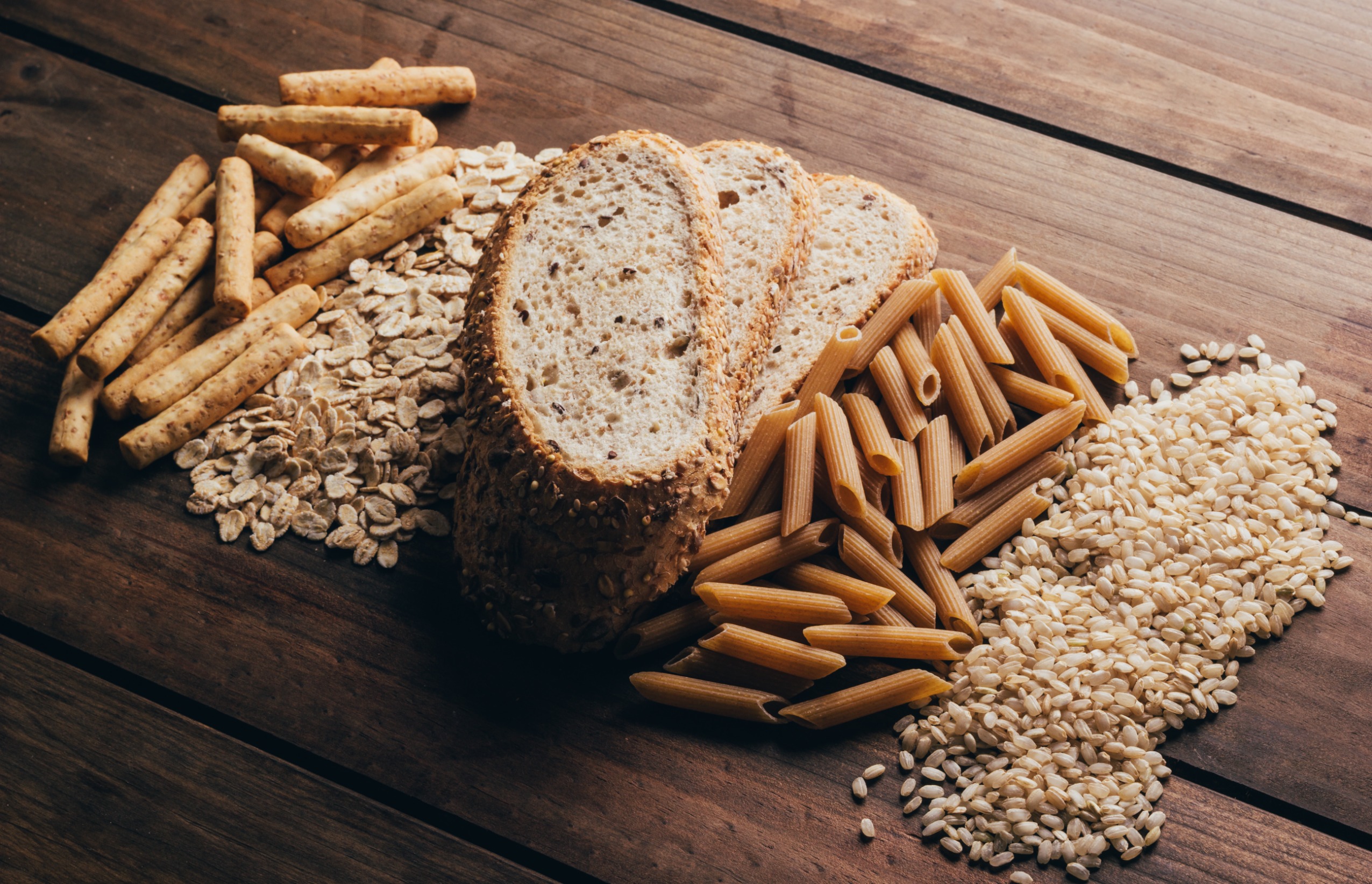
Whole Grains Daily

Centenarians often include whole grains in their daily diet. Foods such as oats, brown rice, barley, and whole wheat bread provide essential nutrients like fiber, vitamins, and minerals that support heart health and improve digestive function. Whole grains have a low glycemic index, which helps maintain stable blood sugar levels, a crucial factor in longevity.

2. Plant-Based Proteins
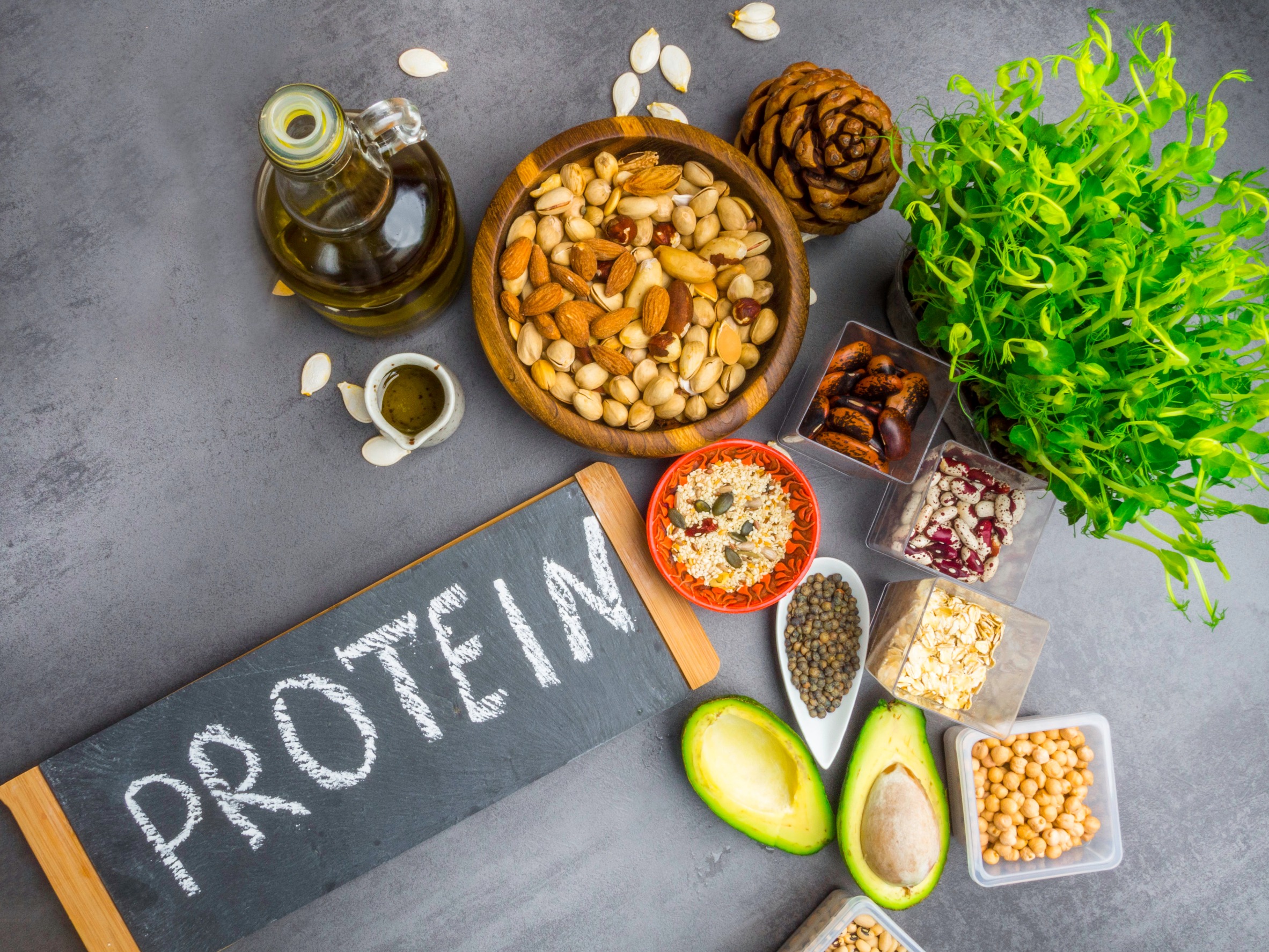
Plant-Based Proteins

People who live to 100 typically lean heavily on plant-based proteins. Beans, lentils, chickpeas, and tofu not only serve as excellent protein sources but also contain vital nutrients such as iron, fiber, and essential fatty acids without the saturated fats found in animal products. Incorporating plant-based proteins into daily meals can reduce inflammation and lower the risk of chronic diseases.

3. Fermented Foods
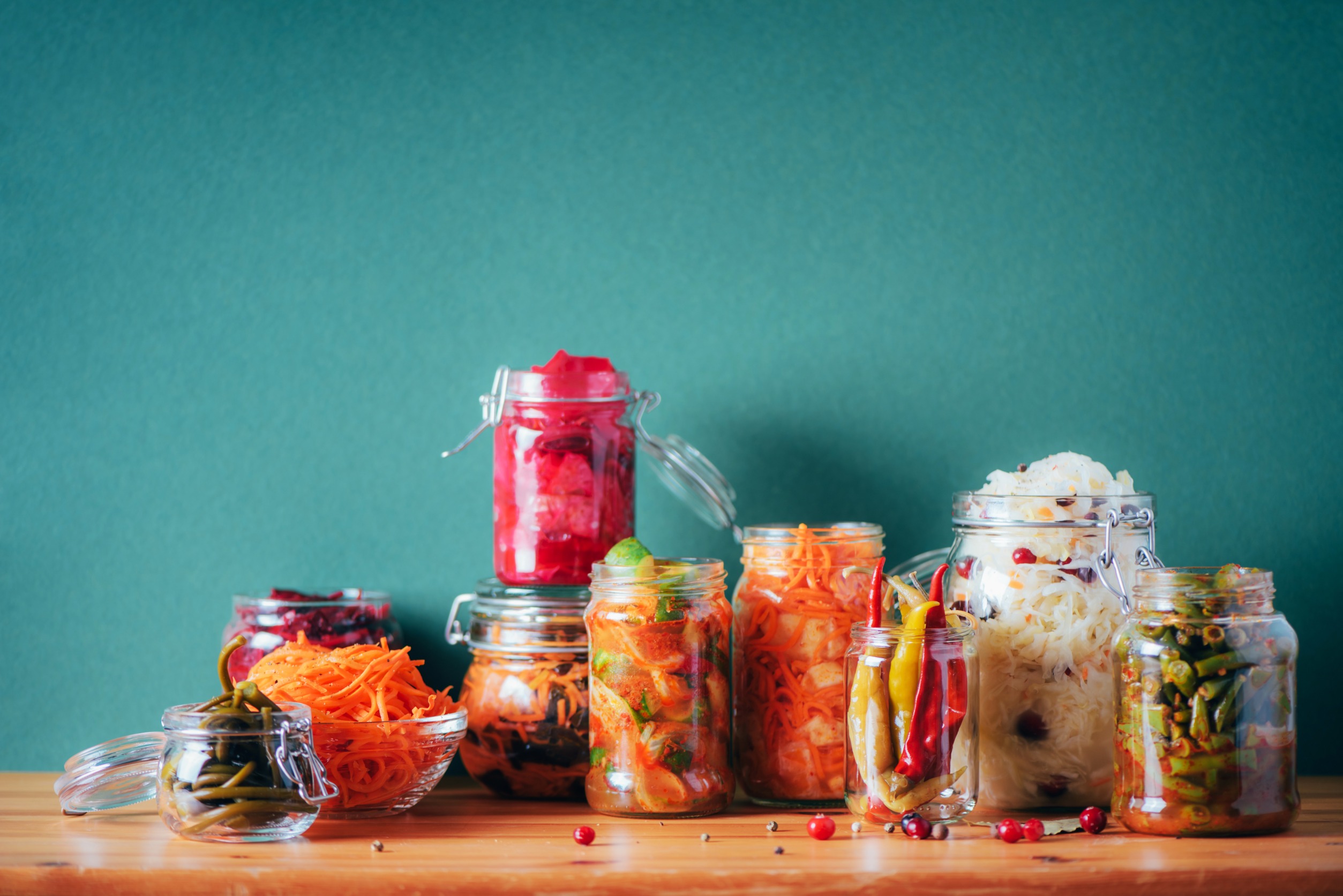
Fermented Foods

Fermented foods are a staple in the diets of many centenarians. Yogurt, kefir, sauerkraut, miso, and kimchi introduce beneficial probiotics into the body. These help maintain gut health, which assists immune function, mental health, and overall longevity. Fermentation also enhances the nutrient content of foods, making them even more beneficial.

4. Leafy Greens
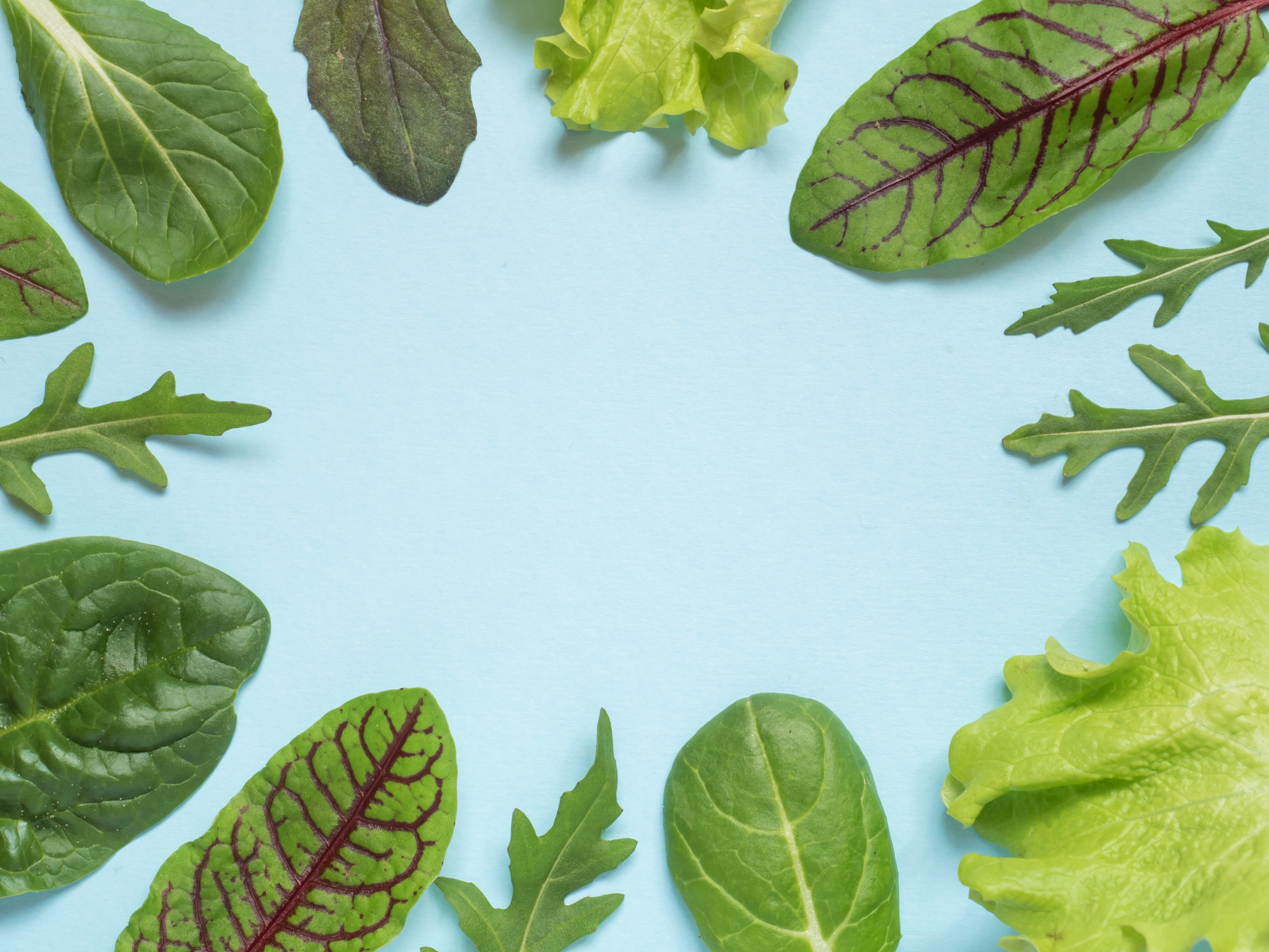
Leafy Greens

Leafy green vegetables such as spinach, kale, Swiss chard, and collard greens appear frequently on the plates of those living to 100. These vegetables are rich in vitamins, minerals, and antioxidants that protect the body from oxidative stress and inflammation, both of which impact aging and chronic diseases.

5. Nuts and Seeds
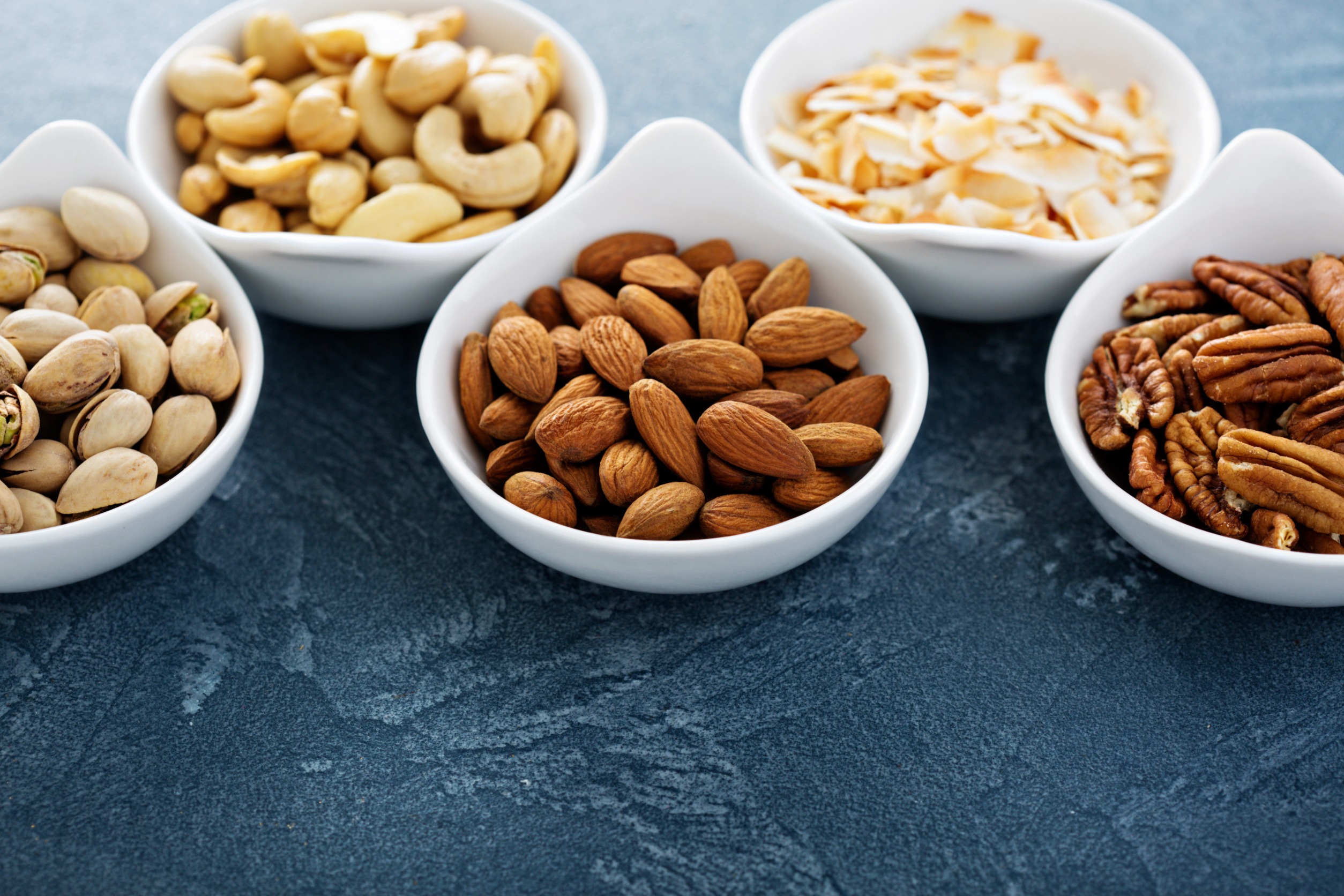
Nuts and Seeds

A handful of nuts or a sprinkle of seeds each day is typical among centenarians. Nuts and seeds are high in healthy fats, proteins, and fiber. Regular consumption can lead to lower cholesterol levels and reduced risk of heart disease. Almonds, walnuts, flaxseeds, and chia seeds are particularly beneficial for heart health and cognitive function.

6. Small Portions of Lean Meat

Small Portions of Lean Meat

While many centenarians focus on plant-based diets, those who eat meat tend to choose lean options like chicken, turkey, and fish and consume them in moderation. The key is small portions. These meats provide essential proteins and nutrients without excess calories or fats, which can contribute to heart disease.

7. Plenty of Water

Plenty of Water

Staying hydrated is crucial for maintaining health at any age, and those who live to 100 make sure to drink plenty of water throughout the day. Water supports kidney function, aids digestion, and helps keep the skin healthy and resilient, which are all vital for aging bodies.

8. Fresh Fruits
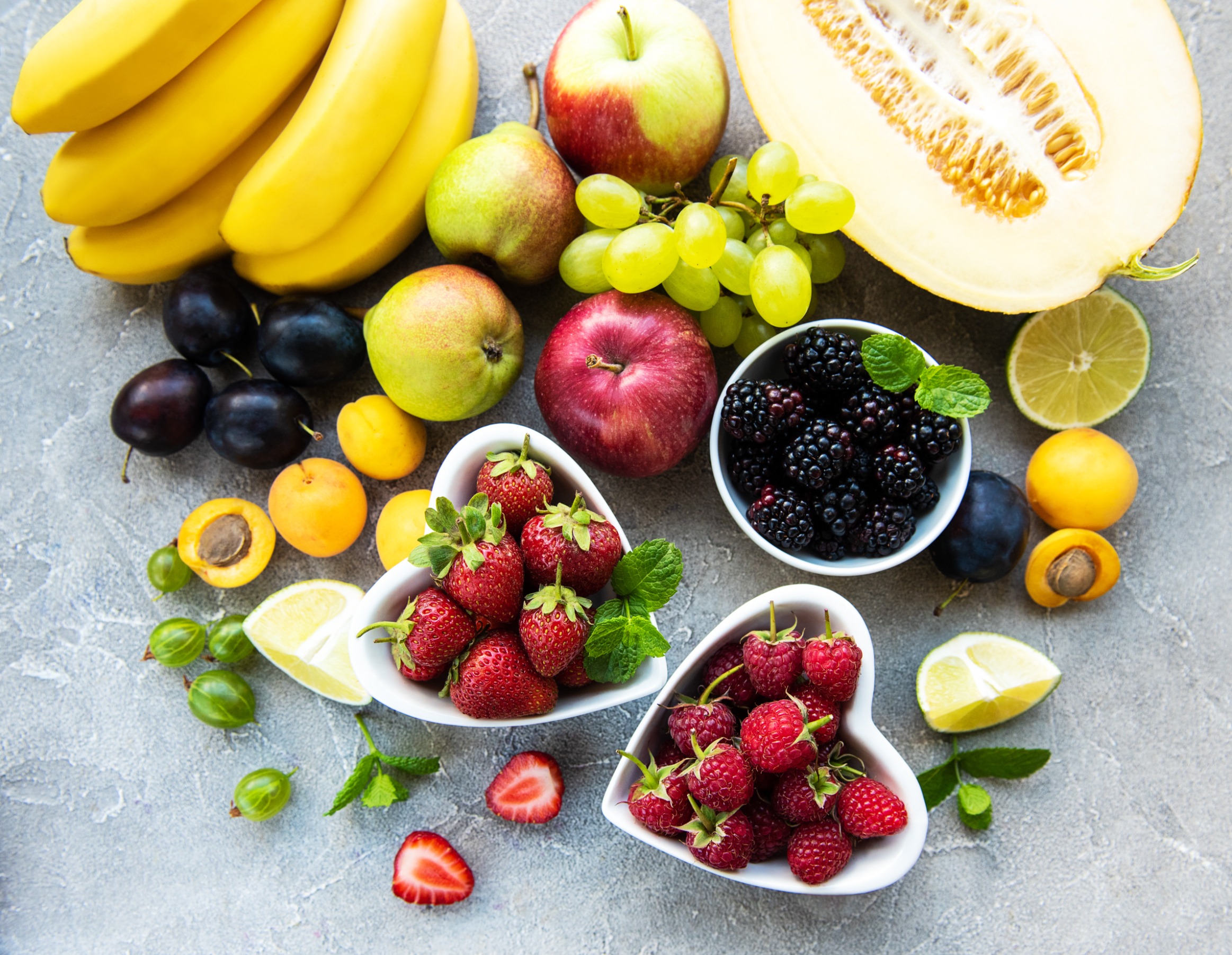
Fresh Fruits

Fruits are a significant part of the longevity diet due to their high levels of vitamins, minerals, and antioxidants. Berries, apples, oranges, and grapes are favorites among centenarians. These fruits can reduce inflammation and are linked to a lower risk of developing chronic diseases such as heart disease and cancer.

9. Herbal Teas

Herbal Teas

Many people living to 100 drink herbal teas daily. Teas like green, black, and oolong are rich in antioxidants that combat inflammation and decrease the risk of chronic diseases. Herbal teas can also offer calming effects, which help reduce stress, a significant factor in premature aging.

10. Olive Oil

Olive Oil

In regions known for their high number of centenarians, such as the Mediterranean, olive oil is the primary fat used in cooking. Olive oil contains monounsaturated fats and antioxidants, making it excellent for heart health and anti-inflammatory properties. Using olive oil for cooking or in salads can significantly impact longevity by reducing disease risk.

11. Minimal Processed Foods
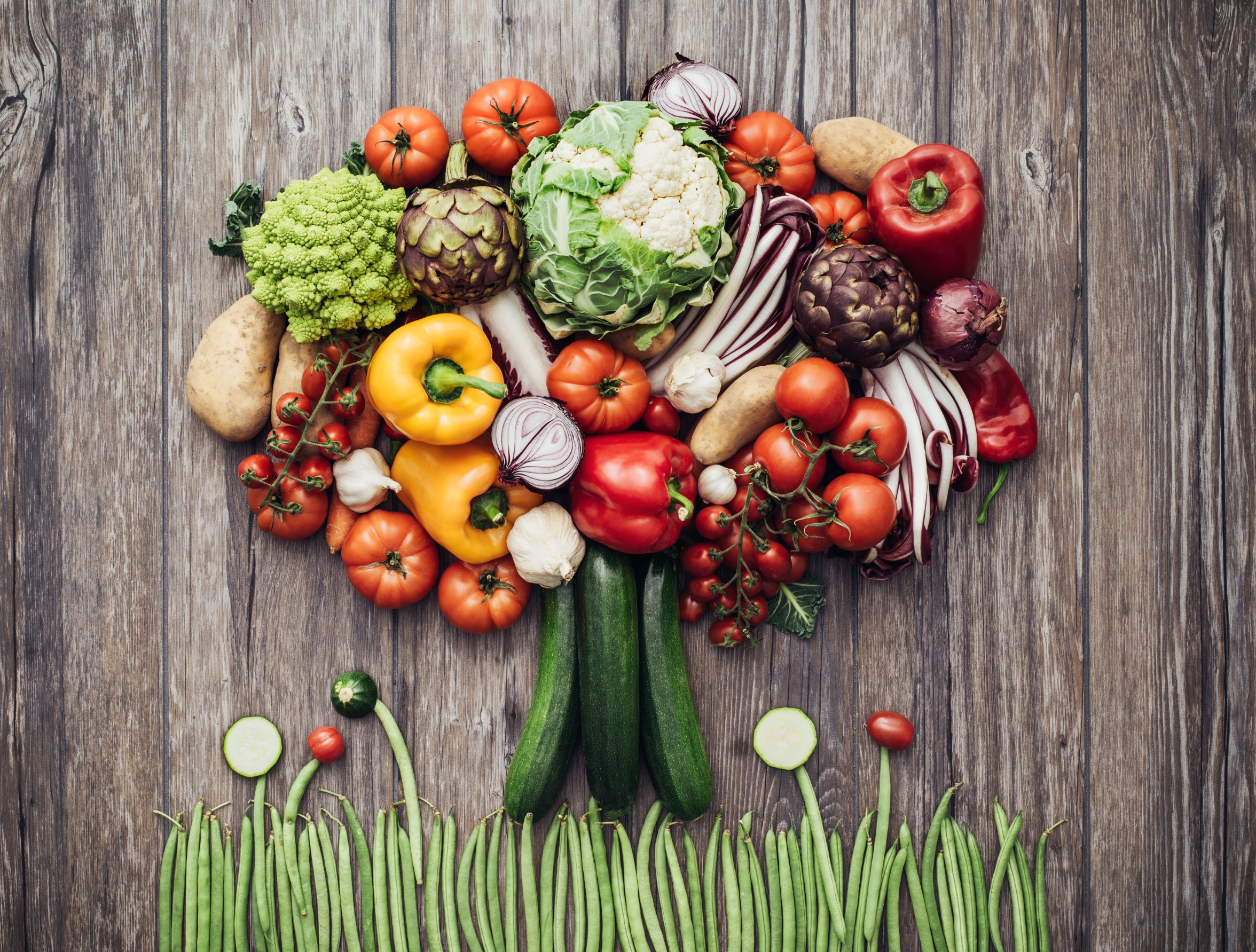
Minimal Processed Foods

One of the most important secrets of longevity is the minimal consumption of processed foods. Centenarians tend to eat foods as close to their natural state as possible. Processed foods are often high in unhealthy fats, sugars, and salts, which can lead to health problems like obesity, diabetes, and heart disease.

12. Spices and Herbs
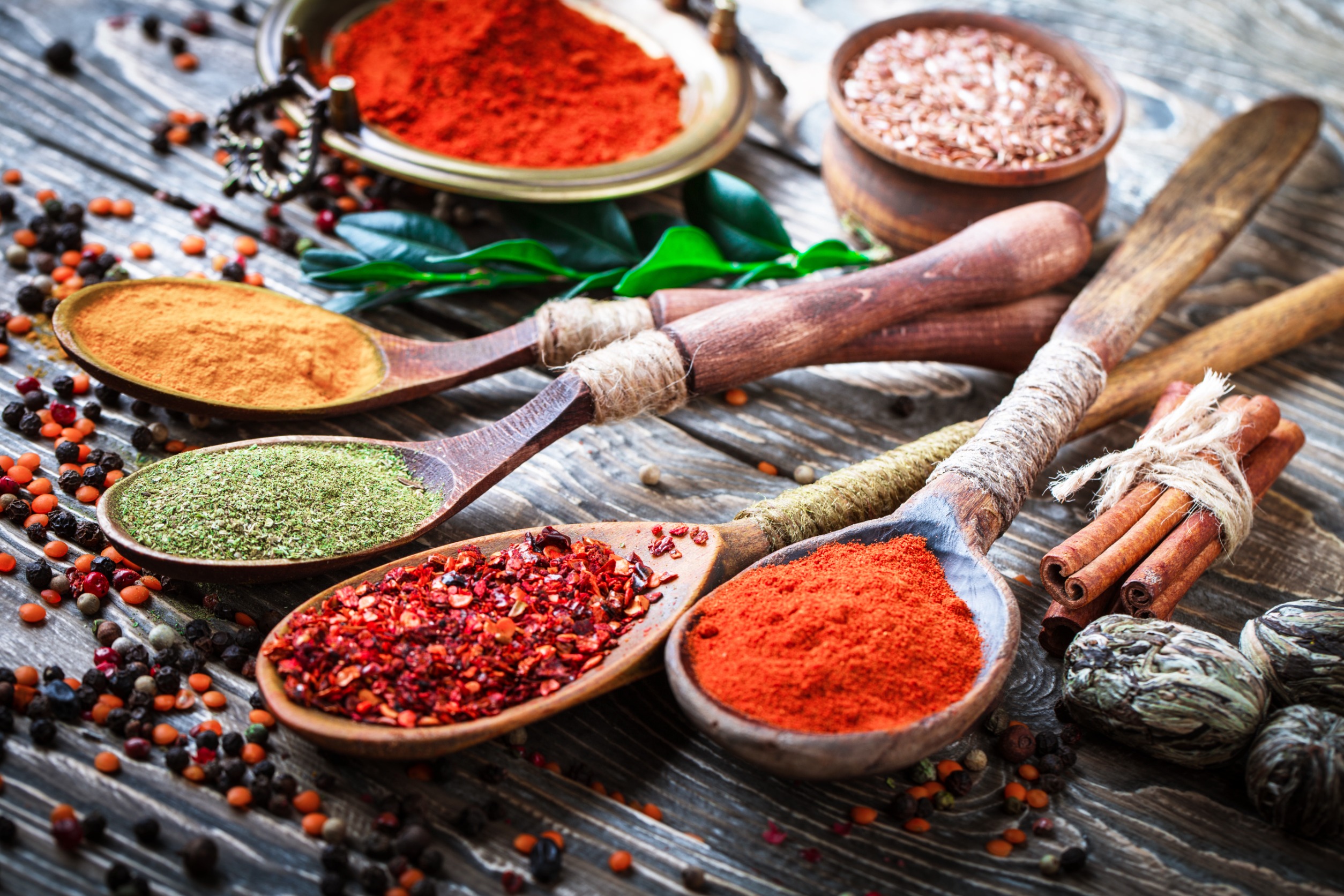
Spices and Herbs

Adding spices and herbs not only enhances the flavor of food without extra calories but also provides numerous health benefits. Turmeric, ginger, garlic, and cinnamon are commonly used by those who live to 100. These spices are known for their anti-inflammatory and antioxidant properties, which are essential for long-term health.

13. Regular, Balanced Breakfasts

Regular, Balanced Breakfasts

Centenarians often stress the importance of starting the day with a nutritious breakfast. This meal sets the metabolic tone for the day and provides essential energy to begin morning activities. A typical breakfast might include a combination of whole grains, fruits, and protein sources such as yogurt or eggs. This balance ensures a steady energy supply and prevents mid-morning crashes, which can lead to unhealthy snacking. Additionally, a substantial breakfast can support cognitive function and physical health, both of which are crucial for longevity.

Embrace These Secrets of Longevity by Choosing What People Living to 100 Eat Every Day

Embrace These Secrets of Longevity by Choosing What People Living to 100 Eat Every Day

By embracing these dietary habits, you can significantly improve your chances for a longer and healthier life. These secrets of longevity promote a balanced and mindful approach to eating, emphasizing the importance of quality and moderation. Integrating these habits into your daily routine can enhance both your lifespan and the quality of your life, ensuring you enjoy each year to its fullest.

Read More:

Meal Planning for a Family on a Budget

How to Keep Your Kids Healthy on a Budget

Catherine Reed
Catherine Reed

Catherine is a tech-savvy writer who has focused on the personal finance space for more than eight years. She has a Bachelor’s in Information Technology and enjoys showcasing how tech can simplify everyday personal finance tasks like budgeting, spending tracking, and planning for the future. Additionally, she’s explored the ins and outs of the world of side hustles and loves to share what she’s learned along the way. When she’s not working, you can find her relaxing at home in the Pacific Northwest with her two cats or enjoying a cup of coffee at her neighborhood cafe.

Filed Under: Healthy Living & Eating Tagged With: diet, health, healthy eating, living to 100, Meal Planning, nutrition, secrets of longevity

  • Facebook
  • Pinterest
  • RSS
  • Twitter

Basic Principles Of Good Parenting

Here some basic principles for good parenting:

  1. What You Do Matters: Your kids are watching you. So, be purposeful about what you want to accomplish.
  2. You Can’t be Too Loving: Don’t replace love with material possessions, lowered expectations or leniency.
  3. Be Involved Your Kids Life: Arrange your priorities to focus on what your kid’s needs. Be there mentally and physically.
  4. Adapt Your Parenting: Children grow quickly, so keep pace with your child’s development.
  5. Establish and Set Rules: The rules you set for children will establish the rules they set for themselves later.  Avoid harsh discipline and be consistent.
  6. Explain Your Decisions: What is obvious to you may not be evident to your child. They don’t have the experience you do.
  7. Be Respectful To Your Child: How you treat your child is how they will treat others.  Be polite, respectful and make an effort to pay attention.
Best Parenting Blogs

Most Popular

11 Ways Kids Are Outsmarting Parental Controls 1. Using Alternate Devices One common trick is simply turning to another device. If a child’s main phone or tablet is restricted, they may borrow a sibling’s, friend’s, or even a school laptop. This instantly gives them access to content outside of parental oversight. Parents often focus on one device, forgetting that others in the household can serve as loopholes. Knowing this tactic helps families tighten controls across all electronics. 2. Clearing Browsing Histories Many kids quickly learn that clearing browsing history hides evidence of restricted activity. With just a few clicks, they can erase any trace of websites visited. This makes it harder for parents to notice when rules are being broken. Parents may assume no history means no browsing, but the reality is often the opposite. Kids are outsmarting parental controls by making it seem like nothing happened at all. 3. Using Private Browsing Modes Most browsers offer “incognito” or private browsing features. Kids use this mode to access websites without leaving a record in the history. To parents checking later, everything looks clean and safe. This simple trick is often one of the first ways kids discover how to bypass restrictions. Conversations about private browsing can help close this gap. 4. Guessing or Resetting Passwords Children who are persistent may try to guess passwords to parental control apps or accounts. Others may find ways to reset them through email prompts or security questions. Once inside, they can disable restrictions entirely. Parents may not even realize controls have been altered until much later. Stronger, less predictable passwords can make this more difficult. 5. Using VPNs to Hide Activity Virtual private networks, or VPNs, let kids disguise their online locations. With one downloaded app, they can bypass geographic or parental restrictions. Some children learn about VPNs through friends or even social media. This makes it easy for them to reach content that should be blocked. Parents often underestimate just how simple it is for kids to use these tools. 6. Creating Fake Accounts When parents monitor social media, kids may create hidden accounts. These “finstas” or fake profiles allow them to interact freely without parental oversight. While their main account appears harmless, the secondary one tells a different story. Kids are outsmarting parental controls by playing both sides at once. Checking for duplicate accounts can help parents stay more aware. 7. Exploiting Time Zone Settings Some kids change the time zone on their devices to bypass screen time limits. This trick allows them to gain extra hours of usage undetected. Parents may assume controls are working, but in reality, the child is bending the clock. It’s a clever loophole that highlights just how resourceful kids can be. Monitoring device settings regularly can catch this tactic. 8. Disabling or Uninstalling Apps Parental control apps can be deleted or disabled with surprising ease. Some kids even reinstall them before a parent checks, making it seem like nothing changed. Others may simply restrict permissions to prevent apps from functioning properly. When apps aren’t monitored closely, parents may not notice they’ve been tampered with. This shows the importance of consistent follow-up. 9. Turning to Friends for Access If a child can’t get past restrictions on their own, they may rely on friends. Visiting a friend’s house or borrowing their phone can give them a free pass. Parents often forget that peer environments can override restrictions set at home. This kind of social workaround is especially common with gaming or social media. Open conversations about trust and responsibility are essential. 10. Hiding Apps in Plain Sight Kids sometimes download apps that look innocent but serve as gateways to hidden activity. These apps may disguise themselves as calculators or utilities. In reality, they allow file storage, private messaging, or browser access. Parents glancing at a home screen may overlook them entirely. Learning to recognize these disguised apps can help parents stay informed. 11. Outpacing Parents’ Tech Knowledge Finally, kids often know more about devices than their parents do. Whether through YouTube tutorials, TikTok hacks, or peer groups, they quickly learn advanced workarounds. This knowledge gap means controls can be bypassed before parents even realize the loophole exists. Staying informed and continually learning about new technology is the best defense. Kids are outsmarting parental controls because they adapt faster than most adults. The Real Solution Lies Beyond Restrictions While controls and filters are important, no system is perfect. Kids will always find creative ways around barriers, making communication the strongest safeguard. Setting clear expectations, building trust, and having ongoing conversations about online behavior matter more than apps alone. Parents who combine technology with open dialogue create a safer digital environment. The goal isn’t to win a battle of wits but to build a relationship that keeps kids both safe and honest. Do you think kids are outsmarting parental controls faster than parents can keep up? Share your experiences in the comments below. What to Read Next... 6 Parenting Tech Shortcuts That Can Expose Your Child to Strangers How Much Screen Time Is Too Much—Legally Speaking? Is Your Child’s School Quietly Tracking Their Location Without Your Consent? How Much Screen Time Is Quietly Reshaping Childhood Behavior? Why Some Parents Are Being Investigated Over Homeschooling Records

11 Ways Kids Are Outsmarting Parental Controls

Catherine Reed
Smiling grandfather holding a happy baby indoors.

Why Grandparents Shouldn’t Babysit Their Grandkids Every Week – The Unspoken Issue

Samantha
Girl getting makeup done, referencing psychologist-approved age.

Wearing Makeup: Here Is the Age That Psychologists Agree It’s Okay for Girls to Wear Makeup

Samantha
birthday gifts

7 Birthday Gifts Your Child Should Never Bring to a Party

Latrice Perez

Babysitting Without Cash: 10 Ways to Barter Your Way Out of Childcare Costs

Ashleigh Clyde

All content on Kids Ain’t Cheap is for entertainment purposes only. By reading this blog, you agree that Kids Ain’t Cheap is not responsible for any actions taken after reading this blog. For the full disclaimer, see our privacy policy.

Please note that Kids Ain’t Cheap has financial relationships with some of the merchants mentioned here. Kids Ain’t Cheap is funded by banner advertising, commission sales and search optimization consulting.

Copyright © 2006–2026 | District Media | All Rights Reserved | Privacy Policy

Copyright © 2026 Runway Pro Theme by Viva la Violette