• Home
  • About Us
  • Toolkit
  • Archives
  • Advertise
  • Privacy Policy

Kids Ain't Cheap

But They Sure Are Worth It

  • Parenting
    • Baby Stuff
    • Books and Reading
      • Aesops Fables
      • Comic Books
    • Education
    • Family Time
    • Green Living
    • Growing Up
    • Healthy Living & Eating
    • Holidays
    • Parenting
    • Random Musings
    • Shopping
    • Stuff to Do
  • Money
  • Product Reviews
    • Books and Magazines
    • Discount Sites
    • Furniture
    • House Keeping
    • Reviews News
    • Toys and Games
  • Contact Us
  • Our Editorial Commitment
  • Search

The Children’s Growth Supplement Claims Parents Should Question Before Paying

July 18, 2026 | Leave a Comment

Measuring Child Height
A parent should compares children’s growth supplement labels while reviewing a child’s growth chart, highlighting the importance of evidence over marketing claims. (Pexels).

Parents naturally want to give their children every opportunity to grow up healthy and strong. That desire has fueled a booming market for every children’s growth supplement promising taller height, stronger bones, and better development. Eye-catching advertisements often feature dramatic before-and-after stories that make these products seem like an easy solution. However, pediatric experts say parents should carefully examine the evidence before investing in expensive supplements. Understanding which claims deserve skepticism can help families make informed decisions and avoid wasting money on promises that may not be supported by solid science.

 “Our Supplement Helps Children Grow Taller”

Perhaps the most common children’s growth supplement claim is that a product can significantly increase a child’s height. While proper nutrition is essential for normal growth, height is largely determined by genetics, overall health, and hormonal factors. Some companies cite small studies or selective data that may not apply to healthy children with balanced diets. A recent Federal Trade Commission action against TruHeight alleged deceptive advertising related to children’s height claims, reminding parents that marketing language should never replace scientific evidence. Before buying any children’s growth supplement, ask whether independent, peer-reviewed research supports the exact product rather than general ingredients.

 “Every Child Needs Extra Nutrients”

Advertisements often suggest that today’s children are missing critical nutrients needed for proper growth. In reality, the American Academy of Pediatrics says most healthy children who eat a varied diet do not need routine vitamin or mineral supplements. Children with diagnosed deficiencies or certain medical conditions may benefit from supplementation, but those situations require professional medical guidance. A child who eats fruits, vegetables, whole grains, dairy products, and protein-rich foods is usually getting the nutrients needed for healthy development. Rather than assuming every child needs a children’s growth supplement, parents should discuss nutritional concerns with their pediatrician first.

 “More Protein Means Faster Growth”

Protein is undeniably important for growing bodies, but more protein does not automatically mean a taller child. Many children’s growth supplement products advertise high protein levels while implying they accelerate height gain beyond normal development. Research supports adequate protein intake for healthy growth, yet consuming extra protein above recommended amounts has not been shown to make healthy children significantly taller. For example, a child who regularly eats eggs, yogurt, chicken, beans, or fish is often already meeting daily protein needs. Spending extra money on protein-based supplements may provide little benefit unless a healthcare provider identifies a nutritional concern.

 “Natural Ingredients Make It Completely Safe”

The word “natural” sounds reassuring, but it does not guarantee a product is risk-free. Natural supplements can still cause allergic reactions, medication interactions, or excessive vitamin intake if used improperly. Unlike prescription medications, dietary supplements are not required to demonstrate effectiveness before reaching store shelves. Parents sometimes assume that because a product is sold over the counter, it has undergone extensive testing comparable to medicines, but that is not the case. Reading ingredient labels carefully and consulting a pediatrician before starting any children’s growth supplement can help reduce unnecessary risks.

 “Every Child Should Take a Growth Supplement”

The biggest misconception may be that all children need a children’s growth supplement to reach their full potential. Pediatricians monitor growth using standardized growth charts that account for age, sex, and long-term growth patterns rather than comparing children to classmates. A child who is shorter than peers may still be growing perfectly according to their own genetic potential. Good nutrition, regular exercise, sufficient sleep, and routine medical care remain the most reliable ways to support healthy growth. Parents should view supplements as tools for specific medical situations rather than everyday necessities for healthy children.

Building Healthy Growth Without Falling for Marketing

Parents face countless advertisements claiming to unlock their child’s full growth potential, but careful research is the best defense against misleading marketing. Healthy childhood growth depends on consistent nutrition, quality sleep, physical activity, genetics, and regular medical checkups—not a miracle powder or gummy. If concerns about height or development arise, a pediatrician can evaluate whether testing or nutritional intervention is actually necessary. Asking questions before purchasing a children’s growth supplement protects both your family’s budget and your child’s health.

Have you ever considered buying a children’s growth supplement after seeing an advertisement, or has your pediatrician ever recommended one? Share your thoughts and experiences in the comments below to help other parents make informed decisions.

What to Read Next

6 School Policy Changes Parents Should Watch This Year

The Growing Parent Revolt Against School-Issued Devices

Parents Report Delays: Why Speech Therapy Waitlists Are Growing Nationwide

Evan Morgan

Evan Morgan has been a full-time freelance writer and editor for 10+ years. When not working, he enjoys catching the latest true crime documentary or getting lost in a good book.

Filed Under: Parenting Tagged With: child development, child nutrition, children's growth supplement, family health, healthy growth, kids vitamins, nutrition, Parenting, parenting tips, pediatric health

Teachers Beg Parents: Stop Buying These 7 High-Sugar Snacks for School Lunches

March 28, 2026 | Leave a Comment

High-Sugar Snacks
Image source: shutterstock.com

You drop your child off at school hoping they will find a sense of belonging and academic growth. Instead, many parents are noticing their children return home with high levels of stress and unexplained irritability. It is easy to blame social media or a lack of sleep for this modern epidemic of childhood worry. However, teachers are finally revealing that the structure of the school day itself is a major contributor. The hidden system of high-stakes testing and constant comparison is breaking the spirit of our youth. You are not failing as a parent because your child is struggling to cope. The environment they spend seven hours in is often designed for efficiency rather than emotional health. Understanding why 2026 students are more anxious is the first step toward a solution.

1. The Pressure of Constant Digital Feedback

Students today are monitored through digital gradebooks that update in real-time for both parents and administrators. Surprisingly, this level of surveillance prevents children from learning how to fail gracefully in a private setting. They feel the weight of every missed assignment or low quiz score before they even leave the building. On the other hand, traditional education allowed for a period of growth and correction before a final grade was issued. This shift toward instant data makes students feel constant pressure regarding their perceived worth in a digital system. You can explore the psychological impact of digital monitoring through the Child Mind Institute’s guide on school-related anxiety. We must return to a model that values the process over the immediate data point.

2. The Loss of Unstructured Play

Recess and passing periods have been drastically shortened to make more room for standardized curriculum blocks. This removal of free time forces children to stay in a state of high cognitive load for hours on end. Furthermore, the lack of unstructured play prevents them from developing the natural conflict resolution skills they need. Without these social buffers, minor peer disagreements escalate into major sources of daily dread. Teachers report that students are increasingly unable to handle small setbacks without a significant emotional breakdown. Research on the necessity of play for emotional regulation is available from the American Academy of Pediatrics. A school without play is a pressure cooker for the developing mind.

3. High-Stakes Environment and Competitive Ranking

Classroom walls are often covered with data charts that publicly rank students based on their reading or math progress. This public display of ability creates a culture of shame for those who are struggling to keep up. Children as young as six are now aware of where they stand in relation to their peers’ test scores. Additionally, the focus on college readiness in elementary school removes the joy of discovery from the learning process. This competitive atmosphere ensures that 2026 students feel anxious and validated by their environment every single day. We are trading the curiosity of childhood for the metrics of a corporate office. Taking these charts down is a simple way to restore a sense of safety to the classroom.

4. The Impact of Standardized Testing Fatigue

The modern school calendar is often dictated by the proximity to the next state-mandated assessment. This narrow focus forces teachers to skip enrichment activities that build confidence and critical thinking. When the curriculum becomes a race to cover material rather than a journey to understand it, students feel left behind. This fatigue leads to a lack of engagement and a sense of hopelessness among those who do not test well. You can find more information on the effects of over-testing from FairTest: The National Center for Fair & Open Testing. Your child is more than a bar graph on a bulletin board.

5. Reclaiming the Emotional Heart of the Classroom

The reality that classroom habits are making 2026 students more anxious is a call to action for every parent. You have the right to demand a school environment that prioritizes the human heart over a standardized score. It is not your child’s fault that they are struggling to navigate a system that feels increasingly cold and data-driven. We must advocate for more downtime and less surveillance to let our children breathe again. Protecting their mental health is far more important than any grade they will ever receive. By identifying these toxic habits, we can begin to rebuild a school experience that nurtures rather than drains.

6. Restoring Balance for the Next Generation

Advocating for change starts with small conversations between parents and educators. We need to focus on building resilience through supportive environments rather than through increased pressure. When schools prioritize emotional safety, academic success often follows naturally without the cost of a child’s mental well-being. Keeping a close eye on how your child talks about their day can reveal the hidden stressors they face. By working together, we can ensure that the school day becomes a source of inspiration again.

Creating a Healthier Future Together

Transitioning away from a culture of comparison requires a united front from both the home and the classroom. We must empower our children to see themselves as more than just a collection of data points or test scores. By fostering an environment where emotional safety is the foundation of learning, we give them the tools to thrive in an unpredictable world. The goal is to raise individuals who are confident in their unique abilities rather than fearful of falling behind. Every small adjustment in how we talk about grades or success makes a massive difference in their daily mental health.

How has the school system affected your child’s stress levels this year? Please think about your recent experiences and leave a comment below so we can share ideas on how to advocate for our kids.

What To Read Next…

  • 7 Surprising Parenting Methods That Are Outperforming Old-School Rules
  • Texas Special Ed Concerns: Why 2026 Voucher Applications Still Require a Public School Evaluation
  • 7 New North Carolina School Rules Taking Effect for the 2026-2027 Academic Year
Latrice Perez

Latrice is a dedicated professional with a rich background in social work, complemented by an Associate Degree in the field. Her journey has been uniquely shaped by the rewarding experience of being a stay-at-home mom to her two children, aged 13 and 5. This role has not only been a testament to her commitment to family but has also provided her with invaluable life lessons and insights.  As a mother, Latrice has embraced the opportunity to educate her children on essential life skills, with a special focus on financial literacy.

Filed Under: Health Tagged With: education, healthy snacks, lunchbox ideas, nutrition, parenting tips, school lunch, student focus, sugar in food

8 Health Fads Parents Are Pushing on Their Kids Without Science

October 24, 2025 | Leave a Comment

8 Health Fads Parents Are Pushing on Their Kids Without Science
Image source: shutterstock.com

In an age where every scroll reveals a new “miracle” routine or superfood, even well-meaning parents can get caught up in wellness trends that sound healthy but lack scientific backing. Kids often become the testing ground for these ideas, from trendy supplements to strict food rules. The problem is that what works—or seems to work—for adults doesn’t always translate to a growing child’s needs. Before following the latest craze, it’s worth taking a closer look at the most popular health fads parents are pushing and whether they actually make sense for kids.

1. Cutting Out Entire Food Groups

One of the most common health fads parents are pushing involves eliminating entire food groups, such as dairy, gluten, or carbs. While there are legitimate reasons for these exclusions—like allergies or celiac disease—many parents adopt them based on social media trends rather than medical advice. Growing children need a wide range of nutrients for development, and cutting out foods without guidance can cause deficiencies. For example, removing dairy might reduce calcium intake, while skipping carbs can impact energy levels. A pediatrician or registered dietitian can help determine whether a restriction is necessary before making big changes.

2. Putting Kids on Keto or Low-Carb Diets

The ketogenic diet gained massive popularity for weight loss among adults, but some parents are now applying it to their children. This is one of the more concerning health fads parents are pushing because kids need carbohydrates to fuel growth and brain development. Restricting carbs can lead to fatigue, irritability, and nutrient imbalances in children. Unless prescribed for specific medical conditions like epilepsy, these diets are not recommended for young kids. Balanced meals with whole grains, fruits, and vegetables are far more beneficial than extreme carb cutting.

3. Overloading on “Immunity Boosting” Supplements

Parents naturally want to keep their kids healthy, especially during cold and flu season, but the rush toward daily vitamins, herbal gummies, and “immune shots” has gone overboard. Many of these supplements are unregulated, unproven, and sometimes unnecessary if the child already eats a balanced diet. Too much of certain vitamins—like A or D—can even be toxic in high doses. The immune system isn’t something you can turbocharge with powders and pills. A nutritious diet, regular sleep, and physical activity remain the true cornerstones of a strong immune defense.

4. Forcing “Sugar-Free” Everything

Avoiding excessive sugar is wise, but the obsession with sugar-free foods has become another of the health fads parents are pushing without realizing the downsides. Many sugar substitutes can upset children’s digestion or teach them to crave hyper-sweet flavors. Some sugar-free snacks even contain artificial additives that raise other health questions. Natural sugar from fruit or small treats in moderation is not harmful. Teaching balance instead of strict avoidance creates healthier lifelong habits.

5. Juicing and Smoothie Replacements

Juicing might seem like a quick way to sneak in fruits and vegetables, but it often removes fiber and concentrates sugar. Parents drawn to this health fad may unknowingly give their kids calorie-dense drinks that spike energy and then crash it later. Smoothies can be nutritious if they include protein and fiber, but replacing meals with them is not ideal for children’s growth. Whole fruits and veggies provide texture, nutrients, and satiety that drinks can’t match. It’s better to serve smoothies as snacks rather than meal substitutes.

6. Using Detox Teas or Cleanses

Cleanses and detox teas have no solid scientific basis for improving health, yet they remain one of the most persistent health fads parents are pushing online. These products often promise to “flush out toxins” or “reset the body,” but the liver and kidneys already perform those functions naturally. Giving detox products to kids can lead to dehydration, diarrhea, and electrolyte imbalances. No reputable pediatric health organization recommends them for children. The safest “detox” is simply drinking water and eating real food.

7. Emphasizing Protein Shakes Over Real Food

With the rise of fitness culture, some parents think more protein automatically means better health. Kids are being handed protein bars or shakes designed for adults, which can throw off their nutrient balance. Children typically get enough protein from regular meals that include dairy, eggs, lean meats, beans, or nuts. Overloading on supplemental protein can strain their kidneys and reduce appetite for other food groups. Unless a pediatrician suggests it, there’s no need for shakes to replace real food.

8. Labeling Natural Remedies as “Better Than Medicine”

While natural remedies like honey for coughs or ginger tea can help mild symptoms, they shouldn’t replace proven medical treatments. One of the most problematic health fads parents are pushing is the belief that natural automatically means safer or more effective. Some herbal remedies can interact with medications or be harmful in large doses. Relying on them for serious illnesses can delay proper care and worsen outcomes. Parents should always consult healthcare professionals before trying new remedies, no matter how “organic” they sound.

Raising Healthy Kids with Common Sense

Health trends can be tempting, especially when they promise to make parenting feel more proactive or “clean.” But children’s needs are unique, and their growing bodies depend on evidence-based nutrition, not viral wellness ideas. Parents can best support their kids by focusing on balanced meals, movement, and medical guidance instead of fads. Health doesn’t come from trends—it comes from consistency, moderation, and a little common sense.

Have you noticed any health fads parents are pushing on their kids in your community? Which ones concern you the most? Share your thoughts in the comments below!

What to Read Next…

10 Snacks That Are Making Your Kids Overweight and Unhealthy

Don’t Ignore This: 7 Health Symptoms That Demand Immediate Attention In Kids

The “Harmless” Habit: 7 Health Habits Shortening Childhood For Many

Are You Missing It? 7 Health Warnings Your Child’s Behavior Gives You

Mental Health Crisis: 4 Critical Questions About Your Child’s Mental Health

Catherine Reed
Catherine Reed

Catherine is a tech-savvy writer who has focused on the personal finance space for more than eight years. She has a Bachelor’s in Information Technology and enjoys showcasing how tech can simplify everyday personal finance tasks like budgeting, spending tracking, and planning for the future. Additionally, she’s explored the ins and outs of the world of side hustles and loves to share what she’s learned along the way. When she’s not working, you can find her relaxing at home in the Pacific Northwest with her two cats or enjoying a cup of coffee at her neighborhood cafe.

Filed Under: Healthy Living & Eating Tagged With: child health, childhood development, family health, health myths, kids nutrition, nutrition, Parenting, parenting advice, wellness trends

13 Secrets of Longevity: What People Living to 100 Eat Every Day

May 9, 2024 | Leave a Comment

13 Secrets of Longevity What People Living to 100 Eat Every Day

The quest for a long and healthy life is as old as humanity itself. In recent years, the focus has intensified on the diets of people who live to 100, often referred to as centenarians. The secrets of longevity may not be so secret after all; they are deeply embedded in the daily eating habits of those who have mastered the art of aging well. Here, we explore 13 dietary habits that are common among people who live to be 100 years old, providing insights into how certain foods can contribute to a long and healthy life.

1. Whole Grains Daily

Whole Grains Daily

Centenarians often include whole grains in their daily diet. Foods such as oats, brown rice, barley, and whole wheat bread provide essential nutrients like fiber, vitamins, and minerals that support heart health and improve digestive function. Whole grains have a low glycemic index, which helps maintain stable blood sugar levels, a crucial factor in longevity.

2. Plant-Based Proteins

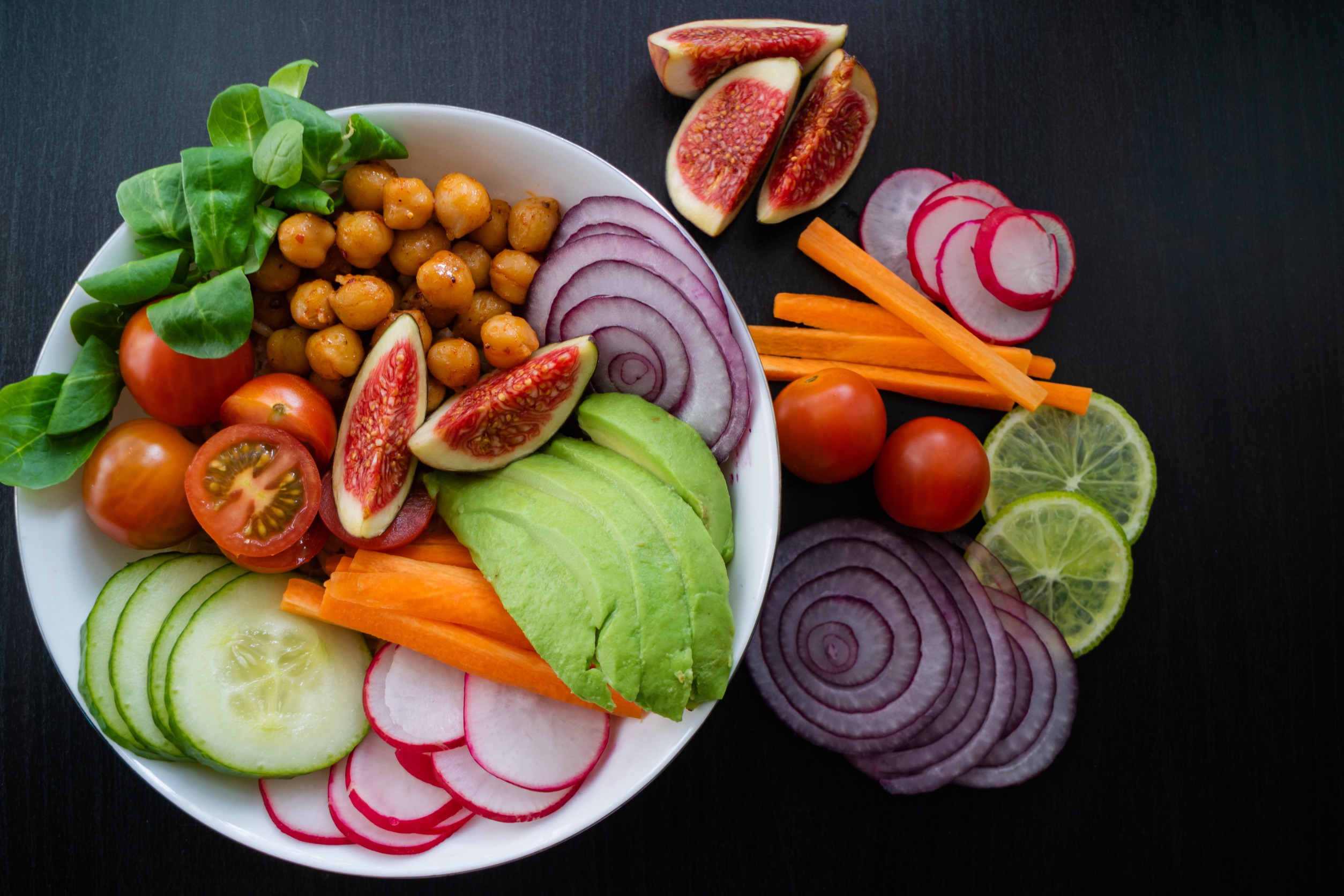
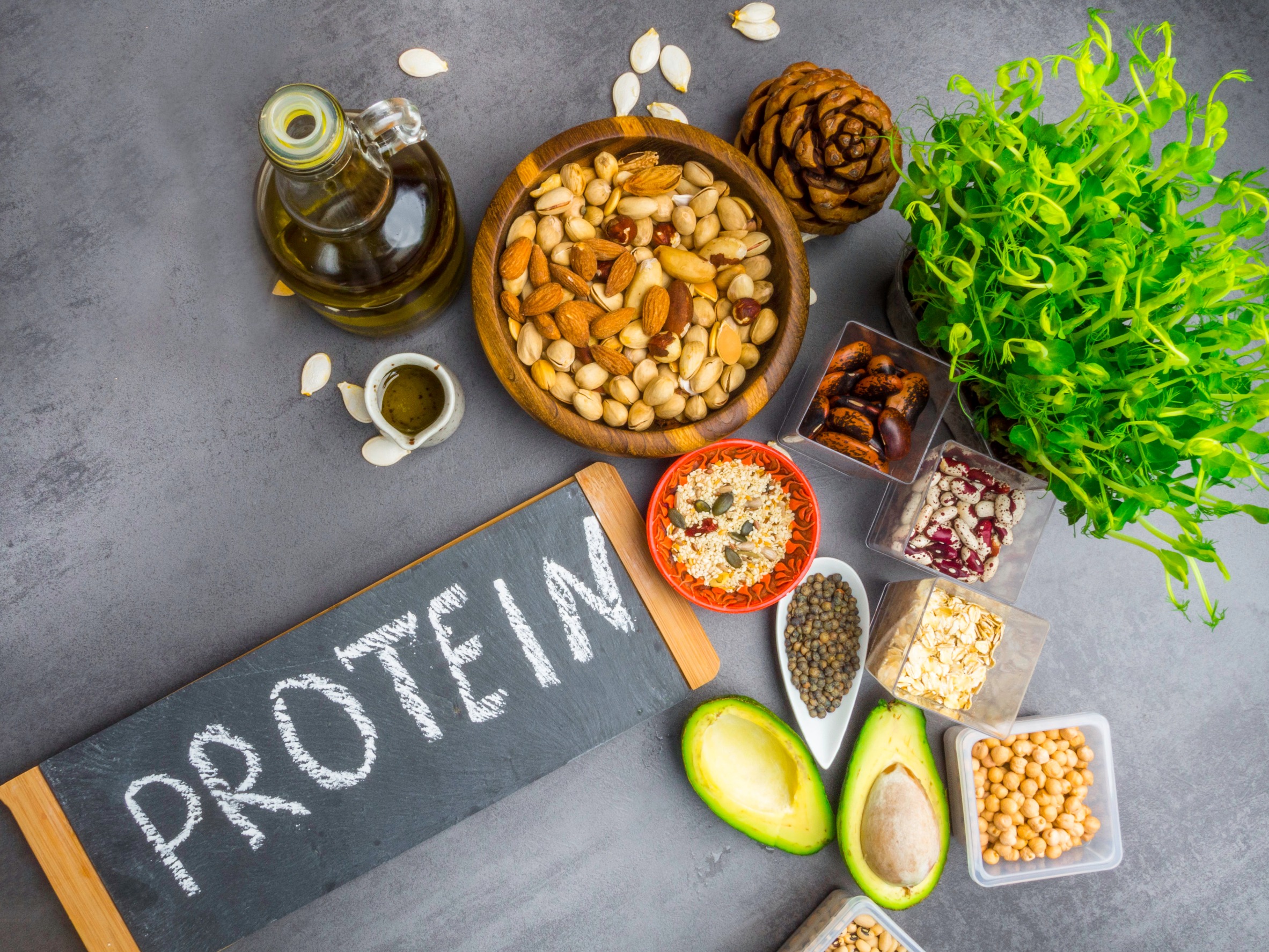
Plant-Based Proteins

People who live to 100 typically lean heavily on plant-based proteins. Beans, lentils, chickpeas, and tofu not only serve as excellent protein sources but also contain vital nutrients such as iron, fiber, and essential fatty acids without the saturated fats found in animal products. Incorporating plant-based proteins into daily meals can reduce inflammation and lower the risk of chronic diseases.

3. Fermented Foods

Fermented Foods

Fermented foods are a staple in the diets of many centenarians. Yogurt, kefir, sauerkraut, miso, and kimchi introduce beneficial probiotics into the body. These help maintain gut health, which assists immune function, mental health, and overall longevity. Fermentation also enhances the nutrient content of foods, making them even more beneficial.

4. Leafy Greens

Leafy Greens

Leafy green vegetables such as spinach, kale, Swiss chard, and collard greens appear frequently on the plates of those living to 100. These vegetables are rich in vitamins, minerals, and antioxidants that protect the body from oxidative stress and inflammation, both of which impact aging and chronic diseases.

5. Nuts and Seeds

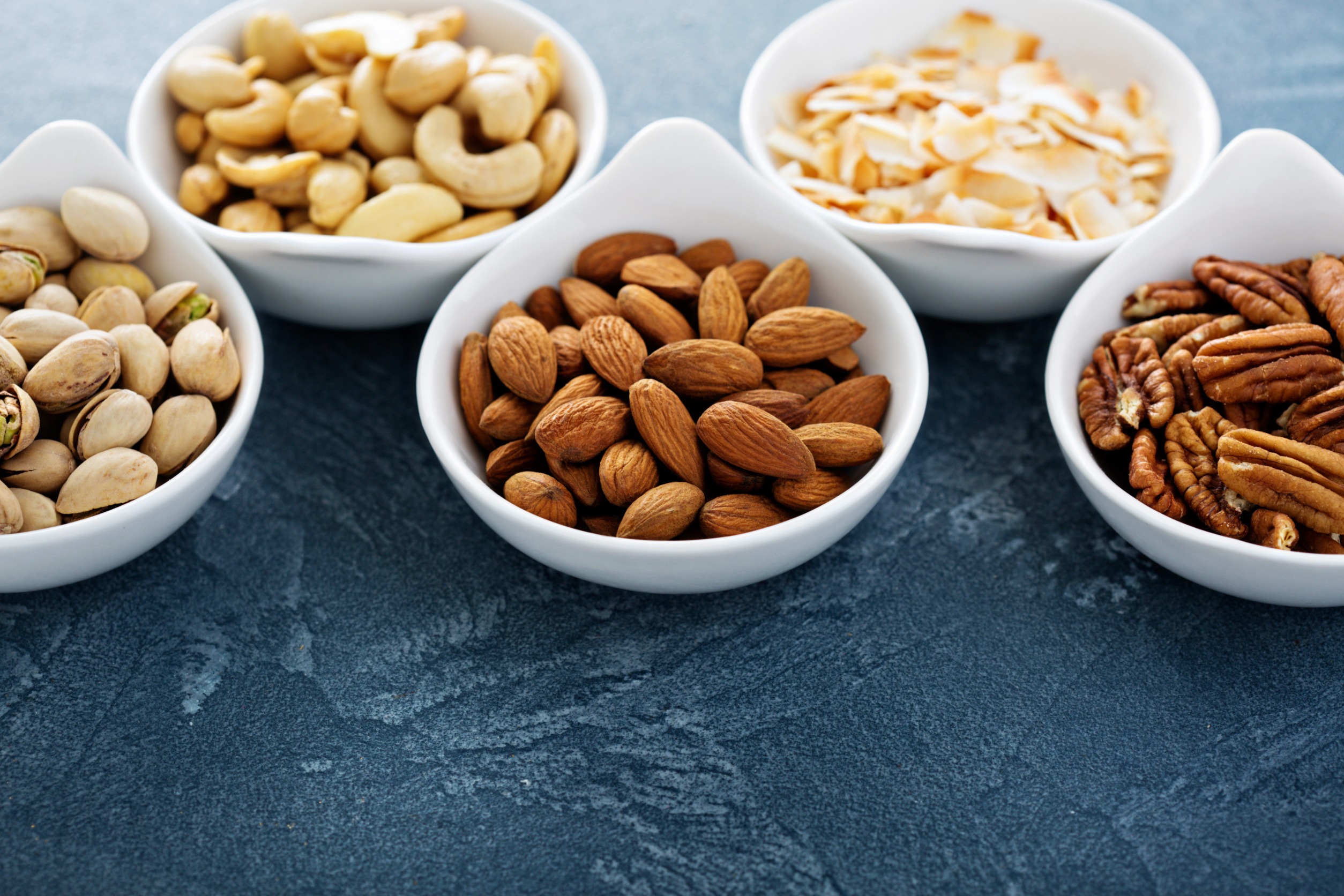
Nuts and Seeds

A handful of nuts or a sprinkle of seeds each day is typical among centenarians. Nuts and seeds are high in healthy fats, proteins, and fiber. Regular consumption can lead to lower cholesterol levels and reduced risk of heart disease. Almonds, walnuts, flaxseeds, and chia seeds are particularly beneficial for heart health and cognitive function.

6. Small Portions of Lean Meat

Small Portions of Lean Meat

While many centenarians focus on plant-based diets, those who eat meat tend to choose lean options like chicken, turkey, and fish and consume them in moderation. The key is small portions. These meats provide essential proteins and nutrients without excess calories or fats, which can contribute to heart disease.

7. Plenty of Water

Plenty of Water

Staying hydrated is crucial for maintaining health at any age, and those who live to 100 make sure to drink plenty of water throughout the day. Water supports kidney function, aids digestion, and helps keep the skin healthy and resilient, which are all vital for aging bodies.

8. Fresh Fruits

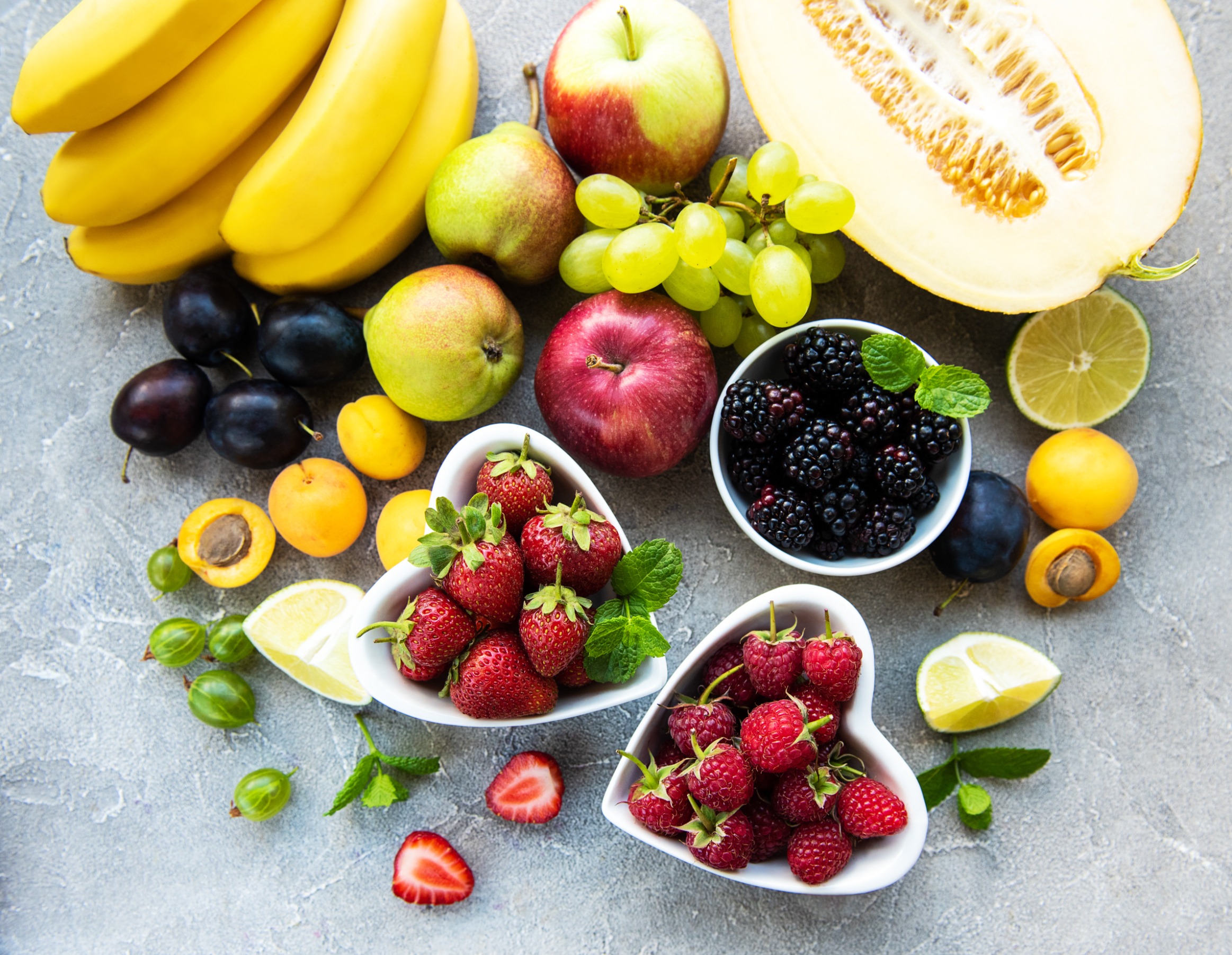
Fresh Fruits

Fruits are a significant part of the longevity diet due to their high levels of vitamins, minerals, and antioxidants. Berries, apples, oranges, and grapes are favorites among centenarians. These fruits can reduce inflammation and are linked to a lower risk of developing chronic diseases such as heart disease and cancer.

9. Herbal Teas

Herbal Teas

Many people living to 100 drink herbal teas daily. Teas like green, black, and oolong are rich in antioxidants that combat inflammation and decrease the risk of chronic diseases. Herbal teas can also offer calming effects, which help reduce stress, a significant factor in premature aging.

10. Olive Oil

Olive Oil

In regions known for their high number of centenarians, such as the Mediterranean, olive oil is the primary fat used in cooking. Olive oil contains monounsaturated fats and antioxidants, making it excellent for heart health and anti-inflammatory properties. Using olive oil for cooking or in salads can significantly impact longevity by reducing disease risk.

11. Minimal Processed Foods

Minimal Processed Foods

One of the most important secrets of longevity is the minimal consumption of processed foods. Centenarians tend to eat foods as close to their natural state as possible. Processed foods are often high in unhealthy fats, sugars, and salts, which can lead to health problems like obesity, diabetes, and heart disease.

12. Spices and Herbs

Spices and Herbs

Adding spices and herbs not only enhances the flavor of food without extra calories but also provides numerous health benefits. Turmeric, ginger, garlic, and cinnamon are commonly used by those who live to 100. These spices are known for their anti-inflammatory and antioxidant properties, which are essential for long-term health.

13. Regular, Balanced Breakfasts

Regular, Balanced Breakfasts

Centenarians often stress the importance of starting the day with a nutritious breakfast. This meal sets the metabolic tone for the day and provides essential energy to begin morning activities. A typical breakfast might include a combination of whole grains, fruits, and protein sources such as yogurt or eggs. This balance ensures a steady energy supply and prevents mid-morning crashes, which can lead to unhealthy snacking. Additionally, a substantial breakfast can support cognitive function and physical health, both of which are crucial for longevity.

Embrace These Secrets of Longevity by Choosing What People Living to 100 Eat Every Day

Embrace These Secrets of Longevity by Choosing What People Living to 100 Eat Every Day

By embracing these dietary habits, you can significantly improve your chances for a longer and healthier life. These secrets of longevity promote a balanced and mindful approach to eating, emphasizing the importance of quality and moderation. Integrating these habits into your daily routine can enhance both your lifespan and the quality of your life, ensuring you enjoy each year to its fullest.

Read More:

Meal Planning for a Family on a Budget

How to Keep Your Kids Healthy on a Budget

Catherine Reed
Catherine Reed

Catherine is a tech-savvy writer who has focused on the personal finance space for more than eight years. She has a Bachelor’s in Information Technology and enjoys showcasing how tech can simplify everyday personal finance tasks like budgeting, spending tracking, and planning for the future. Additionally, she’s explored the ins and outs of the world of side hustles and loves to share what she’s learned along the way. When she’s not working, you can find her relaxing at home in the Pacific Northwest with her two cats or enjoying a cup of coffee at her neighborhood cafe.

Filed Under: Healthy Living & Eating Tagged With: diet, health, healthy eating, living to 100, Meal Planning, nutrition, secrets of longevity

  • Facebook
  • Pinterest
  • RSS
  • Twitter

Basic Principles Of Good Parenting

Here some basic principles for good parenting:

  1. What You Do Matters: Your kids are watching you. So, be purposeful about what you want to accomplish.
  2. You Can’t be Too Loving: Don’t replace love with material possessions, lowered expectations or leniency.
  3. Be Involved Your Kids Life: Arrange your priorities to focus on what your kid’s needs. Be there mentally and physically.
  4. Adapt Your Parenting: Children grow quickly, so keep pace with your child’s development.
  5. Establish and Set Rules: The rules you set for children will establish the rules they set for themselves later.  Avoid harsh discipline and be consistent.
  6. Explain Your Decisions: What is obvious to you may not be evident to your child. They don’t have the experience you do.
  7. Be Respectful To Your Child: How you treat your child is how they will treat others.  Be polite, respectful and make an effort to pay attention.
Best Parenting Blogs

Most Popular

Baby

9 Unusual Baby Names That Sound Like They Belong to Future CEOs

Evan Morgan
Baby

10 Baby Names That Were Once Considered “Grandparent Names” but Feel Cool Again

Evan Morgan
Target Store

Choking Incident Prompts Recall of 49,000 Target Gigglescape “Under the Sea” Popping Toys

Evan Morgan
Frustrated Girl

Why Some Students on the Spectrum Are Labeled With ODD

Evan Morgan
Coke Bottles

12 Things Kids Took to School in the ’70s That Would Never Be Allowed Today

Evan Morgan

All content on Kids Ain’t Cheap is for entertainment purposes only. By reading this blog, you agree that Kids Ain’t Cheap is not responsible for any actions taken after reading this blog. For the full disclaimer, see our privacy policy.

Please note that Kids Ain’t Cheap has financial relationships with some of the merchants mentioned here. Kids Ain’t Cheap is funded by banner advertising, commission sales and search optimization consulting.

Copyright © 2006–2026 | District Media | All Rights Reserved | Privacy Policy

Copyright © 2026 Runway Pro Theme by Viva la Violette