• Home
  • About Us
  • Toolkit
  • Archives
  • Advertise
  • Privacy Policy

Kids Ain't Cheap

But They Sure Are Worth It

  • Parenting
    • Baby Stuff
    • Books and Reading
      • Aesops Fables
      • Comic Books
    • Education
    • Family Time
    • Green Living
    • Growing Up
    • Healthy Living & Eating
    • Holidays
    • Parenting
    • Random Musings
    • Shopping
    • Stuff to Do
  • Money
  • Product Reviews
    • Books and Magazines
    • Discount Sites
    • Furniture
    • House Keeping
    • Reviews News
    • Toys and Games
  • Contact Us
  • Our Editorial Commitment
  • Search

School Lunch or Packed Lunch: Which Is Actually Cheaper in 2026?

September 29, 2026 | Leave a Comment

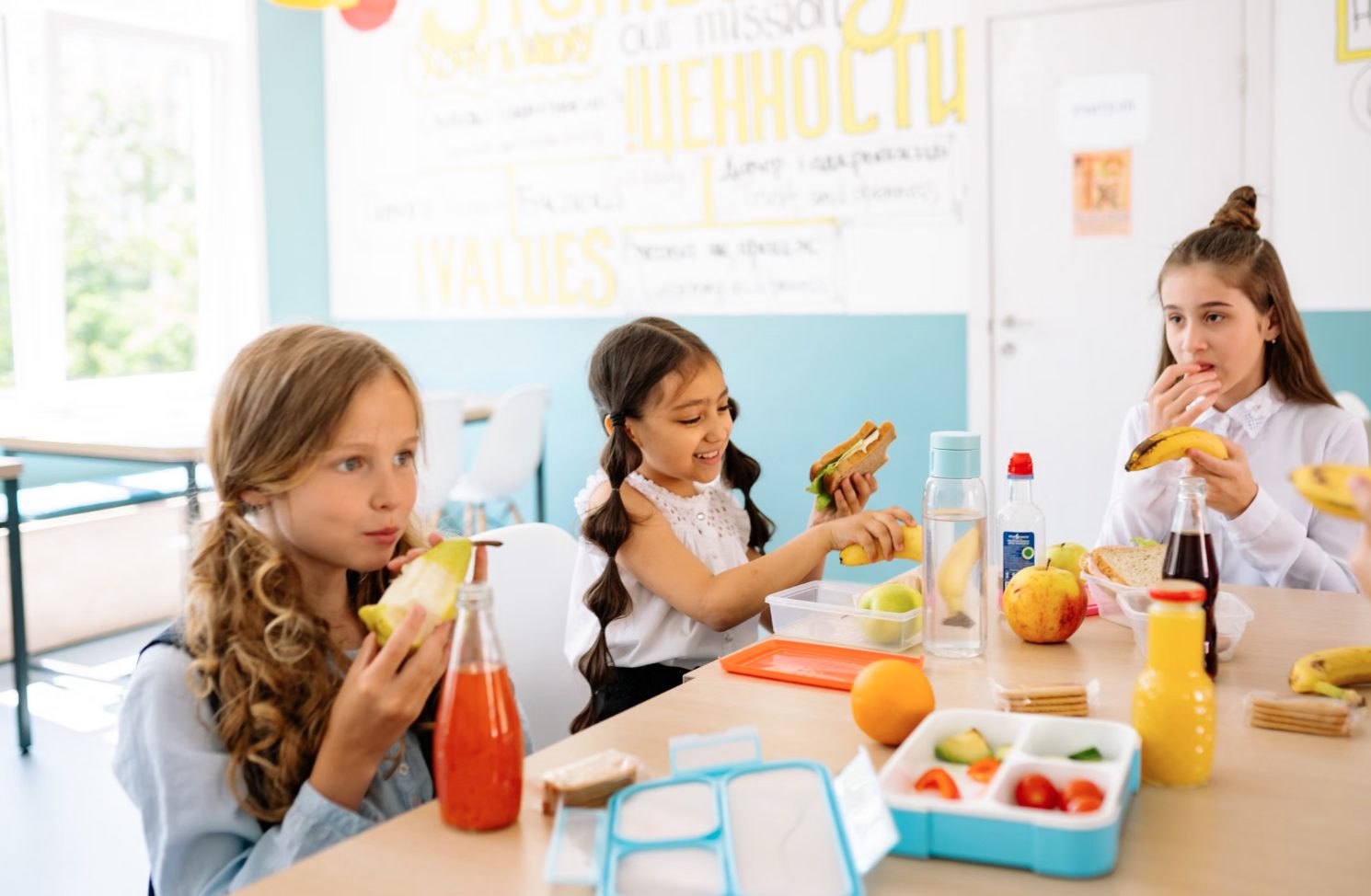
Kids Eating Lunch
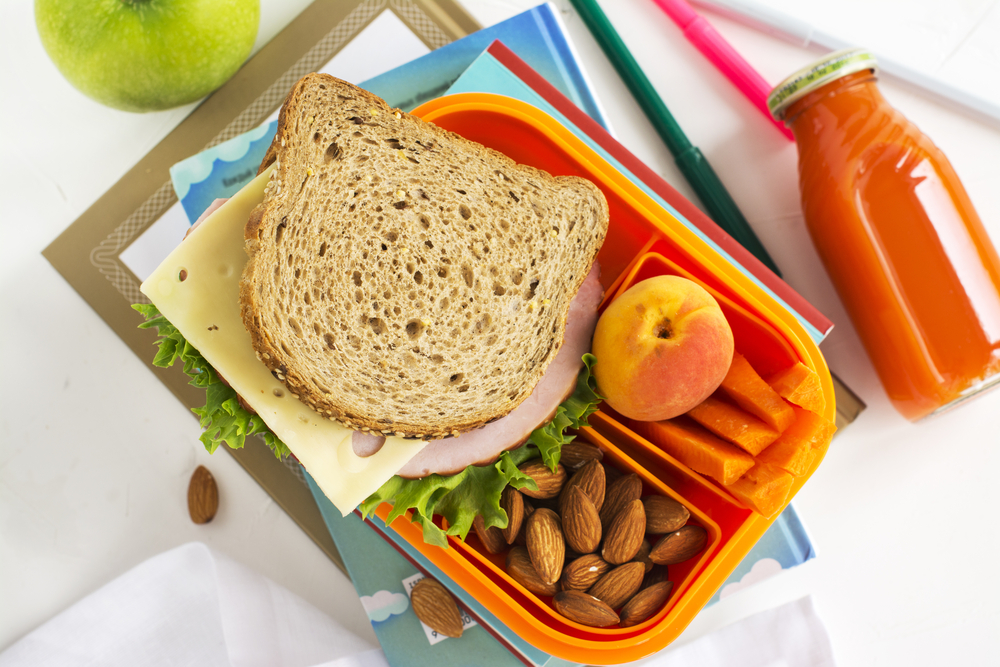
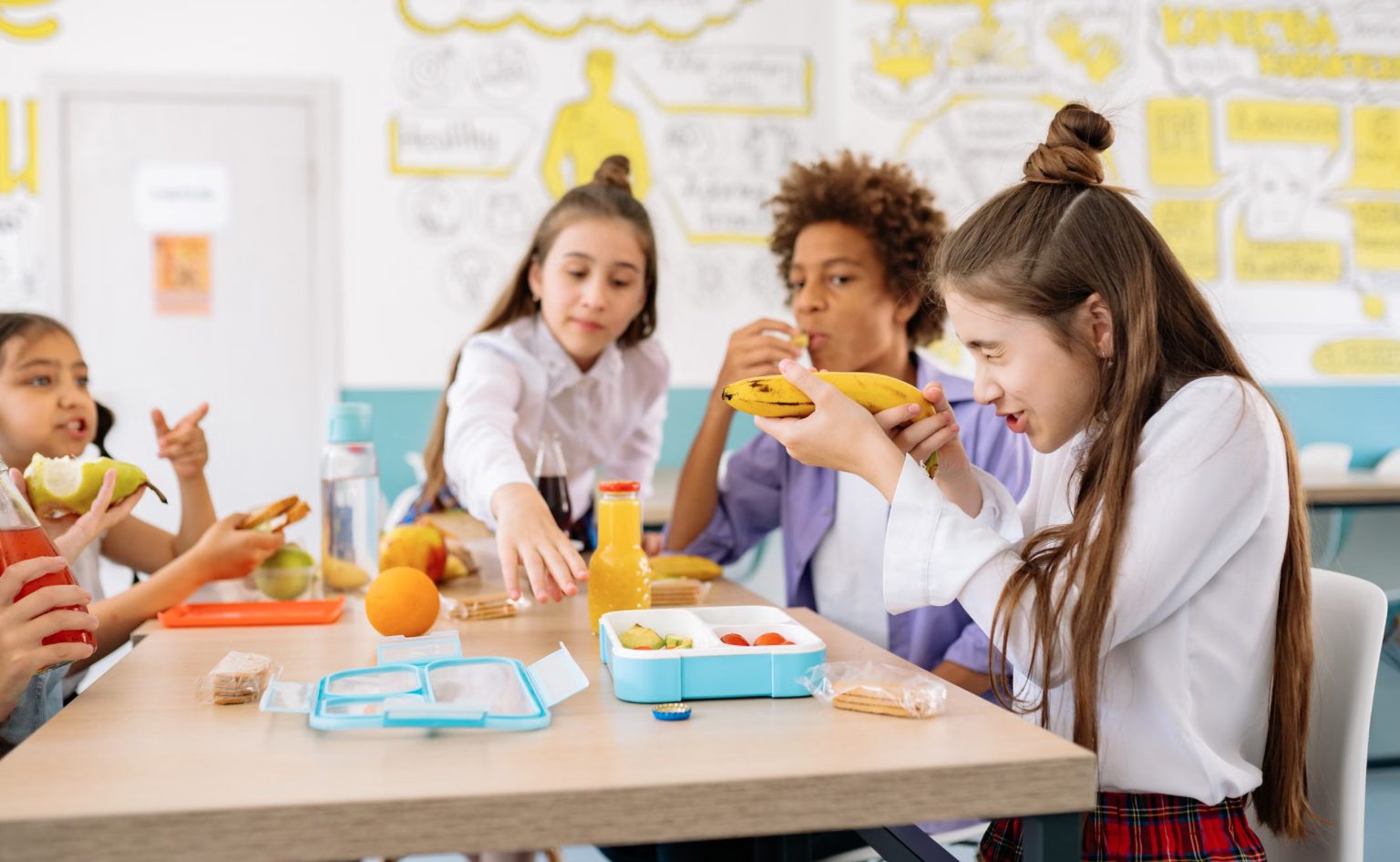
In 2026, a typical packed lunch can cost considerably more than the average cafeteria meal, although free-meal eligibility and food waste can dramatically change the math. Families can save by comparing their school’s actual meal price with the true per-serving cost of food packed at home. (Pexels).

For years, packing a child’s lunch has felt like the obvious money-saving alternative to paying the cafeteria every day. In 2026, however, higher grocery prices and the growing popularity of individually packaged snacks have complicated that assumption. Depending on what goes into the lunchbox, the school lunch cost can actually be considerably lower than what parents spend assembling lunch at home. The biggest surprise is that even a basic homemade lunch may not beat the cafeteria once families calculate the cost per serving instead of simply looking at the grocery receipt.

The 2026 Numbers Favor The Cafeteria

A 2026 analysis from Deloitte estimates the average packed lunch at $6.33 per day, up 2% from the previous year, while the average cafeteria lunch costs about $3.15. Even Deloitte’s least expensive packed option, a classic peanut butter-and-jelly-style lunch, came to $4.89, while its more contemporary lunch reached $7.49. Separately, the School Nutrition Association reported typical 2025-26 paid lunch prices of $3 for elementary students, $3.20 for middle schoolers and $3.25 for high schoolers. Those numbers make the school lunch cost surprisingly competitive with groceries, particularly when parents rely on single-serving drinks, snack packs or prepared foods. Of course, local prices vary, so parents should check their district’s current menu and meal price before assuming either choice is cheaper.

A Small Daily Difference Becomes Hundreds Of Dollars

Consider a child attending school for roughly 180 days and compare Deloitte’s $6.33 packed-lunch estimate with its $3.15 cafeteria figure. At those prices, packed lunches would total about $1,139 for the school year, compared with approximately $567 in cafeteria charges—a difference of roughly $572 per child. For two children, the gap could exceed $1,140, showing why a seemingly minor daily difference deserves attention in a household budget. Even using Deloitte’s $4.89 PB&J-style lunch would cost about $880 over 180 days, roughly $313 more than the $3.15 cafeteria benchmark. Your actual school lunch cost could be higher or lower, but multiplying the daily price by the number of school days gives families a much clearer comparison than guessing at weekly grocery spending.

Free Meals Can Completely Change The Calculation

Before buying another month’s worth of lunchbox supplies, parents should verify whether their children can receive meals at no charge. The Food Research & Action Center reports that 55,362 schools used the Community Eligibility Provision during the 2025-26 school year, allowing 27.6 million children attending those schools to receive breakfast and lunch without charge. Additionally, research published in Nutrients identified nine states with enacted universal school-meal laws as of the end of 2025: California, Colorado, Maine, Massachusetts, Michigan, Minnesota, New Mexico, New York and Vermont. Eligibility and implementation can vary, making it important to check the rules at your child’s specific school rather than assuming your household earns too much to benefit. For a student receiving lunch at no charge, the out-of-pocket school lunch cost is effectively zero, making cafeteria meals extremely difficult for a packed lunch to beat financially.

Smart Families Can Use Both Options

The best money-saving strategy does not have to mean choosing cafeteria meals or packed lunches exclusively for the entire year. Review the school menu each week, identify meals your child enjoys and pack lunch on days when the cafeteria choices are unlikely to get eaten. For homemade lunches, buying larger containers of yogurt, crackers or snacks and portioning them into reusable containers can reduce the premium attached to individual packages. Leftovers can also lower packed-lunch expenses, provided they can be stored safely and your child has an appropriate way to keep hot foods hot and cold foods cold. Finally, compare the school lunch cost every semester because cafeteria prices, grocery prices and your child’s eating habits can all change.

The Real Winner Depends On What Lands In The Trash

For many families paying full price in 2026, the numbers suggest cafeteria lunch can cost less than a typical packed lunch, but averages cannot decide what works for every child. KPRC 2 Click2Houston recently illustrated that local differences matter, reporting cafeteria prices ranging from $2.75 at certain Katy-area elementary schools to $4 at non-CEP Houston ISD campuses. Before deciding, calculate your child’s cafeteria price, determine whether free or reduced-cost meals are available, and divide the actual cost of lunchbox groceries by the number of lunches those groceries produce. Then factor in the food that routinely comes home untouched, because reducing waste can matter almost as much as finding a lower sticker price.

Which costs your family less in 2026—packing lunch or buying it at school, and has the answer changed as grocery prices have risen? Share your experience in the comments.

What to Read Next

7 School Lunch Payment Fees Quietly Raising Parents’ Costs

Teachers Beg Parents: Stop Buying These 7 High-Sugar Snacks for School Lunches

The Lunchbox Items Kids Are Most Likely to Bring Home Uneaten

Evan Morgan

Evan Morgan has been a full-time freelance writer and editor for 10+ years. When not working, he enjoys catching the latest true crime documentary or getting lost in a good book.

Filed Under: Parenting Tagged With: Back to School, Family Budget, food costs, grocery prices, packed lunch, Parenting, Saving Money, school lunch, school lunch cost, school meals

When Parents Should Put a School-Lunch Accommodation Request in Writing

August 9, 2026 | Leave a Comment

Girls Eating Lunch
A written school lunch accommodation plan can help ensure teachers, cafeteria staff, and school nurses understand a student’s documented dietary or medical needs. Clear communication reduces confusion and supports a safer school day. (Pexels).

For many families, school lunch is more than a daily meal—it can directly affect a child’s health, safety, and ability to learn. Whether a student has a life-threatening food allergy, diabetes, celiac disease, or another medical condition, clear written accommodations can help prevent confusion and reduce unnecessary risks. While schools often want to support students, verbal conversations alone can leave important details open to interpretation. Understanding when and how to request written school lunch accommodations gives parents a stronger foundation for working collaboratively with school staff.

Why Written School Lunch Accommodations Matter

School lunch accommodations create a documented plan that everyone involved can reference throughout the school year. A written request reduces misunderstandings between teachers, cafeteria staff, school nurses, and substitute employees who may interact with a child. For example, a student with a severe peanut allergy may need allergen-safe meal options, designated seating, or emergency procedures that are clearly outlined rather than communicated informally. Children with diabetes may require flexibility around meal timing, while students with celiac disease may need gluten-free meals that avoid cross-contact. Having these expectations documented helps promote consistency while recognizing that medical and dietary accommodations vary depending on each student’s individual needs.

Start With Medical Documentation and Specific Requests

Parents should begin by discussing their child’s needs with the treating healthcare provider before approaching the school. Medical documentation often explains the diagnosis, dietary restrictions, and any accommodations necessary to keep the student safe during meals. Instead of requesting broad changes, it is usually more effective to describe specific needs, such as ingredient substitutions, allergen labeling, meal timing adjustments, or emergency response procedures. A detailed written request also gives school administrators a clear starting point for evaluating possible accommodations. This collaborative approach typically leads to more productive conversations than relying on verbal discussions alone.

Know the Difference Between Preference and Medical Need

One of the biggest misconceptions is that every dietary request automatically requires a school to modify meals. Medical conditions supported by appropriate documentation may qualify for formal accommodations, while personal food preferences, lifestyle choices, or selective eating generally follow different school policies. Parents should avoid assuming every request will receive approval and instead ask what documentation the district requires for their child’s situation. Understanding this distinction helps families set realistic expectations while maintaining a cooperative relationship with school staff. Asking questions early in the process often prevents delays once the school year begins.

Review the Plan Throughout the School Year

Written accommodations should not remain untouched after the first day of school. Children’s medical needs, medications, allergies, and nutritional requirements can change over time, making periodic reviews important. Parents should also revisit the plan before field trips, classroom celebrations, or extracurricular activities where food may be served outside the cafeteria. If problems arise, documenting concerns in writing creates a record that can help guide future discussions with the school. Regular communication allows families and educators to work together while keeping the student’s safety and well-being at the center of every decision.

Helping Your Child Eat Safely Starts With Clear Communication

Requesting school lunch accommodations in writing is not about creating unnecessary paperwork—it is about making expectations clear before problems occur. A thoughtful written plan gives families and school staff a shared reference that supports safer, more consistent meal experiences. By combining medical documentation, specific accommodation requests, and ongoing communication, parents can better advocate for their child’s individual needs while recognizing that every case is unique. Taking these proactive steps can help reduce uncertainty and allow students to focus on learning instead of worrying about lunchtime.

Have you ever had to request school lunch accommodations for your child, or are you preparing to do so this year? Share your experience or questions in the comments—your insight could help another parent facing the same situation.

What to Read Next

7 School Lunch Payment Fees Quietly Raising Parents’ Costs

The Lunchbox Items Kids Are Most Likely to Bring Home Uneaten

Teachers Beg Parents: Stop Buying These 7 High-Sugar Snacks for School Lunches

Evan Morgan

Evan Morgan has been a full-time freelance writer and editor for 10+ years. When not working, he enjoys catching the latest true crime documentary or getting lost in a good book.

Filed Under: Parenting Tagged With: 504 plan, child health, education, food allergies, Parenting, school lunch, school lunch accommodations, School Nutrition, school safety, special diets

How the Seamless Summer Option Keeps Kids Fed After the School Year Ends

June 25, 2026 | Leave a Comment

Kids Eating
Children enjoy nutritious free summer meals through the Seamless Summer Option, helping families bridge the gap when school cafeterias close. Community meal sites make healthy food more accessible during summer break. (Pexels).

When the school year ends, many families face a challenge that often goes unnoticed: replacing the nutritious breakfasts and lunches children receive during the school day. For millions of households, summer can mean stretching already tight grocery budgets while ensuring kids continue eating balanced meals. That is where the Seamless Summer Option plays an important role by helping schools continue serving free meals during school breaks. Understanding how this program works can help parents, caregivers, and community members make sure children stay healthy and ready to learn when classes resume.

What Is the Seamless Summer Option?

The Seamless Summer Option is a federally funded nutrition program that allows schools already participating in the National School Lunch Program or School Breakfast Program to continue serving free meals during summer vacation with fewer administrative requirements than traditional summer meal programs. The streamlined approach helps schools use familiar procedures while reaching more children in eligible communities. In many locations, meals are offered at schools, parks, libraries, recreation centers, churches, and other community gathering places. The goal is simple: reduce childhood hunger during the months when school cafeterias would normally be closed. Families often find the program easy to use because participating sites are designed to make free meals readily available for children and teens.

Why Summer Meals Matter for Families

Summer break brings excitement for children, but it can also create financial pressure for parents who suddenly need to provide additional breakfasts and lunches every day. Child hunger organizations consistently report that school meals are a vital source of nutrition for millions of students throughout the academic year. A family with three school-age children can quickly spend hundreds of extra dollars on groceries during summer vacation. Programs like the Seamless Summer Option help bridge that gap by ensuring children continue receiving nutritious meals when school is out. The program also supports healthy development, reduces stress for parents, and helps children return to school ready to learn.

How Families Can Take Advantage of the Program

Finding a participating summer meal site is often easier than many parents realize. Schools, libraries, community centers, parks, and nonprofit organizations frequently host meal sites during the summer months. Most locations provide free meals for anyone age 18 or younger without requiring lengthy applications. Some eligible rural communities also offer approved grab-and-go meal options that make participation even more convenient for busy families. Checking with your local school district before summer begins is one of the easiest ways to find nearby locations and meal schedules.

Common Misconceptions About the Seamless Summer Option

Many parents mistakenly believe the Seamless Summer Option is only available to families receiving public assistance, but many participating sites serve every child in an eligible area regardless of household income. Others assume meals are only served inside school buildings, even though parks, recreation centers, churches, and libraries frequently participate. Some families worry about stigma, but these meal programs are designed to serve entire communities and welcome every eligible child. Another misconception is that the food quality is poor, when participating schools continue following federal nutrition standards similar to those used during the school year. Understanding these facts helps families feel more comfortable taking advantage of an important community resource.

Why Community Partnerships Are So Important

The success of the Seamless Summer Option depends on strong partnerships between schools, nonprofits, local businesses, volunteers, and community organizations. Many sites also provide educational activities, games, reading programs, or enrichment opportunities alongside meals. This combination creates safe environments where children can stay active while enjoying nutritious food. Community involvement also helps spread awareness so more families know these services are available. Every organization that participates plays a role in reducing childhood hunger during the summer months.

Keeping Kids Nourished All Summer Long

The Seamless Summer Option demonstrates that fighting childhood hunger requires support throughout the entire year rather than only during the school calendar. By extending free meal service into the summer, schools help families manage grocery costs while ensuring children continue receiving healthy, balanced meals. Parents who learn about local meal sites early can make summer planning much easier while giving their children access to nutritious food. Whether your family needs assistance or you simply want to share information with others, understanding this program helps strengthen your entire community.

Have you or someone you know used the Seamless Summer Option? Share your experience in the comments below and help other families learn about this valuable summer resource.

What to Read Next

Free Summer Meals: The SFSP Locations Open to Kids in Your State This Month

Massachusetts Has the Priciest Summer Camps in America

66% of Parents Can’t Afford Summer Childcare in 2026

Evan Morgan

Evan Morgan has been a full-time freelance writer and editor for 10+ years. When not working, he enjoys catching the latest true crime documentary or getting lost in a good book.

Filed Under: Parenting Tagged With: child nutrition, children, community programs, family resources, Food Assistance, Parenting, school lunch, Seamless Summer Option, summer break, summer meals

Teachers Beg Parents: Stop Buying These 7 High-Sugar Snacks for School Lunches

March 28, 2026 | Leave a Comment

High-Sugar Snacks
Image source: shutterstock.com

You drop your child off at school hoping they will find a sense of belonging and academic growth. Instead, many parents are noticing their children return home with high levels of stress and unexplained irritability. It is easy to blame social media or a lack of sleep for this modern epidemic of childhood worry. However, teachers are finally revealing that the structure of the school day itself is a major contributor. The hidden system of high-stakes testing and constant comparison is breaking the spirit of our youth. You are not failing as a parent because your child is struggling to cope. The environment they spend seven hours in is often designed for efficiency rather than emotional health. Understanding why 2026 students are more anxious is the first step toward a solution.

1. The Pressure of Constant Digital Feedback

Students today are monitored through digital gradebooks that update in real-time for both parents and administrators. Surprisingly, this level of surveillance prevents children from learning how to fail gracefully in a private setting. They feel the weight of every missed assignment or low quiz score before they even leave the building. On the other hand, traditional education allowed for a period of growth and correction before a final grade was issued. This shift toward instant data makes students feel constant pressure regarding their perceived worth in a digital system. You can explore the psychological impact of digital monitoring through the Child Mind Institute’s guide on school-related anxiety. We must return to a model that values the process over the immediate data point.

2. The Loss of Unstructured Play

Recess and passing periods have been drastically shortened to make more room for standardized curriculum blocks. This removal of free time forces children to stay in a state of high cognitive load for hours on end. Furthermore, the lack of unstructured play prevents them from developing the natural conflict resolution skills they need. Without these social buffers, minor peer disagreements escalate into major sources of daily dread. Teachers report that students are increasingly unable to handle small setbacks without a significant emotional breakdown. Research on the necessity of play for emotional regulation is available from the American Academy of Pediatrics. A school without play is a pressure cooker for the developing mind.

3. High-Stakes Environment and Competitive Ranking

Classroom walls are often covered with data charts that publicly rank students based on their reading or math progress. This public display of ability creates a culture of shame for those who are struggling to keep up. Children as young as six are now aware of where they stand in relation to their peers’ test scores. Additionally, the focus on college readiness in elementary school removes the joy of discovery from the learning process. This competitive atmosphere ensures that 2026 students feel anxious and validated by their environment every single day. We are trading the curiosity of childhood for the metrics of a corporate office. Taking these charts down is a simple way to restore a sense of safety to the classroom.

4. The Impact of Standardized Testing Fatigue

The modern school calendar is often dictated by the proximity to the next state-mandated assessment. This narrow focus forces teachers to skip enrichment activities that build confidence and critical thinking. When the curriculum becomes a race to cover material rather than a journey to understand it, students feel left behind. This fatigue leads to a lack of engagement and a sense of hopelessness among those who do not test well. You can find more information on the effects of over-testing from FairTest: The National Center for Fair & Open Testing. Your child is more than a bar graph on a bulletin board.

5. Reclaiming the Emotional Heart of the Classroom

The reality that classroom habits are making 2026 students more anxious is a call to action for every parent. You have the right to demand a school environment that prioritizes the human heart over a standardized score. It is not your child’s fault that they are struggling to navigate a system that feels increasingly cold and data-driven. We must advocate for more downtime and less surveillance to let our children breathe again. Protecting their mental health is far more important than any grade they will ever receive. By identifying these toxic habits, we can begin to rebuild a school experience that nurtures rather than drains.

6. Restoring Balance for the Next Generation

Advocating for change starts with small conversations between parents and educators. We need to focus on building resilience through supportive environments rather than through increased pressure. When schools prioritize emotional safety, academic success often follows naturally without the cost of a child’s mental well-being. Keeping a close eye on how your child talks about their day can reveal the hidden stressors they face. By working together, we can ensure that the school day becomes a source of inspiration again.

Creating a Healthier Future Together

Transitioning away from a culture of comparison requires a united front from both the home and the classroom. We must empower our children to see themselves as more than just a collection of data points or test scores. By fostering an environment where emotional safety is the foundation of learning, we give them the tools to thrive in an unpredictable world. The goal is to raise individuals who are confident in their unique abilities rather than fearful of falling behind. Every small adjustment in how we talk about grades or success makes a massive difference in their daily mental health.

How has the school system affected your child’s stress levels this year? Please think about your recent experiences and leave a comment below so we can share ideas on how to advocate for our kids.

What To Read Next…

  • 7 Surprising Parenting Methods That Are Outperforming Old-School Rules
  • Texas Special Ed Concerns: Why 2026 Voucher Applications Still Require a Public School Evaluation
  • 7 New North Carolina School Rules Taking Effect for the 2026-2027 Academic Year
Latrice Perez

Latrice is a dedicated professional with a rich background in social work, complemented by an Associate Degree in the field. Her journey has been uniquely shaped by the rewarding experience of being a stay-at-home mom to her two children, aged 13 and 5. This role has not only been a testament to her commitment to family but has also provided her with invaluable life lessons and insights.  As a mother, Latrice has embraced the opportunity to educate her children on essential life skills, with a special focus on financial literacy.

Filed Under: Health Tagged With: education, healthy snacks, lunchbox ideas, nutrition, parenting tips, school lunch, student focus, sugar in food

6 Smart Ways Parents Are Cutting School Lunch Costs Right Now

March 17, 2026 | Leave a Comment

school lunch costs
Image source: shutterstock.com

Feeding a family feels like a full-time financial puzzle lately. Grocery prices climbed steadily while school cafeteria accounts drain even faster for many households. You might feel the pinch every Monday when that low balance alert hits your inbox. Fortunately, savvy parents are finding clever strategies to keep kids fed without emptying the bank. These methods require a bit of planning but pay off significantly by the end of the semester.

1. Navigating the Bulk Buy Strategy

Buying in bulk often sounds like a cliché until you see the actual receipt. Savvy families are bypassing individual snack packs for large containers of yogurt or crackers. They use reusable silicone bags to portion these items at home. This simple shift saves roughly thirty percent compared to pre-packaged convenience items. Furthermore, purchasing staples like bread and deli meat at warehouse clubs cuts the weekly cost per sandwich down to pennies.

2. Exploring Universal Free Lunch Programs

Many districts still offer assistance programs that go underutilized by eligible families. You should check your local school board website for updated income thresholds. Some states have recently passed legislation to provide universal free meals for every student regardless of status. Taking advantage of these programs removes a massive monthly line item from your budget. Additionally, this supports the school system by ensuring high participation rates for federal funding.

3. Mastering the Art of Leftovers

Dinner from last night makes an excellent lunch for today. Parents are investing in high-quality insulated thermoses to keep pasta or stir-fry warm until the noon bell. This approach reduces food waste and eliminates the need for expensive lunch meats. You can easily double a recipe during evening prep to ensure enough remains for the next day. Surprisingly, kids often prefer a familiar home-cooked meal over a cold sandwich anyway.

4. Joining a Neighborhood Co-op

Buying groups are popping up in suburban neighborhoods to tackle rising costs together. Families split the cost of wholesale cases of fruit, vegetables, and snacks. This collective bargaining power allows you to access organic options at conventional prices. On the other hand, it also fosters a sense of community among local parents facing similar struggles. You get the benefits of a commercial kitchen supplier without needing the storage space of a restaurant.

5. Switching to Water Bottles Only

Beverage costs represent a hidden leak in most school lunch budgets. Individual juice boxes or milk cartons add up to hundreds of dollars over a single school year. Sending a durable water bottle is the smartest financial move you can make this week. Water is healthier and essentially free when sourced from your home filtration system. Most schools now provide touchless filling stations to make this transition even easier for students.

6. Strategic Meal Planning Calendars

Chaos leads to overspending when you are rushing out the door. Creating a visual meal calendar on the fridge prevents last-minute trips to the convenience store. You can align your lunch prep with the weekly sales at your local grocery store. This discipline ensures you never buy ingredients that end up rotting in the crisper drawer. Planning ahead also allows you to prep components on Sunday to save time during the hectic work week.

Managing these costs requires constant vigilance and a willingness to adapt. Small changes in how you shop and pack can lead to massive savings over time. You don’t have to sacrifice nutrition to keep your budget intact. By taking control of the process, you ensure your children are fueled for success without the financial stress. Which of these strategies have you tried to keep your grocery bills under control this year?

What to Read Next…

  • Golden Arches, Empty Wallet: 7 Real-World Meals Better Than Takeout
  • Why Meal-Planning During the Holidays Can Save You More Than Just Money
  • 7 Old-School Parenting Habits That Still Save Families Money
Latrice Perez

Latrice is a dedicated professional with a rich background in social work, complemented by an Associate Degree in the field. Her journey has been uniquely shaped by the rewarding experience of being a stay-at-home mom to her two children, aged 13 and 5. This role has not only been a testament to her commitment to family but has also provided her with invaluable life lessons and insights.  As a mother, Latrice has embraced the opportunity to educate her children on essential life skills, with a special focus on financial literacy.

Filed Under: Money and Finances Tagged With: Family Budget, meal prep, Saving Money, school lunch

6 Lunchbox Items Teachers End Up Throwing Away That Parents Paid For

February 18, 2026 | Leave a Comment

Lunchbox Items
Image source: shutterstock.com

You spend Sunday nights meal prepping and hunting for organic snacks to fuel your child’s brain. However, a quiet reality happens in school cafeterias that most parents never see. Thousands of dollars in groceries end up in the trash bin before first recess even begins. Honestly, it is not your fault that marketing convinced you these items were essential. Here is the truth about the lunchbox items that teachers consistently toss and why your money is being wasted.

The Illusion of Yogurt Tubes

Yogurt tubes are marketed as the ultimate mess-free convenience for busy families. In reality, these items are often impossible for small hands to open without scissors. Teachers in a room of thirty students simply do not have time to provide surgical assistance for every snack. By the time a child gets help, the yogurt has usually reached an unappealing temperature. Surprisingly, most of these end up half-squeezed and discarded to avoid a sticky explosion in the classroom.

Pre-Packaged Dipping Kits

Those colorful boxes containing crackers and cheese feel like a balanced win for parents. On the other hand, the high sodium content of these kits often leads to a quick sugar crash. Most children eat the crackers and leave the rubbery meat and cheese untouched. You are essentially paying a 400 percent markup for plastic packaging that ends up in a landfill. Teachers often watch kids pick out the fun part and slide the rest into the bin.

The Deceptive Nature of Fruit Pouches

Fruit pouches feel like a victory for nutrition, but they are often the first thing to be abandoned. Because they are consumed so quickly, they do not provide the satiety that comes from chewing actual fruit. Many children treat these like a drink rather than a meal component. Once the cap is off, they become a tipping hazard that teachers dread. If a child does not finish one in the first two minutes, it is gone.

Why Juice Boxes Fail

Juice boxes are a staple of the American lunchbox, yet they are a primary source of waste and sticky floors. The tiny plastic straws are a nightmare for fine motor skills. Once punctured, the box cannot be resealed. If a child takes two sips and is finished, the rest of that liquid goes straight into the trash. Furthermore, the sugar spike from juice often leads to behavioral issues in the afternoon.

Bulk Snacks in Flimsy Bags

Buying in bulk is a smart financial move, but how you pack those snacks matters. Flimsy sandwich bags often get crushed at the bottom of a backpack, turning expensive crackers into dust. Children will rarely eat a snack that has been pulverized into crumbs. You might think you are saving money, but if the food is inedible by noon, the savings disappear. Investing in a sturdy container ensures that what you pay for actually makes it into your child’s stomach.

Reclaiming Your Grocery Budget

The school lunch system is a hidden cycle of waste that drains your wallet one snack at a time. By focusing on whole foods and durable packaging, you can ensure your child is actually nourished. Stop paying for the convenience of marketing and focus on what kids actually eat. You have worked too hard for your money to let it sit at the bottom of a trash can. Make the shift today and watch your grocery bill and your frustration drop significantly.

Have you noticed your child coming home with a full lunchbox or empty wrappers? Leave a comment below and let us know which items your kids actually finish.

What to Read Next…

  • Virginia Baby Food Ban: 5 Specific Brands Just Prohibited Under New Safety Laws
  • 6 Kid-Friendly Foods That Were Quietly Recalled This Month
  • Why Your Family Could Be Spending More on Food This December — and What to Do
Latrice Perez

Latrice is a dedicated professional with a rich background in social work, complemented by an Associate Degree in the field. Her journey has been uniquely shaped by the rewarding experience of being a stay-at-home mom to her two children, aged 13 and 5. This role has not only been a testament to her commitment to family but has also provided her with invaluable life lessons and insights.  As a mother, Latrice has embraced the opportunity to educate her children on essential life skills, with a special focus on financial literacy.

Filed Under: Parenting Tagged With: education, food waste, grocery budget, healthy kids, Money Saving, parenting tips, school lunch

Why Are Some Schools Replacing Lunch With Vending Machines?

January 10, 2026 | Leave a Comment

Why Are Some Schools Replacing Lunch With Vending Machines?
Image source: shutterstock.com

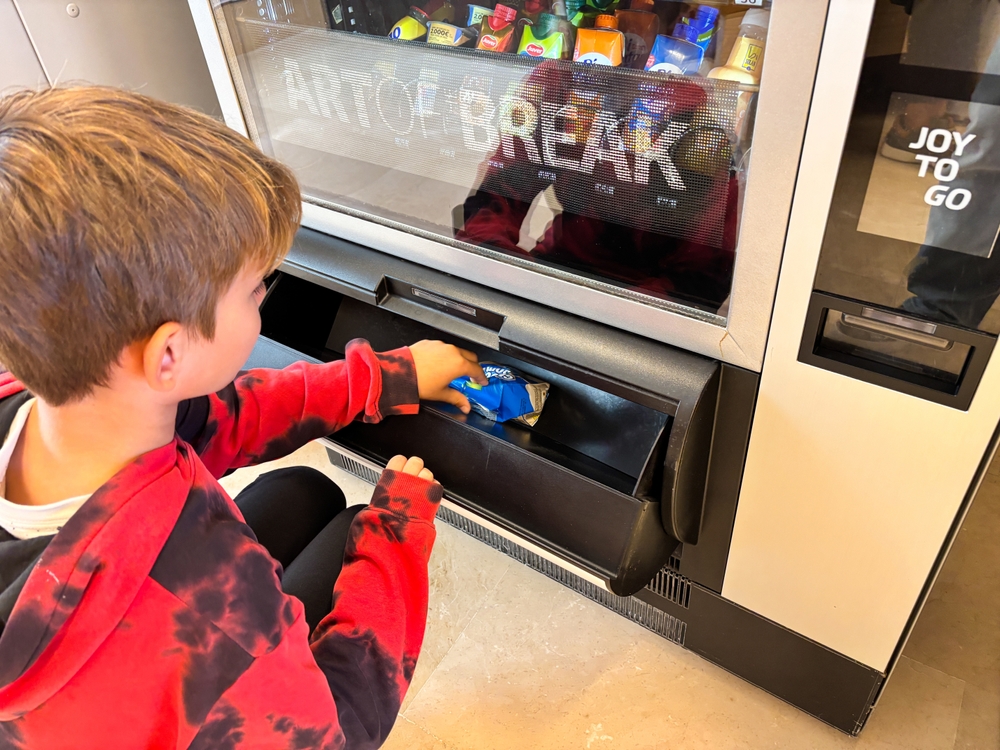
School lunch should be the predictable middle of the day, so families get uneasy when cafeterias change quickly. What gets framed as an “efficiency” update can affect nutrition, behavior, and whether kids feel safe eating in front of peers. Some districts face tight lunch periods, staff vacancies, aging kitchens, and higher food costs at the same time. That combination is why a few schools experiment with vending machines to keep food available with fewer moving parts.

What Schools Are Trying to Solve

Many schools run lunch in waves, and long lines can swallow most of the period. Crowded cafeterias can also spark noise and conflict that follows kids back to class. Administrators want faster service, cleaner transitions, and fewer students wandering halls. They also want less waste when participation shifts day to day. Those goals can be reasonable, but the solution has to protect kids who depend on school meals.

Budget and Staffing Realities

Operating a cafeteria takes trained staff, working equipment, and time for prep and sanitation. When districts can’t fill positions, they simplify menus and shorten service, which frustrates families. Repairs for ovens, dishwashers, and ventilation can blow up a tight budget. Vendors pitch prepackaged options as more predictable than cooking on-site. In that mindset, vending machines can look like a straightforward fix.

When Vending Machines Become the Meal Plan

The biggest shift is not the machine; it’s how students choose under time pressure. Buying items one at a time can push kids toward whatever is fastest, not what is balanced. Some students avoid buying anything if they feel watched or judged. If popular items sell out early, late-lunch students can get stuck with limited options. Any plan needs a guaranteed, complete meal option every day, even when the machine area is busy.

The “Smart Kiosk” Pitch and What It Misses

Newer setups use student IDs, cashless accounts, and approved product lists. Supporters say this speeds service and reduces cash handling headaches. Schools may like the data because it shows what students pick most often. The pitch misses that speed does not equal nutrition or dignity. A fast system still fails if kids skip food, feel embarrassed, or can’t find something safe or healthy to eat.

Nutrition and Portion Concerns

Prepackaged foods can work, but schools still need standards and variety. If the selection leans toward salty snacks and sugary drinks, kids crash by afternoon. Balanced options should include protein, fiber, produce, and water that doesn’t cost extra. Schools using vending machines should restock healthier items as reliably as popular treats. Parents can ask for a sample week of offerings and how the school checks nutrition compliance.

Equity and Free-Meal Access

Lunch systems can accidentally reveal who has money and who does not, and kids notice fast. If a balance runs low, a public decline can stop a student from trying again. A machine-based model needs quiet protections, like automatic coverage and private support. Schools also need enough locations so students aren’t penalized by where their classes are. If vending machines play a central role, families should ask exactly how free and reduced-price benefits work.

Supervision, Safety, and Social Time

A cafeteria is also a supervised space where adults can spot conflicts and check in on kids. When lunch spreads into hallways or small commons areas, supervision gets harder with the same staff. Students can spend the period walking, waiting, and wandering instead of eating. Lunch is social, and rushed purchasing can crowd out the time kids use to connect. If the plan centers on vending machines, the school should publish a supervision plan and protect seated eating time.

What Parents Can Ask for in Writing

Families can support improvements while still pushing for guardrails. Ask for the goals in plain language, like shorter lines, lower costs, or better nutrition. Request a pilot period with feedback, especially if vending machines will replace part of the cafeteria line. Ask what happens when items run out and how late-lunch students still get a full meal. Finally, ask who controls pricing, product lists, and restocking so the system doesn’t drift.

The Nonnegotiable: Kids Need Time to Eat

No setup works if kids don’t have enough minutes to get food, sit down, and finish it. Schools can modernize service while keeping a dependable default meal available to every student. The best plans protect dignity by preventing public declines and supporting allergies and medical diets. Parents can push for regular check-ins that track participation, waste, and student feedback. If a district adopts vending machines, families should make sure convenience never replaces care.

If your school changed lunch service tomorrow, what would you want guaranteed before the first week ended?

What to Read Next…

Why Are Public Schools Quietly Removing Librarians?

10 Childhood Illnesses Making a Comeback in U.S. Schools

5 Ways Bullying Apps Are Operating Without School Oversight

7 Reasons Kids Are Getting Hurt in After-School Programs

Is Your Teen Secretly Using AI to Fake School Assignments?

Catherine Reed
Catherine Reed

Catherine is a tech-savvy writer who has focused on the personal finance space for more than eight years. She has a Bachelor’s in Information Technology and enjoys showcasing how tech can simplify everyday personal finance tasks like budgeting, spending tracking, and planning for the future. Additionally, she’s explored the ins and outs of the world of side hustles and loves to share what she’s learned along the way. When she’s not working, you can find her relaxing at home in the Pacific Northwest with her two cats or enjoying a cup of coffee at her neighborhood cafe.

Filed Under: Education Tagged With: cafeteria changes, education budgets, food insecurity, middle school, Parenting, school lunch, school policy, student nutrition

  • Facebook
  • Pinterest
  • RSS
  • Twitter

Basic Principles Of Good Parenting

Here some basic principles for good parenting:

  1. What You Do Matters: Your kids are watching you. So, be purposeful about what you want to accomplish.
  2. You Can’t be Too Loving: Don’t replace love with material possessions, lowered expectations or leniency.
  3. Be Involved Your Kids Life: Arrange your priorities to focus on what your kid’s needs. Be there mentally and physically.
  4. Adapt Your Parenting: Children grow quickly, so keep pace with your child’s development.
  5. Establish and Set Rules: The rules you set for children will establish the rules they set for themselves later.  Avoid harsh discipline and be consistent.
  6. Explain Your Decisions: What is obvious to you may not be evident to your child. They don’t have the experience you do.
  7. Be Respectful To Your Child: How you treat your child is how they will treat others.  Be polite, respectful and make an effort to pay attention.
Best Parenting Blogs

Most Popular

Baby

9 Unusual Baby Names That Sound Like They Belong to Future CEOs

Evan Morgan
Baby

10 Baby Names That Were Once Considered “Grandparent Names” but Feel Cool Again

Evan Morgan
Target Store

Choking Incident Prompts Recall of 49,000 Target Gigglescape “Under the Sea” Popping Toys

Evan Morgan
Frustrated Girl

Why Some Students on the Spectrum Are Labeled With ODD

Evan Morgan
Coke Bottles

12 Things Kids Took to School in the ’70s That Would Never Be Allowed Today

Evan Morgan

All content on Kids Ain’t Cheap is for entertainment purposes only. By reading this blog, you agree that Kids Ain’t Cheap is not responsible for any actions taken after reading this blog. For the full disclaimer, see our privacy policy.

Please note that Kids Ain’t Cheap has financial relationships with some of the merchants mentioned here. Kids Ain’t Cheap is funded by banner advertising, commission sales and search optimization consulting.

Copyright © 2006–2026 | District Media | All Rights Reserved | Privacy Policy

Copyright © 2026 Runway Pro Theme by Viva la Violette