• Home
  • About Us
  • Toolkit
  • Archives
  • Advertise
  • Privacy Policy

Kids Ain't Cheap

But They Sure Are Worth It

  • Parenting
    • Baby Stuff
    • Books and Reading
      • Aesops Fables
      • Comic Books
    • Education
    • Family Time
    • Green Living
    • Growing Up
    • Healthy Living & Eating
    • Holidays
    • Parenting
    • Random Musings
    • Shopping
    • Stuff to Do
  • Money
  • Product Reviews
    • Books and Magazines
    • Discount Sites
    • Furniture
    • House Keeping
    • Reviews News
    • Toys and Games
  • Contact Us
  • Our Editorial Commitment
  • Search

Texas Schools Update: Special Education Services Expand as Diagnoses Increase

April 15, 2026 | Leave a Comment

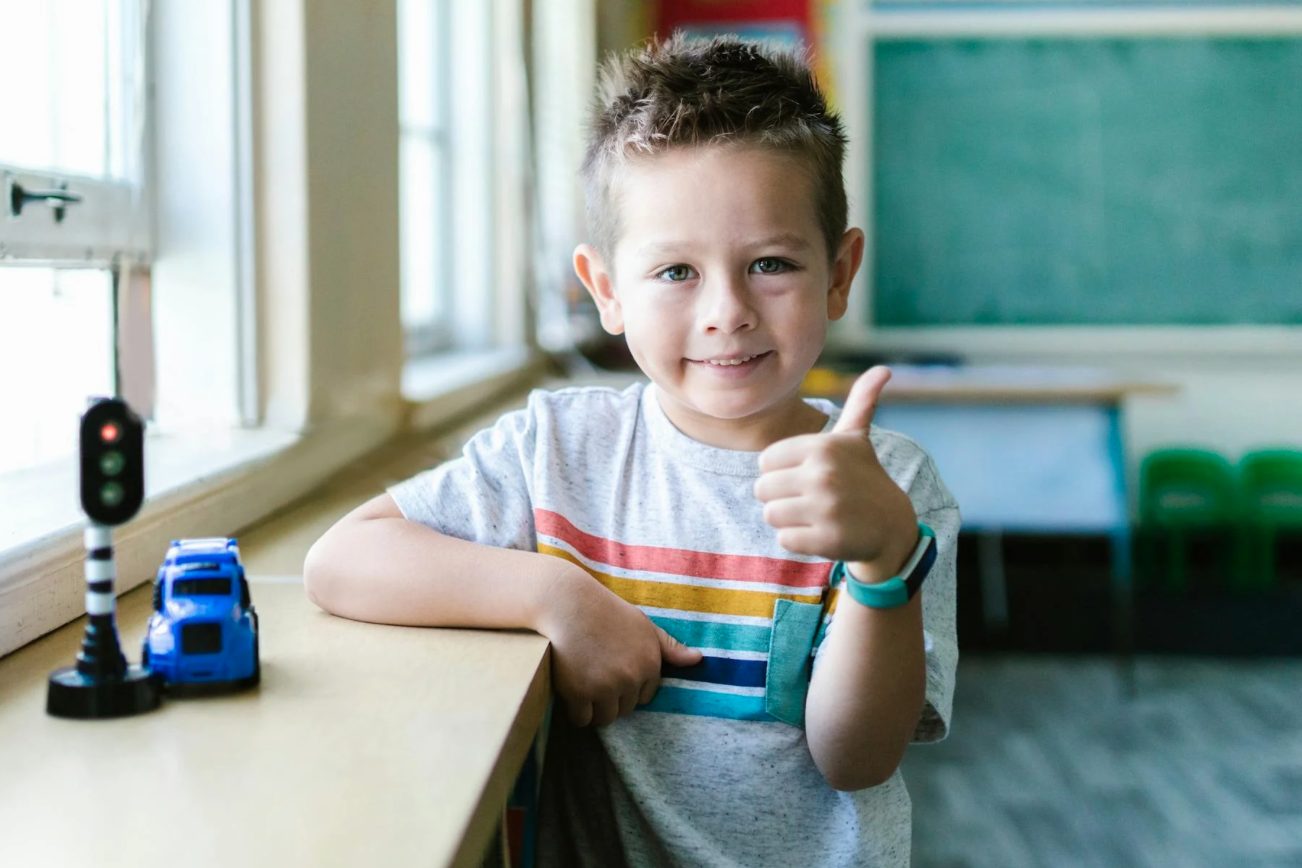
Child In School
Image Source: Pexels

Texas schools are facing a significant shift as the number of students diagnosed with learning differences and developmental conditions continues to rise. From autism spectrum disorder to ADHD and speech delays, educators are seeing more diverse needs in classrooms than ever before. In response, districts across the state are expanding special education services, hiring specialists, and investing in new support systems. This transformation is reshaping how schools operate, how teachers are trained, and how families engage with education. Understanding these changes can help parents, educators, and communities better support students who need it most.

Why Diagnoses Are Increasing Across Texas

The rise in diagnoses is not simply about more children developing conditions, but rather better awareness and improved screening practices. Pediatricians, teachers, and parents are now more equipped to identify early signs of learning and developmental challenges. Advances in medical research and diagnostic tools have also made it easier to detect conditions that may have been overlooked in the past. Additionally, the stigma surrounding special education has decreased, encouraging families to seek evaluations sooner. Together, these factors are contributing to a steady increase in the number of students qualifying for special education services.

How Texas Schools Are Expanding Services

School districts across Texas are responding by expanding both the scope and accessibility of special education programs. Many districts are increasing the number of special education teachers, speech therapists, and behavioral specialists to meet growing demand. Technology is also playing a larger role, with tools designed to support individualized learning plans and track student progress more effectively. Inclusion programs are becoming more common, allowing students with disabilities to learn alongside their peers in general education classrooms. These efforts reflect a broader commitment to ensuring every student receives a fair and supportive education.

Challenges Schools Are Facing Along the Way

Despite progress, schools are encountering several challenges as they scale up services. One major issue is staffing shortages, as qualified special education professionals are in high demand but short supply. Budget constraints can also limit how quickly districts can implement new programs or expand existing ones. Teachers often report feeling overwhelmed as they balance the needs of diverse learners within the same classroom. Additionally, navigating federal and state regulations can be complex and time-consuming for administrators. These hurdles highlight the need for continued investment and policy support to sustain progress.

What This Means for Parents and Families

For parents, the expansion of services brings both opportunities and responsibilities. Families now have greater access to evaluations, individualized education programs (IEPs), and specialized support within public schools. However, navigating the system can still feel confusing, especially for those new to special education. Parents are encouraged to stay informed, attend meetings, and advocate for their child’s specific needs. Building strong relationships with teachers and school staff can also make a significant difference in a child’s success.

Actionable Steps to Support Student Success

1. Stay informed about your child’s rights under special education laws and services available in your district. Communicate regularly with teachers and specialists to monitor progress and address concerns early. Request evaluations promptly if you notice signs of learning or developmental challenges. Utilize community resources such as tutoring programs, therapy services, and parent support groups. Encourage your child’s strengths while providing support in areas where they struggle.

Taking these steps can help ensure that students receive the support they need to thrive academically and socially. Small, consistent efforts often lead to meaningful improvements over time. Being proactive rather than reactive can make a significant difference in outcomes. Parents who stay engaged tend to see better collaboration and clearer communication with schools. Most importantly, these actions empower both students and families to navigate the education system with confidence.

A Changing Landscape in Texas Education

The expansion of special education services in Texas reflects a broader shift toward inclusivity and individualized learning. While challenges remain, the increased focus on early diagnosis and targeted support is a positive step forward. Schools, families, and communities all play a role in ensuring these changes lead to meaningful outcomes for students. Continued investment in resources, training, and awareness will be essential to keep pace with growing needs. By working together, Texas can create a more supportive and equitable education system for all learners.

What do you think about the changes happening in Texas schools? Have you or someone you know experienced the impact of expanded special education services? Share your thoughts in the comments below—we’d love to hear your perspective and start a conversation.

What to Read Next

Texas Education Freedom Accounts: 6 Income Limits for the 2026 Lottery

The 5 Educational Apps That Teachers Say Are Actually Hurting Grades

8 Budget Cuts in Education That Directly Impact Your Kids

Evan Morgan

Evan Morgan has been a full-time freelance writer and editor for 10+ years. When not working, he enjoys catching the latest true crime documentary or getting lost in a good book.
Filed Under: Education Tagged With: ADHD, autism, education trends, school policy, special education, student support, Texas education

Why Are Some Schools Replacing Lunch With Vending Machines?

January 10, 2026 | Leave a Comment

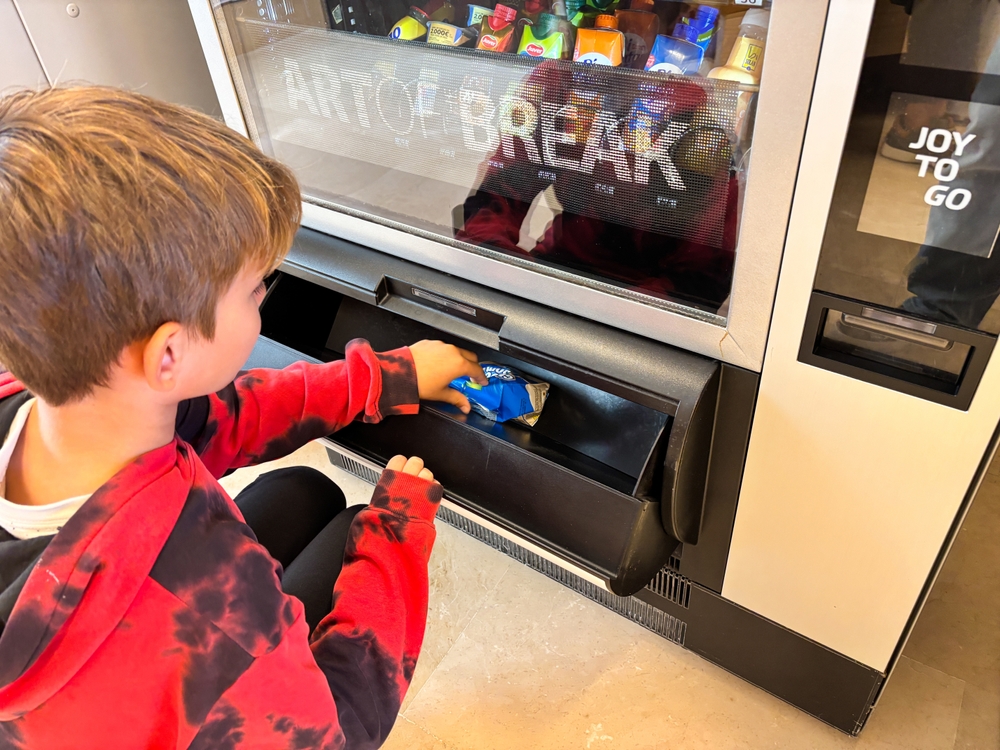
Why Are Some Schools Replacing Lunch With Vending Machines?
Image source: shutterstock.com

School lunch should be the predictable middle of the day, so families get uneasy when cafeterias change quickly. What gets framed as an “efficiency” update can affect nutrition, behavior, and whether kids feel safe eating in front of peers. Some districts face tight lunch periods, staff vacancies, aging kitchens, and higher food costs at the same time. That combination is why a few schools experiment with vending machines to keep food available with fewer moving parts.

What Schools Are Trying to Solve

Many schools run lunch in waves, and long lines can swallow most of the period. Crowded cafeterias can also spark noise and conflict that follows kids back to class. Administrators want faster service, cleaner transitions, and fewer students wandering halls. They also want less waste when participation shifts day to day. Those goals can be reasonable, but the solution has to protect kids who depend on school meals.

Budget and Staffing Realities

Operating a cafeteria takes trained staff, working equipment, and time for prep and sanitation. When districts can’t fill positions, they simplify menus and shorten service, which frustrates families. Repairs for ovens, dishwashers, and ventilation can blow up a tight budget. Vendors pitch prepackaged options as more predictable than cooking on-site. In that mindset, vending machines can look like a straightforward fix.

When Vending Machines Become the Meal Plan

The biggest shift is not the machine; it’s how students choose under time pressure. Buying items one at a time can push kids toward whatever is fastest, not what is balanced. Some students avoid buying anything if they feel watched or judged. If popular items sell out early, late-lunch students can get stuck with limited options. Any plan needs a guaranteed, complete meal option every day, even when the machine area is busy.

The “Smart Kiosk” Pitch and What It Misses

Newer setups use student IDs, cashless accounts, and approved product lists. Supporters say this speeds service and reduces cash handling headaches. Schools may like the data because it shows what students pick most often. The pitch misses that speed does not equal nutrition or dignity. A fast system still fails if kids skip food, feel embarrassed, or can’t find something safe or healthy to eat.

Nutrition and Portion Concerns

Prepackaged foods can work, but schools still need standards and variety. If the selection leans toward salty snacks and sugary drinks, kids crash by afternoon. Balanced options should include protein, fiber, produce, and water that doesn’t cost extra. Schools using vending machines should restock healthier items as reliably as popular treats. Parents can ask for a sample week of offerings and how the school checks nutrition compliance.

Equity and Free-Meal Access

Lunch systems can accidentally reveal who has money and who does not, and kids notice fast. If a balance runs low, a public decline can stop a student from trying again. A machine-based model needs quiet protections, like automatic coverage and private support. Schools also need enough locations so students aren’t penalized by where their classes are. If vending machines play a central role, families should ask exactly how free and reduced-price benefits work.

Supervision, Safety, and Social Time

A cafeteria is also a supervised space where adults can spot conflicts and check in on kids. When lunch spreads into hallways or small commons areas, supervision gets harder with the same staff. Students can spend the period walking, waiting, and wandering instead of eating. Lunch is social, and rushed purchasing can crowd out the time kids use to connect. If the plan centers on vending machines, the school should publish a supervision plan and protect seated eating time.

What Parents Can Ask for in Writing

Families can support improvements while still pushing for guardrails. Ask for the goals in plain language, like shorter lines, lower costs, or better nutrition. Request a pilot period with feedback, especially if vending machines will replace part of the cafeteria line. Ask what happens when items run out and how late-lunch students still get a full meal. Finally, ask who controls pricing, product lists, and restocking so the system doesn’t drift.

The Nonnegotiable: Kids Need Time to Eat

No setup works if kids don’t have enough minutes to get food, sit down, and finish it. Schools can modernize service while keeping a dependable default meal available to every student. The best plans protect dignity by preventing public declines and supporting allergies and medical diets. Parents can push for regular check-ins that track participation, waste, and student feedback. If a district adopts vending machines, families should make sure convenience never replaces care.

If your school changed lunch service tomorrow, what would you want guaranteed before the first week ended?

What to Read Next…

Why Are Public Schools Quietly Removing Librarians?

10 Childhood Illnesses Making a Comeback in U.S. Schools

5 Ways Bullying Apps Are Operating Without School Oversight

7 Reasons Kids Are Getting Hurt in After-School Programs

Is Your Teen Secretly Using AI to Fake School Assignments?

Catherine Reed
Catherine Reed

Catherine is a tech-savvy writer who has focused on the personal finance space for more than eight years. She has a Bachelor’s in Information Technology and enjoys showcasing how tech can simplify everyday personal finance tasks like budgeting, spending tracking, and planning for the future. Additionally, she’s explored the ins and outs of the world of side hustles and loves to share what she’s learned along the way. When she’s not working, you can find her relaxing at home in the Pacific Northwest with her two cats or enjoying a cup of coffee at her neighborhood cafe.

Filed Under: Education Tagged With: cafeteria changes, education budgets, food insecurity, middle school, Parenting, school lunch, school policy, student nutrition

Surveillance Alert: 8 Privacy Implications of School Cameras

July 8, 2025 | Leave a Comment

Surveillance Alert 8 Privacy Implications of School Cameras
123rf.com

More schools across the country are installing surveillance cameras in classrooms, hallways, cafeterias, and even on school buses. While the goal is to enhance safety and deter violence, these systems raise serious questions for parents about how much is too much. The privacy implications of school cameras go far beyond catching a food fight on video. They affect how students behave, how discipline is handled, and even what rights families have when it comes to accessing or controlling footage. Before you assume cameras make schools safer, consider these eight privacy concerns that may be affecting your child without you even realizing it.

1. Constant Monitoring Can Affect Student Behavior

Kids thrive when they feel trusted, and constant surveillance can send the opposite message. The presence of school cameras may make some students feel anxious or self-conscious, especially if they’re neurodivergent or already struggling socially. While intended to boost discipline, surveillance may also lead to kids feeling like they can’t make harmless mistakes without consequences. The long-term effect can be a chilling one—students may stop raising their hands, asking questions, or expressing themselves freely. The psychological toll is one of the most subtle but significant privacy implications of school cameras.

2. Surveillance Footage Isn’t Always Secure

Video recordings from school cameras are stored digitally, and like any digital data, they’re vulnerable to breaches. Schools may not have the resources or cybersecurity infrastructure to protect these files from hackers or unauthorized access. If leaked, these videos could expose students’ identities, behaviors, or even medical-related incidents. Parents often assume the data is secure, but unless policies are clearly outlined, there’s no guarantee. Schools should be required to disclose how footage is stored, who can access it, and how long it is retained.

3. Parents May Be Denied Access

Surprisingly, even though your child may be on the footage, parents don’t automatically have the right to view surveillance videos. Many schools cite privacy concerns for other students in the footage as a reason to deny access. This can make it difficult for parents to advocate for their child after an incident, especially in cases involving bullying or accusations. The privacy implications of school cameras include this frustrating lack of transparency. If your school uses surveillance, ask for a copy of their access policy in writing.

4. Facial Recognition Raises New Concerns

Some schools are beginning to integrate facial recognition technology into their camera systems to track attendance or identify potential threats. While it sounds high-tech, facial recognition brings a host of new privacy issues—especially for children. These systems may misidentify students, store facial data indefinitely, or share that information with third-party vendors or law enforcement. Students don’t always know they’re being scanned, and families may not have the option to opt out. These expanding capabilities show how the privacy implications of school cameras are rapidly evolving.

5. Audio Recording Adds Another Layer

Many newer school surveillance systems now include audio recording alongside video. This means hallway chats, classroom discussions, and even private conversations could be picked up without anyone realizing. Unlike video footage, which may have a clear safety purpose, recording voices creates a new level of intrusion. Students may hesitate to speak freely if they believe every word is being recorded. Parents should ask whether audio surveillance is being used and under what circumstances it is reviewed.

6. Teachers and Staff Are Also Affected

The privacy implications of school cameras don’t just apply to students. Teachers and school staff may also be recorded during lessons, planning time, or disciplinary moments, sometimes without clear boundaries. This can make educators feel like they’re under constant scrutiny and impact how they manage their classrooms. It also raises questions about workplace monitoring and labor rights within the education system. Just because cameras are present doesn’t mean everyone is comfortable with them.

7. Disciplinary Bias Can Increase

Surveillance footage is often used as evidence in disciplinary decisions, but it doesn’t always tell the full story. Context can be lost in clips, and implicit bias can affect how administrators interpret what they see. Students of color or students with disabilities may be disciplined more harshly based on video footage, reinforcing existing disparities. The privacy implications of school cameras include how footage can shape perceptions unfairly. It’s critical for schools to use clear, equitable standards when reviewing and responding to video.

8. Consent Is Rarely Requested

Perhaps the most overlooked issue is that most schools install cameras without ever seeking student or parent consent. Unlike other types of monitoring—like social media policies or data collection—surveillance systems often roll out quietly. This lack of transparency leaves families in the dark about when, where, and why their children are being watched. Informed consent should be a basic right when it comes to monitoring minors in public institutions. But today, it’s more of an exception than a rule.

Schools Should Protect Safety and Privacy

The push for safety in schools is real and necessary, but it shouldn’t come at the cost of our children’s rights. The privacy implications of school cameras are complex and often underreported, leaving families unsure where to turn. By asking questions, requesting transparency, and advocating for smarter policies, parents can help strike a better balance. Surveillance might catch misbehavior, but a culture of trust and respect will always do more to prevent it. Keep the conversation going—because awareness is the first step toward change.

Has your child’s school installed cameras? What privacy concerns have come up for your family? Share your thoughts in the comments.

Read More:

7 Reasons You Shouldn’t Waste Money on Private Schools

Can School Be Bad For Your Child?

Catherine Reed
Catherine Reed

Catherine is a tech-savvy writer who has focused on the personal finance space for more than eight years. She has a Bachelor’s in Information Technology and enjoys showcasing how tech can simplify everyday personal finance tasks like budgeting, spending tracking, and planning for the future. Additionally, she’s explored the ins and outs of the world of side hustles and loves to share what she’s learned along the way. When she’s not working, you can find her relaxing at home in the Pacific Northwest with her two cats or enjoying a cup of coffee at her neighborhood cafe.

Filed Under: Parenting Tagged With: child safety, education technology, parenting tips, privacy implications of school cameras, school policy, school surveillance, student privacy, student rights

  • Facebook
  • Pinterest
  • RSS
  • Twitter

Basic Principles Of Good Parenting

Here some basic principles for good parenting:

  1. What You Do Matters: Your kids are watching you. So, be purposeful about what you want to accomplish.
  2. You Can’t be Too Loving: Don’t replace love with material possessions, lowered expectations or leniency.
  3. Be Involved Your Kids Life: Arrange your priorities to focus on what your kid’s needs. Be there mentally and physically.
  4. Adapt Your Parenting: Children grow quickly, so keep pace with your child’s development.
  5. Establish and Set Rules: The rules you set for children will establish the rules they set for themselves later.  Avoid harsh discipline and be consistent.
  6. Explain Your Decisions: What is obvious to you may not be evident to your child. They don’t have the experience you do.
  7. Be Respectful To Your Child: How you treat your child is how they will treat others.  Be polite, respectful and make an effort to pay attention.
Best Parenting Blogs

Most Popular

Baby

9 Unusual Baby Names That Sound Like They Belong to Future CEOs

Evan Morgan
Baby

10 Baby Names That Were Once Considered “Grandparent Names” but Feel Cool Again

Evan Morgan
Target Store

Choking Incident Prompts Recall of 49,000 Target Gigglescape “Under the Sea” Popping Toys

Evan Morgan
Frustrated Girl

Why Some Students on the Spectrum Are Labeled With ODD

Evan Morgan
Coke Bottles

12 Things Kids Took to School in the ’70s That Would Never Be Allowed Today

Evan Morgan

All content on Kids Ain’t Cheap is for entertainment purposes only. By reading this blog, you agree that Kids Ain’t Cheap is not responsible for any actions taken after reading this blog. For the full disclaimer, see our privacy policy.

Please note that Kids Ain’t Cheap has financial relationships with some of the merchants mentioned here. Kids Ain’t Cheap is funded by banner advertising, commission sales and search optimization consulting.

Copyright © 2006–2026 | District Media | All Rights Reserved | Privacy Policy

Copyright © 2026 Runway Pro Theme by Viva la Violette