• Home
  • About Us
  • Toolkit
  • Archives
  • Advertise
  • Privacy Policy

Kids Ain't Cheap

But They Sure Are Worth It

  • Parenting
    • Baby Stuff
    • Books and Reading
      • Aesops Fables
      • Comic Books
    • Education
    • Family Time
    • Green Living
    • Growing Up
    • Healthy Living & Eating
    • Holidays
    • Parenting
    • Random Musings
    • Shopping
    • Stuff to Do
  • Money
  • Product Reviews
    • Books and Magazines
    • Discount Sites
    • Furniture
    • House Keeping
    • Reviews News
    • Toys and Games
  • Contact Us
  • Our Editorial Commitment
  • Search

5 Assistive Technology Tools Changing How Children Learn in School

April 26, 2026 | Leave a Comment

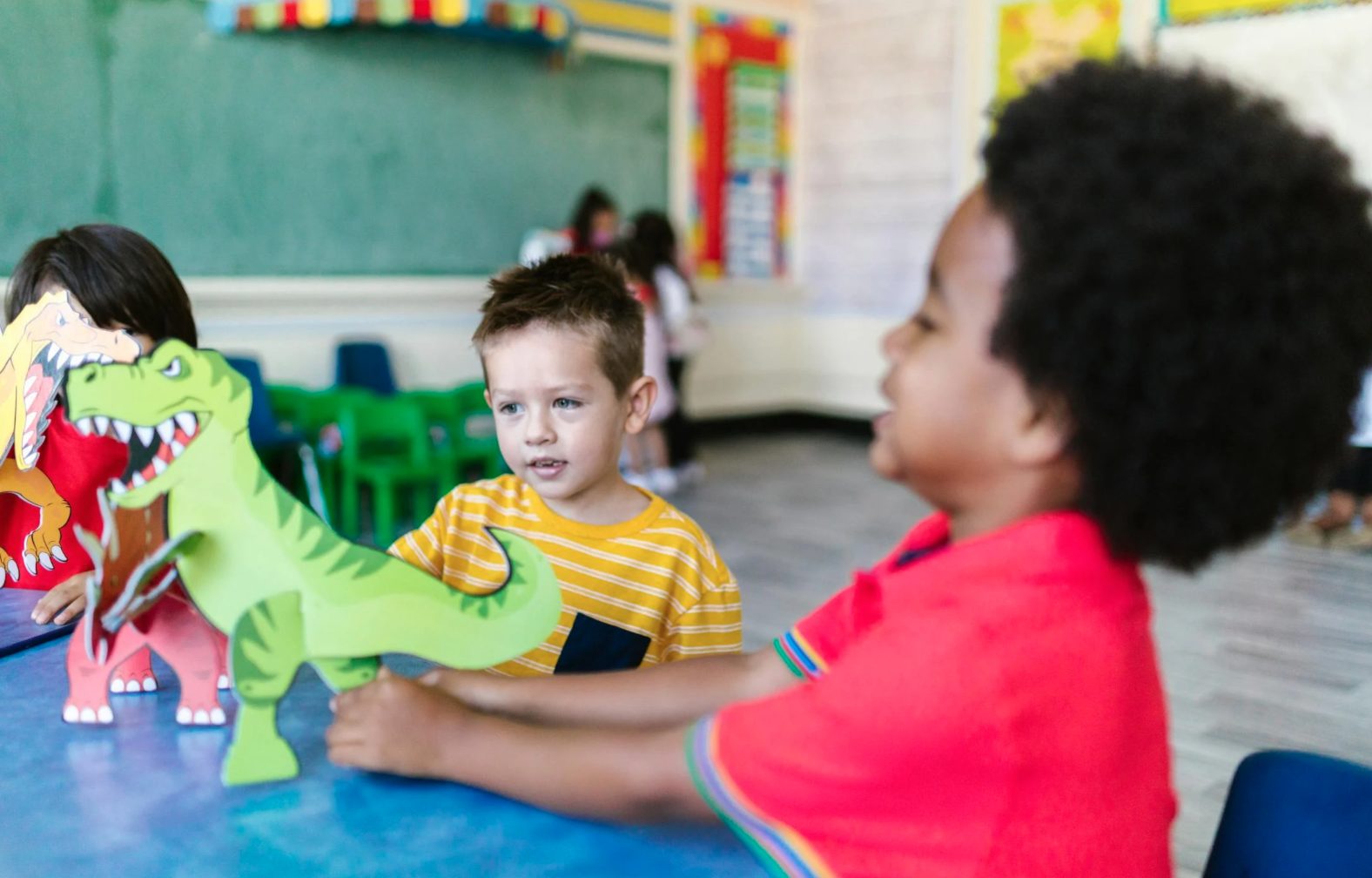
Kids In Classroom
Image Source: Pexels

Classrooms today look very different from just a decade ago, especially with the rapid rise of assistive technology tools. These innovations are helping children with diverse learning needs participate more fully and confidently in school. From students with dyslexia to those with mobility challenges, technology is breaking down barriers that once limited access to education. Teachers are also finding these tools useful for creating more inclusive and engaging lessons for everyone. As schools continue to evolve, understanding which assistive technology tools truly make a difference is more important than ever.

1. Text-to-Speech Tools Improve Reading Confidence

Text-to-speech software is one of the most widely used assistive technology tools in modern classrooms. Programs like NaturalReader and built-in device features can read digital text aloud, helping students who struggle with reading comprehension. For example, a child with dyslexia can listen to a passage while following along visually, reinforcing word recognition and understanding. Research shows that audio-supported reading can significantly improve literacy outcomes over time. Teachers often report that students using these tools participate more in class discussions because they feel less anxious about reading independently.

2. Speech-to-Text Tools Support Writing Skills

Speech-to-text technology allows students to dictate their thoughts instead of typing or handwriting them. Tools like Google Docs voice typing are commonly used in schools to support children with writing challenges. For instance, a student with dysgraphia can focus on expressing ideas without being slowed down by spelling or motor difficulties. Studies indicate that students using speech-to-text often produce longer and more detailed written responses. This helps ensure that students are evaluated based on their understanding rather than physical writing ability.

3. Audiobooks Make Learning More Accessible

Audiobooks have become a powerful learning resource, especially when integrated into classroom instruction. Platforms like Learning Ally provide access to thousands of titles, including textbooks and literature. For students who struggle with traditional reading, audiobooks offer an alternative way to absorb information. A practical example is a student listening to assigned reading during a commute or at home, reinforcing learning outside the classroom. Research suggests that combining audio and visual input can improve retention and comprehension significantly.

4. Visual Learning Apps Enhance Understanding

Visual-based apps are transforming how complex subjects are taught in schools. Tools like Khan Academy use diagrams, animations, and interactive features to simplify difficult concepts. For example, a student struggling with math can watch step-by-step visual explanations instead of relying only on written instructions. This approach is especially helpful for visual learners and students with attention difficulties. Teachers can also tailor lessons to match individual learning speeds, improving comprehension and engagement.

5. Adaptive Keyboards and Devices Improve Accessibility

Adaptive hardware, such as specialized keyboards and touch devices, plays a critical role in supporting students with physical disabilities. These tools are designed to accommodate different motor skills, allowing children to interact with technology more easily. For instance, a student with limited hand mobility might use a large-key keyboard or touchscreen device. Schools that invest in adaptive devices often report increased participation and independence among students. These assistive technology tools ensure that every child has the opportunity to succeed regardless of physical limitations.

Why Assistive Technology Tools Are Reshaping Education

The growing use of assistive technology tools is about creating equal opportunities for all students. These tools address real challenges with practical and proven solutions that improve learning outcomes. Teachers are increasingly trained to integrate these technologies into their lesson plans effectively. Parents also play a role by supporting consistent use of these tools at home. As technology advances, classrooms are becoming more inclusive and adaptable to different learning needs.

The Future of Learning Starts With Inclusion

Education is evolving, and assistive technology tools are leading that transformation in meaningful ways. By embracing these innovations, schools create environments where every student can thrive academically and socially. The impact goes beyond grades, helping build confidence, independence, and long-term success. While challenges such as cost and training remain, the benefits continue to outweigh the drawbacks.

What assistive technology tools have made a difference in your experience, and how do you think they will shape the future of education? Share your thoughts in the comments and join the conversation.

What to Read Next

6 Parenting Tech Shortcuts That Can Expose Your Child to Strangers

7 Technology Tools in Schools That Could Be Violating Your Privacy

10 Popular Discipline Techniques That Have Been Quietly Discredited

Evan Morgan

Evan Morgan has been a full-time freelance writer and editor for 10+ years. When not working, he enjoys catching the latest true crime documentary or getting lost in a good book.

Filed Under: Education Tagged With: assistive technology tools, classroom tools, education technology, inclusive learning, student success

Assistive Technology for Kids: Why More Schools Are Adopting Learning Tools

April 25, 2026 | Leave a Comment

Girl In Classroom
Image Source: Pexels

Assistive technology is no longer a niche solution in classrooms—it’s becoming a standard part of modern education. From speech-to-text software to interactive learning apps, these tools are helping students of all abilities succeed. As classrooms grow more diverse, educators are turning to solutions that support individualized learning without isolating students. The shift is not just about accessibility; it’s about equity, engagement, and long-term academic success. Across the country, schools are investing in assistive technology for kids to bridge learning gaps and create more inclusive environments.

What Is Assistive Technology for Kids and Why It Matters

Assistive technology for kids refers to tools designed to help students overcome learning challenges and participate fully in the classroom. These can range from simple tools like audiobooks to advanced software that converts speech into text in real time. According to industry reports from EdTech Magazine, nearly 70% of educators say these tools improve student engagement. For example, a child with dyslexia might use text-to-speech software to better understand reading assignments. This technology empowers students to learn in ways that match their strengths rather than forcing them into one rigid method.

How Schools Are Integrating Learning Tools into Everyday Classrooms

Many schools are embedding assistive technology for kids directly into their daily teaching practices rather than treating it as a separate support system. Teachers now use tools like Google Classroom extensions, adaptive math platforms, and voice recognition software during regular lessons. In a typical classroom, you might see one student using a tablet for note-taking while another listens to a lesson through headphones. This normalization reduces stigma and encourages all students to explore different ways of learning. As a result, assistive tools are becoming as common as textbooks and whiteboards.

Real-Life Impact: Students Gaining Confidence and Independence

The real power of assistive technology for kids becomes clear when you see how it changes student confidence. Consider a middle school student with ADHD who struggles to stay organized; digital planners and reminder apps can help them manage assignments independently. Another example is a child with limited motor skills using touch-screen devices to complete tasks they couldn’t do before. Parents often report that these tools reduce frustration and increase motivation at home as well as at school. Over time, students develop stronger self-advocacy skills because they understand what tools help them succeed.

Addressing Common Concerns and Misconceptions

Some parents worry that assistive technology for kids might give certain students an unfair advantage or create reliance on devices. In reality, these tools are designed to level the playing field, not tilt it. Just like glasses help someone see clearly, assistive tools help students access information more effectively. Another concern is screen time, but many schools carefully balance digital and traditional learning methods. By addressing these concerns openly, schools are building trust with families and communities.

The Role of Data and Research in Driving Adoption

The growing adoption of assistive technology for kids is backed by strong research and measurable outcomes. Studies from private education research firms show that students using assistive tools often demonstrate improved reading comprehension and higher test scores. For instance, speech-to-text software has been shown to significantly increase writing output for students with learning disabilities. Schools are also using data analytics to track student progress and adjust tools as needed. This evidence-based approach ensures that investments in technology deliver real educational benefits.

What Parents Should Know Before Choosing Learning Tools

Parents play a crucial role in supporting the use of assistive technology for kids both in and out of school. It’s important to choose tools that align with a child’s specific needs rather than following trends. For example, a child who struggles with reading might benefit more from audiobooks than from typing software. Parents should also collaborate with teachers and specialists to ensure consistency between home and school environments. With the right approach, families can turn technology into a powerful ally in their child’s education.

The Bigger Picture: Building Inclusive Classrooms for the Future

The rise of assistive technology for kids reflects a broader shift toward inclusive education that benefits every student. By integrating these tools into everyday learning, schools are creating environments where differences are supported rather than overlooked. This approach not only improves academic outcomes but also prepares students for a more diverse and tech-driven world. As innovation continues, the possibilities for personalized learning will only expand.

How do you feel about the growing role of technology in classrooms, and what tools have made the biggest difference for your child? Share your thoughts in the comments below and join the conversation.

What to Read Next

Is Technology Making Our Younger Generations Less Socially Functional ?

Tech Outage: What Happens When Your Parenting App Fails in a Crisis

7 Technology Tools in Schools That Could Be Violating Your Privacy

Evan Morgan

Evan Morgan has been a full-time freelance writer and editor for 10+ years. When not working, he enjoys catching the latest true crime documentary or getting lost in a good book.

Filed Under: Education Tagged With: assistive technology for kids, classroom tools, education technology, learning disabilities, special education

7 Technology Tools in Schools That Could Be Violating Your Privacy

October 8, 2025 | Leave a Comment

7 Technology Tools in Schools That Could Be Violating Your Privacy
Image source: 123rf.com

Technology has transformed classrooms, giving students access to incredible learning tools—but not all of them are as harmless as they appear. From apps that track participation to platforms that monitor online behavior, many technology tools in schools collect vast amounts of personal data. Parents often assume that school-approved tools are safe, yet privacy policies can be vague, and oversight is limited. Understanding which tools may quietly gather information can help families take steps to protect their children’s data. Here are seven technology tools in schools that could be violating your privacy more than you realize.

1. Learning Management Systems That Track Student Behavior

Learning management systems, or LMS platforms, are central to many classrooms today. They organize assignments, track attendance, and record student engagement—but they also store massive amounts of personal data. Many LMS programs log how long a student spends on a page, what resources they click, and even what time of day they log in. While these metrics can help teachers identify struggling students, they also create detailed digital profiles. These technology tools in schools often retain data indefinitely, raising questions about who can access it and how it might be used later.

2. Educational Apps with Hidden Advertising Networks

Countless educational apps claim to make learning fun, yet many quietly share data with third-party advertisers. Information such as location, browsing habits, and device details can be collected without parents realizing it. Even free apps approved for classroom use sometimes rely on advertising networks for revenue, blurring the line between education and marketing. When children use these apps for assignments or homework, their personal data can end up feeding targeted advertising profiles. This makes some of the most common technology tools in schools potential privacy risks in disguise.

3. Proctoring Software That Monitors More Than Tests

Remote test proctoring became widespread during virtual learning, but it hasn’t gone away. These programs often use webcams, microphones, and screen monitoring to prevent cheating. However, they can capture far more than intended, recording background conversations, personal spaces, and nonverbal behavior. Some systems even store biometric data, such as facial recognition patterns, without clear consent or expiration dates. These technology tools in schools may serve an academic purpose, but their invasive design raises major privacy red flags.

4. School-Issued Devices That Double as Tracking Tools

Many schools now provide Chromebooks, tablets, or laptops to students, but these devices come with monitoring software built in. They can record browsing activity, search history, and keystrokes—even outside of school hours. Parents might not realize that once a child logs in, the device may still collect data at home. While schools claim the goal is cybersecurity and accountability, such constant surveillance can cross into personal territory. The convenience of these technology tools in schools often comes at the cost of digital privacy.

5. Classroom Cameras and Security Systems

Cameras placed in classrooms or hallways are meant to enhance safety, yet they also introduce serious privacy concerns. Many of these systems use cloud-based storage, meaning footage could be accessed—or hacked—remotely. If used for disciplinary tracking or monitoring classroom engagement, recordings could inadvertently capture sensitive student interactions. Some schools have even tested facial recognition software for security purposes, raising questions about consent and data ownership. These seemingly protective technology tools in schools could end up collecting more personal information than parents ever intended.

6. Communication Platforms That Store Conversations

School messaging platforms make it easy for teachers, parents, and students to stay connected. However, chat logs and email archives stored on these platforms can contain sensitive personal details. Many communication systems automatically back up data on external servers, where it can be retained indefinitely. In some cases, administrators—or even vendors—can access message histories. While convenient, these technology tools in schools may leave private family or student information exposed if not properly secured.

7. Online Research Tools That Track Search History

Students are encouraged to explore online resources, but many school-endorsed search tools and digital libraries track user behavior. These platforms may log every query, bookmark, or downloaded document. Over time, such information can be linked to individual student profiles, creating detailed records of their interests and habits. Some services share anonymized data with third parties for “research” or “product improvement,” though true anonymity isn’t always guaranteed. Even seemingly harmless technology tools in schools can pose risks when they quietly collect and store search data.

Protecting Your Family’s Data in a Digital Education Era

Parents can’t eliminate every risk, but awareness goes a long way toward protection. Before approving apps or logging into school portals, review privacy policies and ask administrators about data storage practices. Encourage your child to log out of school accounts when devices are used for personal browsing, and consider requesting data deletion at the end of each school year. Transparency between families and schools is key to maintaining trust. With so many technology tools in schools, informed vigilance is your best defense against unintentional privacy violations.

Have you ever discovered a school tool collecting more information than you expected? How do you handle privacy concerns in your child’s digital classroom? Share your thoughts in the comments!

What to Read Next…

6 Popular Family Apps That Have Leaked Children’s Data

The Silent Spy: 9 Popular Kids’ Games Secretly Selling Their Data

Government Spies: 8 Privacy Concerns with Government Databases of Kids

Data Harvested: 7 Ways Your Child’s Data Is Collected

School Spies: 8 Privacy Risks of School Apps Collecting Data

Catherine Reed
Catherine Reed

Catherine is a tech-savvy writer who has focused on the personal finance space for more than eight years. She has a Bachelor’s in Information Technology and enjoys showcasing how tech can simplify everyday personal finance tasks like budgeting, spending tracking, and planning for the future. Additionally, she’s explored the ins and outs of the world of side hustles and loves to share what she’s learned along the way. When she’s not working, you can find her relaxing at home in the Pacific Northwest with her two cats or enjoying a cup of coffee at her neighborhood cafe.

Filed Under: Technology Tagged With: child data, data protection, digital safety, edtech, education technology, online learning, Parenting, privacy, school security, student privacy

Is Your Child’s School Quietly Tracking Their Location Without Your Consent?

August 30, 2025 | Leave a Comment

Is Your Child’s School Quietly Tracking Their Location Without Your Consent?
Image source: 123rf.com

As technology becomes more integrated into daily learning, parents may not realize just how much information schools collect on students. One growing concern is whether a child’s school is tracking their location without parents knowing. While administrators often argue these tools increase safety and efficiency, the hidden costs include privacy erosion and potential misuse of sensitive data. Parents need to ask hard questions because the issue isn’t just about technology but about who controls a child’s personal information.

Why Schools Are Turning to Location Tracking

Many schools argue that tracking helps maintain student safety in emergencies, manage attendance, and streamline transportation systems. Some campuses use ID cards with embedded chips or mobile apps tied to student accounts. These tools allow administrators to see where students are throughout the day. While this might sound practical, it also raises serious questions about oversight. Parents often have no idea such systems are in place, and transparency is lacking.

The Hidden Risks of Digital Surveillance

When a child’s school tracks their location, it introduces risks that extend beyond the classroom. Sensitive data about daily routines can be hacked, leaked, or misused. If student information falls into the wrong hands, it can create long-lasting consequences. In addition, normalizing surveillance at such a young age teaches kids to accept being constantly monitored. That kind of lesson may not align with the values parents want to instill.

Are Parents Being Informed?

In many districts, location tracking policies exist in fine print buried within handbooks or enrollment forms. Parents might technically be giving consent, but only because the information is hard to find or poorly explained. Some schools fail to provide clear opt-out procedures, leaving families with little control. When parents do find out, it is often after the system is already running. This lack of communication can create mistrust between families and school officials.

Financial Motivations Behind the Push

Technology vendors market tracking tools aggressively, promising improved attendance records and funding opportunities tied to accurate data. For schools, these systems can look like a quick way to secure additional resources. However, the financial incentives don’t always consider privacy trade-offs. Parents need to understand that when a child’s school tracks their location, it is framed as “cost-saving,” but it might actually come at the cost of their child’s digital safety. The question is whether the budget benefit outweighs the risk to students.

How to Protect Your Child’s Privacy

Parents can take steps to safeguard their child’s information and push for more accountability. First, review all enrollment documents for fine print about digital monitoring. Second, ask administrators directly about whether location tracking is being used, and if so, what safeguards are in place. Third, demand clear opt-out policies and written explanations about how the data will be stored and shared. By staying proactive, parents can ensure they are not left in the dark.

What Lawmakers Are Doing About It

Privacy advocates are calling for stronger protections at both the state and federal levels. Some states have introduced laws requiring schools to disclose the use of digital tracking systems. However, enforcement varies widely, and many districts still operate without meaningful oversight. Without consistent rules, families are left to navigate a confusing mix of policies. Until legislation catches up, parents must remain their child’s first line of defense.

The Bigger Lesson for Families

Beyond the technology itself, this trend opens the door to a larger conversation about privacy. Children should learn the value of boundaries, both online and offline. If parents model questioning authority and asking how data is used, kids will adopt those habits too. A school’s tracking system can serve as a teaching moment about digital literacy and rights. Protecting privacy is not just about today’s school day but about preparing kids for tomorrow’s world.

Protecting Your Child’s Future Starts with Awareness

The idea of a child’s school tracking their location may seem harmless at first glance, but unchecked surveillance erodes trust and puts personal data at risk. Parents need to know what’s happening, ask the right questions, and push for stronger transparency. Schools have a responsibility to keep students safe, but that should never come at the expense of privacy. Awareness and advocacy can ensure children are protected both inside and outside the classroom.

How would you feel if you found out your child’s school was quietly tracking their location? Share your thoughts in the comments below.

What to Read Next…

8 School Rules That Should’ve Changed Decades Ago

Here’s Why School Supplies Continue to Cost More and More Every Year

7 Reasons You Shouldn’t Waste Money on Private Schools

10 School Supply Lists That Now Feel Financially Impossible

12 Reasons Why Your Kids are Behind Academically

Catherine Reed
Catherine Reed

Catherine is a tech-savvy writer who has focused on the personal finance space for more than eight years. She has a Bachelor’s in Information Technology and enjoys showcasing how tech can simplify everyday personal finance tasks like budgeting, spending tracking, and planning for the future. Additionally, she’s explored the ins and outs of the world of side hustles and loves to share what she’s learned along the way. When she’s not working, you can find her relaxing at home in the Pacific Northwest with her two cats or enjoying a cup of coffee at her neighborhood cafe.

Filed Under: Education Tagged With: child privacy, digital privacy, education technology, location tracking, parental rights, school surveillance, student safety

7 Ways Schools Are Secretly Tracking Kids and Parents

August 9, 2025 | Leave a Comment

7 Ways Schools Are Secretly Tracking Kids and Parents
Image source: 123rf.com

Most parents assume that when they drop their child off at school, privacy is still respected. But in today’s tech-driven learning environments, that’s not always the case. From seemingly harmless apps to facial recognition systems, many families are unaware of just how closely schools monitor not just students, but also their parents. Understanding the ways schools are secretly tracking kids and parents is more important than ever, especially if you’re concerned about data privacy, consent, and long-term digital footprints. Here are seven tracking methods parents should know about—because what you don’t know could affect your entire household.

1. Learning Management Systems That Monitor Everything

Digital platforms like Google Classroom, Canvas, and Schoology make virtual learning more accessible, but they also quietly collect large amounts of data. These systems track logins, time spent on assignments, keystroke activity, and even how long students pause between tasks. Some can identify patterns in performance and alert teachers if something seems “off,” but that often means data is constantly analyzed without student awareness. Parents, too, are looped in through access portals, which log when you check grades or respond to messages. While the intent is academic support, the level of monitoring raises real questions about consent and surveillance.

2. RFID Chips in Student IDs

Some schools have embedded RFID (radio-frequency identification) chips into student ID cards. These chips track a student’s location throughout the school day—entering classrooms, leaving the building, even standing in line for lunch. Schools use this to monitor attendance and improve safety, but it also means your child’s movements are constantly logged. Few parents are aware of how granular this tracking really is or how long the data is stored. Privacy advocates warn this kind of surveillance sets a troubling precedent for normalizing constant monitoring from a young age.

3. Surveillance Cameras and Facial Recognition

Cameras in school hallways used to be about preventing fights or vandalism. Now, with the rise of facial recognition software, those cameras are doing a lot more than watching. Some schools use AI-powered systems to identify students by name, analyze body language, and even flag perceived emotional distress. In some cases, these systems are also capable of identifying parents or visitors. If your child’s face is part of a biometric database, it raises big concerns about where that information goes and how securely it’s stored.

4. School-Issued Devices with Built-In Monitoring

Many schools provide students with Chromebooks, tablets, or laptops—but they often come loaded with spyware-like programs. These tools track everything from browsing history to document edits, even outside school hours. Some programs take screenshots, record web usage, or prevent students from accessing certain content. While they’re designed to keep kids on task, parents rarely get a full breakdown of what’s being tracked or when. If your child uses a school-issued device at home, assume you’re being watched, too.

5. Apps That Track Parent Behavior

It’s not just the kids under scrutiny. Many schools now use apps like ClassDojo, Remind, or Bloomz to communicate with parents—but they also log your engagement. These platforms track whether you open messages, how quickly you respond, and how often you interact with teachers or school events. Some systems score parental involvement as a performance metric. While it might seem like a great way to stay informed, the idea that your responsiveness is being measured may feel a bit intrusive. Many parents don’t realize their digital parenting style is part of the school’s data profile.

6. GPS on School Buses and Pick-Up Apps

Real-time tracking tools on school buses help parents know when their child is picked up or dropped off. But these GPS systems also feed location data into broader school databases. In combination with pick-up apps that log your arrival and who you’re with, schools can build detailed location histories for both students and guardians. While it might improve safety, it also creates a persistent log of where you’ve been and when. That’s a lot of information to be stored without explicit permission or clear deletion policies.

7. Online Behavior Monitoring and Social Media Scraping

Some districts now employ third-party services to monitor students’ online activity, even off-campus. These systems scan public social media posts, online forums, and comments for signs of violence, bullying, or depression. While safety is the main goal, these tools can flag content that’s taken out of context or invade what used to be personal time. Some schools even use keywords to track family-related posts involving parents. If your teen vents online about a bad grade or shares family struggles, that post could be silently flagged and sent to administrators.

Awareness Is the First Line of Defense

The many ways schools are secretly tracking kids and parents should give families pause before blindly accepting every new system or tool. While safety and academic success are valid goals, they shouldn’t come at the expense of privacy or trust. The problem isn’t always the technology itself, but how it’s used without full transparency. Ask questions, review data policies, and don’t be afraid to opt out of programs that make you uncomfortable. As technology in education grows, so does the need for families to advocate for clearer boundaries and better protection.

Did any of these surprise you? Which tracking method do you find most concerning—and why? Join the conversation in the comments below.

Read More:

9 Privacy Settings You Didn’t Know Existed for Kids’ Devices

12 Steps to Secure Your Child’s Digital Footprint for Life

Catherine Reed
Catherine Reed

Catherine is a tech-savvy writer who has focused on the personal finance space for more than eight years. She has a Bachelor’s in Information Technology and enjoys showcasing how tech can simplify everyday personal finance tasks like budgeting, spending tracking, and planning for the future. Additionally, she’s explored the ins and outs of the world of side hustles and loves to share what she’s learned along the way. When she’s not working, you can find her relaxing at home in the Pacific Northwest with her two cats or enjoying a cup of coffee at her neighborhood cafe.

Filed Under: Education Tagged With: child safety, digital tracking, education technology, parental rights, privacy concerns, school data collection, school surveillance, school-issued devices, student privacy

School’s Secret: 4 Ways Your Child’s School Is Secretly Sharing Their Information

July 27, 2025 | Leave a Comment

Schools Secret 4 Ways Your Childs School Is Secretly Sharing Their Information
Image source: 123rf.com

Most parents assume their child’s personal information is safe at school—but the reality is more complicated. In today’s digital age, schools are collecting more data than ever, and much of it doesn’t stay within the classroom walls. From tech vendors to government agencies to marketing firms, that data can be shared or accessed in ways you may not even realize. The result? Your child’s school is secretly sharing their information far more often than you think. Knowing how and why this happens is the first step to taking back control over your child’s privacy.

1. Third-Party Educational Apps and Software

It’s become routine for schools to use educational apps for homework, testing, and virtual learning. But many of these platforms collect far more than just quiz scores. Student names, birthdays, email addresses, location data, and usage habits are often logged and shared with third-party companies. These companies may sell or analyze this data to improve their services—or to advertise. One of the most common ways your child’s school is secretly sharing their information is through partnerships with digital tools that aren’t always transparent about how that data is handled.

2. Directory Information Loopholes

Schools often release “directory information” to outside organizations without needing parental consent unless you opt out. This includes seemingly harmless details like your child’s name, grade level, date of birth, address, and participation in school activities. Unfortunately, this information can be requested by military recruiters, college marketers, and other groups, including companies targeting students for products or programs. Many parents don’t realize that unless they fill out specific forms at the beginning of the school year, this data can be shared legally. This loophole is a major way your child’s school is secretly sharing their information under the radar.

3. Online Learning Platforms and Proctoring Tools

Online test proctoring software and digital learning management systems often require webcams, microphones, and access to your child’s device. These tools can track keystrokes, facial movements, and browser history—all in the name of academic integrity. But once collected, that data may be stored on company servers, analyzed using AI, or even used to create digital profiles of students. Most parents aren’t made aware of the full extent of monitoring that comes with these systems. It’s another quiet example of how your child’s school is secretly sharing their information with outside tech providers.

4. School Photos, Social Media, and Public Displays

Schools love to showcase student achievements, often using bulletin boards, yearbooks, newsletters, or social media posts. While it may seem like a harmless celebration, those smiling photos often include full names, grade levels, and locations—sometimes without your knowledge. These images and details can end up being widely accessible, especially when shared on public platforms. If the school hasn’t implemented strong privacy policies, anyone from a local news site to a stranger online could access them. This public sharing is one of the lesser-known ways your child’s school is secretly sharing their information, often under the guise of recognition.

What You Can Do to Protect Your Child’s Data

You don’t need to panic, but you should absolutely be proactive. The fact that your child’s school is secretly sharing their information doesn’t mean they’re doing it maliciously. In some cases, it just means the systems in place don’t always prioritize privacy. Read the fine print on school policies, opt out of directory information sharing, and ask questions about the apps and tools your child is expected to use. Request written explanations for how data is collected, stored, and used. When you stay informed and involved, you can help ensure your child’s digital footprint is one they feel safe standing on.

Have you ever been surprised by how your child’s school handled their information? What steps have you taken to protect their privacy? Let’s talk in the comments.

Read More:

School Fees: 8 Hidden Fees in School Programs That Add Up

12 Reasons Why Your Kids are Behind Academically

Catherine Reed
Catherine Reed

Catherine is a tech-savvy writer who has focused on the personal finance space for more than eight years. She has a Bachelor’s in Information Technology and enjoys showcasing how tech can simplify everyday personal finance tasks like budgeting, spending tracking, and planning for the future. Additionally, she’s explored the ins and outs of the world of side hustles and loves to share what she’s learned along the way. When she’s not working, you can find her relaxing at home in the Pacific Northwest with her two cats or enjoying a cup of coffee at her neighborhood cafe.

Filed Under: Education Tagged With: data collection in schools, digital parenting, education technology, kids online safety, parental rights, school privacy, student data privacy, your child's school is secretly sharing their information

Surveillance Alert: 8 Privacy Implications of School Cameras

July 8, 2025 | Leave a Comment

Surveillance Alert 8 Privacy Implications of School Cameras
123rf.com

More schools across the country are installing surveillance cameras in classrooms, hallways, cafeterias, and even on school buses. While the goal is to enhance safety and deter violence, these systems raise serious questions for parents about how much is too much. The privacy implications of school cameras go far beyond catching a food fight on video. They affect how students behave, how discipline is handled, and even what rights families have when it comes to accessing or controlling footage. Before you assume cameras make schools safer, consider these eight privacy concerns that may be affecting your child without you even realizing it.

1. Constant Monitoring Can Affect Student Behavior

Kids thrive when they feel trusted, and constant surveillance can send the opposite message. The presence of school cameras may make some students feel anxious or self-conscious, especially if they’re neurodivergent or already struggling socially. While intended to boost discipline, surveillance may also lead to kids feeling like they can’t make harmless mistakes without consequences. The long-term effect can be a chilling one—students may stop raising their hands, asking questions, or expressing themselves freely. The psychological toll is one of the most subtle but significant privacy implications of school cameras.

2. Surveillance Footage Isn’t Always Secure

Video recordings from school cameras are stored digitally, and like any digital data, they’re vulnerable to breaches. Schools may not have the resources or cybersecurity infrastructure to protect these files from hackers or unauthorized access. If leaked, these videos could expose students’ identities, behaviors, or even medical-related incidents. Parents often assume the data is secure, but unless policies are clearly outlined, there’s no guarantee. Schools should be required to disclose how footage is stored, who can access it, and how long it is retained.

3. Parents May Be Denied Access

Surprisingly, even though your child may be on the footage, parents don’t automatically have the right to view surveillance videos. Many schools cite privacy concerns for other students in the footage as a reason to deny access. This can make it difficult for parents to advocate for their child after an incident, especially in cases involving bullying or accusations. The privacy implications of school cameras include this frustrating lack of transparency. If your school uses surveillance, ask for a copy of their access policy in writing.

4. Facial Recognition Raises New Concerns

Some schools are beginning to integrate facial recognition technology into their camera systems to track attendance or identify potential threats. While it sounds high-tech, facial recognition brings a host of new privacy issues—especially for children. These systems may misidentify students, store facial data indefinitely, or share that information with third-party vendors or law enforcement. Students don’t always know they’re being scanned, and families may not have the option to opt out. These expanding capabilities show how the privacy implications of school cameras are rapidly evolving.

5. Audio Recording Adds Another Layer

Many newer school surveillance systems now include audio recording alongside video. This means hallway chats, classroom discussions, and even private conversations could be picked up without anyone realizing. Unlike video footage, which may have a clear safety purpose, recording voices creates a new level of intrusion. Students may hesitate to speak freely if they believe every word is being recorded. Parents should ask whether audio surveillance is being used and under what circumstances it is reviewed.

6. Teachers and Staff Are Also Affected

The privacy implications of school cameras don’t just apply to students. Teachers and school staff may also be recorded during lessons, planning time, or disciplinary moments, sometimes without clear boundaries. This can make educators feel like they’re under constant scrutiny and impact how they manage their classrooms. It also raises questions about workplace monitoring and labor rights within the education system. Just because cameras are present doesn’t mean everyone is comfortable with them.

7. Disciplinary Bias Can Increase

Surveillance footage is often used as evidence in disciplinary decisions, but it doesn’t always tell the full story. Context can be lost in clips, and implicit bias can affect how administrators interpret what they see. Students of color or students with disabilities may be disciplined more harshly based on video footage, reinforcing existing disparities. The privacy implications of school cameras include how footage can shape perceptions unfairly. It’s critical for schools to use clear, equitable standards when reviewing and responding to video.

8. Consent Is Rarely Requested

Perhaps the most overlooked issue is that most schools install cameras without ever seeking student or parent consent. Unlike other types of monitoring—like social media policies or data collection—surveillance systems often roll out quietly. This lack of transparency leaves families in the dark about when, where, and why their children are being watched. Informed consent should be a basic right when it comes to monitoring minors in public institutions. But today, it’s more of an exception than a rule.

Schools Should Protect Safety and Privacy

The push for safety in schools is real and necessary, but it shouldn’t come at the cost of our children’s rights. The privacy implications of school cameras are complex and often underreported, leaving families unsure where to turn. By asking questions, requesting transparency, and advocating for smarter policies, parents can help strike a better balance. Surveillance might catch misbehavior, but a culture of trust and respect will always do more to prevent it. Keep the conversation going—because awareness is the first step toward change.

Has your child’s school installed cameras? What privacy concerns have come up for your family? Share your thoughts in the comments.

Read More:

7 Reasons You Shouldn’t Waste Money on Private Schools

Can School Be Bad For Your Child?

Catherine Reed
Catherine Reed

Catherine is a tech-savvy writer who has focused on the personal finance space for more than eight years. She has a Bachelor’s in Information Technology and enjoys showcasing how tech can simplify everyday personal finance tasks like budgeting, spending tracking, and planning for the future. Additionally, she’s explored the ins and outs of the world of side hustles and loves to share what she’s learned along the way. When she’s not working, you can find her relaxing at home in the Pacific Northwest with her two cats or enjoying a cup of coffee at her neighborhood cafe.

Filed Under: Parenting Tagged With: child safety, education technology, parenting tips, privacy implications of school cameras, school policy, school surveillance, student privacy, student rights

  • Facebook
  • Pinterest
  • RSS
  • Twitter

Basic Principles Of Good Parenting

Here some basic principles for good parenting:

  1. What You Do Matters: Your kids are watching you. So, be purposeful about what you want to accomplish.
  2. You Can’t be Too Loving: Don’t replace love with material possessions, lowered expectations or leniency.
  3. Be Involved Your Kids Life: Arrange your priorities to focus on what your kid’s needs. Be there mentally and physically.
  4. Adapt Your Parenting: Children grow quickly, so keep pace with your child’s development.
  5. Establish and Set Rules: The rules you set for children will establish the rules they set for themselves later.  Avoid harsh discipline and be consistent.
  6. Explain Your Decisions: What is obvious to you may not be evident to your child. They don’t have the experience you do.
  7. Be Respectful To Your Child: How you treat your child is how they will treat others.  Be polite, respectful and make an effort to pay attention.
Best Parenting Blogs

Most Popular

Baby

9 Unusual Baby Names That Sound Like They Belong to Future CEOs

Evan Morgan
Baby

10 Baby Names That Were Once Considered “Grandparent Names” but Feel Cool Again

Evan Morgan
Target Store

Choking Incident Prompts Recall of 49,000 Target Gigglescape “Under the Sea” Popping Toys

Evan Morgan
Frustrated Girl

Why Some Students on the Spectrum Are Labeled With ODD

Evan Morgan
Coke Bottles

12 Things Kids Took to School in the ’70s That Would Never Be Allowed Today

Evan Morgan

All content on Kids Ain’t Cheap is for entertainment purposes only. By reading this blog, you agree that Kids Ain’t Cheap is not responsible for any actions taken after reading this blog. For the full disclaimer, see our privacy policy.

Please note that Kids Ain’t Cheap has financial relationships with some of the merchants mentioned here. Kids Ain’t Cheap is funded by banner advertising, commission sales and search optimization consulting.

Copyright © 2006–2026 | District Media | All Rights Reserved | Privacy Policy

Copyright © 2026 Runway Pro Theme by Viva la Violette