• Home
  • About Us
  • Toolkit
  • Archives
  • Advertise
  • Privacy Policy

Kids Ain't Cheap

But They Sure Are Worth It

  • Parenting
    • Baby Stuff
    • Books and Reading
      • Aesops Fables
      • Comic Books
    • Education
    • Family Time
    • Green Living
    • Growing Up
    • Healthy Living & Eating
    • Holidays
    • Parenting
    • Random Musings
    • Shopping
    • Stuff to Do
  • Money
  • Product Reviews
    • Books and Magazines
    • Discount Sites
    • Furniture
    • House Keeping
    • Reviews News
    • Toys and Games
  • Contact Us
  • Our Editorial Commitment
  • Search

7 New North Carolina School Rules Taking Effect for the 2026-2027 Academic Year

March 24, 2026 | Leave a Comment

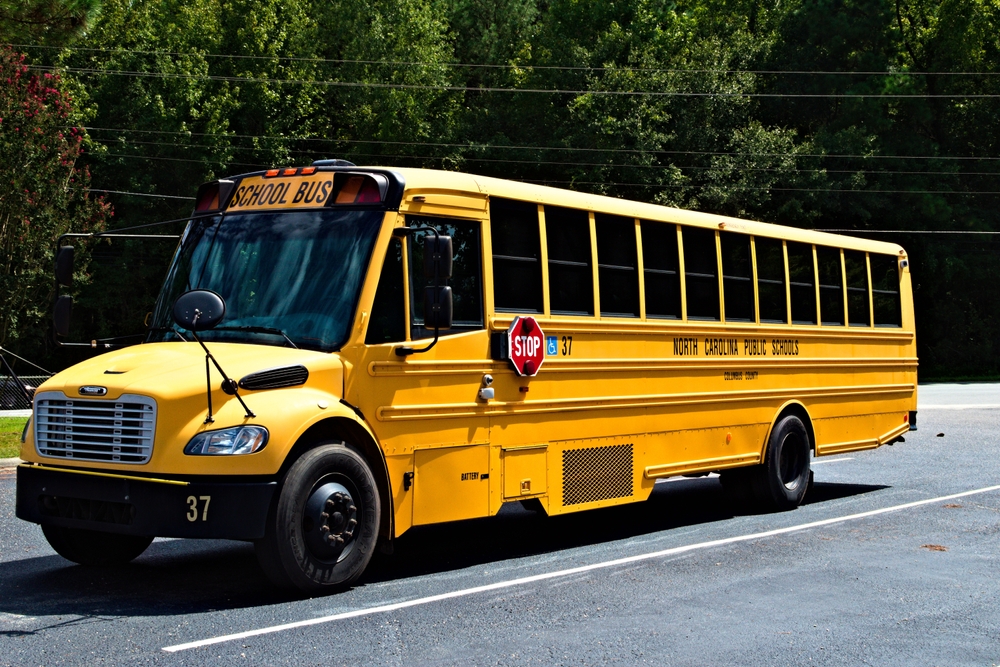
new North Carolina school rules
Image source: shutterstock.com

Getting your kids ready for another year of school involves more than just buying new backpacks and shoes. In North Carolina, the legislative landscape has shifted significantly, introducing changes that will impact every classroom in the state. You might feel overwhelmed by the constant stream of new policies coming from the state board.

These new North Carolina school rules are not just suggestions; they are mandatory shifts in how your children learn and interact. You are not out of the loop; instead, the system is simply moving faster than most busy parents can track. Staying informed is the only way to ensure your child remains compliant and successful this year. Ultimately, understanding these rules helps you navigate the 2026-2027 academic year with confidence.

1. Digital Privacy and Social Media Restrictions

The state has implemented a strict ban on personal device usage during all instructional hours to minimize classroom distractions. These new North Carolina school rules, established by Session Law 2025-38, require students to power down and store their phones during class time. You can no longer rely on a quick text to your child during the school day for non-emergencies. This shift responds to rising concerns over digital safety and the mental health of younger students.

Specifically, beginning in 2026, districts must also provide instruction on the negative effects of social media at multiple grade levels. While the law mandates a classroom ban, some districts use signal-blocking pouches to ensure compliance. Schools must provide an alternative emergency contact system for all families to ensure safety. You should check your school’s handbook to see how these enforcement measures affect your daily routine.

2. Standardized Curriculum and Content Oversight

New state regulations have established a rigorous review process for instructional materials used in classrooms. These new North Carolina school rules, outlined in House Bill 595, give parents the right to inspect and challenge specific books or lessons. You might notice that certain topics are being presented with a more standardized, state-approved framework than before.

This transparency involves families more deeply in the educational process of their children. However, the law also requires prior written parental consent for students to participate in reproductive health or safety instruction. This rule allows you to have a direct seat at the table regarding what your child hears in the classroom. Protecting the quality of your child’s education requires staying active in local board meetings and reviewing supplemental materials.

3. New Transportation and Attendance Mandates

The 2026-2027 year introduces a more aggressive policy regarding chronic absenteeism and bus route scheduling across the state. These new North Carolina school rules define chronic absenteeism as missing ten percent or more of school days for any reason. Under the AttendNC Counts initiative, students facing high absence rates will trigger early-warning signals for intervention. You must provide a medical or legal excuse for every absence to prevent your child from being flagged by the system.

Furthermore, many districts are consolidating bus stops to save on labor costs and manage driver shortages. This means your child might have a longer walk to the morning pick-up location than in previous years. Staying on top of the new schedule is essential for avoiding penalties that could impact your child’s promotion. You deserve a system that values your time as much as your child’s attendance records.

4. Computer Science and Graduation Credits

Students entering the ninth grade for the first time in the 2026-2027 school year face a new graduation requirement. These new North Carolina school rules now mandate one full credit in Computer Science to receive a diploma. To accommodate this addition, the state has reduced the number of required elective credits from six to five. This change ensures that every graduate possesses foundational digital literacy for the modern workforce.

While this shift prepares students for high-tech careers, it requires careful course planning as early as middle school. You should consult with your child’s guidance counselor to ensure their four-year plan accounts for this specific requirement. Furthermore, this mandate applies to all public school units, including charter schools, across the state. Ensuring your child meets this mark is vital for an on-time graduation.

5. School Nurse and Health Professional Qualifications

Starting August 1, 2026, the state will implement updated standards for school health personnel to address the growing needs of students. These new North Carolina school rules establish permanent qualifications for school nurses, requiring specific training and certification within set timeframes of hiring. This move aims to provide a consistent level of medical care across all districts, regardless of local funding.

You might see more specialized health staff on campus who can manage complex chronic conditions and emergency responses. Because healthy students learn better, the state is prioritizing the professionalization of these essential support roles. Moreover, the rules clarify salary requirements for nurses employed through local health departments. This ensures that your child has access to qualified medical support during the school day. Knowing the qualifications of campus staff can give you peace of mind regarding your child’s physical well-being.

6. Flexible Teacher Licensing and Staffing

The 2026-2027 school year brings a significant shift in how North Carolina classrooms are staffed to combat the ongoing teacher shortage. Under House Bill 806, the state now allows schools more flexibility, requiring only 50% of teachers to hold a traditional license. However, any unlicensed teacher working in core subject areas must be a college graduate and complete pre-service training. This training focuses on vital skills like managing student behavior and de-escalating disruptive situations.

You might find more professionals from various industries entering the classroom through these new pathways. While this provides more adults in the building, it also changes the traditional dynamic of teacher qualifications you may expect. On the other hand, a new Teacher Apprenticeship Program provides financial support for those working toward full licensure while in the classroom. Staying informed about your child’s instructors helps you support their learning journey more effectively.

7. Internet Safety and Age-Appropriate Content

Beginning in 2026, local boards of education must strictly enforce new internet safety policies for all school-provided devices. These new North Carolina school rules require filtering systems that limit access to age-appropriate subject matter only. Additionally, the policy prohibits students from accessing social media platforms unless a teacher explicitly authorizes them for an educational purpose.

This mandate protects student data and privacy while preventing unauthorized activities like “hacking” on school networks. You can expect more oversight regarding the digital tools and apps your child uses during the day. Because the state now requires districts to report their compliance to the legislature, these rules carry significant weight. This protective layer helps ensure that the technology you rely on for learning doesn’t become a gateway to harmful content. Reclaiming your child’s digital focus starts with these systemic safeguards.

Mastering the New North Carolina School Rules

Adapting to the latest educational mandates requires a proactive stance from every parent in the state. You must recognize that these new North Carolina school rules represent a larger effort to redefine public education.

Staying connected with other parents and school administrators is the best way to handle these transitions. Because the system often assumes parents will just follow along, seeking clarity remains vital for your household. By knowing the rules inside and out, you protect your child from unnecessary disciplinary actions or delays. Your involvement serves as the most powerful tool for ensuring a fair school environment.

Are you ready to review the full list of rule changes to ensure your student is prepared for day one?

What to Read Next…

  • Legal Woes: 6 Legal Issues When Divorcing with Kids (They Cost You)
  • The 5 Educational Apps That Teachers Say Are Actually Hurting Grades
  • 8 Budget Cuts in Education That Directly Impact Your Kids
Latrice Perez

Latrice is a dedicated professional with a rich background in social work, complemented by an Associate Degree in the field. Her journey has been uniquely shaped by the rewarding experience of being a stay-at-home mom to her two children, aged 13 and 5. This role has not only been a testament to her commitment to family but has also provided her with invaluable life lessons and insights.  As a mother, Latrice has embraced the opportunity to educate her children on essential life skills, with a special focus on financial literacy.


Filed Under: Education Tagged With: education laws 2026, Education News, NC curriculum, NC parents, NC school rules, North Carolina schools, school privacy

7 Things Your Child’s Teacher Is Legally Required to Report to the State (That They Won’t Tell You to Your Face)

January 21, 2026 | Leave a Comment

These Are 7 Things Your Child’s Teacher Is Legally Required to Report to the State (That They Won't Tell You to Your Face)
Image Source: Shutterstock.com

In Fayetteville, GA, parents scan backpacks and homework, not state databases. In Volusia County, Florida, families assume classroom walls still hold secrets. That assumption just collapsed. For the 2025–2026 season, an unprecedented, quiet rollout widened what teachers funnel to the state—through legal loopholes most parents never read.

This hidden reality jumped from local compliance memos to national enforcement, and schools won’t explain it to your face.

The Mandated Pipeline Nobody Advertises

Georgia law never asked for permission. O.C.G.A. § 19-7-5 orders educators to report specific indicators to child welfare, and administrators now push stricter timelines and digital documentation. Georgia HB 268 expanded behavioral monitoring expectations; Georgia HB 340 tightened attention and device rules that trigger records.

Florida mirrors the pressure. Florida Statute 39 commands immediate reporting, and districts like Marion County upgraded tracking tools for 2026 School Policy compliance. Teachers comply or risk licensure. Silence protects them; disclosure exposes parents.

Why 2026 Changed the Game

District counsel tightened definitions and training this year. The shift didn’t add compassion; it added throughput. “Authoritative 2.0” culture reframed vigilance as care, while “Friction-Maxxing” justified more reporting to fight burnout and chaos. Translation: schools escalate faster. Every logged concern creates a durable data trail that outlives the school year. Fayetteville parenting groups already flag surprise calls and follow-ups; Volusia classrooms log more “incidents” with fewer conversations.

The Hidden Impact on Your Family

This system drains money, credit, and future options. Ignore it and you lose privacy, rack up legal consults, and risk downstream labels that shadow your child.

The Seven Reports Teachers Must File—No Warnings Given

  1. Suspected Abuse or Neglect — Any hint triggers O.C.G.A. § 19-7-5 or Florida Statute 39, immediately.
  2. Self-Harm Ideation or Threats — Notes, drawings, or comments prompt crisis flags and referrals.
  3. Threats of Violence — Jokes count; context rarely rescues you.
  4. Chronic Behavioral Escalations — HB 268 monitoring converts patterns into reports.
  5. Substance Exposure — Vapes, edibles, or secondhand claims travel straight to the state.
  6. Attendance Irregularities — Triggers escalate truancy pathways with fines and court dates.
  7. Digital Misconduct — HB 340 device violations now feed centralized logs.

Each entry compounds costs: assessments, attorneys, missed workdays, and a quieter tax—social capital erosion. Schools don’t pay it. Parents do.

These Are 7 Things Your Child’s Teacher Is Legally Required to Report to the State (That They Won't Tell You to Your Face)
Image Source: Shutterstock.com

The Consent Trap vs. The Digital Blacklist

Choose your fight. Do you prioritize safety through maximal reporting, or liberty through parental consent and restraint? Sound off: Which value should win in 2026—financial security for families or social inclusion at any price?

You May Also Like…

6 Excuses Parents Make That Teachers Are Tired of Hearing

7 Old-School Parenting Habits That Still Save Families Money

7 Things Teachers Wish Parents Would Stop Believing

Are Parent-Teacher Text Chains Making School Drama Worse?

8 Budget Cuts in Education That Directly Impact Your Kids

Brandon Marcus
Brandon Marcus
Brandon Marcus is a writer who has been sharing the written word since a very young age. His interests include sports, history, pop culture, and so much more. When he isn’t writing, he spends his time jogging, drinking coffee, or attempting to read a long book he may never complete.

Filed Under: Education Tagged With: Back to School, child education, education, education and learning, education and parenting, education problems, mandated reporter, privacy, school privacy, student, teacher, teachers

School’s Secret: 4 Ways Your Child’s School Is Secretly Sharing Their Information

July 27, 2025 | Leave a Comment

Schools Secret 4 Ways Your Childs School Is Secretly Sharing Their Information
Image source: 123rf.com

Most parents assume their child’s personal information is safe at school—but the reality is more complicated. In today’s digital age, schools are collecting more data than ever, and much of it doesn’t stay within the classroom walls. From tech vendors to government agencies to marketing firms, that data can be shared or accessed in ways you may not even realize. The result? Your child’s school is secretly sharing their information far more often than you think. Knowing how and why this happens is the first step to taking back control over your child’s privacy.

1. Third-Party Educational Apps and Software

It’s become routine for schools to use educational apps for homework, testing, and virtual learning. But many of these platforms collect far more than just quiz scores. Student names, birthdays, email addresses, location data, and usage habits are often logged and shared with third-party companies. These companies may sell or analyze this data to improve their services—or to advertise. One of the most common ways your child’s school is secretly sharing their information is through partnerships with digital tools that aren’t always transparent about how that data is handled.

2. Directory Information Loopholes

Schools often release “directory information” to outside organizations without needing parental consent unless you opt out. This includes seemingly harmless details like your child’s name, grade level, date of birth, address, and participation in school activities. Unfortunately, this information can be requested by military recruiters, college marketers, and other groups, including companies targeting students for products or programs. Many parents don’t realize that unless they fill out specific forms at the beginning of the school year, this data can be shared legally. This loophole is a major way your child’s school is secretly sharing their information under the radar.

3. Online Learning Platforms and Proctoring Tools

Online test proctoring software and digital learning management systems often require webcams, microphones, and access to your child’s device. These tools can track keystrokes, facial movements, and browser history—all in the name of academic integrity. But once collected, that data may be stored on company servers, analyzed using AI, or even used to create digital profiles of students. Most parents aren’t made aware of the full extent of monitoring that comes with these systems. It’s another quiet example of how your child’s school is secretly sharing their information with outside tech providers.

4. School Photos, Social Media, and Public Displays

Schools love to showcase student achievements, often using bulletin boards, yearbooks, newsletters, or social media posts. While it may seem like a harmless celebration, those smiling photos often include full names, grade levels, and locations—sometimes without your knowledge. These images and details can end up being widely accessible, especially when shared on public platforms. If the school hasn’t implemented strong privacy policies, anyone from a local news site to a stranger online could access them. This public sharing is one of the lesser-known ways your child’s school is secretly sharing their information, often under the guise of recognition.

What You Can Do to Protect Your Child’s Data

You don’t need to panic, but you should absolutely be proactive. The fact that your child’s school is secretly sharing their information doesn’t mean they’re doing it maliciously. In some cases, it just means the systems in place don’t always prioritize privacy. Read the fine print on school policies, opt out of directory information sharing, and ask questions about the apps and tools your child is expected to use. Request written explanations for how data is collected, stored, and used. When you stay informed and involved, you can help ensure your child’s digital footprint is one they feel safe standing on.

Have you ever been surprised by how your child’s school handled their information? What steps have you taken to protect their privacy? Let’s talk in the comments.

Read More:

School Fees: 8 Hidden Fees in School Programs That Add Up

12 Reasons Why Your Kids are Behind Academically

Catherine Reed
Catherine Reed

Catherine is a tech-savvy writer who has focused on the personal finance space for more than eight years. She has a Bachelor’s in Information Technology and enjoys showcasing how tech can simplify everyday personal finance tasks like budgeting, spending tracking, and planning for the future. Additionally, she’s explored the ins and outs of the world of side hustles and loves to share what she’s learned along the way. When she’s not working, you can find her relaxing at home in the Pacific Northwest with her two cats or enjoying a cup of coffee at her neighborhood cafe.

Filed Under: Education Tagged With: data collection in schools, digital parenting, education technology, kids online safety, parental rights, school privacy, student data privacy, your child's school is secretly sharing their information

  • Facebook
  • Pinterest
  • RSS
  • Twitter

Basic Principles Of Good Parenting

Here some basic principles for good parenting:

  1. What You Do Matters: Your kids are watching you. So, be purposeful about what you want to accomplish.
  2. You Can’t be Too Loving: Don’t replace love with material possessions, lowered expectations or leniency.
  3. Be Involved Your Kids Life: Arrange your priorities to focus on what your kid’s needs. Be there mentally and physically.
  4. Adapt Your Parenting: Children grow quickly, so keep pace with your child’s development.
  5. Establish and Set Rules: The rules you set for children will establish the rules they set for themselves later.  Avoid harsh discipline and be consistent.
  6. Explain Your Decisions: What is obvious to you may not be evident to your child. They don’t have the experience you do.
  7. Be Respectful To Your Child: How you treat your child is how they will treat others.  Be polite, respectful and make an effort to pay attention.
Best Parenting Blogs

Most Popular

Baby

9 Unusual Baby Names That Sound Like They Belong to Future CEOs

Evan Morgan
Baby

10 Baby Names That Were Once Considered “Grandparent Names” but Feel Cool Again

Evan Morgan
Target Store

Choking Incident Prompts Recall of 49,000 Target Gigglescape “Under the Sea” Popping Toys

Evan Morgan
Frustrated Girl

Why Some Students on the Spectrum Are Labeled With ODD

Evan Morgan
Coke Bottles

12 Things Kids Took to School in the ’70s That Would Never Be Allowed Today

Evan Morgan

All content on Kids Ain’t Cheap is for entertainment purposes only. By reading this blog, you agree that Kids Ain’t Cheap is not responsible for any actions taken after reading this blog. For the full disclaimer, see our privacy policy.

Please note that Kids Ain’t Cheap has financial relationships with some of the merchants mentioned here. Kids Ain’t Cheap is funded by banner advertising, commission sales and search optimization consulting.

Copyright © 2006–2026 | District Media | All Rights Reserved | Privacy Policy

Copyright © 2026 Runway Pro Theme by Viva la Violette