• Home
  • About Us
  • Toolkit
  • Archives
  • Advertise
  • Privacy Policy

Kids Ain't Cheap

But They Sure Are Worth It

  • Parenting
    • Baby Stuff
    • Books and Reading
      • Aesops Fables
      • Comic Books
    • Education
    • Family Time
    • Green Living
    • Growing Up
    • Healthy Living & Eating
    • Holidays
    • Parenting
    • Random Musings
    • Shopping
    • Stuff to Do
  • Money
  • Product Reviews
    • Books and Magazines
    • Discount Sites
    • Furniture
    • House Keeping
    • Reviews News
    • Toys and Games
  • Contact Us
  • Our Editorial Commitment
  • Search

7 IEP Rights Parents Often Discover Too Late

May 27, 2026 | Leave a Comment

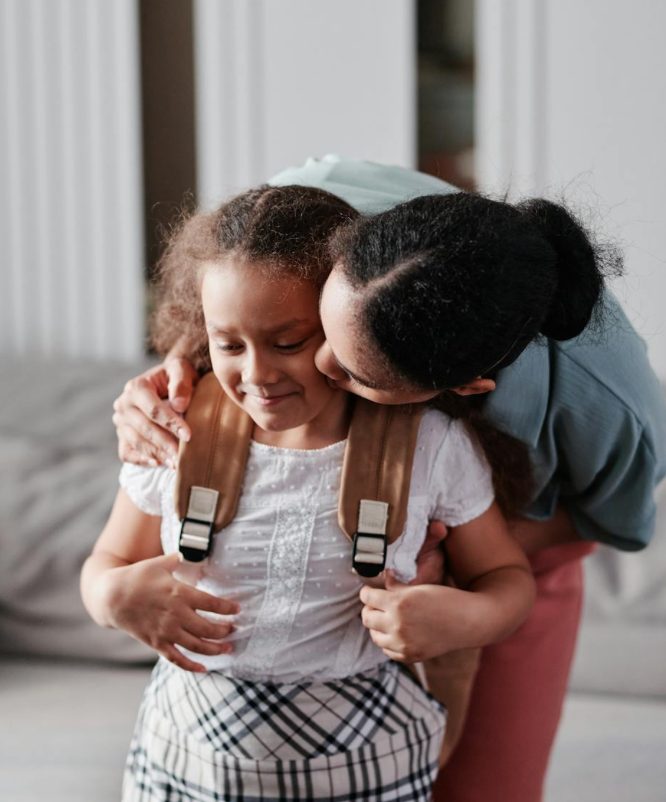
Mother And Daughter
Many parents discover their IEP rights too late – Pexels

Many families walk into an Individualized Education Program meeting believing the school will automatically explain every option available to them. In reality, many parents learn about critical protections only after months of frustration, denied services, or academic setbacks. Understanding IEP rights for parents can change how effectively a child’s educational needs are addressed. Knowing these rights early can mean faster support, stronger communication, and better outcomes for students with disabilities.

1. Parents Have the Right to Request an IEP Meeting Anytime

Many parents assume they must wait for the school’s annual review meeting to raise concerns. In fact, IEP rights for parents include requesting a meeting whenever new challenges, behavior changes, or academic struggles arise. A child diagnosed with anxiety midyear, for example, may need accommodations immediately rather than months later. Parents can submit a written request asking the school team to reconvene. Acting quickly can prevent learning gaps from growing larger.

2. You Can Ask for Independent Educational Evaluations

One of the most overlooked IEP rights for parents involves independent evaluations. If parents disagree with a school’s assessment, they may request an Independent Educational Evaluation, often called an IEE. This evaluation is conducted by a qualified outside professional and may be funded by the school district under certain circumstances. For example, a child labeled as “doing fine” may still struggle with dyslexia or executive functioning issues missed during school testing. An outside evaluation can provide clearer recommendations and stronger evidence for services.

3. Parents Have the Right to Review School Records

Parents are sometimes surprised to learn they can inspect educational records related to their child’s services, evaluations, and progress. Reviewing records can uncover inconsistencies, outdated goals, or missing documentation. Imagine discovering a progress report claiming goals were met while report cards and homework struggles tell a very different story. IEP rights for parents include access to these records within timelines established under federal law. Keeping copies of evaluations, emails, and meeting notes can strengthen advocacy efforts.

4. Schools Cannot Change Services Without Notice

Some families discover too late that service reductions or placement changes require formal communication. Schools generally must provide written notice explaining proposed changes, refused requests, or adjustments to services. This requirement protects families from sudden decisions that affect therapy hours, classroom placement, or accommodations. A parent might notice speech therapy quietly reduced from twice weekly to once weekly without understanding that documentation should exist. Knowing this right helps parents ask direct questions and request clarification before problems escalate.

5. Parents Can Bring Support People to Meetings

IEP meetings can feel intimidating, especially when multiple educators and specialists are seated around one table. Many families do not realize they can bring advocates, therapists, educational consultants, or trusted friends for support. A private speech therapist, for instance, may offer valuable insight into communication needs that school staff have not fully observed. IEP rights for parents allow participation from individuals with knowledge or expertise about the child. Having support present can improve confidence and ensure important concerns are addressed.

6. Dispute Resolution Options Exist Beyond Informal Complaints

When disagreements arise, parents often think their only option is accepting the school’s decision or hiring an attorney immediately. However, several dispute resolution pathways may be available, including mediation, state complaints, and due process procedures. These options exist to help families address disagreements about evaluations, placements, or services. For example, mediation can sometimes resolve disputes faster and with less emotional strain than formal legal action. Understanding these protections gives parents more tools when collaboration breaks down.

7. Progress Monitoring Is a Parent Right, Not a Courtesy

An IEP is not meant to sit untouched until the next annual meeting. Parents have the right to receive information about whether their child is making meaningful progress toward IEP goals. If a student receives reading intervention for six months but reading scores remain stagnant, families should expect data, explanations, and possible adjustments. IEP rights for parents include asking how progress is measured and how often updates will be shared. Waiting too long to review progress can delay needed changes.

What Every Parent Should Carry Into the Next IEP Meeting

Understanding IEP rights for parents is not about creating conflict with schools. It is about ensuring children receive legally supported educational services tailored to their needs. Families who know their rights are often better positioned to ask informed questions, recognize red flags, and advocate effectively. Even experienced parents frequently discover overlooked protections years into the process.

Which of these rights surprised you most, and have you ever learned an important lesson too late during an IEP meeting? Share your experience in the comments and join the conversation.

What to Read Next

Does Your Child’s Name Affect Their Education? Shocking Study Says Yes – Here’s How To Advocate During IEP Meetings

Your Child’s IEP Is About to Get Tougher: New Rules Demand Specific Goals, Frequent Check-Ins and More Proof

Schools Must Warn You Before IEP Meetings: New Law Gives NJ Parents a Powerful 2-Day Window – Will Your State Follow?

Evan Morgan

Evan Morgan has been a full-time freelance writer and editor for 10+ years. When not working, he enjoys catching the latest true crime documentary or getting lost in a good book.


Filed Under: Parenting Tagged With: child education, disability support, educational rights, IEP meeting, IEP rights for parents, parenting tips, parents advocacy, school accommodations, special education, special needs education

7 Things Your Child’s Teacher Is Legally Required to Report to the State (That They Won’t Tell You to Your Face)

January 21, 2026 | Leave a Comment

These Are 7 Things Your Child’s Teacher Is Legally Required to Report to the State (That They Won't Tell You to Your Face)
Image Source: Shutterstock.com

In Fayetteville, GA, parents scan backpacks and homework, not state databases. In Volusia County, Florida, families assume classroom walls still hold secrets. That assumption just collapsed. For the 2025–2026 season, an unprecedented, quiet rollout widened what teachers funnel to the state—through legal loopholes most parents never read.

This hidden reality jumped from local compliance memos to national enforcement, and schools won’t explain it to your face.

The Mandated Pipeline Nobody Advertises

Georgia law never asked for permission. O.C.G.A. § 19-7-5 orders educators to report specific indicators to child welfare, and administrators now push stricter timelines and digital documentation. Georgia HB 268 expanded behavioral monitoring expectations; Georgia HB 340 tightened attention and device rules that trigger records.

Florida mirrors the pressure. Florida Statute 39 commands immediate reporting, and districts like Marion County upgraded tracking tools for 2026 School Policy compliance. Teachers comply or risk licensure. Silence protects them; disclosure exposes parents.

Why 2026 Changed the Game

District counsel tightened definitions and training this year. The shift didn’t add compassion; it added throughput. “Authoritative 2.0” culture reframed vigilance as care, while “Friction-Maxxing” justified more reporting to fight burnout and chaos. Translation: schools escalate faster. Every logged concern creates a durable data trail that outlives the school year. Fayetteville parenting groups already flag surprise calls and follow-ups; Volusia classrooms log more “incidents” with fewer conversations.

The Hidden Impact on Your Family

This system drains money, credit, and future options. Ignore it and you lose privacy, rack up legal consults, and risk downstream labels that shadow your child.

The Seven Reports Teachers Must File—No Warnings Given

  1. Suspected Abuse or Neglect — Any hint triggers O.C.G.A. § 19-7-5 or Florida Statute 39, immediately.
  2. Self-Harm Ideation or Threats — Notes, drawings, or comments prompt crisis flags and referrals.
  3. Threats of Violence — Jokes count; context rarely rescues you.
  4. Chronic Behavioral Escalations — HB 268 monitoring converts patterns into reports.
  5. Substance Exposure — Vapes, edibles, or secondhand claims travel straight to the state.
  6. Attendance Irregularities — Triggers escalate truancy pathways with fines and court dates.
  7. Digital Misconduct — HB 340 device violations now feed centralized logs.

Each entry compounds costs: assessments, attorneys, missed workdays, and a quieter tax—social capital erosion. Schools don’t pay it. Parents do.

These Are 7 Things Your Child’s Teacher Is Legally Required to Report to the State (That They Won't Tell You to Your Face)
Image Source: Shutterstock.com

The Consent Trap vs. The Digital Blacklist

Choose your fight. Do you prioritize safety through maximal reporting, or liberty through parental consent and restraint? Sound off: Which value should win in 2026—financial security for families or social inclusion at any price?

You May Also Like…

6 Excuses Parents Make That Teachers Are Tired of Hearing

7 Old-School Parenting Habits That Still Save Families Money

7 Things Teachers Wish Parents Would Stop Believing

Are Parent-Teacher Text Chains Making School Drama Worse?

8 Budget Cuts in Education That Directly Impact Your Kids

Brandon Marcus
Brandon Marcus
Brandon Marcus is a writer who has been sharing the written word since a very young age. His interests include sports, history, pop culture, and so much more. When he isn’t writing, he spends his time jogging, drinking coffee, or attempting to read a long book he may never complete.

Filed Under: Education Tagged With: Back to School, child education, education, education and learning, education and parenting, education problems, mandated reporter, privacy, school privacy, student, teacher, teachers

6 Reasons Why Sending Your Child to Private School Won’t Change Their Outcome

May 24, 2025 | Leave a Comment

6 Reasons Why Sending Your Child to Private School Wont Change Their Outcome

When parents think about giving their child the “best,” private school often tops the list of options. With their polished brochures, small class sizes, and promises of academic rigor, private schools look like a fast track to future success. But here’s the hard truth—tuition doesn’t guarantee transformation. A private education might look impressive on paper, but it isn’t a magic wand for long-term achievement, happiness, or even college admissions. Here’s why spending thousands on private school may not actually change your child’s outcome in the way you think it will.

1. Parental Involvement Matters More Than Tuition

Study after study shows that a parent’s engagement in their child’s education has a greater impact on academic success than the school itself. Whether your child is enrolled in public or private school, your presence at conferences, help with homework, and attitude toward learning sets the tone. Children with supportive, involved parents often outperform those with expensive resources but limited emotional support. Private school can’t replace consistent parenting. It’s what happens at the dinner table and during bedtime chats that truly shapes a child’s future.

2. Success Comes From Motivation, Not Zip Codes

You can enroll a child in the most elite institution, but if they’re not motivated to learn or emotionally ready to thrive, it won’t matter. Internal drive, curiosity, and resilience play a bigger role in long-term outcomes than school prestige. Private schools might provide more structured environments, but they can’t manufacture grit or spark passion. In fact, pressure-cooker environments can sometimes backfire, causing burnout or anxiety. A child who feels confident and inspired will go further, regardless of where they go to school.

3. The Same Curriculum Exists in Public Schools

Contrary to popular belief, many public schools offer just as rigorous an academic program as private schools—sometimes even more so. Honors, Advanced Placement, and International Baccalaureate programs are widely available and often taught by experienced educators. The belief that private automatically means “better academics” doesn’t hold up across the board. Many public school students thrive academically, gain college acceptances, and develop leadership skills in diverse, real-world settings. The curriculum isn’t what makes the difference—it’s how it’s taught and received.

4. College Admissions Don’t Favor Private Students

While some private schools have well-staffed college counseling offices, universities are increasingly focused on the student, not the school. Admissions officers look for well-rounded individuals, not just a fancy transcript header. In fact, many value students who have excelled with fewer resources, viewing them as more resilient and grounded. Public school students who challenge themselves and take initiative are just as likely to gain admission to top colleges. Spending more on private school doesn’t guarantee a better shot at elite universities.

5. Diversity and Real-World Experience Are Limited

One often overlooked benefit of public schools is the diversity—of thought, background, race, and socioeconomic experience. This helps prepare children for the real world, where they’ll need to collaborate with people from all walks of life. Some private schools are highly homogeneous, offering a more sheltered view of the world. That can create a disconnect when it comes time to navigate diverse college campuses or workplaces. Exposure to different perspectives builds empathy and adaptability in ways textbooks can’t.

6. The Price Tag Doesn’t Reflect Personal Fit

Just because something is expensive doesn’t mean it’s right for your child. Not all kids thrive in academically intense or socially competitive environments. A quieter child may feel overwhelmed, while a more independent learner may feel constrained. In some cases, children perform worse under the pressure to “justify” their tuition. The best school is one where your child feels supported, challenged, and known—not necessarily the one with the highest tuition bill.

Your Involvement is the Best Investment

At the end of the day, the biggest factor in your child’s outcome is not the logo on their uniform but the support system around them. Encouragement, structure, and love will outlast any school enrollment list. If private school works for your family, that’s great—but it isn’t a guarantee of success. When you prioritize connection over comparison, and growth over image, you give your child something far more valuable than a pricey education. The most powerful influence in their life is—and always will be—you.

Have you considered public vs. private school for your child? What factors influenced your decision? Share your story in the comments!

Read More:

10 School Mistakes That Follow Kids for Years

7 Reasons You Shouldn’t Waste Money on Private Schools

Catherine Reed
Catherine Reed

Catherine is a tech-savvy writer who has focused on the personal finance space for more than eight years. She has a Bachelor’s in Information Technology and enjoys showcasing how tech can simplify everyday personal finance tasks like budgeting, spending tracking, and planning for the future. Additionally, she’s explored the ins and outs of the world of side hustles and loves to share what she’s learned along the way. When she’s not working, you can find her relaxing at home in the Pacific Northwest with her two cats or enjoying a cup of coffee at her neighborhood cafe.

Filed Under: Education Tagged With: child education, Family Budgeting, parenting advice, parenting choices, private school, public school vs private school, school decision-making

7 Reasons You’re Directly Responsible For Your Child’s Poor Grades In School

May 19, 2025 | Leave a Comment

7 Reasons Youre Directly Responsible For Your Childs Poor Grades In School

It’s easy to point fingers when a child’s report card shows more Cs than As. Parents might blame the teacher, the curriculum, or even the kid’s attitude. But what if the real issue hits closer to home? The uncomfortable truth is that school performance is heavily influenced by what happens beyond the classroom walls. Before you start punishing screen time or scolding for missing assignments, it may be time to hold up a mirror.

School success doesn’t just happen in the classroom. It starts with habits, expectations, and environments shaped at home. When a child consistently underperforms, it’s rarely due to laziness or lack of ability. More often, it reflects the routines, priorities, and examples set by the people raising them. If your child is struggling with school performance, these are seven parenting habits that might be standing in the way.

1. You Don’t Prioritize a Routine at Home

Kids thrive on consistency, and without a structured routine, everything from bedtime to homework gets lost in the chaos. If your child doesn’t know when (or if) they’re supposed to study, it’s no surprise their school performance is slipping. Unpredictable evenings filled with screens, snacks, and distractions leave little room for learning. A predictable routine sets the tone for focus, responsibility, and calm. Structure is a form of support—not control.

2. You Rely on Teachers to Handle Everything

Teachers are educators, not miracle workers. If your child is struggling and you’re waiting for the school to fix it alone, you’re already part of the problem. Strong school performance requires reinforcement at home—things like checking assignments, practicing reading, and discussing what they’ve learned. When parents stay hands-off, kids get the message that school isn’t a priority. Showing up consistently matters.

3. You’re Modeling the Wrong Attitude About Education

Kids pick up on how adults view learning. If you make sarcastic comments about homework, bash teachers, or downplay the value of school, your child will do the same. Even subtle cues—like eye rolls when they mention a test—can chip away at motivation. Respect for education starts at home. When parents embrace learning, it reinforces the importance of school performance.

4. You Don’t Set Expectations (Or You Set Unrealistic Ones)

Kids need to know what’s expected of them—not just that they should “do well,” but what “doing well” actually looks like. If you never talk about schoolwork or hold them accountable, they’ll assume grades don’t matter. On the flip side, if your expectations are sky-high with zero support, your child may give up before they even try. Clear, reasonable expectations encourage consistency in school performance.

5. You’re Not Monitoring Screen Time

Technology can be a valuable tool for learning—but without limits, it becomes a black hole for time and attention. If your child is spending hours on video games, YouTube, or social media, it’s likely replacing time that should be spent reviewing or reading. Many parents overlook how deeply distracting screens are, especially when they’re used as a default babysitter. Screen time habits are one of the biggest under-the-radar factors affecting school performance.

6. You Avoid Tough Conversations About Struggles

When a child brings home bad grades, it’s tempting to scold or ignore it and hope it improves next time. But real progress starts with honest conversations. Ask why they’re struggling, how they feel in class, or what they need more support with. Shutting down discussions—or making them feel like failures—only drives the issue underground. A child’s school performance often improves once they feel emotionally supported.

7. You Don’t Create a Space for Learning

Kids need a physical and emotional space where they can focus. If they’re doing homework on the couch with the TV on, or in a noisy kitchen during dinner prep, their brains are not set up for success. A designated homework area, even a small one, tells your child that learning matters. That space should feel calm, organized, and free from unnecessary distractions. Your home setup directly affects your child’s school performance.

Grades Are a Reflection of the Ecosystem—Not Just the Student

If your child is struggling in school, it doesn’t mean you’ve failed—but it does mean something in their environment needs to shift. School performance reflects more than intelligence—it mirrors what’s modeled, supported, and prioritized at home. Being part of the solution starts with asking how your habits, routines, and attitudes are influencing your child’s education. Change doesn’t happen overnight, but with intention and consistency, it can start at home.

Have you ever realized your own habits were affecting your child’s school success? What did you change that made a difference? Share your story in the comments!

Read More:

12 Reasons Why Your Kids are Behind Academically

10 School Mistakes That Follow Kids for Years

Catherine Reed
Catherine Reed

Catherine is a tech-savvy writer who has focused on the personal finance space for more than eight years. She has a Bachelor’s in Information Technology and enjoys showcasing how tech can simplify everyday personal finance tasks like budgeting, spending tracking, and planning for the future. Additionally, she’s explored the ins and outs of the world of side hustles and loves to share what she’s learned along the way. When she’s not working, you can find her relaxing at home in the Pacific Northwest with her two cats or enjoying a cup of coffee at her neighborhood cafe.

Filed Under: Education Tagged With: academic success, child education, homework help, parenting habits, parenting strategies, school performance, student support

7 Reasons You Shouldn’t Waste Money on Private Schools

April 22, 2025 | Leave a Comment

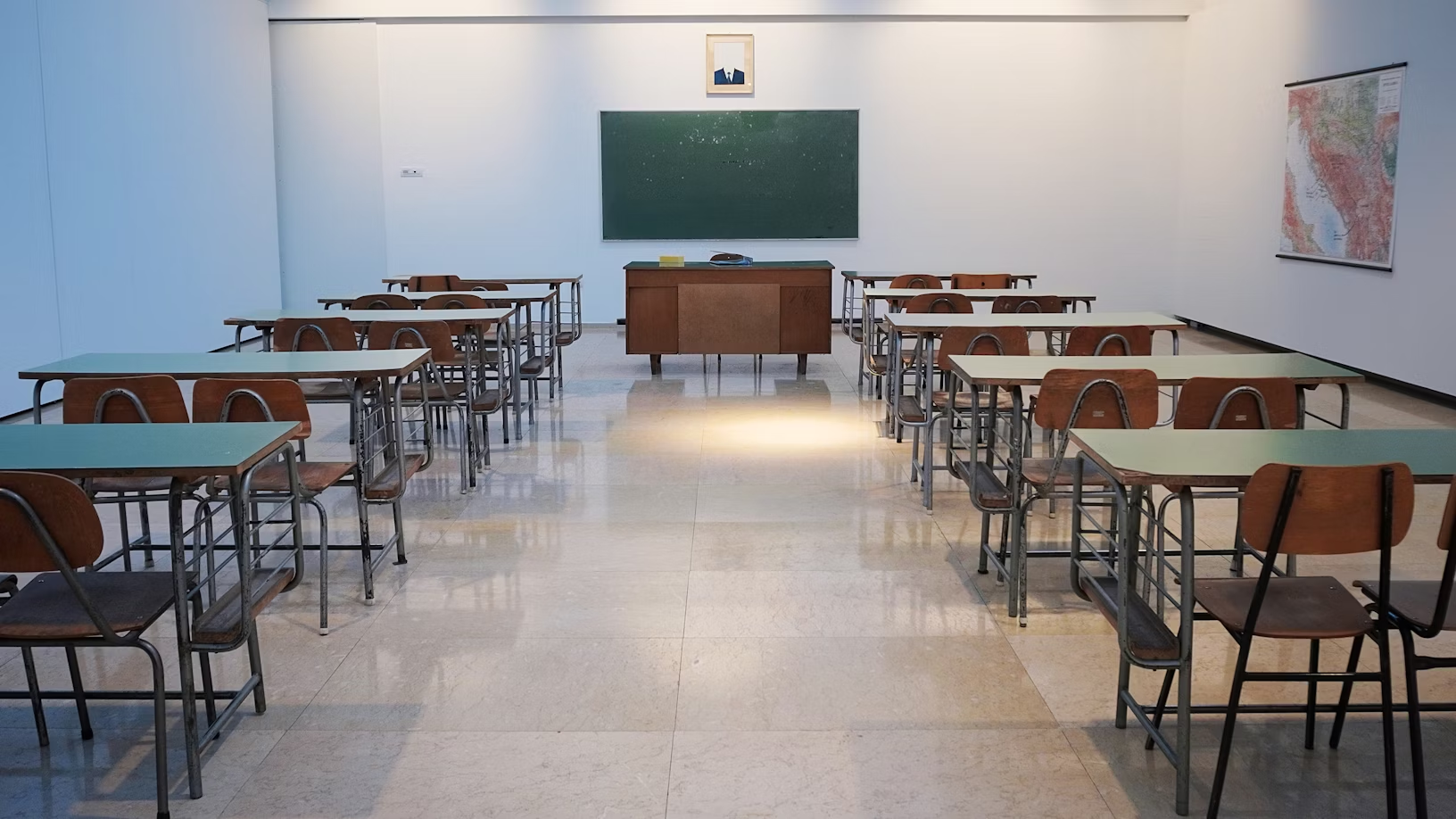
Empty classroom with rows of desks facing a chalkboard.
Image Source: Unsplash

Many parents assume a hefty tuition bill guarantees a superior education. Yet rising tuition and widening equity gaps raise a crucial question: is private school really the smart investment? Below are seven evidence‑based reasons you might want to keep that money in your pocket.

1. The Cost Is Sky‑High—And Often Unjustified

The Cost Is Sky‑High—And Often Unjustified

Annual tuition at a private K‑12 school can top $20,000—and that figure rarely accounts for required uniforms, technology fees, mandatory fundraising, or the travel costs tied to sports and debate tournaments.

When analysts control for factors such as parental income, educational attainment, and neighborhood resources, the difference in long‑term earnings between private‑ and public‑school graduates largely disappears. In other words, the premium you pay up front doesn’t necessarily translate into higher wages down the line.

Consider what else $20,000 per year could do: build a robust college fund, finance tutoring in a child’s weakest subject, or underwrite family experiences that nurture curiosity outside the classroom.

2. Limited Diversity Restricts Growth

Many private schools draw from a narrower socioeconomic bracket, meaning students often see fewer cultural perspectives in day‑to‑day interactions. A more homogeneous environment can unintentionally limit empathy, stifle problem‑solving skills, and reduce the ability to collaborate across cultural lines—abilities that modern employers prize.

By contrast, most public schools reflect their surrounding communities, exposing students to a richer tapestry of languages, traditions, and viewpoints. That daily immersion in difference fosters open‑mindedness, resilience, and the social agility necessary in a global economy.

Data summarized by Education Week shows public‑school students interact with a more diverse peer group, boosting social skills employers increasingly value.

3. Social Circles Can Be Restrictive

Tuition‑driven communities sometimes foster cliques around status or wealth, leaving kids less prepared to relate beyond their immediate bubble. In contrast, public‑school students navigate a wider range of personalities—experience that translates into stronger adaptability in college and the workplace.

4. Public Schools Suffer When Families Opt Out

When involved families leave, districts lose both funding and engaged volunteers. Over time, that siphons resources from neighborhood schools and widens opportunity gaps. Choosing public education is a vote of support for your entire community.

5. Inequality Gets Even Worse

Smaller classes and cutting‑edge labs at private schools aren’t universally accessible. When some families can “buy” advantages, the achievement gap widens. Sociologists warn that such disparities erode social cohesion and perpetuate cycles of privilege.

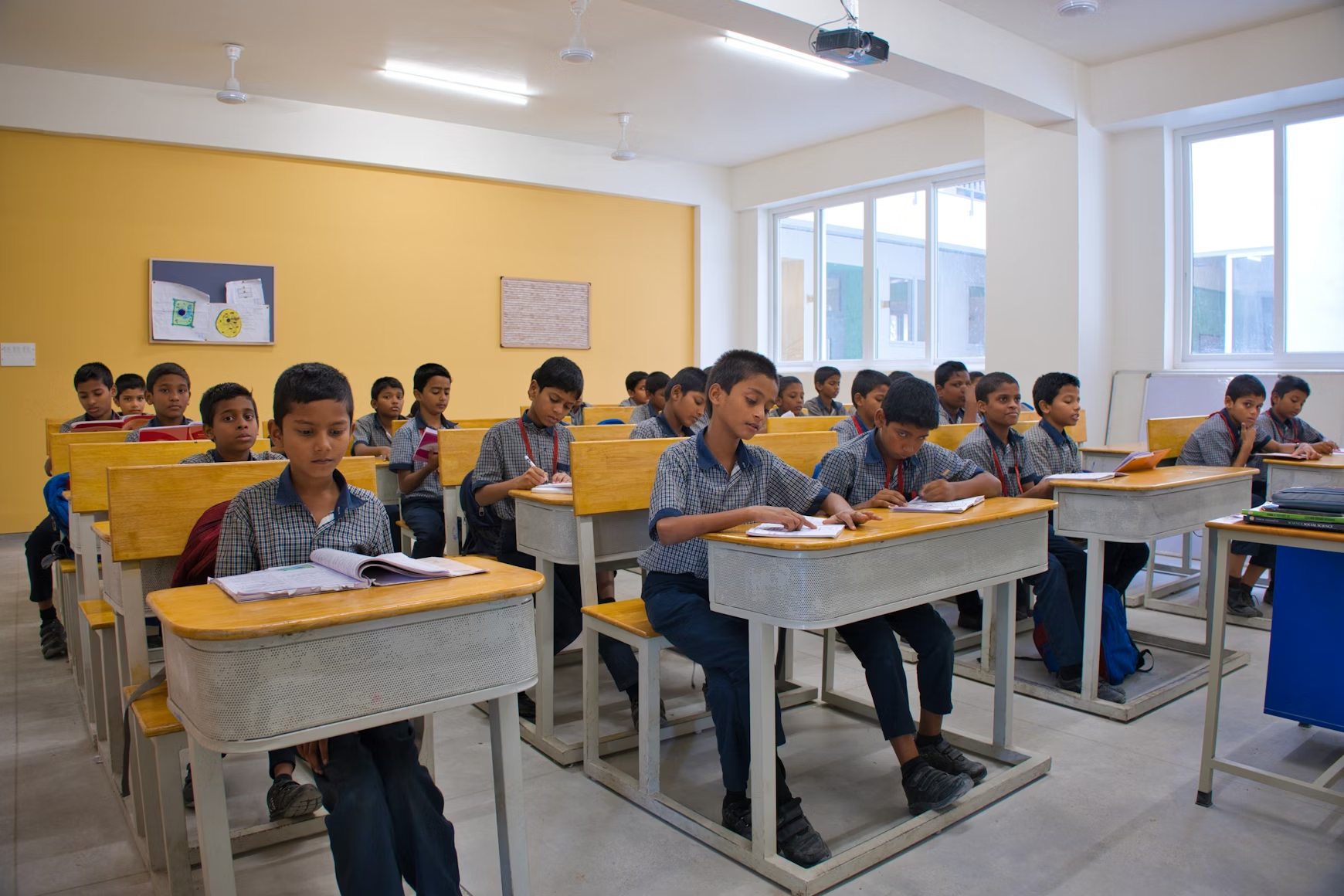
Students in uniform seated at desks, focused on writing in a classroom.
Image Source: Unsplash

6. Enrollment Isn’t Guaranteed—Stress Isn’t Cheap

Private schools cap class sizes and maintain waitlists, turning admission into a competitive, stressful process. Even after acceptance, families face ongoing performance pressure to justify the investment—pressure that can drain emotional and financial reserves alike.

7. Public Schools Offer Surprising Advantages

Gifted programs, Advanced Placement courses, and free extracurriculars abound in many districts. Studies tracking college outcomes find that motivated public‑school students often earn scholarships and thrive at top universities—proof that success hinges more on support at home than on a pricey campus.

What Your Child Really Needs Is You

No single school model fits every family. But stretching finances for prestige can introduce its own set of stresses—without guaranteeing better results. Classroom resources matter, yet the biggest driver of student success is still engaged, encouraging caregivers. Before committing to a sky‑high private school cost, consider whether your child might gain just as much—in academics and in perspective—within your local public system.

Choosing between public and private? Share your thoughts below; other parents will appreciate your insight.

Read More

  • Year-round Money Saving and Fun Activites for Parents and Kids
  • Saving Money on Big Family Events
Samantha Warren
Samantha

Samantha Warren is a holistic marketing strategist with 8+ years of experience partnering with startups, Fortune 500 companies, and everything in between. With an entrepreneurial mindset, she excels at shaping brand narratives through data-driven, creative content. When she’s not working, Samantha loves to travel and draws inspiration from her trips to Thailand, Spain, Costa Rica, and beyond.

Filed Under: Parenting Tagged With: child education, education, family budgeting | Parenting, parenting advice, private school cost, public vs. private school, school choice

  • Facebook
  • Pinterest
  • RSS
  • Twitter

Basic Principles Of Good Parenting

Here some basic principles for good parenting:

  1. What You Do Matters: Your kids are watching you. So, be purposeful about what you want to accomplish.
  2. You Can’t be Too Loving: Don’t replace love with material possessions, lowered expectations or leniency.
  3. Be Involved Your Kids Life: Arrange your priorities to focus on what your kid’s needs. Be there mentally and physically.
  4. Adapt Your Parenting: Children grow quickly, so keep pace with your child’s development.
  5. Establish and Set Rules: The rules you set for children will establish the rules they set for themselves later.  Avoid harsh discipline and be consistent.
  6. Explain Your Decisions: What is obvious to you may not be evident to your child. They don’t have the experience you do.
  7. Be Respectful To Your Child: How you treat your child is how they will treat others.  Be polite, respectful and make an effort to pay attention.
Best Parenting Blogs

Most Popular

Baby

9 Unusual Baby Names That Sound Like They Belong to Future CEOs

Evan Morgan
Baby

10 Baby Names That Were Once Considered “Grandparent Names” but Feel Cool Again

Evan Morgan
Target Store

Choking Incident Prompts Recall of 49,000 Target Gigglescape “Under the Sea” Popping Toys

Evan Morgan
Frustrated Girl

Why Some Students on the Spectrum Are Labeled With ODD

Evan Morgan
Coke Bottles

12 Things Kids Took to School in the ’70s That Would Never Be Allowed Today

Evan Morgan

All content on Kids Ain’t Cheap is for entertainment purposes only. By reading this blog, you agree that Kids Ain’t Cheap is not responsible for any actions taken after reading this blog. For the full disclaimer, see our privacy policy.

Please note that Kids Ain’t Cheap has financial relationships with some of the merchants mentioned here. Kids Ain’t Cheap is funded by banner advertising, commission sales and search optimization consulting.

Copyright © 2006–2026 | District Media | All Rights Reserved | Privacy Policy

Copyright © 2026 Runway Pro Theme by Viva la Violette