• Home
  • About Us
  • Toolkit
  • Archives
  • Advertise
  • Privacy Policy

Kids Ain't Cheap

But They Sure Are Worth It

  • Parenting
    • Baby Stuff
    • Books and Reading
      • Aesops Fables
      • Comic Books
    • Education
    • Family Time
    • Green Living
    • Growing Up
    • Healthy Living & Eating
    • Holidays
    • Parenting
    • Random Musings
    • Shopping
    • Stuff to Do
  • Money
  • Product Reviews
    • Books and Magazines
    • Discount Sites
    • Furniture
    • House Keeping
    • Reviews News
    • Toys and Games
  • Contact Us
  • Our Editorial Commitment
  • Search

After-School Routines That Help Your Kids Wind Down And Save You Stress

December 26, 2025 | Leave a Comment

After-School Routines That Help Your Kids Wind Down And Save You Stress
Image source: shutterstock.com

That after-school window can feel like the loudest part of the day. Kids walk in hungry, wired, and carrying big emotions, while parents are trying to shift from work mode to home mode without losing it. If your afternoons slide into snack battles, homework standoffs, and sibling chaos, it’s not because your family is failing. It usually means your day needs a smoother “landing strip” between school and evening. The right after-school routines can calm the mood, cut down on meltdowns, and make the whole house feel less tense.

1. Start With A “Decompression Minute” At The Door

Kids don’t switch gears instantly, so give them a small buffer before asking questions or issuing instructions. Try a simple sequence: shoes off, backpack down, and one minute of quiet before anything else happens. This creates a predictable transition that signals safety and calm. If your child tends to explode right after walking in, this pause can prevent that first spark. When after-school routines begin with a reset, everything that follows usually goes smoother.

2. Create A Snack System That Prevents Hangry Chaos

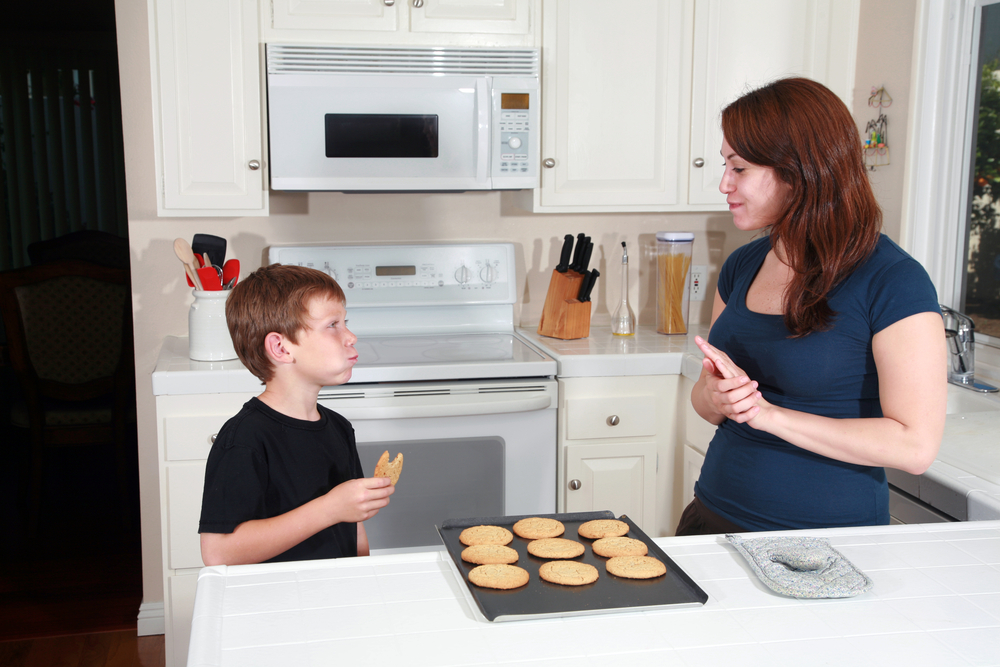
Most afternoon drama gets worse when kids are hungry, so plan for that reality. Instead of negotiating snacks daily, build a tiny “snack menu” with two or three approved choices. Portion items in advance or keep a bin in the fridge so kids can grab something without a full kitchen takeover. This saves your patience and reduces waste because you’re not opening five options at once. Families often find that simple after-school routines around food prevent the biggest arguments.

3. Use A Movement Break To Shake Off School Energy

Many kids sit still all day, so their bodies need a chance to move before they can focus or calm down. A 10-minute movement break can be a walk, trampoline time, dance music, or a quick game in the yard. The goal isn’t a workout, it’s a pressure release. When kids get this outlet, they’re less likely to bounce off the walls during homework or dinner prep. Movement also helps kids who struggle with transitions feel more settled.

4. Set A “No Heavy Questions Yet” Rule For Parents

It’s tempting to ask, “How was school?” the second kids enter, but that often lands badly. Save big questions for later, like during dinner or bedtime, when kids are more regulated. In the moment, offer a simple connection line like, “I’m happy you’re home,” or “I missed you.” This removes pressure and keeps kids from shutting down. One reason after-school routines help is that they protect kids from feeling interrogated when they’re still decompressing.

5. Build A Homework Plan That Doesn’t Hijack The Entire Night

Homework goes better when kids know exactly when it starts and when it ends. Pick a consistent time based on your child’s needs, like right after snack or after a movement break. Use a timer or a checklist so kids can see progress and feel less overwhelmed. If your child struggles, break tasks into smaller chunks with quick breaks instead of pushing until everyone melts down. Predictability here matters because it reduces daily bargaining and power struggles.

6. Give Kids One Small “Control Choice” Every Afternoon

Kids spend most of the school day following directions, so they crave control when they get home. Offer one small choice that doesn’t derail the schedule, like choosing the snack option, picking the music, or deciding which subject to start with. This tiny bit of autonomy can lower resistance across the whole afternoon. It also helps siblings because kids are less likely to fight for power when they feel heard. If after-school routines feel too rigid, one control choice can make the structure easier to accept.

7. Make Screens A Planned Tool Instead Of A Default

Screens can be helpful, but unplanned screen time often turns into arguments and rough transitions later. Decide in advance what the screen rule is on school days, and attach it to something predictable like “after homework” or “while dinner is cooking.” Keep the boundary clear and calm, and avoid changing it based on how tired you feel that day. If screens happen, use a warning system for ending them so kids aren’t blindsided. This approach keeps screens from becoming the center of the afternoon.

8. Set Up An “Evening Prep” Habit That Saves Future You

A small amount of prep in the afternoon can make the entire evening smoother. Kids can hang coats, place papers in one spot, refill water bottles, and set out supplies for tomorrow. Keep it simple and quick, like a five-minute family reset before dinner. This reduces the morning scramble, which lowers stress for everyone. Many after-school routines work best when they protect tomorrow as much as they manage today.

9. After-School Routines That Add A Calm Connection Ritual Before Dinner

Late afternoon is a great time for a quick connection moment that grounds everyone. It can be reading together for 10 minutes, a simple card game, or a shared “high and low” check-in. Keep it short so it fits real life, even on busy days. When kids feel seen, they often behave better because they’re not trying to get attention through disruption. The goal is connection without adding another exhausting “thing” to your list.

The Peaceful Afternoon Formula That Actually Sticks

The best routines aren’t the strictest ones; they’re the ones your family can repeat without constant effort. Choose two or three anchors, like the decompression minute, a predictable snack, and a movement break, and make those your baseline. Add the other pieces as needed depending on your schedule and your child’s temperament. When afternoons feel rough, adjust the system instead of blaming yourself or your kids. When after-school routines stay consistent, home can feel calmer and everyone ends the day with more patience in the tank.

What’s the hardest part of your after-school window right now—snacks, homework, sibling noise, or transitions?

What to Read Next…

Ways to Make After-School Snacks That Are Cheap, Nutritious and Kid-Approved

7 Reasons Kids Are Getting Hurt in After-School Programs

8 After-School Activities That Drain Family Budgets the Fastest

10 Warning Signs Of Childhood Burnout (Yes, It’s a Thing Now)

The Winter Sports Swap-Up Plan That Saves on Gear Without Losing the Fun

Catherine Reed
Catherine Reed

Catherine is a tech-savvy writer who has focused on the personal finance space for more than eight years. She has a Bachelor’s in Information Technology and enjoys showcasing how tech can simplify everyday personal finance tasks like budgeting, spending tracking, and planning for the future. Additionally, she’s explored the ins and outs of the world of side hustles and loves to share what she’s learned along the way. When she’s not working, you can find her relaxing at home in the Pacific Northwest with her two cats or enjoying a cup of coffee at her neighborhood cafe.

Filed Under: Parenting Tagged With: after school, calm home, family organization, homework help, kids stress, parenting routines, parenting tips, time management

10 Homework Hacks Every Parent Should Know to Avoid Meltdowns

June 13, 2025 | Leave a Comment

10 Homework Hacks Every Parent Should Know to Avoid Meltdowns
Image Source: 123rf.com

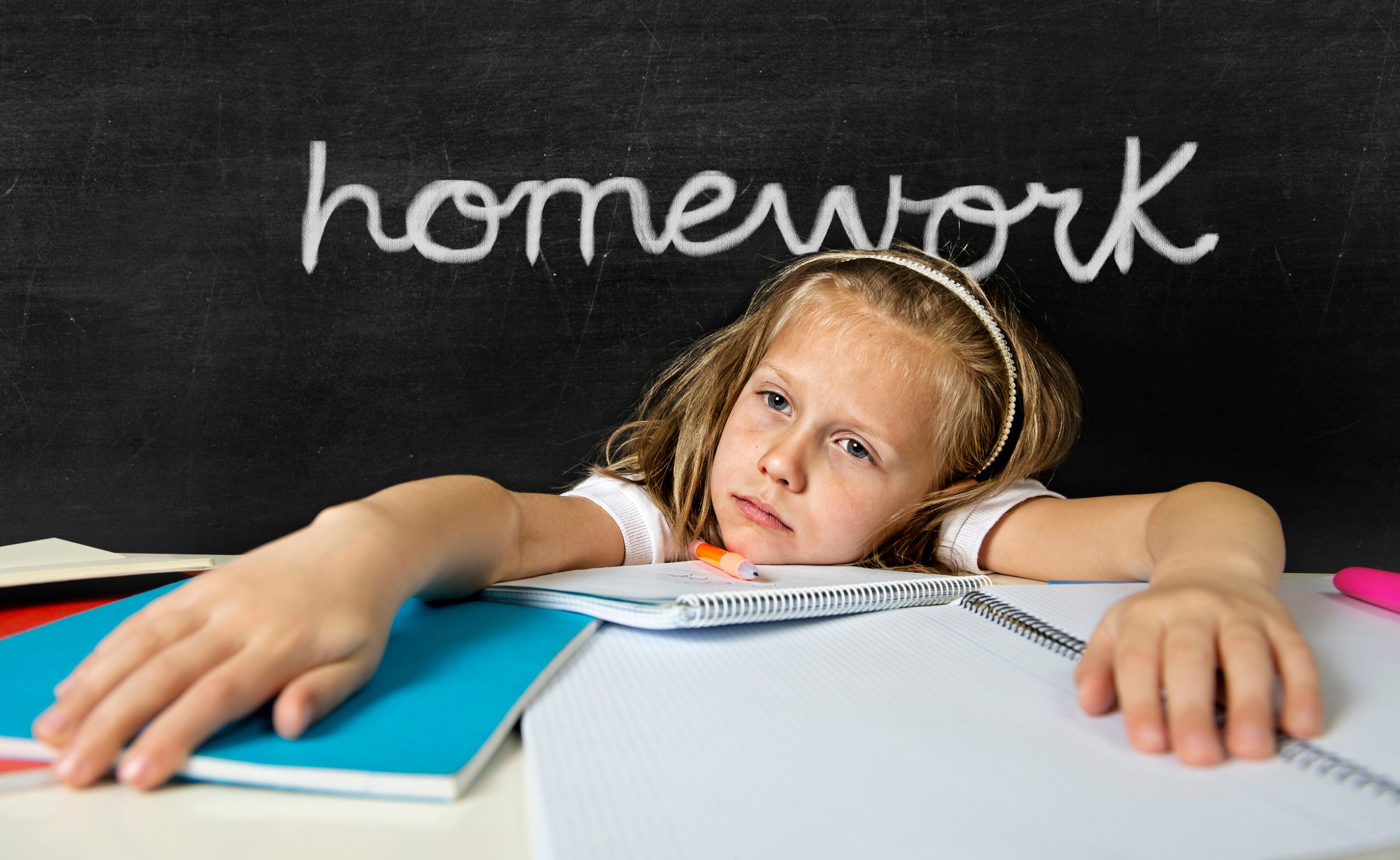
Homework time doesn’t have to be a nightly battle of tears, frustration, and endless reminders. With the right approach, you can create a smoother, calmer routine that actually helps your child stay focused and feel successful. These simple homework hacks are designed to reduce stress for both kids and parents, making the whole experience more productive and less dramatic. Whether your child is in first grade or middle school, small changes can make a big difference in getting the work done with fewer meltdowns. Try these ten parent-tested strategies to bring peace and progress to your evening routine.

1. Create a Dedicated Homework Spot

A consistent, quiet space helps signal to your child that it’s time to focus. This doesn’t mean you need a fancy desk—a corner of the kitchen table or a nook in their room works fine. The key is to limit distractions like TVs, toys, and clutter. Stock the area with all the essentials: pencils, erasers, paper, and a timer. When your child knows exactly where to go and what to expect, they’ll resist less and focus more.

2. Stick to a Regular Routine

One of the best homework hacks is setting a predictable homework schedule. Choose a time that works best for your family, whether it’s right after school, after a snack, or before dinner. When homework becomes part of the daily routine, it feels less like a surprise and more like a normal task. Keep the routine consistent—even on weekends if needed—to create long-term habits. Kids thrive with structure, and it helps prevent last-minute panic.

3. Use a Visual Timer or Checklist

Visual tools can be a game-changer, especially for younger kids or those who struggle with time management. A simple checklist breaks tasks into manageable steps, and a timer lets them know how long they need to focus. Try using the “Pomodoro technique” where kids work for 25 minutes and take a 5-minute break. This helps avoid overwhelm and keeps energy up. Checking items off a list also builds a sense of accomplishment.

4. Break Big Tasks Into Smaller Chunks

When a child sees a huge worksheet or project, it can instantly feel overwhelming. One of the most effective homework hacks is breaking big assignments into smaller, more doable pieces. Tackle one section at a time with short breaks in between. This keeps motivation high and stress levels low. Teaching your child how to chunk tasks now will help them manage responsibilities well into adulthood.

5. Make Use of “Brain Breaks”

Kids need to move their bodies to refocus their minds. Short, active breaks during homework time can improve attention and reduce frustration. Let them do jumping jacks, dance to a song, or stretch before diving back in. A five-minute break every 20–30 minutes can help reset their brain. It keeps homework from becoming a long, draining chore.

6. Stay Nearby—But Not Hovering

Being close can be reassuring for your child, especially if they tend to get distracted or frustrated. Sit nearby with your own task, like folding laundry or reading, so you’re available without hovering. Let them try to solve problems on their own first, then step in when needed. This helps them build independence while still feeling supported. It also minimizes the “I don’t get it!” panic moments.

7. Keep Snacks and Water Handy

Sometimes what looks like a homework meltdown is really just a hungry brain. Offering a healthy snack and water before or during homework time can keep energy levels steady. Choose foods that fuel focus like fruit, yogurt, cheese sticks, or nuts. Avoid sugary treats that cause crashes. A well-fed child is a more cooperative, clear-headed one.

8. Turn It Into a Positive Challenge

Reframe homework as a challenge to conquer rather than a punishment to endure. Use phrases like “Let’s beat the clock!” or “I bet you can get this done in 20 minutes.” Celebrate wins with praise or small rewards, like choosing a favorite game to play after. Encouraging a positive mindset can turn resistance into motivation. Kids love to rise to a challenge when it feels fun and manageable.

9. Avoid the Homework Power Struggle

If your child digs in their heels, it’s easy to end up in a control battle. Instead of forcing it, take a breath and try to understand what’s causing the resistance. Are they tired, confused, or just in need of a break? Empathize with how they feel and offer a choice: “Would you rather do your reading or math first?” Giving kids some control can help them regain focus without a fight.

10. End on a High Note

Try to wrap up homework time with something positive. Offer praise for effort, not just results: “I saw how hard you worked on that!” This boosts their confidence and makes them more likely to cooperate next time. If things didn’t go well, talk about what could improve tomorrow. Ending on a kind, encouraging note helps make homework feel like a win rather than a war.

A Calmer Approach Starts with Connection

The most helpful homework hacks often come down to your connection with your child. When they feel supported, seen, and understood, they’re far more likely to stay calm and engaged. You don’t need to be a perfect tutor—just a steady, positive presence. With a few smart routines and a dose of patience, homework time can be a whole lot less stressful. And maybe even a little enjoyable.

What homework hacks have worked in your home? Share your favorite tips in the comments and help other parents survive the homework grind!

Read More:

10 School Mistakes That Follow Kids for Years

Can School Be Bad For Your Child?

Catherine Reed
Catherine Reed

Catherine is a tech-savvy writer who has focused on the personal finance space for more than eight years. She has a Bachelor’s in Information Technology and enjoys showcasing how tech can simplify everyday personal finance tasks like budgeting, spending tracking, and planning for the future. Additionally, she’s explored the ins and outs of the world of side hustles and loves to share what she’s learned along the way. When she’s not working, you can find her relaxing at home in the Pacific Northwest with her two cats or enjoying a cup of coffee at her neighborhood cafe.

Filed Under: Education Tagged With: academic success, family stress, homework hacks, homework help, kids and school, Parenting, parenting tips, school routines, study skills

7 Reasons You’re Directly Responsible For Your Child’s Poor Grades In School

May 19, 2025 | Leave a Comment

7 Reasons Youre Directly Responsible For Your Childs Poor Grades In School

It’s easy to point fingers when a child’s report card shows more Cs than As. Parents might blame the teacher, the curriculum, or even the kid’s attitude. But what if the real issue hits closer to home? The uncomfortable truth is that school performance is heavily influenced by what happens beyond the classroom walls. Before you start punishing screen time or scolding for missing assignments, it may be time to hold up a mirror.

School success doesn’t just happen in the classroom. It starts with habits, expectations, and environments shaped at home. When a child consistently underperforms, it’s rarely due to laziness or lack of ability. More often, it reflects the routines, priorities, and examples set by the people raising them. If your child is struggling with school performance, these are seven parenting habits that might be standing in the way.

1. You Don’t Prioritize a Routine at Home

Kids thrive on consistency, and without a structured routine, everything from bedtime to homework gets lost in the chaos. If your child doesn’t know when (or if) they’re supposed to study, it’s no surprise their school performance is slipping. Unpredictable evenings filled with screens, snacks, and distractions leave little room for learning. A predictable routine sets the tone for focus, responsibility, and calm. Structure is a form of support—not control.

2. You Rely on Teachers to Handle Everything

Teachers are educators, not miracle workers. If your child is struggling and you’re waiting for the school to fix it alone, you’re already part of the problem. Strong school performance requires reinforcement at home—things like checking assignments, practicing reading, and discussing what they’ve learned. When parents stay hands-off, kids get the message that school isn’t a priority. Showing up consistently matters.

3. You’re Modeling the Wrong Attitude About Education

Kids pick up on how adults view learning. If you make sarcastic comments about homework, bash teachers, or downplay the value of school, your child will do the same. Even subtle cues—like eye rolls when they mention a test—can chip away at motivation. Respect for education starts at home. When parents embrace learning, it reinforces the importance of school performance.

4. You Don’t Set Expectations (Or You Set Unrealistic Ones)

Kids need to know what’s expected of them—not just that they should “do well,” but what “doing well” actually looks like. If you never talk about schoolwork or hold them accountable, they’ll assume grades don’t matter. On the flip side, if your expectations are sky-high with zero support, your child may give up before they even try. Clear, reasonable expectations encourage consistency in school performance.

5. You’re Not Monitoring Screen Time

Technology can be a valuable tool for learning—but without limits, it becomes a black hole for time and attention. If your child is spending hours on video games, YouTube, or social media, it’s likely replacing time that should be spent reviewing or reading. Many parents overlook how deeply distracting screens are, especially when they’re used as a default babysitter. Screen time habits are one of the biggest under-the-radar factors affecting school performance.

6. You Avoid Tough Conversations About Struggles

When a child brings home bad grades, it’s tempting to scold or ignore it and hope it improves next time. But real progress starts with honest conversations. Ask why they’re struggling, how they feel in class, or what they need more support with. Shutting down discussions—or making them feel like failures—only drives the issue underground. A child’s school performance often improves once they feel emotionally supported.

7. You Don’t Create a Space for Learning

Kids need a physical and emotional space where they can focus. If they’re doing homework on the couch with the TV on, or in a noisy kitchen during dinner prep, their brains are not set up for success. A designated homework area, even a small one, tells your child that learning matters. That space should feel calm, organized, and free from unnecessary distractions. Your home setup directly affects your child’s school performance.

Grades Are a Reflection of the Ecosystem—Not Just the Student

If your child is struggling in school, it doesn’t mean you’ve failed—but it does mean something in their environment needs to shift. School performance reflects more than intelligence—it mirrors what’s modeled, supported, and prioritized at home. Being part of the solution starts with asking how your habits, routines, and attitudes are influencing your child’s education. Change doesn’t happen overnight, but with intention and consistency, it can start at home.

Have you ever realized your own habits were affecting your child’s school success? What did you change that made a difference? Share your story in the comments!

Read More:

12 Reasons Why Your Kids are Behind Academically

10 School Mistakes That Follow Kids for Years

Catherine Reed
Catherine Reed

Catherine is a tech-savvy writer who has focused on the personal finance space for more than eight years. She has a Bachelor’s in Information Technology and enjoys showcasing how tech can simplify everyday personal finance tasks like budgeting, spending tracking, and planning for the future. Additionally, she’s explored the ins and outs of the world of side hustles and loves to share what she’s learned along the way. When she’s not working, you can find her relaxing at home in the Pacific Northwest with her two cats or enjoying a cup of coffee at her neighborhood cafe.

Filed Under: Education Tagged With: academic success, child education, homework help, parenting habits, parenting strategies, school performance, student support

  • Facebook
  • Pinterest
  • RSS
  • Twitter

Basic Principles Of Good Parenting

Here some basic principles for good parenting:

  1. What You Do Matters: Your kids are watching you. So, be purposeful about what you want to accomplish.
  2. You Can’t be Too Loving: Don’t replace love with material possessions, lowered expectations or leniency.
  3. Be Involved Your Kids Life: Arrange your priorities to focus on what your kid’s needs. Be there mentally and physically.
  4. Adapt Your Parenting: Children grow quickly, so keep pace with your child’s development.
  5. Establish and Set Rules: The rules you set for children will establish the rules they set for themselves later.  Avoid harsh discipline and be consistent.
  6. Explain Your Decisions: What is obvious to you may not be evident to your child. They don’t have the experience you do.
  7. Be Respectful To Your Child: How you treat your child is how they will treat others.  Be polite, respectful and make an effort to pay attention.
Best Parenting Blogs

Most Popular

Baby names

Teachers Admit: These 6 Baby Names Create Instant Bias in the Classroom

Latrice Perez
11 Ways Kids Are Outsmarting Parental Controls 1. Using Alternate Devices One common trick is simply turning to another device. If a child’s main phone or tablet is restricted, they may borrow a sibling’s, friend’s, or even a school laptop. This instantly gives them access to content outside of parental oversight. Parents often focus on one device, forgetting that others in the household can serve as loopholes. Knowing this tactic helps families tighten controls across all electronics. 2. Clearing Browsing Histories Many kids quickly learn that clearing browsing history hides evidence of restricted activity. With just a few clicks, they can erase any trace of websites visited. This makes it harder for parents to notice when rules are being broken. Parents may assume no history means no browsing, but the reality is often the opposite. Kids are outsmarting parental controls by making it seem like nothing happened at all. 3. Using Private Browsing Modes Most browsers offer “incognito” or private browsing features. Kids use this mode to access websites without leaving a record in the history. To parents checking later, everything looks clean and safe. This simple trick is often one of the first ways kids discover how to bypass restrictions. Conversations about private browsing can help close this gap. 4. Guessing or Resetting Passwords Children who are persistent may try to guess passwords to parental control apps or accounts. Others may find ways to reset them through email prompts or security questions. Once inside, they can disable restrictions entirely. Parents may not even realize controls have been altered until much later. Stronger, less predictable passwords can make this more difficult. 5. Using VPNs to Hide Activity Virtual private networks, or VPNs, let kids disguise their online locations. With one downloaded app, they can bypass geographic or parental restrictions. Some children learn about VPNs through friends or even social media. This makes it easy for them to reach content that should be blocked. Parents often underestimate just how simple it is for kids to use these tools. 6. Creating Fake Accounts When parents monitor social media, kids may create hidden accounts. These “finstas” or fake profiles allow them to interact freely without parental oversight. While their main account appears harmless, the secondary one tells a different story. Kids are outsmarting parental controls by playing both sides at once. Checking for duplicate accounts can help parents stay more aware. 7. Exploiting Time Zone Settings Some kids change the time zone on their devices to bypass screen time limits. This trick allows them to gain extra hours of usage undetected. Parents may assume controls are working, but in reality, the child is bending the clock. It’s a clever loophole that highlights just how resourceful kids can be. Monitoring device settings regularly can catch this tactic. 8. Disabling or Uninstalling Apps Parental control apps can be deleted or disabled with surprising ease. Some kids even reinstall them before a parent checks, making it seem like nothing changed. Others may simply restrict permissions to prevent apps from functioning properly. When apps aren’t monitored closely, parents may not notice they’ve been tampered with. This shows the importance of consistent follow-up. 9. Turning to Friends for Access If a child can’t get past restrictions on their own, they may rely on friends. Visiting a friend’s house or borrowing their phone can give them a free pass. Parents often forget that peer environments can override restrictions set at home. This kind of social workaround is especially common with gaming or social media. Open conversations about trust and responsibility are essential. 10. Hiding Apps in Plain Sight Kids sometimes download apps that look innocent but serve as gateways to hidden activity. These apps may disguise themselves as calculators or utilities. In reality, they allow file storage, private messaging, or browser access. Parents glancing at a home screen may overlook them entirely. Learning to recognize these disguised apps can help parents stay informed. 11. Outpacing Parents’ Tech Knowledge Finally, kids often know more about devices than their parents do. Whether through YouTube tutorials, TikTok hacks, or peer groups, they quickly learn advanced workarounds. This knowledge gap means controls can be bypassed before parents even realize the loophole exists. Staying informed and continually learning about new technology is the best defense. Kids are outsmarting parental controls because they adapt faster than most adults. The Real Solution Lies Beyond Restrictions While controls and filters are important, no system is perfect. Kids will always find creative ways around barriers, making communication the strongest safeguard. Setting clear expectations, building trust, and having ongoing conversations about online behavior matter more than apps alone. Parents who combine technology with open dialogue create a safer digital environment. The goal isn’t to win a battle of wits but to build a relationship that keeps kids both safe and honest. Do you think kids are outsmarting parental controls faster than parents can keep up? Share your experiences in the comments below. What to Read Next... 6 Parenting Tech Shortcuts That Can Expose Your Child to Strangers How Much Screen Time Is Too Much—Legally Speaking? Is Your Child’s School Quietly Tracking Their Location Without Your Consent? How Much Screen Time Is Quietly Reshaping Childhood Behavior? Why Some Parents Are Being Investigated Over Homeschooling Records

11 Ways Kids Are Outsmarting Parental Controls

Catherine Reed
Smiling grandfather holding a happy baby indoors.

Why Grandparents Shouldn’t Babysit Their Grandkids Every Week – The Unspoken Issue

Samantha
birthday gifts

7 Birthday Gifts Your Child Should Never Bring to a Party

Latrice Perez

Babysitting Without Cash: 10 Ways to Barter Your Way Out of Childcare Costs

Ashleigh Clyde

All content on Kids Ain’t Cheap is for entertainment purposes only. By reading this blog, you agree that Kids Ain’t Cheap is not responsible for any actions taken after reading this blog. For the full disclaimer, see our privacy policy.

Please note that Kids Ain’t Cheap has financial relationships with some of the merchants mentioned here. Kids Ain’t Cheap is funded by banner advertising, commission sales and search optimization consulting.

Copyright © 2006–2026 | District Media | All Rights Reserved | Privacy Policy

Copyright © 2026 Runway Pro Theme by Viva la Violette