
• Home
  • About Us
  • Toolkit
  • Archives
  • Advertise
  • Privacy Policy

Kids Ain't Cheap

But They Sure Are Worth It

  • Parenting
    • Baby Stuff
    • Books and Reading
      • Aesops Fables
      • Comic Books
    • Education
    • Family Time
    • Green Living
    • Growing Up
    • Healthy Living & Eating
    • Holidays
    • Parenting
    • Random Musings
    • Shopping
    • Stuff to Do
  • Money
  • Product Reviews
    • Books and Magazines
    • Discount Sites
    • Furniture
    • House Keeping
    • Reviews News
    • Toys and Games
  • Contact Us
  • Our Editorial Commitment
  • Search

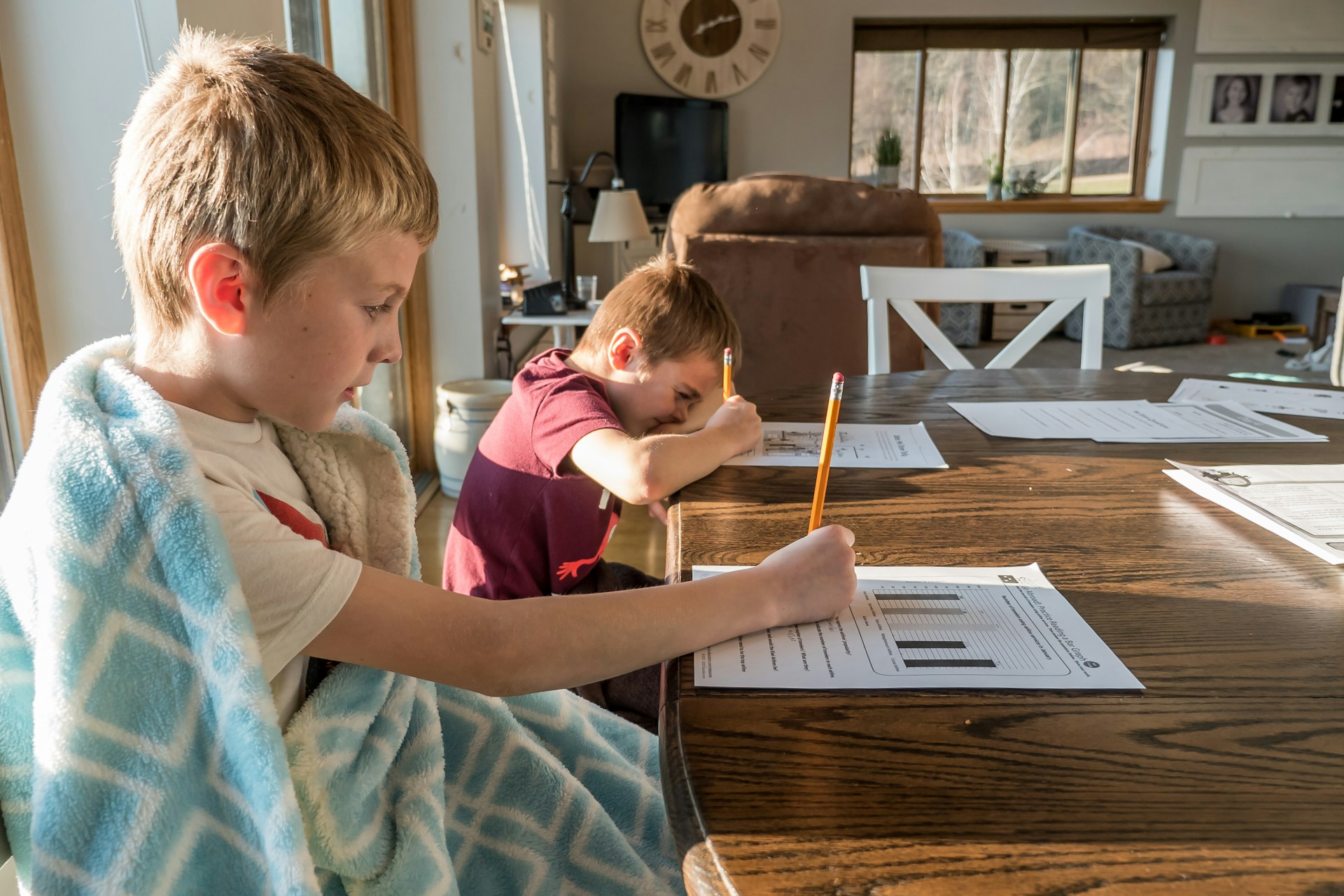
10 Homework Hacks Every Parent Should Know to Avoid Meltdowns

June 13, 2025 | Leave a Comment

10 Homework Hacks Every Parent Should Know to Avoid Meltdowns
Image Source: 123rf.com

Homework time doesn’t have to be a nightly battle of tears, frustration, and endless reminders. With the right approach, you can create a smoother, calmer routine that actually helps your child stay focused and feel successful. These simple homework hacks are designed to reduce stress for both kids and parents, making the whole experience more productive and less dramatic. Whether your child is in first grade or middle school, small changes can make a big difference in getting the work done with fewer meltdowns. Try these ten parent-tested strategies to bring peace and progress to your evening routine.

1. Create a Dedicated Homework Spot

A consistent, quiet space helps signal to your child that it’s time to focus. This doesn’t mean you need a fancy desk—a corner of the kitchen table or a nook in their room works fine. The key is to limit distractions like TVs, toys, and clutter. Stock the area with all the essentials: pencils, erasers, paper, and a timer. When your child knows exactly where to go and what to expect, they’ll resist less and focus more.

2. Stick to a Regular Routine

One of the best homework hacks is setting a predictable homework schedule. Choose a time that works best for your family, whether it’s right after school, after a snack, or before dinner. When homework becomes part of the daily routine, it feels less like a surprise and more like a normal task. Keep the routine consistent—even on weekends if needed—to create long-term habits. Kids thrive with structure, and it helps prevent last-minute panic.

3. Use a Visual Timer or Checklist

Visual tools can be a game-changer, especially for younger kids or those who struggle with time management. A simple checklist breaks tasks into manageable steps, and a timer lets them know how long they need to focus. Try using the “Pomodoro technique” where kids work for 25 minutes and take a 5-minute break. This helps avoid overwhelm and keeps energy up. Checking items off a list also builds a sense of accomplishment.

4. Break Big Tasks Into Smaller Chunks

When a child sees a huge worksheet or project, it can instantly feel overwhelming. One of the most effective homework hacks is breaking big assignments into smaller, more doable pieces. Tackle one section at a time with short breaks in between. This keeps motivation high and stress levels low. Teaching your child how to chunk tasks now will help them manage responsibilities well into adulthood.

5. Make Use of “Brain Breaks”

Kids need to move their bodies to refocus their minds. Short, active breaks during homework time can improve attention and reduce frustration. Let them do jumping jacks, dance to a song, or stretch before diving back in. A five-minute break every 20–30 minutes can help reset their brain. It keeps homework from becoming a long, draining chore.

6. Stay Nearby—But Not Hovering

Being close can be reassuring for your child, especially if they tend to get distracted or frustrated. Sit nearby with your own task, like folding laundry or reading, so you’re available without hovering. Let them try to solve problems on their own first, then step in when needed. This helps them build independence while still feeling supported. It also minimizes the “I don’t get it!” panic moments.

7. Keep Snacks and Water Handy

Sometimes what looks like a homework meltdown is really just a hungry brain. Offering a healthy snack and water before or during homework time can keep energy levels steady. Choose foods that fuel focus like fruit, yogurt, cheese sticks, or nuts. Avoid sugary treats that cause crashes. A well-fed child is a more cooperative, clear-headed one.

8. Turn It Into a Positive Challenge

Reframe homework as a challenge to conquer rather than a punishment to endure. Use phrases like “Let’s beat the clock!” or “I bet you can get this done in 20 minutes.” Celebrate wins with praise or small rewards, like choosing a favorite game to play after. Encouraging a positive mindset can turn resistance into motivation. Kids love to rise to a challenge when it feels fun and manageable.

9. Avoid the Homework Power Struggle

If your child digs in their heels, it’s easy to end up in a control battle. Instead of forcing it, take a breath and try to understand what’s causing the resistance. Are they tired, confused, or just in need of a break? Empathize with how they feel and offer a choice: “Would you rather do your reading or math first?” Giving kids some control can help them regain focus without a fight.

10. End on a High Note

Try to wrap up homework time with something positive. Offer praise for effort, not just results: “I saw how hard you worked on that!” This boosts their confidence and makes them more likely to cooperate next time. If things didn’t go well, talk about what could improve tomorrow. Ending on a kind, encouraging note helps make homework feel like a win rather than a war.

A Calmer Approach Starts with Connection

The most helpful homework hacks often come down to your connection with your child. When they feel supported, seen, and understood, they’re far more likely to stay calm and engaged. You don’t need to be a perfect tutor—just a steady, positive presence. With a few smart routines and a dose of patience, homework time can be a whole lot less stressful. And maybe even a little enjoyable.

What homework hacks have worked in your home? Share your favorite tips in the comments and help other parents survive the homework grind!

Read More:

10 School Mistakes That Follow Kids for Years

Can School Be Bad For Your Child?

Catherine Reed
Catherine Reed

Catherine is a tech-savvy writer who has focused on the personal finance space for more than eight years. She has a Bachelor’s in Information Technology and enjoys showcasing how tech can simplify everyday personal finance tasks like budgeting, spending tracking, and planning for the future. Additionally, she’s explored the ins and outs of the world of side hustles and loves to share what she’s learned along the way. When she’s not working, you can find her relaxing at home in the Pacific Northwest with her two cats or enjoying a cup of coffee at her neighborhood cafe.

Filed Under: Education Tagged With: academic success, family stress, homework hacks, homework help, kids and school, Parenting, parenting tips, school routines, study skills

School Success Starts at Home—Here’s How to Prep Your Kids

April 28, 2025 | Leave a Comment

kids doing homework
Image Source: Unsplash

A child’s day of learning doesn’t really begin when they step into the classroom—it starts the minute they wake up at home. The structure, mindset, and support kids receive under their own roof heavily influence how well they focus, behave, and achieve once they’re at school. Yet many families overlook simple habits that can make mornings calmer, homework less stressful, and confidence soar.

By tweaking daily routines and the spaces where your child eats, sleeps, and studies, you’re silently shaping academic outcomes before pencils ever hit paper. Ready to turn home base into a launchpad for learning? Let’s break down the strategies that make the biggest difference.

Establish Consistent Morning and Evening Routines

Predictable schedules help regulate a child’s body clock, mood, and attention span. Aim for a fixed bedtime that allows 9–12 hours of sleep (depending on age) and a lights-out ritual—reading, dim lighting, no screens—to cue their brain it’s time to rest. In the morning, a checklist taped to the fridge (dress, eat, brush teeth, grab backpack) empowers kids to move from task to task without power struggles. When mornings run smoothly, children arrive at school calm and receptive to learning instead of frazzled from last-minute scrambles. Consistency might feel rigid at first, but within a few weeks it becomes second nature for everyone.

Create a Dedicated Homework Zone

Kids focus best when their study spot is free of toys, TV noise, and household traffic. Designate a corner of the dining room or a small desk in their bedroom stocked with pencils, paper, and a charging station. Good lighting, a comfy chair, and minimal clutter signal to the brain that this is “work time,” not “play time.” If space is tight, a portable caddy and fold-up lap desk still do the trick—just make sure the same spot is used each day so the routine sticks. Clear boundaries around this zone help kids slip into study mode faster and stay there longer.

Break Tasks into Bite-Size Chunks

A 30-minute worksheet can look overwhelming to a second grader—but three ten-minute segments feel doable. Teach your child to scan assignments, highlight sections, and tackle them in short bursts with mini breaks in between. Use a simple kitchen timer or a fun visual countdown app so they see progress and stay motivated. This approach reduces procrastination and helps build executive-function skills like planning and self-monitoring, which pay off well beyond homework.

Model a Growth Mindset During Struggles

Mistakes offer valuable learning moments, but only if kids see them that way. When your child is stuck on a math problem, resist the urge to jump in with the answer. Instead, ask guiding questions: “What strategy did your teacher show you?” or “Can you break the problem into smaller steps?” Praise effort, persistence, and creative thinking rather than raw ability. Over time, your child will internalize the belief that intelligence grows with practice—making them more resilient when challenges arise in class.

Keep Communication Lines Open with Teachers

Your child succeeds fastest when home and school work as a team. Introduce yourself to teachers early, learn their preferred contact method, and don’t wait until report-card time to voice concerns. Quick emails about missing assignments, emotional shifts, or victories (like improved reading fluency) help teachers tailor support. Meanwhile, asking for clarification on upcoming projects allows you to gather materials and plan ahead, reducing stress for everyone.

writing on notepad
Image Source: Unsplash

Celebrate Small Wins to Fuel Motivation

Academic growth is often gradual, so highlight the little leaps—an improved spelling test, completing homework three days in a row, or reading aloud with clearer expression. Use sticker charts, high-five rituals, or a Friday family “victory shout-out” to recognize effort and progress. Positive reinforcement boosts intrinsic motivation, making kids eager to tackle the next challenge rather than dreading it.

Your Home, Their Launchpad

By weaving steady routines, focused study spaces, and supportive mindsets into everyday life, you transform your house into the ultimate training ground for classroom success. Small tweaks—an earlier bedtime here, a clutter-free desk there—compound into greater confidence, independence, and achievement over time.

Which of these home-based strategies will you try first, and how do you plan to adapt it to your family’s rhythm? Share your ideas and questions in the comments so we can learn and cheer each other on!

Read More

  • The School Is Calling Again: 5 Ways to Help Change a Child’s Bad Behavior at School
  • These Are the 9 Most Common Mistakes Parents Make When Their Kids Start School
Samantha Warren
Samantha

Samantha Warren is a holistic marketing strategist with 8+ years of experience partnering with startups, Fortune 500 companies, and everything in between. With an entrepreneurial mindset, she excels at shaping brand narratives through data-driven, creative content. When she’s not working, Samantha loves to travel and draws inspiration from her trips to Thailand, Spain, Costa Rica, and beyond.

Filed Under: Parenting Tagged With: child development, homework habits, learning environment, morning routines, parent involvement, school success, study skills

  • Facebook
  • Pinterest
  • RSS
  • Twitter

Basic Principles Of Good Parenting

Here some basic principles for good parenting:

  1. What You Do Matters: Your kids are watching you. So, be purposeful about what you want to accomplish.
  2. You Can’t be Too Loving: Don’t replace love with material possessions, lowered expectations or leniency.
  3. Be Involved Your Kids Life: Arrange your priorities to focus on what your kid’s needs. Be there mentally and physically.
  4. Adapt Your Parenting: Children grow quickly, so keep pace with your child’s development.
  5. Establish and Set Rules: The rules you set for children will establish the rules they set for themselves later.  Avoid harsh discipline and be consistent.
  6. Explain Your Decisions: What is obvious to you may not be evident to your child. They don’t have the experience you do.
  7. Be Respectful To Your Child: How you treat your child is how they will treat others.  Be polite, respectful and make an effort to pay attention.
Best Parenting Blogs

Most Popular

Baby

9 Unusual Baby Names That Sound Like They Belong to Future CEOs

Evan Morgan
Baby

10 Baby Names That Were Once Considered “Grandparent Names” but Feel Cool Again

Evan Morgan
Target Store

Choking Incident Prompts Recall of 49,000 Target Gigglescape “Under the Sea” Popping Toys

Evan Morgan
Frustrated Girl

Why Some Students on the Spectrum Are Labeled With ODD

Evan Morgan
Coke Bottles

12 Things Kids Took to School in the ’70s That Would Never Be Allowed Today

Evan Morgan

All content on Kids Ain’t Cheap is for entertainment purposes only. By reading this blog, you agree that Kids Ain’t Cheap is not responsible for any actions taken after reading this blog. For the full disclaimer, see our privacy policy.

Please note that Kids Ain’t Cheap has financial relationships with some of the merchants mentioned here. Kids Ain’t Cheap is funded by banner advertising, commission sales and search optimization consulting.

Copyright © 2006–2026 | District Media | All Rights Reserved | Privacy Policy

Copyright © 2026 Runway Pro Theme by Viva la Violette