
• Home
  • About Us
  • Toolkit
  • Archives
  • Advertise
  • Privacy Policy

Kids Ain't Cheap

But They Sure Are Worth It

  • Parenting
    • Baby Stuff
    • Books and Reading
      • Aesops Fables
      • Comic Books
    • Education
    • Family Time
    • Green Living
    • Growing Up
    • Healthy Living & Eating
    • Holidays
    • Parenting
    • Random Musings
    • Shopping
    • Stuff to Do
  • Money
  • Product Reviews
    • Books and Magazines
    • Discount Sites
    • Furniture
    • House Keeping
    • Reviews News
    • Toys and Games
  • Contact Us
  • Our Editorial Commitment
  • Search

5 Back-to-School Routines That Ignite Morning Meltdowns

November 27, 2025 | Leave a Comment

5 Back-to-School Routines That Ignite Morning Meltdowns
Image source: shutterstock.com

Heeding back to the classroom after an extended break can feel like controlled chaos, and sometimes the routines parents rely on end up making mornings harder instead of easier. Kids adjust slowly to new expectations, earlier wake ups, and the whirlwind of getting out the door, so even well-intentioned back to school habits can accidentally spark big emotions. Many families discover that what works on paper falls apart in real life once tired brains and rushed schedules collide. When routines create tension, meltdowns can quickly become part of the daily rhythm. Understanding which habits cause stress gives parents the power to replace them with calmer, more effective strategies.

1. Rushing Through Breakfast Every Morning

Many families feel the pressure to hurry breakfast so they can stay on schedule, but this routine often backfires. Children who are still adjusting to back-to-school wake times struggle to eat quickly and may feel overwhelmed by the rush. When parents push for speed, kids pick up on the tension and react with resistance or tears. Rushing also makes it harder for children to listen to their bodies and choose foods that actually energize them. A slower, predictable breakfast routine helps set a calmer tone for the rest of the morning.

2. Saving Backpack and Lunch Prep Until the Last Minute

Leaving all the packing for the morning seems harmless until it creates a scramble that stresses everyone. This pattern becomes especially challenging during back-to-school season when kids are still learning what they need each day. Searching for missing items or arguing about forgotten assignments increases frustration and panic. Siblings may blame each other when the chaos spills across shared spaces. Preparing backpacks and lunches the night before prevents unnecessary pressure and reduces morning meltdowns.

3. Overloading Kids With Too Many Expectations at Once

Parents often introduce several new routines all at the same time during the back-to-school transition, which can overwhelm kids quickly. Trying to adjust bedtime, wake time, chores, and morning responsibilities simultaneously creates mental overload. Children respond with irritability or tears when they feel they cannot meet all the new demands. A slower, step by step approach makes the shift smoother and more manageable. Giving kids time to adjust helps them feel capable rather than anxious.

4. Relying on Screens to Speed Up the Morning

Screens can seem like an easy tool for distraction, but they often derail the flow of back-to-school mornings. Kids absorbed in shows or games struggle to switch gears when it is time to get dressed or leave. This transition difficulty leads to arguments, refusals, and rushed last minute scrambling. Parents may find themselves repeating instructions over and over with rising frustration. Limiting screens until after their home helps children stay focused and reduces disruptive transitions.

5. Using Harsh Wake Ups That Trigger Stress

Some families rely on abrupt wake up methods because mornings feel so pressed for time. Loud alarms or sudden bright lights can make back to school mornings feel jarring and stressful. Children who wake up startled often begin the day in fight or flight mode, which leads to resistance and emotional outbursts. Gentle wake ups give kids space to reorient and feel safe. A calmer start sets the tone for smoother cooperation throughout the routine.

Building Morning Routines That Lower Stress Instead

Parents can reduce morning struggles by choosing routines that match their child’s emotional and developmental needs. Adjusting back to school habits with comfort and consistency in mind helps kids move through mornings with more confidence. Clear expectations paired with flexibility create an environment where children feel supported rather than rushed. Small changes like prepping the night before or waking gently can make a noticeable difference. When families work together to create calm, mornings shift from meltdown filled to manageable.

Which morning routines create the biggest challenges in your home, and what has helped ease the stress? Share your thoughts in the comments.

What to Read Next…

5 School Field Trip Threads That Expose Emotional Trauma Risks

10 Homework Hacks Every Parent Should Know to Avoid Meltdowns

7 School Policies That Secretly Undermine Parental Authority

7 Signs Your Kids Are Spoiled—Even If You Swear They’re Not

Are Parent-Teacher Text Chains Making School Drama Worse?

Catherine Reed
Catherine Reed

Catherine is a tech-savvy writer who has focused on the personal finance space for more than eight years. She has a Bachelor’s in Information Technology and enjoys showcasing how tech can simplify everyday personal finance tasks like budgeting, spending tracking, and planning for the future. Additionally, she’s explored the ins and outs of the world of side hustles and loves to share what she’s learned along the way. When she’s not working, you can find her relaxing at home in the Pacific Northwest with her two cats or enjoying a cup of coffee at her neighborhood cafe.


Filed Under: Education Tagged With: Back to School, child behavior, daily routines, family stress, morning routines, parenting tips, school preparation

Are Boomer vs. Millennial Bedtime Styles Causing Sibling Trauma?

November 26, 2025 | Leave a Comment

Are Boomer vs. Millennial Bedtime Styles Causing Sibling Trauma?
Image source: shutterstock.com

Parents often have strong feelings about how kids should wind down at night, and many families discover that these preferences vary widely across generations. When grandparents help with childcare or siblings are raised years apart, conflicting bedtime styles can collide in a way that disrupts routines and emotions. What feels normal and comforting to one adult may feel rigid or confusing to another, and kids absorb that tension quickly. These mismatched expectations sometimes lead to power struggles, disrupted sleep, and even resentment between siblings who receive different treatment. Understanding how generational habits shape bedtime can help parents create a more peaceful and supportive nighttime environment for everyone.

1. How Different Generations Approach Bedtime

Boomer parents often favor structured routines that emphasize lights out at a specific time and minimal negotiation. Millennial parents, on the other hand, tend to prioritize flexibility, emotional connection, and child-led cues during bedtime styles. When these approaches overlap in the same home, kids may feel unsure about which rules to follow. Siblings can also compare their experiences and wonder why expectations differ between them. These differences create a confusing mix of messages that impacts how secure kids feel at night.

2. Why Mixed Messages Can Trigger Stress For Kids

Children thrive on predictability, so inconsistent bedtime styles can increase nighttime anxiety. If one adult insists on strict routines and another allows talking or extra comfort, kids may feel torn between pleasing both. The lack of consistency can also lead to stalling behaviors because kids learn that different adults respond differently. Siblings who see each other receive different accommodations may feel jealous or frustrated. These emotional reactions often spill over into daytime behavior, creating a cycle of tension.

3. How Sibling Rivalry Grows From Bedtime Differences

When siblings experience different bedtime styles, they may interpret the difference as favoritism rather than generational habit. A younger child who receives more comfort may be seen as getting special treatment. An older sibling expected to follow stricter rules might feel punished for being older. These misunderstandings can cause resentment that builds over time. Helping siblings understand why routines differ can reduce hostility and strengthen family communication.

4. The Emotional Weight Kids Carry Quietly

Kids often internalize family stress, even if they do not have the words to describe it. Conflicting bedtime styles can make children feel responsible for adult tension, especially if disagreements happen in front of them. Some kids become people pleasers to avoid conflict, while others act out because they feel overwhelmed. Siblings may even blame each other when bedtime leads to stress. Addressing these patterns early helps protect emotional well-being.

5. Signs That Bedtime Confusion Is Impacting Sleep Quality

Poor sleep can show up in surprising ways, from irritability to difficulty concentrating in school. When bedtime styles are inconsistent, children may have trouble settling their bodies and minds. They might wake more frequently or struggle to fall asleep without constant reassurance. Siblings can also disrupt one another if their routines clash. Sleep issues can escalate quickly if not addressed with calm and consistent changes.

6. What Parents Can Do To Create Unified Bedtime Expectations

The easiest way to reduce bedtime stress is for adults to come together and agree on shared expectations. Agreeing on a baseline for bedtime styles helps prevent mixed signals and allows kids to feel secure. Parents can discuss which parts of the routine matter most and where flexibility is realistic. Involving both generations in the conversation can help bridge misunderstandings. When everyone participates in the plan, kids sense the teamwork and respond more positively.

7. How To Reduce Sibling Comparison and Resentment

Parents can address sibling conflict by explaining why each child’s routine looks the way it does. These conversations clarify that different bedtime styles are not about favoritism but about age, development, or comfort needs. Encouraging siblings to respect each other’s routines helps build empathy. Parents can also create shared moments, like reading together, to keep kids connected. Clear communication dissolves tension before it becomes long term resentment.

8. Tips For Blending Structure and Flexibility

Families can combine Boomer structure with Millennial emotional awareness to create routines that work for everyone. Balanced bedtime styles include predictable steps along with gentle room for adjustment. For example, parents might set a consistent lights out time while still offering a calm conversation or quiet reading before bed. Children feel supported when routines are steady but understanding. Blended approaches can prevent overwhelm and boost cooperation.

9. When Professional Guidance Can Help

If bedtime conflict becomes a nightly struggle, support from a pediatrician or family counselor can make a difference. Professionals can help parents understand how developmental stages interact with bedtime styles and offer tailored recommendations. Guidance can also help families who worry that sibling tension has escalated beyond normal rivalry. Sometimes small adjustments greatly improve the overall tone of the evening. Asking for help is a sign of strength, not failure.

10. Creating Family Rituals That Bring Everyone Together

Instead of focusing only on rules, families can build comforting rituals that all generations appreciate. These routines align different bedtime styles by shifting the focus to connection rather than control. Shared activities like storytelling, gratitude moments, or calming music make bedtime feel special. Children who feel secure during these rituals are less likely to experience stress or resentment. Strong rituals help siblings grow closer even when their needs differ.

Building Nighttime Peace Across Every Generation

Families thrive when adults recognize how much their habits shape the emotional atmosphere around bedtime. Blending bedtime styles thoughtfully allows parents and caregivers to support each other while reducing stress for kids. When everyone understands the goal of nighttime comfort, siblings feel seen and supported rather than confused. A unified approach leads to calmer evenings and healthier relationships. Peaceful bedtime routines are possible for every household willing to collaborate.

Have you noticed bedtime differences across generations in your home? Share what has helped your family in the comments.

What to Read Next…

Skipping Bedtime Routines: The Devastating Consequences They Hoped You’d Never Discover!

10 Reasons Your Child’s Sleep Habits Might Be Hurting Their Brain

9 Millennial Parenting Trends That Boomers Quietly Judge

12 Household Sounds That Are Affecting Your Child’s Sleep

8 Reasons Your Kids Prefer TikTok Over Bedtime Stories

Catherine Reed
Catherine Reed

Catherine is a tech-savvy writer who has focused on the personal finance space for more than eight years. She has a Bachelor’s in Information Technology and enjoys showcasing how tech can simplify everyday personal finance tasks like budgeting, spending tracking, and planning for the future. Additionally, she’s explored the ins and outs of the world of side hustles and loves to share what she’s learned along the way. When she’s not working, you can find her relaxing at home in the Pacific Northwest with her two cats or enjoying a cup of coffee at her neighborhood cafe.

Filed Under: Parenting Tagged With: bedtime routines, child development, family stress, modern parenting, parenting styles, sibling rivalry, sleep habits

10 Parenting Books That Overpromise and Underdeliver Support

November 26, 2025 | Leave a Comment

10 Parenting Books That Overpromise and Underdeliver Support
Image source: shutterstock.com

Parenting is full of surprises, and sometimes that includes realizing the guidance you counted on isn’t as helpful as you hoped. Many parenting books claim to offer quick fixes, expert secrets, or guaranteed transformations, but not all deliver meaningful support once you’re in the thick of real day-to-day challenges. Parents often turn to these books seeking clarity or confidence, only to find generic advice, conflicting recommendations, or unrealistic expectations. That gap between what’s promised and what’s actually useful can be frustrating, especially when time and energy are already stretched thin. If you’ve ever closed a book feeling more overwhelmed than empowered, you’re definitely not alone.

1. The Books That Promise Overnight Behavior Turnarounds

Some parenting books claim that behavior can change almost instantly if you follow a strict script, which often sets parents up for disappointment. These books tend to overlook the fact that children develop at different speeds and face individual emotional hurdles. They also encourage a one-size-fits-all mindset that rarely works in real homes. Parents who try the methods exactly as written often discover they don’t match their child’s needs. The result is guilt and frustration instead of the fast transformation these titles promise.

2. Guides That Rely on Outdated Research

Many books still reference studies that are decades old, which leaves families working with approaches that don’t reflect modern child development understanding. These books may suggest discipline tactics or emotional strategies that no longer align with current best practices. Relying on old research puts unnecessary pressure on parents who believe they must use outdated methods to be effective. The lack of updated science makes it hard to apply the advice with confidence. Parents deserve resources grounded in modern, evidence-based insights.

3. Books That Ignore Neurodiversity

Some bestselling guides assume all children think, respond, and learn the same way, which minimizes the experiences of neurodivergent kids. These parenting books often frame differences as problems instead of variations in how children process the world. Parents of kids with ADHD, autism spectrum disorder, or sensory differences end up feeling unseen or unsupported. Without inclusive strategies, the advice falls flat in real situations. Families need books that respect the wide range of developmental paths kids take.

4. Titles That Shame Parents Into Compliance

A number of guides subtly or openly use shame-based language to push parents toward a specific style or routine. These books imply that any deviation from the prescribed method means failure. Shaming language creates anxiety instead of empowerment, making it harder for parents to trust their instincts. Instead of offering flexible solutions, these books trap readers in guilt. Parents benefit more from compassionate guidance that allows room for real-life imperfections.

5. Books That Offer Only Vague Advice

Some titles spend chapters discussing broad ideas like “stay calm” or “build connection” without explaining how to do that with a tired toddler or stressed teenager. These parenting books circle around big themes but skip actionable steps that families can actually use during hectic days. When guidance lacks detail, parents are left to figure things out alone anyway. The missing specificity makes these books feel more inspirational than practical. Families need clear steps that support real progress.

6. Guides That Overcomplicate Simple Routines

Certain guides turn everyday tasks into multi-step systems that feel impossible to manage long term. These parenting books encourage detailed charts, rigid schedules, or complex reward structures that fall apart once life gets busy. Parents may feel pressured to maintain a routine that drains energy rather than saves it. This complexity often creates more stress than structure. Practical advice should make life easier, not heavier.

7. Books That Promise Perfect Peaceful Homes

Some books create the illusion that conflict-free homes are achievable if parents master the right tone or technique. These books fail to acknowledge that all families experience conflict, stress, and big emotions. When parents can’t produce the calm environment a book guarantees, they may assume they’re doing something wrong. This unrealistic perfection sets families up for discouragement. Real support acknowledges chaos is part of raising kids.

8. Titles That Oversell Scientific Language

A few books pepper in neuroscience terms or psychological jargon to sound authoritative without offering real depth. These parenting books use complicated language that feels impressive but isn’t actionable. Parents may feel confused rather than guided. Scientific buzzwords can distract from the lack of concrete advice. Genuine science should clarify, not complicate, the parenting journey.

9. Books That Pretend There’s Only One Right Style

Some guides insist there is a single correct way to parent, whether gentle, authoritative, minimalist, or something else entirely. These parenting books don’t leave space for cultural differences, family values, or parental personalities. This rigid mindset causes parents to question their natural strengths. It also encourages comparison rather than confidence. A helpful resource supports adaptability, not strict adherence.

10. Titles That Ignore Parental Well-Being

Plenty of books focus entirely on child behavior and development while skipping the parent’s mental and emotional needs. These books forget that overwhelmed, exhausted caregivers struggle to implement any strategy effectively. Without acknowledging parental well-being, the advice feels incomplete. Parents need support that validates their challenges as much as their child’s. Whole-family guidance is essential for lasting change.

What Parents Truly Need Instead

Parents benefit most from resources that acknowledge real stress, celebrate small wins, and offer guidance that adapts to unique family dynamics. Supportive parenting books should encourage flexibility, empowerment, and emotional understanding. When books meet families where they are, the advice becomes easier to apply. Practical examples, realistic expectations, and inclusive approaches make a world of difference for parents seeking help. Ultimately, the best support builds confidence rather than pressure.

What parenting book left you feeling let down, and which ones have truly helped you? Share your experiences in the comments.

What to Read Next…

Parenting Expert Warns Against Asking Kids How Their Day Was

10 Modern Parenting Issues That Are Silently Stressing You Out

9 Millennial Parenting Trends That Boomers Quietly Judge

10 Things You’re Overspending On Because of Social Media Parenting Trends

Is Your Parenting Style Quietly Damaging Your Child’s Friendships?

Catherine Reed
Catherine Reed

Catherine is a tech-savvy writer who has focused on the personal finance space for more than eight years. She has a Bachelor’s in Information Technology and enjoys showcasing how tech can simplify everyday personal finance tasks like budgeting, spending tracking, and planning for the future. Additionally, she’s explored the ins and outs of the world of side hustles and loves to share what she’s learned along the way. When she’s not working, you can find her relaxing at home in the Pacific Northwest with her two cats or enjoying a cup of coffee at her neighborhood cafe.

Filed Under: Parenting Tagged With: child development, family stress, modern parenting, parenting advice, parenting books, parenting myths

Mental Health for Kids: Why It’s the Biggest Parental Concern in 2025

October 30, 2025 | Leave a Comment

Mental Health for Kids: Why It's the Biggest Parental Concern in 2025
Image source: shutterstock.com

Parents in 2025 are facing a new kind of challenge—protecting the mental health of their children in a world that feels more connected and yet more overwhelming than ever before. Anxiety, depression, and social stressors have become common topics at dinner tables, school meetings, and pediatric appointments. Technology, academic competition, and global uncertainty are shaping childhood in ways few adults experienced themselves. With more parents recognizing that emotional well-being is just as critical as physical health, mental health for kids has become one of the defining priorities of modern parenting.

The Growing Awareness Around Emotional Wellness

More parents are talking openly about mental health for kids than ever before, breaking down the stigma that once surrounded it. This shift comes from growing evidence that emotional struggles often start earlier than most realize. Teachers, pediatricians, and psychologists now urge families to pay attention to signs of stress or withdrawal even in elementary-aged children. What once might have been brushed off as “moodiness” is now understood as an early warning sign. By catching these issues early, parents can help their children develop coping skills and emotional literacy that last a lifetime.

1. Technology Is Reshaping Childhood Anxiety

One of the biggest drivers of concern around mental health for kids is the nonstop digital world they live in. Social media creates constant pressure to perform, compare, and stay connected. Children are exposed to unrealistic standards and negative feedback before their self-esteem has fully formed. Even educational technology can blur the line between learning and screen addiction. Parents today must find ways to balance the benefits of connectivity with the need for real-world connection, self-awareness, and rest.

2. Academic Stress Starts Younger Than Ever

Academic pressure, once reserved for teens, now affects children as young as eight or nine. Schools emphasize testing, grades, and competitive programs, often at the expense of creativity and play. Kids internalize this pressure, feeling like failure is not an option. The result is rising rates of anxiety, perfectionism, and burnout before high school even begins. Prioritizing balance over constant achievement is becoming essential for preserving mental health for kids in 2025.

3. Isolation and Loneliness After the Pandemic

While the pandemic may feel like a distant memory, its impact on kids’ mental health continues to linger. Many children missed out on key social experiences that help build confidence and empathy. Even after returning to classrooms, some still struggle to connect or manage group dynamics. Loneliness has become one of the most underestimated emotional challenges among youth today. Parents can help by encouraging safe socialization, open conversation, and shared activities that rebuild a sense of belonging.

4. Exposure to Global Issues at a Young Age

Kids today are more aware of the world than ever before. They hear about wars, climate change, and economic instability through social media and news platforms, often without context to process what they’re seeing. This awareness can create fear and helplessness, especially for sensitive children. These heavy topics add another layer to the growing concern about mental health for kids, as parents struggle to balance honesty with reassurance. Creating calm and focusing on actionable kindness—like community involvement—can help restore hope and perspective.

5. The Hidden Pressure of “Perfect Parenting”

Parents themselves are under enormous pressure, and children often absorb that stress. The rise of social media parenting advice has created unrealistic expectations around what family life should look like. Parents who constantly compare themselves to others may inadvertently model anxiety and self-criticism. This culture of perfection can spill into how children view their own worth. Prioritizing emotional presence over outward appearances is one of the most powerful ways to support mental health for kids.

6. Lack of Access to Mental Health Resources

Even as awareness grows, access to professional help remains a major hurdle. Many communities still face shortages of child therapists, long waiting lists, or high treatment costs. For some families, mental health for kids is an urgent issue without available solutions. Schools and local programs are stepping up, but systemic gaps persist. Normalizing mental health discussions at home and learning basic coping tools can provide support while families seek professional guidance.

7. Family Stress and Economic Pressures

Financial instability and work-life imbalance can quietly affect how children feel and behave. When parents are overworked or anxious about money, kids pick up on that tension. In 2025, economic uncertainty continues to be a silent contributor to stress in households nationwide. This background stress can influence everything from sleep quality to attention span. Building routines, celebrating small wins, and maintaining open communication can help children feel secure even in uncertain times.

8. The Role of Schools in Emotional Education

Schools are increasingly recognizing their role in promoting mental health for kids. Programs focused on mindfulness, emotional regulation, and empathy are being introduced into classrooms. However, implementation varies widely by district and funding level. Some parents still worry that emotional support is being overshadowed by academic goals. Advocating for comprehensive mental health education can help create healthier environments where children thrive both intellectually and emotionally.

9. Sleep Deprivation and Overstimulation

Modern children are sleeping less than previous generations, often because of late-night screen time, packed schedules, or anxiety. Chronic fatigue can intensify mood swings, depression, and difficulty concentrating. Many parents underestimate how critical rest is for emotional regulation. Protecting bedtime routines and limiting digital exposure before sleep can make a noticeable difference in behavior and attitude. Simple lifestyle changes can go a long way.

Building a Future Where Mental Health Comes First

The growing concern around mental health for kids in 2025 reflects a collective realization that emotional wellness is foundational, not optional. Parents are learning that fostering resilience, empathy, and communication is just as important as helping kids achieve academically. By prioritizing mental health at home and advocating for it in schools, families can raise a generation better equipped to handle life’s pressures. The real victory isn’t perfect behavior—it’s emotional balance, compassion, and confidence that lasts.

What steps are you taking to protect kid’s mental health in your home or community? Share your thoughts and strategies in the comments below!

What to Read Next…

What If They’re Not Fine? 4 Critical Questions To Ask Your Child’s Mental Health Professional

Behavioral Red Flags: How Kids Silently Signal They Don’t Feel Safe at Home

Warning Signs That Your Teen Might Be Struggling With Mental Health Issues

8 Health Fads Parents Are Pushing on Their Kids Without Science

Don’t Ignore This: 7 Health Symptoms That Demand Immediate Attention In Kids

Catherine Reed
Catherine Reed

Catherine is a tech-savvy writer who has focused on the personal finance space for more than eight years. She has a Bachelor’s in Information Technology and enjoys showcasing how tech can simplify everyday personal finance tasks like budgeting, spending tracking, and planning for the future. Additionally, she’s explored the ins and outs of the world of side hustles and loves to share what she’s learned along the way. When she’s not working, you can find her relaxing at home in the Pacific Northwest with her two cats or enjoying a cup of coffee at her neighborhood cafe.
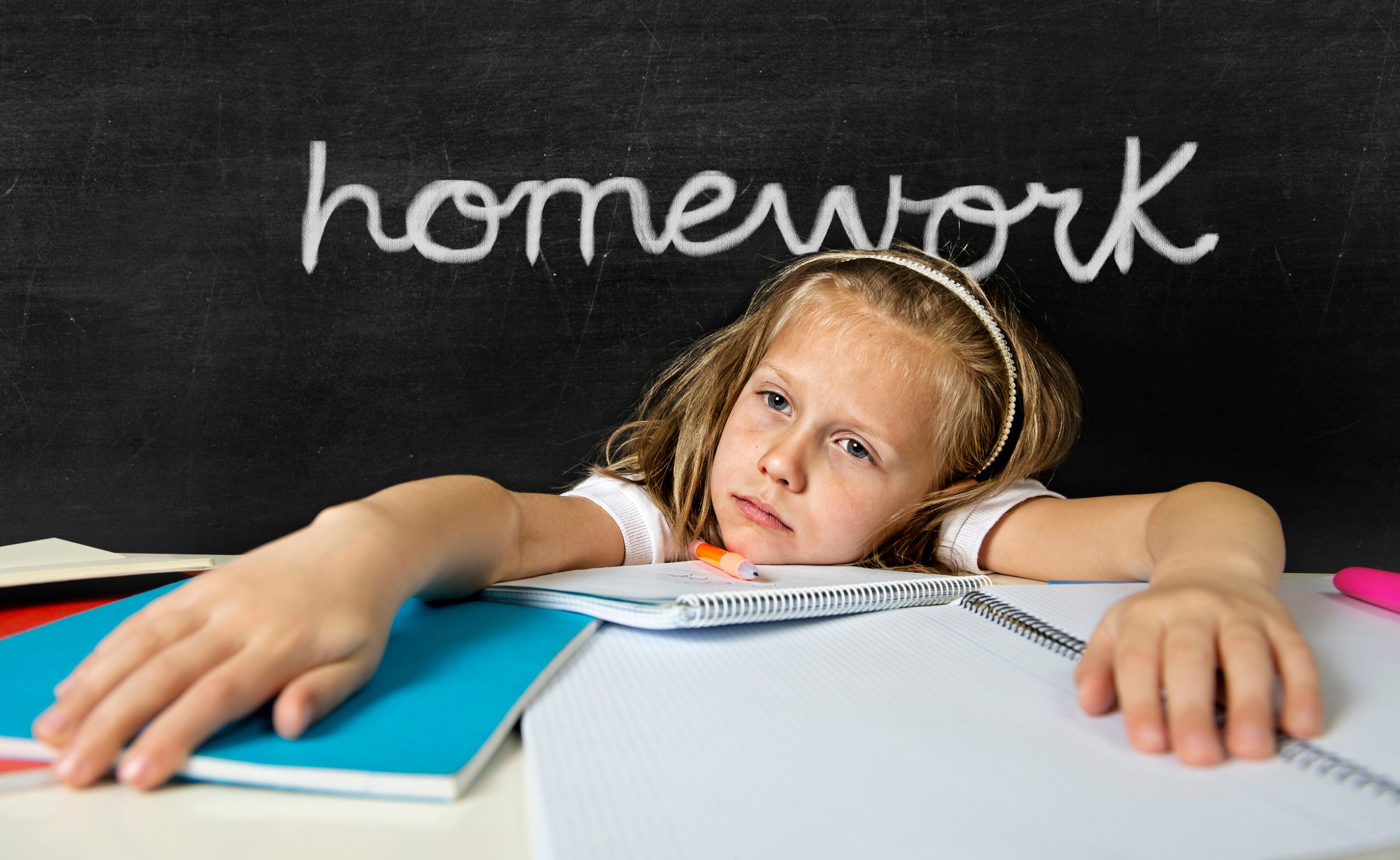
Filed Under: Mental Health Tagged With: child development, Child Psychology, emotional wellness, family stress, mental health for kids, modern parenting, parenting trends

8 Emotional Red Flags in Kids That Show Up During the Holidays

October 1, 2025 | Leave a Comment

8 Emotional Red Flags in Kids That Show Up During the Holidays
Image source: 123rf.com

The holiday season often brings joy, excitement, and family togetherness. Yet for many children, this time of year also introduces stress, overstimulation, and emotional strain. Between disrupted routines, heightened expectations, and the pressures of family gatherings, kids may show signs that they are struggling more than they let on. Knowing the emotional red flags in kids during the holidays can help parents intervene early, ease their stress, and foster a healthier, happier season. By paying close attention, families can ensure that children feel supported instead of overwhelmed.

1. Sudden Withdrawal from Family Activities

If a child who usually enjoys decorating the tree or baking cookies suddenly prefers to stay in their room, it may be an early sign of stress. This withdrawal often signals that they are feeling overstimulated or anxious about the social demands of the season. While kids sometimes need alone time, persistent avoidance is an emotional red flag in kids that parents should not ignore. It can indicate that the child feels overwhelmed by too many expectations. Parents can respond by offering quiet alternatives and reassuring them that it’s okay to step back.

2. Increased Irritability or Outbursts

The holidays can magnify emotions, and some children express their stress through anger or defiance. Frequent meltdowns, shouting matches, or irritability over small issues can be emotional red flags in kids struggling to cope. These reactions often reflect a sense of being out of control amid chaotic schedules. Parents can help by maintaining consistent routines where possible and allowing children to express their frustrations safely. Offering calm reassurance can make it easier for them to manage holiday stress.

3. Changes in Sleep Patterns

Excitement and holiday events can disrupt sleep, but chronic insomnia, nightmares, or oversleeping may point to deeper emotional struggles. Sleep changes are one of the most telling emotional red flags in kids because rest is tied closely to emotional regulation. A child who isn’t sleeping well is more likely to become anxious, irritable, or withdrawn. Parents can encourage restful nights by creating calm evening routines and limiting late-night screen use. Addressing sleep disruptions early can prevent escalating emotional difficulties.

4. Heightened Separation Anxiety

The holiday season often means travel or visits from extended family, which can intensify feelings of insecurity in children. A sudden reluctance to leave a parent’s side or extreme clinginess is another emotional red flag in kids. This anxiety can make transitions like attending school holiday programs or staying with relatives stressful. Parents can support children by preparing them in advance, explaining what to expect, and offering extra reassurance. Building predictability into an unpredictable season helps children feel safer.

5. Overeating or Loss of Appetite

Food plays a central role in holiday celebrations, but major shifts in eating habits can be a warning sign. Some kids may overeat as a coping mechanism, while others may lose interest in food entirely. Both patterns are emotional red flags in kids and suggest that they are using food to manage stress or are too anxious to eat. Parents should watch for these changes and encourage balanced meals without creating added pressure. Gentle conversations about how they are feeling can reveal the underlying cause.

6. Excessive Perfectionism

The pressure to perform at school holiday concerts, make perfect gifts, or behave well around extended family can spark unhealthy perfectionism. When a child becomes extremely critical of themselves or refuses to try new things for fear of failing, it’s an emotional red flag in kids. This mindset can lead to anxiety and erode self-esteem during what should be a joyful season. Parents can ease the burden by praising effort over outcomes and reminding children that mistakes are normal. Encouraging them to embrace imperfection helps restore balance.

7. Physical Complaints Without Medical Cause

Headaches, stomachaches, or fatigue that lack a clear medical explanation often surface when children feel emotionally distressed. These psychosomatic symptoms are another subtle but important emotional red flag in kids. The body can manifest stress in physical ways, particularly during high-pressure times like the holidays. Parents should validate the discomfort without dismissing it and explore whether underlying worries might be contributing. Supporting both the body and mind creates a sense of holistic care.

8. Loss of Interest in Favorite Activities

If a child no longer shows excitement for hobbies they normally love, such as playing games, drawing, or sports, it’s worth paying attention. This sudden disinterest is a clear emotional red flag in kids that may point to sadness or even depression. The holidays can amplify feelings of isolation if children sense they are different from others or if family stress overshadows celebrations. Parents can reintroduce favorite activities gently while encouraging open discussions about feelings. Restoring joy in familiar pastimes can be a powerful step toward healing.

Protecting Children’s Emotional Well-Being During the Holidays

The holiday season is meant to bring connection, not emotional strain, yet it’s easy for kids to feel overwhelmed. By recognizing emotional red flags in kids early, parents can offer timely support and create an environment where children feel secure and valued. Small adjustments to routines, open conversations, and reassurance can make a big difference in how children experience this time of year. Parents who remain attentive and proactive give their kids the best chance to enjoy the season fully. Ultimately, protecting emotional well-being is just as important as holiday traditions themselves.

What emotional red flags in kids have you noticed during past holidays, and how did you help your child through them? Share your experiences in the comments!

What to Read Next…

Beyond The Report Card: 11 Discipline Methods That Secretly Backfire On Parents

Do Family Screen Time Rules Invite Emotional Manipulation?

6 Innocent Parenting Habits That Lead to Big Therapy Bills Later

Toxic Relatives and Kids: How to Protect Their Emotional Health

What’s Causing So Many Children to Fear Sleepovers Again?

Catherine Reed
Catherine Reed

Catherine is a tech-savvy writer who has focused on the personal finance space for more than eight years. She has a Bachelor’s in Information Technology and enjoys showcasing how tech can simplify everyday personal finance tasks like budgeting, spending tracking, and planning for the future. Additionally, she’s explored the ins and outs of the world of side hustles and loves to share what she’s learned along the way. When she’s not working, you can find her relaxing at home in the Pacific Northwest with her two cats or enjoying a cup of coffee at her neighborhood cafe.

Filed Under: Child behavior Tagged With: child anxiety, emotional red flags in kids, family stress, holiday parenting tips, holiday season kids, kids emotional health, parenting advice

10 Homework Hacks Every Parent Should Know to Avoid Meltdowns

June 13, 2025 | Leave a Comment

10 Homework Hacks Every Parent Should Know to Avoid Meltdowns
Image Source: 123rf.com

Homework time doesn’t have to be a nightly battle of tears, frustration, and endless reminders. With the right approach, you can create a smoother, calmer routine that actually helps your child stay focused and feel successful. These simple homework hacks are designed to reduce stress for both kids and parents, making the whole experience more productive and less dramatic. Whether your child is in first grade or middle school, small changes can make a big difference in getting the work done with fewer meltdowns. Try these ten parent-tested strategies to bring peace and progress to your evening routine.

1. Create a Dedicated Homework Spot

A consistent, quiet space helps signal to your child that it’s time to focus. This doesn’t mean you need a fancy desk—a corner of the kitchen table or a nook in their room works fine. The key is to limit distractions like TVs, toys, and clutter. Stock the area with all the essentials: pencils, erasers, paper, and a timer. When your child knows exactly where to go and what to expect, they’ll resist less and focus more.

2. Stick to a Regular Routine

One of the best homework hacks is setting a predictable homework schedule. Choose a time that works best for your family, whether it’s right after school, after a snack, or before dinner. When homework becomes part of the daily routine, it feels less like a surprise and more like a normal task. Keep the routine consistent—even on weekends if needed—to create long-term habits. Kids thrive with structure, and it helps prevent last-minute panic.

3. Use a Visual Timer or Checklist

Visual tools can be a game-changer, especially for younger kids or those who struggle with time management. A simple checklist breaks tasks into manageable steps, and a timer lets them know how long they need to focus. Try using the “Pomodoro technique” where kids work for 25 minutes and take a 5-minute break. This helps avoid overwhelm and keeps energy up. Checking items off a list also builds a sense of accomplishment.

4. Break Big Tasks Into Smaller Chunks

When a child sees a huge worksheet or project, it can instantly feel overwhelming. One of the most effective homework hacks is breaking big assignments into smaller, more doable pieces. Tackle one section at a time with short breaks in between. This keeps motivation high and stress levels low. Teaching your child how to chunk tasks now will help them manage responsibilities well into adulthood.

5. Make Use of “Brain Breaks”

Kids need to move their bodies to refocus their minds. Short, active breaks during homework time can improve attention and reduce frustration. Let them do jumping jacks, dance to a song, or stretch before diving back in. A five-minute break every 20–30 minutes can help reset their brain. It keeps homework from becoming a long, draining chore.

6. Stay Nearby—But Not Hovering

Being close can be reassuring for your child, especially if they tend to get distracted or frustrated. Sit nearby with your own task, like folding laundry or reading, so you’re available without hovering. Let them try to solve problems on their own first, then step in when needed. This helps them build independence while still feeling supported. It also minimizes the “I don’t get it!” panic moments.

7. Keep Snacks and Water Handy

Sometimes what looks like a homework meltdown is really just a hungry brain. Offering a healthy snack and water before or during homework time can keep energy levels steady. Choose foods that fuel focus like fruit, yogurt, cheese sticks, or nuts. Avoid sugary treats that cause crashes. A well-fed child is a more cooperative, clear-headed one.

8. Turn It Into a Positive Challenge

Reframe homework as a challenge to conquer rather than a punishment to endure. Use phrases like “Let’s beat the clock!” or “I bet you can get this done in 20 minutes.” Celebrate wins with praise or small rewards, like choosing a favorite game to play after. Encouraging a positive mindset can turn resistance into motivation. Kids love to rise to a challenge when it feels fun and manageable.

9. Avoid the Homework Power Struggle

If your child digs in their heels, it’s easy to end up in a control battle. Instead of forcing it, take a breath and try to understand what’s causing the resistance. Are they tired, confused, or just in need of a break? Empathize with how they feel and offer a choice: “Would you rather do your reading or math first?” Giving kids some control can help them regain focus without a fight.

10. End on a High Note

Try to wrap up homework time with something positive. Offer praise for effort, not just results: “I saw how hard you worked on that!” This boosts their confidence and makes them more likely to cooperate next time. If things didn’t go well, talk about what could improve tomorrow. Ending on a kind, encouraging note helps make homework feel like a win rather than a war.

A Calmer Approach Starts with Connection

The most helpful homework hacks often come down to your connection with your child. When they feel supported, seen, and understood, they’re far more likely to stay calm and engaged. You don’t need to be a perfect tutor—just a steady, positive presence. With a few smart routines and a dose of patience, homework time can be a whole lot less stressful. And maybe even a little enjoyable.

What homework hacks have worked in your home? Share your favorite tips in the comments and help other parents survive the homework grind!

Read More:

10 School Mistakes That Follow Kids for Years

Can School Be Bad For Your Child?

Catherine Reed
Catherine Reed

Catherine is a tech-savvy writer who has focused on the personal finance space for more than eight years. She has a Bachelor’s in Information Technology and enjoys showcasing how tech can simplify everyday personal finance tasks like budgeting, spending tracking, and planning for the future. Additionally, she’s explored the ins and outs of the world of side hustles and loves to share what she’s learned along the way. When she’s not working, you can find her relaxing at home in the Pacific Northwest with her two cats or enjoying a cup of coffee at her neighborhood cafe.

Filed Under: Education Tagged With: academic success, family stress, homework hacks, homework help, kids and school, Parenting, parenting tips, school routines, study skills

10 Things Parents Should NEVER Do During a Public Tantrum

May 17, 2025 | Leave a Comment

10 Things Parents Should NEVER Do During a Public Tantrum

You’re in the middle of the grocery store, and your toddler decides now is the perfect time to channel their inner hurricane. The screaming starts. Then comes the flailing, maybe a bit of floor flopping for dramatic effect. It’s one of parenting’s most humbling moments, and while every part of you wants to make it stop immediately, your response in those chaotic seconds can make a big difference. Handling a public tantrum takes more than surviving the noise—it takes smart, calm decisions that won’t feed the fire or crush your confidence.

1. Don’t Yell Back

Raising your voice might feel like the only way to be heard, but it rarely helps. When you yell, you match your child’s energy instead of calming it, and that only escalates the situation. Plus, it can make the scene even more uncomfortable for everyone around you. Staying calm models the emotional control you want your child to learn. A firm but quiet tone often communicates more powerfully than shouting ever could.

2. Don’t Beg or Bribe on the Spot

It’s tempting to promise candy, screen time, or toys if they just stop right now. But bribing during a tantrum reinforces the idea that bad behavior leads to rewards. Once they see that screaming equals Skittles, the tantrums will only multiply. Instead, wait until the moment has passed to talk about appropriate ways to earn rewards. Bribery in the heat of the moment teaches negotiation, not regulation.

3. Don’t Threaten Consequences You Can’t Enforce

“You’re never watching TV again!” or “We’re leaving right now!” might slip out in frustration, but empty threats don’t teach lessons—they erode trust. If you aren’t prepared to follow through, don’t say it. Kids quickly learn what you mean and what you don’t, and they’ll test that line again and again. Stick to clear, realistic consequences that you can calmly carry out when the time comes.

4. Don’t Pretend It’s Not Happening

Trying to ignore your child completely or pretend the tantrum isn’t happening might sound like smart detachment, but it can make your child feel dismissed. It’s one thing to give space and not overreact, but completely checking out sends the wrong message. Kids need to feel that you’re still present and in control, even if you’re not directly engaging the tantrum. A calm posture and soft, steady presence can do more than words ever could.

5. Don’t Apologize to Strangers

You might feel embarrassed, but saying “sorry” to every passerby shifts your focus away from your child and toward public approval. Your child needs your attention more than the people around you do. Most people either sympathize or forget what happened in two minutes. Worrying about other people’s opinions only distracts you from parenting in the way your child truly needs. Focus on connection, not crowd control.

6. Don’t Overexplain in the Moment

When your child is mid-tantrum, their brain isn’t ready for logic. Long explanations about why they can’t have that cereal or why you said no will likely fall flat—or worse, fuel their frustration. Keep it simple, calm, and brief. Save the deeper lessons for later when they’re calm and receptive. Tantrums are about emotion, not reason.

7. Don’t Make It About You

It’s easy to feel like your child’s meltdown is a reflection of your parenting. But tantrums are developmentally normal and not a sign you’re doing something wrong. Taking their behavior personally can make you respond with shame or defensiveness instead of confidence. This moment isn’t about your worth as a parent—it’s about your child learning to manage big feelings. Stepping back emotionally helps you step up effectively.

8. Don’t Physically Drag or Yank Them

When you’re overwhelmed and desperate to move the tantrum along, it’s tempting to grab an arm or haul your child out of the aisle. But physical force can hurt the relationship and embarrass or scare your child, even if your intentions aren’t aggressive. If you need to move them, do so gently and respectfully. Your body language teaches as much as your words—choose calm strength over frustration.

9. Don’t Rehash the Incident Immediately

Once the storm passes, both you and your child need space to reset. Jumping into a full lecture or emotional breakdown right after the tantrum ends can reignite the issue. Give it time, wait until you’re both calm, and then talk about what happened. Discuss better ways to handle frustration or disappointment next time. Reflection works best when emotions are settled.

10. Don’t Forget to Reflect on What Triggered It

After the dust settles, it’s important to think about what may have caused the tantrum. Was your child hungry, tired, overstimulated, or overwhelmed? Recognizing patterns helps prevent future meltdowns. It also helps you approach similar situations with more empathy and preparation. Awareness is a powerful parenting tool that turns chaos into insight.

You’re Still a Good Parent, Even When It’s Loud

Public tantrums are messy, uncomfortable, and emotionally draining—but they’re not a parenting failure. They’re moments of growth, both for your child and for you. When you resist the urge to react emotionally and instead respond with patience and presence, you build trust and emotional resilience. Your child isn’t trying to embarrass you—they’re trying to figure out how to handle life’s big feelings. With time and calm guidance, they’ll get there—and so will you.

What public tantrum survival tricks have worked for your family? Share your stories in the comments!

Read More:

6 Times Parents Should Discipline in Public – Not Behind Closed Doors

7 Types of Behavioral Disorders in Children Every Parent Should Know

Catherine Reed
Catherine Reed

Catherine is a tech-savvy writer who has focused on the personal finance space for more than eight years. She has a Bachelor’s in Information Technology and enjoys showcasing how tech can simplify everyday personal finance tasks like budgeting, spending tracking, and planning for the future. Additionally, she’s explored the ins and outs of the world of side hustles and loves to share what she’s learned along the way. When she’s not working, you can find her relaxing at home in the Pacific Northwest with her two cats or enjoying a cup of coffee at her neighborhood cafe.

Filed Under: Child behavior Tagged With: discipline strategies, Emotional Regulation, family stress, parenting struggles, parenting tips, public tantrums, toddler behavior

  • Facebook
  • Pinterest
  • RSS
  • Twitter

Basic Principles Of Good Parenting

Here some basic principles for good parenting:

  1. What You Do Matters: Your kids are watching you. So, be purposeful about what you want to accomplish.
  2. You Can’t be Too Loving: Don’t replace love with material possessions, lowered expectations or leniency.
  3. Be Involved Your Kids Life: Arrange your priorities to focus on what your kid’s needs. Be there mentally and physically.
  4. Adapt Your Parenting: Children grow quickly, so keep pace with your child’s development.
  5. Establish and Set Rules: The rules you set for children will establish the rules they set for themselves later.  Avoid harsh discipline and be consistent.
  6. Explain Your Decisions: What is obvious to you may not be evident to your child. They don’t have the experience you do.
  7. Be Respectful To Your Child: How you treat your child is how they will treat others.  Be polite, respectful and make an effort to pay attention.
Best Parenting Blogs

Most Popular

Baby

9 Unusual Baby Names That Sound Like They Belong to Future CEOs

Evan Morgan
Baby

10 Baby Names That Were Once Considered “Grandparent Names” but Feel Cool Again

Evan Morgan
Target Store

Choking Incident Prompts Recall of 49,000 Target Gigglescape “Under the Sea” Popping Toys

Evan Morgan
Frustrated Girl

Why Some Students on the Spectrum Are Labeled With ODD

Evan Morgan
Coke Bottles

12 Things Kids Took to School in the ’70s That Would Never Be Allowed Today

Evan Morgan

All content on Kids Ain’t Cheap is for entertainment purposes only. By reading this blog, you agree that Kids Ain’t Cheap is not responsible for any actions taken after reading this blog. For the full disclaimer, see our privacy policy.

Please note that Kids Ain’t Cheap has financial relationships with some of the merchants mentioned here. Kids Ain’t Cheap is funded by banner advertising, commission sales and search optimization consulting.

Copyright © 2006–2026 | District Media | All Rights Reserved | Privacy Policy

Copyright © 2026 Runway Pro Theme by Viva la Violette