
• Home
  • About Us
  • Toolkit
  • Archives
  • Advertise
  • Privacy Policy

Kids Ain't Cheap

But They Sure Are Worth It

  • Parenting
    • Baby Stuff
    • Books and Reading
      • Aesops Fables
      • Comic Books
    • Education
    • Family Time
    • Green Living
    • Growing Up
    • Healthy Living & Eating
    • Holidays
    • Parenting
    • Random Musings
    • Shopping
    • Stuff to Do
  • Money
  • Product Reviews
    • Books and Magazines
    • Discount Sites
    • Furniture
    • House Keeping
    • Reviews News
    • Toys and Games
  • Contact Us
  • Our Editorial Commitment
  • Search

5 Back-to-School Routines That Ignite Morning Meltdowns

November 27, 2025 | Leave a Comment

5 Back-to-School Routines That Ignite Morning Meltdowns
Image source: shutterstock.com

Heeding back to the classroom after an extended break can feel like controlled chaos, and sometimes the routines parents rely on end up making mornings harder instead of easier. Kids adjust slowly to new expectations, earlier wake ups, and the whirlwind of getting out the door, so even well-intentioned back to school habits can accidentally spark big emotions. Many families discover that what works on paper falls apart in real life once tired brains and rushed schedules collide. When routines create tension, meltdowns can quickly become part of the daily rhythm. Understanding which habits cause stress gives parents the power to replace them with calmer, more effective strategies.

1. Rushing Through Breakfast Every Morning

Many families feel the pressure to hurry breakfast so they can stay on schedule, but this routine often backfires. Children who are still adjusting to back-to-school wake times struggle to eat quickly and may feel overwhelmed by the rush. When parents push for speed, kids pick up on the tension and react with resistance or tears. Rushing also makes it harder for children to listen to their bodies and choose foods that actually energize them. A slower, predictable breakfast routine helps set a calmer tone for the rest of the morning.

2. Saving Backpack and Lunch Prep Until the Last Minute

Leaving all the packing for the morning seems harmless until it creates a scramble that stresses everyone. This pattern becomes especially challenging during back-to-school season when kids are still learning what they need each day. Searching for missing items or arguing about forgotten assignments increases frustration and panic. Siblings may blame each other when the chaos spills across shared spaces. Preparing backpacks and lunches the night before prevents unnecessary pressure and reduces morning meltdowns.

3. Overloading Kids With Too Many Expectations at Once

Parents often introduce several new routines all at the same time during the back-to-school transition, which can overwhelm kids quickly. Trying to adjust bedtime, wake time, chores, and morning responsibilities simultaneously creates mental overload. Children respond with irritability or tears when they feel they cannot meet all the new demands. A slower, step by step approach makes the shift smoother and more manageable. Giving kids time to adjust helps them feel capable rather than anxious.

4. Relying on Screens to Speed Up the Morning

Screens can seem like an easy tool for distraction, but they often derail the flow of back-to-school mornings. Kids absorbed in shows or games struggle to switch gears when it is time to get dressed or leave. This transition difficulty leads to arguments, refusals, and rushed last minute scrambling. Parents may find themselves repeating instructions over and over with rising frustration. Limiting screens until after their home helps children stay focused and reduces disruptive transitions.

5. Using Harsh Wake Ups That Trigger Stress

Some families rely on abrupt wake up methods because mornings feel so pressed for time. Loud alarms or sudden bright lights can make back to school mornings feel jarring and stressful. Children who wake up startled often begin the day in fight or flight mode, which leads to resistance and emotional outbursts. Gentle wake ups give kids space to reorient and feel safe. A calmer start sets the tone for smoother cooperation throughout the routine.

Building Morning Routines That Lower Stress Instead

Parents can reduce morning struggles by choosing routines that match their child’s emotional and developmental needs. Adjusting back to school habits with comfort and consistency in mind helps kids move through mornings with more confidence. Clear expectations paired with flexibility create an environment where children feel supported rather than rushed. Small changes like prepping the night before or waking gently can make a noticeable difference. When families work together to create calm, mornings shift from meltdown filled to manageable.

Which morning routines create the biggest challenges in your home, and what has helped ease the stress? Share your thoughts in the comments.

What to Read Next…

5 School Field Trip Threads That Expose Emotional Trauma Risks

10 Homework Hacks Every Parent Should Know to Avoid Meltdowns

7 School Policies That Secretly Undermine Parental Authority

7 Signs Your Kids Are Spoiled—Even If You Swear They’re Not

Are Parent-Teacher Text Chains Making School Drama Worse?

Catherine Reed
Catherine Reed

Catherine is a tech-savvy writer who has focused on the personal finance space for more than eight years. She has a Bachelor’s in Information Technology and enjoys showcasing how tech can simplify everyday personal finance tasks like budgeting, spending tracking, and planning for the future. Additionally, she’s explored the ins and outs of the world of side hustles and loves to share what she’s learned along the way. When she’s not working, you can find her relaxing at home in the Pacific Northwest with her two cats or enjoying a cup of coffee at her neighborhood cafe.

Filed Under: Education Tagged With: Back to School, child behavior, daily routines, family stress, morning routines, parenting tips, school preparation

These Are the 9 Most Common Mistakes Parents Make When Their Kids Start School

April 22, 2025 | Leave a Comment

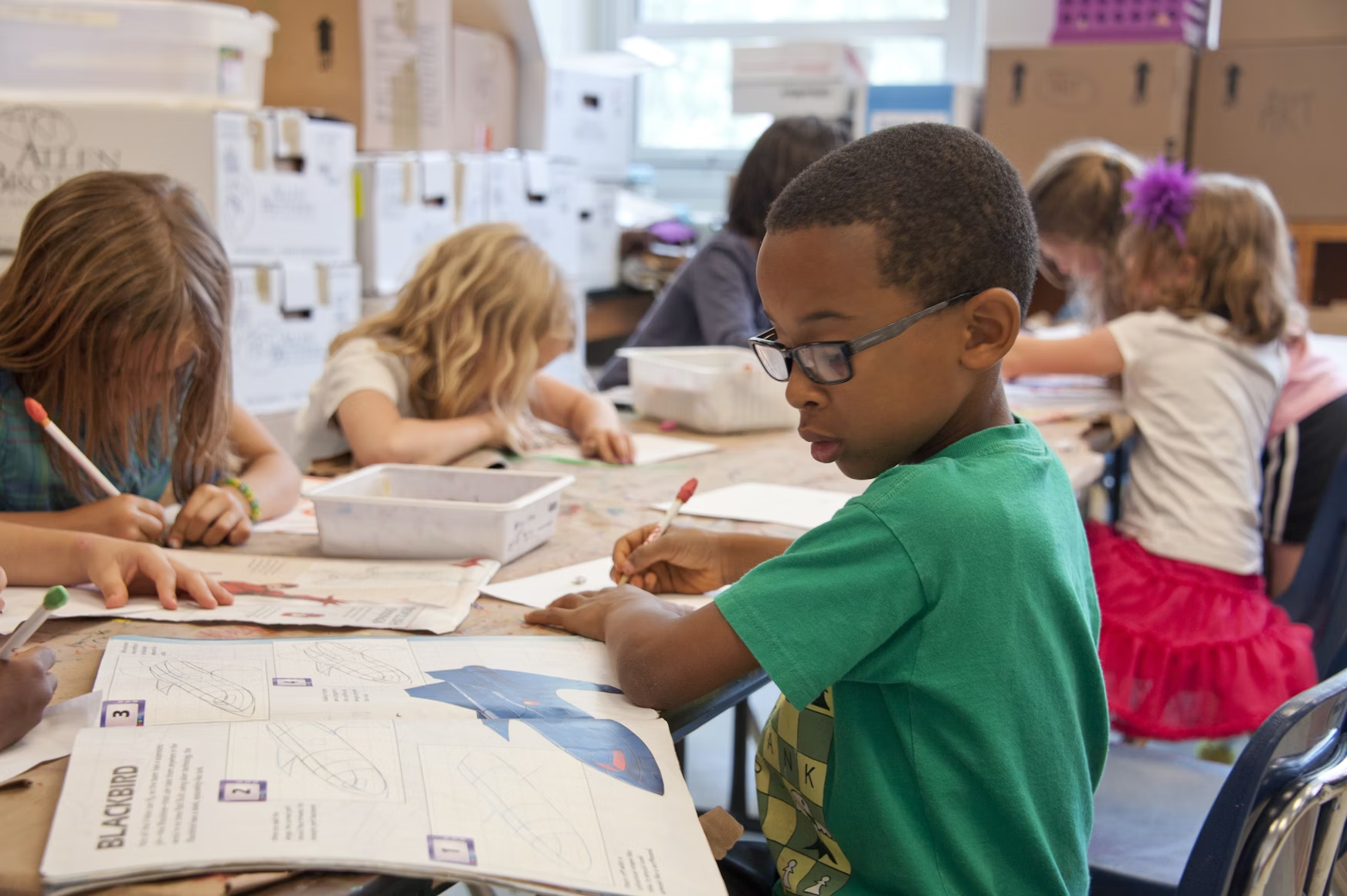
A classroom scene representing common parental missteps as kids begin school.
Image Source: Unsplash

That first day of school—backpacks zipped, lunches packed, hearts racing—is a moment filled with pride, anxiety, and sometimes a little chaos. Whether your child is stepping into a classroom for the first time or returning after summer break, how you handle the transition can shape their entire year. Below are nine back‑to‑school parenting missteps, why they happen, and what to do instead.

1. Overscheduling Children

Extracurriculars are valuable, but stacking every club, sport, and lesson can overwhelm kids and erode family time. A simple rule of thumb from many child development specialists is to cap structured activities at one or two per season and leave room for free play.

Try building a monthly wall calendar together so kids can see how full a week looks before they commit. If a new interest pops up mid‑semester, agree on a “one‑in, one‑out” policy: add karate only after soccer ends, or swap ballet for art club instead of juggling both.

2. Projecting Your Own Anxiety

Worries about grades, friends, or bullying can seep into your tone and body language. Kids are emotional mirrors; if you radiate tension, they’ll feel it too. Practicing a few calming breaths or quick visualizations before discussing school helps you model steadiness.

Use neutral prompts such as “How did recess feel today?” instead of leading with fear‑tinged questions like “Did anyone pick on you?” Modeling calm curiosity tells children you trust their resilience, which, in turn, strengthens it.

3. Failing to Prepare School Supplies

Missing notebooks and dull pencils create stress before the bell even rings. Aim to gather the school’s supply list at least two weeks early.

Stash an extra “backup kit” (spare glue sticks, erasers, tissues) in a zip‑bag that lives in their locker or cubby; it saves frantic last‑minute dashes when something runs out mid‑unit.

4. Minimizing Their Emotions

Brushing off worries with “You’ll be fine” tells kids their feelings don’t count. Instead, validate first—“It’s normal to feel nervous about a new teacher”—then brainstorm coping ideas together.

Teaching children to name emotions (“I feel fluttery in my stomach and worried”) boosts emotional intelligence and reduces meltdowns.

5. Putting Too Much Pressure on Academics

High expectations can motivate, but a relentless emphasis on grades may spark anxiety or avoidance. Praise effort and problem‑solving, not just perfect scores, to foster a growth mindset.

Ask “What strategy helped you solve that math puzzle?” rather than “What score did you get?” Celebrate incremental growth—moving from a C to a B‑, remembering to underline topic sentences—so kids learn that effort fuels progress.

Child in bed with a glowing tablet, suggesting ignored sleep schedules.
Image Source: Unsplash

6. Ignoring Sleep Schedules

A healthy bedtime routine has more academic impact than an extra worksheet. The American Academy of Pediatrics notes that grade‑schoolers need 9–12 hours nightly for optimal focus and mood.

Begin the “school‑year bedtime rollback” a week before classes start—move lights‑out 15 minutes earlier each night and pair it with a calming ritual (storytime, gentle stretches, or a warm bath) to cue the brain for sleep. Keep screens out of bedrooms; blue light delays melatonin release and makes early mornings tougher.

7. Skipping Breakfast

Kids who start the day hungry struggle with attention and emotional control. Keep quick options on hand—yogurt parfaits, peanut butter toast, or boiled eggs—for mornings when everyone oversleeps.

If appetite is low at dawn, pack a “first bell snack” such as a banana or whole‑grain muffin so fuel lands in the first hour of class. Pair carbs with protein to stabilize blood sugar and sustain focus until lunch.

8. Not Communicating With Teachers

Parents sometimes avoid contact, fearing they’ll seem overbearing. In reality, teachers value concise updates about home routines or concerns. A short, friendly email at mid‑term can open helpful dialogue.

Check in at mid‑term with a friendly, specific question—“How is Maya managing group work?”—and thank the teacher for something you’ve noticed. Mutual respect sets the stage for swift collaboration if issues arise.

9. Comparing Your Child to Others

Benchmarks can guide learning, but constant comparison chips away at confidence. Focus on your child’s individual progress: maybe they’ve become more organized, kinder to peers, or braver about raising a hand.

Share these observations aloud so kids see that progress isn’t only about test scores—it’s also about empathy, persistence, and creativity. Reinforcing personal wins cultivates intrinsic motivation and a lifelong love of learning.

Set the Tone for a Great Year—One Decision at a Time

Back‑to‑school parenting is less about perfection and more about thoughtful choices. By steering clear of these common mistakes—overscheduling, skipped breakfasts, late bedtimes—you help your child walk into class rested, prepared, and supported. That calm confidence is the best school supply of all.

Have you made any of these mistakes, or do you have others you’d like to add? Tell us in the comments below!

Read More

  • Sensory Integration Strategies for Children with Autism
  • 5 Smart Ways to Save on Back to School Supplies

Samantha Warren
Samantha

Samantha Warren is a holistic marketing strategist with 8+ years of experience partnering with startups, Fortune 500 companies, and everything in between. With an entrepreneurial mindset, she excels at shaping brand narratives through data-driven, creative content. When she’s not working, Samantha loves to travel and draws inspiration from her trips to Thailand, Spain, Costa Rica, and beyond.

Filed Under: Parenting Tagged With: back-to-school parenting, emotional support for kids, overscheduling children | Parenting, parenting mistakes, school preparation, School Readiness, start of school tips

  • Facebook
  • Pinterest
  • RSS
  • Twitter

Basic Principles Of Good Parenting

Here some basic principles for good parenting:

  1. What You Do Matters: Your kids are watching you. So, be purposeful about what you want to accomplish.
  2. You Can’t be Too Loving: Don’t replace love with material possessions, lowered expectations or leniency.
  3. Be Involved Your Kids Life: Arrange your priorities to focus on what your kid’s needs. Be there mentally and physically.
  4. Adapt Your Parenting: Children grow quickly, so keep pace with your child’s development.
  5. Establish and Set Rules: The rules you set for children will establish the rules they set for themselves later.  Avoid harsh discipline and be consistent.
  6. Explain Your Decisions: What is obvious to you may not be evident to your child. They don’t have the experience you do.
  7. Be Respectful To Your Child: How you treat your child is how they will treat others.  Be polite, respectful and make an effort to pay attention.
Best Parenting Blogs

Most Popular

Baby Girl

12 “Grandma” Baby Names That Are Suddenly Cool Again

Evan Morgan
Baby

9 Baby Names That Sound Rare Without Being Hard to Spell

Evan Morgan
Target Store

Choking Incident Prompts Recall of 49,000 Target Gigglescape “Under the Sea” Popping Toys

Evan Morgan
Frustrated Girl

Why Some Students on the Spectrum Are Labeled With ODD

Evan Morgan
Coke Bottles

12 Things Kids Took to School in the ’70s That Would Never Be Allowed Today

Evan Morgan

All content on Kids Ain’t Cheap is for entertainment purposes only. By reading this blog, you agree that Kids Ain’t Cheap is not responsible for any actions taken after reading this blog. For the full disclaimer, see our privacy policy.

Please note that Kids Ain’t Cheap has financial relationships with some of the merchants mentioned here. Kids Ain’t Cheap is funded by banner advertising, commission sales and search optimization consulting.

Copyright © 2006–2026 | District Media | All Rights Reserved | Privacy Policy

Copyright © 2026 Runway Pro Theme by Viva la Violette