• Home
  • About Us
  • Toolkit
  • Archives
  • Advertise
  • Privacy Policy

Kids Ain't Cheap

But They Sure Are Worth It

  • Parenting
    • Baby Stuff
    • Books and Reading
      • Aesops Fables
      • Comic Books
    • Education
    • Family Time
    • Green Living
    • Growing Up
    • Healthy Living & Eating
    • Holidays
    • Parenting
    • Random Musings
    • Shopping
    • Stuff to Do
  • Money
  • Product Reviews
    • Books and Magazines
    • Discount Sites
    • Furniture
    • House Keeping
    • Reviews News
    • Toys and Games
  • Contact Us
  • Our Editorial Commitment
  • Search

Will That Unique Baby Name Prevent Your Kid from Fitting In?

December 20, 2025 | Leave a Comment

Will That Unique Baby Name Prevent Your Kid from Fitting In?
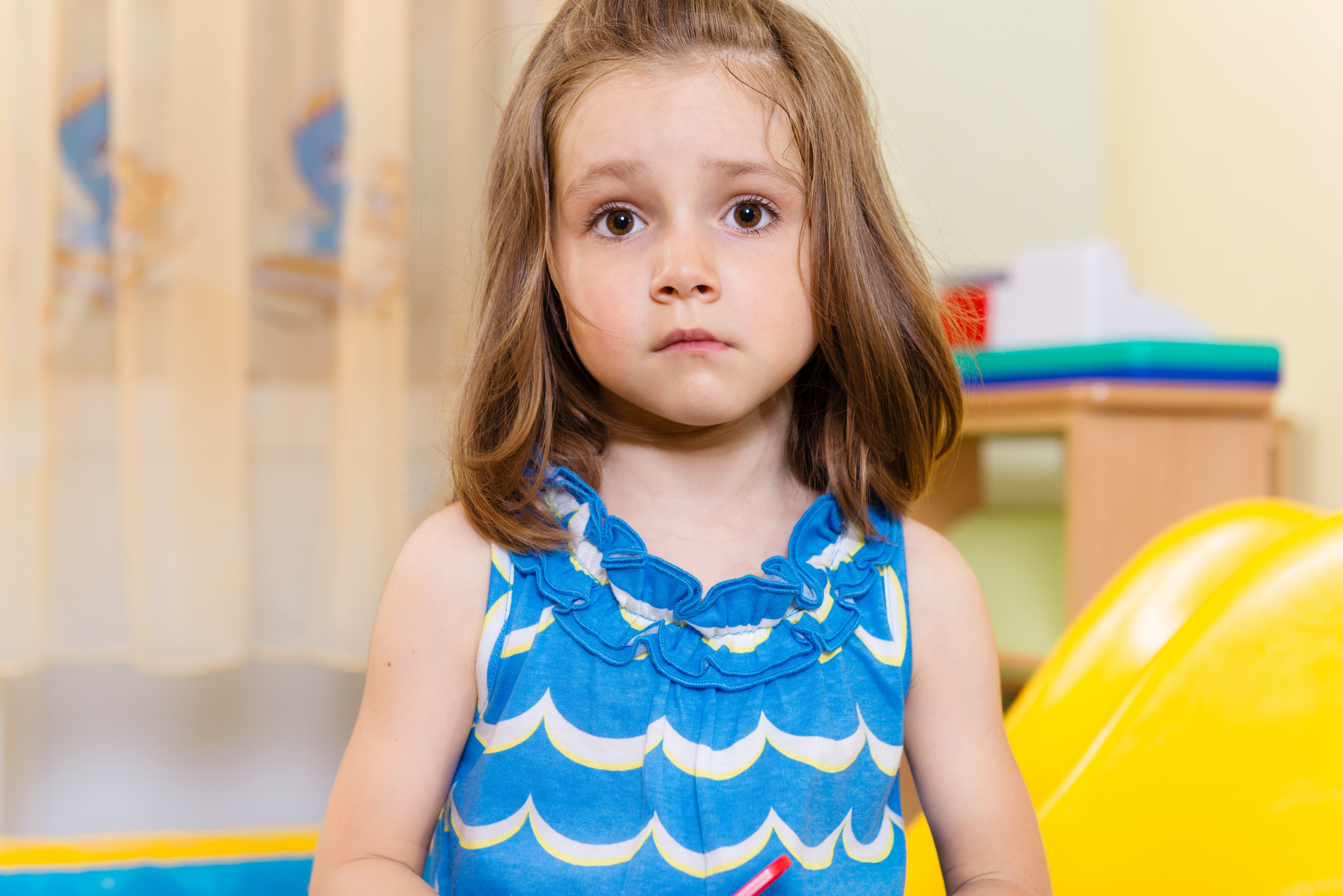
Image source: shutterstock.com

Choosing a name can feel like the first big parenting decision with real social consequences. Maybe a unique baby name feels meaningful, creative, and perfect for your family, but a tiny voice in your head wonders if it’ll make school harder. The truth is, fitting in isn’t just about blending in—it’s about belonging, and kids can belong with all kinds of names. What matters most is how easy the name is to use in everyday life and how supported your child feels when questions come up. Here’s how to think it through without panic, regret, or naming your kid like it’s a group project.

What Kids Actually Notice First

Kids usually notice confidence and social cues before they notice spelling on a class roster. If a unique baby name is said calmly and proudly at home, children often mirror that energy at school. The bigger issue tends to be whether other kids can say it without feeling embarrassed or corrected. Many classmates accept “different” quickly when adults don’t act tense about it. A name rarely creates an outcast by itself, but awkward moments can pile up when nobody helps a child navigate them.

How Adults Can Accidentally Make It Harder

Adults sometimes turn a normal name question into a spotlight moment without meaning to. If family members constantly joke about the choice, kids learn to brace for comments instead of enjoying their identity. Teachers can also unintentionally create friction if they rush pronunciation or publicly “give up” and hand out a nickname. When adults treat the name like a problem, peers often follow that lead. If you chose a unique baby name, the best gift you can give is modeling respect for it in everyday conversation.

When A Unique Baby Name Becomes The Whole Story

A name becomes tricky when it turns into a repeated classroom event instead of a simple introduction. If people ask about it every time, your child can start feeling like a fun fact instead of a full person. That doesn’t mean you should avoid a standout name, but it does mean you should plan for the “tell me about it” moments. Practice a one-sentence explanation your child can use and let them choose how much detail they want to share. When a unique baby name has a short, confident script behind it, it stops being a performance and becomes normal.

The Classroom Test: Pronunciation, Spelling, And Nicknames

Before you commit, do a real-world test that mimics school life, not baby-name forums. Say the name out loud to a few people and notice whether they hesitate, mishear it, or ask for repeats. Write it down once and see if they can spell it back, because daily life includes worksheets, email addresses, and labels. If your unique baby name has a likely nickname, decide whether you’re okay with it, because kids often nickname naturally. A flexible plan beats a rigid one, especially when your child’s preferences may change over time.

Social Media, Searchability, And Privacy

Today’s kids don’t just “fit in” at school; they also exist in group chats, gaming handles, and searchable online spaces. If your unique baby name is extremely rare, it may be easier for strangers to find your child later, which can raise privacy concerns. On the flip side, a highly distinctive name can help a kid feel memorable in positive ways, like clubs, sports, or creative communities. Think about how the name looks in usernames, email formats, and initials to avoid accidental awkwardness. A practical check now can prevent years of tiny annoyances later.

Practical Ways To Support Belonging At School

You can help your child feel grounded no matter what their name is by building social comfort early. Role-play introductions, corrections, and “What does it mean?” questions so your child isn’t caught off guard. If a unique baby name gets mispronounced, teach a friendly correction that doesn’t sound apologetic or angry. Communicate with teachers before the first day so they hear the correct pronunciation privately and can lead confidently in class. Belonging grows faster when your child feels prepared, supported, and proud of their own story.

The Goal Isn’t Blending In—It’s Feeling Safe Being Seen

Names don’t guarantee popularity, and they don’t doom a kid to loneliness, either. What lasts is the message a child learns about themselves when they’re noticed. If your family treats the name as meaningful and normal, your child learns that being different isn’t the same as being excluded. If the name comes with a simple script and steady support, your child can handle curiosity without feeling targeted. Pick the name you love, then put just as much care into the confidence your child carries with it.

What’s a baby name you loved—but hesitated on—because you worried about how it would land at school?

What to Read Next…

10 Baby Name Combinations That Are Quietly Ridiculed in Classrooms

Is Your Child’s Name Secretly Making Their Own TikTok Memes?

Does Following Current Name Trends Mean Your Child Will Be Picked on in 2035?

7 “Harmless” Nicknames That Kids Secretly Hate

How One Baby Name Choice Could Affect College Admissions

Catherine Reed
Catherine Reed

Catherine is a tech-savvy writer who has focused on the personal finance space for more than eight years. She has a Bachelor’s in Information Technology and enjoys showcasing how tech can simplify everyday personal finance tasks like budgeting, spending tracking, and planning for the future. Additionally, she’s explored the ins and outs of the world of side hustles and loves to share what she’s learned along the way. When she’s not working, you can find her relaxing at home in the Pacific Northwest with her two cats or enjoying a cup of coffee at her neighborhood cafe.
Filed Under: Baby Names Tagged With: baby names, bullying prevention, child confidence, family identity, naming tips, parenting advice, School Readiness, social development

7 Preschool Programs That Might Be Hurting Kids Socially

October 6, 2025 | Leave a Comment

7 Preschool Programs That Might Be Hurting Kids Socially
Image source: 123rf.com

Preschool is often seen as the first big step toward building friendships, teamwork, and emotional growth, but not every classroom setup helps kids thrive. While many schools focus on play-based learning and healthy interaction, some preschool programs unintentionally limit social development. The wrong mix of structure, activities, or expectations can leave kids struggling to connect with others. Parents may assume all preschool experiences build social skills equally, yet subtle differences make a big impact. Knowing which programs might be hurting kids socially can help families make more informed choices.

1. Academics-First Programs Limit Interaction

Preschool programs that focus heavily on early reading, math, and structured lessons may look appealing to parents eager to give their kids a head start. However, placing academics above play can reduce the time children spend building friendships and learning cooperation. At this age, social development often happens through imaginative play and shared experiences rather than worksheets. When kids sit at desks instead of engaging with peers, they miss valuable practice in conflict resolution and teamwork. A classroom that prioritizes academics too early risks stunting social growth.

2. Over-Scheduled Classrooms Reduce Playtime

Some preschools pack the day with structured activities, leaving little time for free play. While enrichment activities like music, art, or foreign language can be valuable, too much structure restricts creativity and peer-led exploration. Preschool programs that over-schedule children may unintentionally reduce opportunities for organic friendship-building. Kids thrive when they invent games, solve problems together, and make independent choices during play. Without this freedom, social skills like compromise and negotiation develop more slowly.

3. Technology-Heavy Learning Creates Isolation

Classrooms that lean on tablets or screens to teach young children often neglect face-to-face interaction. While technology has a place in education, it should not replace shared play or group learning in preschool programs. Kids who spend large chunks of the day on screens miss chances to read social cues, share toys, or resolve disagreements. Research shows that overreliance on devices can even delay language development, which ties directly to social success. Parents should be cautious about programs that market themselves as “high-tech” for very young learners.

4. Highly Competitive Environments Build Pressure

Some schools design preschool programs with contests, awards, or ranking systems to encourage achievement. While competition may motivate older students, it can overwhelm preschoolers still learning basic social interaction. When kids view peers as rivals rather than friends, cooperation suffers. Pressure to “win” can lead to frustration, tantrums, or withdrawal, all of which harm early social development. Instead of collaboration, children may learn to compare themselves constantly to others, a habit that follows them well beyond preschool.

5. Large Class Sizes Limit Connection

Bigger is not always better, especially when it comes to early learning groups. Preschool programs with high student-to-teacher ratios often leave kids competing for attention. In large classrooms, quieter children may get overlooked, missing out on guided social interactions that help them build confidence. Teachers also have less time to mediate conflicts or encourage inclusive play. Smaller groups allow for stronger bonds and more personalized social support, which is critical during these formative years.

6. Discipline-Heavy Programs Create Fear

Some preschools enforce strict behavioral rules with rigid punishments like time-outs or public shaming. While structure is important, discipline-heavy environments can make children fearful of engaging with peers. Kids may avoid speaking up, taking risks, or joining group activities because they fear making mistakes. Preschool programs should encourage growth through gentle correction and positive reinforcement, not intimidation. A harsh approach can create long-lasting social anxiety that shows up both in and outside the classroom.

7. Limited Outdoor Play Restricts Social Learning

Outdoor play is more than just recess—it’s a vital space where kids learn to share, cooperate, and take turns. Preschool programs that minimize outdoor time in favor of indoor academics deprive children of these experiences. Physical play fosters teamwork, problem-solving, and empathy as kids navigate games and group activities. Without it, many preschoolers struggle to practice patience and build friendships naturally. Reducing outdoor play doesn’t just hurt physical health; it also stunts social growth.

Finding Balance for Healthy Development

Parents often want the “best” preschool programs, but sometimes that means choosing balance over intensity. A strong program blends academics, play, and guided interaction while respecting the natural pace of early childhood development. Families should look for schools that encourage creativity, provide plenty of free play, and support teachers in fostering healthy peer connections. Social skills built during these years lay the foundation for confidence, empathy, and lifelong success. When parents prioritize programs that nurture the whole child, they help ensure kids grow both academically and socially.

Do you think today’s preschool programs put too much pressure on kids too soon? Share your experiences and thoughts in the comments below.

What to Read Next…

7 Reasons You Shouldn’t Waste Money on Private Schools

8 School Rules That Should’ve Changed Decades Ago

7 Unreasonable Demands From Schools That Are Breaking Parents

Here’s Why School Supplies Continue to Cost More and More Every Year

9 Ways Modern Classrooms Are Disrupting Childhood Focus

Catherine Reed
Catherine Reed

Catherine is a tech-savvy writer who has focused on the personal finance space for more than eight years. She has a Bachelor’s in Information Technology and enjoys showcasing how tech can simplify everyday personal finance tasks like budgeting, spending tracking, and planning for the future. Additionally, she’s explored the ins and outs of the world of side hustles and loves to share what she’s learned along the way. When she’s not working, you can find her relaxing at home in the Pacific Northwest with her two cats or enjoying a cup of coffee at her neighborhood cafe.

Filed Under: Education Tagged With: child development, childhood learning, early education, kids and social growth, Parenting, preschool programs, School Readiness, Social Skills

These Are the 9 Most Common Mistakes Parents Make When Their Kids Start School

April 22, 2025 | Leave a Comment

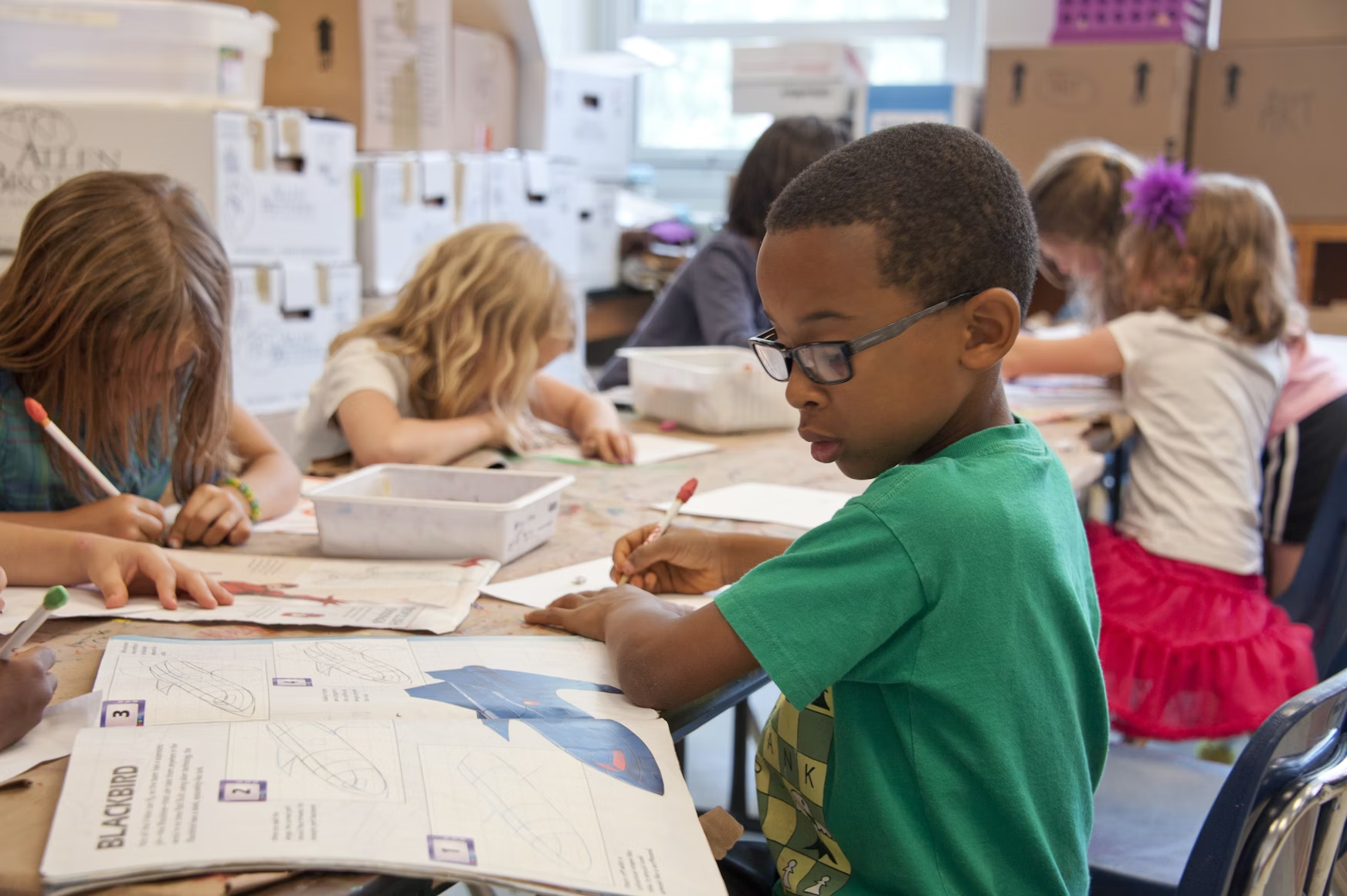
A classroom scene representing common parental missteps as kids begin school.
Image Source: Unsplash

That first day of school—backpacks zipped, lunches packed, hearts racing—is a moment filled with pride, anxiety, and sometimes a little chaos. Whether your child is stepping into a classroom for the first time or returning after summer break, how you handle the transition can shape their entire year. Below are nine back‑to‑school parenting missteps, why they happen, and what to do instead.

1. Overscheduling Children

Extracurriculars are valuable, but stacking every club, sport, and lesson can overwhelm kids and erode family time. A simple rule of thumb from many child development specialists is to cap structured activities at one or two per season and leave room for free play.

Try building a monthly wall calendar together so kids can see how full a week looks before they commit. If a new interest pops up mid‑semester, agree on a “one‑in, one‑out” policy: add karate only after soccer ends, or swap ballet for art club instead of juggling both.

2. Projecting Your Own Anxiety

Worries about grades, friends, or bullying can seep into your tone and body language. Kids are emotional mirrors; if you radiate tension, they’ll feel it too. Practicing a few calming breaths or quick visualizations before discussing school helps you model steadiness.

Use neutral prompts such as “How did recess feel today?” instead of leading with fear‑tinged questions like “Did anyone pick on you?” Modeling calm curiosity tells children you trust their resilience, which, in turn, strengthens it.

3. Failing to Prepare School Supplies

Missing notebooks and dull pencils create stress before the bell even rings. Aim to gather the school’s supply list at least two weeks early.

Stash an extra “backup kit” (spare glue sticks, erasers, tissues) in a zip‑bag that lives in their locker or cubby; it saves frantic last‑minute dashes when something runs out mid‑unit.

4. Minimizing Their Emotions

Brushing off worries with “You’ll be fine” tells kids their feelings don’t count. Instead, validate first—“It’s normal to feel nervous about a new teacher”—then brainstorm coping ideas together.

Teaching children to name emotions (“I feel fluttery in my stomach and worried”) boosts emotional intelligence and reduces meltdowns.

5. Putting Too Much Pressure on Academics

High expectations can motivate, but a relentless emphasis on grades may spark anxiety or avoidance. Praise effort and problem‑solving, not just perfect scores, to foster a growth mindset.

Ask “What strategy helped you solve that math puzzle?” rather than “What score did you get?” Celebrate incremental growth—moving from a C to a B‑, remembering to underline topic sentences—so kids learn that effort fuels progress.

Child in bed with a glowing tablet, suggesting ignored sleep schedules.
Image Source: Unsplash

6. Ignoring Sleep Schedules

A healthy bedtime routine has more academic impact than an extra worksheet. The American Academy of Pediatrics notes that grade‑schoolers need 9–12 hours nightly for optimal focus and mood.

Begin the “school‑year bedtime rollback” a week before classes start—move lights‑out 15 minutes earlier each night and pair it with a calming ritual (storytime, gentle stretches, or a warm bath) to cue the brain for sleep. Keep screens out of bedrooms; blue light delays melatonin release and makes early mornings tougher.

7. Skipping Breakfast

Kids who start the day hungry struggle with attention and emotional control. Keep quick options on hand—yogurt parfaits, peanut butter toast, or boiled eggs—for mornings when everyone oversleeps.

If appetite is low at dawn, pack a “first bell snack” such as a banana or whole‑grain muffin so fuel lands in the first hour of class. Pair carbs with protein to stabilize blood sugar and sustain focus until lunch.

8. Not Communicating With Teachers

Parents sometimes avoid contact, fearing they’ll seem overbearing. In reality, teachers value concise updates about home routines or concerns. A short, friendly email at mid‑term can open helpful dialogue.

Check in at mid‑term with a friendly, specific question—“How is Maya managing group work?”—and thank the teacher for something you’ve noticed. Mutual respect sets the stage for swift collaboration if issues arise.

9. Comparing Your Child to Others

Benchmarks can guide learning, but constant comparison chips away at confidence. Focus on your child’s individual progress: maybe they’ve become more organized, kinder to peers, or braver about raising a hand.

Share these observations aloud so kids see that progress isn’t only about test scores—it’s also about empathy, persistence, and creativity. Reinforcing personal wins cultivates intrinsic motivation and a lifelong love of learning.

Set the Tone for a Great Year—One Decision at a Time

Back‑to‑school parenting is less about perfection and more about thoughtful choices. By steering clear of these common mistakes—overscheduling, skipped breakfasts, late bedtimes—you help your child walk into class rested, prepared, and supported. That calm confidence is the best school supply of all.

Have you made any of these mistakes, or do you have others you’d like to add? Tell us in the comments below!

Read More

  • Sensory Integration Strategies for Children with Autism
  • 5 Smart Ways to Save on Back to School Supplies

Samantha Warren
Samantha

Samantha Warren is a holistic marketing strategist with 8+ years of experience partnering with startups, Fortune 500 companies, and everything in between. With an entrepreneurial mindset, she excels at shaping brand narratives through data-driven, creative content. When she’s not working, Samantha loves to travel and draws inspiration from her trips to Thailand, Spain, Costa Rica, and beyond.

Filed Under: Parenting Tagged With: back-to-school parenting, emotional support for kids, overscheduling children | Parenting, parenting mistakes, school preparation, School Readiness, start of school tips

  • Facebook
  • Pinterest
  • RSS
  • Twitter

Basic Principles Of Good Parenting

Here some basic principles for good parenting:

  1. What You Do Matters: Your kids are watching you. So, be purposeful about what you want to accomplish.
  2. You Can’t be Too Loving: Don’t replace love with material possessions, lowered expectations or leniency.
  3. Be Involved Your Kids Life: Arrange your priorities to focus on what your kid’s needs. Be there mentally and physically.
  4. Adapt Your Parenting: Children grow quickly, so keep pace with your child’s development.
  5. Establish and Set Rules: The rules you set for children will establish the rules they set for themselves later.  Avoid harsh discipline and be consistent.
  6. Explain Your Decisions: What is obvious to you may not be evident to your child. They don’t have the experience you do.
  7. Be Respectful To Your Child: How you treat your child is how they will treat others.  Be polite, respectful and make an effort to pay attention.
Best Parenting Blogs

Most Popular

Baby

9 Unusual Baby Names That Sound Like They Belong to Future CEOs

Evan Morgan
Baby

10 Baby Names That Were Once Considered “Grandparent Names” but Feel Cool Again

Evan Morgan
Target Store

Choking Incident Prompts Recall of 49,000 Target Gigglescape “Under the Sea” Popping Toys

Evan Morgan
Frustrated Girl

Why Some Students on the Spectrum Are Labeled With ODD

Evan Morgan
Coke Bottles

12 Things Kids Took to School in the ’70s That Would Never Be Allowed Today

Evan Morgan

All content on Kids Ain’t Cheap is for entertainment purposes only. By reading this blog, you agree that Kids Ain’t Cheap is not responsible for any actions taken after reading this blog. For the full disclaimer, see our privacy policy.

Please note that Kids Ain’t Cheap has financial relationships with some of the merchants mentioned here. Kids Ain’t Cheap is funded by banner advertising, commission sales and search optimization consulting.

Copyright © 2006–2026 | District Media | All Rights Reserved | Privacy Policy

Copyright © 2026 Runway Pro Theme by Viva la Violette