• Home
  • About Us
  • Toolkit
  • Archives
  • Advertise
  • Privacy Policy

Kids Ain't Cheap

But They Sure Are Worth It

  • Parenting
    • Baby Stuff
    • Books and Reading
      • Aesops Fables
      • Comic Books
    • Education
    • Family Time
    • Green Living
    • Growing Up
    • Healthy Living & Eating
    • Holidays
    • Parenting
    • Random Musings
    • Shopping
    • Stuff to Do
  • Money
  • Product Reviews
    • Books and Magazines
    • Discount Sites
    • Furniture
    • House Keeping
    • Reviews News
    • Toys and Games
  • Contact Us
  • Our Editorial Commitment
  • Search

6 After-School Activities Parents Regret Paying For (Because the “Benefits” Don’t Show Up)

February 4, 2026 | Leave a Comment

These Are 6 After-School Activities Parents Regret Paying For (Because the “Benefits” Don’t Show Up)
Image Source: Shutterstock.com

Every parent wants to give their kid “the best.” The best opportunities. The best experiences. The best possible start in life. That’s how we end up swiping credit cards for uniforms, lessons, registration fees, equipment, travel costs, and monthly memberships that promise confidence, discipline, focus, leadership, and future success — all wrapped in glossy brochures and inspirational slogans.

But here’s the uncomfortable truth: not every after-school activity delivers what it promises, and some of them quietly become expensive habits with very little payoff. Not because kids are failing — but because the activity itself just doesn’t live up to the hype. These are the programs parents often regret paying for, not out of bitterness, but out of hard-earned wisdom, empty wallets, and a deep realization that “busy” doesn’t always mean “beneficial.”

1. Travel Sports Teams That Drain Bank Accounts and Burn Out Families

Travel sports look amazing on paper: elite coaching, top-tier competition, exposure opportunities, and a fast track to scholarships or college recruitment. In reality, many families discover they’ve signed up for a lifestyle, not just a sport. Weekend travel, hotel stays, tournament fees, equipment upgrades, private training sessions, and “mandatory extras” quietly balloon into thousands of dollars a year. For most kids, the actual skill development isn’t dramatically better than local leagues, especially at younger ages where fundamentals matter more than competition.

The pressure can also drain the joy out of the game, turning something kids once loved into a source of stress and performance anxiety. Parents often realize too late that they weren’t paying for growth — they were paying for access, status, and a very expensive schedule.

2. Hyper-Competitive Academic Enrichment Programs That Promise Genius-Level Results

From coding bootcamps to elite math academies to accelerated reading programs, these classes often promise to unlock hidden brilliance and future success. The reality is that learning doesn’t thrive under pressure, especially when kids are overloaded with structured demands all day long. Many parents notice their kids becoming exhausted, anxious, or disengaged rather than inspired and curious. The material can feel forced, overly rigid, or disconnected from how kids naturally learn and explore.

Instead of nurturing creativity and curiosity, these programs sometimes turn education into a grind. Families walk away realizing that curiosity grows better through exploration, play, and meaningful experiences — not pressure-packed enrichment schedules.

These Are 6 After-School Activities Parents Regret Paying For (Because the “Benefits” Don’t Show Up)
Image Source: Shutterstock.com

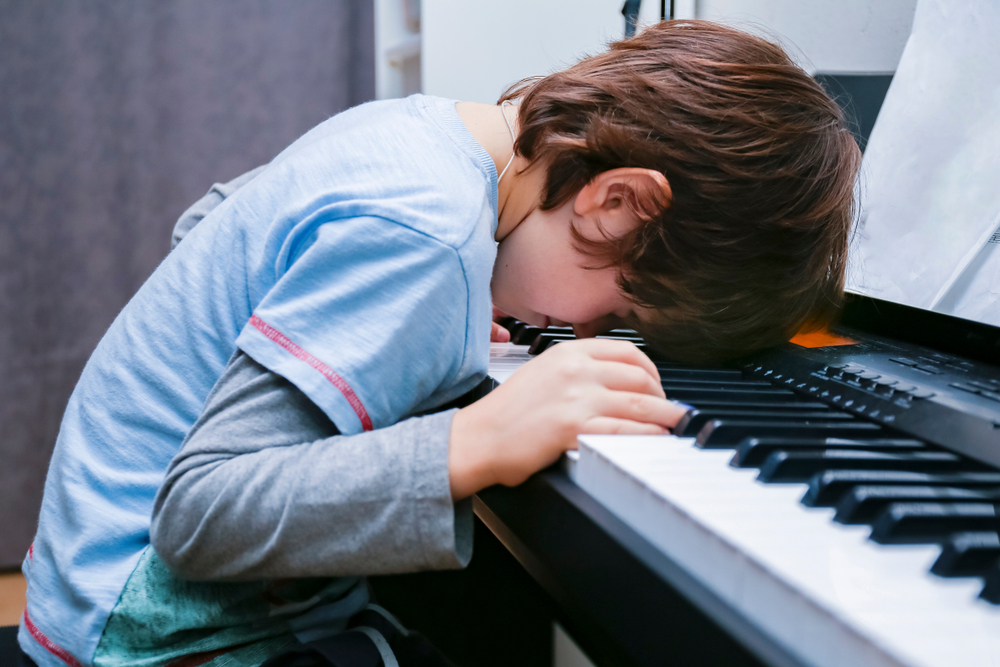
3. Music Lessons That Never Turn Into Music Lovers

Music education is powerful, but only when it’s driven by genuine interest. Many parents pay for years of piano, violin, or guitar lessons hoping for discipline, confidence, and lifelong appreciation of music.

What often happens instead is weekly battles over practice, forced recitals, and kids who associate music with stress instead of joy. The structure can become rigid, transactional, and performance-focused rather than expressive and creative. When the child isn’t internally motivated, the “benefits” never really land. Parents eventually realize they weren’t building musicians. Instead, they were maintaining a routine that nobody actually enjoyed.

4. Activity Overload That Leaves Kids Tired Instead of Thriving

Sometimes the regret isn’t one specific activity — it’s the sheer volume of them. Soccer on Mondays, tutoring on Tuesdays, dance on Wednesdays, robotics on Thursdays, games on weekends. The schedule looks impressive, but the kids are exhausted, irritable, and overstimulated. There’s no room for rest, boredom, creativity, or unstructured play, which are essential for emotional regulation and brain development.

Parents often recognize that their child isn’t actually benefiting from the activities because they’re too tired to engage meaningfully. Busy doesn’t equal healthy, and full calendars don’t automatically build better humans.

5. Character-Building Programs That Teach Rules, Not Real-Life Skills

Programs built around discipline, leadership, or “character development” often sound incredible in theory. But many end up being rigid, hierarchical, and rule-heavy rather than emotionally supportive or developmentally appropriate. Kids may learn obedience, but not empathy. Structure, but not communication. Compliance, but not confidence.

Parents start noticing that their child isn’t becoming more secure or emotionally aware. They’re just becoming more conditioned to follow instructions. True character growth comes from relationships, trust, modeling, and emotional safety, not just structured authority and rigid systems.

6. Prestige Programs That Feel More About Appearances Than Growth

Some activities exist less for child development and more for optics. Elite academies, exclusive programs, invite-only clubs, and branded enrichment experiences often sell a powerful image of success and status. Parents pay for the name, the reputation, and the “impressive” factor, not necessarily the impact.

Eventually, many realize their child isn’t gaining meaningful skills, confidence, or joy — just a logo and a label. The regret comes from recognizing that image doesn’t equal impact, and prestige doesn’t equal growth. Kids don’t need impressive résumés, they need meaningful experiences.

The Quiet Realization That “Less” Often Works Better

Parents who’ve been through this cycle often come to the same conclusion: fewer activities, chosen intentionally, create more growth than packed schedules and expensive programs. Kids thrive when they feel safe, supported, rested, and internally motivated.

Growth happens through play, relationships, curiosity, autonomy, and emotional connection and not just structured instruction. The most powerful investments aren’t always financial; they’re time, presence, and flexibility. Sometimes the best after-school activity is space to breathe, explore, imagine, and just be a kid.

What after-school activities have you found actually helped your child grow — and which ones just weren’t worth it? Share your experience in the comments.

You May Also Like…

Nutritionists Warn: 6 “Healthy” Lunchbox Staples That Spike Sugar Crashes at School

Teachers Beg Parents: Stop Buying These 7 Expensive School Supplies

The 5 “Educational” Apps That Teachers Say Are Actually Hurting Grades

8 Silent Symptoms of “Walking Pneumonia” Spiking in Virginia Schools This Week

How Your Child’s Cell Phone Could Now Ruin Them In School

Brandon Marcus
Brandon Marcus
Brandon Marcus is a writer who has been sharing the written word since a very young age. His interests include sports, history, pop culture, and so much more. When he isn’t writing, he spends his time jogging, drinking coffee, or attempting to read a long book he may never complete.

Filed Under: Education Tagged With: after school activities, child development, childhood learning, education, extracurriculars, Family Budget, family life, kids activities, modern parenting, Parenting, parenting advice

7 Preschool Programs That Might Be Hurting Kids Socially

October 6, 2025 | Leave a Comment

7 Preschool Programs That Might Be Hurting Kids Socially
Image source: 123rf.com

Preschool is often seen as the first big step toward building friendships, teamwork, and emotional growth, but not every classroom setup helps kids thrive. While many schools focus on play-based learning and healthy interaction, some preschool programs unintentionally limit social development. The wrong mix of structure, activities, or expectations can leave kids struggling to connect with others. Parents may assume all preschool experiences build social skills equally, yet subtle differences make a big impact. Knowing which programs might be hurting kids socially can help families make more informed choices.

1. Academics-First Programs Limit Interaction

Preschool programs that focus heavily on early reading, math, and structured lessons may look appealing to parents eager to give their kids a head start. However, placing academics above play can reduce the time children spend building friendships and learning cooperation. At this age, social development often happens through imaginative play and shared experiences rather than worksheets. When kids sit at desks instead of engaging with peers, they miss valuable practice in conflict resolution and teamwork. A classroom that prioritizes academics too early risks stunting social growth.

2. Over-Scheduled Classrooms Reduce Playtime

Some preschools pack the day with structured activities, leaving little time for free play. While enrichment activities like music, art, or foreign language can be valuable, too much structure restricts creativity and peer-led exploration. Preschool programs that over-schedule children may unintentionally reduce opportunities for organic friendship-building. Kids thrive when they invent games, solve problems together, and make independent choices during play. Without this freedom, social skills like compromise and negotiation develop more slowly.

3. Technology-Heavy Learning Creates Isolation

Classrooms that lean on tablets or screens to teach young children often neglect face-to-face interaction. While technology has a place in education, it should not replace shared play or group learning in preschool programs. Kids who spend large chunks of the day on screens miss chances to read social cues, share toys, or resolve disagreements. Research shows that overreliance on devices can even delay language development, which ties directly to social success. Parents should be cautious about programs that market themselves as “high-tech” for very young learners.

4. Highly Competitive Environments Build Pressure

Some schools design preschool programs with contests, awards, or ranking systems to encourage achievement. While competition may motivate older students, it can overwhelm preschoolers still learning basic social interaction. When kids view peers as rivals rather than friends, cooperation suffers. Pressure to “win” can lead to frustration, tantrums, or withdrawal, all of which harm early social development. Instead of collaboration, children may learn to compare themselves constantly to others, a habit that follows them well beyond preschool.

5. Large Class Sizes Limit Connection

Bigger is not always better, especially when it comes to early learning groups. Preschool programs with high student-to-teacher ratios often leave kids competing for attention. In large classrooms, quieter children may get overlooked, missing out on guided social interactions that help them build confidence. Teachers also have less time to mediate conflicts or encourage inclusive play. Smaller groups allow for stronger bonds and more personalized social support, which is critical during these formative years.

6. Discipline-Heavy Programs Create Fear

Some preschools enforce strict behavioral rules with rigid punishments like time-outs or public shaming. While structure is important, discipline-heavy environments can make children fearful of engaging with peers. Kids may avoid speaking up, taking risks, or joining group activities because they fear making mistakes. Preschool programs should encourage growth through gentle correction and positive reinforcement, not intimidation. A harsh approach can create long-lasting social anxiety that shows up both in and outside the classroom.

7. Limited Outdoor Play Restricts Social Learning

Outdoor play is more than just recess—it’s a vital space where kids learn to share, cooperate, and take turns. Preschool programs that minimize outdoor time in favor of indoor academics deprive children of these experiences. Physical play fosters teamwork, problem-solving, and empathy as kids navigate games and group activities. Without it, many preschoolers struggle to practice patience and build friendships naturally. Reducing outdoor play doesn’t just hurt physical health; it also stunts social growth.

Finding Balance for Healthy Development

Parents often want the “best” preschool programs, but sometimes that means choosing balance over intensity. A strong program blends academics, play, and guided interaction while respecting the natural pace of early childhood development. Families should look for schools that encourage creativity, provide plenty of free play, and support teachers in fostering healthy peer connections. Social skills built during these years lay the foundation for confidence, empathy, and lifelong success. When parents prioritize programs that nurture the whole child, they help ensure kids grow both academically and socially.

Do you think today’s preschool programs put too much pressure on kids too soon? Share your experiences and thoughts in the comments below.

What to Read Next…

7 Reasons You Shouldn’t Waste Money on Private Schools

8 School Rules That Should’ve Changed Decades Ago

7 Unreasonable Demands From Schools That Are Breaking Parents

Here’s Why School Supplies Continue to Cost More and More Every Year

9 Ways Modern Classrooms Are Disrupting Childhood Focus

Catherine Reed
Catherine Reed

Catherine is a tech-savvy writer who has focused on the personal finance space for more than eight years. She has a Bachelor’s in Information Technology and enjoys showcasing how tech can simplify everyday personal finance tasks like budgeting, spending tracking, and planning for the future. Additionally, she’s explored the ins and outs of the world of side hustles and loves to share what she’s learned along the way. When she’s not working, you can find her relaxing at home in the Pacific Northwest with her two cats or enjoying a cup of coffee at her neighborhood cafe.

Filed Under: Education Tagged With: child development, childhood learning, early education, kids and social growth, Parenting, preschool programs, School Readiness, Social Skills

  • Facebook
  • Pinterest
  • RSS
  • Twitter

Basic Principles Of Good Parenting

Here some basic principles for good parenting:

  1. What You Do Matters: Your kids are watching you. So, be purposeful about what you want to accomplish.
  2. You Can’t be Too Loving: Don’t replace love with material possessions, lowered expectations or leniency.
  3. Be Involved Your Kids Life: Arrange your priorities to focus on what your kid’s needs. Be there mentally and physically.
  4. Adapt Your Parenting: Children grow quickly, so keep pace with your child’s development.
  5. Establish and Set Rules: The rules you set for children will establish the rules they set for themselves later.  Avoid harsh discipline and be consistent.
  6. Explain Your Decisions: What is obvious to you may not be evident to your child. They don’t have the experience you do.
  7. Be Respectful To Your Child: How you treat your child is how they will treat others.  Be polite, respectful and make an effort to pay attention.
Best Parenting Blogs

Most Popular

Baby

9 Unusual Baby Names That Sound Like They Belong to Future CEOs

Evan Morgan
Baby

10 Baby Names That Were Once Considered “Grandparent Names” but Feel Cool Again

Evan Morgan
Target Store

Choking Incident Prompts Recall of 49,000 Target Gigglescape “Under the Sea” Popping Toys

Evan Morgan
Frustrated Girl

Why Some Students on the Spectrum Are Labeled With ODD

Evan Morgan
Coke Bottles

12 Things Kids Took to School in the ’70s That Would Never Be Allowed Today

Evan Morgan

All content on Kids Ain’t Cheap is for entertainment purposes only. By reading this blog, you agree that Kids Ain’t Cheap is not responsible for any actions taken after reading this blog. For the full disclaimer, see our privacy policy.

Please note that Kids Ain’t Cheap has financial relationships with some of the merchants mentioned here. Kids Ain’t Cheap is funded by banner advertising, commission sales and search optimization consulting.

Copyright © 2006–2026 | District Media | All Rights Reserved | Privacy Policy

Copyright © 2026 Runway Pro Theme by Viva la Violette