• Home
  • About Us
  • Toolkit
  • Archives
  • Advertise
  • Privacy Policy

Kids Ain't Cheap

But They Sure Are Worth It

  • Parenting
    • Baby Stuff
    • Books and Reading
      • Aesops Fables
      • Comic Books
    • Education
    • Family Time
    • Green Living
    • Growing Up
    • Healthy Living & Eating
    • Holidays
    • Parenting
    • Random Musings
    • Shopping
    • Stuff to Do
  • Money
  • Product Reviews
    • Books and Magazines
    • Discount Sites
    • Furniture
    • House Keeping
    • Reviews News
    • Toys and Games
  • Contact Us
  • Our Editorial Commitment
  • Search

8 After-School Activities That Can Cost Far More Than Parents Expect

September 15, 2026 | Leave a Comment

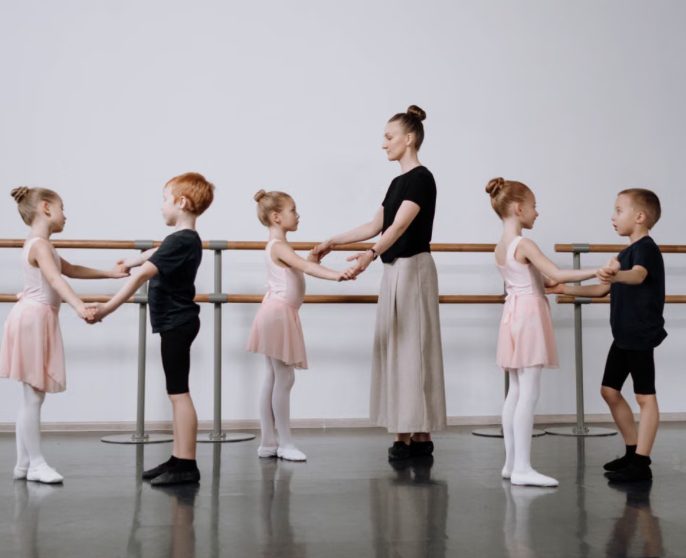
Dance Lessons
Sports, dance, tutoring, music, and other after-school programs can cost much more than their advertised registration fees. Parents should calculate equipment, travel, lessons, and other extras before committing. (Pexels).

After-school activities can help kids build confidence, friendships, discipline, and skills that extend well beyond the classroom. But an activity that looks affordable on a registration page can become surprisingly expensive once parents add equipment, uniforms, travel, private instruction, and event fees. Recent research from the Aspen Institute found that the average sports family spent $1,016 on a child’s primary sport in 2024, up 46% from 2019. Understanding after-school activity costs before signing up can prevent an exciting opportunity from turning into a financial strain.

1. Travel And Club Sports

Youth sports can become particularly expensive when a child moves from a recreational league to a competitive club or travel team. Registration may be only the beginning, with families also paying for uniforms, equipment, tournament admission, hotels, meals, and transportation. Aspen Institute research estimates families spent nearly $1,500 annually on one child’s combined sports experiences in 2024, on average. Families with teenagers in competitive club programs can spend considerably more, especially when overnight travel becomes routine. Before accepting a roster spot, request an estimated full-season budget rather than focusing solely on registration.

2. Competitive Dance

Weekly dance lessons may initially appear manageable, but competitive programs introduce expenses that basic recreational classes often do not. Kids’ group dance classes typically run about $60 to $200 per month, according to Lessons.com, before considering other expenses. Costumes, shoes, recital fees, competition entry fees, photographs, makeup, and travel can increase after-school activity costs considerably. A dancer taking several styles, such as ballet, jazz, and hip-hop, may also need separate clothing and footwear for each. Parents should ask studios for last season’s typical all-in spending before committing.

3. Private Music Lessons

Learning piano, violin, guitar, or another instrument can become a long-term investment rather than a simple weekly expense. Beyond lessons, families may need an instrument, maintenance, sheet music, accessories, recital clothing, and performance fees. Renting an instrument can reduce the initial hit, but recurring rental payments can accumulate over several school years. Advanced students may eventually want longer lessons, specialized instructors, or higher-quality instruments, increasing after-school activity costs again. Ask instructors what expenses students typically encounter as they progress over the next two or three years.

4. Academic Tutoring And Test Prep

Tutoring can start as occasional homework assistance and quickly become a significant monthly bill when sessions occur every week. Care.com reported average posted starting rates around $24 an hour for elementary, middle, and high school tutors in its September 2025 data. Specialized private tutors can charge considerably more, while SAT and ACT preparation may start around $100 per hour. Two $50 sessions each week, for example, would cost roughly $400 during a four-week month. Families can control after-school activity costs by investigating school-based tutoring, group sessions, and online alternatives first.

5. Robotics And STEM Teams

Robotics can give students valuable hands-on experience with engineering, coding, problem-solving, and teamwork, but sophisticated programs require real resources. FIRST lists its current FIRST Robotics Competition season registration at $6,500 per team, illustrating the scale of funding advanced teams may need. Schools and sponsors frequently absorb much of that expense, yet families could still encounter team dues, travel, meals, apparel, and fundraising expectations. National competitions can create additional transportation and lodging expenses if a team advances. Parents should ask exactly which expenses the school, sponsors, and participating families are expected to cover.

6. Martial Arts

The advertised monthly tuition for karate, taekwondo, judo, or another martial art may not represent the complete financial commitment. Uniforms, protective equipment, belt-testing fees, tournament entries, association memberships, and private lessons can appear as students advance. A child who becomes serious about competition may also require specialized gear and travel to regional events. That makes it important to distinguish required expenses from optional upgrades before joining a school. When comparing programs, request a written annual estimate covering tuition, testing, uniforms, and competitions.

7. Scouting Programs

Scouting is often viewed as a relatively affordable activity, but camping and outdoor adventures can create additional costs. Scouting America lists the annual Scouts BSA registration fee at $85, while noting that local councils and individual units may charge additional fees. Uniform pieces, camping equipment, activity fees, transportation, and summer camp can add to the family’s total. Fortunately, troops may have shared equipment or fundraising opportunities that reduce after-school activity costs for families. Ask troop leaders which equipment can be borrowed before buying everything new.

8. Theater And Performing Arts

A school play can seem inexpensive until rehearsals, costumes, specialized instruction, and performances start filling the calendar. Community and private theater programs may charge tuition or production fees, while ambitious performers might add acting, singing, or dance lessons. Families can also encounter expenses for headshots, audition materials, transportation, and performance clothing. None of those extras guarantees a leading role, so parents should be cautious about spending driven by competitive pressure. Decide on a seasonal budget with your child before optional lessons and extras begin multiplying.

Budget For The Whole Experience, Not The Sign-Up Fee

Parents do not have to eliminate enrichment activities simply because costs are rising. Instead, ask providers for realistic annual expenses, investigate scholarships, borrow or buy used equipment, and distinguish necessities from optional upgrades. Setting an activity budget before registration also gives children an opportunity to help decide which interests matter most to them. Tracking total after-school activity costs throughout the year can reveal whether one activity is quietly consuming more of the family budget than expected.

Which after-school activity has surprised you most with its true cost, and what did you do about it? Share your experience in the comments.

What to Read Next

Therapists Warn More Kids Are Showing Signs of “Masking Fatigue” After School

7 Reasons Kids Are Getting Hurt in After-School Programs

The $1,000 School Trip Question: When Should Parents Just Say No?

Evan Morgan

Evan Morgan has been a full-time freelance writer and editor for 10+ years. When not working, he enjoys catching the latest true crime documentary or getting lost in a good book.


Filed Under: Parenting Tagged With: after school activities, budgeting, education, extracurricular activities, family finances, kids activities, Parenting, Saving Money, youth sports

6 After-School Activities Parents Regret Paying For (Because the “Benefits” Don’t Show Up)

February 4, 2026 | Leave a Comment

These Are 6 After-School Activities Parents Regret Paying For (Because the “Benefits” Don’t Show Up)
Image Source: Shutterstock.com

Every parent wants to give their kid “the best.” The best opportunities. The best experiences. The best possible start in life. That’s how we end up swiping credit cards for uniforms, lessons, registration fees, equipment, travel costs, and monthly memberships that promise confidence, discipline, focus, leadership, and future success — all wrapped in glossy brochures and inspirational slogans.

But here’s the uncomfortable truth: not every after-school activity delivers what it promises, and some of them quietly become expensive habits with very little payoff. Not because kids are failing — but because the activity itself just doesn’t live up to the hype. These are the programs parents often regret paying for, not out of bitterness, but out of hard-earned wisdom, empty wallets, and a deep realization that “busy” doesn’t always mean “beneficial.”

1. Travel Sports Teams That Drain Bank Accounts and Burn Out Families

Travel sports look amazing on paper: elite coaching, top-tier competition, exposure opportunities, and a fast track to scholarships or college recruitment. In reality, many families discover they’ve signed up for a lifestyle, not just a sport. Weekend travel, hotel stays, tournament fees, equipment upgrades, private training sessions, and “mandatory extras” quietly balloon into thousands of dollars a year. For most kids, the actual skill development isn’t dramatically better than local leagues, especially at younger ages where fundamentals matter more than competition.

The pressure can also drain the joy out of the game, turning something kids once loved into a source of stress and performance anxiety. Parents often realize too late that they weren’t paying for growth — they were paying for access, status, and a very expensive schedule.

2. Hyper-Competitive Academic Enrichment Programs That Promise Genius-Level Results

From coding bootcamps to elite math academies to accelerated reading programs, these classes often promise to unlock hidden brilliance and future success. The reality is that learning doesn’t thrive under pressure, especially when kids are overloaded with structured demands all day long. Many parents notice their kids becoming exhausted, anxious, or disengaged rather than inspired and curious. The material can feel forced, overly rigid, or disconnected from how kids naturally learn and explore.

Instead of nurturing creativity and curiosity, these programs sometimes turn education into a grind. Families walk away realizing that curiosity grows better through exploration, play, and meaningful experiences — not pressure-packed enrichment schedules.

These Are 6 After-School Activities Parents Regret Paying For (Because the “Benefits” Don’t Show Up)
Image Source: Shutterstock.com

3. Music Lessons That Never Turn Into Music Lovers

Music education is powerful, but only when it’s driven by genuine interest. Many parents pay for years of piano, violin, or guitar lessons hoping for discipline, confidence, and lifelong appreciation of music.

What often happens instead is weekly battles over practice, forced recitals, and kids who associate music with stress instead of joy. The structure can become rigid, transactional, and performance-focused rather than expressive and creative. When the child isn’t internally motivated, the “benefits” never really land. Parents eventually realize they weren’t building musicians. Instead, they were maintaining a routine that nobody actually enjoyed.

4. Activity Overload That Leaves Kids Tired Instead of Thriving

Sometimes the regret isn’t one specific activity — it’s the sheer volume of them. Soccer on Mondays, tutoring on Tuesdays, dance on Wednesdays, robotics on Thursdays, games on weekends. The schedule looks impressive, but the kids are exhausted, irritable, and overstimulated. There’s no room for rest, boredom, creativity, or unstructured play, which are essential for emotional regulation and brain development.

Parents often recognize that their child isn’t actually benefiting from the activities because they’re too tired to engage meaningfully. Busy doesn’t equal healthy, and full calendars don’t automatically build better humans.

5. Character-Building Programs That Teach Rules, Not Real-Life Skills

Programs built around discipline, leadership, or “character development” often sound incredible in theory. But many end up being rigid, hierarchical, and rule-heavy rather than emotionally supportive or developmentally appropriate. Kids may learn obedience, but not empathy. Structure, but not communication. Compliance, but not confidence.

Parents start noticing that their child isn’t becoming more secure or emotionally aware. They’re just becoming more conditioned to follow instructions. True character growth comes from relationships, trust, modeling, and emotional safety, not just structured authority and rigid systems.

6. Prestige Programs That Feel More About Appearances Than Growth

Some activities exist less for child development and more for optics. Elite academies, exclusive programs, invite-only clubs, and branded enrichment experiences often sell a powerful image of success and status. Parents pay for the name, the reputation, and the “impressive” factor, not necessarily the impact.

Eventually, many realize their child isn’t gaining meaningful skills, confidence, or joy — just a logo and a label. The regret comes from recognizing that image doesn’t equal impact, and prestige doesn’t equal growth. Kids don’t need impressive résumés, they need meaningful experiences.

The Quiet Realization That “Less” Often Works Better

Parents who’ve been through this cycle often come to the same conclusion: fewer activities, chosen intentionally, create more growth than packed schedules and expensive programs. Kids thrive when they feel safe, supported, rested, and internally motivated.

Growth happens through play, relationships, curiosity, autonomy, and emotional connection and not just structured instruction. The most powerful investments aren’t always financial; they’re time, presence, and flexibility. Sometimes the best after-school activity is space to breathe, explore, imagine, and just be a kid.

What after-school activities have you found actually helped your child grow — and which ones just weren’t worth it? Share your experience in the comments.

You May Also Like…

Nutritionists Warn: 6 “Healthy” Lunchbox Staples That Spike Sugar Crashes at School

Teachers Beg Parents: Stop Buying These 7 Expensive School Supplies

The 5 “Educational” Apps That Teachers Say Are Actually Hurting Grades

8 Silent Symptoms of “Walking Pneumonia” Spiking in Virginia Schools This Week

How Your Child’s Cell Phone Could Now Ruin Them In School

Brandon Marcus
Brandon Marcus
Brandon Marcus is a writer who has been sharing the written word since a very young age. His interests include sports, history, pop culture, and so much more. When he isn’t writing, he spends his time jogging, drinking coffee, or attempting to read a long book he may never complete.

Filed Under: Education Tagged With: after school activities, child development, childhood learning, education, extracurriculars, Family Budget, family life, kids activities, modern parenting, Parenting, parenting advice

Are Today’s Kids Too Overscheduled to Think Clearly?

January 6, 2026 | Leave a Comment

Are Today’s Kids Too Overscheduled to Think Clearly?
Image source: shutterstock.com

If your calendar looks like a color-coded puzzle, you’re not the only parent living in “go mode.” Between school demands, sports, tutoring, clubs, and family obligations, kids can end up moving from task to task without any real mental air. The tricky part is that a packed schedule can look like success while it quietly erodes patience, focus, and mood. When there’s no time to breathe, kids don’t always think clearly, even when they’re bright and motivated. The goal isn’t to quit everything—it’s to spot when “busy” stops being healthy.

1. Constant Rush Turns Normal Stress Into Background Noise

When every day feels like a sprint, kids start living in reaction mode instead of reflection mode. They may seem “fine” until a small problem triggers a big meltdown. That’s often a sign their stress bucket stays full all week. Watch for irritability during simple routines, like getting shoes on or packing a bag. If the baseline mood feels tense, the schedule may be doing more harm than you realize.

2. Sleep Gets Shortened, And Brains Pay the Price

Overscheduling often steals sleep in sneaky ways, like later homework, earlier wake-ups, or long evening practices. Kids can look wired at night and exhausted in the morning, which makes everything harder. Without enough rest, it’s tougher to regulate emotions, follow directions, and remember details. You might notice they can’t think clearly during homework, even with help right beside them. Protecting bedtime is one of the fastest ways to improve behavior and focus.

3. Transition Time Helps Kids Think Clearly

Most schedules ignore the hidden minutes it takes to shift from one role to another. A child goes from classroom rules to car-seat rules to practice rules, and that mental switch costs energy. If they don’t get a pause, their brain stays stuck on “hurry up” instead of “settle in.” Even a 10-minute buffer can help them think clearly before they walk into the next demand. Build in tiny transitions, like a snack, quiet music, or a short walk, and treat them as non-negotiable.

4. Too Many Adult-Driven Choices Shrink Independence

When adults decide everything—what, where, when, and how—kids can lose their sense of control. That can show up as stubbornness, procrastination, or constant negotiating. It’s not always defiance; sometimes it’s a child trying to reclaim a little agency. Give them ownership in small ways, like choosing the snack, picking the order of tasks, or selecting one activity per season. The more control they feel, the less they fight the structure.

5. Free Time Disappears, So Creativity Fades

Unstructured time looks “unproductive” on paper, but it’s where kids practice self-direction. That’s when they invent games, get bored, solve boredom, and learn what they actually like. If every hour is planned, kids can forget how to start things on their own. You may hear “I don’t know what to do” even when the house is full of options. With regular free time, kids tend to think clearly about their own preferences instead of waiting for instructions.

6. Attention Splits Into Tiny Pieces All Day Long

A busy schedule often comes with constant switching: different teachers, coaches, environments, and expectations. Switching isn’t just physical—it’s mental, and it burns fuel. Kids might seem forgetful, scattered, or “not listening,” even though they’re trying. When the brain never gets to finish one loop, it’s harder to think clearly in the next moment. Simplifying the number of daily switches can make a bigger difference than adding another productivity tool.

7. Family Connection Gets Replaced by Logistics

If most conversations happen in the car, kids can start to feel like the relationship is all directions and reminders. You might notice fewer spontaneous chats and more tension around timing. Connection is what helps kids feel secure enough to talk about worries, friendships, and mistakes. When schedules squeeze that out, behavior can get louder because kids need attention somehow. A short nightly routine—ten minutes, no multitasking—can rebuild trust faster than a weekend “big talk.”

8. A Simple Reset Can Make Busy Feel Manageable Again

Start by picking one “pressure point” day and removing a single commitment from it. Then add one predictable recovery block, like a quiet hour after school, so your child’s nervous system gets a daily reset. You can also try a weekly “one-thing night” where the only goal is dinner and downtime. Many kids think clearly again when they know rest is coming and they’re not trapped in constant momentum. Keep the changes small, repeat them weekly, and let results guide your next step.

When the Calendar Runs the House, Everyone Loses

A full schedule isn’t automatically a problem, but a full schedule without recovery usually is. Watch your child’s mood, sleep, and willingness to talk, because those signals matter more than trophies or checklists. Choose fewer priorities and support them well, instead of piling on more “good opportunities.” Give your child room to be a kid, not a tiny employee managing shifts. When the schedule serves the child, you’ll see more calm, more joy, and better resilience.

What’s one activity or time block you’d cut or protect first if your family needed more breathing room?

What to Read Next…

After-School Routines That Help Your Kids Wind Down And Save You Stress

9 Parenting Trends That Are Quietly Harming Emotional Growth

10 Household Rules That Are Actually Making Your Kids Anxious

8 Children’s Activities That Cause More Stress Than Joy

Backfiring: 11 Parenting Strategies That Backfire on Kids

Catherine Reed
Catherine Reed

Catherine is a tech-savvy writer who has focused on the personal finance space for more than eight years. She has a Bachelor’s in Information Technology and enjoys showcasing how tech can simplify everyday personal finance tasks like budgeting, spending tracking, and planning for the future. Additionally, she’s explored the ins and outs of the world of side hustles and loves to share what she’s learned along the way. When she’s not working, you can find her relaxing at home in the Pacific Northwest with her two cats or enjoying a cup of coffee at her neighborhood cafe.

Filed Under: Mental Health Tagged With: after school activities, child stress, Emotional Regulation, family balance, family routines, overscheduled kids, Parenting, sleep and kids

8 After-School Activities That Drain Family Budgets the Fastest

October 11, 2025 | Leave a Comment

8 After-School Activities That Drain Family Budgets the Fastest
Image source: shutterstock.com

Between school pickup, homework, and dinner prep, many parents juggle already packed schedules—yet after-school activities often top the list of priorities. They build character, teach discipline, and give kids valuable social experiences. However, those benefits can come with steep price tags that sneak up on families over time. From uniforms and equipment to travel and competition fees, some programs quietly chip away at savings faster than expected. Knowing which after-school activities drain family budgets the fastest can help parents make smarter, more sustainable choices.

1. Competitive Sports Can Outpace the Mortgage

When parents talk about expensive after-school activities, competitive sports usually take the crown. Between travel tournaments, personalized coaching, equipment upgrades, and seasonal fees, families can easily spend thousands each year. Sports like hockey, gymnastics, and tennis are especially costly due to specialized gear and frequent competition travel. Even “recreational” leagues often include hidden costs like team fundraisers and uniform replacements. While athletics teach teamwork and perseverance, they can also push budgets to the breaking point if not planned carefully.

2. Dance Lessons Add Up Faster Than You Think

Dance programs are another top contender among costly after-school activities, especially once recitals and competitions begin. Monthly tuition alone may seem manageable, but costume fees, shoes, and mandatory showcase tickets add up quickly. For competitive dancers, travel and choreography charges can multiply annual expenses to several thousand dollars. Parents also face recurring costs for practice attire and studio fundraisers. Unless capped early, dance can evolve from a fun hobby into a serious financial commitment.

3. Music Lessons Hit a High Note for Cost

Music instruction may seem like a low-cost alternative, but over time, the bills crescendo. Private lessons often cost $30–$100 per session, and instruments—like violins, pianos, or clarinets—require maintenance, upgrades, and repairs. Families with multiple children in lessons can easily spend more per month than on streaming subscriptions or family outings. Recitals, books, and competitions introduce even more expenses that catch parents off guard. Among after-school activities, music quietly builds big bills under the guise of creativity.

4. Martial Arts Programs Require Discipline and Dollars

Martial arts classes can seem affordable at first, but long-term commitment often reveals the hidden costs. Uniforms, belt testing, and tournament participation fees stack up over time. Many studios also require students to purchase memberships, equipment, or private sessions for advancement. Families often underestimate how much these ongoing costs accumulate across months or years. While martial arts build confidence and focus, parents should budget carefully before signing long-term contracts.

5. Cheerleading Comes with Unexpected Fees

Cheerleading is one of the fastest-growing and most expensive after-school activities due to competition-level programs. Uniforms, choreography, gym rentals, and travel all contribute to the financial strain. Competitive cheer can cost several thousand dollars annually—sometimes rivaling college tuition payments. Even school-based teams charge for participation, accessories, and special camps. The sparkle and spirit come at a premium price that can shock even financially prepared parents.

6. Academic Tutoring Isn’t Always Budget-Friendly

While tutoring may seem like an investment in education rather than one of many after-school activities, it still weighs heavily on family finances. Hourly sessions can range from $18 to $100+, depending on the subject and tutor’s expertise. Test prep courses for SATs or ACTs can easily reach into the thousands. Online tutoring platforms may help cut costs, but personalized instruction remains pricey. The long-term benefits are valuable—but parents should treat it as a recurring expense, not a short-term fix.

7. Theater and Performing Arts Demand More Than Talent

Acting and theater programs bring immense joy and confidence to kids, but they’re also budget-draining commitments. Participation often involves costume rentals, production fees, and mandatory workshops. Travel for regional performances or competitions can add unexpected costs to the mix. Some programs even require parents to buy tickets to every event, further increasing the financial load. Among creative after-school activities, theater proves that the spotlight can shine brightly on your budget, too.

8. STEM Clubs and Robotics Programs Can Get Pricey

STEM and robotics clubs are growing in popularity, offering valuable skills for the future—but they’re not cheap. Entry fees for competitions, software licenses, and robotics kits can easily exceed initial expectations. Parents often end up contributing extra funds for tools or group travel to tournaments. Technology-based after-school activities require regular upgrades to stay relevant, which adds to ongoing costs. Even when schools subsidize part of the program, families still shoulder significant out-of-pocket expenses.

Finding Balance Between Enrichment and Affordability

After-school activities can provide tremendous value for kids, but parents must balance enrichment with financial sustainability. The goal isn’t to avoid these experiences but to choose strategically—limiting overlapping commitments, setting annual budgets, and exploring community-based or nonprofit alternatives. Many families save hundreds by buying used equipment, sharing carpools, or alternating activity seasons. A thoughtful approach keeps kids engaged without overwhelming the household budget. After all, the best lessons aren’t always the most expensive ones—they’re the ones learned together as a family.

Which after-school activities have hit your wallet the hardest? Share your experiences and budgeting tips in the comments below!

What to Read Next…

  • 9 School Fundraisers That Cost More Than They Earn
  • 7 Sports That Are Increasing Injury Rates in Kids Under 10
  • The Unexpected Cost: 11 Things You Didn’t Know You’d Pay For When You Have Kids
  • 3 Sports That Cost Very Little To Participate In But Kids Love
  • The Real Cost of Raising a Child—It’s Not $250,000 Anymore
Catherine Reed
Catherine Reed

Catherine is a tech-savvy writer who has focused on the personal finance space for more than eight years. She has a Bachelor’s in Information Technology and enjoys showcasing how tech can simplify everyday personal finance tasks like budgeting, spending tracking, and planning for the future. Additionally, she’s explored the ins and outs of the world of side hustles and loves to share what she’s learned along the way. When she’s not working, you can find her relaxing at home in the Pacific Northwest with her two cats or enjoying a cup of coffee at her neighborhood cafe.

Filed Under: Budgeting Tagged With: after school activities, child development, education costs, Family Budgeting, Family Finance, financial planning, kids’ sports, Parenting

7 After-School Activities That Are Quietly Putting Kids in Danger

September 4, 2025 | Leave a Comment

7 After-School Activities That Are Quietly Putting Kids in Danger
Image source: 123rf.com

Parents often sign their children up for programs believing they’re providing enrichment, growth, and a safe space after school. While many of these programs do offer real benefits, not every activity is as safe as it seems. Hidden risks—from physical injuries to mental health challenges—can lurk behind even the most popular choices. Recognizing after-school activities that are quietly putting kids in danger is an important step in making sure your child stays healthy and protected.

1. Competitive Sports with Overtraining Risks

Sports can build teamwork and discipline, but the pressure to succeed can push kids beyond their limits. Overtraining often leads to injuries like stress fractures, sprains, or concussions that may go unnoticed until they worsen. Coaches sometimes prioritize performance over safety, which adds to the risk. Parents may also underestimate how quickly frequent practice schedules wear children down. For many families, competitive sports rank high among after-school activities that are quietly putting kids in danger.

2. Martial Arts Programs with Minimal Oversight

Martial arts are praised for teaching respect and focus, but not all programs are created equal. Some schools have underqualified instructors who fail to emphasize safety or proper technique. Children may be pushed into sparring before they are ready, leading to unnecessary injuries. Facilities with poor supervision can also allow bullying or unsafe practices to go unchecked. Without careful research, martial arts can become one of the after-school activities that are quietly putting kids in danger.

3. Music Lessons That Trigger Performance Anxiety

Learning music can enhance creativity, but high expectations can create intense pressure. Children may feel overwhelmed by constant practice requirements or the stress of public performances. Instructors who focus only on perfection instead of growth can unintentionally harm a child’s self-esteem. This emotional toll often goes unnoticed because parents see music as a “safe” choice compared to physical activities. As a result, music lessons can surprisingly be one of the after-school activities that are quietly putting kids in danger.

4. Academic Tutoring with Excessive Demands

Extra tutoring may help children succeed in school, but pushing too hard can backfire. Sessions that pile on additional hours of work after a long school day may lead to burnout. Students can experience sleep deprivation, anxiety, or even depression when the pressure becomes too much. Parents often mistake this stress for laziness or lack of focus, missing the deeper issue. Academic tutoring can quietly shift into one of the after-school activities that are quietly putting kids in danger when balance is lost.

5. Dance Classes with Body Image Pressures

Dance is often viewed as a healthy form of expression, yet it can expose children to harmful body image messages. Instructors or peers may emphasize appearance over skill, fostering unhealthy comparisons. This environment can lead to disordered eating, low self-worth, or long-term mental health struggles. Injuries are also common when students are encouraged to push their bodies too hard. What seems like a creative outlet can quickly become one of the after-school activities that are quietly putting kids in danger.

6. Technology Clubs with Unmonitored Screen Time

STEM and coding programs can prepare kids for the future, but they often involve extended screen time. Excessive use of computers or tablets may lead to eye strain, posture issues, or disrupted sleep cycles. Without careful monitoring, kids might also stumble into inappropriate online spaces or unsafe interactions. Parents may see these clubs as purely educational and overlook the hidden risks. In reality, technology-based programs can be among the after-school activities that are quietly putting kids in danger.

7. Volunteer Programs That Lack Proper Safeguards

Community service and volunteering can teach responsibility, but not all programs are designed with children’s safety in mind. Some placements may expose kids to unsafe neighborhoods or situations where adult supervision is minimal. Inadequate background checks on staff or mentors further increase risks. Parents who assume nonprofit organizations are always safe may unknowingly overlook warning signs. Without strong oversight, volunteer work can sadly fall into the category of after-school activities that are quietly putting kids in danger.

Awareness Is the Best Form of Protection

Not every program carries equal risks, but parents need to look beyond surface benefits and examine the hidden dangers. Asking questions about supervision, instructor training, and safety policies can prevent problems before they arise. Encouraging open conversations with children about how they feel in these programs also helps parents catch warning signs early. Recognizing the potential for harm does not mean avoiding all activities—it means choosing wisely. By being proactive, parents can make sure after-school activities enrich their kids’ lives without quietly putting them in danger.

Have you ever discovered hidden risks in a program your child attended? Share your experiences and insights in the comments below.

What to Read Next…

8 School Rules That Should’ve Changed Decades Ago

Here’s Why School Supplies Continue to Cost More and More Every Year

Is Your Child’s School Quietly Tracking Their Location Without Your Consent?

12 Reasons Why Your Kids are Behind Academically

7 Reasons You Shouldn’t Waste Money on Private Schools

Catherine Reed
Catherine Reed

Catherine is a tech-savvy writer who has focused on the personal finance space for more than eight years. She has a Bachelor’s in Information Technology and enjoys showcasing how tech can simplify everyday personal finance tasks like budgeting, spending tracking, and planning for the future. Additionally, she’s explored the ins and outs of the world of side hustles and loves to share what she’s learned along the way. When she’s not working, you can find her relaxing at home in the Pacific Northwest with her two cats or enjoying a cup of coffee at her neighborhood cafe.

Filed Under: Education Tagged With: after school activities, child safety, extracurricular activities, family advice, hidden dangers, kids' health, Parenting, parenting tips

Low-Cost After School Activities for Kids

March 26, 2020 | Leave a Comment

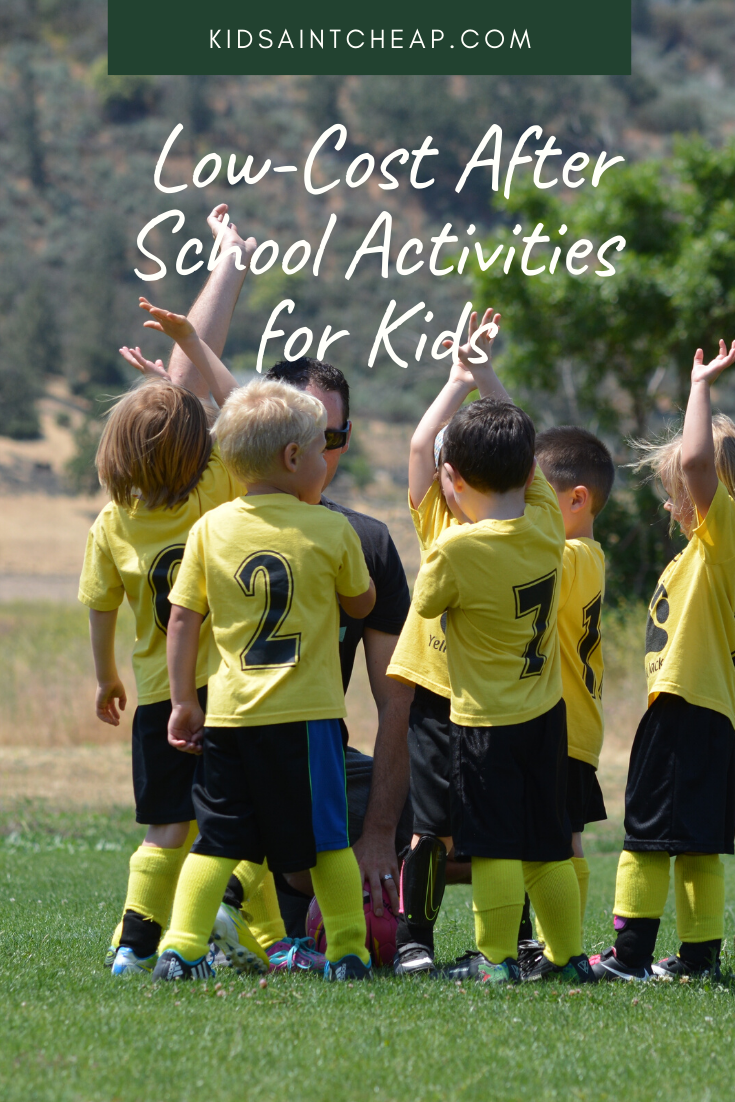
More and more, parents are not content to let their kids stay home after school watching TV and playing video games.  Instead, they want their kids to be involved in activities that will help them grow and learn more.  Being involved in activities helps children’s personal development, but it will also help improve their college admission chances because colleges routinely look for well-rounded students who are not only strong academically, but are involved in a variety of activities.  However, most parents struggle to find appropriate activities because they are intimidated by the high price tag of some activities like playing an instrument or horse back riding.  If that is your concern, keep in mind that there are many low-cost after school activities for kids.

Low-Cost After School Activities for Kids

Low-Cost After School Activities for Kids

The following are great places to start when you’re searching for after school activities:

School Based Activities

The first place to look for low-cost after school activities for kids is at your child’s school.

Sports

Your child’s school likely offers a host of sports from football to baseball to volleyball to swimming to track and field.  Some of these sports will be completely free to participate in and others will require some equipment and perhaps some fund raising participation.

Many kids participate in one sport per season and stay very busy and active with that schedule.  Even better, they stay physically fit!

Clubs

Likewise, after school clubs are usually free.  When my son was younger, he participated in choir and art club, each of which met one time per week.  Now that he’s in high school, he joined the Model U.N. Club, which also meets once a week.

Depending on the size of your child’s school, there are likely to be a handful of clubs or many more.  Likely she can find one she wants to participate in.

Library Based Activities

Many people don’t consider the library when looking for low-cost after school activities for kids, but it’s a great place to look!  Our local library has many activities for kids and teens as I’m sure yours does also.

Games

Our library has a game night once per month, but there are also other get togethers for such things as Minecraft and Legos.

Chess Club

Low-Cost After School Activities for Kids
Photo by Wim van ‘t Einde on Unsplash

Once a month, our library has a chess club meeting.  Kids can bring a chess board and play against one another for two hours.  I’m always surprised to see how many kids are there.  Upwards of 20 to 25 kids come to play chess.

Teen Advisory Board

In our area, each local library hosts a teen advisory board once or twice per month.  All participants must be 13 to 18 years old.  Together, they help organize activities for the library, and they also have the option to volunteer when the library hosts activities.  Some weeks, they also do fun things such as receive specialized art lessons or do something good for the community like make cards for seniors.

Girl Scouts/Boy Scouts

Girl Scouts or Boy Scouts is another option.  You will have an initial upfront fee to buy the uniform and the book.  This runs about $80 to $100.  Then, there are fees for camping events and badges, so this isn’t the cheapest activity around.

However, by joining the Scouts, your child could keep quite busy between attending the meetings, going on camping trips and other outings, and working on badges.  Many adults fondly remember their time in scouting and say they learned a great deal that helped shape their lives.

Parks and Recreation Activities

Have you looked at your local parks and recreations or community center activities?  Depending on the area that you live in, you could find many activities from sports to arts and crafts.

My kids have regularly taken advantage of parks and recreations activities.  My son took swim lessons there, and my daughter has participated in several crafting classes as well as a gymnastics class when she was little.  What I love about activities through the parks and recreation or community center is that they’re low cost.  Depending on the activity, you pay $20 to $40 for a six-week class, and most supplies are included.

A word of warning, though.  Since these classes are such a bargain, they typically fill up quickly.  To be able to get a seat for your child, you may have to sign up early on the day that registration begins.

AYSO

One activity canvasing the United States is the American Youth Soccer Organization (AYSO).  AYSO is open to both boys and girls from three to 19.  There is an initial joining fee, and you’ll be required to sometimes bring snacks for the team.  You’ll also need to buy the proper equipment such as shin guards and cleats, but these can be bought second hand at a used sporting goods store.

Once your child joins AYSO, you can expect him to have practice two times per week (perhaps more depending on his age), and to have one game a week.  My son joined AYSO and had a wonderful coach, but when we played against other teams, I saw some less than stellar coaches that berated their players.  Make sure you have a coach who encourages and supports the children.

Church Groups

If you belong to a church, consider having your children join some of the church activities.  My daughter sings in our church choir and attends practice once a week.  My son is part of the teen group.  The teen group meets once a week for 1.5 hours, and they also participate in service activities and weekend retreats.

Church activities are typically free except for special events like retreats.

Final Thoughts

If you’re looking to get your child in an activity or two but you’re worried about the cost, rest assured that there are many low-cost after school activities for kids.  You’ll be glad your kids are more involved, and your kids will likely enjoy being out with friends doing something fun.  Plus, you’ll be laying the groundwork for college admissions, if that’s something your child wants to pursue in the future.

Melissa Batai
Melissa Batai

Melissa is a writer and virtual assistant. She earned her Master’s from Southern Illinois University, and her Bachelor’s in English from the University of Michigan. When she’s not working, you can find her homeschooling her kids, reading a good book, or cooking. She resides in Arizona where she dislikes the summer heat but loves the natural beauty of the area.

Filed Under: Money and Finances Tagged With: Activities, after school activities, extracurriculars, Sports

how to evaluate the cost of extracurricular activities

December 23, 2019 | Leave a Comment

the cost of extracurricular activities

As my children grow older, I’m beginning to explore the need to keep them busy while 1) allowing unstructured time for them to play and 2) providing them with moderate access to technology. It’s an art, and I’m often wondering if I’ve found the best recipe. What are the optimal measurements of each?

Part of this exploration also involves determining how much my budget allows for extracurricular activities.

Because – like kids, extracurricular activities ain’t cheap. And it continues to rise.

Choosing The Right Extracurricular Activity

My daughter takes to things reasonably easy. She’s a quick learner, prone to beginner luck with almost every activity I’ve signed her up for – ballet, soccer, gymnastics, cheerleading, karate, art, piano – to name a few. But once it gets hard and she has to make an effort, she doesn’t enjoy it, and it becomes a power tug of war between the two of us. It’s a juxtaposition of forcing her to stick to her commitments vs. allowing her to explore her real interests.

However, to my delight, riding horses has proven to be something special. It wasn’t love-at-first-sight, but I watcher her desire to learn blossom a little each day. 

The Cost of Extracurricular Activities

What was not to my delight, equestrian hobbies come at high expense. Between weekly riding lessons, show clothes, and show fees – I spend approximately $300 a month, on average. And we don’t even own (or lease) a horse. (yet)

I could buy a car for that. Not a Testa, but a reasonable car – something like a Honda Civic. 

Once I realized that riding horses was something she was going to stick with, I realized I needed to adjust my budget. But truth-be-told, I wasn’t sure how – our budget is pretty tight, and I would prefer to pour all my money into paying off our mortgage. 

Is the Cost Worth It? A Cost / Benefit Approach

At this point, I wrestled with whether the cost of riding horses was something I was willing to bear. What value was this adding to her life? The merits can be debated, but where I landed was that riding a horse requires caring for a horse. 

She has to groom her horse before she can ride. Horse camp involves mucking out stalls. Caring for an animal like a horse develops responsibility, as well as respect for an animal. She’s also building her confidence as she showcases her skills in front of her peers and judges. 

I hope that her relationship with horses continues to grow and as she enters junior high and high school, she chooses to spend her time at the barn, rather than out partying (as I did at that age).

Making Adjustments To My Budget – Now and in the Future

Ultimately, I decided the cost was worth it. I took on some additional writing assignments to offset the cost, and I cut back on the amount I was allocating to my mortgage-free fund.  

My son, on the other hand – he’s a different beast. He has little to no interest in extracurricular activities, and he’s an introvert. This combination is something I’m aware needs special attention in the current society we live in. I need to make sure he develops his social skills, but balance this need with respect for his personality. 

He’s also extremely bright. Over the next few years, I believe I will find myself becoming a chess or Mathlete parent. I’m okay with that. Time will tell. And when it does, I’ll need to adjust my budget again.


How do you approach the cost of extracurricular activities for your children? Have you found them to be more expensive than you initially expected?

Read more:

Paying for Extracurriculars Without Breaking the Bank

Teaching Kids the Value of Hard Work

Four Money Habits You Need To Teach Your Children

Kate Fox

Kate Fox is a former CPA, with twenty years of experience in public accounting and corporate finance. Born and raised in Alaska, Kate is currently based out of southeastern North Carolina.  She loves coaching others on personal finance and spends her free time traveling with her family or relaxing by the pool with a good book, probably about money.

Filed Under: Education, Money and Finances, Parenting Tagged With: after school activities, extracurricular activties, hobbies

  • Facebook
  • Pinterest
  • RSS
  • Twitter

Basic Principles Of Good Parenting

Here some basic principles for good parenting:

  1. What You Do Matters: Your kids are watching you. So, be purposeful about what you want to accomplish.
  2. You Can’t be Too Loving: Don’t replace love with material possessions, lowered expectations or leniency.
  3. Be Involved Your Kids Life: Arrange your priorities to focus on what your kid’s needs. Be there mentally and physically.
  4. Adapt Your Parenting: Children grow quickly, so keep pace with your child’s development.
  5. Establish and Set Rules: The rules you set for children will establish the rules they set for themselves later.  Avoid harsh discipline and be consistent.
  6. Explain Your Decisions: What is obvious to you may not be evident to your child. They don’t have the experience you do.
  7. Be Respectful To Your Child: How you treat your child is how they will treat others.  Be polite, respectful and make an effort to pay attention.
Best Parenting Blogs

Most Popular

Baby

9 Unusual Baby Names That Sound Like They Belong to Future CEOs

Evan Morgan
Baby

10 Baby Names That Were Once Considered “Grandparent Names” but Feel Cool Again

Evan Morgan
Target Store

Choking Incident Prompts Recall of 49,000 Target Gigglescape “Under the Sea” Popping Toys

Evan Morgan
Frustrated Girl

Why Some Students on the Spectrum Are Labeled With ODD

Evan Morgan
Coke Bottles

12 Things Kids Took to School in the ’70s That Would Never Be Allowed Today

Evan Morgan

All content on Kids Ain’t Cheap is for entertainment purposes only. By reading this blog, you agree that Kids Ain’t Cheap is not responsible for any actions taken after reading this blog. For the full disclaimer, see our privacy policy.

Please note that Kids Ain’t Cheap has financial relationships with some of the merchants mentioned here. Kids Ain’t Cheap is funded by banner advertising, commission sales and search optimization consulting.

Copyright © 2006–2026 | District Media | All Rights Reserved | Privacy Policy

Copyright © 2026 Runway Pro Theme by Viva la Violette