• Home
  • About Us
  • Toolkit
  • Archives
  • Advertise
  • Privacy Policy

Kids Ain't Cheap

But They Sure Are Worth It

  • Parenting
    • Baby Stuff
    • Books and Reading
      • Aesops Fables
      • Comic Books
    • Education
    • Family Time
    • Green Living
    • Growing Up
    • Healthy Living & Eating
    • Holidays
    • Parenting
    • Random Musings
    • Shopping
    • Stuff to Do
  • Money
  • Product Reviews
    • Books and Magazines
    • Discount Sites
    • Furniture
    • House Keeping
    • Reviews News
    • Toys and Games
  • Contact Us
  • Our Editorial Commitment
  • Search

Will That Unique Baby Name Prevent Your Kid from Fitting In?

December 20, 2025 | Leave a Comment

Will That Unique Baby Name Prevent Your Kid from Fitting In?
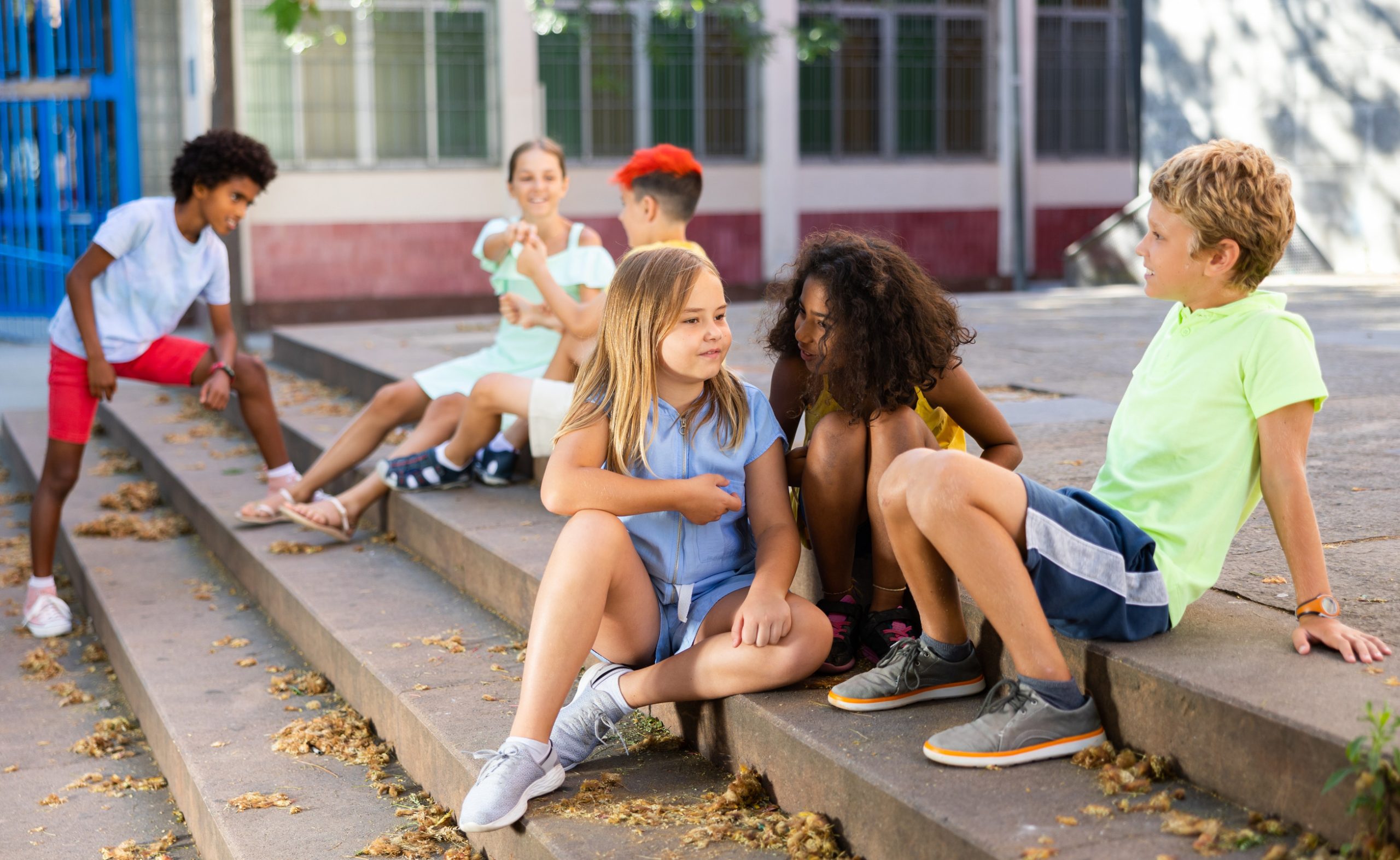
Image source: shutterstock.com

Choosing a name can feel like the first big parenting decision with real social consequences. Maybe a unique baby name feels meaningful, creative, and perfect for your family, but a tiny voice in your head wonders if it’ll make school harder. The truth is, fitting in isn’t just about blending in—it’s about belonging, and kids can belong with all kinds of names. What matters most is how easy the name is to use in everyday life and how supported your child feels when questions come up. Here’s how to think it through without panic, regret, or naming your kid like it’s a group project.

What Kids Actually Notice First

Kids usually notice confidence and social cues before they notice spelling on a class roster. If a unique baby name is said calmly and proudly at home, children often mirror that energy at school. The bigger issue tends to be whether other kids can say it without feeling embarrassed or corrected. Many classmates accept “different” quickly when adults don’t act tense about it. A name rarely creates an outcast by itself, but awkward moments can pile up when nobody helps a child navigate them.

How Adults Can Accidentally Make It Harder

Adults sometimes turn a normal name question into a spotlight moment without meaning to. If family members constantly joke about the choice, kids learn to brace for comments instead of enjoying their identity. Teachers can also unintentionally create friction if they rush pronunciation or publicly “give up” and hand out a nickname. When adults treat the name like a problem, peers often follow that lead. If you chose a unique baby name, the best gift you can give is modeling respect for it in everyday conversation.

When A Unique Baby Name Becomes The Whole Story

A name becomes tricky when it turns into a repeated classroom event instead of a simple introduction. If people ask about it every time, your child can start feeling like a fun fact instead of a full person. That doesn’t mean you should avoid a standout name, but it does mean you should plan for the “tell me about it” moments. Practice a one-sentence explanation your child can use and let them choose how much detail they want to share. When a unique baby name has a short, confident script behind it, it stops being a performance and becomes normal.

The Classroom Test: Pronunciation, Spelling, And Nicknames

Before you commit, do a real-world test that mimics school life, not baby-name forums. Say the name out loud to a few people and notice whether they hesitate, mishear it, or ask for repeats. Write it down once and see if they can spell it back, because daily life includes worksheets, email addresses, and labels. If your unique baby name has a likely nickname, decide whether you’re okay with it, because kids often nickname naturally. A flexible plan beats a rigid one, especially when your child’s preferences may change over time.

Social Media, Searchability, And Privacy

Today’s kids don’t just “fit in” at school; they also exist in group chats, gaming handles, and searchable online spaces. If your unique baby name is extremely rare, it may be easier for strangers to find your child later, which can raise privacy concerns. On the flip side, a highly distinctive name can help a kid feel memorable in positive ways, like clubs, sports, or creative communities. Think about how the name looks in usernames, email formats, and initials to avoid accidental awkwardness. A practical check now can prevent years of tiny annoyances later.

Practical Ways To Support Belonging At School

You can help your child feel grounded no matter what their name is by building social comfort early. Role-play introductions, corrections, and “What does it mean?” questions so your child isn’t caught off guard. If a unique baby name gets mispronounced, teach a friendly correction that doesn’t sound apologetic or angry. Communicate with teachers before the first day so they hear the correct pronunciation privately and can lead confidently in class. Belonging grows faster when your child feels prepared, supported, and proud of their own story.

The Goal Isn’t Blending In—It’s Feeling Safe Being Seen

Names don’t guarantee popularity, and they don’t doom a kid to loneliness, either. What lasts is the message a child learns about themselves when they’re noticed. If your family treats the name as meaningful and normal, your child learns that being different isn’t the same as being excluded. If the name comes with a simple script and steady support, your child can handle curiosity without feeling targeted. Pick the name you love, then put just as much care into the confidence your child carries with it.

What’s a baby name you loved—but hesitated on—because you worried about how it would land at school?

What to Read Next…

10 Baby Name Combinations That Are Quietly Ridiculed in Classrooms

Is Your Child’s Name Secretly Making Their Own TikTok Memes?

Does Following Current Name Trends Mean Your Child Will Be Picked on in 2035?

7 “Harmless” Nicknames That Kids Secretly Hate

How One Baby Name Choice Could Affect College Admissions

Catherine Reed
Catherine Reed

Catherine is a tech-savvy writer who has focused on the personal finance space for more than eight years. She has a Bachelor’s in Information Technology and enjoys showcasing how tech can simplify everyday personal finance tasks like budgeting, spending tracking, and planning for the future. Additionally, she’s explored the ins and outs of the world of side hustles and loves to share what she’s learned along the way. When she’s not working, you can find her relaxing at home in the Pacific Northwest with her two cats or enjoying a cup of coffee at her neighborhood cafe.
Filed Under: Baby Names Tagged With: baby names, bullying prevention, child confidence, family identity, naming tips, parenting advice, School Readiness, social development

10 Things Parents Should NEVER Assume About Their Kid’s Friends

May 19, 2025 | Leave a Comment

10 Things Parents Should NEVER Assume About Their Kids Friends

Friendships play a massive role in shaping how children think, behave, and view the world around them. But while it’s natural for parents to want a say in who their kids hang out with, jumping to conclusions about those friends can lead to unnecessary conflict and missed opportunities for understanding. Kids often sense when their parents don’t approve, and instead of having open conversations, they may choose secrecy or defensiveness. In mindful parenting, assumptions can damage not just your relationship with your child’s peers—but your connection with your child, too. The key is staying curious, observant, and open-minded, even when you feel protective.

Kids’ friendships can look different from what parents remember in their own youth. Sometimes the loud kid is also the kindest. Sometimes the quiet one is the instigator. And sometimes your child’s closest companion may not make the best first impression. To help you navigate these relationships with empathy and wisdom, here are 10 assumptions parents should avoid making about their child’s friends.

1. If They’re Polite, They’re a Good Influence

Just because a child says “please” and “thank you” doesn’t mean they’re a positive influence. Some kids know how to act appropriately in front of adults while encouraging risky or unkind behavior behind the scenes. Good manners aren’t a foolproof character test. Behavior over time is a more accurate reflection of values. Mindful parenting involves looking beyond surface impressions.

2. If They’re Loud or Hyper, They’re a Problem

The energetic, chatty friend might seem like a handful, but volume doesn’t always equal trouble. High-energy kids can be joyful, imaginative, and supportive in ways quieter kids are not. Judging a child for their energy level alone misses the bigger picture of who they are. Watch for how they treat others, not how loud they are while doing it. Sometimes, that “wild” kid is also the most loyal friend your child has.

3. If They Come From a Tough Home, They’re Trouble

It’s easy to worry when your child befriends someone from a complicated family background. But adversity doesn’t automatically make a kid a negative influence. In fact, many children from challenging situations are incredibly resilient, kind, and resourceful. Assuming otherwise sends the wrong message about judgment and compassion. Mindful parenting teaches kids to value people for who they are, not just where they come from.

4. If They’re Always Around, They Must Be Clingy

Frequent hangouts don’t always mean a child is clingy or overly dependent. It might simply mean the two kids genuinely enjoy each other’s company or feel safest together. Instead of jumping to conclusions, look at how both children behave after spending time together. Are they happy? More relaxed? That says more than how often they’re together. Emotional connection should be encouraged, not micromanaged.

5. If They Don’t Talk Much, They’re Hiding Something

Some kids are naturally introverted and take longer to warm up. Silence isn’t always a red flag—it’s often just a sign of nerves or a different communication style. Assuming a quiet kid has something to hide can create unnecessary suspicion. Give them space and time to show who they are. Trust is built through patience, not pressure.

6. If They’re Older or Younger, the Friendship Isn’t Balanced

It’s common to feel wary of friendships with noticeable age gaps, but age alone isn’t always the problem. The dynamic depends on maturity, shared interests, and mutual respect. An older friend isn’t necessarily a bad influence, and a younger one isn’t automatically immature. Focus on how the friendship makes your child feel and behave. Mindful parenting evaluates relationships based on quality, not age.

7. If They Dress or Speak Differently, They’re a Bad Match

Fashion choices, slang, and cultural differences can throw parents off—but these traits often reflect individuality, not trouble. Judging a friend by appearance or language can lead to harmful stereotypes and unnecessary distance. Ask questions instead of making assumptions. You might be surprised by how much you have in common underneath the surface.

8. If Your Child Acts Differently Around Them, They Must Be a Bad Influence

Kids adapt to different social dynamics—it doesn’t always mean they’re being negatively influenced. Your child may act sillier, bolder, or more reserved depending on the friend and the situation. These shifts don’t automatically signal danger. What matters most is whether your child feels safe, valued, and authentic around their friends. Monitor changes, but don’t rush to blame.

9. If You Had One Bad Experience, the Friendship Is Over

Everyone has off days—including kids. One awkward visit or mistake doesn’t mean a child should be banned from your home or your child’s life. Talk about what happened, give room for growth, and observe patterns before making final decisions. Mindful parenting involves modeling forgiveness and giving people a second chance when appropriate.

10. If Your Child Loves Them, They Must Be Perfect

It’s tempting to trust your child’s judgment blindly when they adore someone. But even the sweetest friends can still push boundaries or make questionable choices. Kids are learning, just like yours. Staying involved without being controlling helps you remain a trusted guide when issues arise. Balance your child’s loyalty with your own thoughtful observations.

Curiosity Builds Bridges, Not Walls

Your child’s friendships are part of their emotional foundation, and how you respond to those relationships shapes how open they’ll be with you. Mindful parenting asks you to stay engaged, but not overbearing—to be curious, not critical. When parents avoid assumptions and instead choose understanding, it becomes easier to guide, support, and protect without pushing their child away. You don’t need to approve of every friend, but you do need to stay in the conversation.

Have you ever been surprised by a friendship your child had—either in a good or not-so-good way? Share your story in the comments!

Read More:

12 Ways to Tell It’s Time to Upgrade Your Friend Circle

When Friends Cross the Line: Handling Bossy Playdates

Catherine Reed
Catherine Reed

Catherine is a tech-savvy writer who has focused on the personal finance space for more than eight years. She has a Bachelor’s in Information Technology and enjoys showcasing how tech can simplify everyday personal finance tasks like budgeting, spending tracking, and planning for the future. Additionally, she’s explored the ins and outs of the world of side hustles and loves to share what she’s learned along the way. When she’s not working, you can find her relaxing at home in the Pacific Northwest with her two cats or enjoying a cup of coffee at her neighborhood cafe.

Filed Under: Parenting Tagged With: child behavior, communication with kids, kids and friendships, mindful parenting, parenting advice, parenting mistakes, social development

  • Facebook
  • Pinterest
  • RSS
  • Twitter

Basic Principles Of Good Parenting

Here some basic principles for good parenting:

  1. What You Do Matters: Your kids are watching you. So, be purposeful about what you want to accomplish.
  2. You Can’t be Too Loving: Don’t replace love with material possessions, lowered expectations or leniency.
  3. Be Involved Your Kids Life: Arrange your priorities to focus on what your kid’s needs. Be there mentally and physically.
  4. Adapt Your Parenting: Children grow quickly, so keep pace with your child’s development.
  5. Establish and Set Rules: The rules you set for children will establish the rules they set for themselves later.  Avoid harsh discipline and be consistent.
  6. Explain Your Decisions: What is obvious to you may not be evident to your child. They don’t have the experience you do.
  7. Be Respectful To Your Child: How you treat your child is how they will treat others.  Be polite, respectful and make an effort to pay attention.
Best Parenting Blogs

Most Popular

11 Ways Kids Are Outsmarting Parental Controls 1. Using Alternate Devices One common trick is simply turning to another device. If a child’s main phone or tablet is restricted, they may borrow a sibling’s, friend’s, or even a school laptop. This instantly gives them access to content outside of parental oversight. Parents often focus on one device, forgetting that others in the household can serve as loopholes. Knowing this tactic helps families tighten controls across all electronics. 2. Clearing Browsing Histories Many kids quickly learn that clearing browsing history hides evidence of restricted activity. With just a few clicks, they can erase any trace of websites visited. This makes it harder for parents to notice when rules are being broken. Parents may assume no history means no browsing, but the reality is often the opposite. Kids are outsmarting parental controls by making it seem like nothing happened at all. 3. Using Private Browsing Modes Most browsers offer “incognito” or private browsing features. Kids use this mode to access websites without leaving a record in the history. To parents checking later, everything looks clean and safe. This simple trick is often one of the first ways kids discover how to bypass restrictions. Conversations about private browsing can help close this gap. 4. Guessing or Resetting Passwords Children who are persistent may try to guess passwords to parental control apps or accounts. Others may find ways to reset them through email prompts or security questions. Once inside, they can disable restrictions entirely. Parents may not even realize controls have been altered until much later. Stronger, less predictable passwords can make this more difficult. 5. Using VPNs to Hide Activity Virtual private networks, or VPNs, let kids disguise their online locations. With one downloaded app, they can bypass geographic or parental restrictions. Some children learn about VPNs through friends or even social media. This makes it easy for them to reach content that should be blocked. Parents often underestimate just how simple it is for kids to use these tools. 6. Creating Fake Accounts When parents monitor social media, kids may create hidden accounts. These “finstas” or fake profiles allow them to interact freely without parental oversight. While their main account appears harmless, the secondary one tells a different story. Kids are outsmarting parental controls by playing both sides at once. Checking for duplicate accounts can help parents stay more aware. 7. Exploiting Time Zone Settings Some kids change the time zone on their devices to bypass screen time limits. This trick allows them to gain extra hours of usage undetected. Parents may assume controls are working, but in reality, the child is bending the clock. It’s a clever loophole that highlights just how resourceful kids can be. Monitoring device settings regularly can catch this tactic. 8. Disabling or Uninstalling Apps Parental control apps can be deleted or disabled with surprising ease. Some kids even reinstall them before a parent checks, making it seem like nothing changed. Others may simply restrict permissions to prevent apps from functioning properly. When apps aren’t monitored closely, parents may not notice they’ve been tampered with. This shows the importance of consistent follow-up. 9. Turning to Friends for Access If a child can’t get past restrictions on their own, they may rely on friends. Visiting a friend’s house or borrowing their phone can give them a free pass. Parents often forget that peer environments can override restrictions set at home. This kind of social workaround is especially common with gaming or social media. Open conversations about trust and responsibility are essential. 10. Hiding Apps in Plain Sight Kids sometimes download apps that look innocent but serve as gateways to hidden activity. These apps may disguise themselves as calculators or utilities. In reality, they allow file storage, private messaging, or browser access. Parents glancing at a home screen may overlook them entirely. Learning to recognize these disguised apps can help parents stay informed. 11. Outpacing Parents’ Tech Knowledge Finally, kids often know more about devices than their parents do. Whether through YouTube tutorials, TikTok hacks, or peer groups, they quickly learn advanced workarounds. This knowledge gap means controls can be bypassed before parents even realize the loophole exists. Staying informed and continually learning about new technology is the best defense. Kids are outsmarting parental controls because they adapt faster than most adults. The Real Solution Lies Beyond Restrictions While controls and filters are important, no system is perfect. Kids will always find creative ways around barriers, making communication the strongest safeguard. Setting clear expectations, building trust, and having ongoing conversations about online behavior matter more than apps alone. Parents who combine technology with open dialogue create a safer digital environment. The goal isn’t to win a battle of wits but to build a relationship that keeps kids both safe and honest. Do you think kids are outsmarting parental controls faster than parents can keep up? Share your experiences in the comments below. What to Read Next... 6 Parenting Tech Shortcuts That Can Expose Your Child to Strangers How Much Screen Time Is Too Much—Legally Speaking? Is Your Child’s School Quietly Tracking Their Location Without Your Consent? How Much Screen Time Is Quietly Reshaping Childhood Behavior? Why Some Parents Are Being Investigated Over Homeschooling Records

11 Ways Kids Are Outsmarting Parental Controls

Catherine Reed
Smiling grandfather holding a happy baby indoors.

Why Grandparents Shouldn’t Babysit Their Grandkids Every Week – The Unspoken Issue

Samantha
Girl getting makeup done, referencing psychologist-approved age.

Wearing Makeup: Here Is the Age That Psychologists Agree It’s Okay for Girls to Wear Makeup

Samantha
birthday gifts

7 Birthday Gifts Your Child Should Never Bring to a Party

Latrice Perez

Babysitting Without Cash: 10 Ways to Barter Your Way Out of Childcare Costs

Ashleigh Clyde

All content on Kids Ain’t Cheap is for entertainment purposes only. By reading this blog, you agree that Kids Ain’t Cheap is not responsible for any actions taken after reading this blog. For the full disclaimer, see our privacy policy.

Please note that Kids Ain’t Cheap has financial relationships with some of the merchants mentioned here. Kids Ain’t Cheap is funded by banner advertising, commission sales and search optimization consulting.

Copyright © 2006–2026 | District Media | All Rights Reserved | Privacy Policy

Copyright © 2026 Runway Pro Theme by Viva la Violette