• Home
  • About Us
  • Toolkit
  • Archives
  • Advertise
  • Privacy Policy

Kids Ain't Cheap

But They Sure Are Worth It

  • Parenting
    • Baby Stuff
    • Books and Reading
      • Aesops Fables
      • Comic Books
    • Education
    • Family Time
    • Green Living
    • Growing Up
    • Healthy Living & Eating
    • Holidays
    • Parenting
    • Random Musings
    • Shopping
    • Stuff to Do
  • Money
  • Product Reviews
    • Books and Magazines
    • Discount Sites
    • Furniture
    • House Keeping
    • Reviews News
    • Toys and Games
  • Contact Us
  • Our Editorial Commitment
  • Search

Will That Unique Baby Name Prevent Your Kid from Fitting In?

December 20, 2025 | Leave a Comment

Will That Unique Baby Name Prevent Your Kid from Fitting In?
Image source: shutterstock.com

Choosing a name can feel like the first big parenting decision with real social consequences. Maybe a unique baby name feels meaningful, creative, and perfect for your family, but a tiny voice in your head wonders if it’ll make school harder. The truth is, fitting in isn’t just about blending in—it’s about belonging, and kids can belong with all kinds of names. What matters most is how easy the name is to use in everyday life and how supported your child feels when questions come up. Here’s how to think it through without panic, regret, or naming your kid like it’s a group project.

What Kids Actually Notice First

Kids usually notice confidence and social cues before they notice spelling on a class roster. If a unique baby name is said calmly and proudly at home, children often mirror that energy at school. The bigger issue tends to be whether other kids can say it without feeling embarrassed or corrected. Many classmates accept “different” quickly when adults don’t act tense about it. A name rarely creates an outcast by itself, but awkward moments can pile up when nobody helps a child navigate them.

How Adults Can Accidentally Make It Harder

Adults sometimes turn a normal name question into a spotlight moment without meaning to. If family members constantly joke about the choice, kids learn to brace for comments instead of enjoying their identity. Teachers can also unintentionally create friction if they rush pronunciation or publicly “give up” and hand out a nickname. When adults treat the name like a problem, peers often follow that lead. If you chose a unique baby name, the best gift you can give is modeling respect for it in everyday conversation.

When A Unique Baby Name Becomes The Whole Story

A name becomes tricky when it turns into a repeated classroom event instead of a simple introduction. If people ask about it every time, your child can start feeling like a fun fact instead of a full person. That doesn’t mean you should avoid a standout name, but it does mean you should plan for the “tell me about it” moments. Practice a one-sentence explanation your child can use and let them choose how much detail they want to share. When a unique baby name has a short, confident script behind it, it stops being a performance and becomes normal.

The Classroom Test: Pronunciation, Spelling, And Nicknames

Before you commit, do a real-world test that mimics school life, not baby-name forums. Say the name out loud to a few people and notice whether they hesitate, mishear it, or ask for repeats. Write it down once and see if they can spell it back, because daily life includes worksheets, email addresses, and labels. If your unique baby name has a likely nickname, decide whether you’re okay with it, because kids often nickname naturally. A flexible plan beats a rigid one, especially when your child’s preferences may change over time.

Social Media, Searchability, And Privacy

Today’s kids don’t just “fit in” at school; they also exist in group chats, gaming handles, and searchable online spaces. If your unique baby name is extremely rare, it may be easier for strangers to find your child later, which can raise privacy concerns. On the flip side, a highly distinctive name can help a kid feel memorable in positive ways, like clubs, sports, or creative communities. Think about how the name looks in usernames, email formats, and initials to avoid accidental awkwardness. A practical check now can prevent years of tiny annoyances later.

Practical Ways To Support Belonging At School

You can help your child feel grounded no matter what their name is by building social comfort early. Role-play introductions, corrections, and “What does it mean?” questions so your child isn’t caught off guard. If a unique baby name gets mispronounced, teach a friendly correction that doesn’t sound apologetic or angry. Communicate with teachers before the first day so they hear the correct pronunciation privately and can lead confidently in class. Belonging grows faster when your child feels prepared, supported, and proud of their own story.

The Goal Isn’t Blending In—It’s Feeling Safe Being Seen

Names don’t guarantee popularity, and they don’t doom a kid to loneliness, either. What lasts is the message a child learns about themselves when they’re noticed. If your family treats the name as meaningful and normal, your child learns that being different isn’t the same as being excluded. If the name comes with a simple script and steady support, your child can handle curiosity without feeling targeted. Pick the name you love, then put just as much care into the confidence your child carries with it.

What’s a baby name you loved—but hesitated on—because you worried about how it would land at school?

What to Read Next…

10 Baby Name Combinations That Are Quietly Ridiculed in Classrooms

Is Your Child’s Name Secretly Making Their Own TikTok Memes?

Does Following Current Name Trends Mean Your Child Will Be Picked on in 2035?

7 “Harmless” Nicknames That Kids Secretly Hate

How One Baby Name Choice Could Affect College Admissions

Catherine Reed
Catherine Reed

Catherine is a tech-savvy writer who has focused on the personal finance space for more than eight years. She has a Bachelor’s in Information Technology and enjoys showcasing how tech can simplify everyday personal finance tasks like budgeting, spending tracking, and planning for the future. Additionally, she’s explored the ins and outs of the world of side hustles and loves to share what she’s learned along the way. When she’s not working, you can find her relaxing at home in the Pacific Northwest with her two cats or enjoying a cup of coffee at her neighborhood cafe.

Filed Under: Baby Names Tagged With: baby names, bullying prevention, child confidence, family identity, naming tips, parenting advice, School Readiness, social development

Is Your Child’s Name Secretly Making Their Own TikTok Memes?

November 25, 2025 | Leave a Comment

Is Your Child’s Name Secretly Making Their Own TikTok Memes?
Image source: shutterstock.com

Parents today face parenting challenges no previous generation could have imagined, including the possibility that their child’s name might show up in TikTok memes without warning. While names have always carried stereotypes, social media now turns certain names into running jokes, character personalities, or viral trends. Kids can find themselves linked to a meme long before they understand why, and parents may not even realize it is happening. Understanding how and why this occurs helps families support kids and stay ahead of digital culture shifts.

1. How Certain Names Become Targets in TikTok Memes

Some names catch the attention of online creators because they feel familiar, trendy, or easy to exaggerate. These social media memes often assign personalities to kids based solely on their names, turning ordinary names into caricatures. When a name becomes popular, creators use it repeatedly to build familiar joke formats. Kids with these names may feel confused or amused, depending on how the meme portrays them. Parents can stay aware by checking what kinds of trends are circulating.

2. Viral Audio Clips That Tie Names to Stereotypes

Many TikTok memes begin with audio clips that repeat or emphasize certain names, encouraging creators to build videos around them. Kids who share those names may be tagged in content or teased by classmates who have seen the trend. These memes usually exaggerate personality traits, which can feel uncomfortable for kids who do not identify with the stereotype. Understanding the origin of the audio helps parents discuss it openly with their children. Clear communication allows kids to separate the jokes from their real identity.

3. School Culture Quickly Spreads TikTok Name Trends

Children often bring social media memes to school, where they spread even faster through casual conversation. A single viral name meme can influence how kids treat classmates with that name. This may lead to playful teasing or, in some cases, hurtful comments. Parents may notice subtle shifts in their child’s behavior when a trend hits local classrooms. Checking in regularly can help families intervene early if a meme becomes upsetting.

4. Older Names and Unexpected Resurgence in Memes

Sometimes older or uncommon names become central to TikTok memes because they feel nostalgic or quirky. Kids with these names may feel embarrassed when classmates suddenly start joking about a trend they did not expect. These memes often rely on humor that highlights generational differences. Parents can use this opportunity to discuss how trends work and why old names sometimes become new jokes. Reframing the humor can help kids feel less self-conscious.

5. Trendy Names That Attract Extra Attention

Names that are extremely popular in a given year are more likely to show up in TikTok memes simply due to how often they appear in daily life. Kids with these names may encounter jokes more frequently than peers with less common names. Popularity makes it easier for creators to build patterns and characters around these names. Parents can help kids understand that being part of a trend is not a reflection of their personality. Knowing the context helps them feel more grounded.

6. Nicknames and Variations Become Meme Fuel

Shortened versions of longer names often appear in social media memes because they fit easily into short video formats. Kids who use nicknames might hear exaggerated versions of their name after a meme spreads widely. These trends often lose momentum quickly, but the impact can still linger at school or in friend groups. Parents can encourage kids to express their own feelings about their name and nickname. This helps reinforce confidence during trend cycles.

7. How Kids React When Their Name Goes Viral

Reactions to TikTok memes can vary widely, with some kids feeling entertained while others feel targeted. Younger children may not understand why their name suddenly sparks jokes among peers. Older kids might feel pressure to fit or reject the stereotype assigned to their name. Parents should stay engaged and ask how their kids feel about any memes involving their name. Open dialogue helps kids navigate these feelings safely.

8. What Parents Can Do to Stay Ahead of Trends

Parents do not need to monitor every video, but staying aware of major social media memes involving names can be helpful. Understanding the tone and intent behind a trend allows families to talk calmly about it. Kids often feel supported when parents acknowledge what they are experiencing at school or online. A quick search can reveal whether a name is trending. Staying informed empowers parents to respond thoughtfully.

9. Helping Kids Build Confidence Beyond Online Trends

When TikTok memes involve a child’s name, confidence and self-understanding become especially important. Kids should know that online jokes do not define who they are. Parents can help by emphasizing personal strengths, interests, and real-world friendships. As trends fade, kids often move on quickly, but strong self-esteem ensures they do not internalize negative stereotypes. With parental support, kids learn to view memes as temporary internet noise.

Why Understanding TikTok Memes Helps Families Protect Kids

Staying informed about TikTok memes allows families to recognize emotional shifts, prevent teasing, and build stronger communication with their children. Name-based jokes may seem harmless, but they can shape how kids feel about themselves during sensitive stages of development. When parents address digital trends openly, kids feel supported and less isolated. Awareness helps families guide children through the fast-changing social world surrounding them.

Have you noticed your child’s name showing up in social media memes, and how did they react to it?

What to Read Next…

7 “Innocent” Family Activities That Are Triggering TikTok Outrage

8 Reasons Your Kids Prefer TikTok Over Bedtime Stories

6 Clues Your Kids Are Picking Up Toxic Behavior From TikTok

Should Parents Be Fined for Their Kids’ TikTok Pranks?

10 Baby Names Inspired by TikTok Trends (Yes, Really)

Catherine Reed
Catherine Reed

Catherine is a tech-savvy writer who has focused on the personal finance space for more than eight years. She has a Bachelor’s in Information Technology and enjoys showcasing how tech can simplify everyday personal finance tasks like budgeting, spending tracking, and planning for the future. Additionally, she’s explored the ins and outs of the world of side hustles and loves to share what she’s learned along the way. When she’s not working, you can find her relaxing at home in the Pacific Northwest with her two cats or enjoying a cup of coffee at her neighborhood cafe.

Filed Under: Baby Names Tagged With: child confidence, digital culture, kids and social media, modern parenting, parenting trends, TikTok culture

7 Lunch Foods That Make Kids a Target for Teasing

October 25, 2025 | Leave a Comment

7 Lunch Foods That Make Kids a Target for Teasing
Image source: shutterstock.com

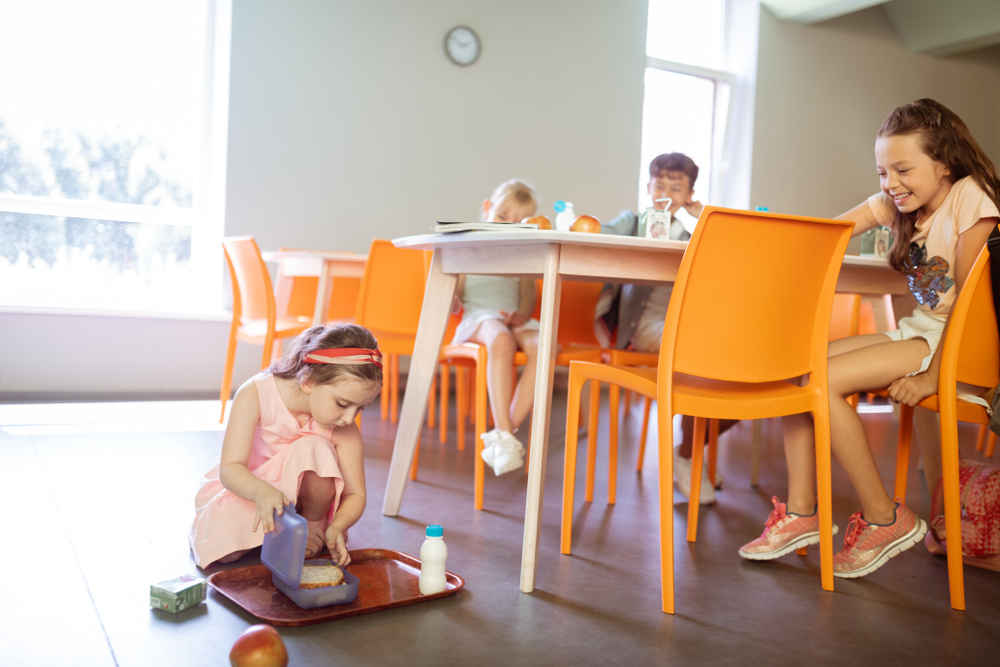
School lunchrooms can be surprisingly high-pressure environments where even small differences can attract unwanted attention. While parents pack meals with love and nutrition in mind, children often see their food through a social lens shaped by what their peers consider “normal.” The wrong lunch can quickly make a child feel singled out, embarrassed, or even teased. Understanding which items might cause issues can help parents strike a balance between healthy, cultural, and socially comfortable choices. Here are seven lunch foods that make kids a target for teasing—and what you can do instead.

1. Strong-Smelling Foods That Fill the Room

One of the most common lunch foods that makes kids a target for teasing is those with strong odors. Items like tuna salad, hard-boiled eggs, or leftover fish can quickly draw attention once the container is opened. While these options are healthy and protein-rich, their scent can linger in the air and invite comments from classmates. Kids might hear jokes or exaggerated reactions that make them feel self-conscious about their meal. Opting for milder-smelling proteins like turkey, chicken, or nut-free spreads can help avoid lunchtime embarrassment without sacrificing nutrition.

2. Cultural Dishes That Look “Different”

Cultural diversity is something to celebrate, but it can sometimes make kids feel vulnerable in settings where familiarity rules. Foods like curries, kimchi, or dumplings are delicious and meaningful, yet they may look or smell unusual to peers who aren’t used to them. Unfortunately, some children may mock what they don’t understand. It’s heartbreaking when a child begins to reject their cultural foods just to fit in. Parents can help by discussing cultural pride at home and coordinating with teachers or schools that encourage inclusivity during mealtimes.

3. Overly “Healthy” or Unfamiliar Snacks

Some lunch foods that make kids a target for teasing include overly health-conscious options that stand out against the usual chips and cookies. Kale chips, seaweed snacks, or green smoothies, while nutritious, can lead to teasing if peers see them as “weird” or “gross.” Children may start hiding or avoiding these foods altogether, even if they liked them before. A good approach is to balance healthy items with familiar ones so kids feel confident opening their lunch. Pairing carrot sticks with a small treat, for example, can make a meal both healthy and socially comfortable.

4. Messy or Hard-to-Eat Meals

Difficult-to-handle foods can make lunchtime awkward. Spaghetti, soups, or saucy leftovers might spill easily or require utensils that younger kids struggle with. If a child gets messy or takes longer to eat, it can attract teasing from classmates who finish quickly. These lunch foods that make kids a target for teasing often cause stress that takes away from the fun of lunchtime. Simpler, bite-sized meals—like wraps, sandwiches, or fruit cups—tend to be easier to manage and less likely to draw attention.

5. Lunches That Seem “Too Fancy”

A perfectly curated lunch with bento boxes, neatly cut fruit, and decorative toothpicks can sometimes backfire in social settings. What’s meant as a thoughtful gesture can make a child stand out among peers with standard sandwiches and chips. Kids may face lighthearted jokes about being “spoiled” or “trying too hard,” which can sting more than parents realize. While these meals look beautiful on social media, practicality often matters more at school. Keeping lunches simple yet nutritious can help kids blend in comfortably without sacrificing parental care.

6. Cold or Leftover Dinners Packed for Lunch

While repurposing leftovers is a great way to save money and reduce waste, some dishes just don’t translate well in a school lunchbox. Cold pasta, stir-fry, or casserole can taste fine but look unappealing compared to freshly packed sandwiches. Peers might react negatively or joke about “weird leftovers,” even if the meal is delicious. These types of lunch foods that make kids a target for teasing can make them reluctant to eat what’s packed. To keep leftovers appealing, repack them creatively—like turning last night’s chicken into a wrap or quesadilla.

7. Foods That Trigger Allergies or Restrictions in Others

In today’s classrooms, where food allergies and dietary restrictions are common, bringing peanut butter sandwiches or dairy-heavy meals can sometimes cause issues. While not inherently “teasable,” these foods can make a child feel singled out if their meal is restricted or swapped due to safety rules. Other kids might also make comments about why certain foods aren’t allowed nearby. Encouraging empathy and awareness at home can help children understand these situations and handle them confidently. When in doubt, choose allergy-safe alternatives that keep everyone comfortable.

Helping Kids Feel Confident About What’s in Their Lunchbox

Lunch should be a time for kids to relax and refuel—not worry about judgment from their peers. Parents can help by discussing what happens at school and adjusting lunches based on feedback rather than fear. Encouraging kids to embrace their favorite meals while respecting social dynamics teaches both confidence and awareness. The goal isn’t to avoid individuality but to make sure children feel comfortable being themselves. With a little balance and open conversation, parents can protect both their child’s nutrition and their self-esteem.

Have you ever seen teasing happen over school lunches, or had to adjust what your child brings? Share your experiences in the comments below!

What to Read Next…

  • 8 Financial Decisions Parents Make That Kids Remember Forever
  • 7 “Harmless” Nicknames That Kids Secretly Hate
  • 8 Ways Children Are Hiding Cyberbullying From Adults
  • When Teasing Between Friends Becomes Bullying
  • 8 Health Fads Parents Are Pushing on Their Kids Without Science
Catherine Reed
Catherine Reed

Catherine is a tech-savvy writer who has focused on the personal finance space for more than eight years. She has a Bachelor’s in Information Technology and enjoys showcasing how tech can simplify everyday personal finance tasks like budgeting, spending tracking, and planning for the future. Additionally, she’s explored the ins and outs of the world of side hustles and loves to share what she’s learned along the way. When she’s not working, you can find her relaxing at home in the Pacific Northwest with her two cats or enjoying a cup of coffee at her neighborhood cafe.

Filed Under: Parenting Tagged With: child confidence, Family Budgeting, kids nutrition, parenting advice, school lunch tips, school lunches, teasing at school

7 “Harmless” Nicknames That Kids Secretly Hate

October 15, 2025 | Leave a Comment

7 “Harmless” Nicknames That Kids Secretly Hate
Image source: shutterstock.com

Parents often give affectionate pet names without realizing how they make their kids feel. What may sound like a sweet inside joke or a cute habit can actually create quiet embarrassment, especially as children grow older and start forming their identities. Understanding which labels cross the line can help parents build confidence instead of insecurity. Here are seven seemingly harmless nicknames that kids secretly dislike—and why it may be time to retire them.

1. “Chunk” or “Chubbs”

Weight-related nicknames can stick harder than parents expect. Even if used playfully, they can make children self-conscious about their bodies. Kids often remember being called “Chunk” long after they’ve outgrown baby fat, and it can influence how they view themselves in photos or among peers. When classmates overhear these “harmless nicknames,” embarrassment and shame often follow. Replacing body-based jokes with encouragement about strength or kindness can make a lasting difference in how kids see themselves.

2. “Princess” or “Little Man”

While these terms might sound endearing, they can subtly shape how kids see their gender roles. Being called “Princess” can make a girl feel pressured to always be pretty or delicate, while “Little Man” can push boys to act overly tough. Children may not voice it, but they often wish adults would recognize their personalities instead of their roles. Over time, these harmless nicknames can box kids into identities they didn’t choose. It’s better to celebrate their unique qualities rather than rely on outdated labels.

3. “Goofball” or “Clown”

When kids are labeled as the funny one, they might feel like they can’t be taken seriously. While humor is healthy, being constantly called “Goofball” can make children believe they’re not seen as smart or responsible. Some start to suppress deeper emotions or hide their achievements to maintain the funny image. These harmless nicknames can quietly undermine their confidence in school or friendships. Encourage laughter without turning their personality into a permanent punchline.

4. “Baby”

Few labels make older kids cringe like being called “Baby.” Even affectionate parents sometimes forget how fast their children are growing up. Using this nickname in public, especially around friends, can feel humiliating. It can also create mixed signals—kids want love but also independence. Swapping “Baby” for more age-appropriate praise, like “buddy” or “champ,” shows that you respect their growth while still keeping your bond strong.

5. “Smarty Pants”

At first, “Smarty Pants” might sound like a compliment, but for many kids, it feels more like teasing. Children who are academically gifted often face pressure from peers and adults alike. Constantly being labeled this way can make them anxious about making mistakes or being perceived as arrogant. What starts as a proud nickname can turn into a silent burden. Instead of these harmless nicknames, try celebrating effort rather than outcome—it teaches humility and resilience.

6. “Stinky” or “Messy”

Names like “Stinky” or “Messy” may seem funny in the moment, but they can stick long after a single smelly soccer practice or messy bedroom phase. Kids internalize these descriptors, even if they laugh on the surface. The danger is that they start believing that clumsiness or dirtiness defines them. Over time, that affects self-esteem and hygiene motivation. Parents can replace these harmless nicknames with gentle humor that builds rather than breaks down confidence.

7. “Lazybones”

When parents call kids “Lazybones,” it’s often out of frustration, not cruelty—but the message can sting. Many children hear it as “you’re not good enough,” rather than “you didn’t try hard enough.” This type of nickname can create guilt and resistance instead of motivation. Even jokingly using “Lazybones” can damage a child’s relationship with work and responsibility. A more constructive approach is to focus on effort and celebrate small progress instead of labeling behavior.

When Harmless Nicknames Stop Feeling Harmless

Most parents mean no harm when using pet names, but intention doesn’t erase impact. Words shape how kids see themselves, especially when they come from trusted adults. The safest approach is to listen—if your child flinches, frowns, or asks you not to use a certain name, take it seriously. Their discomfort signals a chance to strengthen trust and mutual respect. By replacing outdated or embarrassing labels with positive affirmations, you build a foundation for lasting confidence and connection.

Have you ever realized one of your “harmless nicknames” was bothering your child? Share your experience or advice with other parents in the comments.

What to Read Next…

Is Your Family Using a Baby Name That Schools May Mock?

8 Things Parents Say That Create Lifelong Guilt

Beyond The Jokes: 10 Phrases You Should Never Say To Your Child After A Tantrum

7 Signs Your Kids Are Struggling With Anxiety You Keep Calling “Just a Phase”

Don’t Do This: 5 Phrases You Say To Your Toddler Encouraging Bad Behavior

Catherine Reed
Catherine Reed

Catherine is a tech-savvy writer who has focused on the personal finance space for more than eight years. She has a Bachelor’s in Information Technology and enjoys showcasing how tech can simplify everyday personal finance tasks like budgeting, spending tracking, and planning for the future. Additionally, she’s explored the ins and outs of the world of side hustles and loves to share what she’s learned along the way. When she’s not working, you can find her relaxing at home in the Pacific Northwest with her two cats or enjoying a cup of coffee at her neighborhood cafe.

Filed Under: Parenting Tagged With: child confidence, emotional health, family relationships, harmless nicknames, parent communication, parenting advice, parenting tips

7 Ways to Prepare Your Child for Peer Pressure Before It Hits

June 13, 2025 | Leave a Comment

7 Ways to Prepare Your Child for Peer Pressure Before It Hits
Image Source: 123rf.com

Peer pressure isn’t just a teen problem—it starts earlier than most parents expect. Whether it’s the urge to join in teasing, try something risky, or simply go along to avoid standing out, children are constantly learning how to navigate group dynamics. The key to helping them make smart choices under pressure is preparing them before those situations arise. By building confidence, communication skills, and clear values, you can equip your child to stand strong when it counts. These seven simple strategies will help you prepare your child for peer pressure with calm, confidence, and connection.

1. Talk About Peer Pressure in Age-Appropriate Ways

To prepare your child for peer pressure, start by talking about it before it shows up in real life. Use examples from books, TV shows, or everyday experiences to spark discussion. Ask open-ended questions like, “What would you do if your friends dared you to break a rule?” Keep the tone light but meaningful, so your child feels safe exploring their thoughts. Framing peer pressure as something they can handle builds trust and gives them the words to describe their own feelings later.

2. Practice Role-Playing Scenarios

Children learn best through practice, and role-playing is a great way to prepare your child for peer pressure. Pretend to be a friend asking them to do something they’re unsure about, then switch roles to let them try different responses. Help them come up with simple phrases like “No thanks” or “That’s not for me” that feel natural and easy to remember. Role-play gives kids the chance to feel confident saying no while you’re there to guide and support them. It turns an abstract concept into a real skill they can use.

3. Strengthen Their Decision-Making Muscles

One way to prepare your child for peer pressure is to give them chances to make their own decisions regularly. Let them choose between activities, pick out clothes, or help with family plans. When kids are used to making choices, they’re more likely to feel confident when the stakes are higher. Talk through decisions together, highlighting how to weigh pros and cons and trust their instincts. Building decision-making skills in everyday moments helps children stay grounded when others try to influence them.

4. Teach the Power of Walking Away

Sometimes the best choice is simply removing yourself from a bad situation. Teaching your child that it’s okay to walk away from peer pressure shows them they’re in control of their environment. Talk about real-life examples of choosing different friends or saying “I need to go now” when something doesn’t feel right. Let them know that leaving isn’t quitting—it’s choosing their own path. Remind them that true friends will respect their decisions, not challenge them.

5. Praise Assertiveness, Not Just Obedience

Kids often hear a lot about being polite and cooperative, but to prepare your child for peer pressure, it’s just as important to praise assertiveness. When your child speaks up for themselves or others, acknowledge their courage. Teach them the difference between being assertive and being aggressive, and help them use a calm but firm voice. When you celebrate these moments, your child learns that it’s okay to stand their ground. This boosts their confidence and reduces the fear of rejection from peers.

6. Build a Strong Family Connection

Children who feel deeply connected to their parents are less likely to be swayed by peer pressure. Make time to talk, play, and check in without judgment, so your child knows they can come to you about anything. Reinforce that home is a safe place where they’ll always be heard, even if they’ve made a mistake. This sense of security gives kids the foundation to make tough choices, even when others around them don’t. The stronger your bond, the stronger their boundaries will be.

7. Talk About Values—Often and Openly

To prepare your child for peer pressure, help them understand what your family stands for. Talk regularly about kindness, honesty, respect, and other values you want to instill. Use stories from your own life or ask your child what matters most to them. When children have a clear sense of their values, they have a guide to follow when peer pressure clouds the moment. Knowing what they believe makes it easier to say no with confidence.

Courage Starts Before the Moment Comes

The best way to prepare your child for peer pressure is to build them up before they face it. When you teach, model, and practice healthy ways to respond, you’re giving them more than words—you’re giving them strength. These skills take time to grow, and they’ll get stronger with every conversation, every choice, and every “no” that feels right. Remember, you’re not just raising a child who avoids bad choices—you’re raising someone who can lead with courage. And that’s something to be proud of.

What strategies have helped your child handle peer pressure? Share your tips or stories in the comments—we’d love to hear how your family navigates it!

Read More:

10 Things Parents Should NEVER Assume About Their Kid’s Friends

13 Essential Safety Tips for Parents When Kids Are Spending the Night With Friends

Catherine Reed
Catherine Reed

Catherine is a tech-savvy writer who has focused on the personal finance space for more than eight years. She has a Bachelor’s in Information Technology and enjoys showcasing how tech can simplify everyday personal finance tasks like budgeting, spending tracking, and planning for the future. Additionally, she’s explored the ins and outs of the world of side hustles and loves to share what she’s learned along the way. When she’s not working, you can find her relaxing at home in the Pacific Northwest with her two cats or enjoying a cup of coffee at her neighborhood cafe.

Filed Under: Parenting Tagged With: child confidence, child safety, emotional development, family communication, Parenting, parenting tips, Peer pressure, prepare your child for peer pressure, raising strong kids

Boost Your Child’s Confidence Through Daily Affirmations

June 13, 2025 | Leave a Comment

Boost Your Childs Confidence Through Daily Affirmations
Image Source: 123rf.com

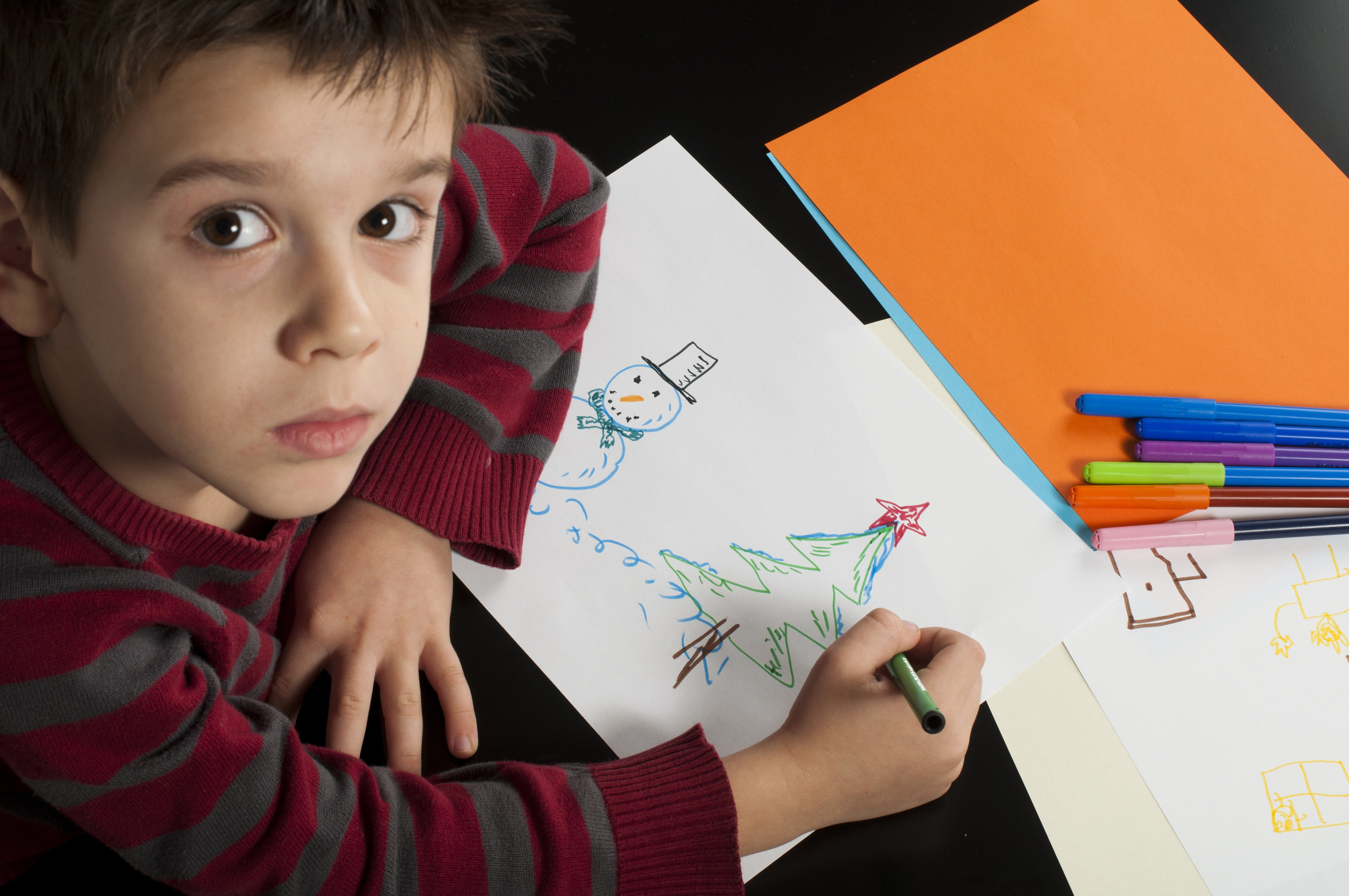
Confidence doesn’t magically appear—it’s built slowly, one message at a time. And for kids, those messages often come from us as parents. If your child struggles with self-doubt or negative self-talk, daily affirmations can be a powerful way to turn things around. These simple, repeated statements can help kids feel stronger, more secure, and ready to face challenges with courage. With just a few minutes a day, you can plant seeds of self-worth that grow for a lifetime.

1. Why Daily Affirmations Work for Kids

Daily affirmations work because they help rewire how children see themselves. Just like adults, kids internalize the messages they hear the most—whether they’re positive or negative. Affirmations replace unhelpful thoughts with empowering ones like “I am kind,” “I can learn from mistakes,” or “I am loved.” When spoken consistently, they become part of a child’s inner voice. And over time, this internal positivity boosts self-esteem and emotional resilience.

2. Make Daily Affirmations Part of the Routine

Consistency is key when it comes to daily affirmations. Try weaving them into existing routines like brushing teeth, getting dressed, or driving to school. Say them out loud together or let your child repeat them while looking in the mirror. You can even write them on sticky notes for your child to read each morning. Making affirmations a natural part of the day makes them stick without feeling forced or awkward.

3. Let Your Child Choose Their Affirmations

Kids are more likely to engage with daily affirmations when they help create them. Ask your child what makes them feel proud, happy, or brave, and turn those ideas into simple statements. Giving them ownership helps affirmations feel personal and meaningful, not just another thing Mom or Dad says. Keep them short and age-appropriate—think “I try my best” or “I am a good friend.” When children hear their own voice saying something powerful, the impact is even stronger.

4. Reinforce Affirmations with Actions

Affirmations are most effective when they’re backed by real-life experiences. If your child says, “I am a good listener,” point it out when they really do listen well. Positive feedback helps connect the words to their actual behavior, making them feel authentic and earned. Over time, your child starts to believe in those qualities as true parts of themselves. Affirmations aren’t just words—they’re reminders of what kids are already capable of.

5. Adjust Affirmations to Match Their Needs

Not every affirmation will be a perfect fit all the time. As your child grows and faces different challenges, their daily affirmations should evolve too. A preschooler may need affirmations about bravery at bedtime, while a middle schooler might benefit from reminders that they are enough just as they are. Stay flexible and adjust based on what your child is feeling or going through. Personalizing affirmations shows your child that you’re tuned in to their emotional world.

6. Keep the Tone Uplifting, Not Pressure-Filled

The goal of daily affirmations is to build up—not pile on pressure. Phrases like “I must always be perfect” or “I never get things wrong” can backfire by creating unrealistic expectations. Focus on affirmations that promote effort, kindness, courage, and growth. Let your child know it’s okay to mess up and still be worthy of love and respect. Affirmations should feel like encouragement, not a checklist they’re afraid to fail.

Confidence That Lasts Beyond Childhood

When kids practice daily affirmations, they’re not just boosting their confidence for today—they’re shaping the foundation of their self-image for years to come. These small, positive messages help them handle setbacks, build strong relationships, and face challenges with grit. And the best part? You’re showing them how to be kind to themselves, even when life gets tough. Helping your child grow up with a strong inner voice may be one of the most powerful gifts you give. Start today, and watch their confidence flourish.

Do you use daily affirmations with your child? What’s their favorite one? Share your experience in the comments—we’d love to hear from you!

Read More:

Why Your Child’s Self-Esteem Depends on This One Thing

7 Crushing Comments That Can Wreck a Kid’s Confidence

Catherine Reed
Catherine Reed

Catherine is a tech-savvy writer who has focused on the personal finance space for more than eight years. She has a Bachelor’s in Information Technology and enjoys showcasing how tech can simplify everyday personal finance tasks like budgeting, spending tracking, and planning for the future. Additionally, she’s explored the ins and outs of the world of side hustles and loves to share what she’s learned along the way. When she’s not working, you can find her relaxing at home in the Pacific Northwest with her two cats or enjoying a cup of coffee at her neighborhood cafe.
Filed Under: Parenting Tagged With: child behavior, child confidence, daily affirmations, emotional development, kids self-esteem, mindful parenting, Parenting, parenting tips, Positive Parenting

Why Your Child’s Self-Esteem Depends on This One Thing

June 10, 2025 | Leave a Comment

Why Your Childs Self Esteem Depends on This One Thing

From school performance to social skills, self-esteem plays a major role in how children grow, behave, and connect with the world around them. But what if the secret to building your child’s self-esteem isn’t praise, rewards, or success? More and more research points to one powerful factor: the quality of the parent-child relationship. When children feel deeply seen, heard, and accepted by their caregivers, their confidence blossoms from the inside out. If you’ve been wondering how to help your child develop a strong sense of self-worth, start by focusing on this one thing—your connection with them.

1. Connection Before Correction

It’s easy to slip into the habit of directing, correcting, or disciplining before checking in emotionally. But when parents pause to connect first—through eye contact, gentle touch, or simply acknowledging how the child feels—it strengthens trust. Children are more receptive to feedback when they feel safe and understood. This kind of emotional connection communicates that their worth isn’t tied to behavior or performance. A child who feels accepted is more likely to bounce back from mistakes with confidence, reinforcing your child’s self-esteem.

2. Unconditional Love, Not Conditional Approval

Kids can quickly learn to equate being “good” with being loved if love is shown only when they meet expectations. While celebrating achievements is important, it’s critical that children know they are valued for who they are, not just what they do. Express love openly—especially when your child is struggling, acting out, or feeling down. Let them know they are worthy even when they fall short. This helps your child’s self-esteem grow from a place of security rather than performance.

3. Listen With Curiosity, Not Control

When kids talk, they want more than advice or a quick fix—they want to feel heard. Active listening shows children that their thoughts and feelings matter, building their confidence in their own voice. Ask open-ended questions, reflect back what they’ve said, and resist the urge to jump in with solutions. When parents genuinely listen, children feel respected, which lays the groundwork for healthy self-worth. It’s not about fixing every problem, but about letting your child know they’re not facing it alone.

4. Let Them Struggle and Solve

It can be hard to watch your child struggle—but stepping in too quickly sends the message that they can’t handle challenges on their own. Allowing children to work through frustrations, try new things, and even fail builds resilience and trust in their abilities. Support them with encouragement, but let them take the lead when possible. Problem-solving fosters independence and pride, both of which are key to boosting your child’s self-esteem. Confidence comes not from avoiding discomfort, but from overcoming it.

5. Be the Mirror They See Themselves In

Children absorb their self-image through the way caregivers reflect them back. When you describe your child as kind, capable, thoughtful, or brave, they begin to believe it. But the reverse is also true—labels like “shy,” “troublemaker,” or “lazy” can stick and shape how they view themselves. Speak to your child in ways that highlight their strengths and potential, especially during challenging moments. Your words become the inner voice they carry with them for life.

The Power of Feeling Known

While many things contribute to healthy development, one factor stands above the rest when it comes to self-esteem: the quality of your relationship with your child. When children feel loved without conditions, listened to with respect, and supported without pressure, they develop the kind of confidence that lasts far beyond childhood. The path to building your child’s self-esteem isn’t paved with constant praise—it’s built with consistent presence. And the most important message your child can hear is this: “You are enough, just as you are.”

What’s one way you nurture your child’s self-esteem through connection? Share your experiences or tips in the comments below!

Read More:

7 Crushing Comments That Can Wreck a Kid’s Confidence

12 Behaviors That Are Nonexistent in Children With Loving Parents

Catherine Reed
Catherine Reed

Catherine is a tech-savvy writer who has focused on the personal finance space for more than eight years. She has a Bachelor’s in Information Technology and enjoys showcasing how tech can simplify everyday personal finance tasks like budgeting, spending tracking, and planning for the future. Additionally, she’s explored the ins and outs of the world of side hustles and loves to share what she’s learned along the way. When she’s not working, you can find her relaxing at home in the Pacific Northwest with her two cats or enjoying a cup of coffee at her neighborhood cafe.

Filed Under: Parenting Tagged With: building self-worth, child confidence, emotional development, parent-child connection, parenting tips, Positive Parenting, raising confident kids, your child's self-esteem

5 Mistakes Parents Make That Crush a Child’s Creativity

June 9, 2025 | Leave a Comment

5 Mistakes Parents Make That Crush a Childs Creativity

Children are naturally creative. They imagine worlds, invent games, and solve problems in ways that often surprise adults. But without meaning to, some parents end up discouraging that creative spark instead of nurturing it. Whether it’s through overly strict rules or pressure to perform, creativity can quietly wither in the face of everyday parenting choices. Understanding the common mistakes parents make that crush a child’s creativity can help you protect and celebrate your child’s most imaginative side.

1. Over-Scheduling Every Minute of Their Day

In today’s world, it’s easy to believe that more structure equals more success. Between school, sports, lessons, and clubs, some kids barely have time to breathe—let alone daydream. But unstructured time is where creativity thrives. When children are left to their own devices (without a device), their minds wander, and their imaginations get to work. Over-scheduling may keep them busy, but it often stifles the open-ended exploration that fuels original thinking.

2. Praising Only “Good” Outcomes

Praise can be powerful, but when it’s only tied to neat results, high grades, or Pinterest-worthy projects, it can backfire. Kids start to believe that creativity is only valuable if it’s impressive to others. This mindset can lead to fear of failure and a reluctance to try something new. One of the most common mistakes parents make that crush a child’s creativity is unknowingly rewarding perfection over process. Try praising the effort, the curiosity, or the willingness to take a creative risk—even if the result is messy or unconventional.

3. Interrupting Their Flow

It’s tempting to check in constantly: “What are you drawing?” “Let me fix that for you.” “Oh, that’s not how you build a tower.” But frequent interruptions can disrupt a child’s natural creative rhythm. Even helpful comments can pull them out of their zone and shift their focus to your opinion. Give them space to create without commentary or correction. Children need uninterrupted time to dive deep into their imagination without feeling like they’re being graded or guided.

4. Dismissing Their Ideas as Silly or Unrealistic

Kids have wild ideas—and that’s a good thing. When a child tells you they’re going to build a rocket out of cereal boxes or start a dinosaur zoo, they’re practicing vision, storytelling, and problem-solving. Dismissing these ideas as silly may seem harmless, but it sends the message that their thoughts aren’t worth exploring. Instead, ask questions. “What would your rocket need to take off?” “How would you care for your dinosaurs?” Taking their ideas seriously helps them take their own imagination seriously too.

5. Focusing Too Much on Rules and Right Answers

Rules have their place, but too many can make a child afraid to think outside the box. Coloring inside the lines, following strict instructions, or solving problems the “right” way can limit exploration. Children begin to associate creativity with doing things incorrectly, which leads to hesitation and self-doubt. One of the most damaging mistakes parents make that crush a child’s creativity is making them believe there’s only one right way to think. Offer opportunities for open-ended play, projects with no specific outcome, and questions with no single answer.

Creativity Grows Where It’s Given Room to Breathe

Children don’t need a special gene or fancy materials to be creative. What they really need is time, space, encouragement, and the freedom to explore without fear of judgment. Avoiding the common mistakes parents make that crush a child’s creativity isn’t about being perfect—it’s about being mindful. The more you step back and trust your child’s process, the more they’ll surprise you with their ideas, solutions, and stories. Imagination isn’t just for fun—it’s the foundation for innovation, problem-solving, and lifelong confidence.

Have you noticed certain parenting habits boosting—or blocking—your child’s creativity? Share your experiences and thoughts in the comments!

Read More:

The Discipline Mistakes That Actually Make Kids Behave Worse

5 Innocent Mistakes That Turn Into Lifelong Bad Habits

Catherine Reed
Catherine Reed

Catherine is a tech-savvy writer who has focused on the personal finance space for more than eight years. She has a Bachelor’s in Information Technology and enjoys showcasing how tech can simplify everyday personal finance tasks like budgeting, spending tracking, and planning for the future. Additionally, she’s explored the ins and outs of the world of side hustles and loves to share what she’s learned along the way. When she’s not working, you can find her relaxing at home in the Pacific Northwest with her two cats or enjoying a cup of coffee at her neighborhood cafe.

Filed Under: Parenting Tagged With: child confidence, child development, creative kids, encouraging creativity, gentle parenting, imagination, mistakes parents make that crush a child’s creativity, parenting tips

When Teasing Between Friends Becomes Bullying

May 3, 2025 | Leave a Comment

Image by Ashton Bingham 

Friendships are supposed to feel safe and supportive. Laughter, jokes, and the occasional playful jab are all part of growing up and bonding. But sometimes, teasing between friends starts to feel different. It cuts deeper. It happens too often. It makes your child feel small instead of seen. That’s when it may have crossed the line from teasing to bullying.

Understanding the difference between harmless fun and emotional harm is key to protecting your child’s well-being. While kids (and adults) often brush it off as “just joking,” repeated, targeted teasing, especially when it’s one-sided or hurtful, can do real emotional damage.

The Fine Line Between Teasing and Bullying

Teasing, when done with mutual trust and care, can be part of a healthy friendship. It might involve silly nicknames, light sarcasm, or jokes that both people laugh at and understand.

Bullying, however, is very different. It involves power, repetition, and the intent (or effect) of causing harm. Even if the person doing the teasing claims it’s “just a joke,” if one child consistently feels hurt, excluded, or belittled, it’s no longer harmless. It’s emotional bullying.

Some red flags that teasing has crossed the line include:

  • The same child is always the target.
  • The teasing is about sensitive or personal topics.
  • It causes visible anxiety, sadness, or withdrawal.
  • The friend doesn’t stop when asked.
  • The laughter is one-sided.

How Kids Experience This Gray Area

One of the hardest parts about teasing-turned-bullying is that kids may not realize it’s happening or they might be afraid to admit it. It’s not uncommon for kids to stay in unhealthy friendships because they fear being left out or labeled “too sensitive.”

They might rationalize the behavior (“They pick on everyone,” or “That’s just how we joke”), especially if the teasing happens in front of others who laugh along. This internal conflict, wanting to fit in but feeling hurt, can seriously impact their self-esteem and mental health over time.

How Parents Can Spot the Shift

As a parent, it’s important to stay attuned to subtle changes in your child’s behavior. Look for patterns that might indicate something deeper than typical friendship squabbles:

  • Hesitation or dread when talking about a particular friend or group.
  • Withdrawal from activities or social events they once enjoyed.
  • Complaints about feeling “left out” or being the butt of jokes.
  • Sudden drops in mood, confidence, or academic performance.
  • Refusal to share details about social situations.

It’s also helpful to observe how your child talks about themselves. Do they repeat put-downs they’ve heard? Are they starting to believe negative things about their abilities or worth? That could be a sign the teasing is sinking in more than they realize.

teach your kids to fight
Image Source: 123rf.com

How to Talk to Your Child About It

If you suspect your child is being bullied by a friend, approach the topic gently and without judgment. Start with open-ended questions:

  • “How do you feel when your friends joke around?”
  • “Do you ever feel like someone goes too far?”
  • “What do you do when a joke makes you uncomfortable?”

Validate their feelings and avoid brushing off their concerns as “normal kid stuff.” Let them know it’s okay to feel upset—and that real friends don’t make each other feel small.

You can also help your child come up with phrases to set boundaries, like:

  • “That wasn’t funny to me.”
  • “I don’t like being joked about like that.”
  • “Can you not say that again?”

Teaching them to speak up assertively (but safely) is a powerful step toward self-respect.

When to Step In

If the teasing continues and your child feels stuck, it’s time to intervene. This may mean contacting a teacher, school counselor, or even the other child’s parent, especially if the behavior happens repeatedly at school or in group settings.

Keep documentation of what your child tells you and encourage them to write down what happened, when, and how it made them feel. This helps build a clear picture for adults in authority to take meaningful action.

You’re not “making it worse” by stepping in. You’re showing your child that their emotional safety matters more than social politics.

Strengthening Healthy Friendships

One of the best antidotes to toxic friendships is helping your child nurture the good ones. Encourage connections with friends who are kind, respectful, and supportive. Talk about what healthy friendship looks like: mutual respect, kindness, fun without cruelty, and feeling accepted.

It’s also okay for friendships to end, especially when one side isn’t showing up with care. Remind your child that outgrowing someone doesn’t mean they’re mean or dramatic. It means they’re learning to value themselves.

Sometimes, the biggest bullies aren’t on the playground. They’re the people we call friends. But kids can learn to draw boundaries, trust their feelings, and choose relationships that truly lift them up.

Have you ever seen teasing cross the line in your child’s friendships? How did you handle it, or how do you wish you had?

Read More:

12 Over the Top Ideas for Fixing Your Child’s Bullying Problem

How to Handle Bullying in Schools and Online 

Filed Under: Parenting Tagged With: bullying awareness, child confidence, child friendships, emotional bullying, friendship boundaries, kids mental health, parenting advice, social safety for children, teasing vs bullying, toxic friendships

5 Unintended Consequences Of Keeping A Child Sheltered

April 29, 2025 | Leave a Comment

baby looking out window
Image Source: Unsplash

Every parent wants to keep their child safe, but there’s a fine line between reasonable caution and wrapping kids in bubble wrap. Constantly monitoring every move, solving every problem, and steering clear of all risks can feel like the ultimate act of love. Yet research shows that children need manageable challenges to build confidence, judgment, and grit.

When protection turns into overprotection, kids may miss out on essential life skills—and parents may end up exhausted by the impossible task of eliminating all bumps in the road. Before doubling down on “better safe than sorry,” it helps to understand what an over-sheltered childhood can cost in the long run.

1. Struggling With Basic Problem-Solving

Sheltered kids rarely face small setbacks alone—someone steps in the moment frustration appears. Without chances to troubleshoot, they can freeze when a real-world problem arises, whether it’s a forgotten homework assignment or a college roommate conflict. Experts warn that chronic rescue parenting limits opportunities for children to test possible solutions, learn from mistakes, and witness the satisfaction of self-reliance. Offering guidance instead of instant fixes—“What do you think might work?”—helps them flex critical-thinking muscles while still feeling supported.

2. Higher Anxiety and Fear of Failure

It’s ironic: shielding children from anxiety-provoking situations often increases long-term anxiety. When kids rarely experience uncertainty, unfamiliar scenarios feel terrifying rather than exciting. They may avoid new sports, social invitations, or academic challenges because any risk of failure seems catastrophic. Gradual exposure to age-appropriate challenges—trying out for the school play, ordering their own meal at a restaurant—teaches that nerves are normal and failure is survivable. Over time, modest stress inoculates them against overwhelming worry later.

3. Limited Social and Emotional Skills

Playground disagreements, group projects, and neighborhood games are messy—but they’re also training grounds for communication and empathy. Children who are constantly supervised or steered away from peer conflict miss valuable practice in reading body language, negotiating, and apologizing. As teens and adults, they might struggle with friendships, dating, or teamwork because they never got to experiment early on. Allowing kids to navigate low-stakes conflicts (while staying nearby for safety) nurtures social agility they’ll need for life.

4. Poor Risk Assessment in Adolescence

When every decision has been vetted by an adult, teens often enter high-school hallways or driving classes without an internal compass for danger. Over-sheltered adolescents can swing between paralyzing caution and reckless rebellion because they haven’t practiced judging risks incrementally. Teaching kids how to weigh pros and cons—“Riding your bike that fast downhill feels fun, but what might happen if you can’t brake in time?”—builds the neural pathways for sound future choices, from internet safety to college parties.

5. Dependence That Extends Into Adulthood

Parents who micromanage everything from homework to hygiene might discover, years later, an adult child still leaning on them for routine decisions. The goal of parenting is to work yourself out of a job; fostering independence early ensures your child can manage bills, doctor appointments, and setbacks without panicked phone calls every time life veers off script. Gradually transferring responsibility—laundry at age nine, simple budgeting at twelve—paves the way for confident adulthood.

child looking out into the sunset
Image Source: Unsplash

Finding the Sweet Spot Between Safety and Strength

Protecting children from genuine harm is non-negotiable, yet so is equipping them to handle life once they step beyond the front door. A balanced approach means spotting which risks build resilience and which truly endanger safety.

Try “scaffolding” new experiences: stay close while your preschooler climbs the playground ladder, then step back a bit once they gain footing. Celebrate effort over perfection, let natural consequences teach mild lessons, and remind yourself that scraped knees often heal faster than crushed confidence.

How might loosening your grip, even slightly, help your child grow stronger wings—and lighten your own load in the process? Share your thoughts and real-life experiments in the comments below!

Read More

  • These Are the 9 Most Common Mistakes Parents Make When Their Kids Start School
  • Why “Old Lady” Names Are Back—And People Are Loving It
Samantha Warren
Samantha

Samantha Warren is a holistic marketing strategist with 8+ years of experience partnering with startups, Fortune 500 companies, and everything in between. With an entrepreneurial mindset, she excels at shaping brand narratives through data-driven, creative content. When she’s not working, Samantha loves to travel and draws inspiration from her trips to Thailand, Spain, Costa Rica, and beyond.

Filed Under: Parenting Tagged With: child confidence, helicopter parenting, life skills, overprotective parenting, parenting advice, resilience, sheltered children

How to Raise a Child Who Won’t Be Afraid to Speak Up

March 24, 2025 | Leave a Comment

Cute pupils looking through magnifying glass at the elementary school
Image Source: 123rf.com

Every parent wants their child to feel confident expressing themselves. Whether it’s standing up for what’s right, sharing their thoughts, or advocating for their needs, strong communication skills are essential. However, many children struggle with fear of rejection, shyness, or self-doubt, which can make speaking up feel overwhelming. The good news is that confidence is something that can be nurtured over time. Here’s how you can raise a child who won’t be afraid to use their voice.

1. Encourage Open Conversations at Home

Children feel more comfortable speaking up when they know their thoughts and feelings are valued. Create a home environment where open discussions are welcomed and respected. Ask your child about their day, their opinions on different topics, and how they feel about situations they encounter. Avoid interrupting or dismissing their thoughts, even if you disagree. By showing them their voice matters, you give them the confidence to speak up in other areas of life.

2. Teach Them How to Express Themselves Clearly

Many children hesitate to speak up because they don’t know how to articulate their thoughts. Help them develop strong communication skills by teaching them how to organize their ideas and express them with confidence. Encourage them to use “I” statements, such as “I feel…” or “I believe…,” to communicate their thoughts effectively. Role-playing different scenarios can also help them practice speaking up in a safe and supportive way. The more they practice, the more natural it will feel.

3. Praise Their Efforts, Not Just Outcomes

When children feel encouraged, they’re more likely to take risks in speaking up. Instead of focusing only on the result, praise their effort in expressing themselves. Acknowledge their courage when they share their opinions, even if they stumble over their words. This reassures them that their voice is important, regardless of how perfectly they speak. Building confidence takes time, and every step forward is a victory.

4. Model Assertiveness in Everyday Life

Children learn by watching their parents. If they see you speaking up for yourself in a respectful and confident manner, they’re more likely to do the same. Whether it’s addressing a mistake in a store or setting boundaries in a relationship, show them that using their voice is a normal part of life. Explain why you spoke up and how it helped resolve the situation. When they see assertiveness modeled positively, they’ll feel more comfortable doing it themselves.

5. Help Them Overcome Fear of Rejection

Rating feedback scale on wood cube with copy space. Service rating, dissatisfied with satisfaction concept, Bad review, bad service dislike bad quality, low rating, negative social media not good.
Image Source: 123rf.com

Fear of being judged or dismissed often holds children back from speaking their minds. Teach them that not everyone will agree with them, and that’s okay. Reassure them that their opinions are still valid, even if someone disagrees. Encourage them to focus on expressing themselves rather than seeking approval. When they understand that rejection isn’t a reflection of their worth, they’ll feel more confident speaking up in any situation.

6. Teach the Difference Between Assertiveness and Aggression

Speaking up doesn’t mean being rude or forceful. Teach your child the importance of being assertive while remaining respectful. Explain that assertiveness means standing up for oneself with confidence, while aggression involves overpowering others. Role-play different situations to help them practice using a firm but respectful tone. Understanding this balance helps them navigate conversations effectively without fear.

7. Give Them Opportunities to Make Decisions

Allowing children to make choices helps them build confidence in their own judgment. Let them decide things like what to wear, what activities to join, or how to solve small problems. Encourage them to explain their reasoning behind their choices. This helps them learn to trust their own voice and feel comfortable expressing their preferences. The more decisions they make, the stronger their ability to speak up will become.

8. Encourage Them to Stand Up for Others

Advocating for themselves is important, but so is speaking up for those who may not have a voice. Teach your child to recognize when someone else is being treated unfairly and how to offer support. Whether it’s defending a classmate from bullying or speaking out against injustice, standing up for others reinforces their confidence. Knowing they can make a difference boosts their willingness to use their voice.

9. Expose Them to Public Speaking and Group Discussions

Participating in group settings helps children become more comfortable speaking in front of others. Encourage them to join activities like debate clubs, drama classes, or group projects. Public speaking opportunities, even in small settings, help them build confidence in expressing their thoughts. The more they practice in structured environments, the more natural speaking up will feel in everyday situations.

10. Remind Them That Their Voice Matters

Above all, children need to know that what they have to say is important. Regularly remind them that their thoughts, feelings, and ideas are valuable. Encourage them to ask questions, share opinions, and express concerns. When they feel heard and respected, they’ll develop the confidence to speak up in any situation. A strong belief in the power of their own voice will stay with them for life.

Empowering Your Child to Speak with Confidence

Raising a child who isn’t afraid to speak up takes time, patience, and encouragement. By fostering open conversations, modeling assertiveness, and teaching effective communication skills, you’re helping them build the confidence they need to express themselves.

How do you encourage your child to use their voice? Share your thoughts in the comments below!

Read More:

7 Lessons from Kids That’ll Change How You See the World

How To Teach a Child To Count Money

Latrice Perez

Latrice is a dedicated professional with a rich background in social work, complemented by an Associate Degree in the field. Her journey has been uniquely shaped by the rewarding experience of being a stay-at-home mom to her two children, aged 13 and 5. This role has not only been a testament to her commitment to family but has also provided her with invaluable life lessons and insights.  As a mother, Latrice has embraced the opportunity to educate her children on essential life skills, with a special focus on financial literacy.

Filed Under: Parenting Tagged With: child confidence, helping kids speak up, kids communication skills, parenting tips, public speaking for kids, raising assertive kids, self-expression

  • Facebook
  • Pinterest
  • RSS
  • Twitter

Basic Principles Of Good Parenting

Here some basic principles for good parenting:

  1. What You Do Matters: Your kids are watching you. So, be purposeful about what you want to accomplish.
  2. You Can’t be Too Loving: Don’t replace love with material possessions, lowered expectations or leniency.
  3. Be Involved Your Kids Life: Arrange your priorities to focus on what your kid’s needs. Be there mentally and physically.
  4. Adapt Your Parenting: Children grow quickly, so keep pace with your child’s development.
  5. Establish and Set Rules: The rules you set for children will establish the rules they set for themselves later.  Avoid harsh discipline and be consistent.
  6. Explain Your Decisions: What is obvious to you may not be evident to your child. They don’t have the experience you do.
  7. Be Respectful To Your Child: How you treat your child is how they will treat others.  Be polite, respectful and make an effort to pay attention.
Best Parenting Blogs

Most Popular

Baby

9 Unusual Baby Names That Sound Like They Belong to Future CEOs

Evan Morgan
Baby

10 Baby Names That Were Once Considered “Grandparent Names” but Feel Cool Again

Evan Morgan
Target Store

Choking Incident Prompts Recall of 49,000 Target Gigglescape “Under the Sea” Popping Toys

Evan Morgan
Frustrated Girl

Why Some Students on the Spectrum Are Labeled With ODD

Evan Morgan
Coke Bottles

12 Things Kids Took to School in the ’70s That Would Never Be Allowed Today

Evan Morgan

All content on Kids Ain’t Cheap is for entertainment purposes only. By reading this blog, you agree that Kids Ain’t Cheap is not responsible for any actions taken after reading this blog. For the full disclaimer, see our privacy policy.

Please note that Kids Ain’t Cheap has financial relationships with some of the merchants mentioned here. Kids Ain’t Cheap is funded by banner advertising, commission sales and search optimization consulting.

Copyright © 2006–2026 | District Media | All Rights Reserved | Privacy Policy

Copyright © 2026 Runway Pro Theme by Viva la Violette