• Home
  • About Us
  • Toolkit
  • Archives
  • Advertise
  • Privacy Policy

Kids Ain't Cheap

But They Sure Are Worth It

  • Parenting
    • Baby Stuff
    • Books and Reading
      • Aesops Fables
      • Comic Books
    • Education
    • Family Time
    • Green Living
    • Growing Up
    • Healthy Living & Eating
    • Holidays
    • Parenting
    • Random Musings
    • Shopping
    • Stuff to Do
  • Money
  • Product Reviews
    • Books and Magazines
    • Discount Sites
    • Furniture
    • House Keeping
    • Reviews News
    • Toys and Games
  • Contact Us
  • Our Editorial Commitment
  • Search

The Lunchbox Items Kids Are Most Likely to Bring Home Uneaten

July 31, 2026 | Leave a Comment

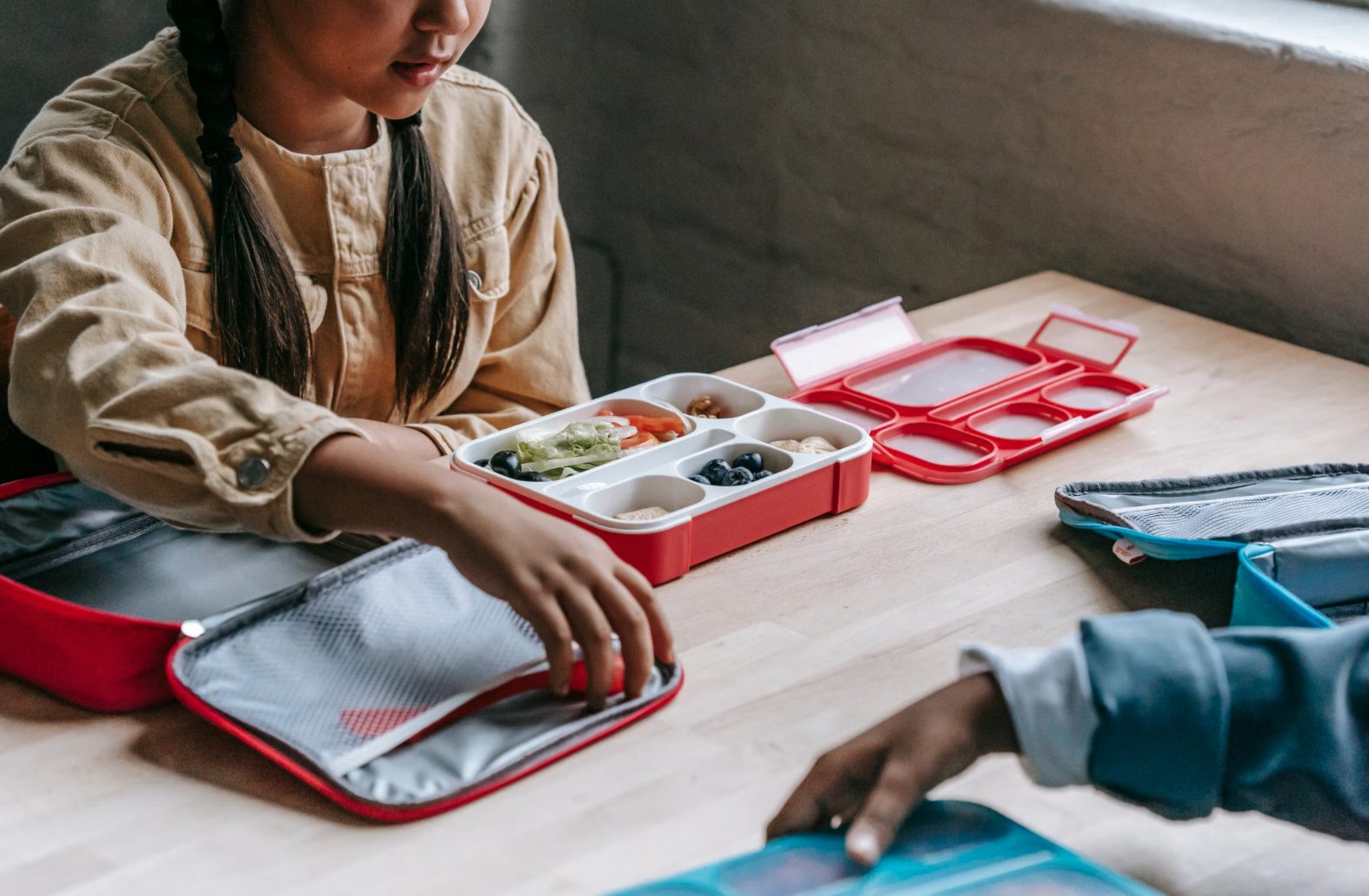
Lunchbox
A child’s lunchbox with untouched vegetables, fruit, and half a sandwich highlights the foods that often return home after school. Small portion changes and familiar favorites can help reduce waste. (Pexels).

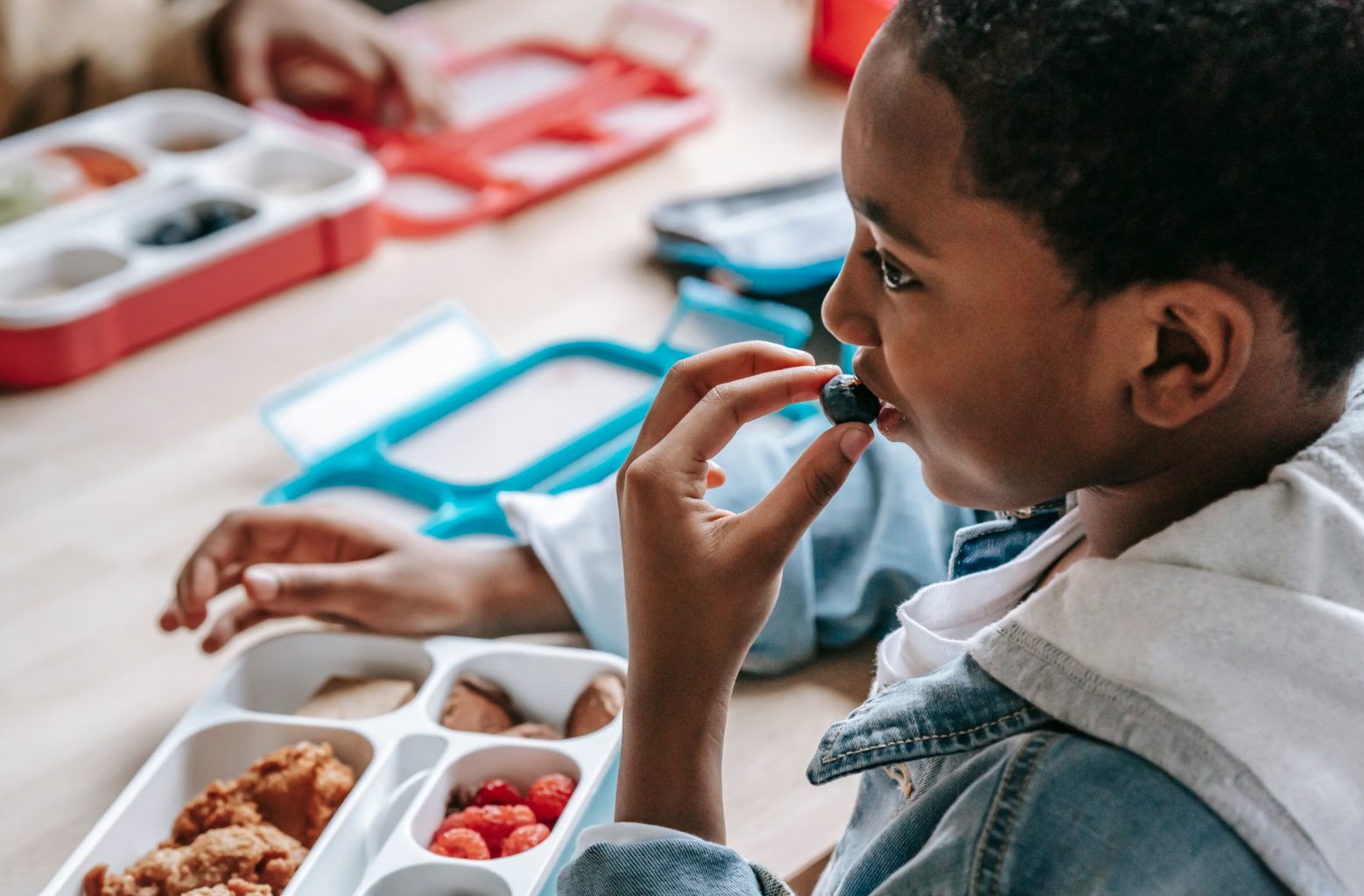
Packing a school lunch can feel like a daily guessing game. One day your child happily eats sliced cucumbers, and the next day they come home untouched. Parents often assume they’re doing something wrong, but research shows that food preferences, short lunch periods, distractions, and changing tastes all play a role. Understanding which lunchbox items are most likely to return home uneaten can help families reduce food waste, save money, and make school lunches more enjoyable.

Raw Vegetables Often End Up Back at Home

Raw vegetables are one of the most commonly uneaten lunchbox items, especially when they’re packed without a dip or paired with unfamiliar foods. Recent research has found that children with picky eating habits are significantly less likely to eat vegetables or salads during school lunches than their peers. Fresh carrots, celery, cucumber slices, and bell peppers may be nutritious, but many children simply run out of time or choose foods they enjoy more first. Instead of eliminating vegetables, try offering smaller portions with hummus or ranch dressing. Many parents also find that rotating vegetables instead of packing the same ones every day improves acceptance over time.

Whole Fruit Can Be More Trouble Than It’s Worth

Whole apples, oranges, and pears often come home untouched because they take longer to eat during limited lunch breaks. Younger children may also struggle to peel fruit or bite into larger pieces comfortably. Cutting fruit into bite-sized portions or packing berries, grapes, or melon cubes can make healthy choices easier to finish. Studies of school lunches have consistently found that fruit is one of the foods picky eaters skip more frequently than other children. Convenience matters just as much as nutrition when the lunch bell only lasts 20 to 30 minutes.

Large Sandwiches Frequently Go Half-Eaten

A full-size sandwich may look like the perfect lunch, but many kids simply don’t have the appetite or time to finish it. Parents often discover that only a few bites disappear before the sandwich heads back home. Packing half sandwiches, sliders, or pinwheel wraps can reduce waste while still providing enough protein and whole grains. School lunch researchers have noted that portion size plays a significant role in what children actually eat. Smaller servings can always be followed by easy-to-eat snacks if your child is still hungry later in the day.

Yogurt and Dairy Items Can Be Hit or Miss

Yogurt tubes, cottage cheese, and cheese cubes are nutritious options, but they aren’t always finished. Texture changes as foods warm up, even when packed with ice packs, which can make dairy products less appealing by lunchtime. Some children also avoid dairy because they’re focused on socializing rather than eating slowly. Insulated lunch containers and frozen yogurt tubes can help maintain a better texture throughout the morning. Watching which dairy products consistently come back untouched is a better guide than assuming every healthy choice is a favorite.

New or Unfamiliar Foods Usually Stay Untouched

Parents naturally want to introduce variety, but school lunch is rarely the best place to experiment. Children tend to choose familiar foods in busy cafeteria settings where distractions are everywhere. Researchers have also found that social influences and familiarity affect children’s willingness to eat certain lunchbox foods. Introducing new foods at home first, where there’s less pressure and more time, gives kids a better chance to accept them before they appear in a lunchbox. Once a food becomes familiar, it’s much more likely to be eaten at school.

Smart Lunch Packing Starts with Observation

The best lunchbox isn’t the one that looks perfect in a social media photo—it’s the one that comes home nearly empty. Pay attention to what consistently returns and treat those leftovers as useful feedback rather than frustration. Involving children in grocery shopping and lunch planning often increases the chances they’ll actually eat what they helped choose. Packing slightly smaller portions, rotating favorite foods, and keeping meals simple can reduce both food waste and grocery costs. Small adjustments based on your child’s habits usually produce better results than constantly searching for the perfect lunch.

Every child has different tastes, and finding the right lunchbox combination often takes patience and trial and error. Paying attention to what comes home uneaten can help you build lunches your child actually enjoys while cutting down on wasted food. Small changes, such as serving bite-sized fruit or smaller sandwiches, can make a surprisingly big difference over time.

What lunchbox item does your child bring home untouched most often, and what trick has helped you cut down on food waste? Share your experience in the comments—we’d love to hear your ideas.

What to Read Next

Teachers Beg Parents: Stop Buying These 7 High-Sugar Snacks for School Lunches

6 Smart Ways Parents Are Cutting School Lunch Costs Right Now

Nutritionists Warn: 6 “Healthy” Lunchbox Staples That Spike Sugar Crashes at School

Evan Morgan

Evan Morgan has been a full-time freelance writer and editor for 10+ years. When not working, he enjoys catching the latest true crime documentary or getting lost in a good book.
Filed Under: Parenting Tagged With: Back to School, food waste, healthy eating, kids nutrition, lunchbox ideas, Parenting, picky eaters, school lunches

Free Summer Meals: The SFSP Locations Open to Kids in Your State This Month

June 17, 2026 | Leave a Comment

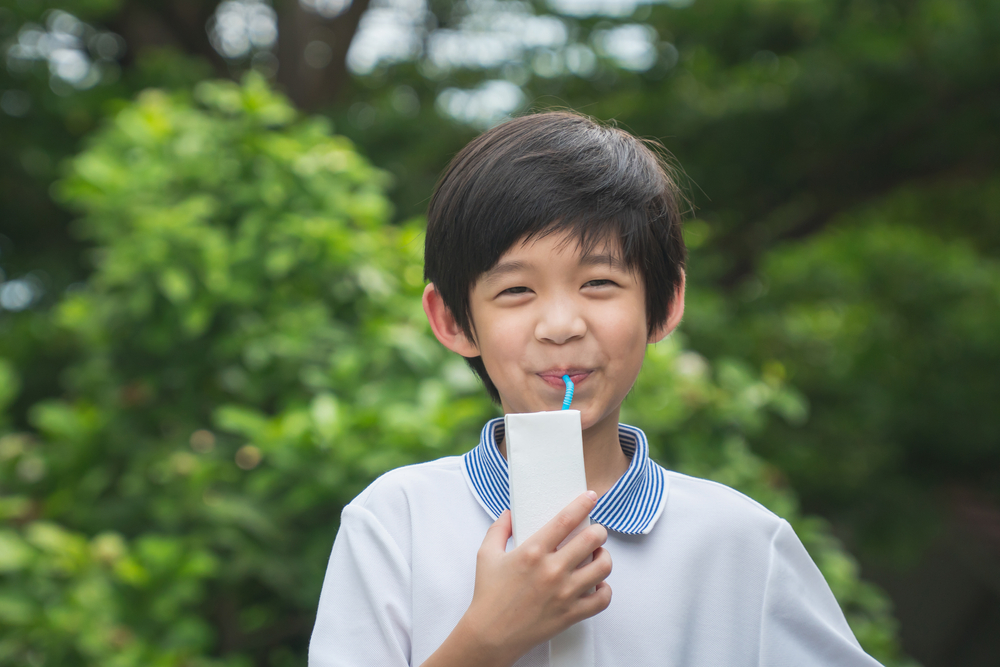
Kids Eating
Children receive nutritious free summer meals at community meal sites during summer break. Programs across the U.S. offer meals at schools, parks, libraries, and recreation centers for kids 18 and younger. (Pexels).

As summer vacation gets underway, many families face a challenge that often goes unnoticed: replacing the school breakfasts and lunches children rely on during the academic year. Fortunately, free summer meals are available across the United States through the Summer Food Service Program (SFSP) and related summer nutrition initiatives. These programs help ensure that children and teens continue receiving healthy meals even when school cafeterias are closed. For families balancing rising grocery costs, these meal sites can provide meaningful financial relief while supporting children’s nutrition and well-being. Parents who take advantage of these resources often find that they help stretch household budgets while ensuring kids stay nourished throughout the summer.

What Are Free Summer Meals and Who Qualifies?

Free summer meals are federally funded programs designed to provide nutritious meals and snacks to children and teens during the summer months. Children aged 18 and younger can generally receive meals at participating locations without submitting an application or proving income eligibility. Meal sites are commonly located at schools, parks, libraries, recreation centers, churches, and community organizations. In many areas, children can simply arrive during meal service hours and receive a meal at no cost. The goal is to reduce food insecurity during a time when millions of students lose access to school-provided meals.

How to Find SFSP Locations in Your State

Finding nearby locations is easier than many parents realize. The national Summer Meals Site Finder allows families to search by address, city, or ZIP code to locate participating meal sites in their communities. Some states also offer text and phone services that help families identify the closest locations and operating hours. Because schedules and locations can change throughout the summer, checking online before visiting is always a smart idea. New meal sites are often added as local organizations join the program.

Where Kids Are Receiving Meals This Summer

Across the country, schools, food banks, and nonprofit organizations are operating hundreds of meal locations. In Texas, summer meal programs are being offered through schools, community centers, libraries, and youth organizations, giving families multiple options for access. Recent local programs in Beaumont and Laredo alone are serving thousands of children through dozens of meal sites spread throughout their communities. Similar programs are active in states including Indiana, Michigan, Nevada, Alabama, and Connecticut. Whether families live in large cities or rural communities, many now have access to convenient meal locations close to home.

Common Misconceptions Parents Should Know

One of the biggest misconceptions about free summer meals is that families must meet strict income requirements to participate. In reality, most open meal sites serve any child 18 or younger regardless of household income. Another common myth is that registration is required, but many locations allow children to simply show up during meal service hours. Parents also sometimes assume these programs only provide lunch, when many sites offer breakfast, lunch, snacks, or even supper. Understanding these facts can help more families take advantage of resources that are already available in their communities.

Why These Programs Matter More Than Ever

Food prices remain a concern for many households, making summer nutrition programs increasingly important. According to hunger-relief organizations, many children who receive free meals during the school year do not participate in summer meal programs despite being eligible. This gap can increase the risk of food insecurity and negatively affect health, learning retention, and overall well-being. Community leaders often describe summer meal programs as a critical bridge that helps children stay healthy until the school year begins again. For parents managing tight budgets, free summer meals can help stretch grocery dollars while ensuring children continue receiving balanced nutrition.

The Takeaway Families Should Remember This Summer

The availability of free summer meals is one of the most valuable yet underutilized resources available to families during school break. With thousands of meal sites operating nationwide, most families can find a location within a reasonable distance of their home. These programs are designed to be accessible, welcoming, and simple to use, eliminating many of the barriers that often prevent families from seeking assistance. Taking a few minutes to search for a local site could help reduce food expenses and provide children with healthy meals throughout the summer.

If you have used a summer meal program before, what was your experience, and would you recommend it to other families? Share your thoughts and experiences in the comments below.

What to Read Next

Why Meal-Planning During the Holidays Can Save You More Than Just Money

Golden Arches, Empty Wallet: 7 Real-World Meals Better Than Takeout

The Art of Sneaking Veggies Into Meals (And Loving It)

Evan Morgan

Evan Morgan has been a full-time freelance writer and editor for 10+ years. When not working, he enjoys catching the latest true crime documentary or getting lost in a good book.
Filed Under: Community News Tagged With: child nutrition, community programs, family resources, Food Assistance, free summer meals, kids nutrition, school meals, SFSP, summer food service program, summer meals

Nutritionists Warn: 6 “Healthy” Lunchbox Staples That Spike Sugar Crashes at School

February 2, 2026 | Leave a Comment

Nutritionists Warn: 6 “Healthy” Lunchbox Staples That Spike Sugar Crashes at School
Image Source: Shutterstock.com

Every parent knows the lunchbox pressure. You want foods that look healthy, sound healthy, and won’t come home untouched at the end of the day. Grocery aisles don’t make it easier, with labels shouting “natural,” “whole grain,” and “low fat” like nutritional confetti.

But here’s the truth nutritionists keep repeating: some of the most common “healthy” lunchbox staples cause massive blood sugar spikes followed by energy crashes, mood swings, and afternoon brain fog in kids. That post-lunch slump, crankiness, and total loss of focus in class often have less to do with sleep and more to do with what’s in the lunchbox.

1. Flavored Yogurt Cups That Act Like Dessert In Disguise

Flavored yogurt sounds like a nutrition win until you read the sugar label. Many popular kids’ yogurts contain as much added sugar as a small candy bar, even when they’re marketed as “low fat” or “made with real fruit.” The sugar spikes blood glucose quickly, especially when there’s not enough fiber or protein to slow digestion. That rush of energy feels great for about 30 minutes, then crashes hard into fatigue and irritability.

Nutritionists recommend switching to plain Greek yogurt and adding fresh fruit or a drizzle of honey, so you control the sugar instead of letting the packaging decide. Protein-rich yogurt paired with real fiber helps stabilize energy instead of turning lunch into a sugar roller coaster.

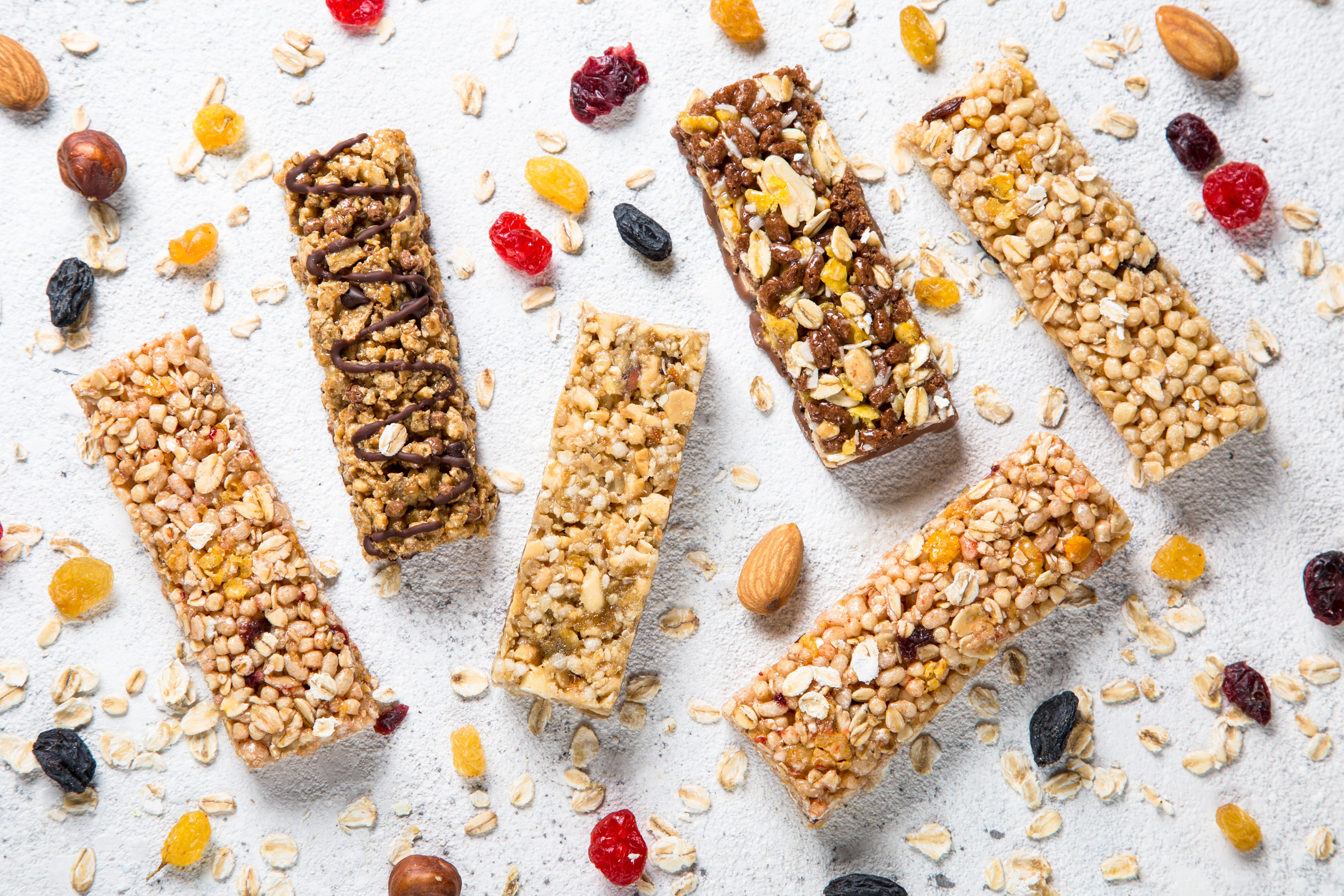
2. Granola Bars That Behave Like Candy Bars

Granola bars live in lunchboxes like royalty because they’re easy, portable, and labeled “whole grain.” The problem is that many of them are loaded with syrups, refined sugars, and processed carbs that digest fast and spike blood sugar quickly. Kids get a burst of energy followed by a steep crash that hits right in the middle of afternoon classes. Even bars with oats and seeds often contain more sugar than protein, which flips their nutrition profile upside down.

Nutritionists suggest choosing bars with visible nuts, seeds, and at least 6–8 grams of protein, or swapping them for a trail mix made with nuts and low-sugar dried fruit. Real fats and protein slow digestion and keep energy steady instead of spiky.

3. Fruit Snacks And Fruit Leathers That Aren’t Really Fruit

Fruit snacks look wholesome, especially when they say “made with real fruit” or show pictures of strawberries and apples on the package. In reality, most fruit snacks are concentrated sugar sources with very little fiber, which is what actually makes fruit filling and stabilizing. Without fiber, sugar hits the bloodstream fast and burns out just as quickly. Kids often feel hungry again shortly after eating them, which leads to more snacking and more sugar swings.

Experts recommend whole fruit instead, because fiber, water, and natural sugars work together to regulate digestion and energy. Pairing fruit with nuts or cheese adds protein and fat that prevent energy crashes.

4. White Bread Sandwiches Masquerading As Balanced Meals

A sandwich feels like a complete lunch, but white bread breaks down into glucose almost as fast as straight sugar. Even with turkey or peanut butter inside, refined bread creates a quick blood sugar spike followed by a drop that affects focus and mood. Kids may feel sleepy, foggy, or irritable long before the school day ends. Whole-grain labels don’t always mean whole-grain nutrition, especially when refined flours still dominate the ingredient list.

Try truly whole-grain bread with visible grains or use wraps made from high-fiber grains. Adding healthy fats like avocado or hummus also slows digestion and stabilizes energy levels.

5. Juice Boxes That Pretend To Be Hydration

Juice feels like a healthier option than soda, but nutritionally, it behaves very similarly. Most juice boxes lack fiber and deliver concentrated sugar straight into the bloodstream. This creates fast energy spikes followed by fast crashes, especially in kids who are already sensitive to blood sugar swings. Even 100% juice can cause these effects when it’s not balanced with protein or fat.

It’s better to use water as the primary drink and whole fruit instead of juice for sweetness. If juice is included, pairing it with protein and fiber can reduce the crash effect.

Nutritionists Warn: 6 “Healthy” Lunchbox Staples That Spike Sugar Crashes at School
Image Source: Shutterstock.com

6. Low-Fat Crackers That Spike Hunger Instead Of Solving It

Low-fat crackers often look like a smart lunchbox filler, but removing fat usually means adding refined carbs. These crackers digest quickly, spike blood sugar, and fail to keep kids full for long. Hunger returns fast, energy drops, and concentration follows. Many kids end up snacking constantly through the afternoon because their lunch didn’t actually stabilize their blood sugar.

Choose to pack crackers with whole grains, seeds, and healthy fats, or replace them with nuts, cheese, or hummus and veggies. Balanced snacks create lasting energy instead of short-lived fullness.

Lunchbox Energy Starts With Balance, Not Buzzwords

Real energy doesn’t come from labels, packaging, or clever marketing language. It comes from balanced meals that combine protein, fiber, and healthy fats to slow digestion and stabilize blood sugar. When lunchboxes rely too heavily on refined carbs and hidden sugars, kids pay the price with crashes, mood swings, and poor focus.

Small swaps create massive changes in energy, behavior, and learning. Better lunchboxes don’t need perfection, just a smarter balance.

What “healthy” lunchbox food shocked you the most on this list, and what are you going to swap it for first? Share your stories in the comments.

You May Also Like…

Virginia Baby Food Ban: 5 Specific Brands Just Prohibited Under New Safety Laws

7 Signs Your Child Has a Healthy Friendship—and 3 Red Flags to Watch

Food Hacks to Turn Leftovers Into Kids’ Lunches That Beat Store Prices

7 Lunch Foods That Make Kids a Target for Teasing

Teachers Beg Parents: Stop Buying These 7 Expensive School Supplies

Brandon Marcus
Brandon Marcus
Brandon Marcus is a writer who has been sharing the written word since a very young age. His interests include sports, history, pop culture, and so much more. When he isn’t writing, he spends his time jogging, drinking coffee, or attempting to read a long book he may never complete.

Filed Under: Family Tagged With: balanced meals, blood sugar crashes, child focus, healthy kids, healthy lunchbox, kids nutrition, nutrition education, parenting tips, school energy, school lunches, sugar spikes

7 Lunch Foods That Make Kids a Target for Teasing

October 25, 2025 | Leave a Comment

7 Lunch Foods That Make Kids a Target for Teasing
Image source: shutterstock.com

School lunchrooms can be surprisingly high-pressure environments where even small differences can attract unwanted attention. While parents pack meals with love and nutrition in mind, children often see their food through a social lens shaped by what their peers consider “normal.” The wrong lunch can quickly make a child feel singled out, embarrassed, or even teased. Understanding which items might cause issues can help parents strike a balance between healthy, cultural, and socially comfortable choices. Here are seven lunch foods that make kids a target for teasing—and what you can do instead.

1. Strong-Smelling Foods That Fill the Room

One of the most common lunch foods that makes kids a target for teasing is those with strong odors. Items like tuna salad, hard-boiled eggs, or leftover fish can quickly draw attention once the container is opened. While these options are healthy and protein-rich, their scent can linger in the air and invite comments from classmates. Kids might hear jokes or exaggerated reactions that make them feel self-conscious about their meal. Opting for milder-smelling proteins like turkey, chicken, or nut-free spreads can help avoid lunchtime embarrassment without sacrificing nutrition.

2. Cultural Dishes That Look “Different”

Cultural diversity is something to celebrate, but it can sometimes make kids feel vulnerable in settings where familiarity rules. Foods like curries, kimchi, or dumplings are delicious and meaningful, yet they may look or smell unusual to peers who aren’t used to them. Unfortunately, some children may mock what they don’t understand. It’s heartbreaking when a child begins to reject their cultural foods just to fit in. Parents can help by discussing cultural pride at home and coordinating with teachers or schools that encourage inclusivity during mealtimes.

3. Overly “Healthy” or Unfamiliar Snacks

Some lunch foods that make kids a target for teasing include overly health-conscious options that stand out against the usual chips and cookies. Kale chips, seaweed snacks, or green smoothies, while nutritious, can lead to teasing if peers see them as “weird” or “gross.” Children may start hiding or avoiding these foods altogether, even if they liked them before. A good approach is to balance healthy items with familiar ones so kids feel confident opening their lunch. Pairing carrot sticks with a small treat, for example, can make a meal both healthy and socially comfortable.

4. Messy or Hard-to-Eat Meals

Difficult-to-handle foods can make lunchtime awkward. Spaghetti, soups, or saucy leftovers might spill easily or require utensils that younger kids struggle with. If a child gets messy or takes longer to eat, it can attract teasing from classmates who finish quickly. These lunch foods that make kids a target for teasing often cause stress that takes away from the fun of lunchtime. Simpler, bite-sized meals—like wraps, sandwiches, or fruit cups—tend to be easier to manage and less likely to draw attention.

5. Lunches That Seem “Too Fancy”

A perfectly curated lunch with bento boxes, neatly cut fruit, and decorative toothpicks can sometimes backfire in social settings. What’s meant as a thoughtful gesture can make a child stand out among peers with standard sandwiches and chips. Kids may face lighthearted jokes about being “spoiled” or “trying too hard,” which can sting more than parents realize. While these meals look beautiful on social media, practicality often matters more at school. Keeping lunches simple yet nutritious can help kids blend in comfortably without sacrificing parental care.

6. Cold or Leftover Dinners Packed for Lunch

While repurposing leftovers is a great way to save money and reduce waste, some dishes just don’t translate well in a school lunchbox. Cold pasta, stir-fry, or casserole can taste fine but look unappealing compared to freshly packed sandwiches. Peers might react negatively or joke about “weird leftovers,” even if the meal is delicious. These types of lunch foods that make kids a target for teasing can make them reluctant to eat what’s packed. To keep leftovers appealing, repack them creatively—like turning last night’s chicken into a wrap or quesadilla.

7. Foods That Trigger Allergies or Restrictions in Others

In today’s classrooms, where food allergies and dietary restrictions are common, bringing peanut butter sandwiches or dairy-heavy meals can sometimes cause issues. While not inherently “teasable,” these foods can make a child feel singled out if their meal is restricted or swapped due to safety rules. Other kids might also make comments about why certain foods aren’t allowed nearby. Encouraging empathy and awareness at home can help children understand these situations and handle them confidently. When in doubt, choose allergy-safe alternatives that keep everyone comfortable.

Helping Kids Feel Confident About What’s in Their Lunchbox

Lunch should be a time for kids to relax and refuel—not worry about judgment from their peers. Parents can help by discussing what happens at school and adjusting lunches based on feedback rather than fear. Encouraging kids to embrace their favorite meals while respecting social dynamics teaches both confidence and awareness. The goal isn’t to avoid individuality but to make sure children feel comfortable being themselves. With a little balance and open conversation, parents can protect both their child’s nutrition and their self-esteem.

Have you ever seen teasing happen over school lunches, or had to adjust what your child brings? Share your experiences in the comments below!

What to Read Next…

  • 8 Financial Decisions Parents Make That Kids Remember Forever
  • 7 “Harmless” Nicknames That Kids Secretly Hate
  • 8 Ways Children Are Hiding Cyberbullying From Adults
  • When Teasing Between Friends Becomes Bullying
  • 8 Health Fads Parents Are Pushing on Their Kids Without Science
Catherine Reed
Catherine Reed

Catherine is a tech-savvy writer who has focused on the personal finance space for more than eight years. She has a Bachelor’s in Information Technology and enjoys showcasing how tech can simplify everyday personal finance tasks like budgeting, spending tracking, and planning for the future. Additionally, she’s explored the ins and outs of the world of side hustles and loves to share what she’s learned along the way. When she’s not working, you can find her relaxing at home in the Pacific Northwest with her two cats or enjoying a cup of coffee at her neighborhood cafe.

Filed Under: Parenting Tagged With: child confidence, Family Budgeting, kids nutrition, parenting advice, school lunch tips, school lunches, teasing at school

8 Health Fads Parents Are Pushing on Their Kids Without Science

October 24, 2025 | Leave a Comment

8 Health Fads Parents Are Pushing on Their Kids Without Science
Image source: shutterstock.com

In an age where every scroll reveals a new “miracle” routine or superfood, even well-meaning parents can get caught up in wellness trends that sound healthy but lack scientific backing. Kids often become the testing ground for these ideas, from trendy supplements to strict food rules. The problem is that what works—or seems to work—for adults doesn’t always translate to a growing child’s needs. Before following the latest craze, it’s worth taking a closer look at the most popular health fads parents are pushing and whether they actually make sense for kids.

1. Cutting Out Entire Food Groups

One of the most common health fads parents are pushing involves eliminating entire food groups, such as dairy, gluten, or carbs. While there are legitimate reasons for these exclusions—like allergies or celiac disease—many parents adopt them based on social media trends rather than medical advice. Growing children need a wide range of nutrients for development, and cutting out foods without guidance can cause deficiencies. For example, removing dairy might reduce calcium intake, while skipping carbs can impact energy levels. A pediatrician or registered dietitian can help determine whether a restriction is necessary before making big changes.

2. Putting Kids on Keto or Low-Carb Diets

The ketogenic diet gained massive popularity for weight loss among adults, but some parents are now applying it to their children. This is one of the more concerning health fads parents are pushing because kids need carbohydrates to fuel growth and brain development. Restricting carbs can lead to fatigue, irritability, and nutrient imbalances in children. Unless prescribed for specific medical conditions like epilepsy, these diets are not recommended for young kids. Balanced meals with whole grains, fruits, and vegetables are far more beneficial than extreme carb cutting.

3. Overloading on “Immunity Boosting” Supplements

Parents naturally want to keep their kids healthy, especially during cold and flu season, but the rush toward daily vitamins, herbal gummies, and “immune shots” has gone overboard. Many of these supplements are unregulated, unproven, and sometimes unnecessary if the child already eats a balanced diet. Too much of certain vitamins—like A or D—can even be toxic in high doses. The immune system isn’t something you can turbocharge with powders and pills. A nutritious diet, regular sleep, and physical activity remain the true cornerstones of a strong immune defense.

4. Forcing “Sugar-Free” Everything

Avoiding excessive sugar is wise, but the obsession with sugar-free foods has become another of the health fads parents are pushing without realizing the downsides. Many sugar substitutes can upset children’s digestion or teach them to crave hyper-sweet flavors. Some sugar-free snacks even contain artificial additives that raise other health questions. Natural sugar from fruit or small treats in moderation is not harmful. Teaching balance instead of strict avoidance creates healthier lifelong habits.

5. Juicing and Smoothie Replacements

Juicing might seem like a quick way to sneak in fruits and vegetables, but it often removes fiber and concentrates sugar. Parents drawn to this health fad may unknowingly give their kids calorie-dense drinks that spike energy and then crash it later. Smoothies can be nutritious if they include protein and fiber, but replacing meals with them is not ideal for children’s growth. Whole fruits and veggies provide texture, nutrients, and satiety that drinks can’t match. It’s better to serve smoothies as snacks rather than meal substitutes.

6. Using Detox Teas or Cleanses

Cleanses and detox teas have no solid scientific basis for improving health, yet they remain one of the most persistent health fads parents are pushing online. These products often promise to “flush out toxins” or “reset the body,” but the liver and kidneys already perform those functions naturally. Giving detox products to kids can lead to dehydration, diarrhea, and electrolyte imbalances. No reputable pediatric health organization recommends them for children. The safest “detox” is simply drinking water and eating real food.

7. Emphasizing Protein Shakes Over Real Food

With the rise of fitness culture, some parents think more protein automatically means better health. Kids are being handed protein bars or shakes designed for adults, which can throw off their nutrient balance. Children typically get enough protein from regular meals that include dairy, eggs, lean meats, beans, or nuts. Overloading on supplemental protein can strain their kidneys and reduce appetite for other food groups. Unless a pediatrician suggests it, there’s no need for shakes to replace real food.

8. Labeling Natural Remedies as “Better Than Medicine”

While natural remedies like honey for coughs or ginger tea can help mild symptoms, they shouldn’t replace proven medical treatments. One of the most problematic health fads parents are pushing is the belief that natural automatically means safer or more effective. Some herbal remedies can interact with medications or be harmful in large doses. Relying on them for serious illnesses can delay proper care and worsen outcomes. Parents should always consult healthcare professionals before trying new remedies, no matter how “organic” they sound.

Raising Healthy Kids with Common Sense

Health trends can be tempting, especially when they promise to make parenting feel more proactive or “clean.” But children’s needs are unique, and their growing bodies depend on evidence-based nutrition, not viral wellness ideas. Parents can best support their kids by focusing on balanced meals, movement, and medical guidance instead of fads. Health doesn’t come from trends—it comes from consistency, moderation, and a little common sense.

Have you noticed any health fads parents are pushing on their kids in your community? Which ones concern you the most? Share your thoughts in the comments below!

What to Read Next…

10 Snacks That Are Making Your Kids Overweight and Unhealthy

Don’t Ignore This: 7 Health Symptoms That Demand Immediate Attention In Kids

The “Harmless” Habit: 7 Health Habits Shortening Childhood For Many

Are You Missing It? 7 Health Warnings Your Child’s Behavior Gives You

Mental Health Crisis: 4 Critical Questions About Your Child’s Mental Health

Catherine Reed
Catherine Reed

Catherine is a tech-savvy writer who has focused on the personal finance space for more than eight years. She has a Bachelor’s in Information Technology and enjoys showcasing how tech can simplify everyday personal finance tasks like budgeting, spending tracking, and planning for the future. Additionally, she’s explored the ins and outs of the world of side hustles and loves to share what she’s learned along the way. When she’s not working, you can find her relaxing at home in the Pacific Northwest with her two cats or enjoying a cup of coffee at her neighborhood cafe.

Filed Under: Healthy Living & Eating Tagged With: child health, childhood development, family health, health myths, kids nutrition, nutrition, Parenting, parenting advice, wellness trends

10 Snacks That Are Making Your Kids Overweight and Unhealthy

October 14, 2025 | Leave a Comment

unhealthy snacks for kids
Image Source: Shutterstock

Kids love snacks—and let’s be honest, parents love the convenience. But not every grab-and-go option is doing your child’s body any favors. Some of the most popular “kid-friendly” snacks are packed with added sugar, artificial ingredients, and unhealthy fats, contributing to weight gain, energy crashes, and long-term health concerns. It’s not about banning snacks altogether but becoming more mindful of what’s really fueling your child’s day. If you’ve been tossing these common items in the lunchbox without a second thought, it may be time to reevaluate what snack time looks like.

1. Flavored Yogurts

Yogurt might seem like a healthy snack, but many flavored varieties are loaded with added sugar. Some single-serving containers contain more sugar than a doughnut, especially those marketed toward kids with bright packaging and candy mix-ins. While yogurt offers calcium and probiotics, those benefits are often overshadowed by the sugar overload. Kids who regularly consume sugary yogurts may face increased cravings and unwanted weight gain. A better option is plain Greek yogurt sweetened with a drizzle of honey or fresh fruit.

What to eat instead: Try some plain yogurt with natural sweeteners like fruit or applesauce. You can also opt for alternative dairy-free options like coconut or soy yogurt. 

2. Granola Bars

Granola bars sound like a wholesome choice, but most are little more than candy bars in disguise. Many store-bought versions are packed with corn syrup, chocolate chips, and artificial flavors. These snacks provide quick calories but lack the fiber and protein needed to keep kids full. The result? More snacking and less balanced eating throughout the day. Look for bars with whole food ingredients or consider making your own at home.

What to eat instead: Sub granola bars for fresh fruits and vegetables, cheese sticks, or crackers with toppings like hummus or peanut butter. 

3. Fruit Snacks

Despite the word “fruit” in the name, fruit snacks are typically made from processed sugars, gelatin, and dyes—not real fruit. These chewy treats offer almost no nutritional value and can contribute to both weight gain and dental problems. Kids often eat multiple packs without realizing how many calories and grams of sugar they’re consuming. Dried fruit can be a better option, but even that should be given in moderation. Real, fresh fruit will always be the best snack choice.

What to eat instead: The best option is always to opt for fresh fruit, but you can also make your own fruit snacks that are typically much healthier than store-bought. 

4. Juice Boxes

Juice may come from fruit, but the concentrated sugars in juice boxes can rival those of soda. Most lack the fiber of whole fruit and spike blood sugar quickly, leaving kids hungry again soon after. Drinking calories instead of eating them can also contribute to weight gain, especially when paired with other sugary snacks. Water or milk is a healthier beverage option at snack time. If you do serve juice, dilute it with water to reduce the sugar content.

What to eat instead: Healthier drink options include fruit-infused water, milk or plant-based milk, coconut water, smoothies, or yogurt drinks. If you decide to give your child juice, you can also dilute it with water to make it a bit healthier. 

5. Cheese Crackers

They’re salty, crunchy, and easy to love—but cheese-flavored crackers often contain refined flour, artificial colors, and very little actual cheese. These snacks offer minimal protein or fiber and are easy to overeat by the handful. Many kids munch on them mindlessly, racking up calories without ever feeling full. While occasional crackers are fine, they shouldn’t be an everyday go-to. Pair whole grain options with real cheese for a more balanced bite.

What to eat instead: Most kids like the “crunch” of cheese crackers. Some good alternatives are veggie sticks with hummus, popcorn, and roasted chickpeas. 

6. Packaged Muffins

Mini muffins and bakery-style treats might seem like a fun snack, but they’re often sugar bombs in disguise. Many are made with white flour, hydrogenated oils, and sweeteners that push their calorie count sky high. Despite their small size, these snacks provide little nutrition and lead to energy crashes. Some contain as much sugar as a cupcake—without the frosting. Homemade muffins with oats and fruit can be a smarter alternative.

What to eat instead: Try making your own homemade muffins with whole grains and less sugar. Homemade is always a bit healthier. 

7. Potato Chips

It’s no surprise that potato chips made the list. High in sodium, fat, and empty calories, they’re one of the least satisfying snacks for growing bodies. Chips don’t offer any fiber or protein, so they leave kids feeling hungry again soon after eating. Regularly snacking on chips can quickly lead to excess calorie intake and poor eating habits. Swap them out for air-popped popcorn or baked veggie chips when cravings strike.

What to eat instead: Encourage your child to eat “crunchy” healthy foods like cucumbers and carrot sticks. Popcorn, baked sweet potato chips, and apple chips are also good swaps. 

8. Frozen Snack Foods

Pizza bites, bagel dogs, and mini sliders are freezer staples in many households, but they’re far from healthy. These snacks are often made with refined grains, preservatives, and unhealthy fats. They’re calorie-dense without being nutrient-dense, meaning kids eat a lot but gain very little in terms of health benefits. Heating them up is easy, but so is roasting some sweet potato fries or prepping turkey roll-ups. Convenience doesn’t have to come at a cost to your child’s health.

What to eat instead: Fresh foods are always best. Always try to encourage your child to opt for fresh fruits, vegetables, and some of the other healthier options discussed above. However, an occasional pizza bite won’t hurt! 

9. Sugary Breakfast Cereals as Snacks

Many parents offer breakfast cereal as a snack because it’s quick and portable. But sugary cereals marketed to kids often have more sugar than dessert and almost no fiber or protein. Eating cereal dry doesn’t make it any healthier—it just makes it easier to eat more. Over time, these small bowls of cereal contribute to blood sugar spikes and increased cravings. Choose whole grain cereals with low sugar if cereal is on the menu.

What to eat instead: Look for brands that have less sugar. Magic Spoon cereals are a good swap. Cheerios also offers some good fruit and veggie blend cereals that are lower in sugar. 

10. Sweetened Applesauce Cups

While applesauce may sound healthy, many pre-packaged versions are sweetened with extra sugar or high-fructose corn syrup. This turns a simple fruit-based snack into a dessert-level sugar bomb. Even the “natural” versions can be overly processed and stripped of nutrients. Whole apples contain fiber and help regulate blood sugar in a way applesauce doesn’t. When in doubt, stick to fruit in its original form.

What to eat instead: Unsweetened applesauce is always optimal or… even better, the whole apple! 

Don’t Panic, Just Get Pickier About Snacks

No parent gets it perfect every time, and snacks are bound to include convenience items now and then. But by becoming more aware of what your kids are actually eating between meals, you can help them build better lifelong habits. Healthy snacks don’t have to be boring—they just need to be thoughtful. Reading labels, swapping out processed items, and choosing whole foods more often can make a big difference. After all, it’s not just about weight—it’s about energy, focus, and feeling their best every day.

What go-to snack have you cut from your kid’s routine? Or what healthy swap worked better than you expected? Share your snack wins in the comments!

What to Read Next 

  • Eat More, Weigh Less: 15 Foods That Are Perfect for Snacking
  • Food Choking Hazards: What Parents Should Watch Out For
  • 7 Popular Lunch Snacks That Were Quietly Recalled
  • The Truth About “Organic”: 8 Common Kid Snacks With Dangerous Allergens
  • Beyond The Brand: 8 Common Kid Snacks With Dangerous Allergens
Catherine Reed
Catherine Reed

Catherine is a tech-savvy writer who has focused on the personal finance space for more than eight years. She has a Bachelor’s in Information Technology and enjoys showcasing how tech can simplify everyday personal finance tasks like budgeting, spending tracking, and planning for the future. Additionally, she’s explored the ins and outs of the world of side hustles and loves to share what she’s learned along the way. When she’s not working, you can find her relaxing at home in the Pacific Northwest with her two cats or enjoying a cup of coffee at her neighborhood cafe.

Filed Under: Healthy Living & Eating Tagged With: Childhood Obesity, healthy eating, kids nutrition, mindful eating, parenting tips, snack alternatives, unhealthy snacks

7 Popular Lunch Snacks That Were Quietly Recalled

August 11, 2025 | Leave a Comment

7 Popular Lunch Snacks That Were Quietly Recalled
Image source: 123rf.com

It’s easy to assume that if a snack is on store shelves, it must be safe. But in recent months, several widely loved lunch snacks have been quietly pulled from distribution due to contamination risks and labeling issues. If you regularly pack your child’s lunch, knowing which products were recalled could protect your family from serious health concerns. The problem? Many of these recalls didn’t make national headlines. Here’s what every parent should know about recently recalled lunch snacks that might still be lurking in pantries or lunchboxes.

1. Cheese Crackers With Hidden Salmonella Risk

Cheese crackers are a staple in many lunchboxes, but one popular brand faced a recall due to potential salmonella contamination. The recall affected certain batches that were distributed to multiple major retailers, making it easy for parents to miss the warning. While no illnesses were reported at the time of recall, the manufacturer acted out of caution. The concern stemmed from a dairy supplier that flagged possible contamination during routine safety checks. If you bought cheese crackers in bulk, it’s worth double-checking expiration dates and lot numbers.

2. Fruit Pouches Found with Mold Inside

Fruit puree pouches are a go-to snack for younger kids, but several lots from a recognizable organic brand were recently pulled due to mold growth. The company received complaints about discoloration, and internal testing confirmed microbial contamination. Even though the mold posed a minimal health risk, it still triggered upset stomachs in a handful of children. These pouches are often tossed into lunchboxes without a second thought, making it vital to inspect any remaining stock at home. The affected products had expiration dates within a specific three-month window.

3. Granola Bars with Undeclared Allergens

Granola bars are marketed as a healthy lunch snack, but a popular variety had to be recalled when it was discovered that some batches contained peanuts, which weren’t listed on the label. This posed a significant danger to kids with severe peanut allergies. The error was blamed on cross-contamination during manufacturing, and the company swiftly notified the FDA. Parents were advised to discard the bars immediately or return them for a full refund. If your child has food allergies, it’s a good reminder to always scan packaging closely—even on trusted brands.

4. Yogurt Tubes Recalled for Plastic Fragments

Several families were shocked to learn that a beloved kid-friendly yogurt tube was pulled after customers reported finding small plastic fragments inside. Though no injuries were reported, the company voluntarily issued the recall due to the risk of choking or internal injury. These tubes are often frozen and packed as part of school lunches, making the risk even harder to detect before consumption. The issue was traced back to a malfunction in a packaging machine at one production facility. Always inspect prepackaged lunch snacks for any odd textures or shapes before serving.

5. Mini Muffins with Possible Listeria Contamination

Mini muffins often feel like a harmless treat, but a recall linked to listeria fears made waves among parents earlier this year. The baked goods were produced at a facility that later tested positive for listeria monocytogenes, a bacteria that can cause serious illness. Although no confirmed cases were tied to the muffins, they were widely distributed across the U.S. Many parents stock these muffins in bulk for school lunches and after-school snacks, meaning they could still be sitting in pantries or freezers. If you’ve kept unopened packs, check the lot codes and dispose of them if they match the recalled list.

6. Meat Sticks Pulled Over Mislabeling

Meat sticks are a protein-packed option for lunch, but one high-profile brand issued a recall after discovering that their packaging listed incorrect ingredients. In some cases, the meat sticks contained milk or soy—common allergens not mentioned on the label. This mistake raised serious health concerns for kids with dietary restrictions or allergies. The USDA quickly flagged the issue and urged customers to return the affected products. Parents who rely on these for school lunches should verify labels before serving and sign up for allergen-related recall alerts when available.

7. Trail Mix Recalled for Foreign Material

One brand of kid-friendly trail mix faced a recall after consumers found small metal shavings in the mix. This posed obvious dangers, including potential mouth injuries or worse if swallowed. The issue reportedly stemmed from a faulty machine used during the nut processing stage. The affected batches were sold in resealable lunch-sized pouches, making them a common choice for busy families on the go. If you’ve purchased trail mix recently, especially in multi-packs, take a moment to inspect each pouch before adding them to your child’s lunch rotation.

Stay Informed and Snack Safely

Recalls involving lunch snacks can be easy to miss, especially when announcements fly under the radar. But with so many kids relying on packaged snacks every day, it’s essential to stay alert. Take a few minutes each month to check the FDA and USDA recall lists—or sign up for alerts to stay informed automatically. Consider rotating snacks with fresher, homemade options when possible to reduce reliance on processed products. Most importantly, teach your children to speak up if something tastes or smells off in their food.

Have you ever discovered a recalled item in your pantry? Share your experience in the comments—we’d love to hear from you.

Read More:

10 Snacks That Are Making Your Kids Overweight and Unhealthy

6 Lunchbox Ingredients That Can Trigger Allergies Without Warning

Catherine Reed
Catherine Reed

Catherine is a tech-savvy writer who has focused on the personal finance space for more than eight years. She has a Bachelor’s in Information Technology and enjoys showcasing how tech can simplify everyday personal finance tasks like budgeting, spending tracking, and planning for the future. Additionally, she’s explored the ins and outs of the world of side hustles and loves to share what she’s learned along the way. When she’s not working, you can find her relaxing at home in the Pacific Northwest with her two cats or enjoying a cup of coffee at her neighborhood cafe.

Filed Under: Healthy Living & Eating Tagged With: child health, food recalls, kids nutrition, lunch snacks, parenting tips, product recalls, school lunch safety

The “Harmless” Habit: 7 Health Habits Shortening Childhood For Many

July 28, 2025 | Leave a Comment

The Harmless Habit 7 Health Habits Shortening Childhood For Many
Image source: 123rf.com

They start out small, even innocent—snacks to keep kids quiet, screens to keep them entertained, packed schedules to “get ahead.” But some of these common routines may be doing more harm than good. As parents try to balance safety, success, and sanity, a growing number of seemingly helpful choices are actually turning into health habits shortening childhood. Kids today are facing physical and emotional challenges much earlier than expected, and some of it traces back to habits formed right at home. Here’s a closer look at seven health habits worth rethinking to help our kids enjoy longer, healthier childhoods.

1. Too Much Screen Time, Too Little Real Play

Screens are everywhere—tablets at dinner, cartoons before school, video games on weekends. While some screen time is fine, many kids are now logging more hours on devices than they are playing outside. This shift can affect their eyesight, posture, attention span, and even sleep cycles. More importantly, it takes away from imaginative play, peer interaction, and physical movement—all essential for healthy childhood development. Among the top health habits shortening childhood, passive screen use is one of the most overlooked.

2. Skipping Sleep for Busy Schedules

Whether it’s early practices, late-night homework, or just one more show before bed, many kids aren’t getting the rest they need. Chronic sleep deprivation can impact growth, learning, emotional regulation, and immune health. It can also mimic symptoms of ADHD or anxiety, leading to misdiagnosis or overmedication. Kids need consistent bedtimes, age-appropriate amounts of sleep, and environments that support rest—not overstimulation. Lack of sleep is one of the most silent yet dangerous health habits shortening childhood across the board.

3. Replacing Meals with Snacks

It’s easy to toss a granola bar or squeeze pouch at a busy kid on the go—but over time, grazing on processed snacks instead of sitting down to real meals can take a toll. Many convenient snacks are loaded with sugar, salt, and preservatives, offering little nutritional value. Regular meals offer important social cues, digestive balance, and structured nutrition that kids need to thrive. Teaching children how to eat well starts with modeling consistent mealtime routines. Over-snacking is a sneaky health habit shortening childhood by fueling long-term health problems.

4. Not Enough Time Outside

Modern childhood has become increasingly indoor based. Whether due to safety concerns, weather, or convenience, many kids now spend more time inside than previous generations. This shift limits exposure to sunlight (a key source of vitamin D), reduces natural movement, and disconnects children from the calming effects of nature. Outdoor time supports better mood, physical health, and even academic performance. Lack of fresh air and free movement is one of the subtle health habits shortening childhood that adds up over time.

5. Over-Scheduling and Under-Relaxing

Between school, sports, lessons, and social events, many kids live in a constant state of go-go-go. While structured activities can be great, too much hustle and not enough downtime can raise stress levels and reduce creativity. Kids need unstructured time to rest, imagine, and just be. Chronic stress—even from “good” activities—can increase inflammation, weaken the immune system, and lead to emotional burnout. Over-scheduling is one of the well-intentioned health habits shortening childhood by leaving no room for actual childhood.

6. Ignoring Emotional Hygiene

We teach kids to brush their teeth and wash their hands, but are we teaching them to care for their emotions? Bottled-up feelings, constant pressure to “be good,” and lack of emotional outlets can build up in unhealthy ways. Mental health needs just as much attention as physical health, especially as anxiety and depression in children continue to rise. Open conversations, mindfulness, and validating emotions are as vital as veggies and vitamins. Neglecting emotional hygiene is a rising health habit shortening childhood by pushing kids to grow up before they’re ready.

7. Normalizing Ultra-Processed Foods

Fast food, frozen dinners, sugar-packed cereals—they’re everywhere, and they’re often cheaper and easier than healthier alternatives. But a steady diet of ultra-processed food has been linked to obesity, type 2 diabetes, and even cognitive delays in children. What’s worse, kids may lose touch with what real food even looks or tastes like. Cooking simple meals, involving kids in food prep, and emphasizing whole foods can make a big difference. Normalizing junk food is a cultural health habit shortening childhood that affects kids across every income bracket.

Childhood Shouldn’t Be a Race to the Finish Line

We all want our children to be healthy, happy, and ready for the world—but not at the cost of their innocence, energy, or well-being. The truth is, many health habits shortening childhood aren’t born from neglect but from love, convenience, or fear of falling behind. The good news? These habits can be changed. By slowing down, tuning in, and making a few simple shifts, we can help our kids live longer, fuller childhoods—the kind they don’t have to recover from later.

Have you noticed a health habit your family has shifted lately for the better? What changes have helped your child feel more like a kid again? Share below!

Read More:

12 Simple Habits That Surprisingly Annoy Others

Never Let Your Child Control the TV Remote: 7 Reasons Why It’s a Bad Habit

Catherine Reed
Catherine Reed

Catherine is a tech-savvy writer who has focused on the personal finance space for more than eight years. She has a Bachelor’s in Information Technology and enjoys showcasing how tech can simplify everyday personal finance tasks like budgeting, spending tracking, and planning for the future. Additionally, she’s explored the ins and outs of the world of side hustles and loves to share what she’s learned along the way. When she’s not working, you can find her relaxing at home in the Pacific Northwest with her two cats or enjoying a cup of coffee at her neighborhood cafe.

Filed Under: Healthy Living & Eating Tagged With: child development, childhood health, emotional hygiene, health habits shortening childhood, kids nutrition, parenting tips, Screen Time, sleep and children

The Snack Obsession: How It’s Sabotaging Your Kid’s Health

May 5, 2025 | Leave a Comment

Image by Georgia Vagim 

If you feel like you spend half your day handing out snacks, you’re not alone. Between breakfast and lunch, there’s a snack. Then another one between lunch and dinner. And don’t forget the post-dinner “I’m still hungry” snack. Modern parenting often feels like managing a 24/7 snack buffet.

And honestly? It starts with good intentions. We want our kids to feel full, happy, and fueled. But somewhere along the way, snack time stopped being helpful and started becoming a health hazard.

Let’s unpack how this obsession with snacking got so out of hand, what it’s actually doing to your child’s body, and how to hit reset without turning every afternoon into a hunger strike.

How Did We Get So Snack-Obsessed?

We’re raising kids in a culture that markets snacks as necessities. Toddler diaper bags are stocked like vending machines. Every preschool pickup ends with “What’s in your snack cup?” And grocery store shelves are overflowing with brightly packaged, sugary, shelf-stable options promising “whole grains” and “natural fruit.” But here’s what we forget: kids didn’t always need snacks every two hours.

A generation ago, snacks were an occasional treat, not a routine. Today, between-school bites, car snacks, bedtime snacks, and sports snacks have become part of the daily rhythm, often in the form of ultra-processed, high-sugar, low-nutrient foods.

And here’s the kicker: many of us feel guilty if we don’t offer snacks, even if our kid isn’t hungry. We worry they’ll crash, have a tantrum, or just feel left out. But that constant access to food comes with hidden costs.

1. It Disrupts Their Natural Hunger Cues

Kids are actually born with an incredible ability to self-regulate hunger. Left to their own devices, most will eat when they’re hungry and stop when they’re full.

But frequent snacking interferes with that natural rhythm. When food is always available, eating becomes less about hunger and more about habit or boredom.

Over time, this can lead to overeating, even when the body doesn’t need fuel. And when meals roll around, your child might not be hungry for actual food, leading to the classic dinner standoff.

2. Snacks Are Often Just Sugar in Disguise

Take a stroll through the “kids’ snack” aisle, and you’ll see a parade of health buzzwords—organic, gluten-free, whole grain. But flip the box, and you’ll likely find high levels of sugar, salt, and refined carbs–fruit snacks made of mostly corn syrup, yogurt tubes with more sugar than soda, and granola bars with a dessert’s worth of calories.

These kinds of snacks don’t just fail to nourish. They spike blood sugar, lead to energy crashes, and create more cravings. It’s a rollercoaster ride most little bodies (and parents) aren’t built for.

3. They Crowd Out Nutrient-Dense Meals

If your child snacks through the afternoon, they’re less likely to eat real food at dinner. Which often leads to more snacking later. It’s a cycle that keeps actual meals from being the primary source of nutrition.

Many kids end up under-eating protein, vegetables, fiber, and healthy fats because they’re too full from goldfish crackers and applesauce pouches to try chicken and broccoli. The result? Nutritional gaps that show up in everything from mood swings and poor sleep to weak immunity and sluggish energy.

Image by Zoshua Colah 

So, What Can You Do Without Triggering a Toddler Uprising?

Let’s be honest: we’re not going to suddenly live in a world without snacks. And that’s okay. Kids have small stomachs and high energy needs. There’s a place for snacks. But we can make small, powerful changes that shift the culture of snacking back to balance.

Try These Smarter Snack Strategies

1. Rethink the Schedule.
Kids generally only need two snacks a day: one mid-morning and one mid-afternoon. If they’re eating breakfast, lunch, and dinner with adequate portions and nutrition, constant grazing isn’t necessary.

2. Serve Snacks With Structure.
Treat snacks like mini meals—served at a table, with a drink, no screens. This reinforces that food is for fueling, not entertainment.

3. Offer Real Food.
Snacks can be just as whole and nutritious as meals. Try:

  • Sliced veggies with hummus
  • Cheese and fruit
  • Hard-boiled eggs
  • Whole-grain toast with nut butter
  • Leftovers from lunch or dinner

These kinds of snacks give your child what they actually need—protein, fiber, fat, and steady energy.

4. Don’t Use Snacks as Emotional Fixes.
It’s tempting to offer food as a pacifier for boredom, stress, or tantrums, but it teaches the wrong lesson. Sometimes, they just need play, a hug, or quiet time.

5. Let Them Feel Hunger (Within Reason).
Being a little hungry between meals isn’t a problem. It’s a sign their digestive system is working properly. Allowing short periods of hunger builds appetite, helps kids tune into their body’s signals, and often leads to better eating at mealtime.

It’s About Resetting the Culture, Not Eliminating Joy

Snacks can still be fun. There’s room for the occasional treat. But building awareness and teaching kids that snacks are part of a balanced life, not the center of it, is key. So the next time your little one says they’re hungry 20 minutes after lunch, pause. Are they bored? Thirsty? Tired?

And if they really do need a snack, make it count.

How do you handle snack time in your house? Got a go-to healthy option your kids actually like?

Read More:

Beyond Nuggets: Healthy and Easy Toddler Food Ideas

4 Strategies to Encourage Healthy Eating Habits in Kids

Filed Under: Parenting Tagged With: childhood health, healthy eating habits, kids nutrition, mindful eating, parenting tips, picky eaters, snack time, sugar and kids, toddler snacking

Stop Buying This: 6 Food Items That We Think Are Healthy but Are Bad for Our Children

May 1, 2025 | Leave a Comment

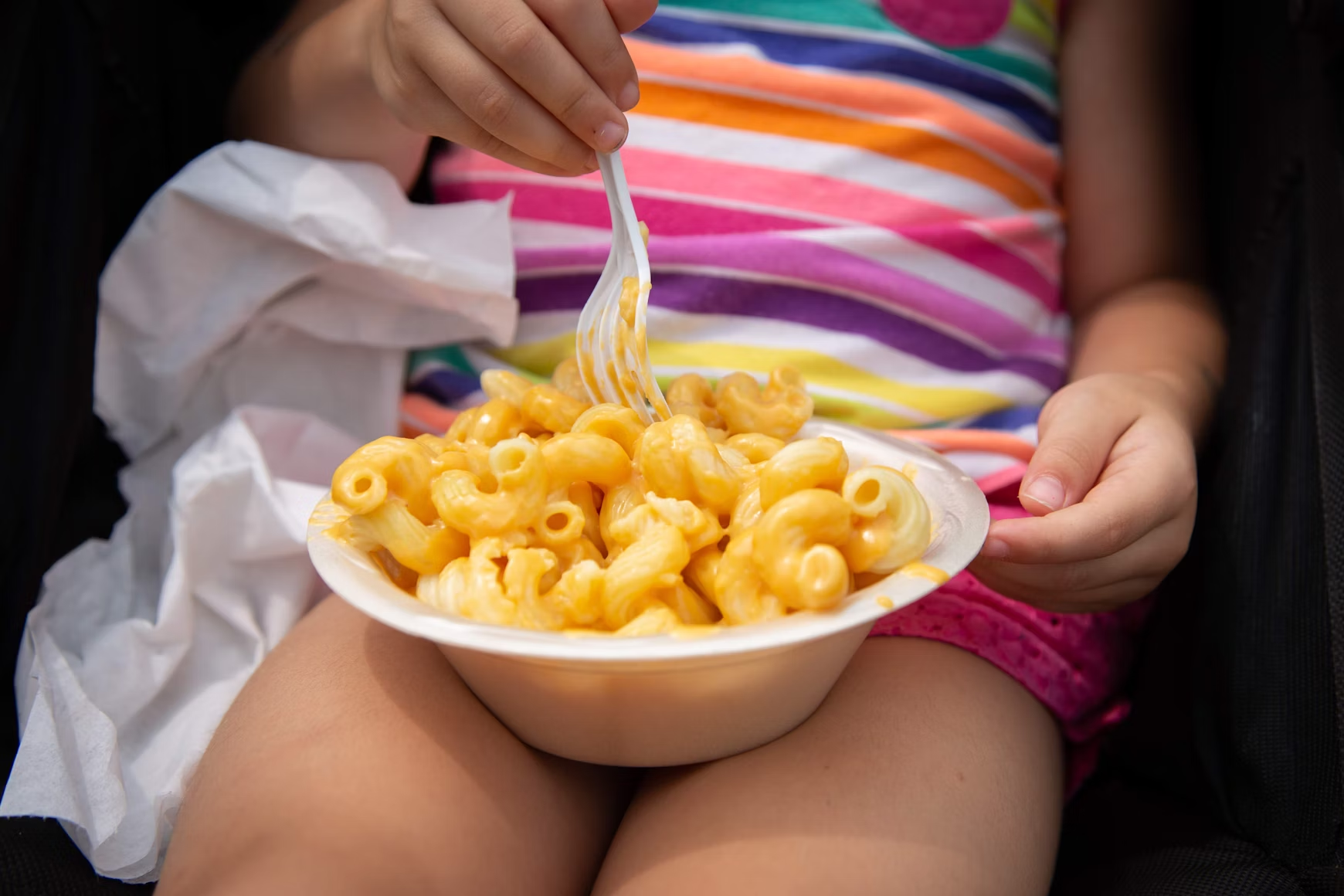
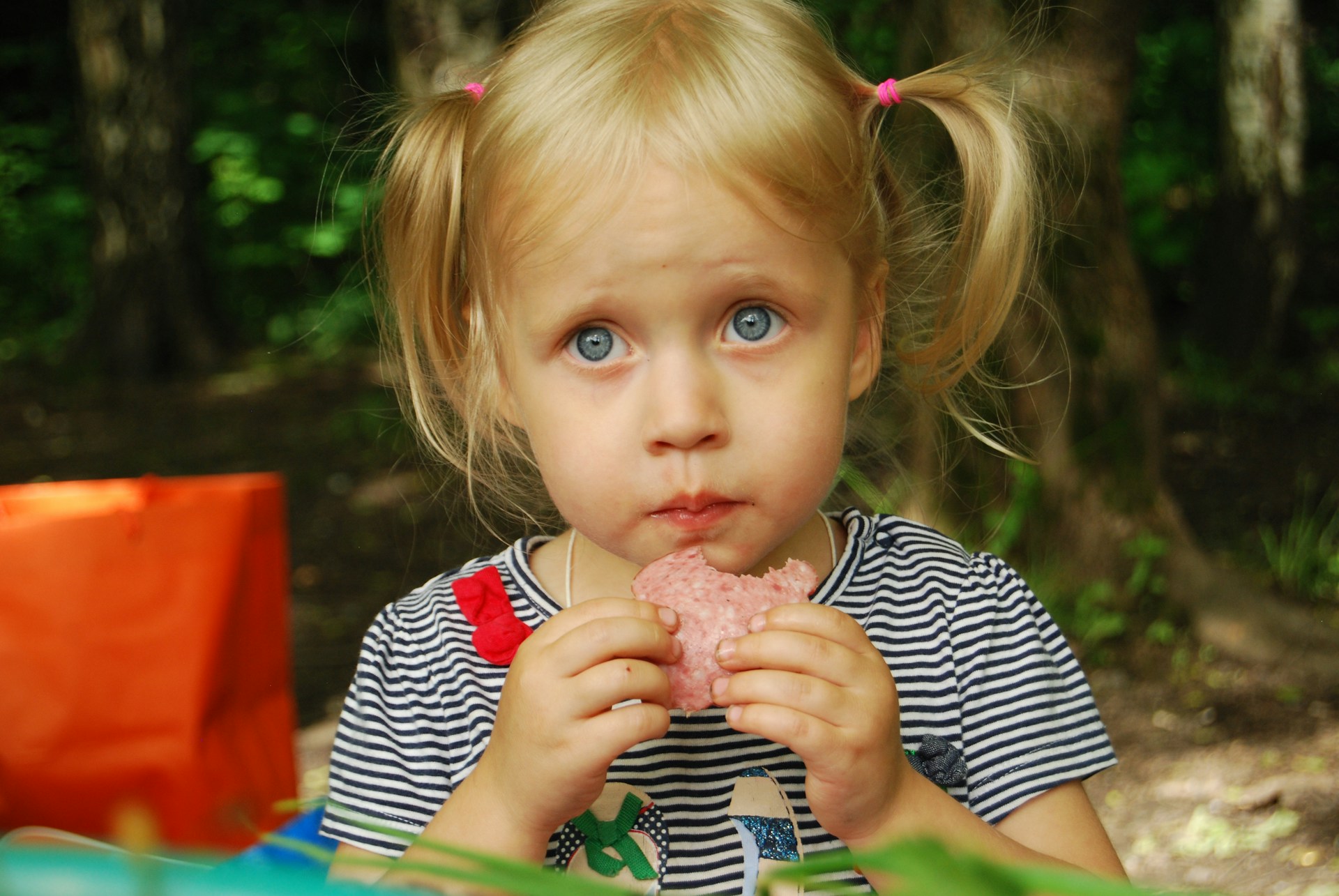
Child eating macaroni and cheese from a paper bowl.
Image Source: Unsplash

Supermarkets overflow with products sporting happy characters, leafy logos, and buzzwords like natural or whole grain. It’s no wonder busy parents assume those boxes and pouches are safe bets. Yet marketing magic often hides an ugly truth: many “healthy” staples deliver a wallop of sugar, sodium, or empty calories—while falling short on the nutrients kids actually need. The goal isn’t perfection; it’s awareness. By reading labels and choosing whole-food alternatives, you can keep convenience and nutrition on the same shelf.

Below are six sneaky culprits, plus realistic swaps that satisfy taste buds without short-changing health.

1. Boxed Macaroni and Cheese

Golden noodles may feel like childhood in a bowl, but powdered cheese blends pack nearly half a young child’s recommended daily sodium—and little else. Most brands rely on enriched (not whole-grain) pasta, artificial dyes, and minimal protein, so the dish fills bellies without truly fueling growth. That neon hue comes from food coloring, not real cheddar, subtly teaching kids that color equals flavor.

A single serving hides more than eight chemical additives, and most children happily go back for seconds, doubling the salt hit. Excess sodium gradually rewires taste buds to crave even saltier foods, making naturally mild veggies a tougher sell later on. Over time, this pattern correlates with higher blood-pressure risk and picky eating habits.

Serve this instead:

  • Whole-grain pasta tossed with real shredded cheddar and a splash of milk melts into a creamy sauce in minutes.
  • Stir in pureed butternut squash or carrot for extra color and vitamin A—kids rarely notice the veggie boost.

2. Fruit Snacks and “Juice” Cocktails

Cute shapes? Check. Bright fruit pictures? Check. Real fruit inside? Not so much. Gummies and juice cocktails are essentially concentrated sugar plus flavoring, conditioning young palates to equate sweetness with “fruit.” A single pouch can rival soda in grams of sugar, and the sticky residue clings to molars long after snack time ends.

Over time, frequent nibbling trains taste buds to crave syrupy flavors and fuels cavities that require costly dental work. These treats also crowd out the fiber and phytonutrients kids would get from real produce.

Serve this instead:

  • Slice fresh strawberries or grapes and freeze them for a chewy, candy-like texture.
  • Offer 100 percent fruit juice diluted with water (half and half) and limit servings to 4–6 oz per day for school-age kids.

3. Dried Fruit by the Handful

Raisins, mango strips, and dates do supply fiber and minerals, but dehydration shrinks volume while concentrating sugars—meaning a toddler can inhale the fructose of three fresh apples in minutes. Without the water content to induce fullness, little bellies stay hungry even as blood sugar soars. Sticky bits then glue themselves to teeth, inviting cavity-causing bacteria to feast.

Because dried fruit feels “healthy,” portion sizes often balloon without anyone noticing. Replacing whole fruit with its dried cousin also short-changes children on hydration, an underrated factor in mood and focus. Over time, the habit normalizes super-sweet flavors and makes plain fruit taste bland by comparison.

Serve this instead:

  • Mix one tablespoon of dried fruit with plain popcorn or unsalted nuts to add crunch and protein.
  • Prioritize whole fruit at meals; its water content fills kids up before fructose overload hits.

4. Flavored Plant-Based Milks

Unsweetened soy or almond milk can be a lifesaver for dairy-free families—until vanilla, chocolate, or strawberry varieties sneak in 4–6 teaspoons of added sugar per cup. Those flavored cartons may also contain stabilizers and gums that upset sensitive stomachs. Because many plant milks are low in protein unless fortified, kids who rely on them risk missing key amino acids for growth.

The sugary taste further conditions children to expect dessert-like drinks, making water and plain milk less appealing. Some brands add only token amounts of calcium and vitamin D, so the “fortified” label can be misleading. Cost is another factor: flavored versions often run a dollar or two more per half-gallon.

Serve this instead:

  • Choose unsweetened, calcium-fortified plant milks and blend with a banana or cocoa powder at home for natural flavor.
  • If your child tolerates dairy, plain cow’s milk still offers the best protein-to-calorie ratio for growth.

5. Store-Bought Granola and Granola Bars

Oats, seeds, and nuts sound nutritious, but commercial granola often binds them with corn syrup or brown-rice syrup, pushing one cup past 400 calories. Many brands roast the mix in palm oil, adding saturated fat that kids don’t need. The clusters taste more like cookies than breakfast, yet marketing claims of “whole-grain” healthfulness often fool busy parents.

Bars are no better: some contain as much sugar as doughnuts, plus sprinkles or chocolate drizzle for good measure. A single bar rarely provides enough protein or fiber to keep kids full, so they reach for a second snack soon after. Over time, that cycle spikes blood sugar and teaches that “healthy” equals sweet.

Serve this instead:

  • Make a five-minute stovetop granola: toast rolled oats with a drizzle of honey, cinnamon, and olive oil; finish with unsweetened dried coconut. Portion it into small snack bags.
  • For grab-and-go, choose bars with fewer than 6 g added sugar and at least 3 g fiber.
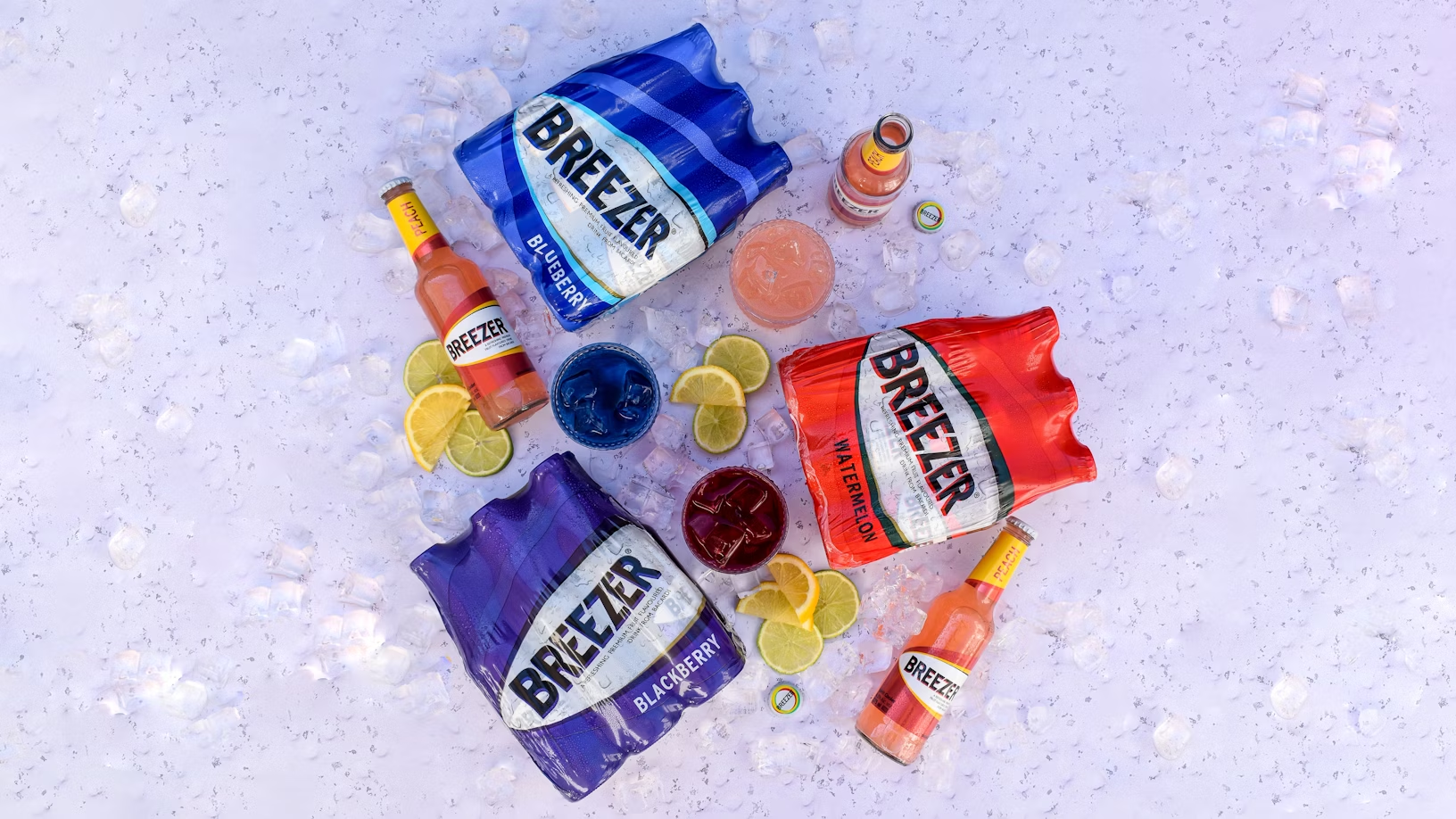
Assorted Breezer flavored drinks on ice with sliced citrus.
Image Source: Unsplash

6. Sugar-Sweetened Beverages

Sports drinks, fruit punches, and sweet teas promise energy or vitamins but mostly deliver liquid sugar. Because drinks don’t trigger the same fullness cues as food, kids can gulp hundreds of calories unnoticed in a single afternoon.

Sweetened beverages also bathe teeth in sugar for extended periods, accelerating decay. Research consistently links high intake to greater risks of obesity and type 2 diabetes before adulthood. The caffeine in some teas and sodas can disrupt sleep, compounding health issues. Habitual consumption normalizes the idea that every activity requires a flavored drink, sidelining plain water.

Serve this instead:

  • Keep a pitcher of fruit-infused water—think orange slices, cucumber, or mint—chilling in the fridge.
  • During sports, plain water is enough for most kids. Only intense exercise exceeding one hour may warrant electrolyte drinks, and even then choose low-sugar versions.

Rethink “Healthy” by Reading Labels—Not Headlines

Companies know parents gravitate toward buzzwords like organic, gluten-free, or no artificial flavors. Yet those claims say nothing about sugar or sodium levels. A quick label check makes all the difference:

  1. Scan the ingredient list. The shorter (and more pronounceable) the better.
  2. Spot added sugars. Look for words ending in -ose (glucose, sucrose) or syrups.
  3. Compare serving sizes. Small packages sometimes hide multiple servings.
  4. Prioritize fiber and protein. Both nutrients help kids feel full and energized.

Remember, healthy eating isn’t about banning favorites forever. Mac and cheese night or a gummy snack at the movies won’t derail overall nutrition. What matters is the everyday pattern: loading plates with colorful produce, whole grains, lean proteins, and minimally processed snacks the majority of the time.

Quick-Swap Reference Guide

Skip ThisSwap For ThisWhy It’s Better
Boxed mac & cheeseWhole-grain pasta + real cheese + veggie pureeLower sodium, higher fiber and vitamins
Gummy fruit snacksFrozen fruit bitesNatural sugars, vitamin C, no additives
Handfuls of dried fruitFresh fruit or trail mix with nutsMore volume, slower sugar release, healthy fats
Vanilla almond milkUnsweetened fortified almond milkCuts 3–4 tsp added sugar per cup
Sugary granola barLow-sugar oat bar (<6 g sugar)Prevents blood-sugar spikes, adds fiber
Fruit punchFruit-infused waterZero sugar, still flavorful and hydrating

Small Changes, Big Wins

Most parents buy these convenience foods with the best intentions—often under time pressure in crowded aisles. Becoming label-literate empowers you to swap cleverly marketed junk for genuine fuel.

Each small change—a homemade snack mix here, an unsweetened drink there—adds up to lifelong habits that protect kids’ energy, mood, and health. And when children help shop, prep, and taste-test “new and improved” versions, they learn the why behind smarter choices—knowledge that sticks far longer than any cartoon mascot.

Have you discovered a packaged “health food” that wasn’t so healthy after all? Share your surprises and the swaps that worked in the comments below—we’d love new ideas.

Read More

  • Have a Happy and Healthy Pet With These 5 Lessons
  • How to Help Your Teen Create Healthy Sleep Habits

Samantha Warren
Samantha

Samantha Warren is a holistic marketing strategist with 8+ years of experience partnering with startups, Fortune 500 companies, and everything in between. With an entrepreneurial mindset, she excels at shaping brand narratives through data-driven, creative content. When she’s not working, Samantha loves to travel and draws inspiration from her trips to Thailand, Spain, Costa Rica, and beyond.

Filed Under: Parenting Tagged With: child health | Family Nutrition, foods to avoid for children, healthy snacks for kids, kids nutrition, parenting advice, parenting tips, sugar in kids’ foods

8 Sneaky Ways to Get Your Children to Eat Food They Don’t Like

April 30, 2025 | Leave a Comment

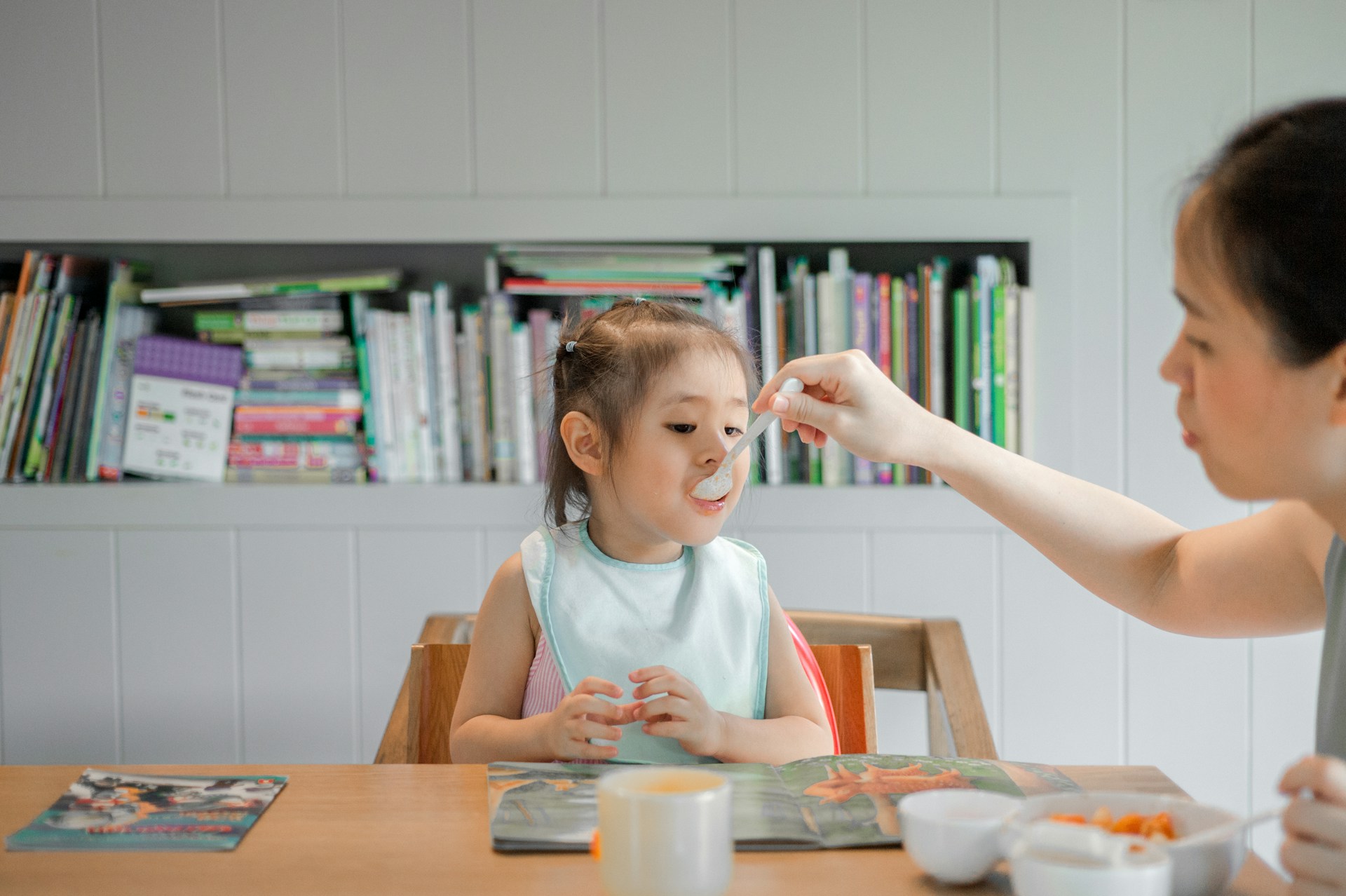
Toddler being fed by hand while outdoors.
Image Source: Unsplash

Negotiating with a determined picky eater can feel like sparring with a very small, very stubborn lawyer. Broccoli is “too bumpy,” beans are “too squishy,” and anything remotely green is dismissed on sight. The result? Dinnertime drama for everyone. Fortunately, you don’t have to rely on bribes or battles to build better habits. With patience, creativity, and a pinch of stealth, you can guide kids toward healthier choices—and help them actually enjoy the journey. These eight gentle strategies weave nutrition into familiar favorites, foster curiosity, and keep mealtimes peaceful.

1. Puree Veggies Into Food They Already Love

When a child refuses visible spinach, think blender. Pureeing vegetables into sauces, soups, or even meatballs lets them absorb vitamins without the side-eye. Blend carrots or zucchini into spaghetti sauce, cauliflower into mashed potatoes, or sweet potato into pancake batter. The flavor stays familiar, but the nutrient boost is real. Over time, you can reduce the puree and add tiny visible pieces—building familiarity bit by bit. Remember, you’re not hiding the food forever; you’re introducing it in a friendly format.

2. Offer Dips as Flavor Boosters

Kids love interactive meals. Dipping sliced bell peppers into hummus or apple wedges into peanut butter transforms eating into play. The texture of a smooth dip helps mask the “weirdness” of raw veggies, while strong flavors (garlic, herbs, or mild spice) add excitement. Even a simple yogurt-based ranch makes cucumber slices suddenly worthy of a second bite. Pairing new foods with a favorite dip boosts acceptance rates because children feel more control—and fun—on their forks.

3. Pair “No” Foods with “Yes” Favorites

If plain broccoli bombs, sprinkle cheese on top. Mix peas into buttery pasta. Serve a tiny salad alongside their beloved chicken nuggets. Combining familiar and unfamiliar flavors lowers anxiety by reminding kids that something delicious is still on the plate. Repeated exposure—without pressure—teaches that new foods aren’t scary intruders; they’re teammates. Over weeks, dial back the “yes” helper and let the formerly rejected item star on its own. It’s a gradual, respectful bridge from hesitation to acceptance.

4. Trim Tempting but Less Nutritious Options

Healthy choices can’t compete if chips and cookies dominate the snack shelf. When ultra-salty or sugary foods are always available, even the coolest carrot loses appeal. Reducing these hyper-palatable options nudges kids toward fruit, whole-grain crackers, or yogurt. Rather than banning treats (which can spark rebellious cravings), rotate them as occasional delights. The less processed food crowds the pantry, the more naturally kids gravitate toward wholesome alternatives—especially when you keep fun, ready-to-grab items like dried mango or roasted chickpeas at eye level.

5. Use Creative Shapes or Fun Presentation

Kids eat with their eyes first. Turn lunch into art class! Cut sandwiches with cookie cutters, arrange veggie sticks into rainbow order, or create a smiley-face pizza topped with red-pepper “lips.” Bento-box compartments spark curiosity by separating foods into colorful “treasure” sections. Even a simple toothpick skewer of grape tomatoes and cheese cubes feels party-worthy compared to a plain pile on a plate. Playful plating lowers pressure, shifts the mood to exploration, and often earns at least one enthusiastic nibble.

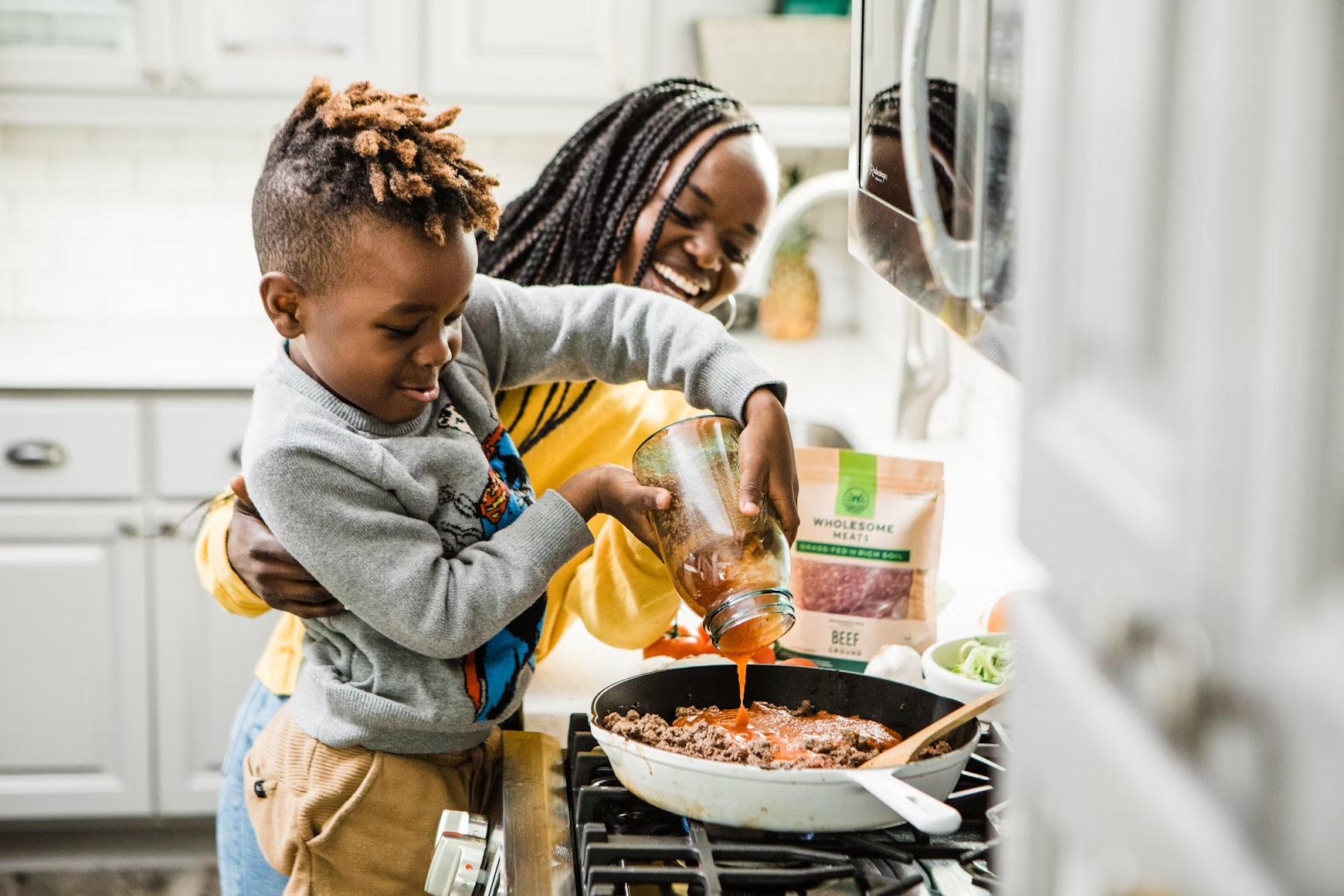
Smiling woman helping a young boy pour sauce into a skillet while cooking together.
Image Source: Unsplash

6. Let Kids Help in the Kitchen

Ownership breeds interest. Invite your child to rinse lettuce, stir pancake batter, or choose one new produce item at the grocery store. When kids invest effort, they develop pride—and curiosity about flavor. Ask open-ended questions as you cook: “How do you think this carrot will taste after roasting?” Cooking together also lets you weave in mini lessons about texture, seasoning, and nutrition without lectures. Over time, the kitchen shifts from battleground to creative lab, and new foods feel like personal inventions instead of parental mandates.

7. Keep Portions Tiny to Avoid Pressure

To a suspicious five-year-old, a golf-ball-size scoop of mashed sweet potato looks like Everest. Serve a single bite or even a pea-sized taste of new food. Tiny portions allow kids to explore without overwhelm or plate-cleaning pressure. Celebrate “try bites” with genuine praise—“You tasted it! How brave!”—rather than bribery. Repeated, low-stress exposure is the number-one predictor that children will eventually accept (and sometimes adore) previously rejected foods.

8. Be Honest—But Stay Positive

Sneaky techniques work best when paired with transparency. If kids discover hidden veggies repeatedly, they may feel tricked and resist in the future. Instead, frame the puree as a flavor upgrade: “We added pumpkin to these muffins for extra sweetness and vitamins.” Talk about how trying new tastes is part of growing strong—just like learning to ride a bike took practice. Positivity is contagious; when you describe broccoli as “earthy and crunchy” rather than “ugh, gross,” kids mirror your attitude.

The Secret Sauce: Your Attitude

Food battles aren’t just about what’s on the plate; they’re shaped by the emotional climate around it. If meals feel tense, children associate new foods with stress. Keep conversations upbeat and pressure-free. Model adventurous eating yourself—let kids see you crunch raw peppers or savor roasted Brussels sprouts. Share genuine enthusiasm: “I love how sweet these tomatoes taste after roasting!” Over months, that energy sinks in.

Remember, picky eating is often a phase rooted in developmental caution. Taste buds mature, curiosity expands, and what was once a “no” can become a favorite. Your job isn’t to win every bite—it’s to keep offering opportunities, stay calm, and trust the process.

What clever tricks have helped your picky eater branch out? Share your funniest or most successful food hacks in the comments—we’d love to swap ideas!

Read More

  • Dealing With Picky Eaters
  • The Picky Eater: You Can Get Them to Eat Their Vegetables If You Do This
Samantha Warren
Samantha

Samantha Warren is a holistic marketing strategist with 8+ years of experience partnering with startups, Fortune 500 companies, and everything in between. With an entrepreneurial mindset, she excels at shaping brand narratives through data-driven, creative content. When she’s not working, Samantha loves to travel and draws inspiration from her trips to Thailand, Spain, Costa Rica, and beyond.

Filed Under: Parenting Tagged With: child development | Family Nutrition, getting kids to eat vegetables, healthy eating for kids, kids nutrition, mealtime struggles, parenting advice, parenting tips, picky eating

The Picky Eater: You Can Get Them to Eat Their Vegetables If You Do This

April 13, 2025 | Leave a Comment

child eating food
Image Source: Unsplash

If you’ve ever watched your child declare war on a single baby carrot, you’re not alone. Getting a picky eater to embrace vegetables can feel like trying to get a cat to love swimming: unnatural, exhausting, and maybe even impossible.

Here’s the good news—it doesn’t have to be that way. There are research-backed strategies you can implement, no bribes or battles required (though the occasional hidden spinach brownie isn’t off the table). With patience, creativity, and empathy, your child can really learn to love (or at least tolerate) their greens.

Serve the Veggies First—When Hunger Is on Your Side

This idea is simple yet surprisingly effective: serve vegetables as the very first course. When kids are at their hungriest—right at mealtime’s start—they’re more inclined to nibble on whatever’s in front of them. That “mini-starvation” moment is your golden opportunity.

According to research on helping picky eaters try veggies, placing vegetables center stage early on can boost how much they’ll eat. It’s an easy tweak that pays off over time.

Consistency and Patience Go Further Than You Think

If your child rejects green beans today, it doesn’t mean they’ll hate them tomorrow. Experts agree that consistently offering vegetables, even when they’re refused, reduces food aversions over time. It can take ten (or more) exposures before a child might be open to sampling a new food. That’s where your patience becomes a quiet superpower.

Staying calm and steady—without forcing or bribing—eventually helps kids feel more comfortable saying yes.

Tune Into Their Texture Preferences

Sometimes the deal-breaker isn’t flavor—it’s texture. One picky eater might despise the mushiness of peas but love the crunch of raw carrots. Observing your child’s likes and dislikes can help you find a veggie prep style that’s more positive than pushy. Experts emphasize that addressing sensory sensitivities is one of the best ways to encourage food acceptance. Whether it’s crisp, roasted, or blended, offering vegetables in a texture your child enjoys can be a game-changer.

Eat Together—Because You’re Their Model (Even at the Dinner Table)

Kids watch everything we do—including how we handle our own plates. If they frequently see you devouring a colorful array of veggies, they’re more likely to become curious and, in time, follow suit. Family meals create an environment that’s low-pressure for exploring new foods. Also, letting your child help with small cooking tasks—like washing lettuce or snapping green beans—builds ownership and curiosity. Research shows that parental modeling is critical for shaping positive food attitudes, especially around vegetables.

confused looking child eating salami
Image Source: Unsplash

Keep Things Interesting: Color, Crunch, and Choice

One secret to beating food boredom is variety. Consider rotating vegetables with different textures and flavors—bell peppers, roasted sweet potatoes, and cucumber slices. This helps picky eaters realize not all greens are created equal. When possible, allow them to choose which vegetable to try, giving them a small sense of control.

According to resources from the CDC, switching up veggies can help increase a child’s acceptance of them over time. Vibrant colors and different cooking methods can make a child’s plate feel more like an adventure than a punishment.

What You Say Matters Too

Ever tried saying “You’ll like it if you just try!” only to get a firm “No thanks”? Turns out pressuring kids, even gently, can backfire. Instead, try inviting language: “Want to see if it crunches?” or “Should we do a taste test?” This approach makes tasting feel like an exciting experiment instead of a chore. Your words set the emotional tone, so try to keep it light, friendly, and free from expectation. If they detect stress or urgency in your voice, they’re more likely to dig their heels in.

Here’s What’s Actually Worth Your Energy

You may not turn your picky eater into a kale enthusiast by next week—and that’s perfectly okay. The goal is to create a supportive atmosphere where tasting vegetables is the norm, not the battle of the day. Small steps like serving veggies first, letting them see you enjoy vegetables, and respecting texture aversions can slowly build trust at the table. Over time, hesitant nibbles can become actual bites—and you might even find them willingly adding peas to their plate down the road, no bribes needed.

What’s Worked for You?

Have a favorite veggie trick or success story? Maybe a go-to recipe that finally got your little one excited about zucchini? Share your tips in the comments—together, we can help each other navigate the picky eater phase without tearing our hair out.

Read More

  • Yes, I Love My Kids—But I Miss Who I Was Before I Became a Parent
  • Can You Afford to Be a Stay-at-Home Parent? Here’s a Simple Calculator
Samantha Warren
Samantha

Samantha Warren is a holistic marketing strategist with 8+ years of experience partnering with startups, Fortune 500 companies, and everything in between. With an entrepreneurial mindset, she excels at shaping brand narratives through data-driven, creative content. When she’s not working, Samantha loves to travel and draws inspiration from her trips to Thailand, Spain, Costa Rica, and beyond.

Filed Under: Parenting Tagged With: children diet tips, healthy eating for families, kids nutrition, mealtime struggles, picky eater, vegetables

Next Page »
  • Facebook
  • Pinterest
  • RSS
  • Twitter

Basic Principles Of Good Parenting

Here some basic principles for good parenting:

  1. What You Do Matters: Your kids are watching you. So, be purposeful about what you want to accomplish.
  2. You Can’t be Too Loving: Don’t replace love with material possessions, lowered expectations or leniency.
  3. Be Involved Your Kids Life: Arrange your priorities to focus on what your kid’s needs. Be there mentally and physically.
  4. Adapt Your Parenting: Children grow quickly, so keep pace with your child’s development.
  5. Establish and Set Rules: The rules you set for children will establish the rules they set for themselves later.  Avoid harsh discipline and be consistent.
  6. Explain Your Decisions: What is obvious to you may not be evident to your child. They don’t have the experience you do.
  7. Be Respectful To Your Child: How you treat your child is how they will treat others.  Be polite, respectful and make an effort to pay attention.
Best Parenting Blogs

Most Popular

Baby

9 Unusual Baby Names That Sound Like They Belong to Future CEOs

Evan Morgan
Baby

10 Baby Names That Were Once Considered “Grandparent Names” but Feel Cool Again

Evan Morgan
Target Store

Choking Incident Prompts Recall of 49,000 Target Gigglescape “Under the Sea” Popping Toys

Evan Morgan
Frustrated Girl

Why Some Students on the Spectrum Are Labeled With ODD

Evan Morgan
Coke Bottles

12 Things Kids Took to School in the ’70s That Would Never Be Allowed Today

Evan Morgan

All content on Kids Ain’t Cheap is for entertainment purposes only. By reading this blog, you agree that Kids Ain’t Cheap is not responsible for any actions taken after reading this blog. For the full disclaimer, see our privacy policy.

Please note that Kids Ain’t Cheap has financial relationships with some of the merchants mentioned here. Kids Ain’t Cheap is funded by banner advertising, commission sales and search optimization consulting.

Copyright © 2006–2026 | District Media | All Rights Reserved | Privacy Policy

Copyright © 2026 Runway Pro Theme by Viva la Violette