Supermarkets overflow with products sporting happy characters, leafy logos, and buzzwords like natural or whole grain. It’s no wonder busy parents assume those boxes and pouches are safe bets. Yet marketing magic often hides an ugly truth: many “healthy” staples deliver a wallop of sugar, sodium, or empty calories—while falling short on the nutrients kids actually need. The goal isn’t perfection; it’s awareness. By reading labels and choosing whole-food alternatives, you can keep convenience and nutrition on the same shelf.
Below are six sneaky culprits, plus realistic swaps that satisfy taste buds without short-changing health.
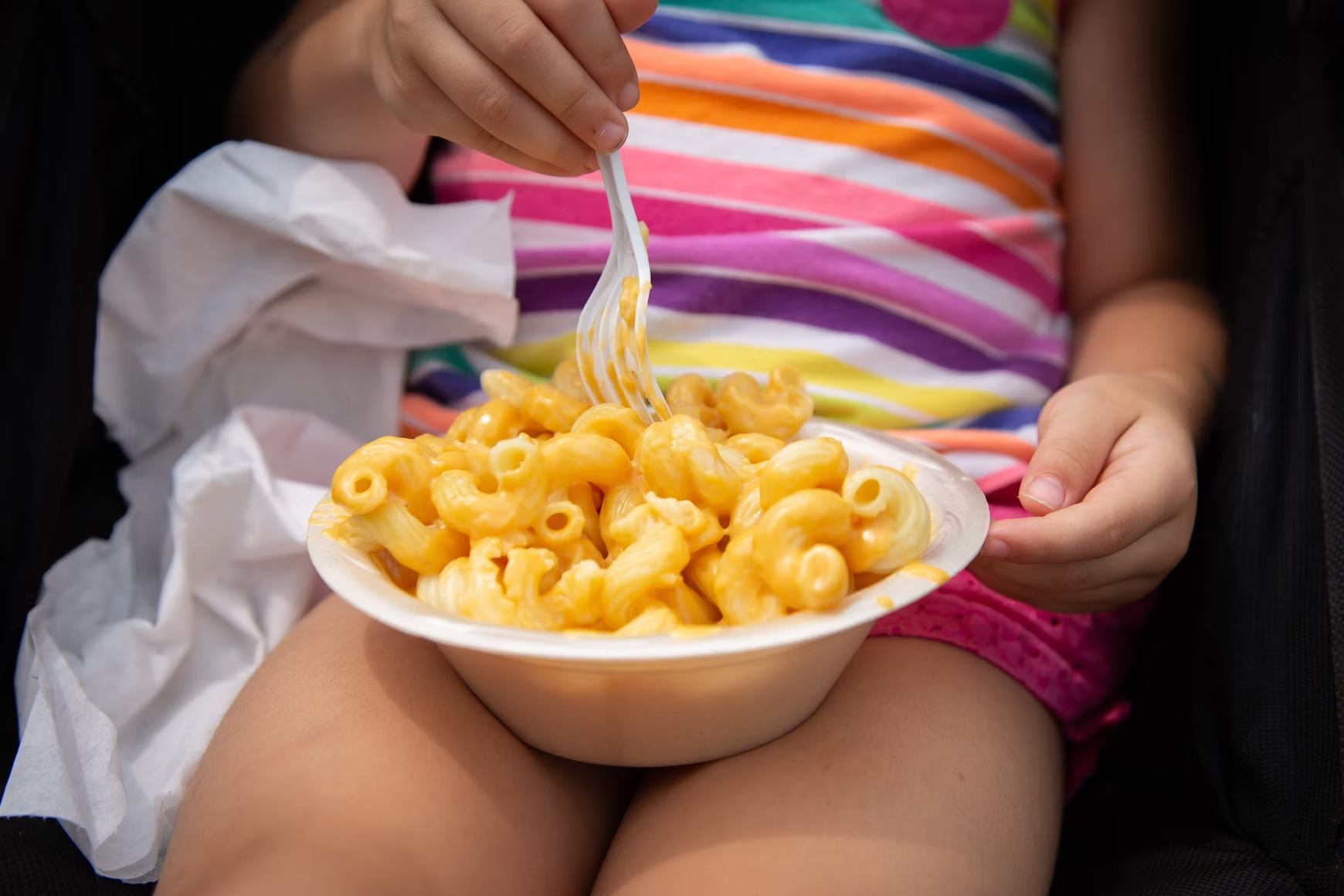
1. Boxed Macaroni and Cheese
Golden noodles may feel like childhood in a bowl, but powdered cheese blends pack nearly half a young child’s recommended daily sodium—and little else. Most brands rely on enriched (not whole-grain) pasta, artificial dyes, and minimal protein, so the dish fills bellies without truly fueling growth. That neon hue comes from food coloring, not real cheddar, subtly teaching kids that color equals flavor.
A single serving hides more than eight chemical additives, and most children happily go back for seconds, doubling the salt hit. Excess sodium gradually rewires taste buds to crave even saltier foods, making naturally mild veggies a tougher sell later on. Over time, this pattern correlates with higher blood-pressure risk and picky eating habits.
Serve this instead:
- Whole-grain pasta tossed with real shredded cheddar and a splash of milk melts into a creamy sauce in minutes.
- Stir in pureed butternut squash or carrot for extra color and vitamin A—kids rarely notice the veggie boost.
2. Fruit Snacks and “Juice” Cocktails
Cute shapes? Check. Bright fruit pictures? Check. Real fruit inside? Not so much. Gummies and juice cocktails are essentially concentrated sugar plus flavoring, conditioning young palates to equate sweetness with “fruit.” A single pouch can rival soda in grams of sugar, and the sticky residue clings to molars long after snack time ends.
Over time, frequent nibbling trains taste buds to crave syrupy flavors and fuels cavities that require costly dental work. These treats also crowd out the fiber and phytonutrients kids would get from real produce.
Serve this instead:
- Slice fresh strawberries or grapes and freeze them for a chewy, candy-like texture.
- Offer 100 percent fruit juice diluted with water (half and half) and limit servings to 4–6 oz per day for school-age kids.
3. Dried Fruit by the Handful
Raisins, mango strips, and dates do supply fiber and minerals, but dehydration shrinks volume while concentrating sugars—meaning a toddler can inhale the fructose of three fresh apples in minutes. Without the water content to induce fullness, little bellies stay hungry even as blood sugar soars. Sticky bits then glue themselves to teeth, inviting cavity-causing bacteria to feast.
Because dried fruit feels “healthy,” portion sizes often balloon without anyone noticing. Replacing whole fruit with its dried cousin also short-changes children on hydration, an underrated factor in mood and focus. Over time, the habit normalizes super-sweet flavors and makes plain fruit taste bland by comparison.
Serve this instead:
- Mix one tablespoon of dried fruit with plain popcorn or unsalted nuts to add crunch and protein.
- Prioritize whole fruit at meals; its water content fills kids up before fructose overload hits.
4. Flavored Plant-Based Milks
Unsweetened soy or almond milk can be a lifesaver for dairy-free families—until vanilla, chocolate, or strawberry varieties sneak in 4–6 teaspoons of added sugar per cup. Those flavored cartons may also contain stabilizers and gums that upset sensitive stomachs. Because many plant milks are low in protein unless fortified, kids who rely on them risk missing key amino acids for growth.
The sugary taste further conditions children to expect dessert-like drinks, making water and plain milk less appealing. Some brands add only token amounts of calcium and vitamin D, so the “fortified” label can be misleading. Cost is another factor: flavored versions often run a dollar or two more per half-gallon.
Serve this instead:
- Choose unsweetened, calcium-fortified plant milks and blend with a banana or cocoa powder at home for natural flavor.
- If your child tolerates dairy, plain cow’s milk still offers the best protein-to-calorie ratio for growth.
5. Store-Bought Granola and Granola Bars
Oats, seeds, and nuts sound nutritious, but commercial granola often binds them with corn syrup or brown-rice syrup, pushing one cup past 400 calories. Many brands roast the mix in palm oil, adding saturated fat that kids don’t need. The clusters taste more like cookies than breakfast, yet marketing claims of “whole-grain” healthfulness often fool busy parents.
Bars are no better: some contain as much sugar as doughnuts, plus sprinkles or chocolate drizzle for good measure. A single bar rarely provides enough protein or fiber to keep kids full, so they reach for a second snack soon after. Over time, that cycle spikes blood sugar and teaches that “healthy” equals sweet.
Serve this instead:
- Make a five-minute stovetop granola: toast rolled oats with a drizzle of honey, cinnamon, and olive oil; finish with unsweetened dried coconut. Portion it into small snack bags.
- For grab-and-go, choose bars with fewer than 6 g added sugar and at least 3 g fiber.
6. Sugar-Sweetened Beverages
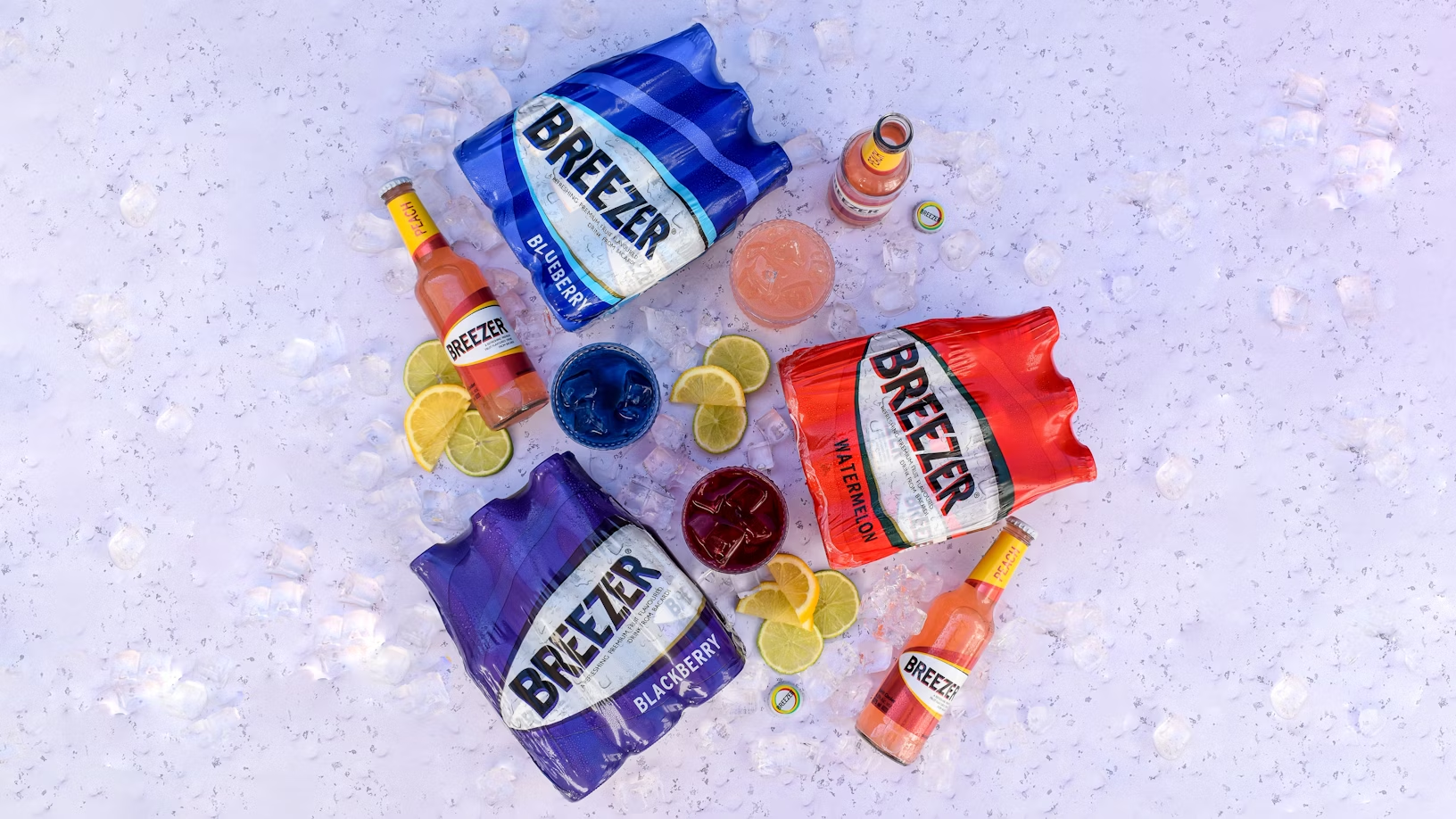
Sports drinks, fruit punches, and sweet teas promise energy or vitamins but mostly deliver liquid sugar. Because drinks don’t trigger the same fullness cues as food, kids can gulp hundreds of calories unnoticed in a single afternoon.
Sweetened beverages also bathe teeth in sugar for extended periods, accelerating decay. Research consistently links high intake to greater risks of obesity and type 2 diabetes before adulthood. The caffeine in some teas and sodas can disrupt sleep, compounding health issues. Habitual consumption normalizes the idea that every activity requires a flavored drink, sidelining plain water.
Serve this instead:
- Keep a pitcher of fruit-infused water—think orange slices, cucumber, or mint—chilling in the fridge.
- During sports, plain water is enough for most kids. Only intense exercise exceeding one hour may warrant electrolyte drinks, and even then choose low-sugar versions.
Rethink “Healthy” by Reading Labels—Not Headlines
Companies know parents gravitate toward buzzwords like organic, gluten-free, or no artificial flavors. Yet those claims say nothing about sugar or sodium levels. A quick label check makes all the difference:
- Scan the ingredient list. The shorter (and more pronounceable) the better.
- Spot added sugars. Look for words ending in -ose (glucose, sucrose) or syrups.
- Compare serving sizes. Small packages sometimes hide multiple servings.
- Prioritize fiber and protein. Both nutrients help kids feel full and energized.
Remember, healthy eating isn’t about banning favorites forever. Mac and cheese night or a gummy snack at the movies won’t derail overall nutrition. What matters is the everyday pattern: loading plates with colorful produce, whole grains, lean proteins, and minimally processed snacks the majority of the time.
Quick-Swap Reference Guide
| Skip This | Swap For This | Why It’s Better |
| Boxed mac & cheese | Whole-grain pasta + real cheese + veggie puree | Lower sodium, higher fiber and vitamins |
| Gummy fruit snacks | Frozen fruit bites | Natural sugars, vitamin C, no additives |
| Handfuls of dried fruit | Fresh fruit or trail mix with nuts | More volume, slower sugar release, healthy fats |
| Vanilla almond milk | Unsweetened fortified almond milk | Cuts 3–4 tsp added sugar per cup |
| Sugary granola bar | Low-sugar oat bar (<6 g sugar) | Prevents blood-sugar spikes, adds fiber |
| Fruit punch | Fruit-infused water | Zero sugar, still flavorful and hydrating |
Small Changes, Big Wins
Most parents buy these convenience foods with the best intentions—often under time pressure in crowded aisles. Becoming label-literate empowers you to swap cleverly marketed junk for genuine fuel.
Each small change—a homemade snack mix here, an unsweetened drink there—adds up to lifelong habits that protect kids’ energy, mood, and health. And when children help shop, prep, and taste-test “new and improved” versions, they learn the why behind smarter choices—knowledge that sticks far longer than any cartoon mascot.
Have you discovered a packaged “health food” that wasn’t so healthy after all? Share your surprises and the swaps that worked in the comments below—we’d love new ideas.
Read More

Samantha Warren is a holistic marketing strategist with 8+ years of experience partnering with startups, Fortune 500 companies, and everything in between. With an entrepreneurial mindset, she excels at shaping brand narratives through data-driven, creative content. When she’s not working, Samantha loves to travel and draws inspiration from her trips to Thailand, Spain, Costa Rica, and beyond.
Read More

In the sanctity of their homes, people often embrace unconventional habits that might raise eyebrows. These private…

Image Source: Unsplash Parenthood is life-changing, but that doesn’t mean it’s easy to say goodbye…

Since having my daughter I continue to come across blog posts about 'how expensive kids…

They say everyone lies. This might be an exaggerating statement but holds a sense of…


Parents might think they’ve seen it all—until they get a call that their child was…
Coffee has taken off around the globe, with sales during 2019 topping $48 billion in…


Leave a Reply