• Home
  • About Us
  • Toolkit
  • Archives
  • Advertise
  • Privacy Policy

Kids Ain't Cheap

But They Sure Are Worth It

  • Parenting
    • Baby Stuff
    • Books and Reading
      • Aesops Fables
      • Comic Books
    • Education
    • Family Time
    • Green Living
    • Growing Up
    • Healthy Living & Eating
    • Holidays
    • Parenting
    • Random Musings
    • Shopping
    • Stuff to Do
  • Money
  • Product Reviews
    • Books and Magazines
    • Discount Sites
    • Furniture
    • House Keeping
    • Reviews News
    • Toys and Games
  • Contact Us
  • Our Editorial Commitment
  • Search

The Lunchbox Items Kids Are Most Likely to Bring Home Uneaten

July 31, 2026 | Leave a Comment

Lunchbox
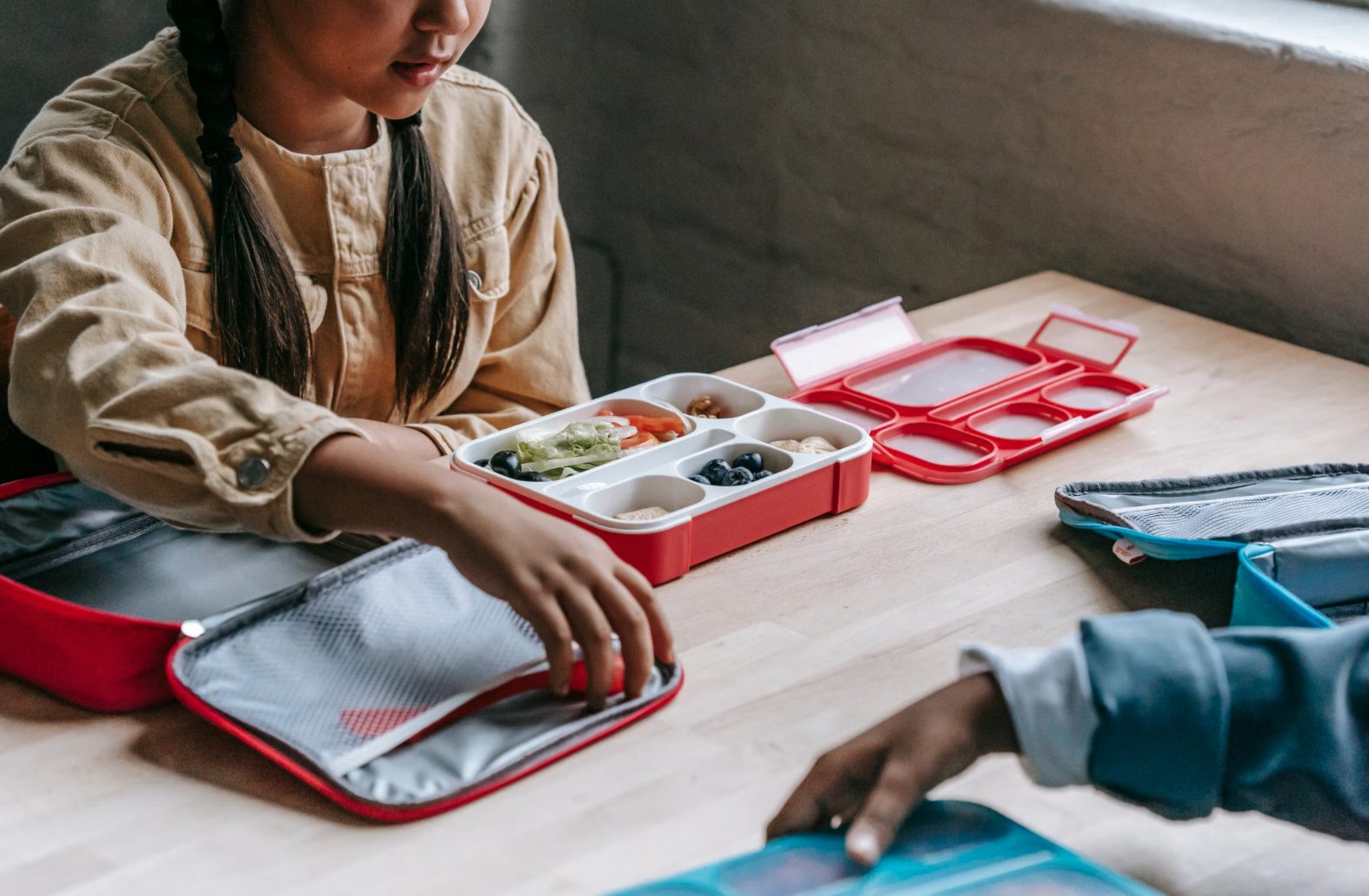
A child’s lunchbox with untouched vegetables, fruit, and half a sandwich highlights the foods that often return home after school. Small portion changes and familiar favorites can help reduce waste. (Pexels).

Packing a school lunch can feel like a daily guessing game. One day your child happily eats sliced cucumbers, and the next day they come home untouched. Parents often assume they’re doing something wrong, but research shows that food preferences, short lunch periods, distractions, and changing tastes all play a role. Understanding which lunchbox items are most likely to return home uneaten can help families reduce food waste, save money, and make school lunches more enjoyable.

Raw Vegetables Often End Up Back at Home

Raw vegetables are one of the most commonly uneaten lunchbox items, especially when they’re packed without a dip or paired with unfamiliar foods. Recent research has found that children with picky eating habits are significantly less likely to eat vegetables or salads during school lunches than their peers. Fresh carrots, celery, cucumber slices, and bell peppers may be nutritious, but many children simply run out of time or choose foods they enjoy more first. Instead of eliminating vegetables, try offering smaller portions with hummus or ranch dressing. Many parents also find that rotating vegetables instead of packing the same ones every day improves acceptance over time.

Whole Fruit Can Be More Trouble Than It’s Worth

Whole apples, oranges, and pears often come home untouched because they take longer to eat during limited lunch breaks. Younger children may also struggle to peel fruit or bite into larger pieces comfortably. Cutting fruit into bite-sized portions or packing berries, grapes, or melon cubes can make healthy choices easier to finish. Studies of school lunches have consistently found that fruit is one of the foods picky eaters skip more frequently than other children. Convenience matters just as much as nutrition when the lunch bell only lasts 20 to 30 minutes.

Large Sandwiches Frequently Go Half-Eaten

A full-size sandwich may look like the perfect lunch, but many kids simply don’t have the appetite or time to finish it. Parents often discover that only a few bites disappear before the sandwich heads back home. Packing half sandwiches, sliders, or pinwheel wraps can reduce waste while still providing enough protein and whole grains. School lunch researchers have noted that portion size plays a significant role in what children actually eat. Smaller servings can always be followed by easy-to-eat snacks if your child is still hungry later in the day.

Yogurt and Dairy Items Can Be Hit or Miss

Yogurt tubes, cottage cheese, and cheese cubes are nutritious options, but they aren’t always finished. Texture changes as foods warm up, even when packed with ice packs, which can make dairy products less appealing by lunchtime. Some children also avoid dairy because they’re focused on socializing rather than eating slowly. Insulated lunch containers and frozen yogurt tubes can help maintain a better texture throughout the morning. Watching which dairy products consistently come back untouched is a better guide than assuming every healthy choice is a favorite.

New or Unfamiliar Foods Usually Stay Untouched

Parents naturally want to introduce variety, but school lunch is rarely the best place to experiment. Children tend to choose familiar foods in busy cafeteria settings where distractions are everywhere. Researchers have also found that social influences and familiarity affect children’s willingness to eat certain lunchbox foods. Introducing new foods at home first, where there’s less pressure and more time, gives kids a better chance to accept them before they appear in a lunchbox. Once a food becomes familiar, it’s much more likely to be eaten at school.

Smart Lunch Packing Starts with Observation

The best lunchbox isn’t the one that looks perfect in a social media photo—it’s the one that comes home nearly empty. Pay attention to what consistently returns and treat those leftovers as useful feedback rather than frustration. Involving children in grocery shopping and lunch planning often increases the chances they’ll actually eat what they helped choose. Packing slightly smaller portions, rotating favorite foods, and keeping meals simple can reduce both food waste and grocery costs. Small adjustments based on your child’s habits usually produce better results than constantly searching for the perfect lunch.

Every child has different tastes, and finding the right lunchbox combination often takes patience and trial and error. Paying attention to what comes home uneaten can help you build lunches your child actually enjoys while cutting down on wasted food. Small changes, such as serving bite-sized fruit or smaller sandwiches, can make a surprisingly big difference over time.

What lunchbox item does your child bring home untouched most often, and what trick has helped you cut down on food waste? Share your experience in the comments—we’d love to hear your ideas.

What to Read Next

Teachers Beg Parents: Stop Buying These 7 High-Sugar Snacks for School Lunches

6 Smart Ways Parents Are Cutting School Lunch Costs Right Now

Nutritionists Warn: 6 “Healthy” Lunchbox Staples That Spike Sugar Crashes at School

Evan Morgan

Evan Morgan has been a full-time freelance writer and editor for 10+ years. When not working, he enjoys catching the latest true crime documentary or getting lost in a good book.

Filed Under: Parenting Tagged With: Back to School, food waste, healthy eating, kids nutrition, lunchbox ideas, Parenting, picky eaters, school lunches

7 Ways to Save Money on Groceries with Picky Eaters

March 9, 2026 | Leave a Comment

save money on groceries
Image source: 123rf.com

Standing in the grocery aisle while staring at a list of specific brands your child will actually eat is a unique kind of exhaustion. You want to provide nutritious meals, but the fear of wasting money on food that ends up in the trash is very real. It is not your fault that the food industry targets children with expensive, brightly colored packaging. These tactics make budget-friendly staples look boring. The hidden system of brand loyalty and sensory processing can make your grocery bill skyrocket compared to families with adventurous eaters. This guide reveals how to reclaim your budget without sparking a dinner table revolution.

The Art of the Generic Swap

Many parents believe that picky eaters can taste the difference between every brand-name snack and its store-bought counterpart. While this is sometimes true for specific textures, many basic staples are virtually identical. Items like pasta, crackers, and frozen veggies offer the same quality for less. The trick is to make the swap outside the view of the child to avoid psychological bias. If they do not see the box, they often do not realize the change has occurred. This simple shift can save you hundreds of dollars over a single year. You can use the USDA Thrifty Food Plan to see how much a family of your size should ideally spend on basics.

Buying Frozen Over Fresh

Fresh produce is beautiful, but for a picky eater, it is often a gamble that results in wasted cash. Frozen fruits and vegetables offer the same nutritional value with a much longer shelf life. You can use exactly what you need for a single serving and keep the rest for later. This eliminates the “guilt toss” when a bag of spinach wilts before your child decides to try it. On the other hand, it also ensures you always have a safe backup option ready in minutes. Review the FDA guide on frozen food safety to ensure you are storing these bulk saves correctly.

Creating a Safe Food Rotation

Consistency is the enemy of the grocery budget when it involves expensive, pre-packaged items. However, you can save money by identifying three or four “safe” meals that use overlapping ingredients. Buying these core components in bulk reduces the cost per serving significantly. Instead of buying a different specialty item for every night, focus on versatile bases like rice or potatoes. This strategy provides the predictability your child needs while giving your wallet a much-needed break. Check out Budget Bytes for low-cost, picky-eater friendly recipes that focus on these versatile bases.

Avoiding the Convenience Tax

Pre-cut fruits and individual snack packs are the ultimate budget killers for parents. These items often cost double or triple the price of the bulk version simply because they are “lunchbox ready.” Spending ten minutes on Sunday portioning out snacks into reusable containers can slash your weekly spending. It also allows you to control the presentation, which is often a major factor for children with sensory preferences. Surprisingly, the effort pays for itself in just a few weeks of consistent habit-building.

Leveraging Cashback for Specific Brands

If your child truly will only eat one specific brand of chicken nuggets, do not fight it. Instead, use that brand loyalty to your advantage. Sign up for manufacturer newsletters and use cashback apps specifically for those must-have items. Since you know exactly what you will buy every week, you can wait for sales to stock up your freezer. This proactive approach turns an expensive habit into a calculated savings strategy. It feels much better to buy five boxes at a discount than one box at full price during an emergency run. Use IBotta to find specific brand rebates before your next trip.

Implementing the One Bite Rule Wisely

Wasted food is wasted money, so stop serving full portions of new foods that might be rejected. Introduce tiny “exposure” portions alongside their safe foods to minimize loss. If they reject a single pea, you have lost less than a cent. If they reject a whole side dish, you are throwing away a portion of your hard-earned income. This method respects your child’s boundaries while protecting your financial goals. Eventually, these tiny exposures can lead to a more varied and affordable diet.

Shop Alone to Resist Pressure

Grocery shopping with a picky eater is a recipe for impulse buys and “peace-keeping” treats. The pressure to just get through the store often leads parents to grab expensive items they did not plan for. If possible, shop during off-hours or use a pickup service to stick strictly to your list. This prevents “pester power” from inflating your total at the checkout line. You deserve a shopping experience that is focused on your budget, not on managing a tantrum over a specific cereal box. Many stores offer free grocery pickup for orders over a certain amount, which is a great tool for staying on track.

Feeding a family is about more than just calories. It is about the emotional peace of your home. You do not have to choose between your child’s comfort and your financial security. By using these tactical shifts, you can navigate the grocery store with confidence and strategy. It takes time to break the cycle of expensive brand dependency, but the savings are well worth the effort. Think about your biggest grocery store frustration and leave a comment below to share how you handle the struggle.

What to Read Next…

  • Unbreakable Rules: 11 Parenting Planning Rules You Can’t Break
  • 9 Traditional Family Routines That Help Kids Feel Secure
  • 7 Parenting Expenses That Quietly Drain Budgets After the Holidays
Latrice Perez

Latrice is a dedicated professional with a rich background in social work, complemented by an Associate Degree in the field. Her journey has been uniquely shaped by the rewarding experience of being a stay-at-home mom to her two children, aged 13 and 5. This role has not only been a testament to her commitment to family but has also provided her with invaluable life lessons and insights.  As a mother, Latrice has embraced the opportunity to educate her children on essential life skills, with a special focus on financial literacy.

Filed Under: Budgeting Tagged With: Family Finance, frugal living, grocery budget, Meal Planning, parenting tips, picky eaters, save money on groceries

8 Snacks That Kids Love and Doctors Hate

June 1, 2025 | Leave a Comment

8 Snacks That Kids Love and Doctors Hate

When your child begs for a snack, you want something quick, easy, and guaranteed to make them happy. But some of the most popular kid-friendly treats are the very ones pediatricians warn against the most. The snacks that kids love and doctors hate are often packed with hidden sugars, artificial ingredients, or choking hazards that can lead to serious health concerns. It’s not about perfection or banning every fun food forever—it’s about knowing what’s really in that colorful packaging. If you’re trying to balance convenience with nutrition, here are eight common snack offenders that may deserve a spot on the “rarely” list.

1. Fruit Snacks

Fruit snacks are a classic lunchbox staple, but most of them are candy in disguise. Even the packages that claim to contain “real fruit” are often loaded with corn syrup, food dyes, and minimal actual fruit content. One reason fruit snacks land on the list of snacks that kids love and doctors hate is their impact on dental health. The sticky texture clings to teeth, feeding cavity-causing bacteria long after snack time ends. If your child loves gummies, try dried fruit with no added sugar or fresh fruit slices as an alternative.

2. Flavored Yogurt Tubes

Yogurt can be a great source of protein and calcium, but the tube varieties marketed to kids are often loaded with sugar and artificial colors. Some of these yogurts contain as much sugar as a candy bar, without any of the benefits of fiber or whole food ingredients. Many parents think they’re making a healthy choice, but pediatricians say these snacks contribute to poor gut health and blood sugar spikes. If your child insists on yogurt tubes, look for low-sugar options or freeze plain Greek yogurt with fresh fruit. It’s just as fun, with way more benefits.

3. Cheese-Flavored Crackers

Bright orange, cheesy crackers are a toddler favorite, but they’re also a favorite of processed food manufacturers. These snacks are often made with refined flour, artificial flavors, and sodium levels that would make a dietitian cringe. Snacks that kids love and doctors hate frequently fall into this category: high in salt, low in actual nutrition. While these may keep kids full for a moment, they rarely offer the nutrients growing bodies need. Instead, consider whole-grain crackers with real cheese or hummus for a better balance.

4. Snack Cakes and Pastries

From mini muffins to toaster pastries, these sugary treats are basically dessert posing as breakfast. Packed with added sugar, preservatives, and refined carbs, they offer a quick energy spike—and a fast crash. Doctors warn that regular consumption can affect kids’ energy levels, mood, and long-term eating habits. While your child may love the sweet taste and fun packaging, these snacks are a prime example of empty calories. Reserve them for occasional treats, not daily staples.

5. Juice Boxes

Juice may seem like a healthy option, especially when labels say “100% juice,” but most are still packed with natural sugar and lack the fiber of whole fruit. Pediatricians often discourage routine juice consumption because of its link to tooth decay, obesity, and even picky eating habits. Kids can drink juice quickly and in large quantities, leading to calorie overload without ever feeling full. If you must include juice, water it down or serve it in small portions. Better yet, offer fruit-infused water or smoothies made with whole fruit.

6. Microwave Popcorn Bags

Popcorn can be a healthy whole-grain snack, but many microwave versions are loaded with artificial butter flavoring, excessive salt, and preservatives. What makes it worse is that the packaging often contains chemicals like PFOAs, which have been linked to health concerns. Snacks that kids love and doctors hate usually combine poor ingredients with risky packaging, and microwave popcorn checks both boxes. For a safer snack, pop your own kernels on the stove and season lightly with olive oil and herbs. It’s crunchy, fun, and better for your child’s body.

7. Packaged Lunch Kits

The convenience of lunch kits is undeniable, but their ingredient lists tell a different story. Most are full of processed meats, refined grains, and sugary desserts, with very little fiber, fresh produce, or healthy fat. Pediatricians point out that these kits are often too high in sodium and low in real nutrients. While kids love the DIY factor, these aren’t everyday fuel. Instead, build your own bento box with turkey slices, whole grain crackers, fruit, and veggies.

8. Sports Drinks and Energy Beverages

Designed for athletes, not kids watching cartoons, sports drinks are loaded with sugar, artificial dyes, and electrolytes kids don’t actually need. Some brands even include caffeine or stimulants, which can be dangerous for young children. Snacks that kids love and doctors hate often sneak in through trendy drinks like these, especially when they’re marketed as cool or performance-enhancing. For hydration, plain water is best, and if your child wants flavor, try a splash of citrus or a few berries in their bottle. Keep the colorful bottles for special occasions, not daily hydration.

It’s Not About Deprivation—It’s About Smarter Choices

No parent wants to be the snack police, and no child should feel like every fun food is off-limits. But understanding which snacks kids love and doctors hate can help you make more balanced, intentional choices. Small changes—like cutting back on sugar or switching to better versions—can have a big impact on your child’s health. Keep the fun, ditch the worst offenders, and focus on snacks that fuel both bodies and brains.

What’s one snack your child loves that you’ve been trying to upgrade? Share your swap ideas—or your snack struggles—in the comments!

Read More:

10 Snacks That Are Making Your Kids Overweight and Unhealthy

Snack Attack: Healthy Toddler Foods for Grazing Kids

Catherine Reed
Catherine Reed

Catherine is a tech-savvy writer who has focused on the personal finance space for more than eight years. She has a Bachelor’s in Information Technology and enjoys showcasing how tech can simplify everyday personal finance tasks like budgeting, spending tracking, and planning for the future. Additionally, she’s explored the ins and outs of the world of side hustles and loves to share what she’s learned along the way. When she’s not working, you can find her relaxing at home in the Pacific Northwest with her two cats or enjoying a cup of coffee at her neighborhood cafe.

Filed Under: Healthy Living & Eating Tagged With: child nutrition, healthy food swaps, healthy parenting, kids snacks, picky eaters, school lunch ideas, snacks that kids love and doctors hate, unhealthy snacks

Why Forcing Veggies Might Backfire—and What to Try Instead

May 26, 2025 | Leave a Comment

Why Forcing Veggies Might Backfire and What to Try Instead

If your child grimaces at broccoli or negotiates their way out of every bite of spinach, you’re not alone. Forcing veggies may seem like a necessary step in raising healthy eaters, but it often leads to resistance, power struggles, and long-term food aversions. Many parents think persistence equals progress—but when it comes to vegetables, pressure can do more harm than good. Fortunately, there are smarter, more peaceful ways to encourage veggie-loving habits that stick. Here’s why forcing veggies often fails and what you can do instead to turn picky eaters into enthusiastic participants at the dinner table.

1. Forcing Veggies Creates Negative Associations

When vegetables become a battleground, kids start to associate them with tension, stress, and discomfort. Being forced to eat something while feeling pressured can trigger anxiety and make mealtime miserable for everyone. The more you push, the more a child may dig in their heels out of sheer defiance or discomfort. This creates a cycle where forcing veggies doesn’t improve eating habits—it just reinforces the belief that vegetables are gross and must be avoided. A relaxed and positive environment makes kids more open to trying new foods without fear or resistance.

2. Power Struggles Distract From Healthy Eating

Children, like adults, want to feel in control of their choices. When you turn veggies into a non-negotiable command, it invites them to push back simply to reclaim that control. If every meal turns into a tug-of-war over green beans, your child might focus more on “winning” than on eating. Forcing veggies turns mealtime into a power struggle rather than a learning experience. Offering choices and involving kids in food prep helps them feel empowered and more willing to give vegetables a try.

3. Taste Preferences Are Still Developing

Kids are born with more taste buds than adults, and they’re especially sensitive to bitter flavors—many of which are found in vegetables. Forcing veggies doesn’t change their biological sensitivity; it just increases the chance they’ll shut down and refuse them altogether. Repeated, low-pressure exposure over time is far more effective at helping kids adjust to new tastes. Some children need 10 or more tries before they accept a new food. Be patient and remember that rejecting a vegetable today doesn’t mean it’s a lost cause forever.

4. Sneaky Tactics Can Erode Trust

It’s tempting to hide vegetables in smoothies, muffins, or sauces to “trick” kids into eating them—but this strategy can backfire if they find out. While hiding spinach in pasta sauce might get nutrients in, it doesn’t help kids learn to like veggies or trust what’s on their plate. If your child feels deceived, it may make them more suspicious of food overall. Instead of only sneaking in veggies, also serve them openly alongside other familiar foods. Combining transparency with creativity gives kids a sense of choice and curiosity.

5. Bribing Can Undermine Healthy Habits

Saying “You can have dessert if you eat your broccoli” might get short-term results, but it sends the message that veggies are something to suffer through for a reward. This approach teaches kids to associate vegetables with obligation and sweets with joy—exactly the opposite of what you want. Forcing veggies through bribery can also create disordered eating patterns as children learn to eat for incentives rather than hunger. Let veggies stand on their own without turning every meal into a negotiation. Normalizing them as part of the plate helps build positive eating habits naturally.

6. Modeling Works Better Than Mandating

Your kids are watching what you do even more than what you say. If you’re excited about a colorful salad or roasted veggies, they’ll be more curious to try them too. Forcing veggies doesn’t carry the same impact as watching someone they trust genuinely enjoy them. Invite your kids to help you pick out vegetables at the store, rinse them at the sink, or stir them into a dish. When kids feel involved and see veggies as a family norm, they’re more likely to follow suit.

7. Flavor and Texture Matter

Sometimes kids refuse veggies not because of the vegetable itself, but because of how it’s prepared. Mushy carrots or plain steamed cauliflower may not appeal to developing palates. Forcing veggies that are bland or unappealing in texture won’t change a child’s mind. Try roasting vegetables with olive oil and seasoning, blending them into dips, or serving them raw with a favorite sauce. Offering vegetables in different formats helps kids discover what they enjoy—and makes trying them a lot more fun.

Invite Curiosity Instead of Conflict

The key to raising veggie-loving kids isn’t pressure—it’s patience, exposure, and a bit of creativity. When you stop forcing veggies and start creating positive, low-stakes opportunities to explore them, your child is more likely to come around. Keep meals joyful, involve your kids in the process, and celebrate small wins along the way. It’s not about perfect plates—it’s about building trust and nurturing a healthy relationship with food that will last far beyond the dinner table.

Have you struggled with getting your child to eat vegetables? What strategies have helped in your home? Share your wins (or woes) in the comments!

Read More:

6 Food Items That We Think Are Healthy but Are Bad for Our Children

Eat More, Weigh Less: 15 Foods That Are Perfect for Snacking

Catherine Reed
Catherine Reed

Catherine is a tech-savvy writer who has focused on the personal finance space for more than eight years. She has a Bachelor’s in Information Technology and enjoys showcasing how tech can simplify everyday personal finance tasks like budgeting, spending tracking, and planning for the future. Additionally, she’s explored the ins and outs of the world of side hustles and loves to share what she’s learned along the way. When she’s not working, you can find her relaxing at home in the Pacific Northwest with her two cats or enjoying a cup of coffee at her neighborhood cafe.

Filed Under: Healthy Living & Eating Tagged With: child nutrition, Family Meals, food battles, forcing veggies, healthy eating for kids, parenting tips, picky eaters

Taming the Snack Monster Without Tears

May 22, 2025 | Leave a Comment

Taming the Snack Monster Without Tears

If your toddler treats snack time like a full-contact sport and seems to ask for food every 15 minutes, you’re not alone. The “snack monster” phase is a real parenting challenge—where little tummies crave constant grazing, and boundaries feel impossible to enforce without meltdowns. But here’s the good news: you can create a healthy, predictable snack routine without tantrums or power struggles. With a few tweaks in timing, options, and communication, your child can learn that snack time isn’t all-day buffet time. Let’s look at how to tame the snack monster without tears (yours or theirs) and bring peace back to your pantry.

1. Set Consistent Snack Times

Toddlers and young kids thrive on structure, and consistent snack times help prevent nonstop requests. When snacks are available on demand, kids learn to eat out of boredom or habit rather than hunger. Instead, treat snacks like mini meals with set times between breakfast, lunch, and dinner. Announcing, “It’s snack time!” instead of giving in to random asks gives kids something to count on. Predictability helps reduce whining and builds healthy expectations around food.

2. Offer Balanced Snacks, Not Treats

Snack time often becomes dessert time if parents aren’t careful, and that can feed the snack monster even more. Instead of defaulting to crackers, fruit snacks, or cookies, offer a mix of protein, fiber, and healthy fats. Think apple slices with peanut butter, cheese and whole-grain crackers, or yogurt with berries. These balanced snacks keep your child full longer and prevent blood sugar crashes that lead to more hunger and mood swings. The key to snack success is nourishment over novelty.

3. Create a Snack Station

Empowering kids to make their own snack choices (within limits) can reduce arguments and boost independence. Set up a kid-friendly snack station in the pantry or fridge with pre-approved options. Use small bins labeled “choose one” and rotate items so it stays interesting but not overwhelming. Giving children ownership while maintaining structure satisfies both their need for control and your need for calm. The snack monster loses steam when choices are clear and consistent.

4. Use Snack Time to Teach Boundaries

When your child asks for a snack five minutes after lunch, it’s a teachable moment, not a parenting failure. Calmly say, “You just ate, so your next food will be at snack time,” and redirect to an activity or a drink of water. Repetition is key—they may not love it the first (or fourth) time, but kids learn through consistent messages. Boundaries don’t have to feel harsh when they’re delivered with love. The more predictable the routine, the less likely kids are to challenge it.

5. Keep Snacks Out of Sight

Out of sight, out of mind works wonders when taming the snack monster. If your child sees snacks on the counter all day, they’ll think about eating all day. Store snacks in closed containers, behind cabinet doors, or up high to reduce temptation. This small change can lead to fewer demands and better mealtime focus. A cleaner counter and fewer battles? Yes, please.

6. Watch the Timing Before Meals

Late-afternoon snacking can quickly sabotage dinner. If your child loads up on snacks too close to mealtime, they’re less likely to eat their vegetables and more likely to push the plate away. Try setting a “kitchen closes at” rule and give a last snack at least 90 minutes before dinner. If they’re hungry after that, remind them dinner is coming soon and offer a cup of water. Hunger helps reset the appetite for real meals and encourages better eating habits overall.

7. Limit “Snack Bribes” on the Go

It’s tempting to hand out snacks as a cure-all for whining during errands, but that habit builds unhealthy associations. Kids begin to link car rides, shopping trips, or even boredom with food, not true hunger. Instead, try keeping non-food distractions on hand like sticker books, small toys, or music. If they are genuinely hungry on the go, opt for a pre-planned, nutritious snack instead of a treat. Being intentional with snacks keeps the focus on nourishment, not distraction.

8. Talk About Fullness

Teaching kids to listen to their bodies is one of the most important steps in building healthy habits. Ask questions like, “Does your tummy feel full?” or “Are you still hungry, or just bored?” These prompts help kids connect their eating to physical cues instead of just routine or emotion. It might take time, but developing awareness of hunger and fullness pays off in the long run. Snack time becomes more mindful, and the snack monster starts to mellow.

9. Model Smart Snacking Yourself

Your child learns from watching you—especially when it comes to food. If they see you reaching for chips between meals or snacking while scrolling your phone, they’ll want to do the same. Instead, model balanced snacks, portion control, and mindful eating. Show them that snacks aren’t treats or time-killers, but part of healthy living. The snack monster loses power when everyone is on the same page.

10. Remember: You’re the Parent, Not the Pantry

It’s okay to say no. In fact, it’s healthy. Just because your child wants a snack doesn’t mean they need one, and it’s your job to set those limits with kindness and consistency. You provide the structure, they choose what and how much to eat within that structure. And when tears come, remember—they’re temporary. But healthy habits last a lifetime.

Feeding with Confidence, Not Chaos

The snack monster isn’t a sign that your child is out of control—it’s a sign they need help with routine, structure, and understanding hunger. By making thoughtful changes and staying consistent, you can create snack time habits that support their development without causing constant battles. Snacks don’t have to feel like enemy territory. They can be just another opportunity to teach, connect, and grow.

How do you handle snack time in your house? What’s worked best for taming your child’s snack monster? Let us know in the comments!

Read More:

The Snack Obsession: How It’s Sabotaging Your Kid’s Health

Eat More, Weigh Less: 15 Foods That Are Perfect for Snacking

Catherine Reed
Catherine Reed

Catherine is a tech-savvy writer who has focused on the personal finance space for more than eight years. She has a Bachelor’s in Information Technology and enjoys showcasing how tech can simplify everyday personal finance tasks like budgeting, spending tracking, and planning for the future. Additionally, she’s explored the ins and outs of the world of side hustles and loves to share what she’s learned along the way. When she’s not working, you can find her relaxing at home in the Pacific Northwest with her two cats or enjoying a cup of coffee at her neighborhood cafe.

Filed Under: Parenting Tagged With: feeding toddlers, healthy snacking for kids, mindful eating habits, parenting food habits, picky eaters, snack monster, toddler snack tips

8 Reasons Your Kids Prefer School Lunches to What You Pack

May 11, 2025 | Leave a Comment

8 Reasons Your Kids Prefer School Lunches to What You Pack

You lovingly pack sandwiches, snacks, and fruit, only to find them untouched, traded, or tossed. So what gives? If your child keeps choosing school lunches over the meals you send from home, you’re not alone. Despite your best efforts to offer healthy, well-balanced options, the cafeteria might still be winning their hearts (and taste buds). Kids view lunchtime as more than just food—it’s a social, sensory, and emotional experience. Here are eight surprising reasons your kids may be choosing school lunches over your carefully packed alternatives—and what you can do about it.

1. They Want to Eat What Their Friends Are Eating

Lunchtime is social; most kids don’t want to feel like the odd one out. If their friends are all eating pizza, nachos, or chicken nuggets from the cafeteria, your quinoa salad or turkey wrap might not stand a chance. Kids crave belonging, and food can quickly become a part of group identity. Even if they like what’s in their lunchbox, they may feel self-conscious eating something different. Sometimes it’s not about the food—it’s about fitting in.

2. The School Menu Feels Like a Treat

School lunches often feature foods your kids aren’t allowed to have at home regularly. Think French toast sticks, chocolate milk, or cheesy breadsticks. When kids see those items on the menu, it can feel like a treat, even if the nutritional value isn’t ideal. The cafeteria sometimes serves up comfort food that hits a nostalgic sweet spot, especially if you limit sugar or processed foods at home. That novelty alone can make school lunch more appealing than your well-balanced Bento box.

3. Variety Beats Repetition

Let’s be honest—most of us fall into lunch-packing routines that involve rotating the same few items. Peanut butter sandwiches, cheese sticks, and baby carrots can get old fast. Meanwhile, the school lunch menu offers variety, even if it’s not always healthy. Tacos on Tuesday, pasta on Wednesday, and breakfast for lunch on Friday? That’s exciting in kid terms. Mixing things up at home—even once a week—can make your packed lunches feel fresher and more fun.

4. They Don’t Like the Temperature or Texture of Packed Food

That lovingly packed grilled cheese is cold when lunch rolls around, and the apple slices might be brown. Many kids are sensitive to food texture and temperature, and what was delicious at 7:30 a.m. just doesn’t hold up by noon. School lunches are often served hot, and cafeteria staff are trained to present food in a way that’s more appealing at the moment it’s eaten. Consider using a thermos for warm options or packing frozen fruit that thaws by lunchtime. A little temperature control can make a big difference.

5. They Want to Feel Independent

When kids choose school lunch, it’s one of the few daily decisions they get to make entirely on their own. It gives them a sense of independence and control, especially in environments where rules dominate most of the day. Choosing a meal—even from a limited menu—can feel empowering. While you might feel frustrated by their choice, honoring their input can go a long way. Involve them in planning and packing lunch at home so they feel more ownership over the meal.

6. Packaging and Presentation Matter

School lunches are usually served on trays or in neatly organized compartments, and that structure makes food more visually appealing. If your packed lunch looks squished, soggy, or all shoved together, it may not get the attention it deserves. Kids often eat with their eyes first, and presentation counts—even at age eight. Investing in a quality lunchbox with separate compartments or colorful silicone cups can make a homemade meal look more fun and appetizing. The better it looks, the more likely they’ll eat it.

7. The Cafeteria Has More Options for Picky Eaters

Picky eaters love the ability to pick and choose. Cafeterias often have options for customizing meals—choosing fruit instead of veggies, skipping a side, or doubling up on their favorite part. That flexibility can feel more appealing than a pre-packed lunch that they have no say in. If your child tends to skip most of their packed lunch, it could be a sign they want more control over what goes in it. Offering them a few build-your-own lunch components can mimic the cafeteria experience positively.

8. There’s Less Pressure and More Fun

Sometimes, eating a packed lunch feels like an extension of home routines and parental expectations. School lunch, on the other hand, feels casual and carefree. No one’s watching to see if they eat their vegetables or finish their sandwich. This mental break can make the whole meal more enjoyable for your child. Reducing pressure around packed lunches and making room for flexibility may help even the playing field.

Packed Lunches Can Compete—If You Get Strategic

It’s not about beating the cafeteria—it’s about making home-packed meals feel just as fun, satisfying, and empowering. With a few tweaks—more variety, better presentation, and a little input from your child—you can turn their lunchbox into something they actually look forward to. And even if they choose the school lunch once in a while, that’s okay too. What matters most is fueling them with food they’ll eat and enjoy, wherever it comes from. Keep it creative and light, and involve them in the process.

Do your kids prefer school lunches or packed ones, and what tips have helped you make your lunches more appealing? Share your ideas in the comments!

Read More:

School Success Starts at Home—Here’s How to Prep Your Kids

5 Ways to Help Change a Child’s Bad Behavior at School

Catherine Reed
Catherine Reed

Catherine is a tech-savvy writer who has focused on the personal finance space for more than eight years. She has a Bachelor’s in Information Technology and enjoys showcasing how tech can simplify everyday personal finance tasks like budgeting, spending tracking, and planning for the future. Additionally, she’s explored the ins and outs of the world of side hustles and loves to share what she’s learned along the way. When she’s not working, you can find her relaxing at home in the Pacific Northwest with her two cats or enjoying a cup of coffee at her neighborhood cafe.

Filed Under: Healthy Living & Eating Tagged With: healthy kids meals, kids lunch tips, lunchbox ideas, packed lunches, parenting advice, parenting hacks, picky eaters, school cafeteria, school food, school lunches

The Snack Obsession: How It’s Sabotaging Your Kid’s Health

May 5, 2025 | Leave a Comment

Image by Georgia Vagim 

If you feel like you spend half your day handing out snacks, you’re not alone. Between breakfast and lunch, there’s a snack. Then another one between lunch and dinner. And don’t forget the post-dinner “I’m still hungry” snack. Modern parenting often feels like managing a 24/7 snack buffet.

And honestly? It starts with good intentions. We want our kids to feel full, happy, and fueled. But somewhere along the way, snack time stopped being helpful and started becoming a health hazard.

Let’s unpack how this obsession with snacking got so out of hand, what it’s actually doing to your child’s body, and how to hit reset without turning every afternoon into a hunger strike.

How Did We Get So Snack-Obsessed?

We’re raising kids in a culture that markets snacks as necessities. Toddler diaper bags are stocked like vending machines. Every preschool pickup ends with “What’s in your snack cup?” And grocery store shelves are overflowing with brightly packaged, sugary, shelf-stable options promising “whole grains” and “natural fruit.” But here’s what we forget: kids didn’t always need snacks every two hours.

A generation ago, snacks were an occasional treat, not a routine. Today, between-school bites, car snacks, bedtime snacks, and sports snacks have become part of the daily rhythm, often in the form of ultra-processed, high-sugar, low-nutrient foods.

And here’s the kicker: many of us feel guilty if we don’t offer snacks, even if our kid isn’t hungry. We worry they’ll crash, have a tantrum, or just feel left out. But that constant access to food comes with hidden costs.

1. It Disrupts Their Natural Hunger Cues

Kids are actually born with an incredible ability to self-regulate hunger. Left to their own devices, most will eat when they’re hungry and stop when they’re full.

But frequent snacking interferes with that natural rhythm. When food is always available, eating becomes less about hunger and more about habit or boredom.

Over time, this can lead to overeating, even when the body doesn’t need fuel. And when meals roll around, your child might not be hungry for actual food, leading to the classic dinner standoff.

2. Snacks Are Often Just Sugar in Disguise

Take a stroll through the “kids’ snack” aisle, and you’ll see a parade of health buzzwords—organic, gluten-free, whole grain. But flip the box, and you’ll likely find high levels of sugar, salt, and refined carbs–fruit snacks made of mostly corn syrup, yogurt tubes with more sugar than soda, and granola bars with a dessert’s worth of calories.

These kinds of snacks don’t just fail to nourish. They spike blood sugar, lead to energy crashes, and create more cravings. It’s a rollercoaster ride most little bodies (and parents) aren’t built for.

3. They Crowd Out Nutrient-Dense Meals

If your child snacks through the afternoon, they’re less likely to eat real food at dinner. Which often leads to more snacking later. It’s a cycle that keeps actual meals from being the primary source of nutrition.

Many kids end up under-eating protein, vegetables, fiber, and healthy fats because they’re too full from goldfish crackers and applesauce pouches to try chicken and broccoli. The result? Nutritional gaps that show up in everything from mood swings and poor sleep to weak immunity and sluggish energy.

Image by Zoshua Colah 

So, What Can You Do Without Triggering a Toddler Uprising?

Let’s be honest: we’re not going to suddenly live in a world without snacks. And that’s okay. Kids have small stomachs and high energy needs. There’s a place for snacks. But we can make small, powerful changes that shift the culture of snacking back to balance.

Try These Smarter Snack Strategies

1. Rethink the Schedule.
Kids generally only need two snacks a day: one mid-morning and one mid-afternoon. If they’re eating breakfast, lunch, and dinner with adequate portions and nutrition, constant grazing isn’t necessary.

2. Serve Snacks With Structure.
Treat snacks like mini meals—served at a table, with a drink, no screens. This reinforces that food is for fueling, not entertainment.

3. Offer Real Food.
Snacks can be just as whole and nutritious as meals. Try:

  • Sliced veggies with hummus
  • Cheese and fruit
  • Hard-boiled eggs
  • Whole-grain toast with nut butter
  • Leftovers from lunch or dinner

These kinds of snacks give your child what they actually need—protein, fiber, fat, and steady energy.

4. Don’t Use Snacks as Emotional Fixes.
It’s tempting to offer food as a pacifier for boredom, stress, or tantrums, but it teaches the wrong lesson. Sometimes, they just need play, a hug, or quiet time.

5. Let Them Feel Hunger (Within Reason).
Being a little hungry between meals isn’t a problem. It’s a sign their digestive system is working properly. Allowing short periods of hunger builds appetite, helps kids tune into their body’s signals, and often leads to better eating at mealtime.

It’s About Resetting the Culture, Not Eliminating Joy

Snacks can still be fun. There’s room for the occasional treat. But building awareness and teaching kids that snacks are part of a balanced life, not the center of it, is key. So the next time your little one says they’re hungry 20 minutes after lunch, pause. Are they bored? Thirsty? Tired?

And if they really do need a snack, make it count.

How do you handle snack time in your house? Got a go-to healthy option your kids actually like?

Read More:

Beyond Nuggets: Healthy and Easy Toddler Food Ideas

4 Strategies to Encourage Healthy Eating Habits in Kids

Filed Under: Parenting Tagged With: childhood health, healthy eating habits, kids nutrition, mindful eating, parenting tips, picky eaters, snack time, sugar and kids, toddler snacking

The Art of Sneaking Veggies Into Meals (And Loving It)

May 5, 2025 | Leave a Comment

Image by Scott Warman

You slide a bowl of broccoli across the table and brace for the grimace. The fork goes untouched. The broccoli is eventually smuggled under a napkin…or worse, fed to the dog. Sound familiar?

Whether you’re dealing with a toddler who survives on crackers and cheese or a partner who acts personally offended by spinach, getting veggies into your family’s meals can feel like a full-time job. And even when we do manage to sneak a few green things onto the plate, they often end up untouched.

But here’s the good news: with a little strategy (and a few blender tricks), it’s not just possible to sneak vegetables into meals. It’s possible to make them the star ingredient without anyone noticing. Let’s talk about how.

First, Let’s Ditch the Guilt

There’s nothing wrong with hiding veggies. In fact, it’s a parenting survival skill. Some kids (and grownups) just need more time, exposure, and creativity to build a positive relationship with nutritious food.

Sneaking vegetables into your meals isn’t about trickery. It’s about opportunity. You’re building familiarity through taste, texture, and repetition. Over time, that exposure helps develop a more adventurous palate. It’s not cheating. It’s strategic parenting.

Now, onto the good stuff.

1. Blend Veggies Into Sauces and Soups

One of the easiest ways to sneak in vegetables is by blending them right into things your family already eats and loves.

  • Mac and cheese: Stir in puréed butternut squash, sweet potato, or cauliflower with your cheese sauce. It adds a creamy texture and bonus nutrients, and the color matches so well, no one will question it.
  • Tomato sauce: Toss in cooked carrots, spinach, mushrooms, or zucchini and blend until smooth. The veggies deepen the flavor and mellow the acidity of tomatoes—a win-win.
  • Soup bases: Pureed vegetables like carrots, peas, broccoli, or cauliflower blend beautifully into broths. They thicken the soup and make it more filling without changing the familiar flavor too much.

Pro tip: Use a high-speed blender or immersion blender for ultra-smooth results—chunky “mystery bits” are where suspicion begins.

2. Bake Them Into Breakfasts and Snacks

Who says veggies only belong at lunch and dinner? Sweet treats and breakfasts offer perfect low-pressure spots to tuck in a serving or two.

  • Muffins and quick breads: Zucchini bread, pumpkin muffins, and carrot cake are classics for a reason. Add flaxseed or grated apple for extra fiber and moisture.
  • Pancakes and waffles: Blend spinach or pumpkin into the batter. A handful of spinach turns pancakes a fun green that kids may love (especially if you call them “Hulk cakes”).
  • Brownies: Believe it or not, puréed black beans, sweet potato, or even avocado can make brownies rich and moist without tasting “healthy.”

These kinds of bakes are ideal for school lunches or afternoon snacks—and no one has to know their “treat” came with a serving of vegetables.

3. Stuff It, Mix It, Wrap It

If blending and baking aren’t your thing, don’t worry. You can still sneak veggies in with some clever layering and wrapping.

  • Quesadillas and grilled cheese: Add a thin layer of finely chopped spinach or grated zucchini between the cheese and tortilla or bread. Once melted, it disappears into the gooey goodness.
  • Meatballs, burgers, and meatloaf: Finely chopped mushrooms, carrots, or bell peppers mix easily into ground meat without altering the taste. They add moisture, stretch your portions, and boost the nutrition.
  • Egg muffins and frittatas: Eggs are a fantastic vehicle for vegetables. Throw in anything you have—onions, tomatoes, spinach, kale, bell peppers—and bake into bite-sized portions.

This method is also perfect for leftovers: just chop, mix, and reimagine last night’s roasted veggies into something new.

Image by Jugoslocos

4. Make Smoothies That Pack a Secret Punch

Smoothies are a classic veggie-delivery system, and for good reason. The trick is to balance the greens with fruit so the texture is smooth and the taste is still sweet and fresh.

  • Start with a base: banana, mango, or pineapple help mask flavors.
  • Add your veggie: spinach, kale, avocado, beets, or even frozen cauliflower rice (yes, really. It’s flavorless but adds creaminess).
  • Toss in extras: nut butter, yogurt, chia seeds, or protein powder can make it a full meal.

Don’t forget to give it a fun name. A “Green Power Potion” or “Pink Princess Smoothie” goes down way easier than a “kale smoothie with flax.”

5. Let Kids Help—But Stay in Control

One way to reduce mealtime resistance? Involve your kids in the prep process. Let them pick the veggie you’ll “sneak” in today. Give them tasks like tearing spinach or stirring sauce. The more familiar they are with the ingredients, the less mysterious (and scary) they become.

But here’s the key: don’t oversell it. You risk triggering suspicion if you make a big deal about what’s hidden inside. Instead, focus on taste. Say things like, “This is extra creamy today,” or “I tried a new recipe!” Then, let them discover they love it on their own.

Don’t Forget the Long Game

Sneaking veggies isn’t about avoiding confrontation forever. It’s about creating a bridge. The more exposure your family has to vegetables (even in hidden form), the more likely they are to accept them on their own terms one day.

It might start with spinach blended into pasta sauce. Then maybe it’s sautéed into scrambled eggs. Eventually, it becomes a salad they actually request.

It’s a process. But every small win counts.

What’s your go-to trick for getting veggies into picky eaters?

Read More:

The Picky Eater: You Can Get Them to Eat Their Vegetables If You Do This

Stop Buying This: 6 Food Items That We Think Are Healthy but Are Bad for Our Children

Filed Under: Parenting Tagged With: Family Meals, healthy eating for kids, hidden veggies, Meal Planning, nutrition tips, picky eaters, sneaky vegetables, toddler nutrition, vegetable recipes

Beyond Nuggets: Healthy and Easy Toddler Food Ideas

April 27, 2025 | Leave a Comment

Mom and kids enjoying snacks and crafts at the table.
Image Source: Unsplash

If your little one would happily eat chicken nuggets for breakfast, lunch, and dinner, you’re not the only parent on earth. At this age, pickiness peaks, textures trump taste, and anything green can trigger a meltdown. Still, toddlers need iron, calcium, healthy fats, and fiber to power rapid growth. Below are seven realistic upgrades—no culinary degree required—that add nutrition and variety without sparking civil war at the table.

1. Plant-Based Nuggets: Same Shape, Smarter Inside

No need to ban nuggets; just switch to a plant-based version. Brands like Beyond Chicken or Quorn mimic the crunchy coating kids expect while delivering 50% less saturated fat and bonus fiber from wheat gluten or faba beans. Serve with baked sweet-potato fries or steamed carrot coins. Familiar look, better nutrients—zero toddler drama.

Fast tip: Keep beloved dips (ketchup, hummus, yogurt ranch) on hand. A trusted dip persuades reluctant eaters to try new foods.

2. Two-Minute Smoothies That Pack a Punch

Smoothies are stealth nutrition in a cup:

  • 1 cup Greek yogurt
  • ½ cup frozen berries
  • ½ banana
  • Splash of milk or fortified plant beverage

Blend and hand it off with a handful of whole-grain cereal for crunch. You’ve just supplied protein, calcium, antioxidants, and fiber—ideal for breakfast or afternoon “hangry” hour. Refrigerate extra portions in small jars; they keep 24 hours.

3. Finger Foods That Fuel Independence

Toddlers learn by doing, so stock nutrient-dense finger foods they can grab solo:

  • Soft-steamed broccoli florets
  • Ripe avocado wedges (roll in ground flax so they’re not slippery)
  • Sliced hard-boiled eggs
  • Baked chickpea puffs for plant protein + crunch

Put everything on a divided plate so your child can pick and choose—research shows autonomy increases acceptance of new foods.

Plate with egg, avocado, and toast beside a bowl of yogurt with berries.
Image Source: Unsplash

4. Egg-Veggie Muffins: Meal-Prep MVP

Whisk six eggs with a splash of milk, fold in one cup finely grated zucchini and ¼ cup shredded cheese. Divide into greased mini-muffin tins; bake 15 minutes at 350 °F. These frittata bites supply iron, protein, and hidden veg. Store five days in the fridge or two months in the freezer—reheat 20 seconds for a grab-and-go breakfast or protein-rich snack.

5. Flexi Plant-Forward Plates

You don’t have to go full vegan. Try a “meat-plus” approach: mix minced lentils or tofu into taco meat, meatloaf, or spaghetti sauce. Fiber goes up, saturated fat drops, flavor stays familiar. Fortified soy milk or calcium-set tofu match dairy’s bone-building nutrients, giving allergy families or budget weeks some breathing room.

6. Snack Smart: Upgrade, Don’t Eliminate

Toddlers snack two or three times a day; leverage that grazing:

Old Stand-bySimple UpgradeWhy It Wins
Applesauce pouchDiced pear + cinnamonMore fiber, no added sugar
Cheese crackerWhole-grain pita + hummusAdds protein + chickpea fiber
Fruit snacksFrozen grapes (quartered)Natural sweetness + vitamin C

Present snacks in a muffin tin “sampler.” Novel presentation nudges cautious eaters to explore new textures minus pressure.

7. Involve Your Toddler—Mess and All

Children who help prep meals are far more likely to taste them. Toddlers can rinse berries, tear lettuce, sprinkle cheese on mini pizzas, or pick between the green or blue smoothie straws. These micro-choices satisfy their need for control and expose them to new foods in a low-stakes way. Yes, the counter gets sticky, but the payoff is priceless: a budding eater who’s invested in the meal.

Why These Small Shifts Matter

Early food experiences shape taste buds, gut health, and attitudes toward eating for life. Each new texture, color, or flavor widens your child’s comfort zone and teaches flexibility, crucial for future school cafeterias and birthday parties. Remember: toddlers often need 15+ exposures to accept a new food. Stay calm, keep portions toddler-sized (tablespoon scoops), and celebrate sniffing or licking as forward progress.

Quick FAQ

  • What if my toddler refuses dinner? Offer a consistent bedtime snack like banana and milk. Intake balances over days, not single meals.
  • Are plant-based nuggets allergen-safe? Many contain wheat or soy. If gluten- or soy-free is vital, try homemade chickpea-crumb nuggets baked in the oven.
  • How much protein does a toddler need? Roughly 13 grams daily for ages 1-3—easily met with dairy, beans, eggs, or fortified alternatives.

The Takeaway

Healthy toddler food doesn’t demand Pinterest perfection—just intentional variety and patience. Swap the usual nuggets for plant-powered versions, keep smoothie fixings ready, batch egg muffins once a week, and invite your mini sous-chef to stir, sprinkle, and sample. Those small, steady steps build adventurous eaters, confident helpers, and calmer mealtimes for everyone.

Which unexpected healthy food does your toddler love? Drop your discoveries in the comments—another parent will thank you!

Read More

  • Is Giving a Toddler an iPad the Same as Giving Them Junk Food?
  • 5 Homemade Baby Food Hacks

Samantha Warren
Samantha

Samantha Warren is a holistic marketing strategist with 8+ years of experience partnering with startups, Fortune 500 companies, and everything in between. With an entrepreneurial mindset, she excels at shaping brand narratives through data-driven, creative content. When she’s not working, Samantha loves to travel and draws inspiration from her trips to Thailand, Spain, Costa Rica, and beyond.

Filed Under: Healthy Living & Eating Tagged With: easy toddler recipes, healthy snacks kids love, healthy toddler food, picky eaters, plant-based toddler diet, protein for toddlers, toddler meals, toddler nutrition

Mealtime Battles: Ending Power Struggles Over Toddler Foods

April 25, 2025 | Leave a Comment

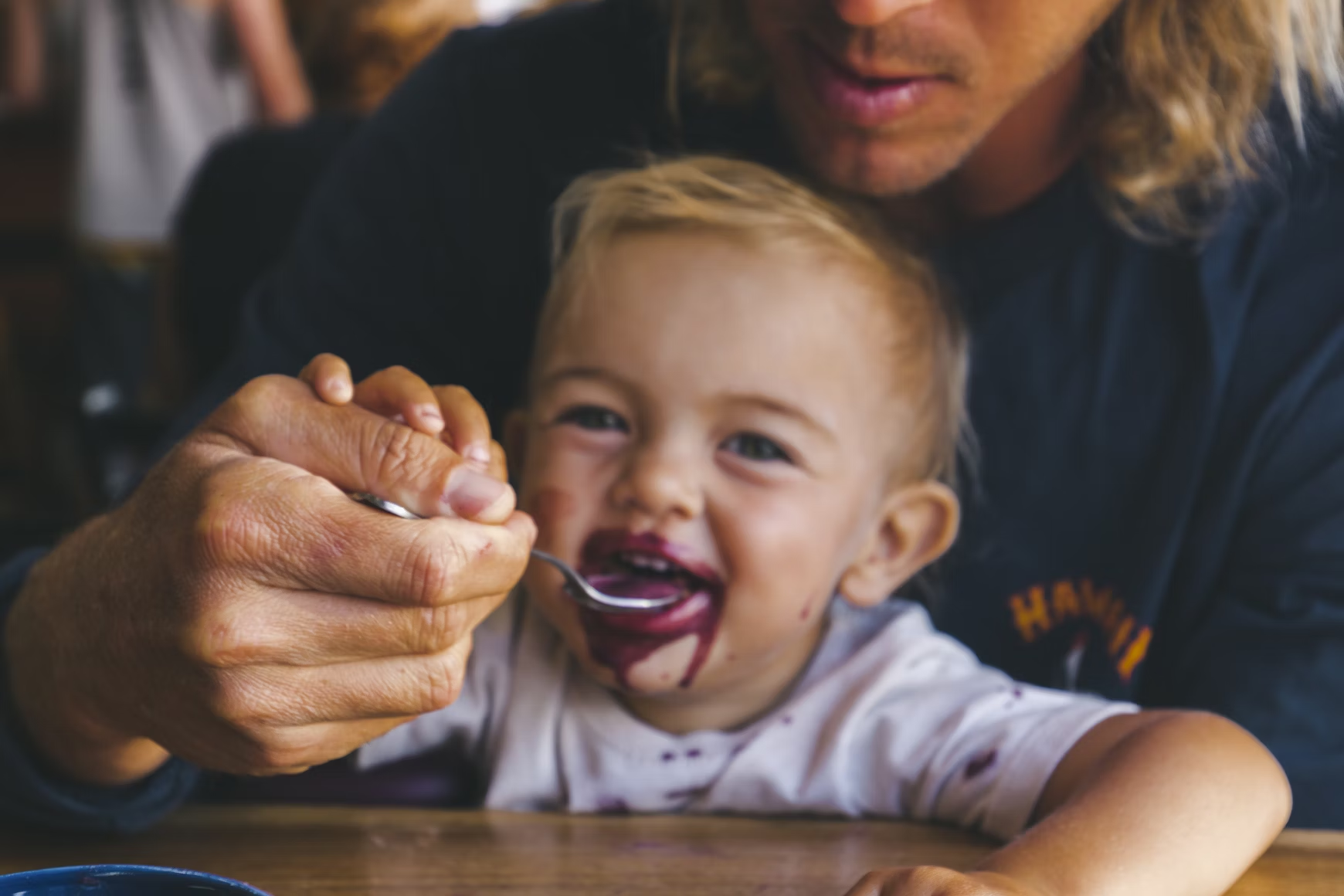
Baby being spoon-fed soft food.
Image Source: Unsplash

It’s broccoli vs. willpower, and your toddler is winning—again. If you’ve ever pleaded “Just one bite” while your child clamps their mouth shut, you’re not alone. Mealtime battles can feel endless, emotional, and exhausting. The good news? A calmer, more effective path exists. The five core strategies below—plus a bonus tip—are rooted in research and real-life coaching with families. Put them together and you’ll transform the table from a battlefield into a place of connection (and yes, actual eating).

1. Stick to a Steady Mealtime Rhythm

Toddlers thrive on predictability. Scheduling breakfast, lunch, dinner, and two snacks at roughly the same times each day helps regulate hunger cues and mood swings. When small stomachs know fuel is coming, they’re less likely to launch a hunger-induced protest. Aim for meals every three to four hours and snacks midway between. A posted family “food clock” or picture schedule can help toddlers visualize when the next eating opportunity arrives, reducing panic or begging minutes after they push the plate away. Structure sets the stage for success.

2. Offer Variety—Minus the Pressure

Present two to three food groups at each meal: a protein, a fruit or veggie, and a starch or dairy. Add a “safe food” you know your toddler usually accepts (a few plain crackers or cheese cubes) so they never arrive at the table fearing total unfamiliarity. Then step back. Research shows toddlers often need 10–15 exposures to a new food before trying it voluntarily. Your job: expose without insisting. Statements like “These carrots are crunchy—you can taste if you’re curious” invite exploration while preserving autonomy.

3. Ditch Bribes, Threats & Dessert Deals

Promising ice cream for broccoli teaches that veggies are chores and sweets are rewards. Linking foods to morality (“good” vs. “bad”) or performance (“finish or no TV”) plants unhealthy associations that can linger into adulthood. Keep desserts and treats neutral: if you plan to serve a cookie, offer it alongside the meal or as an unconditional after-dinner item, not as ransom. Likewise, avoid punishments like “Go to bed hungry” which can erode trust and increase anxiety around food.

4. Avoid Food Negotiations and One-More-Bite Bargains

The Division of Responsibility in Feeding, popularized by dietitian Ellyn Satter, clarifies roles: parents decide what, when, and where food is offered; children decide whether and how much to eat from what’s provided. Nagging “three more bites” or cooking a second meal when the first is rejected turns eating into a power game. Re-serve leftovers at the next programmed snack if you wish, but stick to the menu. Over time your toddler learns the table is predictable, not a stage for endless haggling.

5. Keep Your Cool—Model the Behavior You Want

Toddlers read facial expressions and tone better than they process explanations. A tight jaw or sigh signals mealtime stress even before words emerge. If a plate is flung, take a breath, remove the food calmly, and state the limit: “Food stays on the table. Let’s clean and try again.” Losing your temper may silence the protest in the moment, but it fuels anxiety at future meals. If you feel anger bubbling, tag-team with another adult or call a quick “reset” break. Your regulation teaches them regulation.

Smiling toddler being spoon-fed by an adult.
Image Source: Unsplash

Bonus: Involve Toddlers Before the Meal Starts

Kids who help shop, wash produce, or stir batter are more invested in tasting the final result. Toddlers can rinse grapes, dump pre-measured ingredients, or garnish plates with parsley “confetti.” The sensory play of touching squishy dough or snapping green beans demystifies new foods. Let them proudly carry a dish to the table and announce, “I made the salad!” Participation builds ownership—and curiosity often triumphs over skepticism.

Putting It All Together

Ending toddler mealtime battles isn’t about perfection; it’s about consistency plus calm presence. A predictable schedule eases hunger swings, variety without pressure sparks exploration, and firm boundaries keep negotiations at bay. When you model patience—and invite tiny hands into prep work—meals shift from struggle to shared experience.

Remember: toddlers’ appetites and preferences change daily. A skipped meal is not a failure; it’s part of learning to listen to their bodies. Over weeks and months, these strategies create a foundation of trust, autonomy, and balanced nutrition.

Do you have a hard-won tip that tamed a mealtime meltdown—or a funny food flop to share? Drop it in the comments. Your story might help another exhausted parent breathe easier tonight.

Read More

  • Can Yelling Ever Be “Justified” Parenting—or Is It Always Damage?
  • Meal Planning For A Family On A Budget

Samantha Warren
Samantha

Samantha Warren is a holistic marketing strategist with 8+ years of experience partnering with startups, Fortune 500 companies, and everything in between. With an entrepreneurial mindset, she excels at shaping brand narratives through data-driven, creative content. When she’s not working, Samantha loves to travel and draws inspiration from her trips to Thailand, Spain, Costa Rica, and beyond.

Filed Under: Parenting Tagged With: feeding toddlers | Toddler Eating & Nutrition, mealtime struggles, parenting tips, picky eaters, toddler food habits, toddler mealtime battles, toddler nutrition

10 Cheap Dinners Your Kids Will Actually Eat Without Complaining

April 22, 2025 | Leave a Comment

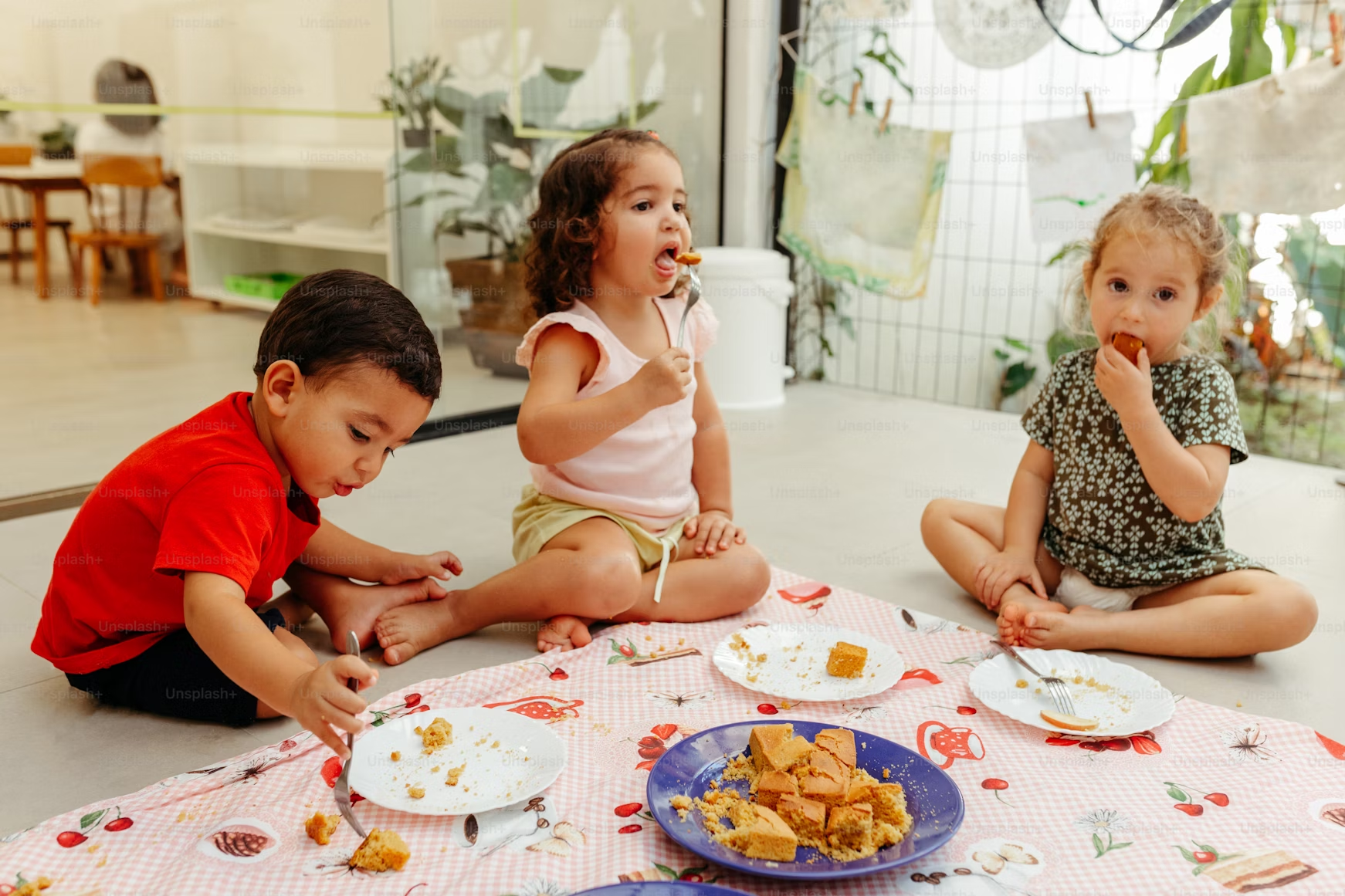
Kids happily enjoying a budget-friendly meal together.
Image Source: Unsplash

If your table has become a battleground between your budget and your child’s taste buds, you’re not alone. Feeding a family without overspending—or hearing nonstop grumbling—can feel like an Olympic sport. The good news? Dinner doesn’t have to be expensive or stressful. With a few pantry staples and some creative twists, you can whip up meals that are easy on your wallet and big on flavor. Below are ten cheap dinners kids happily devour—minus the dramatic sighs and bargaining.

1. Lazy Lasagna (Frozen Ravioli Lasagna)

Skip the noodle‑boil hustle: layer frozen cheese ravioli with marinara and shredded mozzarella, then bake until bubbly. It’s a clever spin I found while browsing these kid‑friendly dinner ideas. Customize with ground meat or hidden veggies; a family‑size pan costs about seven dollars.

2. Chicken Broccoli Rice Casserole

Combine canned or rotisserie chicken, steamed rice, frozen broccoli florets, a can of condensed cream soup (any flavor you like), a cup of milk, and a fistful of shredded cheddar. Mix in one bowl, dump in a casserole dish, and bake until the top is lightly browned. Everything cooks in one pan, leaving you with minimal cleanup and hearty leftovers for tomorrow’s lunchboxes.

3. Spanish Rice Soup

Got leftover white or brown rice? Simmer it with a can of crushed tomatoes, a can of black or pinto beans, chicken or veggie broth, and a sprinkle of cumin and chili powder. In fifteen minutes you have a smoky, satisfying soup for about three dollars.

Hand each child a ramekin of shredded cheddar or tortilla strips for DIY garnishing; kids are far more likely to eat when they “decorate” their bowls.

4. Ramen Noodle Stir‑Fry

Upgrade those 30‑cent ramen packets with frozen veggies and soy sauce. Ready in ten minutes, it costs less than four dollars and sneaks in produce without protest.

5. Lentil Spaghetti

Swap ground beef for lentils in your red sauce. The texture satisfies pasta lovers, the protein keeps everyone full, and the price tag hovers around five dollars.

6. Breakfast‑for‑Dinner Pancakes

Fluffy pancakes, scrambled eggs, and sliced fruit make weeknights feel special. Mix a big batch; freeze extras for future “I‑forgot‑to‑thaw‑anything” emergencies.

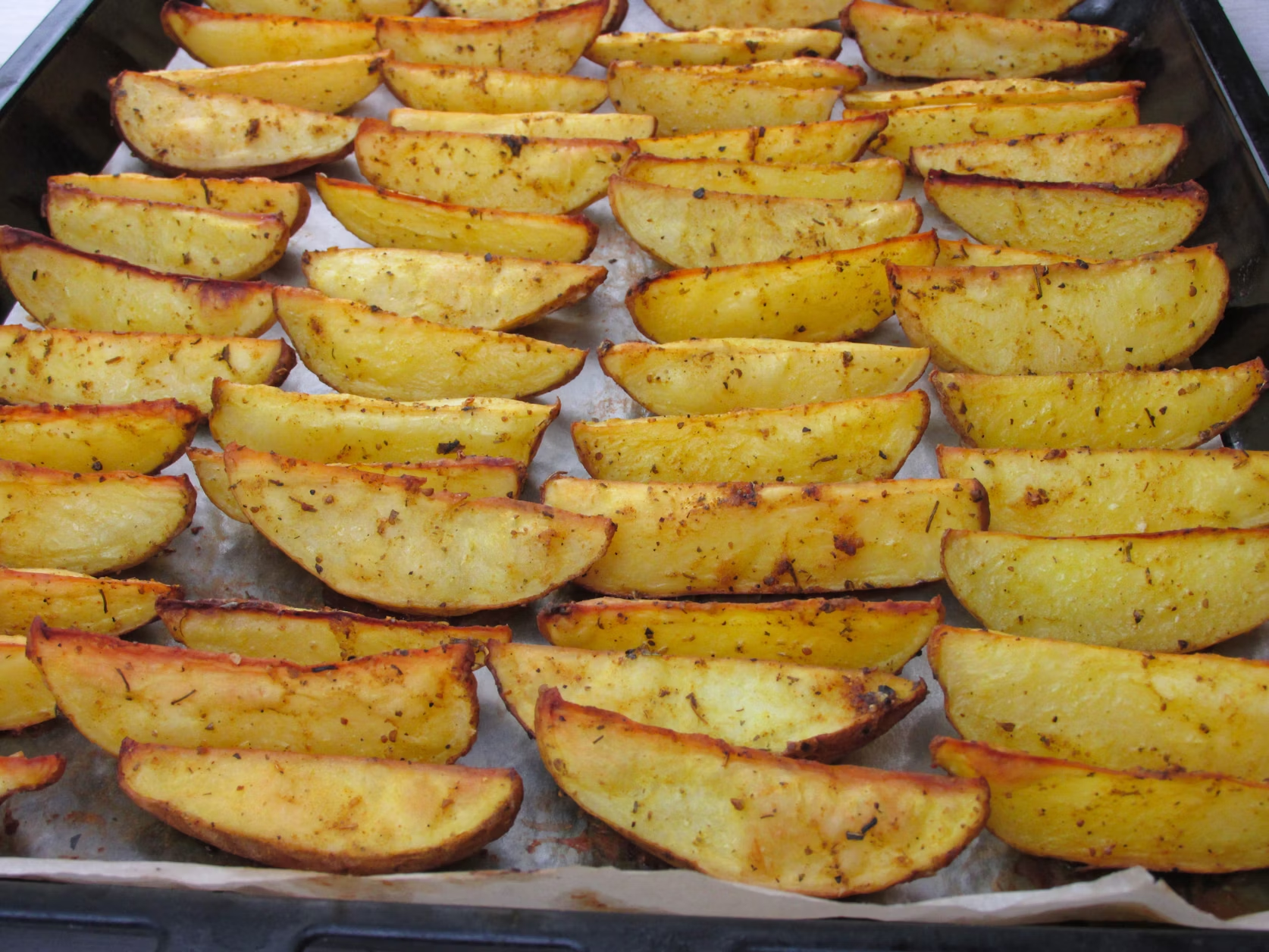
Crispy potato wedges on a tray, perfect for a DIY baked potato bar.
Image Source: Unsplash

7. DIY Baked Potato Bar

Bake russet potatoes, then let kids pile on toppings—cheese, beans, leftover chili, or steamed veggies. Autonomy at the table often means cleaner plates.

8. Grilled Cheese and Tomato Soup

Use sale bread and store‑brand cheese; pair with canned or homemade tomato soup. Dip, dunk, devour—total cost under five dollars.

9. Sloppy Joe Sliders

One pound of seasoned ground meat stretches across a dozen mini buns. Finger foods feel like a treat and portion sizes stay budget‑friendly.

10. Veggie‑Packed Quesadillas

Layer tortillas with cheese and finely chopped spinach or peppers. Pan‑toast until melty; slice into wedges and serve with salsa or yogurt dip. More ideas like this appear in these budget dinner tips for families.

What Dinner Peace Looks Like

These meals prove that quick, inexpensive dinners can still earn rave reviews—especially when kids help choose toppings or stir the sauce. Swap one of your usual standbys for a recipe here and enjoy the sound of satisfied silence (and cleaned plates).

These ten dinners prove you don’t need pricey ingredients or gourmet techniques to keep kids fed and content. Pantry shortcuts, frozen vegetables, and strategic “build‑your‑own” stations reduce both prep time and complaints. Rotate just one of these meals into your weekly plan and listen for the sweetest household sound: forks scraping empty plates instead of sighs and negotiations.

Have a budget‑friendly dinner that wins over your crew every time? Share your secret in the comments—we’re always hungry for new ideas!

Read More

  • Meal Planning For A Family On A Budget
  • How to Cost-Effectively Improve Your Family’s Healthy Eating Habits
Samantha Warren
Samantha

Samantha Warren is a holistic marketing strategist with 8+ years of experience partnering with startups, Fortune 500 companies, and everything in between. With an entrepreneurial mindset, she excels at shaping brand narratives through data-driven, creative content. When she’s not working, Samantha loves to travel and draws inspiration from her trips to Thailand, Spain, Costa Rica, and beyond.

Filed Under: Parenting Tagged With: affordable family meals, budget‑friendly meals, cheap dinner ideas, dinner recipes on a budget, easy meals for kids | Food & Family, kid‑friendly dinners, picky eaters

10 Of The Hardest Foods To Get Young Children To Eat

April 7, 2025 | Leave a Comment

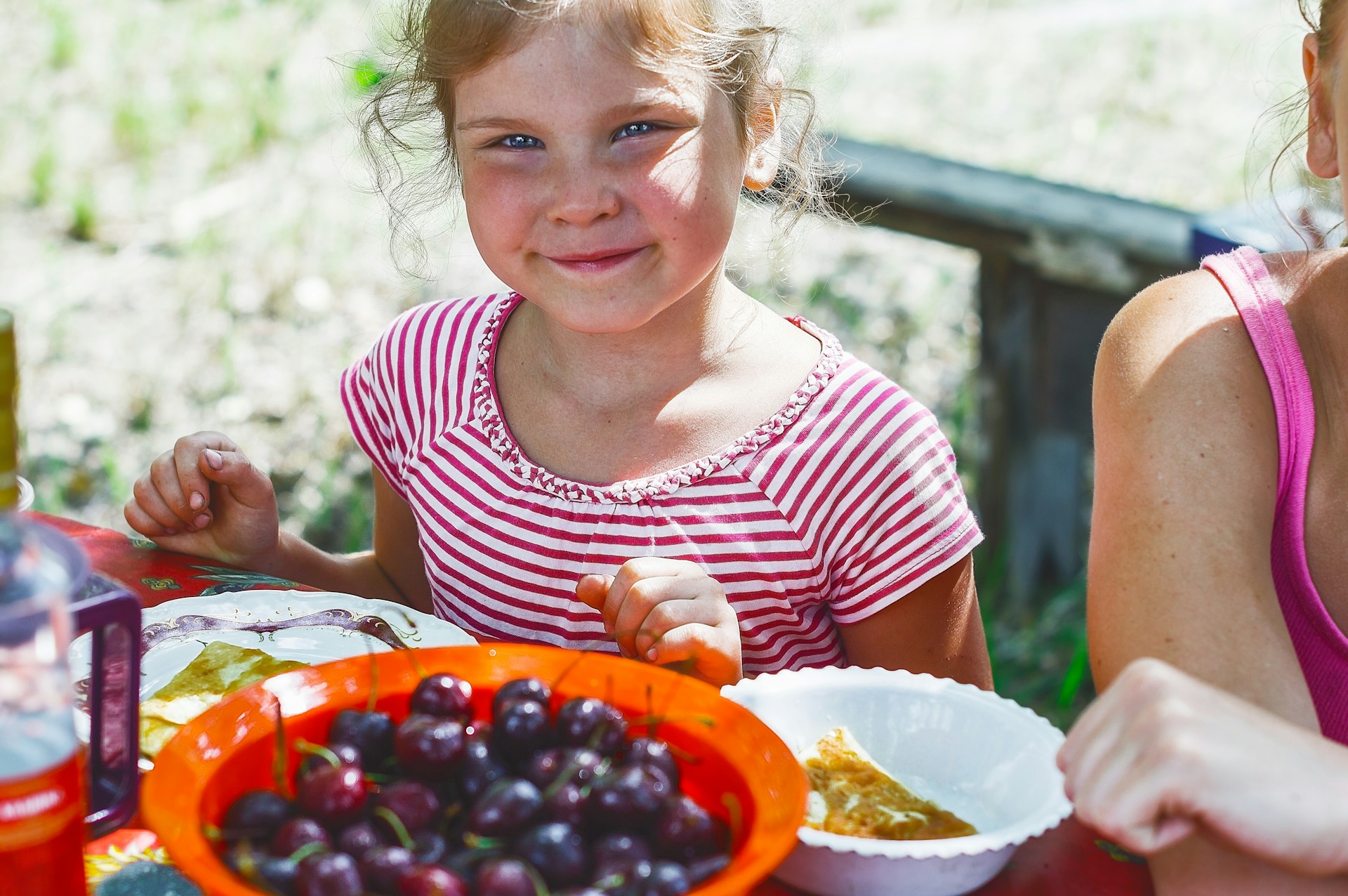
Child sitting at the lunch table
Image Source: Unsplash

Kids are naturally curious eaters—until they aren’t. Sometimes, their aversion to a certain texture, smell, or color is enough to spark a full-on mealtime standoff.

If you’re facing daily battles with picky eaters, rest assured, you’re not alone. It helps to make a habit out of trying new foods weekly, but sometimes you may still face resistance.

Let’s take a look at ten of the most challenging foods for young children and share practical tips to help them feel more comfortable sampling what’s on their plate.

1. Leafy Greens

Spinach, kale, and arugula top the list of most-rejected foods. Their slightly bitter flavor and sometimes “slimy” texture can be too intense for toddlers and preschoolers.

Try This: Blend small amounts of spinach into fruit smoothies, or bake kale chips for a crunchy treat. Keep it low-pressure and celebrate any small steps toward acceptance.

2. Fish

A strong smell, flaky texture, and unfamiliar taste often make fish a tough sell for kids.

Try This: Begin with milder fish like cod or tilapia. Serve it alongside favorite sides, and introduce dipping sauces they already enjoy to make it feel less intimidating.

3. Beans

Beans are nutritional powerhouses, but can feel “mushy” or have a chewy skin that turns kids off.

Try This: Mash beans into quesadillas or blend them into a dip with familiar flavors (like cheese or mild salsa). Offering foods kids can scoop or dip can spark curiosity.

4. Tomatoes

Tomato sauce? No problem. Fresh tomatoes? Totally different story. Seeds and burst-in-your-mouth juices can be overwhelming.

Try This: Roast cherry tomatoes to soften their flavor or cut them into smaller pieces so they’re not such a big surprise. Gradually work up to raw tomatoes in salads.

5. Onions

The sharp flavor and scent of onions—especially raw—can be off-putting for little taste buds.

Try This: Let them watch (or help!) you cook. Sauté onions so the smell dissipates, and explain how cooking changes the flavor. Building familiarity often reduces resistance.

6. Mushrooms

Spongy texture and an earthy smell can make mushrooms an immediate “no.”

Try This: Finely chop or blend them into meatballs, sauces, or pasta dishes where they’re less visible. Over time, kids may realize they enjoy the taste once the “weird look” barrier is lowered.

7. Peas

Despite being small and somewhat sweet, peas are commonly left untouched. The pop they make can be a sensory challenge.

Try This: Mix peas into macaroni and cheese, or mash them with potatoes. Frozen peas can also be a fun, crunchy snack that kids might find more appealing.

8. Eggs

Eggs vary drastically in taste and texture depending on how they’re cooked, leading many kids to say “no thanks.”

Try This: Try muffin-shaped egg cups or mini quiches with cheese. Pairing eggs with a favorite sauce (ketchup, mild salsa) can transform the experience into something fun and familiar.

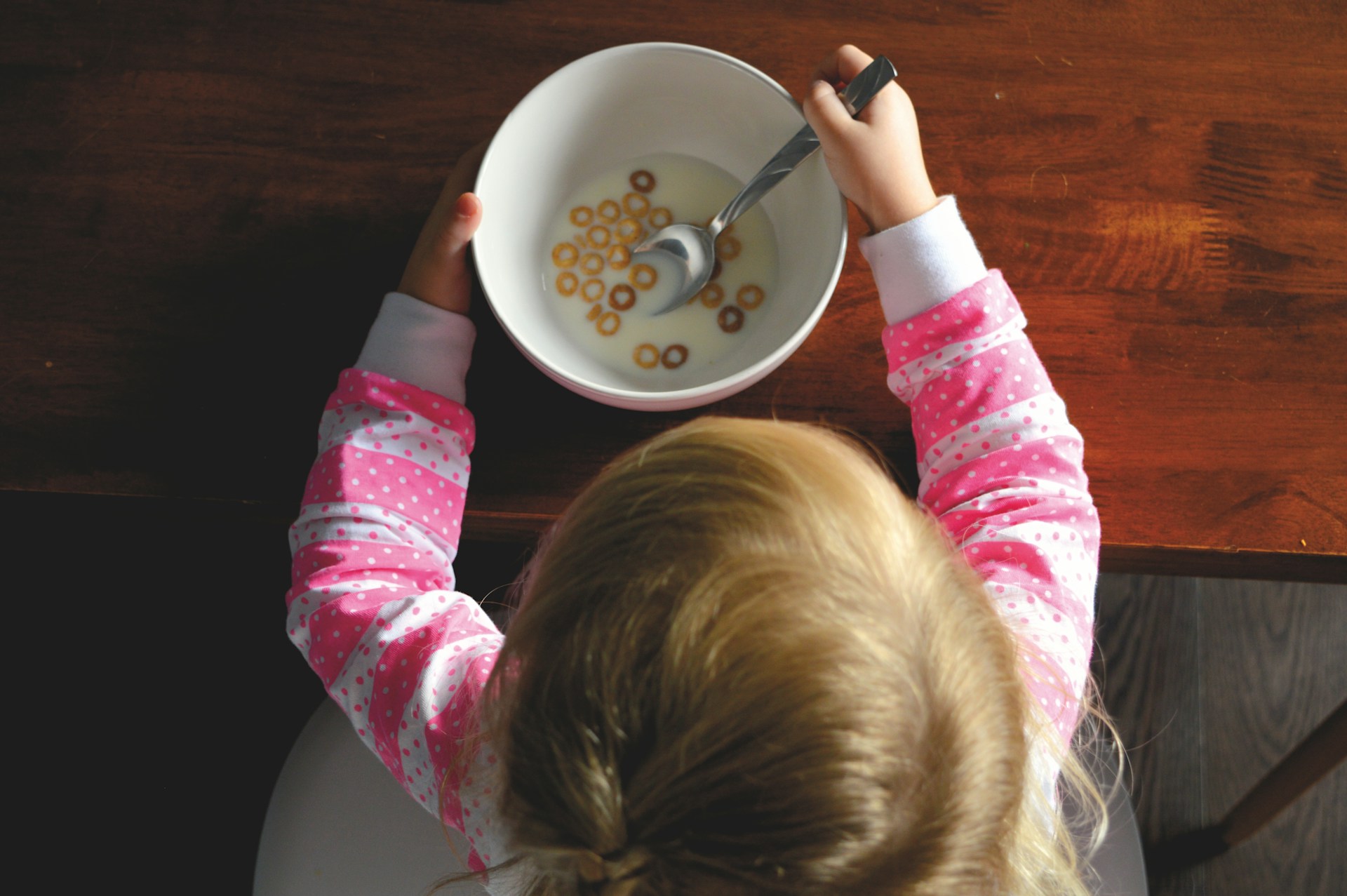
child eating cereal
Image Source: Unsplash

9. Whole Grains

Shifting from white bread or pasta to whole-grain versions is a big change in taste and appearance.

Try This: Start with half-and-half versions, mixing whole-grain pasta or rice with the refined type. Gradual exposure helps them adapt without rejecting it outright.

10. Mixed Dishes (Casseroles, Stir-Fries)

Soups, casseroles, or stir-fries where ingredients “touch” can trigger resistance due to combined textures and flavors.

Try This: Serve components separately at first. For instance, offer plain chicken alongside lightly cooked veggies and rice. Over time, mix small portions to help them adjust.

Nourishing Patience: You’ve Got This

When it comes to picky eaters, remember that persistence and low-pressure exposure are key. Children often need repeated interactions before they feel comfortable tasting something new. 

Keep the atmosphere calm, celebrate small victories, and trust that mealtime harmony is a work in progress—not an overnight transformation.

Do you have a go-to trick for getting kids to try new foods? Share your favorite hack in the comments!

Read More

  • Your Dog Died: 8 Ways To Break The News To Your Child
  • 10 Creative Discipline Techniques That Don’t Involve Time-Outs or Punishments
Samantha Warren
Samantha

Samantha Warren is a holistic marketing strategist with 8+ years of experience partnering with startups, Fortune 500 companies, and everything in between. With an entrepreneurial mindset, she excels at shaping brand narratives through data-driven, creative content. When she’s not working, Samantha loves to travel and draws inspiration from her trips to Thailand, Spain, Costa Rica, and beyond.

Filed Under: Parenting Tagged With: balanced diet, healthy food for kids, kids nutrition, mealtime struggles, parenting tips, picky eaters, toddler meals

Next Page »
  • Facebook
  • Pinterest
  • RSS
  • Twitter

Basic Principles Of Good Parenting

Here some basic principles for good parenting:

  1. What You Do Matters: Your kids are watching you. So, be purposeful about what you want to accomplish.
  2. You Can’t be Too Loving: Don’t replace love with material possessions, lowered expectations or leniency.
  3. Be Involved Your Kids Life: Arrange your priorities to focus on what your kid’s needs. Be there mentally and physically.
  4. Adapt Your Parenting: Children grow quickly, so keep pace with your child’s development.
  5. Establish and Set Rules: The rules you set for children will establish the rules they set for themselves later.  Avoid harsh discipline and be consistent.
  6. Explain Your Decisions: What is obvious to you may not be evident to your child. They don’t have the experience you do.
  7. Be Respectful To Your Child: How you treat your child is how they will treat others.  Be polite, respectful and make an effort to pay attention.
Best Parenting Blogs

Most Popular

Baby

9 Unusual Baby Names That Sound Like They Belong to Future CEOs

Evan Morgan
Baby

10 Baby Names That Were Once Considered “Grandparent Names” but Feel Cool Again

Evan Morgan
Target Store

Choking Incident Prompts Recall of 49,000 Target Gigglescape “Under the Sea” Popping Toys

Evan Morgan
Frustrated Girl

Why Some Students on the Spectrum Are Labeled With ODD

Evan Morgan
Coke Bottles

12 Things Kids Took to School in the ’70s That Would Never Be Allowed Today

Evan Morgan

All content on Kids Ain’t Cheap is for entertainment purposes only. By reading this blog, you agree that Kids Ain’t Cheap is not responsible for any actions taken after reading this blog. For the full disclaimer, see our privacy policy.

Please note that Kids Ain’t Cheap has financial relationships with some of the merchants mentioned here. Kids Ain’t Cheap is funded by banner advertising, commission sales and search optimization consulting.

Copyright © 2006–2026 | District Media | All Rights Reserved | Privacy Policy

Copyright © 2026 Runway Pro Theme by Viva la Violette