• Home
  • About Us
  • Toolkit
  • Archives
  • Advertise
  • Privacy Policy

Kids Ain't Cheap

But They Sure Are Worth It

  • Parenting
    • Baby Stuff
    • Books and Reading
      • Aesops Fables
      • Comic Books
    • Education
    • Family Time
    • Green Living
    • Growing Up
    • Healthy Living & Eating
    • Holidays
    • Parenting
    • Random Musings
    • Shopping
    • Stuff to Do
  • Money
  • Product Reviews
    • Books and Magazines
    • Discount Sites
    • Furniture
    • House Keeping
    • Reviews News
    • Toys and Games
  • Contact Us
  • Our Editorial Commitment
  • Search

8 Sneaky Ways to Get Your Children to Eat Food They Don’t Like

April 30, 2025 | Leave a Comment

Toddler being fed by hand while outdoors.
Image Source: Unsplash

Negotiating with a determined picky eater can feel like sparring with a very small, very stubborn lawyer. Broccoli is “too bumpy,” beans are “too squishy,” and anything remotely green is dismissed on sight. The result? Dinnertime drama for everyone. Fortunately, you don’t have to rely on bribes or battles to build better habits. With patience, creativity, and a pinch of stealth, you can guide kids toward healthier choices—and help them actually enjoy the journey. These eight gentle strategies weave nutrition into familiar favorites, foster curiosity, and keep mealtimes peaceful.

1. Puree Veggies Into Food They Already Love

When a child refuses visible spinach, think blender. Pureeing vegetables into sauces, soups, or even meatballs lets them absorb vitamins without the side-eye. Blend carrots or zucchini into spaghetti sauce, cauliflower into mashed potatoes, or sweet potato into pancake batter. The flavor stays familiar, but the nutrient boost is real. Over time, you can reduce the puree and add tiny visible pieces—building familiarity bit by bit. Remember, you’re not hiding the food forever; you’re introducing it in a friendly format.

2. Offer Dips as Flavor Boosters

Kids love interactive meals. Dipping sliced bell peppers into hummus or apple wedges into peanut butter transforms eating into play. The texture of a smooth dip helps mask the “weirdness” of raw veggies, while strong flavors (garlic, herbs, or mild spice) add excitement. Even a simple yogurt-based ranch makes cucumber slices suddenly worthy of a second bite. Pairing new foods with a favorite dip boosts acceptance rates because children feel more control—and fun—on their forks.

3. Pair “No” Foods with “Yes” Favorites

If plain broccoli bombs, sprinkle cheese on top. Mix peas into buttery pasta. Serve a tiny salad alongside their beloved chicken nuggets. Combining familiar and unfamiliar flavors lowers anxiety by reminding kids that something delicious is still on the plate. Repeated exposure—without pressure—teaches that new foods aren’t scary intruders; they’re teammates. Over weeks, dial back the “yes” helper and let the formerly rejected item star on its own. It’s a gradual, respectful bridge from hesitation to acceptance.

4. Trim Tempting but Less Nutritious Options

Healthy choices can’t compete if chips and cookies dominate the snack shelf. When ultra-salty or sugary foods are always available, even the coolest carrot loses appeal. Reducing these hyper-palatable options nudges kids toward fruit, whole-grain crackers, or yogurt. Rather than banning treats (which can spark rebellious cravings), rotate them as occasional delights. The less processed food crowds the pantry, the more naturally kids gravitate toward wholesome alternatives—especially when you keep fun, ready-to-grab items like dried mango or roasted chickpeas at eye level.

5. Use Creative Shapes or Fun Presentation

Kids eat with their eyes first. Turn lunch into art class! Cut sandwiches with cookie cutters, arrange veggie sticks into rainbow order, or create a smiley-face pizza topped with red-pepper “lips.” Bento-box compartments spark curiosity by separating foods into colorful “treasure” sections. Even a simple toothpick skewer of grape tomatoes and cheese cubes feels party-worthy compared to a plain pile on a plate. Playful plating lowers pressure, shifts the mood to exploration, and often earns at least one enthusiastic nibble.
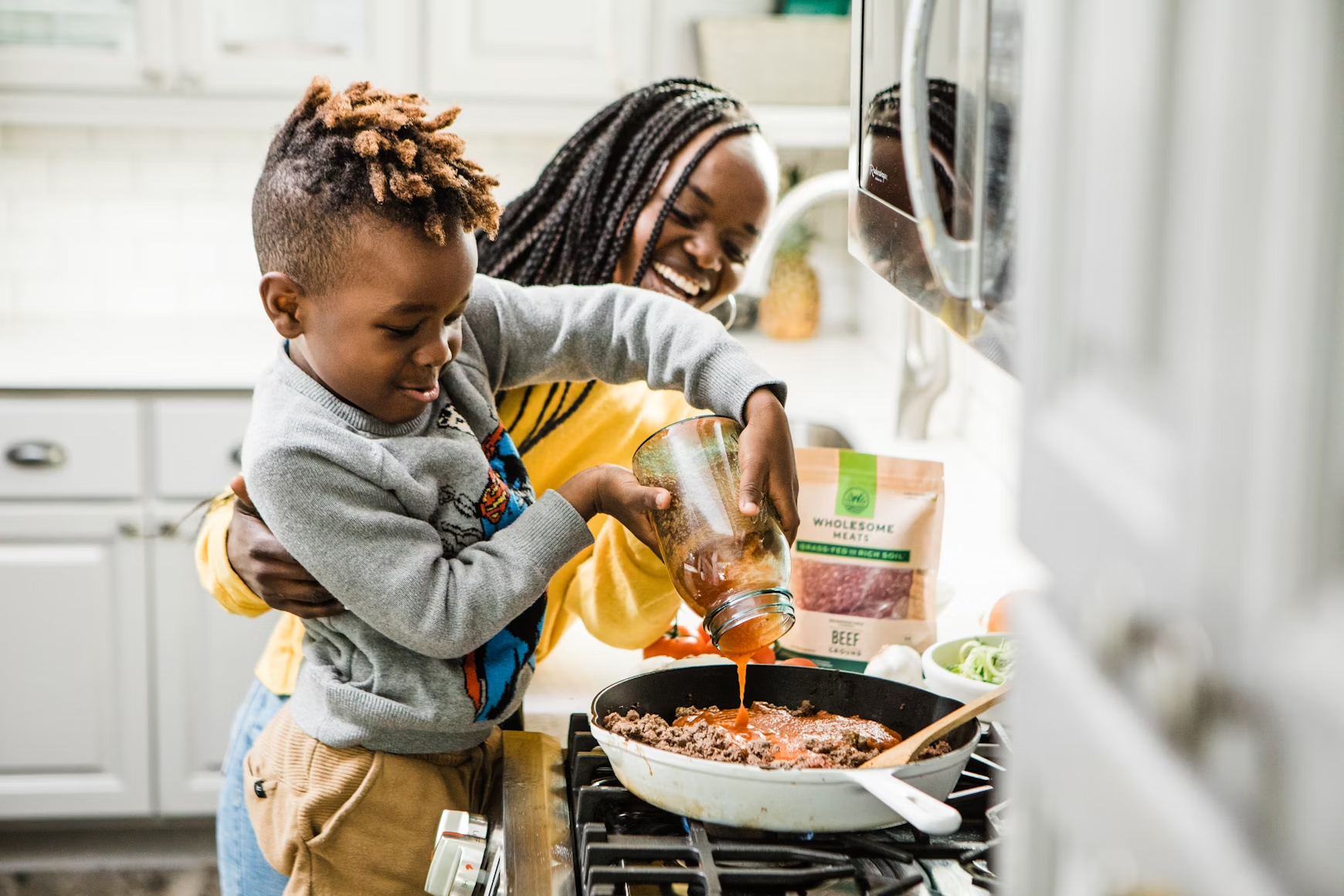
Smiling woman helping a young boy pour sauce into a skillet while cooking together.
Image Source: Unsplash

6. Let Kids Help in the Kitchen

Ownership breeds interest. Invite your child to rinse lettuce, stir pancake batter, or choose one new produce item at the grocery store. When kids invest effort, they develop pride—and curiosity about flavor. Ask open-ended questions as you cook: “How do you think this carrot will taste after roasting?” Cooking together also lets you weave in mini lessons about texture, seasoning, and nutrition without lectures. Over time, the kitchen shifts from battleground to creative lab, and new foods feel like personal inventions instead of parental mandates.

7. Keep Portions Tiny to Avoid Pressure

To a suspicious five-year-old, a golf-ball-size scoop of mashed sweet potato looks like Everest. Serve a single bite or even a pea-sized taste of new food. Tiny portions allow kids to explore without overwhelm or plate-cleaning pressure. Celebrate “try bites” with genuine praise—“You tasted it! How brave!”—rather than bribery. Repeated, low-stress exposure is the number-one predictor that children will eventually accept (and sometimes adore) previously rejected foods.

8. Be Honest—But Stay Positive

Sneaky techniques work best when paired with transparency. If kids discover hidden veggies repeatedly, they may feel tricked and resist in the future. Instead, frame the puree as a flavor upgrade: “We added pumpkin to these muffins for extra sweetness and vitamins.” Talk about how trying new tastes is part of growing strong—just like learning to ride a bike took practice. Positivity is contagious; when you describe broccoli as “earthy and crunchy” rather than “ugh, gross,” kids mirror your attitude.

The Secret Sauce: Your Attitude

Food battles aren’t just about what’s on the plate; they’re shaped by the emotional climate around it. If meals feel tense, children associate new foods with stress. Keep conversations upbeat and pressure-free. Model adventurous eating yourself—let kids see you crunch raw peppers or savor roasted Brussels sprouts. Share genuine enthusiasm: “I love how sweet these tomatoes taste after roasting!” Over months, that energy sinks in.

Remember, picky eating is often a phase rooted in developmental caution. Taste buds mature, curiosity expands, and what was once a “no” can become a favorite. Your job isn’t to win every bite—it’s to keep offering opportunities, stay calm, and trust the process.

What clever tricks have helped your picky eater branch out? Share your funniest or most successful food hacks in the comments—we’d love to swap ideas!

Read More

  • Dealing With Picky Eaters
  • The Picky Eater: You Can Get Them to Eat Their Vegetables If You Do This
Samantha Warren
Samantha

Samantha Warren is a holistic marketing strategist with 8+ years of experience partnering with startups, Fortune 500 companies, and everything in between. With an entrepreneurial mindset, she excels at shaping brand narratives through data-driven, creative content. When she’s not working, Samantha loves to travel and draws inspiration from her trips to Thailand, Spain, Costa Rica, and beyond.

Filed Under: Parenting Tagged With: child development | Family Nutrition, getting kids to eat vegetables, healthy eating for kids, kids nutrition, mealtime struggles, parenting advice, parenting tips, picky eating

Mealtime Battles: Ending Power Struggles Over Toddler Foods

April 25, 2025 | Leave a Comment

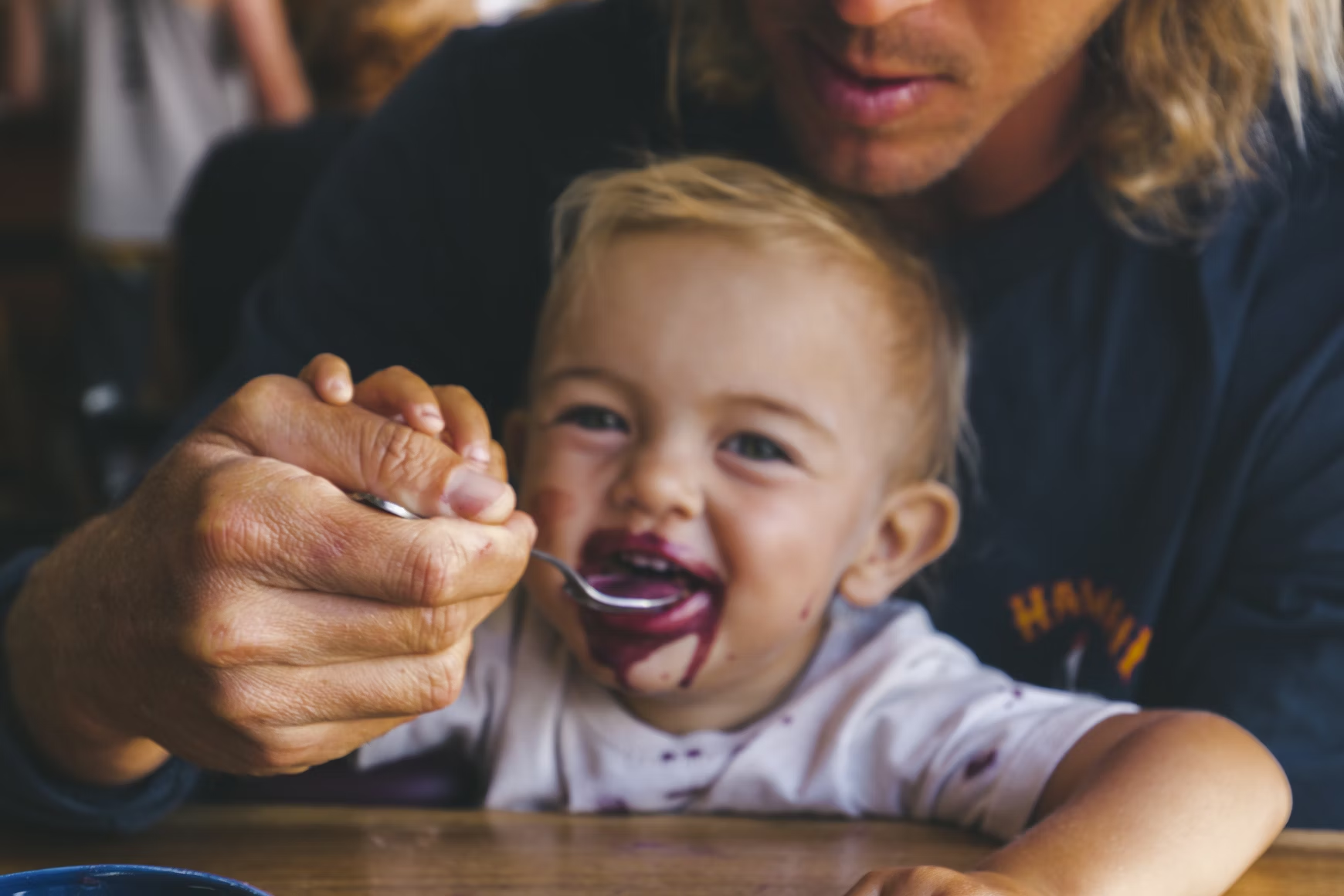
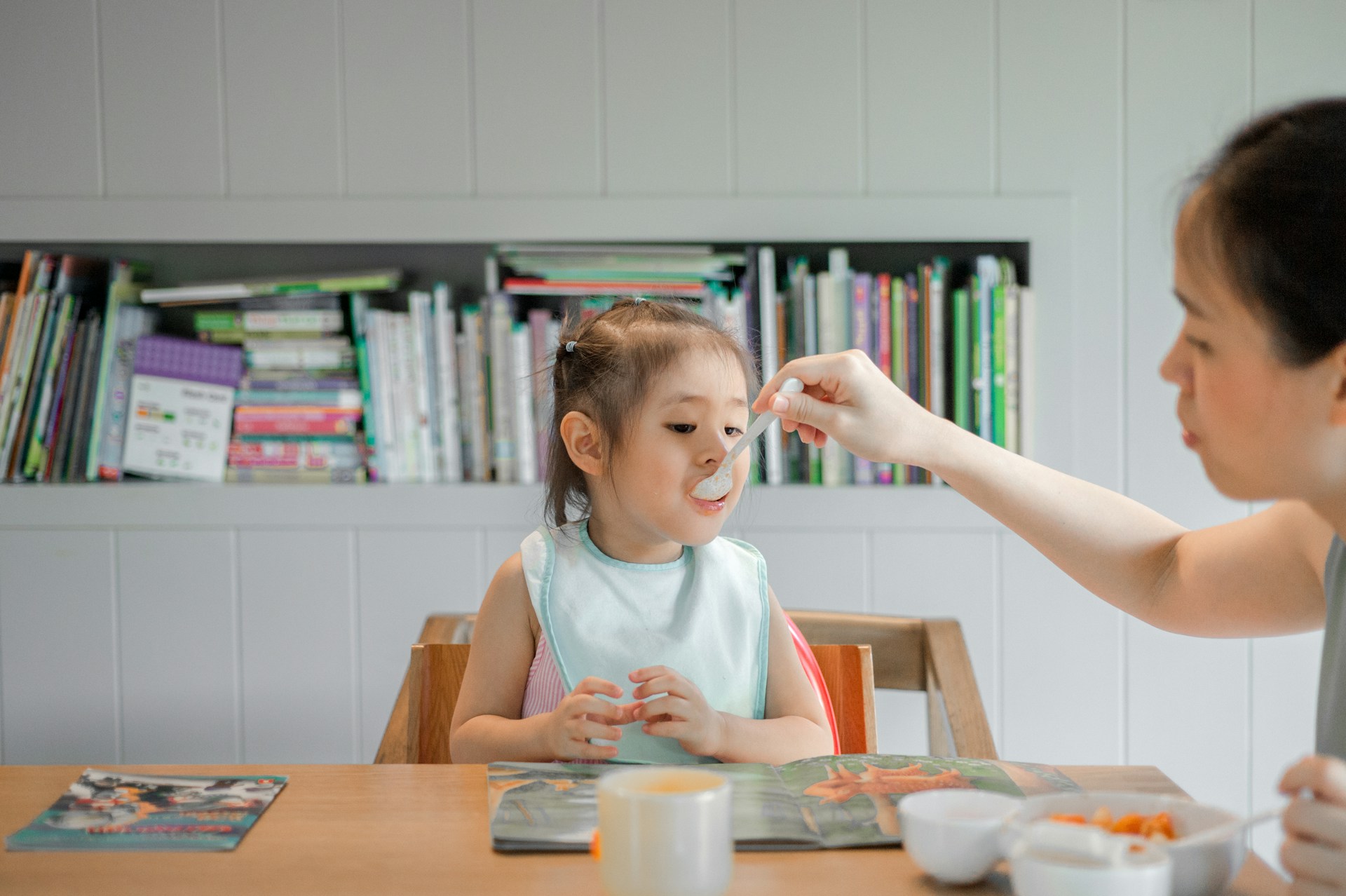
Baby being spoon-fed soft food.
Image Source: Unsplash

It’s broccoli vs. willpower, and your toddler is winning—again. If you’ve ever pleaded “Just one bite” while your child clamps their mouth shut, you’re not alone. Mealtime battles can feel endless, emotional, and exhausting. The good news? A calmer, more effective path exists. The five core strategies below—plus a bonus tip—are rooted in research and real-life coaching with families. Put them together and you’ll transform the table from a battlefield into a place of connection (and yes, actual eating).

1. Stick to a Steady Mealtime Rhythm

Toddlers thrive on predictability. Scheduling breakfast, lunch, dinner, and two snacks at roughly the same times each day helps regulate hunger cues and mood swings. When small stomachs know fuel is coming, they’re less likely to launch a hunger-induced protest. Aim for meals every three to four hours and snacks midway between. A posted family “food clock” or picture schedule can help toddlers visualize when the next eating opportunity arrives, reducing panic or begging minutes after they push the plate away. Structure sets the stage for success.

2. Offer Variety—Minus the Pressure

Present two to three food groups at each meal: a protein, a fruit or veggie, and a starch or dairy. Add a “safe food” you know your toddler usually accepts (a few plain crackers or cheese cubes) so they never arrive at the table fearing total unfamiliarity. Then step back. Research shows toddlers often need 10–15 exposures to a new food before trying it voluntarily. Your job: expose without insisting. Statements like “These carrots are crunchy—you can taste if you’re curious” invite exploration while preserving autonomy.

3. Ditch Bribes, Threats & Dessert Deals

Promising ice cream for broccoli teaches that veggies are chores and sweets are rewards. Linking foods to morality (“good” vs. “bad”) or performance (“finish or no TV”) plants unhealthy associations that can linger into adulthood. Keep desserts and treats neutral: if you plan to serve a cookie, offer it alongside the meal or as an unconditional after-dinner item, not as ransom. Likewise, avoid punishments like “Go to bed hungry” which can erode trust and increase anxiety around food.

4. Avoid Food Negotiations and One-More-Bite Bargains

The Division of Responsibility in Feeding, popularized by dietitian Ellyn Satter, clarifies roles: parents decide what, when, and where food is offered; children decide whether and how much to eat from what’s provided. Nagging “three more bites” or cooking a second meal when the first is rejected turns eating into a power game. Re-serve leftovers at the next programmed snack if you wish, but stick to the menu. Over time your toddler learns the table is predictable, not a stage for endless haggling.

5. Keep Your Cool—Model the Behavior You Want

Toddlers read facial expressions and tone better than they process explanations. A tight jaw or sigh signals mealtime stress even before words emerge. If a plate is flung, take a breath, remove the food calmly, and state the limit: “Food stays on the table. Let’s clean and try again.” Losing your temper may silence the protest in the moment, but it fuels anxiety at future meals. If you feel anger bubbling, tag-team with another adult or call a quick “reset” break. Your regulation teaches them regulation.

Smiling toddler being spoon-fed by an adult.
Image Source: Unsplash

Bonus: Involve Toddlers Before the Meal Starts

Kids who help shop, wash produce, or stir batter are more invested in tasting the final result. Toddlers can rinse grapes, dump pre-measured ingredients, or garnish plates with parsley “confetti.” The sensory play of touching squishy dough or snapping green beans demystifies new foods. Let them proudly carry a dish to the table and announce, “I made the salad!” Participation builds ownership—and curiosity often triumphs over skepticism.

Putting It All Together

Ending toddler mealtime battles isn’t about perfection; it’s about consistency plus calm presence. A predictable schedule eases hunger swings, variety without pressure sparks exploration, and firm boundaries keep negotiations at bay. When you model patience—and invite tiny hands into prep work—meals shift from struggle to shared experience.

Remember: toddlers’ appetites and preferences change daily. A skipped meal is not a failure; it’s part of learning to listen to their bodies. Over weeks and months, these strategies create a foundation of trust, autonomy, and balanced nutrition.

Do you have a hard-won tip that tamed a mealtime meltdown—or a funny food flop to share? Drop it in the comments. Your story might help another exhausted parent breathe easier tonight.

Read More

  • Can Yelling Ever Be “Justified” Parenting—or Is It Always Damage?
  • Meal Planning For A Family On A Budget

Samantha Warren
Samantha

Samantha Warren is a holistic marketing strategist with 8+ years of experience partnering with startups, Fortune 500 companies, and everything in between. With an entrepreneurial mindset, she excels at shaping brand narratives through data-driven, creative content. When she’s not working, Samantha loves to travel and draws inspiration from her trips to Thailand, Spain, Costa Rica, and beyond.
Filed Under: Parenting Tagged With: feeding toddlers | Toddler Eating & Nutrition, mealtime struggles, parenting tips, picky eaters, toddler food habits, toddler mealtime battles, toddler nutrition

The Picky Eater: You Can Get Them to Eat Their Vegetables If You Do This

April 13, 2025 | Leave a Comment

child eating food
Image Source: Unsplash

If you’ve ever watched your child declare war on a single baby carrot, you’re not alone. Getting a picky eater to embrace vegetables can feel like trying to get a cat to love swimming: unnatural, exhausting, and maybe even impossible.

Here’s the good news—it doesn’t have to be that way. There are research-backed strategies you can implement, no bribes or battles required (though the occasional hidden spinach brownie isn’t off the table). With patience, creativity, and empathy, your child can really learn to love (or at least tolerate) their greens.

Serve the Veggies First—When Hunger Is on Your Side

This idea is simple yet surprisingly effective: serve vegetables as the very first course. When kids are at their hungriest—right at mealtime’s start—they’re more inclined to nibble on whatever’s in front of them. That “mini-starvation” moment is your golden opportunity.

According to research on helping picky eaters try veggies, placing vegetables center stage early on can boost how much they’ll eat. It’s an easy tweak that pays off over time.

Consistency and Patience Go Further Than You Think

If your child rejects green beans today, it doesn’t mean they’ll hate them tomorrow. Experts agree that consistently offering vegetables, even when they’re refused, reduces food aversions over time. It can take ten (or more) exposures before a child might be open to sampling a new food. That’s where your patience becomes a quiet superpower.

Staying calm and steady—without forcing or bribing—eventually helps kids feel more comfortable saying yes.

Tune Into Their Texture Preferences

Sometimes the deal-breaker isn’t flavor—it’s texture. One picky eater might despise the mushiness of peas but love the crunch of raw carrots. Observing your child’s likes and dislikes can help you find a veggie prep style that’s more positive than pushy. Experts emphasize that addressing sensory sensitivities is one of the best ways to encourage food acceptance. Whether it’s crisp, roasted, or blended, offering vegetables in a texture your child enjoys can be a game-changer.

Eat Together—Because You’re Their Model (Even at the Dinner Table)

Kids watch everything we do—including how we handle our own plates. If they frequently see you devouring a colorful array of veggies, they’re more likely to become curious and, in time, follow suit. Family meals create an environment that’s low-pressure for exploring new foods. Also, letting your child help with small cooking tasks—like washing lettuce or snapping green beans—builds ownership and curiosity. Research shows that parental modeling is critical for shaping positive food attitudes, especially around vegetables.

confused looking child eating salami
Image Source: Unsplash

Keep Things Interesting: Color, Crunch, and Choice

One secret to beating food boredom is variety. Consider rotating vegetables with different textures and flavors—bell peppers, roasted sweet potatoes, and cucumber slices. This helps picky eaters realize not all greens are created equal. When possible, allow them to choose which vegetable to try, giving them a small sense of control.

According to resources from the CDC, switching up veggies can help increase a child’s acceptance of them over time. Vibrant colors and different cooking methods can make a child’s plate feel more like an adventure than a punishment.

What You Say Matters Too

Ever tried saying “You’ll like it if you just try!” only to get a firm “No thanks”? Turns out pressuring kids, even gently, can backfire. Instead, try inviting language: “Want to see if it crunches?” or “Should we do a taste test?” This approach makes tasting feel like an exciting experiment instead of a chore. Your words set the emotional tone, so try to keep it light, friendly, and free from expectation. If they detect stress or urgency in your voice, they’re more likely to dig their heels in.

Here’s What’s Actually Worth Your Energy

You may not turn your picky eater into a kale enthusiast by next week—and that’s perfectly okay. The goal is to create a supportive atmosphere where tasting vegetables is the norm, not the battle of the day. Small steps like serving veggies first, letting them see you enjoy vegetables, and respecting texture aversions can slowly build trust at the table. Over time, hesitant nibbles can become actual bites—and you might even find them willingly adding peas to their plate down the road, no bribes needed.

What’s Worked for You?

Have a favorite veggie trick or success story? Maybe a go-to recipe that finally got your little one excited about zucchini? Share your tips in the comments—together, we can help each other navigate the picky eater phase without tearing our hair out.

Read More

  • Yes, I Love My Kids—But I Miss Who I Was Before I Became a Parent
  • Can You Afford to Be a Stay-at-Home Parent? Here’s a Simple Calculator
Samantha Warren
Samantha

Samantha Warren is a holistic marketing strategist with 8+ years of experience partnering with startups, Fortune 500 companies, and everything in between. With an entrepreneurial mindset, she excels at shaping brand narratives through data-driven, creative content. When she’s not working, Samantha loves to travel and draws inspiration from her trips to Thailand, Spain, Costa Rica, and beyond.

Filed Under: Parenting Tagged With: children diet tips, healthy eating for families, kids nutrition, mealtime struggles, picky eater, vegetables

10 Of The Hardest Foods To Get Young Children To Eat

April 7, 2025 | Leave a Comment

Child sitting at the lunch table
Image Source: Unsplash

Kids are naturally curious eaters—until they aren’t. Sometimes, their aversion to a certain texture, smell, or color is enough to spark a full-on mealtime standoff.

If you’re facing daily battles with picky eaters, rest assured, you’re not alone. It helps to make a habit out of trying new foods weekly, but sometimes you may still face resistance.

Let’s take a look at ten of the most challenging foods for young children and share practical tips to help them feel more comfortable sampling what’s on their plate.

1. Leafy Greens

Spinach, kale, and arugula top the list of most-rejected foods. Their slightly bitter flavor and sometimes “slimy” texture can be too intense for toddlers and preschoolers.

Try This: Blend small amounts of spinach into fruit smoothies, or bake kale chips for a crunchy treat. Keep it low-pressure and celebrate any small steps toward acceptance.

2. Fish

A strong smell, flaky texture, and unfamiliar taste often make fish a tough sell for kids.

Try This: Begin with milder fish like cod or tilapia. Serve it alongside favorite sides, and introduce dipping sauces they already enjoy to make it feel less intimidating.

3. Beans

Beans are nutritional powerhouses, but can feel “mushy” or have a chewy skin that turns kids off.

Try This: Mash beans into quesadillas or blend them into a dip with familiar flavors (like cheese or mild salsa). Offering foods kids can scoop or dip can spark curiosity.

4. Tomatoes

Tomato sauce? No problem. Fresh tomatoes? Totally different story. Seeds and burst-in-your-mouth juices can be overwhelming.

Try This: Roast cherry tomatoes to soften their flavor or cut them into smaller pieces so they’re not such a big surprise. Gradually work up to raw tomatoes in salads.

5. Onions

The sharp flavor and scent of onions—especially raw—can be off-putting for little taste buds.

Try This: Let them watch (or help!) you cook. Sauté onions so the smell dissipates, and explain how cooking changes the flavor. Building familiarity often reduces resistance.

6. Mushrooms

Spongy texture and an earthy smell can make mushrooms an immediate “no.”

Try This: Finely chop or blend them into meatballs, sauces, or pasta dishes where they’re less visible. Over time, kids may realize they enjoy the taste once the “weird look” barrier is lowered.

7. Peas

Despite being small and somewhat sweet, peas are commonly left untouched. The pop they make can be a sensory challenge.

Try This: Mix peas into macaroni and cheese, or mash them with potatoes. Frozen peas can also be a fun, crunchy snack that kids might find more appealing.

8. Eggs

Eggs vary drastically in taste and texture depending on how they’re cooked, leading many kids to say “no thanks.”

Try This: Try muffin-shaped egg cups or mini quiches with cheese. Pairing eggs with a favorite sauce (ketchup, mild salsa) can transform the experience into something fun and familiar.

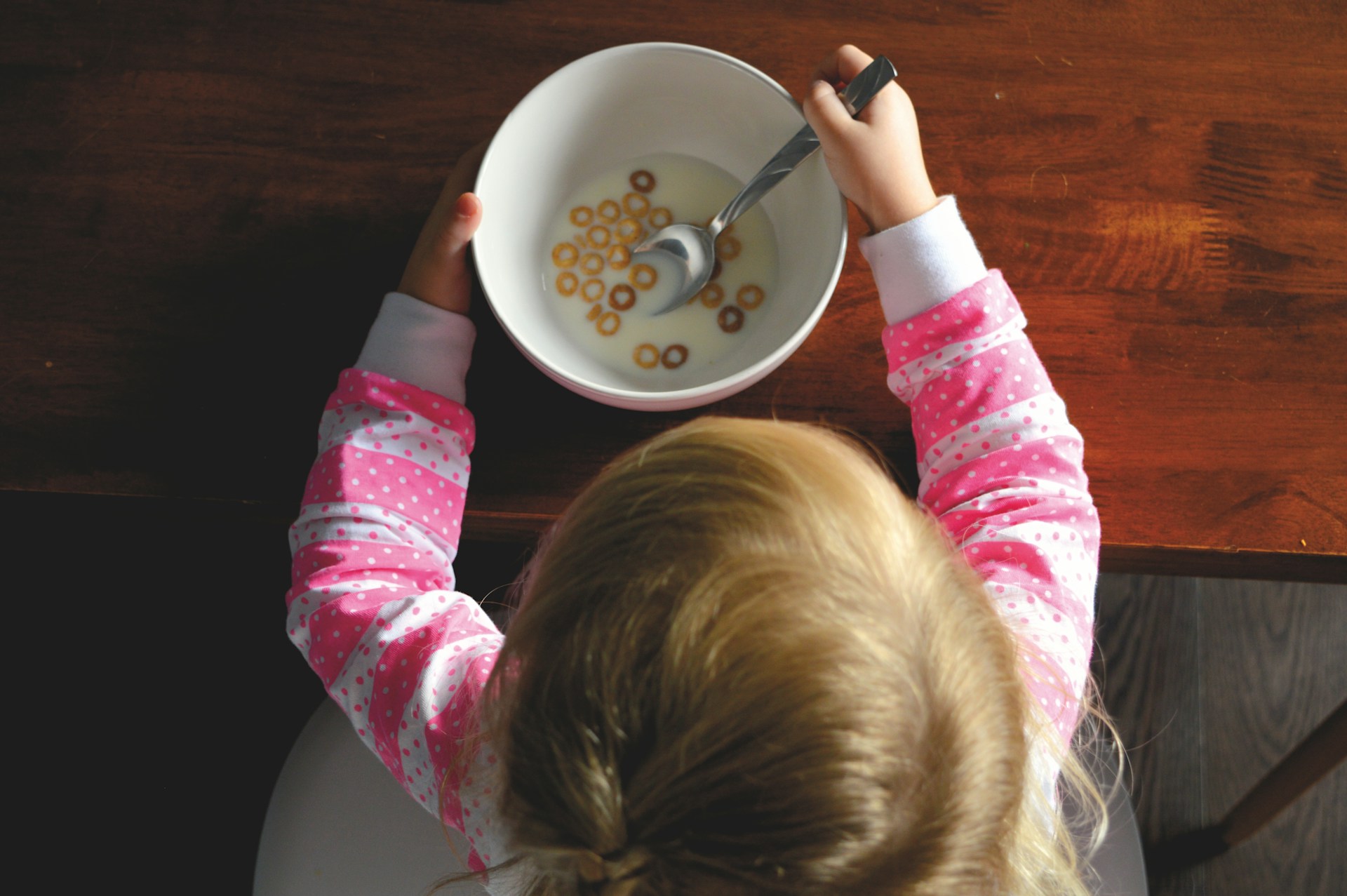
child eating cereal
Image Source: Unsplash

9. Whole Grains

Shifting from white bread or pasta to whole-grain versions is a big change in taste and appearance.

Try This: Start with half-and-half versions, mixing whole-grain pasta or rice with the refined type. Gradual exposure helps them adapt without rejecting it outright.

10. Mixed Dishes (Casseroles, Stir-Fries)

Soups, casseroles, or stir-fries where ingredients “touch” can trigger resistance due to combined textures and flavors.

Try This: Serve components separately at first. For instance, offer plain chicken alongside lightly cooked veggies and rice. Over time, mix small portions to help them adjust.

Nourishing Patience: You’ve Got This

When it comes to picky eaters, remember that persistence and low-pressure exposure are key. Children often need repeated interactions before they feel comfortable tasting something new. 

Keep the atmosphere calm, celebrate small victories, and trust that mealtime harmony is a work in progress—not an overnight transformation.

Do you have a go-to trick for getting kids to try new foods? Share your favorite hack in the comments!

Read More

  • Your Dog Died: 8 Ways To Break The News To Your Child
  • 10 Creative Discipline Techniques That Don’t Involve Time-Outs or Punishments
Samantha Warren
Samantha

Samantha Warren is a holistic marketing strategist with 8+ years of experience partnering with startups, Fortune 500 companies, and everything in between. With an entrepreneurial mindset, she excels at shaping brand narratives through data-driven, creative content. When she’s not working, Samantha loves to travel and draws inspiration from her trips to Thailand, Spain, Costa Rica, and beyond.
Filed Under: Parenting Tagged With: balanced diet, healthy food for kids, kids nutrition, mealtime struggles, parenting tips, picky eaters, toddler meals

  • Facebook
  • Pinterest
  • RSS
  • Twitter

Basic Principles Of Good Parenting

Here some basic principles for good parenting:

  1. What You Do Matters: Your kids are watching you. So, be purposeful about what you want to accomplish.
  2. You Can’t be Too Loving: Don’t replace love with material possessions, lowered expectations or leniency.
  3. Be Involved Your Kids Life: Arrange your priorities to focus on what your kid’s needs. Be there mentally and physically.
  4. Adapt Your Parenting: Children grow quickly, so keep pace with your child’s development.
  5. Establish and Set Rules: The rules you set for children will establish the rules they set for themselves later.  Avoid harsh discipline and be consistent.
  6. Explain Your Decisions: What is obvious to you may not be evident to your child. They don’t have the experience you do.
  7. Be Respectful To Your Child: How you treat your child is how they will treat others.  Be polite, respectful and make an effort to pay attention.
Best Parenting Blogs

Most Popular

Baby

10 Baby Names That Were Once Considered “Grandparent Names” but Feel Cool Again

Evan Morgan
Baby

9 Baby Names Inspired by Fall Without Naming Your Child Autumn

Evan Morgan
Baby

9 Baby Names That Sound Expensive Even Though Naming Your Baby Is Still Free

Evan Morgan
Baby names

Teachers Admit: These 6 Baby Names Create Instant Bias in the Classroom

Latrice Perez
6 Baby Names That Sound Cute Now but Cause Problems Later

6 Baby Names That Sound Cute Now but Cause Problems Later

Brandon Marcus

All content on Kids Ain’t Cheap is for entertainment purposes only. By reading this blog, you agree that Kids Ain’t Cheap is not responsible for any actions taken after reading this blog. For the full disclaimer, see our privacy policy.

Please note that Kids Ain’t Cheap has financial relationships with some of the merchants mentioned here. Kids Ain’t Cheap is funded by banner advertising, commission sales and search optimization consulting.

Copyright © 2006–2026 | District Media | All Rights Reserved | Privacy Policy

Copyright © 2026 Runway Pro Theme by Viva la Violette