• Home
  • About Us
  • Toolkit
  • Archives
  • Advertise
  • Privacy Policy

Kids Ain't Cheap

But They Sure Are Worth It

  • Parenting
    • Baby Stuff
    • Books and Reading
      • Aesops Fables
      • Comic Books
    • Education
    • Family Time
    • Green Living
    • Growing Up
    • Healthy Living & Eating
    • Holidays
    • Parenting
    • Random Musings
    • Shopping
    • Stuff to Do
  • Money
  • Product Reviews
    • Books and Magazines
    • Discount Sites
    • Furniture
    • House Keeping
    • Reviews News
    • Toys and Games
  • Contact Us
  • Our Editorial Commitment
  • Search

Beyond Nuggets: Healthy and Easy Toddler Food Ideas

April 27, 2025 | Leave a Comment

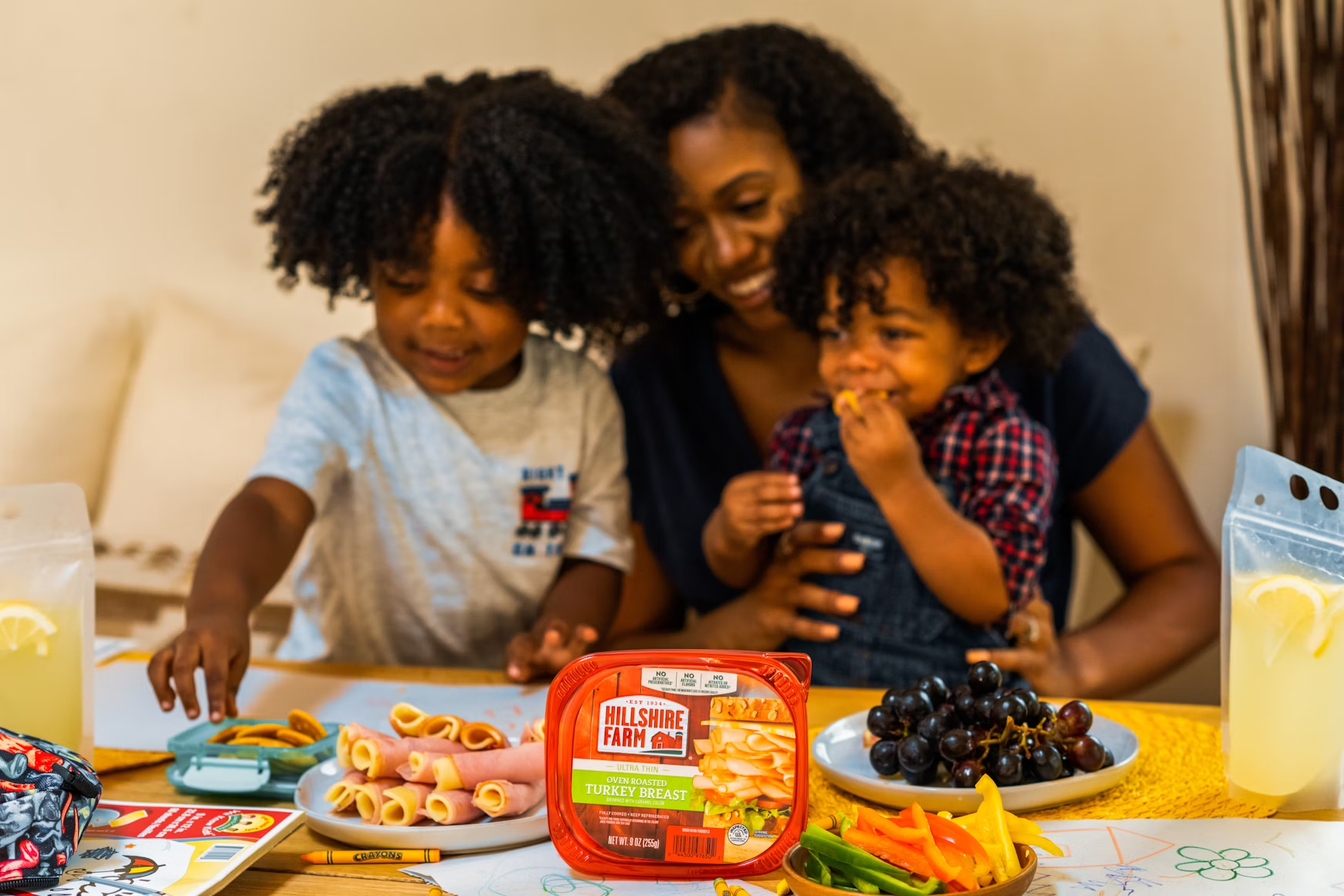
Mom and kids enjoying snacks and crafts at the table.
Image Source: Unsplash

If your little one would happily eat chicken nuggets for breakfast, lunch, and dinner, you’re not the only parent on earth. At this age, pickiness peaks, textures trump taste, and anything green can trigger a meltdown. Still, toddlers need iron, calcium, healthy fats, and fiber to power rapid growth. Below are seven realistic upgrades—no culinary degree required—that add nutrition and variety without sparking civil war at the table.

1. Plant-Based Nuggets: Same Shape, Smarter Inside

No need to ban nuggets; just switch to a plant-based version. Brands like Beyond Chicken or Quorn mimic the crunchy coating kids expect while delivering 50% less saturated fat and bonus fiber from wheat gluten or faba beans. Serve with baked sweet-potato fries or steamed carrot coins. Familiar look, better nutrients—zero toddler drama.

Fast tip: Keep beloved dips (ketchup, hummus, yogurt ranch) on hand. A trusted dip persuades reluctant eaters to try new foods.

2. Two-Minute Smoothies That Pack a Punch

Smoothies are stealth nutrition in a cup:

  • 1 cup Greek yogurt
  • ½ cup frozen berries
  • ½ banana
  • Splash of milk or fortified plant beverage

Blend and hand it off with a handful of whole-grain cereal for crunch. You’ve just supplied protein, calcium, antioxidants, and fiber—ideal for breakfast or afternoon “hangry” hour. Refrigerate extra portions in small jars; they keep 24 hours.

3. Finger Foods That Fuel Independence

Toddlers learn by doing, so stock nutrient-dense finger foods they can grab solo:

  • Soft-steamed broccoli florets
  • Ripe avocado wedges (roll in ground flax so they’re not slippery)
  • Sliced hard-boiled eggs
  • Baked chickpea puffs for plant protein + crunch

Put everything on a divided plate so your child can pick and choose—research shows autonomy increases acceptance of new foods.

Plate with egg, avocado, and toast beside a bowl of yogurt with berries.
Image Source: Unsplash

4. Egg-Veggie Muffins: Meal-Prep MVP

Whisk six eggs with a splash of milk, fold in one cup finely grated zucchini and ¼ cup shredded cheese. Divide into greased mini-muffin tins; bake 15 minutes at 350 °F. These frittata bites supply iron, protein, and hidden veg. Store five days in the fridge or two months in the freezer—reheat 20 seconds for a grab-and-go breakfast or protein-rich snack.

5. Flexi Plant-Forward Plates

You don’t have to go full vegan. Try a “meat-plus” approach: mix minced lentils or tofu into taco meat, meatloaf, or spaghetti sauce. Fiber goes up, saturated fat drops, flavor stays familiar. Fortified soy milk or calcium-set tofu match dairy’s bone-building nutrients, giving allergy families or budget weeks some breathing room.

6. Snack Smart: Upgrade, Don’t Eliminate

Toddlers snack two or three times a day; leverage that grazing:

Old Stand-bySimple UpgradeWhy It Wins
Applesauce pouchDiced pear + cinnamonMore fiber, no added sugar
Cheese crackerWhole-grain pita + hummusAdds protein + chickpea fiber
Fruit snacksFrozen grapes (quartered)Natural sweetness + vitamin C

Present snacks in a muffin tin “sampler.” Novel presentation nudges cautious eaters to explore new textures minus pressure.

7. Involve Your Toddler—Mess and All

Children who help prep meals are far more likely to taste them. Toddlers can rinse berries, tear lettuce, sprinkle cheese on mini pizzas, or pick between the green or blue smoothie straws. These micro-choices satisfy their need for control and expose them to new foods in a low-stakes way. Yes, the counter gets sticky, but the payoff is priceless: a budding eater who’s invested in the meal.

Why These Small Shifts Matter

Early food experiences shape taste buds, gut health, and attitudes toward eating for life. Each new texture, color, or flavor widens your child’s comfort zone and teaches flexibility, crucial for future school cafeterias and birthday parties. Remember: toddlers often need 15+ exposures to accept a new food. Stay calm, keep portions toddler-sized (tablespoon scoops), and celebrate sniffing or licking as forward progress.

Quick FAQ

  • What if my toddler refuses dinner? Offer a consistent bedtime snack like banana and milk. Intake balances over days, not single meals.
  • Are plant-based nuggets allergen-safe? Many contain wheat or soy. If gluten- or soy-free is vital, try homemade chickpea-crumb nuggets baked in the oven.
  • How much protein does a toddler need? Roughly 13 grams daily for ages 1-3—easily met with dairy, beans, eggs, or fortified alternatives.

The Takeaway

Healthy toddler food doesn’t demand Pinterest perfection—just intentional variety and patience. Swap the usual nuggets for plant-powered versions, keep smoothie fixings ready, batch egg muffins once a week, and invite your mini sous-chef to stir, sprinkle, and sample. Those small, steady steps build adventurous eaters, confident helpers, and calmer mealtimes for everyone.

Which unexpected healthy food does your toddler love? Drop your discoveries in the comments—another parent will thank you!

Read More

  • Is Giving a Toddler an iPad the Same as Giving Them Junk Food?
  • 5 Homemade Baby Food Hacks

Samantha Warren
Samantha

Samantha Warren is a holistic marketing strategist with 8+ years of experience partnering with startups, Fortune 500 companies, and everything in between. With an entrepreneurial mindset, she excels at shaping brand narratives through data-driven, creative content. When she’s not working, Samantha loves to travel and draws inspiration from her trips to Thailand, Spain, Costa Rica, and beyond.

Filed Under: Healthy Living & Eating Tagged With: easy toddler recipes, healthy snacks kids love, healthy toddler food, picky eaters, plant-based toddler diet, protein for toddlers, toddler meals, toddler nutrition

Is My Toddler Eating Enough?

April 27, 2025 | Leave a Comment

Smiling toddler in a high chair eating banana and finger foods.
Image Source: Unsplash

Toddlers have an uncanny ability to keep parents guessing: one day they devour everything in sight, the next they survive on a lone strawberry and a cracker crumb. This feast-or-famine pattern is normal, but it can leave you wondering whether your little one is getting the nutrients needed to grow and thrive.

Good news: toddlers typically need far less food than most adults think. Below you’ll find an in-depth look at calorie needs, sample daily menus, portion visuals, common myths, and professional red-flag signs—so you can step away from the clean-plate police and into calmer, happier meals.

Daily Calorie Targets—A Quick Refresher

  • Baseline equation: ~40 calories × your child’s height in inches
  • Typical range (12–36 months): 1,000 – 1,400 calories/day
  • Growth spurts: expect brief spikes in appetite every few weeks

Calories are only half the story, though. Nutrient density (vitamins, minerals, good fats) matters more than raw numbers. If your pediatrician is satisfied with your child’s growth curve, occasional “off days” are rarely a concern.

Portion Size Cheat Sheet (Per Serving)

Food GroupToddler PortionReal-Life Visual
Grains / Starches¼–½ slice bread • 2 Tbsp cooked rice/pastaPing-pong ball
Fruits1–2 Tbsp cooked/soft raw or ½ small piece whole fruit2-3 grapes sliced
Vegetables1–2 Tbsp cooked or finely shredded rawLarge adult thumb
Protein (meat, fish, beans, eggs)1 oz or 2 Tbsp1 chicken-nugget size
Dairy½ cup milk or yogurt • ½ oz cheeseHalf a string cheese
Fats1–2 tsp butter, nut butter, oilTip of your thumb

Parent reality check: Plating an adult-sized taco and wondering why half ends up on the floor? Cut portions to toddler scale first, then offer seconds on request.

Sample 3-Day Menu (Balanced but Flexible)

DayBreakfastAM SnackLunchPM SnackDinnerBedtime Snack (if needed)
Mon½ cup oatmeal + ¼ banana + drizzle nut butter¼ cup cottage cheese + peach cubesMini pita, 1 oz turkey, 2 Tbsp avocado, 1 Tbsp shredded carrots½ cup milk + 2 whole-grain crackers1 oz salmon, 2 Tbsp sweet potato, 2 Tbsp broccoli2 Tbsp applesauce
TueScrambled ½ egg, 1 Tbsp cheese, 1 Tbsp spinach + ½ slice toast¼ cup yogurt + 1 Tbsp blueberries1 oz beans, 2 Tbsp brown rice, 1 Tbsp cornSliced pear (2 Tbsp) + 1 Tbsp hummus1 meatball (1 oz), 2 Tbsp pasta, 1 Tbsp peasWarm milk (½ cup)
Wed½ waffle + 1 Tbsp almond butter + 1 Tbsp diced strawberries½ hard-boiled egg + 2 cucumber roundsQuesadilla wedge (1 oz cheese) + 1 Tbsp salsa + 1 Tbsp black beans1 mini smoothie (¼ cup yogurt, ¼ banana, spinach)1 oz chicken, 2 Tbsp quinoa, 1 Tbsp roasted carrotsNone (if dinner eaten well)

Adjust liquids to match your toddler’s thirst and doctor’s guidance.

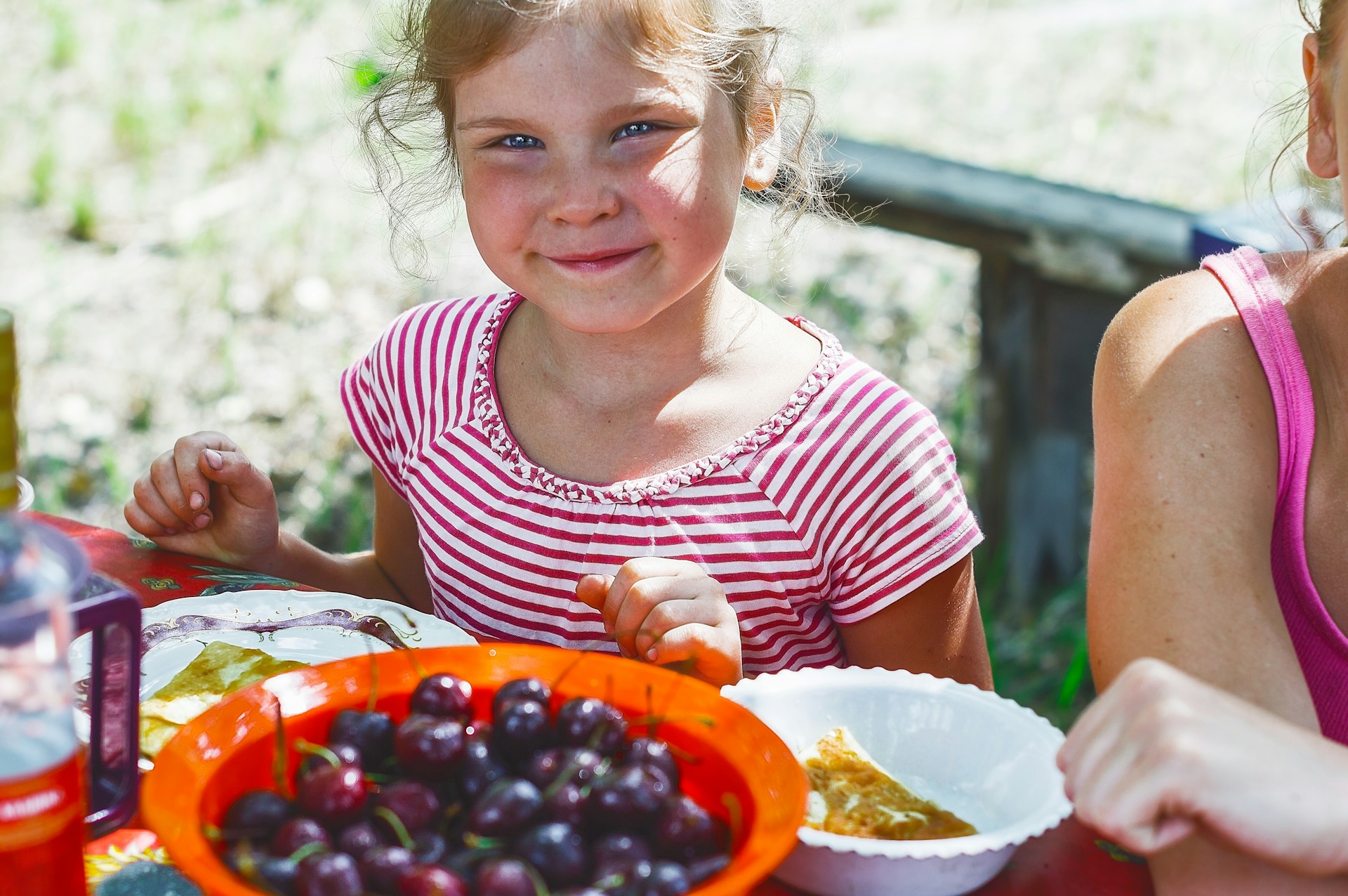
Toddler with food on face standing by a door.
Image Source: Unsplash

Hunger & Fullness Cues: Trust the Process

Babies and toddlers come equipped with remarkably accurate internal gauges, and honoring them is the first step toward raising intuitive eaters. True hunger shows up when your little one opens her mouth eagerly, points toward food or the high-chair, or even signs “eat” or “more.” Fullness, on the other hand, is just as clear: she may turn her head away, clamp her lips, push the spoon aside, drop food, or suddenly become more interested in stacking peas than swallowing them.

When caregivers respect these cues—offering food at hunger signals and ending the meal at fullness—they teach children to rely on their bodies rather than emotions or external pressure to decide how much to eat. That self-trust is a lifelong guardrail against overeating and food guilt.

Keeping Mealtimes Peaceful

A calm table starts with the right tools and expectations. Child-sized plates, short-handled forks, and easy-grip cups give toddlers the autonomy they crave. Serving meals family-style—placing bowls in the center and letting kids spoon out their own portions—has been shown to increase the variety they’re willing to try. Keep the meal to about twenty minutes; after that, boredom breeds battles, so when the timer dings simply clear the dishes without comment.

Model curiosity by tasting new foods yourself and describing them—“Crunchy carrot, sweet mango”—instead of coaxing “just one bite.” Finally, trot out a “learning food” at most meals, pairing one unfamiliar option with two well-loved choices; repeated, pressure-free exposure (often ten to fifteen tries) does far more to expand a child’s palate than hiding spinach in muffins ever will.

Hydration & Drinks

Between meals, water is the go-to thirst quencher, preferably offered in an open or straw cup. Whole milk remains important until a child turns two, after which many families transition to 2 percent or follow their pediatrician’s advice. What to avoid? Sugary drinks, flavored milks, excessive juice, and the habit of letting a toddler toddle around all day with a milk cup—continuous sipping can blunt appetite for real food and contribute to dental issues.

Red Flags—When to Seek Professional Help

Growth charts tell a story; if weight drops by two percentile lines, it’s time to check in. Frequent gagging or choking, obvious difficulty chewing, or refusing all but a handful of textures for more than a couple of months also warrant attention. Other concerns include relying on fewer than ten accepted foods, extreme anxiety or meltdowns at every meal, and visible signs of nutrient deficiencies such as pallor, brittle hair, or constant fatigue. Early intervention with a pediatric dietitian or feeding therapist can prevent small issues from becoming entrenched eating challenges.

Parental Mindset: The Division of Responsibility

Dietitian Ellyn Satter’s division of responsibility is the gold standard for low-stress meals. Parents decide the what, when, and where of eating—choosing the menu, setting meal and snack times, and providing a pleasant eating space. Children decide whether to eat and how much. Holding to these distinct roles, gently and consistently, eliminates power struggles, builds trust, and lets everyone focus on enjoying food—and each other—around the table.

The Bottom Line on Toddler Food Portions

Toddler food portions are intentionally small. Instead of micromanaging bites, focus on variety across days, reliable meal-and-snack rhythms, and responsive feeding cues. Offer, model, trust—repeat. When you zoom out, you’ll see that your “picky” eater is likely doing just fine.

We’d love to hear from you! What portion or routine shift brought peace to your table? Drop your wisdom (or questions) below—parent solidarity welcomed.

Read More

  • Ways for Your Family to Stay Healthy
  • Costs Associated With Maintaining a Healthy Home

Samantha Warren
Samantha

Samantha Warren is a holistic marketing strategist with 8+ years of experience partnering with startups, Fortune 500 companies, and everything in between. With an entrepreneurial mindset, she excels at shaping brand narratives through data-driven, creative content. When she’s not working, Samantha loves to travel and draws inspiration from her trips to Thailand, Spain, Costa Rica, and beyond.
Filed Under: Parenting Tagged With: child nutrition, feeding toddlers, healthy toddler diet, toddler appetite, toddler food portions, toddler meals, toddler nutrition

10 Of The Hardest Foods To Get Young Children To Eat

April 7, 2025 | Leave a Comment

Child sitting at the lunch table
Image Source: Unsplash

Kids are naturally curious eaters—until they aren’t. Sometimes, their aversion to a certain texture, smell, or color is enough to spark a full-on mealtime standoff.

If you’re facing daily battles with picky eaters, rest assured, you’re not alone. It helps to make a habit out of trying new foods weekly, but sometimes you may still face resistance.

Let’s take a look at ten of the most challenging foods for young children and share practical tips to help them feel more comfortable sampling what’s on their plate.

1. Leafy Greens

Spinach, kale, and arugula top the list of most-rejected foods. Their slightly bitter flavor and sometimes “slimy” texture can be too intense for toddlers and preschoolers.

Try This: Blend small amounts of spinach into fruit smoothies, or bake kale chips for a crunchy treat. Keep it low-pressure and celebrate any small steps toward acceptance.

2. Fish

A strong smell, flaky texture, and unfamiliar taste often make fish a tough sell for kids.

Try This: Begin with milder fish like cod or tilapia. Serve it alongside favorite sides, and introduce dipping sauces they already enjoy to make it feel less intimidating.

3. Beans

Beans are nutritional powerhouses, but can feel “mushy” or have a chewy skin that turns kids off.

Try This: Mash beans into quesadillas or blend them into a dip with familiar flavors (like cheese or mild salsa). Offering foods kids can scoop or dip can spark curiosity.

4. Tomatoes

Tomato sauce? No problem. Fresh tomatoes? Totally different story. Seeds and burst-in-your-mouth juices can be overwhelming.

Try This: Roast cherry tomatoes to soften their flavor or cut them into smaller pieces so they’re not such a big surprise. Gradually work up to raw tomatoes in salads.

5. Onions

The sharp flavor and scent of onions—especially raw—can be off-putting for little taste buds.

Try This: Let them watch (or help!) you cook. Sauté onions so the smell dissipates, and explain how cooking changes the flavor. Building familiarity often reduces resistance.

6. Mushrooms

Spongy texture and an earthy smell can make mushrooms an immediate “no.”

Try This: Finely chop or blend them into meatballs, sauces, or pasta dishes where they’re less visible. Over time, kids may realize they enjoy the taste once the “weird look” barrier is lowered.

7. Peas

Despite being small and somewhat sweet, peas are commonly left untouched. The pop they make can be a sensory challenge.

Try This: Mix peas into macaroni and cheese, or mash them with potatoes. Frozen peas can also be a fun, crunchy snack that kids might find more appealing.

8. Eggs

Eggs vary drastically in taste and texture depending on how they’re cooked, leading many kids to say “no thanks.”

Try This: Try muffin-shaped egg cups or mini quiches with cheese. Pairing eggs with a favorite sauce (ketchup, mild salsa) can transform the experience into something fun and familiar.

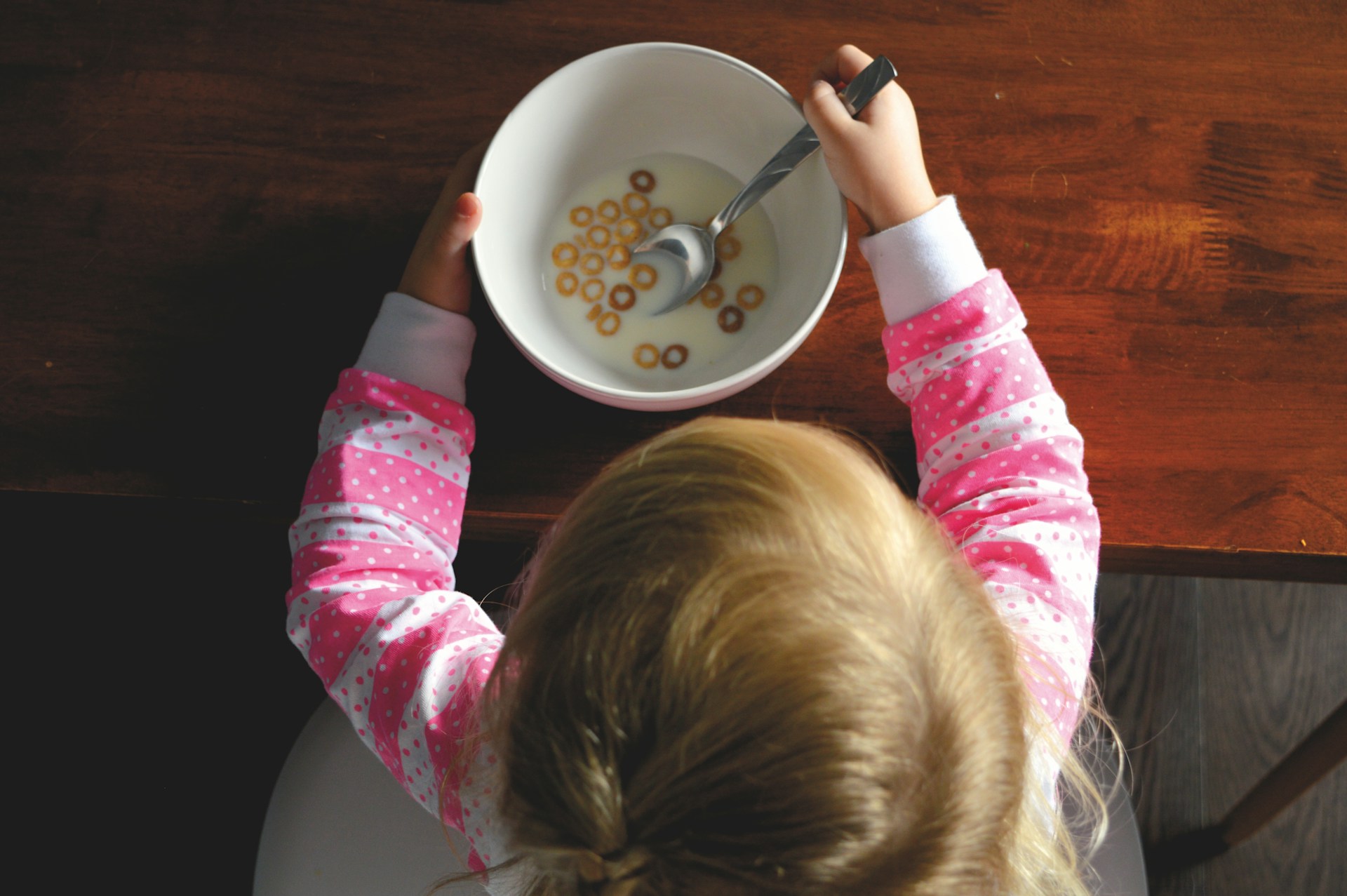
child eating cereal
Image Source: Unsplash

9. Whole Grains

Shifting from white bread or pasta to whole-grain versions is a big change in taste and appearance.

Try This: Start with half-and-half versions, mixing whole-grain pasta or rice with the refined type. Gradual exposure helps them adapt without rejecting it outright.

10. Mixed Dishes (Casseroles, Stir-Fries)

Soups, casseroles, or stir-fries where ingredients “touch” can trigger resistance due to combined textures and flavors.

Try This: Serve components separately at first. For instance, offer plain chicken alongside lightly cooked veggies and rice. Over time, mix small portions to help them adjust.

Nourishing Patience: You’ve Got This

When it comes to picky eaters, remember that persistence and low-pressure exposure are key. Children often need repeated interactions before they feel comfortable tasting something new. 

Keep the atmosphere calm, celebrate small victories, and trust that mealtime harmony is a work in progress—not an overnight transformation.

Do you have a go-to trick for getting kids to try new foods? Share your favorite hack in the comments!

Read More

  • Your Dog Died: 8 Ways To Break The News To Your Child
  • 10 Creative Discipline Techniques That Don’t Involve Time-Outs or Punishments
Samantha Warren
Samantha

Samantha Warren is a holistic marketing strategist with 8+ years of experience partnering with startups, Fortune 500 companies, and everything in between. With an entrepreneurial mindset, she excels at shaping brand narratives through data-driven, creative content. When she’s not working, Samantha loves to travel and draws inspiration from her trips to Thailand, Spain, Costa Rica, and beyond.
Filed Under: Parenting Tagged With: balanced diet, healthy food for kids, kids nutrition, mealtime struggles, parenting tips, picky eaters, toddler meals

  • Facebook
  • Pinterest
  • RSS
  • Twitter

Basic Principles Of Good Parenting

Here some basic principles for good parenting:

  1. What You Do Matters: Your kids are watching you. So, be purposeful about what you want to accomplish.
  2. You Can’t be Too Loving: Don’t replace love with material possessions, lowered expectations or leniency.
  3. Be Involved Your Kids Life: Arrange your priorities to focus on what your kid’s needs. Be there mentally and physically.
  4. Adapt Your Parenting: Children grow quickly, so keep pace with your child’s development.
  5. Establish and Set Rules: The rules you set for children will establish the rules they set for themselves later.  Avoid harsh discipline and be consistent.
  6. Explain Your Decisions: What is obvious to you may not be evident to your child. They don’t have the experience you do.
  7. Be Respectful To Your Child: How you treat your child is how they will treat others.  Be polite, respectful and make an effort to pay attention.
Best Parenting Blogs

Most Popular

Baby

10 Baby Names That Were Once Considered “Grandparent Names” but Feel Cool Again

Evan Morgan
Baby

9 Baby Names Inspired by Fall Without Naming Your Child Autumn

Evan Morgan
Baby

9 Baby Names That Sound Expensive Even Though Naming Your Baby Is Still Free

Evan Morgan
Baby names

Teachers Admit: These 6 Baby Names Create Instant Bias in the Classroom

Latrice Perez
6 Baby Names That Sound Cute Now but Cause Problems Later

6 Baby Names That Sound Cute Now but Cause Problems Later

Brandon Marcus

All content on Kids Ain’t Cheap is for entertainment purposes only. By reading this blog, you agree that Kids Ain’t Cheap is not responsible for any actions taken after reading this blog. For the full disclaimer, see our privacy policy.

Please note that Kids Ain’t Cheap has financial relationships with some of the merchants mentioned here. Kids Ain’t Cheap is funded by banner advertising, commission sales and search optimization consulting.

Copyright © 2006–2026 | District Media | All Rights Reserved | Privacy Policy

Copyright © 2026 Runway Pro Theme by Viva la Violette