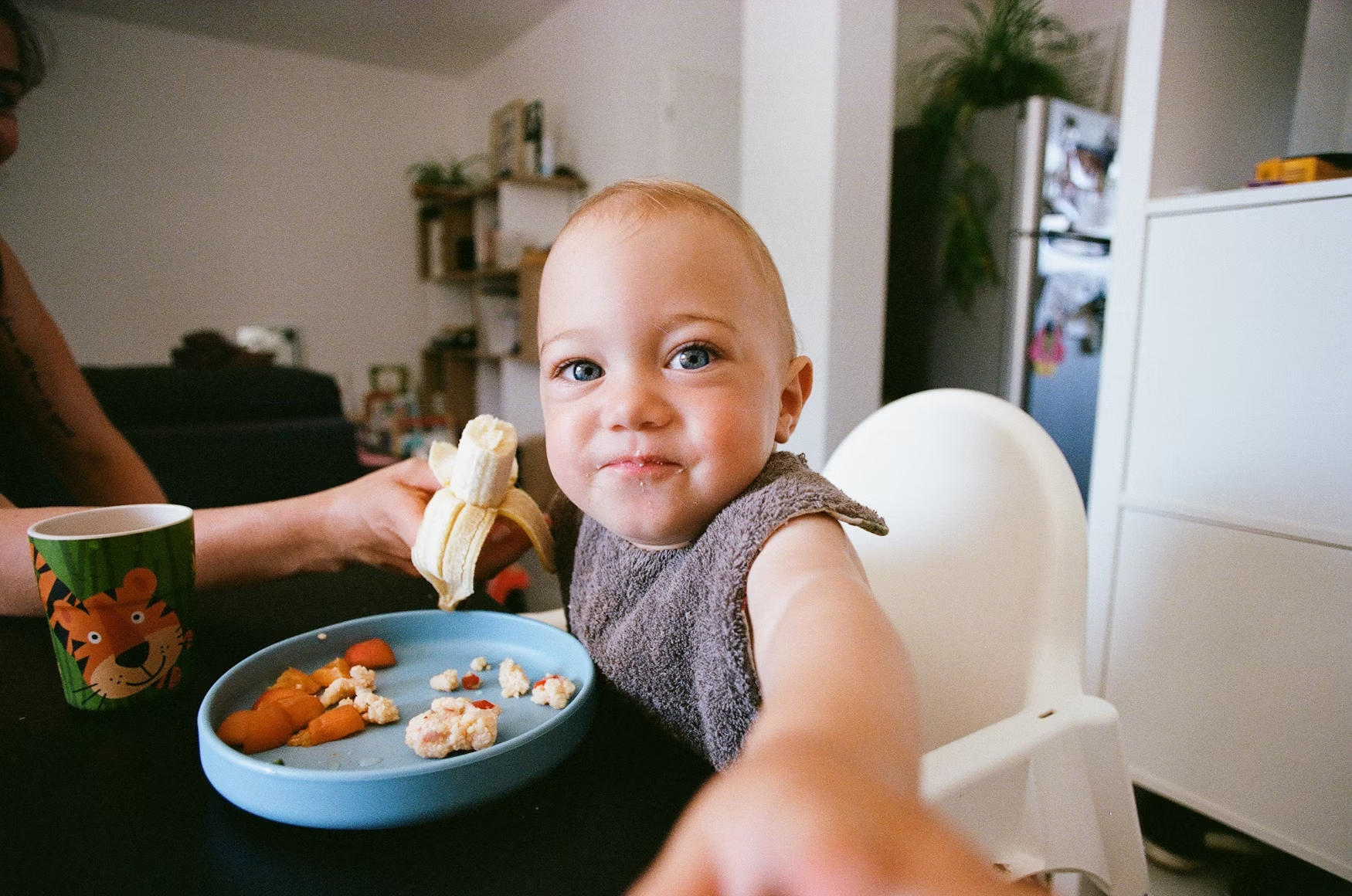
Toddlers have an uncanny ability to keep parents guessing: one day they devour everything in sight, the next they survive on a lone strawberry and a cracker crumb. This feast-or-famine pattern is normal, but it can leave you wondering whether your little one is getting the nutrients needed to grow and thrive.
Good news: toddlers typically need far less food than most adults think. Below you’ll find an in-depth look at calorie needs, sample daily menus, portion visuals, common myths, and professional red-flag signs—so you can step away from the clean-plate police and into calmer, happier meals.
Daily Calorie Targets—A Quick Refresher
- Baseline equation: ~40 calories × your child’s height in inches
- Typical range (12–36 months): 1,000 – 1,400 calories/day
- Growth spurts: expect brief spikes in appetite every few weeks
Calories are only half the story, though. Nutrient density (vitamins, minerals, good fats) matters more than raw numbers. If your pediatrician is satisfied with your child’s growth curve, occasional “off days” are rarely a concern.
Portion Size Cheat Sheet (Per Serving)
| Food Group | Toddler Portion | Real-Life Visual |
| Grains / Starches | ¼–½ slice bread • 2 Tbsp cooked rice/pasta | Ping-pong ball |
| Fruits | 1–2 Tbsp cooked/soft raw or ½ small piece whole fruit | 2-3 grapes sliced |
| Vegetables | 1–2 Tbsp cooked or finely shredded raw | Large adult thumb |
| Protein (meat, fish, beans, eggs) | 1 oz or 2 Tbsp | 1 chicken-nugget size |
| Dairy | ½ cup milk or yogurt • ½ oz cheese | Half a string cheese |
| Fats | 1–2 tsp butter, nut butter, oil | Tip of your thumb |
Parent reality check: Plating an adult-sized taco and wondering why half ends up on the floor? Cut portions to toddler scale first, then offer seconds on request.
Sample 3-Day Menu (Balanced but Flexible)
| Day | Breakfast | AM Snack | Lunch | PM Snack | Dinner | Bedtime Snack (if needed) |
| Mon | ½ cup oatmeal + ¼ banana + drizzle nut butter | ¼ cup cottage cheese + peach cubes | Mini pita, 1 oz turkey, 2 Tbsp avocado, 1 Tbsp shredded carrots | ½ cup milk + 2 whole-grain crackers | 1 oz salmon, 2 Tbsp sweet potato, 2 Tbsp broccoli | 2 Tbsp applesauce |
| Tue | Scrambled ½ egg, 1 Tbsp cheese, 1 Tbsp spinach + ½ slice toast | ¼ cup yogurt + 1 Tbsp blueberries | 1 oz beans, 2 Tbsp brown rice, 1 Tbsp corn | Sliced pear (2 Tbsp) + 1 Tbsp hummus | 1 meatball (1 oz), 2 Tbsp pasta, 1 Tbsp peas | Warm milk (½ cup) |
| Wed | ½ waffle + 1 Tbsp almond butter + 1 Tbsp diced strawberries | ½ hard-boiled egg + 2 cucumber rounds | Quesadilla wedge (1 oz cheese) + 1 Tbsp salsa + 1 Tbsp black beans | 1 mini smoothie (¼ cup yogurt, ¼ banana, spinach) | 1 oz chicken, 2 Tbsp quinoa, 1 Tbsp roasted carrots | None (if dinner eaten well) |
Adjust liquids to match your toddler’s thirst and doctor’s guidance.

Hunger & Fullness Cues: Trust the Process
Babies and toddlers come equipped with remarkably accurate internal gauges, and honoring them is the first step toward raising intuitive eaters. True hunger shows up when your little one opens her mouth eagerly, points toward food or the high-chair, or even signs “eat” or “more.” Fullness, on the other hand, is just as clear: she may turn her head away, clamp her lips, push the spoon aside, drop food, or suddenly become more interested in stacking peas than swallowing them.
When caregivers respect these cues—offering food at hunger signals and ending the meal at fullness—they teach children to rely on their bodies rather than emotions or external pressure to decide how much to eat. That self-trust is a lifelong guardrail against overeating and food guilt.
Keeping Mealtimes Peaceful
A calm table starts with the right tools and expectations. Child-sized plates, short-handled forks, and easy-grip cups give toddlers the autonomy they crave. Serving meals family-style—placing bowls in the center and letting kids spoon out their own portions—has been shown to increase the variety they’re willing to try. Keep the meal to about twenty minutes; after that, boredom breeds battles, so when the timer dings simply clear the dishes without comment.
Model curiosity by tasting new foods yourself and describing them—“Crunchy carrot, sweet mango”—instead of coaxing “just one bite.” Finally, trot out a “learning food” at most meals, pairing one unfamiliar option with two well-loved choices; repeated, pressure-free exposure (often ten to fifteen tries) does far more to expand a child’s palate than hiding spinach in muffins ever will.
Hydration & Drinks
Between meals, water is the go-to thirst quencher, preferably offered in an open or straw cup. Whole milk remains important until a child turns two, after which many families transition to 2 percent or follow their pediatrician’s advice. What to avoid? Sugary drinks, flavored milks, excessive juice, and the habit of letting a toddler toddle around all day with a milk cup—continuous sipping can blunt appetite for real food and contribute to dental issues.
Red Flags—When to Seek Professional Help
Growth charts tell a story; if weight drops by two percentile lines, it’s time to check in. Frequent gagging or choking, obvious difficulty chewing, or refusing all but a handful of textures for more than a couple of months also warrant attention. Other concerns include relying on fewer than ten accepted foods, extreme anxiety or meltdowns at every meal, and visible signs of nutrient deficiencies such as pallor, brittle hair, or constant fatigue. Early intervention with a pediatric dietitian or feeding therapist can prevent small issues from becoming entrenched eating challenges.
Parental Mindset: The Division of Responsibility
Dietitian Ellyn Satter’s division of responsibility is the gold standard for low-stress meals. Parents decide the what, when, and where of eating—choosing the menu, setting meal and snack times, and providing a pleasant eating space. Children decide whether to eat and how much. Holding to these distinct roles, gently and consistently, eliminates power struggles, builds trust, and lets everyone focus on enjoying food—and each other—around the table.
The Bottom Line on Toddler Food Portions
Toddler food portions are intentionally small. Instead of micromanaging bites, focus on variety across days, reliable meal-and-snack rhythms, and responsive feeding cues. Offer, model, trust—repeat. When you zoom out, you’ll see that your “picky” eater is likely doing just fine.
We’d love to hear from you! What portion or routine shift brought peace to your table? Drop your wisdom (or questions) below—parent solidarity welcomed.
Read More

Samantha Warren is a holistic marketing strategist with 8+ years of experience partnering with startups, Fortune 500 companies, and everything in between. With an entrepreneurial mindset, she excels at shaping brand narratives through data-driven, creative content. When she’s not working, Samantha loves to travel and draws inspiration from her trips to Thailand, Spain, Costa Rica, and beyond.
