• Home
  • About Us
  • Toolkit
  • Archives
  • Advertise
  • Privacy Policy

Kids Ain't Cheap

But They Sure Are Worth It

  • Parenting
    • Baby Stuff
    • Books and Reading
      • Aesops Fables
      • Comic Books
    • Education
    • Family Time
    • Green Living
    • Growing Up
    • Healthy Living & Eating
    • Holidays
    • Parenting
    • Random Musings
    • Shopping
    • Stuff to Do
  • Money
  • Product Reviews
    • Books and Magazines
    • Discount Sites
    • Furniture
    • House Keeping
    • Reviews News
    • Toys and Games
  • Contact Us
  • Our Editorial Commitment
  • Search

Why Forcing Veggies Might Backfire—and What to Try Instead

May 26, 2025 | Leave a Comment

Why Forcing Veggies Might Backfire and What to Try Instead

If your child grimaces at broccoli or negotiates their way out of every bite of spinach, you’re not alone. Forcing veggies may seem like a necessary step in raising healthy eaters, but it often leads to resistance, power struggles, and long-term food aversions. Many parents think persistence equals progress—but when it comes to vegetables, pressure can do more harm than good. Fortunately, there are smarter, more peaceful ways to encourage veggie-loving habits that stick. Here’s why forcing veggies often fails and what you can do instead to turn picky eaters into enthusiastic participants at the dinner table.

1. Forcing Veggies Creates Negative Associations

When vegetables become a battleground, kids start to associate them with tension, stress, and discomfort. Being forced to eat something while feeling pressured can trigger anxiety and make mealtime miserable for everyone. The more you push, the more a child may dig in their heels out of sheer defiance or discomfort. This creates a cycle where forcing veggies doesn’t improve eating habits—it just reinforces the belief that vegetables are gross and must be avoided. A relaxed and positive environment makes kids more open to trying new foods without fear or resistance.

2. Power Struggles Distract From Healthy Eating

Children, like adults, want to feel in control of their choices. When you turn veggies into a non-negotiable command, it invites them to push back simply to reclaim that control. If every meal turns into a tug-of-war over green beans, your child might focus more on “winning” than on eating. Forcing veggies turns mealtime into a power struggle rather than a learning experience. Offering choices and involving kids in food prep helps them feel empowered and more willing to give vegetables a try.

3. Taste Preferences Are Still Developing

Kids are born with more taste buds than adults, and they’re especially sensitive to bitter flavors—many of which are found in vegetables. Forcing veggies doesn’t change their biological sensitivity; it just increases the chance they’ll shut down and refuse them altogether. Repeated, low-pressure exposure over time is far more effective at helping kids adjust to new tastes. Some children need 10 or more tries before they accept a new food. Be patient and remember that rejecting a vegetable today doesn’t mean it’s a lost cause forever.

4. Sneaky Tactics Can Erode Trust

It’s tempting to hide vegetables in smoothies, muffins, or sauces to “trick” kids into eating them—but this strategy can backfire if they find out. While hiding spinach in pasta sauce might get nutrients in, it doesn’t help kids learn to like veggies or trust what’s on their plate. If your child feels deceived, it may make them more suspicious of food overall. Instead of only sneaking in veggies, also serve them openly alongside other familiar foods. Combining transparency with creativity gives kids a sense of choice and curiosity.

5. Bribing Can Undermine Healthy Habits

Saying “You can have dessert if you eat your broccoli” might get short-term results, but it sends the message that veggies are something to suffer through for a reward. This approach teaches kids to associate vegetables with obligation and sweets with joy—exactly the opposite of what you want. Forcing veggies through bribery can also create disordered eating patterns as children learn to eat for incentives rather than hunger. Let veggies stand on their own without turning every meal into a negotiation. Normalizing them as part of the plate helps build positive eating habits naturally.

6. Modeling Works Better Than Mandating

Your kids are watching what you do even more than what you say. If you’re excited about a colorful salad or roasted veggies, they’ll be more curious to try them too. Forcing veggies doesn’t carry the same impact as watching someone they trust genuinely enjoy them. Invite your kids to help you pick out vegetables at the store, rinse them at the sink, or stir them into a dish. When kids feel involved and see veggies as a family norm, they’re more likely to follow suit.

7. Flavor and Texture Matter

Sometimes kids refuse veggies not because of the vegetable itself, but because of how it’s prepared. Mushy carrots or plain steamed cauliflower may not appeal to developing palates. Forcing veggies that are bland or unappealing in texture won’t change a child’s mind. Try roasting vegetables with olive oil and seasoning, blending them into dips, or serving them raw with a favorite sauce. Offering vegetables in different formats helps kids discover what they enjoy—and makes trying them a lot more fun.

Invite Curiosity Instead of Conflict

The key to raising veggie-loving kids isn’t pressure—it’s patience, exposure, and a bit of creativity. When you stop forcing veggies and start creating positive, low-stakes opportunities to explore them, your child is more likely to come around. Keep meals joyful, involve your kids in the process, and celebrate small wins along the way. It’s not about perfect plates—it’s about building trust and nurturing a healthy relationship with food that will last far beyond the dinner table.

Have you struggled with getting your child to eat vegetables? What strategies have helped in your home? Share your wins (or woes) in the comments!

Read More:

6 Food Items That We Think Are Healthy but Are Bad for Our Children

Eat More, Weigh Less: 15 Foods That Are Perfect for Snacking

Catherine Reed
Catherine Reed

Catherine is a tech-savvy writer who has focused on the personal finance space for more than eight years. She has a Bachelor’s in Information Technology and enjoys showcasing how tech can simplify everyday personal finance tasks like budgeting, spending tracking, and planning for the future. Additionally, she’s explored the ins and outs of the world of side hustles and loves to share what she’s learned along the way. When she’s not working, you can find her relaxing at home in the Pacific Northwest with her two cats or enjoying a cup of coffee at her neighborhood cafe.

Filed Under: Healthy Living & Eating Tagged With: child nutrition, Family Meals, food battles, forcing veggies, healthy eating for kids, parenting tips, picky eaters

The Art of Sneaking Veggies Into Meals (And Loving It)

May 5, 2025 | Leave a Comment

Image by Scott Warman

You slide a bowl of broccoli across the table and brace for the grimace. The fork goes untouched. The broccoli is eventually smuggled under a napkin…or worse, fed to the dog. Sound familiar?

Whether you’re dealing with a toddler who survives on crackers and cheese or a partner who acts personally offended by spinach, getting veggies into your family’s meals can feel like a full-time job. And even when we do manage to sneak a few green things onto the plate, they often end up untouched.

But here’s the good news: with a little strategy (and a few blender tricks), it’s not just possible to sneak vegetables into meals. It’s possible to make them the star ingredient without anyone noticing. Let’s talk about how.

First, Let’s Ditch the Guilt

There’s nothing wrong with hiding veggies. In fact, it’s a parenting survival skill. Some kids (and grownups) just need more time, exposure, and creativity to build a positive relationship with nutritious food.

Sneaking vegetables into your meals isn’t about trickery. It’s about opportunity. You’re building familiarity through taste, texture, and repetition. Over time, that exposure helps develop a more adventurous palate. It’s not cheating. It’s strategic parenting.

Now, onto the good stuff.

1. Blend Veggies Into Sauces and Soups

One of the easiest ways to sneak in vegetables is by blending them right into things your family already eats and loves.

  • Mac and cheese: Stir in puréed butternut squash, sweet potato, or cauliflower with your cheese sauce. It adds a creamy texture and bonus nutrients, and the color matches so well, no one will question it.
  • Tomato sauce: Toss in cooked carrots, spinach, mushrooms, or zucchini and blend until smooth. The veggies deepen the flavor and mellow the acidity of tomatoes—a win-win.
  • Soup bases: Pureed vegetables like carrots, peas, broccoli, or cauliflower blend beautifully into broths. They thicken the soup and make it more filling without changing the familiar flavor too much.

Pro tip: Use a high-speed blender or immersion blender for ultra-smooth results—chunky “mystery bits” are where suspicion begins.

2. Bake Them Into Breakfasts and Snacks

Who says veggies only belong at lunch and dinner? Sweet treats and breakfasts offer perfect low-pressure spots to tuck in a serving or two.

  • Muffins and quick breads: Zucchini bread, pumpkin muffins, and carrot cake are classics for a reason. Add flaxseed or grated apple for extra fiber and moisture.
  • Pancakes and waffles: Blend spinach or pumpkin into the batter. A handful of spinach turns pancakes a fun green that kids may love (especially if you call them “Hulk cakes”).
  • Brownies: Believe it or not, puréed black beans, sweet potato, or even avocado can make brownies rich and moist without tasting “healthy.”

These kinds of bakes are ideal for school lunches or afternoon snacks—and no one has to know their “treat” came with a serving of vegetables.

3. Stuff It, Mix It, Wrap It

If blending and baking aren’t your thing, don’t worry. You can still sneak veggies in with some clever layering and wrapping.

  • Quesadillas and grilled cheese: Add a thin layer of finely chopped spinach or grated zucchini between the cheese and tortilla or bread. Once melted, it disappears into the gooey goodness.
  • Meatballs, burgers, and meatloaf: Finely chopped mushrooms, carrots, or bell peppers mix easily into ground meat without altering the taste. They add moisture, stretch your portions, and boost the nutrition.
  • Egg muffins and frittatas: Eggs are a fantastic vehicle for vegetables. Throw in anything you have—onions, tomatoes, spinach, kale, bell peppers—and bake into bite-sized portions.

This method is also perfect for leftovers: just chop, mix, and reimagine last night’s roasted veggies into something new.

Image by Jugoslocos

4. Make Smoothies That Pack a Secret Punch

Smoothies are a classic veggie-delivery system, and for good reason. The trick is to balance the greens with fruit so the texture is smooth and the taste is still sweet and fresh.

  • Start with a base: banana, mango, or pineapple help mask flavors.
  • Add your veggie: spinach, kale, avocado, beets, or even frozen cauliflower rice (yes, really. It’s flavorless but adds creaminess).
  • Toss in extras: nut butter, yogurt, chia seeds, or protein powder can make it a full meal.

Don’t forget to give it a fun name. A “Green Power Potion” or “Pink Princess Smoothie” goes down way easier than a “kale smoothie with flax.”

5. Let Kids Help—But Stay in Control

One way to reduce mealtime resistance? Involve your kids in the prep process. Let them pick the veggie you’ll “sneak” in today. Give them tasks like tearing spinach or stirring sauce. The more familiar they are with the ingredients, the less mysterious (and scary) they become.

But here’s the key: don’t oversell it. You risk triggering suspicion if you make a big deal about what’s hidden inside. Instead, focus on taste. Say things like, “This is extra creamy today,” or “I tried a new recipe!” Then, let them discover they love it on their own.

Don’t Forget the Long Game

Sneaking veggies isn’t about avoiding confrontation forever. It’s about creating a bridge. The more exposure your family has to vegetables (even in hidden form), the more likely they are to accept them on their own terms one day.

It might start with spinach blended into pasta sauce. Then maybe it’s sautéed into scrambled eggs. Eventually, it becomes a salad they actually request.

It’s a process. But every small win counts.

What’s your go-to trick for getting veggies into picky eaters?

Read More:

The Picky Eater: You Can Get Them to Eat Their Vegetables If You Do This

Stop Buying This: 6 Food Items That We Think Are Healthy but Are Bad for Our Children

Filed Under: Parenting Tagged With: Family Meals, healthy eating for kids, hidden veggies, Meal Planning, nutrition tips, picky eaters, sneaky vegetables, toddler nutrition, vegetable recipes

8 Sneaky Ways to Get Your Children to Eat Food They Don’t Like

April 30, 2025 | Leave a Comment

Toddler being fed by hand while outdoors.
Image Source: Unsplash

Negotiating with a determined picky eater can feel like sparring with a very small, very stubborn lawyer. Broccoli is “too bumpy,” beans are “too squishy,” and anything remotely green is dismissed on sight. The result? Dinnertime drama for everyone. Fortunately, you don’t have to rely on bribes or battles to build better habits. With patience, creativity, and a pinch of stealth, you can guide kids toward healthier choices—and help them actually enjoy the journey. These eight gentle strategies weave nutrition into familiar favorites, foster curiosity, and keep mealtimes peaceful.

1. Puree Veggies Into Food They Already Love

When a child refuses visible spinach, think blender. Pureeing vegetables into sauces, soups, or even meatballs lets them absorb vitamins without the side-eye. Blend carrots or zucchini into spaghetti sauce, cauliflower into mashed potatoes, or sweet potato into pancake batter. The flavor stays familiar, but the nutrient boost is real. Over time, you can reduce the puree and add tiny visible pieces—building familiarity bit by bit. Remember, you’re not hiding the food forever; you’re introducing it in a friendly format.

2. Offer Dips as Flavor Boosters

Kids love interactive meals. Dipping sliced bell peppers into hummus or apple wedges into peanut butter transforms eating into play. The texture of a smooth dip helps mask the “weirdness” of raw veggies, while strong flavors (garlic, herbs, or mild spice) add excitement. Even a simple yogurt-based ranch makes cucumber slices suddenly worthy of a second bite. Pairing new foods with a favorite dip boosts acceptance rates because children feel more control—and fun—on their forks.

3. Pair “No” Foods with “Yes” Favorites

If plain broccoli bombs, sprinkle cheese on top. Mix peas into buttery pasta. Serve a tiny salad alongside their beloved chicken nuggets. Combining familiar and unfamiliar flavors lowers anxiety by reminding kids that something delicious is still on the plate. Repeated exposure—without pressure—teaches that new foods aren’t scary intruders; they’re teammates. Over weeks, dial back the “yes” helper and let the formerly rejected item star on its own. It’s a gradual, respectful bridge from hesitation to acceptance.

4. Trim Tempting but Less Nutritious Options

Healthy choices can’t compete if chips and cookies dominate the snack shelf. When ultra-salty or sugary foods are always available, even the coolest carrot loses appeal. Reducing these hyper-palatable options nudges kids toward fruit, whole-grain crackers, or yogurt. Rather than banning treats (which can spark rebellious cravings), rotate them as occasional delights. The less processed food crowds the pantry, the more naturally kids gravitate toward wholesome alternatives—especially when you keep fun, ready-to-grab items like dried mango or roasted chickpeas at eye level.

5. Use Creative Shapes or Fun Presentation

Kids eat with their eyes first. Turn lunch into art class! Cut sandwiches with cookie cutters, arrange veggie sticks into rainbow order, or create a smiley-face pizza topped with red-pepper “lips.” Bento-box compartments spark curiosity by separating foods into colorful “treasure” sections. Even a simple toothpick skewer of grape tomatoes and cheese cubes feels party-worthy compared to a plain pile on a plate. Playful plating lowers pressure, shifts the mood to exploration, and often earns at least one enthusiastic nibble.

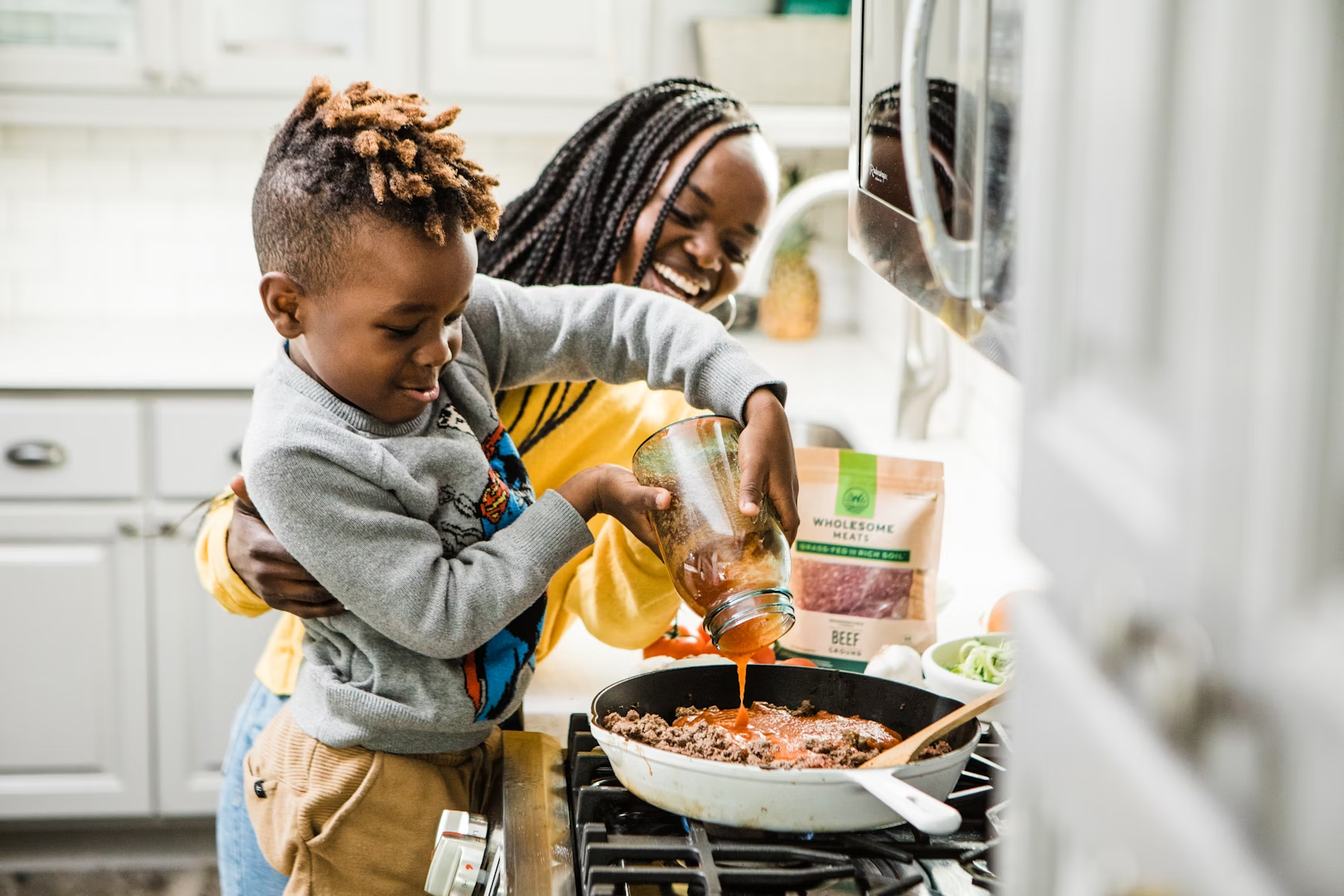
Smiling woman helping a young boy pour sauce into a skillet while cooking together.
Image Source: Unsplash

6. Let Kids Help in the Kitchen

Ownership breeds interest. Invite your child to rinse lettuce, stir pancake batter, or choose one new produce item at the grocery store. When kids invest effort, they develop pride—and curiosity about flavor. Ask open-ended questions as you cook: “How do you think this carrot will taste after roasting?” Cooking together also lets you weave in mini lessons about texture, seasoning, and nutrition without lectures. Over time, the kitchen shifts from battleground to creative lab, and new foods feel like personal inventions instead of parental mandates.

7. Keep Portions Tiny to Avoid Pressure

To a suspicious five-year-old, a golf-ball-size scoop of mashed sweet potato looks like Everest. Serve a single bite or even a pea-sized taste of new food. Tiny portions allow kids to explore without overwhelm or plate-cleaning pressure. Celebrate “try bites” with genuine praise—“You tasted it! How brave!”—rather than bribery. Repeated, low-stress exposure is the number-one predictor that children will eventually accept (and sometimes adore) previously rejected foods.

8. Be Honest—But Stay Positive

Sneaky techniques work best when paired with transparency. If kids discover hidden veggies repeatedly, they may feel tricked and resist in the future. Instead, frame the puree as a flavor upgrade: “We added pumpkin to these muffins for extra sweetness and vitamins.” Talk about how trying new tastes is part of growing strong—just like learning to ride a bike took practice. Positivity is contagious; when you describe broccoli as “earthy and crunchy” rather than “ugh, gross,” kids mirror your attitude.

The Secret Sauce: Your Attitude

Food battles aren’t just about what’s on the plate; they’re shaped by the emotional climate around it. If meals feel tense, children associate new foods with stress. Keep conversations upbeat and pressure-free. Model adventurous eating yourself—let kids see you crunch raw peppers or savor roasted Brussels sprouts. Share genuine enthusiasm: “I love how sweet these tomatoes taste after roasting!” Over months, that energy sinks in.

Remember, picky eating is often a phase rooted in developmental caution. Taste buds mature, curiosity expands, and what was once a “no” can become a favorite. Your job isn’t to win every bite—it’s to keep offering opportunities, stay calm, and trust the process.

What clever tricks have helped your picky eater branch out? Share your funniest or most successful food hacks in the comments—we’d love to swap ideas!

Read More

  • Dealing With Picky Eaters
  • The Picky Eater: You Can Get Them to Eat Their Vegetables If You Do This
Samantha Warren
Samantha

Samantha Warren is a holistic marketing strategist with 8+ years of experience partnering with startups, Fortune 500 companies, and everything in between. With an entrepreneurial mindset, she excels at shaping brand narratives through data-driven, creative content. When she’s not working, Samantha loves to travel and draws inspiration from her trips to Thailand, Spain, Costa Rica, and beyond.

Filed Under: Parenting Tagged With: child development | Family Nutrition, getting kids to eat vegetables, healthy eating for kids, kids nutrition, mealtime struggles, parenting advice, parenting tips, picky eating

  • Facebook
  • Pinterest
  • RSS
  • Twitter

Basic Principles Of Good Parenting

Here some basic principles for good parenting:

  1. What You Do Matters: Your kids are watching you. So, be purposeful about what you want to accomplish.
  2. You Can’t be Too Loving: Don’t replace love with material possessions, lowered expectations or leniency.
  3. Be Involved Your Kids Life: Arrange your priorities to focus on what your kid’s needs. Be there mentally and physically.
  4. Adapt Your Parenting: Children grow quickly, so keep pace with your child’s development.
  5. Establish and Set Rules: The rules you set for children will establish the rules they set for themselves later.  Avoid harsh discipline and be consistent.
  6. Explain Your Decisions: What is obvious to you may not be evident to your child. They don’t have the experience you do.
  7. Be Respectful To Your Child: How you treat your child is how they will treat others.  Be polite, respectful and make an effort to pay attention.
Best Parenting Blogs

Most Popular

Baby

10 Baby Names That Were Once Considered “Grandparent Names” but Feel Cool Again

Evan Morgan
Baby

9 Baby Names Inspired by Fall Without Naming Your Child Autumn

Evan Morgan
Baby

9 Baby Names That Sound Expensive Even Though Naming Your Baby Is Still Free

Evan Morgan
Baby names

Teachers Admit: These 6 Baby Names Create Instant Bias in the Classroom

Latrice Perez
6 Baby Names That Sound Cute Now but Cause Problems Later

6 Baby Names That Sound Cute Now but Cause Problems Later

Brandon Marcus

All content on Kids Ain’t Cheap is for entertainment purposes only. By reading this blog, you agree that Kids Ain’t Cheap is not responsible for any actions taken after reading this blog. For the full disclaimer, see our privacy policy.

Please note that Kids Ain’t Cheap has financial relationships with some of the merchants mentioned here. Kids Ain’t Cheap is funded by banner advertising, commission sales and search optimization consulting.

Copyright © 2006–2026 | District Media | All Rights Reserved | Privacy Policy

Copyright © 2026 Runway Pro Theme by Viva la Violette