• Home
  • About Us
  • Toolkit
  • Archives
  • Advertise
  • Privacy Policy

Kids Ain't Cheap

But They Sure Are Worth It

  • Parenting
    • Baby Stuff
    • Books and Reading
      • Aesops Fables
      • Comic Books
    • Education
    • Family Time
    • Green Living
    • Growing Up
    • Healthy Living & Eating
    • Holidays
    • Parenting
    • Random Musings
    • Shopping
    • Stuff to Do
  • Money
  • Product Reviews
    • Books and Magazines
    • Discount Sites
    • Furniture
    • House Keeping
    • Reviews News
    • Toys and Games
  • Contact Us
  • Our Editorial Commitment
  • Search

The Grocery Costs Parents of Sensory-Sensitive Kids Say No One Talks About

May 15, 2026 | Leave a Comment

Grocery Store
A view from a busy grocery store – Pexels

Parents raising sensory-sensitive children often face grocery bills that are far higher than most people realize. While many families can rotate meals, buy generic brands, or shop based on sales, sensory-sensitive kids may only tolerate a small number of foods with very specific textures, colors, temperatures, or packaging. A child who refuses food because it “feels wrong” is not simply being picky, and many parents say outsiders misunderstand the daily stress involved. For families navigating autism, ADHD, sensory processing challenges, or feeding disorders, grocery shopping can quickly become one of the biggest monthly financial pressures in the home.

Why “Safe Foods” Can Make Grocery Bills Skyrocket

One of the biggest hidden expenses for families with sensory-sensitive kids is the cost of “safe foods,” which are foods a child consistently accepts without distress. These items are often highly specific, such as one exact brand of chicken nuggets, yogurt, crackers, or applesauce pouches, leaving parents unable to switch to cheaper alternatives when prices rise. Even small packaging changes can trigger rejection, causing families to repurchase more expensive familiar products just to avoid mealtime meltdowns. Many parents also keep backup supplies at home because a discontinued item or out-of-stock shelf can create significant stress for both the child and caregivers. As grocery inflation continues affecting households across the United States, these limited food options leave families with far less flexibility than the average shopper.

Food Waste Becomes an Emotional and Financial Burden

Food waste is another grocery cost that rarely gets discussed outside parenting communities. Sensory-sensitive children may suddenly reject foods they ate comfortably for months because of a texture difference, recipe change, or even subtle smell variation that adults cannot detect. Parents often buy replacement meals during the same shopping trip because they know hunger and emotional distress can escalate quickly if no acceptable food is available. This leads to refrigerators filled with half-used items, unopened produce, or duplicate products purchased “just in case.” Over time, families say the emotional guilt of throwing away food combines with the frustration of watching grocery budgets disappear faster every month.

Convenience Foods Often Become Necessary, Not Optional

Many families of sensory-sensitive children rely heavily on convenience foods because they provide consistency and predictability. Frozen meals, individually packaged snacks, and pre-cut items often cost significantly more than bulk or homemade alternatives, but they reduce the risk of food rejection. For example, homemade macaroni may taste slightly different every time, while boxed versions maintain a consistent texture and flavor that feels safe to the child. Parents balancing therapy appointments, school meetings, and work schedules may also lack the time to repeatedly prepare meals that could ultimately go uneaten. While critics sometimes judge these shopping habits, many families view convenience foods as a practical tool for reducing stress and ensuring their child eats enough calories each day.

Grocery Shopping Itself Can Trigger Sensory Overload

The grocery store environment can create challenges that indirectly increase spending for these families. Bright lights, loud announcements, crowded aisles, and unfamiliar smells may overwhelm sensory-sensitive children, causing rushed trips and impulsive purchases just to leave the store quickly. Some parents avoid shopping in person entirely and rely on grocery delivery or pickup services, which often include added fees and higher item prices. Others shop at multiple stores because one specific brand or texture is only available in certain locations, increasing fuel costs and time spent searching. Families frequently describe grocery shopping as a carefully planned operation rather than a simple weekly errand.

Parents Often Pay More to Avoid Mealtime Conflict

Mealtime battles can affect an entire household, which is why many parents prioritize emotional stability over strict grocery budgeting. Feeding therapists and pediatric specialists often encourage parents to maintain accepted foods while slowly introducing new options, especially when nutritional intake is limited. This means families may continue buying expensive preferred foods while simultaneously purchasing trial foods that might never get eaten. In some homes, siblings also adapt to the sensory-sensitive child’s eating patterns, leading parents to purchase duplicate meals for different family members. The financial strain adds up quietly over months and years, especially when combined with rising food costs nationwide.

What Families Wish More People Understood

The grocery costs tied to sensory-sensitive parenting are about far more than “picky eating.” These families are managing emotional regulation, nutrition concerns, sensory triggers, and household stability every single day while trying to stay within budget. What may look like an overpriced grocery cart to outsiders often reflects careful planning designed to prevent stress, skipped meals, or emotional distress for a child. More awareness could help reduce judgment and encourage empathy toward parents navigating these complicated feeding challenges.

Have you or someone you know experienced the hidden grocery costs of raising a sensory-sensitive child? Share your thoughts and experiences in the comments below.

What to Read Next

8 Subtle Signs Someone Is Watching You at the Grocery Store

Grocery Store Shrinkflation Alert: The 5 Products Getting Smaller in April

Virginia Baby Food Ban: 5 Specific Brands Just Prohibited Under New Safety Laws

Evan Morgan

Evan Morgan has been a full-time freelance writer and editor for 10+ years. When not working, he enjoys catching the latest true crime documentary or getting lost in a good book.

Filed Under: Parenting Tagged With: ADHD parenting, autism, Family Budgeting, food aversions, grocery costs, Parenting, picky eating, sensory processing disorder, sensory-sensitive kids, special needs parenting

8 Parenting Rules That Were Invented by Social Media—Not Experts

January 4, 2026 | Leave a Comment

8 Parenting Rules That Were Invented by Social Media—Not Experts
Image source: shutterstock.com

Scroll long enough and you’ll start to feel like you’re failing at something you didn’t even know had a rulebook. Viral advice turns everyday moments into “tests,” and suddenly you’re second-guessing bedtime, snacks, chores, and even the way you talk to your kid. A lot of parenting rules online aren’t built on child development, family logistics, or real-life limits—they’re built on what looks impressive in a 20-second clip. The result is guilt, perfectionism, and a constant sense that you’re behind. Let’s break down eight popular “rules” that sound official, but often create more stress than support.

1. Never Say “No” Without a Full Script

Social media loves a calm, perfectly worded explanation for every limit, but kids often need clarity more than a speech. When you feel pressured to narrate everything, you can accidentally turn simple boundaries into negotiations. Try short, kind limits first, then add a brief reason only if your child truly needs it. If your kid escalates, focus on regulating the moment, not delivering a flawless lesson. When parenting rules demand constant scripts, they ignore that parents also have limited energy and time.

2. Parenting Rules That Ban All “Good Job” Praise

The internet loves to say praise is “bad” because it creates approval-seeking kids, but that take gets oversimplified fast. Encouragement can help kids notice effort, feel seen, and stay motivated, especially when they’re learning something hard. Instead of eliminating praise, make it specific and grounded, like “You kept trying even when it was tricky.” Balance it with curiosity, like “How did you figure that out?” so your child builds internal pride, too. You don’t need to fear every warm word just because a trend made it sound dangerous.

3. Gentle Parenting Means Your Child Never Cries

Some posts treat any crying as proof you “caused harm,” which sets parents up to avoid normal frustration. Kids cry because they’re tired, disappointed, overstimulated, or learning how to handle limits. Your job isn’t to prevent tears at all costs, it’s to stay steady and help them move through big feelings safely. Offer comfort, name the feeling, and keep the boundary without arguing. If a method claims “no tears allowed,” it’s selling a fantasy, not a childhood reality.

4. If They Melt Down, You Must Have “Triggered” Them

This idea makes parents feel like every hard moment is a personal mistake, instead of a normal developmental experience. Kids have meltdowns for lots of reasons, including hunger, transitions, sensory overload, or simply being five. You can respond with empathy without taking responsibility for every emotion your child has. Focus on patterns you can control, like better snack timing, clearer warnings, or calmer exits from fun activities. When parenting rules frame all dysregulation as your fault, they quietly teach parents to panic instead of problem-solve.

5. Screen Time Is Always Bad, No Exceptions

Blanket rules sound bold online, but real families deal with work schedules, sick days, travel, and multiple kids with different needs. The better question is what your child watches, when they watch it, and how they act afterward. Create simple guardrails like “screens after homework” or “one show, then outside time,” and stick to them consistently. Co-watch sometimes so you can talk about what they’re seeing and keep it age-appropriate. A flexible plan you can follow beats a perfect rule you break every week.

6. You Should Never Use Rewards, Ever

Reward charts get treated like a moral failure online, but they can help kids practice routines while skills are still forming. Rewards don’t have to be big, pricey, or manipulative, and they don’t have to last forever. Use them for short seasons, like getting out the door on time or building a new bedtime routine, then fade them out as habits stick. Pair rewards with skill-building, like visual schedules and clear steps, so your child isn’t guessing what to do. Some parenting rules turn tools into taboos, which leaves parents with fewer options when they need support.

7. Your Child Must Eat Exactly What You Serve

This rule sounds tough and tidy, but it ignores sensory preferences, anxiety, and the simple fact that appetites change daily. Power struggles at the table can make picky eating worse and turn dinner into a nightly showdown. Try a “safe food” alongside the meal so your child has something reliable, and let them explore new foods without pressure. Keep portions small and offer repeated exposure, because familiarity often does more than force. Structure matters, but rigid food battles rarely build a healthy relationship with eating.

8. A “Good Parent” Always Feels Calm

Calm parenting gets presented like a personality trait instead of a practice, and that’s not fair to humans with jobs, stress, and no sleep. Kids benefit from repair just as much as they benefit from calm, because repair teaches accountability and trust. If you snap, name it, apologize, and say what you’ll try next time, then move forward without spiraling. Build tiny habits that support you, like a pause phrase, a glass of water, or stepping into another room for ten seconds. Social media loves perfection, but real families grow through realistic recovery.

The Real Test Is What Works in Your House

Before you adopt a viral rule, ask what problem it actually solves and what it costs your family in stress. Look for guidance that respects child development and respects that parents are people, too. Keep what helps, drop what creates shame, and adjust based on your child’s temperament and your household’s limits. If a tip makes you feel like you’re constantly failing, it’s probably designed for clicks, not for real life. You can build a healthy family culture without performing parenting for the internet.

Which social media “rule” has made you feel the most pressure, and what finally helped you let it go?

What to Read Next…

10 Things You’re Overspending On Because of Social Media Parenting Trends

Why Are So Many Parents Afraid to Discipline in Public Now?

10 Things You Should NEVER Share About Your Children on Social Media

Do Modern Parenting Hacks Leave Out Crucial Emotional Support?

The Art of Saying ‘No’: Setting Boundaries with Love

Catherine Reed
Catherine Reed

Catherine is a tech-savvy writer who has focused on the personal finance space for more than eight years. She has a Bachelor’s in Information Technology and enjoys showcasing how tech can simplify everyday personal finance tasks like budgeting, spending tracking, and planning for the future. Additionally, she’s explored the ins and outs of the world of side hustles and loves to share what she’s learned along the way. When she’s not working, you can find her relaxing at home in the Pacific Northwest with her two cats or enjoying a cup of coffee at her neighborhood cafe.

Filed Under: Parenting Tagged With: child behavior, discipline strategies, family routines, gentle parenting, kids and emotions, parenting advice, parenting stress, picky eating, Screen Time, social media trends

8 Sneaky Ways to Get Your Children to Eat Food They Don’t Like

April 30, 2025 | Leave a Comment

Toddler being fed by hand while outdoors.
Image Source: Unsplash

Negotiating with a determined picky eater can feel like sparring with a very small, very stubborn lawyer. Broccoli is “too bumpy,” beans are “too squishy,” and anything remotely green is dismissed on sight. The result? Dinnertime drama for everyone. Fortunately, you don’t have to rely on bribes or battles to build better habits. With patience, creativity, and a pinch of stealth, you can guide kids toward healthier choices—and help them actually enjoy the journey. These eight gentle strategies weave nutrition into familiar favorites, foster curiosity, and keep mealtimes peaceful.

1. Puree Veggies Into Food They Already Love

When a child refuses visible spinach, think blender. Pureeing vegetables into sauces, soups, or even meatballs lets them absorb vitamins without the side-eye. Blend carrots or zucchini into spaghetti sauce, cauliflower into mashed potatoes, or sweet potato into pancake batter. The flavor stays familiar, but the nutrient boost is real. Over time, you can reduce the puree and add tiny visible pieces—building familiarity bit by bit. Remember, you’re not hiding the food forever; you’re introducing it in a friendly format.

2. Offer Dips as Flavor Boosters

Kids love interactive meals. Dipping sliced bell peppers into hummus or apple wedges into peanut butter transforms eating into play. The texture of a smooth dip helps mask the “weirdness” of raw veggies, while strong flavors (garlic, herbs, or mild spice) add excitement. Even a simple yogurt-based ranch makes cucumber slices suddenly worthy of a second bite. Pairing new foods with a favorite dip boosts acceptance rates because children feel more control—and fun—on their forks.

3. Pair “No” Foods with “Yes” Favorites

If plain broccoli bombs, sprinkle cheese on top. Mix peas into buttery pasta. Serve a tiny salad alongside their beloved chicken nuggets. Combining familiar and unfamiliar flavors lowers anxiety by reminding kids that something delicious is still on the plate. Repeated exposure—without pressure—teaches that new foods aren’t scary intruders; they’re teammates. Over weeks, dial back the “yes” helper and let the formerly rejected item star on its own. It’s a gradual, respectful bridge from hesitation to acceptance.

4. Trim Tempting but Less Nutritious Options

Healthy choices can’t compete if chips and cookies dominate the snack shelf. When ultra-salty or sugary foods are always available, even the coolest carrot loses appeal. Reducing these hyper-palatable options nudges kids toward fruit, whole-grain crackers, or yogurt. Rather than banning treats (which can spark rebellious cravings), rotate them as occasional delights. The less processed food crowds the pantry, the more naturally kids gravitate toward wholesome alternatives—especially when you keep fun, ready-to-grab items like dried mango or roasted chickpeas at eye level.

5. Use Creative Shapes or Fun Presentation

Kids eat with their eyes first. Turn lunch into art class! Cut sandwiches with cookie cutters, arrange veggie sticks into rainbow order, or create a smiley-face pizza topped with red-pepper “lips.” Bento-box compartments spark curiosity by separating foods into colorful “treasure” sections. Even a simple toothpick skewer of grape tomatoes and cheese cubes feels party-worthy compared to a plain pile on a plate. Playful plating lowers pressure, shifts the mood to exploration, and often earns at least one enthusiastic nibble.

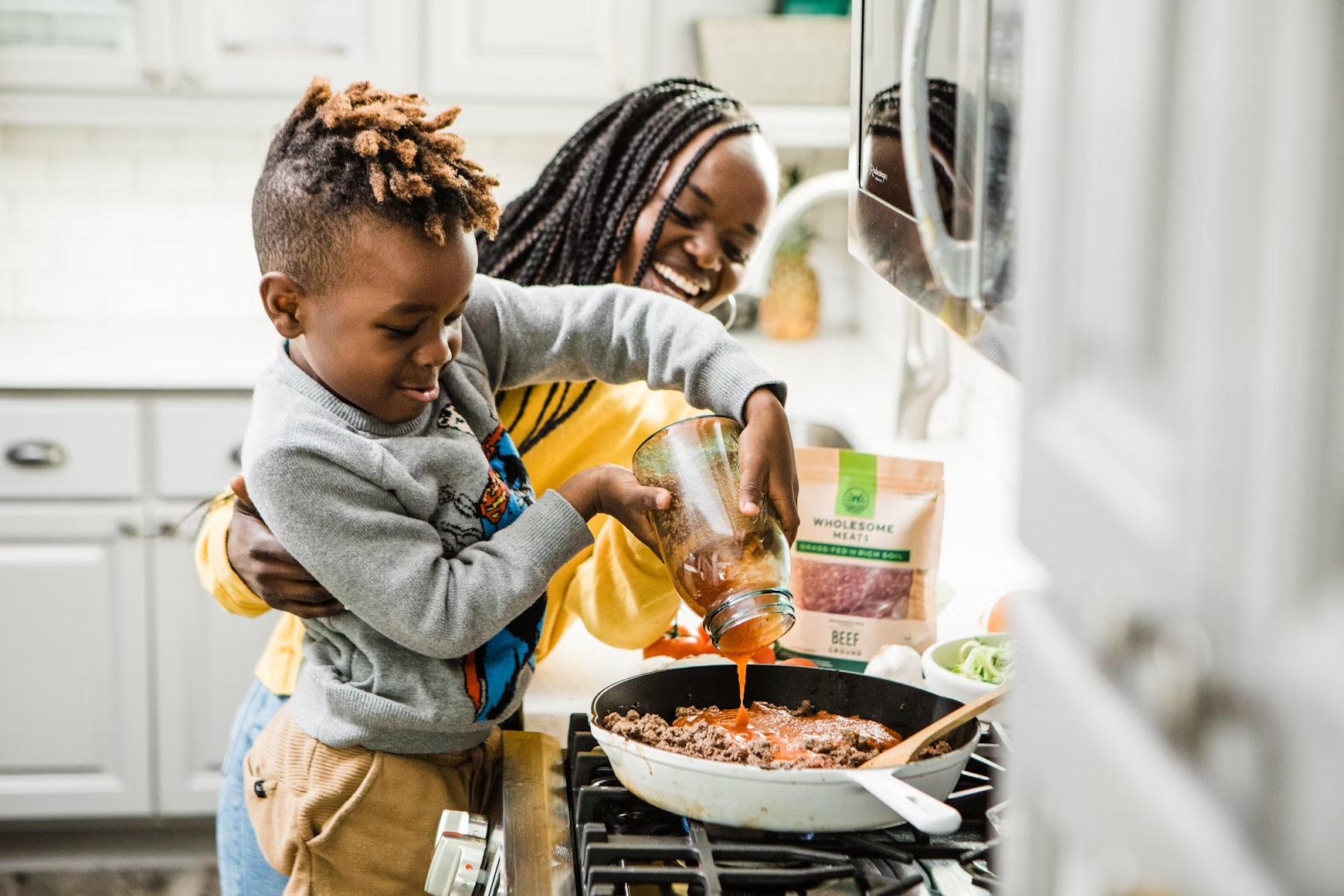
Smiling woman helping a young boy pour sauce into a skillet while cooking together.
Image Source: Unsplash

6. Let Kids Help in the Kitchen

Ownership breeds interest. Invite your child to rinse lettuce, stir pancake batter, or choose one new produce item at the grocery store. When kids invest effort, they develop pride—and curiosity about flavor. Ask open-ended questions as you cook: “How do you think this carrot will taste after roasting?” Cooking together also lets you weave in mini lessons about texture, seasoning, and nutrition without lectures. Over time, the kitchen shifts from battleground to creative lab, and new foods feel like personal inventions instead of parental mandates.

7. Keep Portions Tiny to Avoid Pressure

To a suspicious five-year-old, a golf-ball-size scoop of mashed sweet potato looks like Everest. Serve a single bite or even a pea-sized taste of new food. Tiny portions allow kids to explore without overwhelm or plate-cleaning pressure. Celebrate “try bites” with genuine praise—“You tasted it! How brave!”—rather than bribery. Repeated, low-stress exposure is the number-one predictor that children will eventually accept (and sometimes adore) previously rejected foods.

8. Be Honest—But Stay Positive

Sneaky techniques work best when paired with transparency. If kids discover hidden veggies repeatedly, they may feel tricked and resist in the future. Instead, frame the puree as a flavor upgrade: “We added pumpkin to these muffins for extra sweetness and vitamins.” Talk about how trying new tastes is part of growing strong—just like learning to ride a bike took practice. Positivity is contagious; when you describe broccoli as “earthy and crunchy” rather than “ugh, gross,” kids mirror your attitude.

The Secret Sauce: Your Attitude

Food battles aren’t just about what’s on the plate; they’re shaped by the emotional climate around it. If meals feel tense, children associate new foods with stress. Keep conversations upbeat and pressure-free. Model adventurous eating yourself—let kids see you crunch raw peppers or savor roasted Brussels sprouts. Share genuine enthusiasm: “I love how sweet these tomatoes taste after roasting!” Over months, that energy sinks in.

Remember, picky eating is often a phase rooted in developmental caution. Taste buds mature, curiosity expands, and what was once a “no” can become a favorite. Your job isn’t to win every bite—it’s to keep offering opportunities, stay calm, and trust the process.

What clever tricks have helped your picky eater branch out? Share your funniest or most successful food hacks in the comments—we’d love to swap ideas!

Read More

  • Dealing With Picky Eaters
  • The Picky Eater: You Can Get Them to Eat Their Vegetables If You Do This
Samantha Warren
Samantha

Samantha Warren is a holistic marketing strategist with 8+ years of experience partnering with startups, Fortune 500 companies, and everything in between. With an entrepreneurial mindset, she excels at shaping brand narratives through data-driven, creative content. When she’s not working, Samantha loves to travel and draws inspiration from her trips to Thailand, Spain, Costa Rica, and beyond.

Filed Under: Parenting Tagged With: child development | Family Nutrition, getting kids to eat vegetables, healthy eating for kids, kids nutrition, mealtime struggles, parenting advice, parenting tips, picky eating

Should Parents Allow Their Children to Choose Their Own Diets?

April 19, 2025 | Leave a Comment

Kids enjoying fruit and cupcakes, exploring their own diet choices
Image Source: Unsplash

Food is more than fuel—it’s comfort, celebration, and, yes, sometimes conflict. If you’ve ever watched your child push peas around a plate or beg for snacks minutes after dinner, you’ve probably wondered: should parents allow their children to choose their own diets?

As with most parenting dilemmas, the answer isn’t a flat yes or no. The goal is balanced power: empower kids while guiding them toward habits that last a lifetime.

Parental Influence Begins With What You Model

Children learn first by watching. Sit‑down meals, visible produce on the counter, and your own enjoyment of vegetables all imprint on young minds. Research on family eating patterns shows that kids copy the foods their parents serve themselves—fruits over fries, water over soda—more than any verbal instructions ever could.

Choice Reduces Food Fights—but Within Limits

Giving a child a bit of control curbs resistance. Offer two or three nutritious options rather than total freedom, and suddenly peas versus carrots feels like a win–win.

Studies on picky eating highlight that guided autonomy increases a child’s willingness to try new foods; it’s freedom with a safety net.

Repetition Builds Familiarity—and Healthier Preferences

One taste rarely seals the deal. Nutrition experts note that children often need 8 to 15 neutral exposures before accepting a new food.

Rotate textures—raw sticks, steamed florets, blended soups—to give broccoli or peppers multiple chances to shine. Patience and persistence pay off; what was once refused can become a favorite.

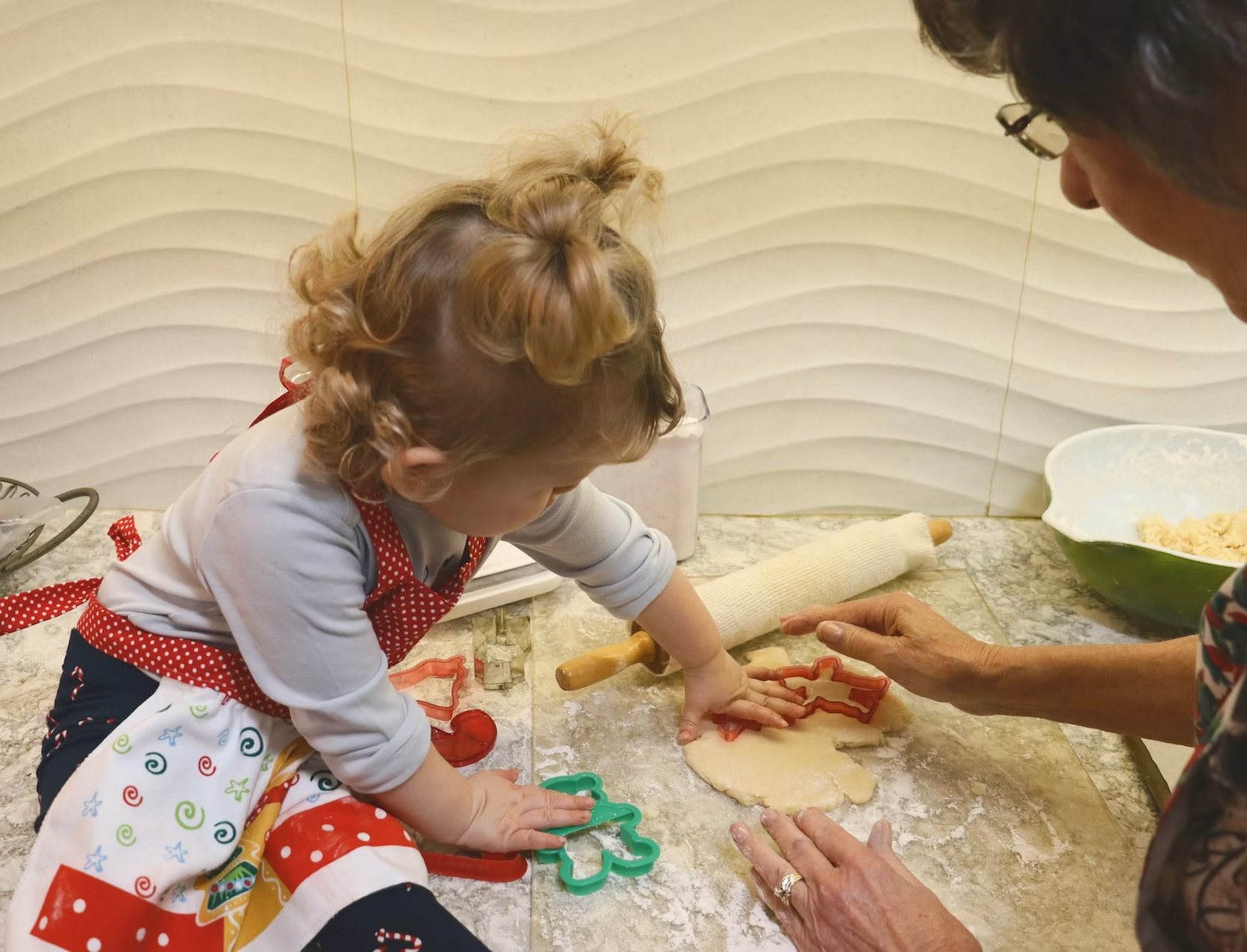
Child helping with meal prep in the kitchen
Image Source: Unsplash

Get Them Involved in the Kitchen

Hand a child a vegetable peeler or let them top a mini pizza, and something shifts: ownership breeds curiosity. Kids who help plan and cook meals are more likely to taste—and eventually like—those dishes. Simple tasks such as rinsing berries or stirring pancake batter transform mealtime from chore to collaboration.

Be Aware of Your Own Food Preferences

Stock the pantry with cookies and chips, and guess what children will crave? Parents’ purchasing habits shape a household’s default “go‑to” snacks. Swapping high‑sugar choices for fruit cups or nuts lowers temptation and models mindful shopping. A parent’s cart is often the first nutrition lesson a child sees.

What This Means for Your Family Table

Allowing kids to choose their food doesn’t equal a junk‑food free‑for‑all. It means offering structured choice: several nourishing options, clear kitchen routines, and consistent exposure to new flavors. A balanced approach teaches kids to tune into their own hunger cues while respecting the value of wholesome food.

Think of yourself as the curator, not a short‑order cook. You decide what makes it to the table and when meals happen; your child decides which items to eat and how much. Serve meals family‑style so little hands can practice portioning carrots, quinoa, or roasted chicken on their own plate.

Offer two veggie colors, a protein, and a familiar carb—then step back. When dessert is on deck, present it alongside the meal rather than dangling it as a reward; this normalizes treat foods and strips them of forbidden‑fruit allure.

Build predictable rhythms: breakfast at 7, snack at 10, lunch at 12:30, and so on. Regular timing reassures children that more food is always coming, reducing the urge to overeat.

Between meals, keep a “snack station” stocked with ready‑to‑grab fruit, cheese sticks, and whole‑grain crackers. The choices feel expansive, yet every option still fuels growing bodies.

Raising a Curious—and Capable—Eater

Food doesn’t have to be a daily power struggle. Trust your child with small decisions, stay involved, and watch confidence—and curiosity—grow.

Progress, not perfection, is the standard. When family meals spark connection instead of conflict, everyone leaves the table nourished in more ways than one.

How do you manage picky eating tendencies in your kids? Share your thoughts in the comments below!

Read More

  • Encouraging Good Language Development for Toddlers
  • Meals So Great Baby Doesn’t Throw it Back: 5 DIY Baby Foods You Can Make at Home
Samantha Warren
Samantha

Samantha Warren is a holistic marketing strategist with 8+ years of experience partnering with startups, Fortune 500 companies, and everything in between. With an entrepreneurial mindset, she excels at shaping brand narratives through data-driven, creative content. When she’s not working, Samantha loves to travel and draws inspiration from her trips to Thailand, Spain, Costa Rica, and beyond.

Filed Under: Parenting Tagged With: child development, child nutrition, family meals | Parenting, healthy eating habits, parenting tips, picky eating

  • Facebook
  • Pinterest
  • RSS
  • Twitter

Basic Principles Of Good Parenting

Here some basic principles for good parenting:

  1. What You Do Matters: Your kids are watching you. So, be purposeful about what you want to accomplish.
  2. You Can’t be Too Loving: Don’t replace love with material possessions, lowered expectations or leniency.
  3. Be Involved Your Kids Life: Arrange your priorities to focus on what your kid’s needs. Be there mentally and physically.
  4. Adapt Your Parenting: Children grow quickly, so keep pace with your child’s development.
  5. Establish and Set Rules: The rules you set for children will establish the rules they set for themselves later.  Avoid harsh discipline and be consistent.
  6. Explain Your Decisions: What is obvious to you may not be evident to your child. They don’t have the experience you do.
  7. Be Respectful To Your Child: How you treat your child is how they will treat others.  Be polite, respectful and make an effort to pay attention.
Best Parenting Blogs

Most Popular

Baby

9 Unusual Baby Names That Sound Like They Belong to Future CEOs

Evan Morgan
Baby

10 Baby Names That Were Once Considered “Grandparent Names” but Feel Cool Again

Evan Morgan
Target Store

Choking Incident Prompts Recall of 49,000 Target Gigglescape “Under the Sea” Popping Toys

Evan Morgan
Frustrated Girl

Why Some Students on the Spectrum Are Labeled With ODD

Evan Morgan
Coke Bottles

12 Things Kids Took to School in the ’70s That Would Never Be Allowed Today

Evan Morgan

All content on Kids Ain’t Cheap is for entertainment purposes only. By reading this blog, you agree that Kids Ain’t Cheap is not responsible for any actions taken after reading this blog. For the full disclaimer, see our privacy policy.

Please note that Kids Ain’t Cheap has financial relationships with some of the merchants mentioned here. Kids Ain’t Cheap is funded by banner advertising, commission sales and search optimization consulting.

Copyright © 2006–2026 | District Media | All Rights Reserved | Privacy Policy

Copyright © 2026 Runway Pro Theme by Viva la Violette