
Negotiating with a determined picky eater can feel like sparring with a very small, very stubborn lawyer. Broccoli is “too bumpy,” beans are “too squishy,” and anything remotely green is dismissed on sight. The result? Dinnertime drama for everyone. Fortunately, you don’t have to rely on bribes or battles to build better habits. With patience, creativity, and a pinch of stealth, you can guide kids toward healthier choices—and help them actually enjoy the journey. These eight gentle strategies weave nutrition into familiar favorites, foster curiosity, and keep mealtimes peaceful.
1. Puree Veggies Into Food They Already Love
When a child refuses visible spinach, think blender. Pureeing vegetables into sauces, soups, or even meatballs lets them absorb vitamins without the side-eye. Blend carrots or zucchini into spaghetti sauce, cauliflower into mashed potatoes, or sweet potato into pancake batter. The flavor stays familiar, but the nutrient boost is real. Over time, you can reduce the puree and add tiny visible pieces—building familiarity bit by bit. Remember, you’re not hiding the food forever; you’re introducing it in a friendly format.
2. Offer Dips as Flavor Boosters
Kids love interactive meals. Dipping sliced bell peppers into hummus or apple wedges into peanut butter transforms eating into play. The texture of a smooth dip helps mask the “weirdness” of raw veggies, while strong flavors (garlic, herbs, or mild spice) add excitement. Even a simple yogurt-based ranch makes cucumber slices suddenly worthy of a second bite. Pairing new foods with a favorite dip boosts acceptance rates because children feel more control—and fun—on their forks.
3. Pair “No” Foods with “Yes” Favorites
If plain broccoli bombs, sprinkle cheese on top. Mix peas into buttery pasta. Serve a tiny salad alongside their beloved chicken nuggets. Combining familiar and unfamiliar flavors lowers anxiety by reminding kids that something delicious is still on the plate. Repeated exposure—without pressure—teaches that new foods aren’t scary intruders; they’re teammates. Over weeks, dial back the “yes” helper and let the formerly rejected item star on its own. It’s a gradual, respectful bridge from hesitation to acceptance.
4. Trim Tempting but Less Nutritious Options
Healthy choices can’t compete if chips and cookies dominate the snack shelf. When ultra-salty or sugary foods are always available, even the coolest carrot loses appeal. Reducing these hyper-palatable options nudges kids toward fruit, whole-grain crackers, or yogurt. Rather than banning treats (which can spark rebellious cravings), rotate them as occasional delights. The less processed food crowds the pantry, the more naturally kids gravitate toward wholesome alternatives—especially when you keep fun, ready-to-grab items like dried mango or roasted chickpeas at eye level.
5. Use Creative Shapes or Fun Presentation
Kids eat with their eyes first. Turn lunch into art class! Cut sandwiches with cookie cutters, arrange veggie sticks into rainbow order, or create a smiley-face pizza topped with red-pepper “lips.” Bento-box compartments spark curiosity by separating foods into colorful “treasure” sections. Even a simple toothpick skewer of grape tomatoes and cheese cubes feels party-worthy compared to a plain pile on a plate. Playful plating lowers pressure, shifts the mood to exploration, and often earns at least one enthusiastic nibble.
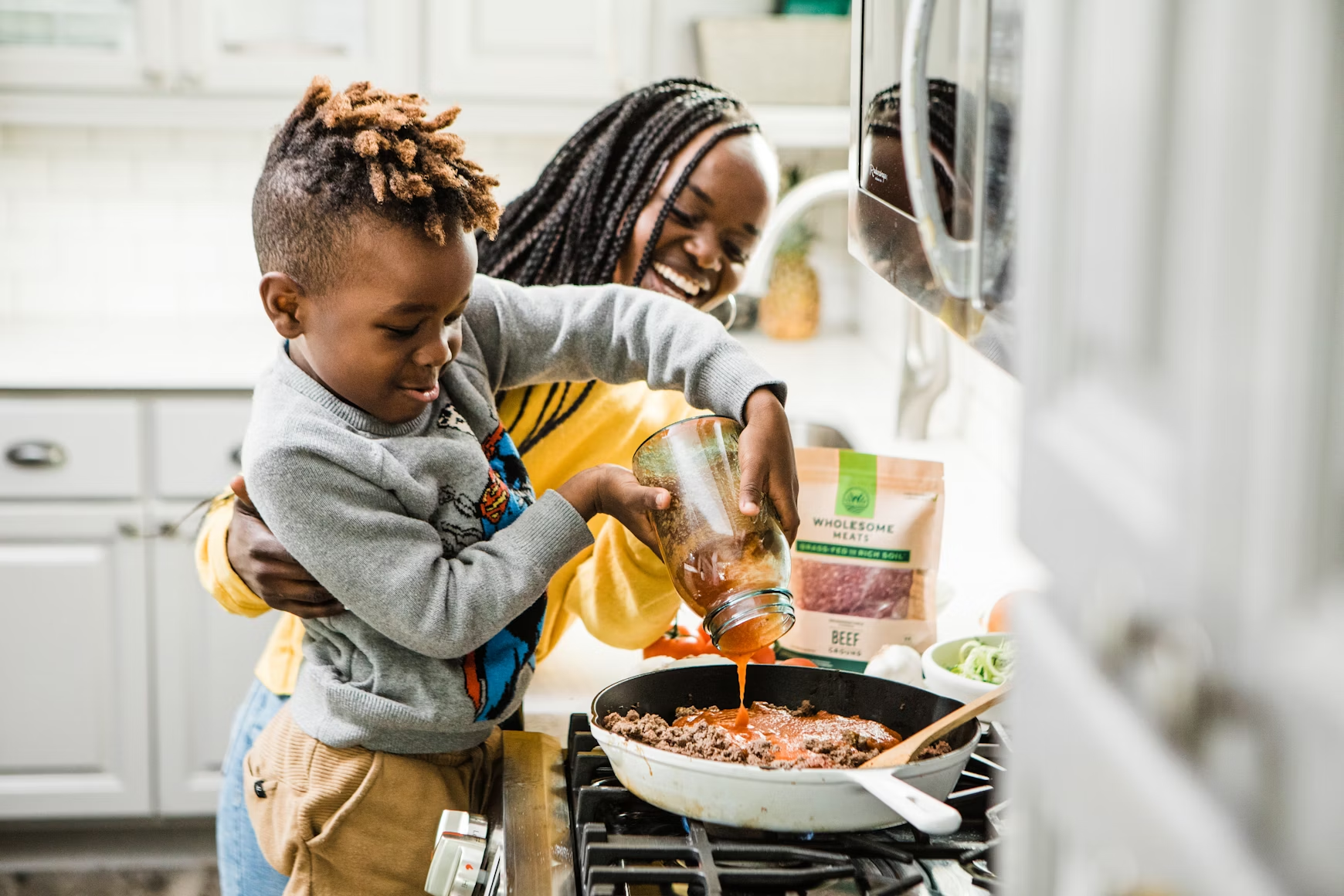
6. Let Kids Help in the Kitchen
Ownership breeds interest. Invite your child to rinse lettuce, stir pancake batter, or choose one new produce item at the grocery store. When kids invest effort, they develop pride—and curiosity about flavor. Ask open-ended questions as you cook: “How do you think this carrot will taste after roasting?” Cooking together also lets you weave in mini lessons about texture, seasoning, and nutrition without lectures. Over time, the kitchen shifts from battleground to creative lab, and new foods feel like personal inventions instead of parental mandates.
7. Keep Portions Tiny to Avoid Pressure
To a suspicious five-year-old, a golf-ball-size scoop of mashed sweet potato looks like Everest. Serve a single bite or even a pea-sized taste of new food. Tiny portions allow kids to explore without overwhelm or plate-cleaning pressure. Celebrate “try bites” with genuine praise—“You tasted it! How brave!”—rather than bribery. Repeated, low-stress exposure is the number-one predictor that children will eventually accept (and sometimes adore) previously rejected foods.
8. Be Honest—But Stay Positive
Sneaky techniques work best when paired with transparency. If kids discover hidden veggies repeatedly, they may feel tricked and resist in the future. Instead, frame the puree as a flavor upgrade: “We added pumpkin to these muffins for extra sweetness and vitamins.” Talk about how trying new tastes is part of growing strong—just like learning to ride a bike took practice. Positivity is contagious; when you describe broccoli as “earthy and crunchy” rather than “ugh, gross,” kids mirror your attitude.
The Secret Sauce: Your Attitude
Food battles aren’t just about what’s on the plate; they’re shaped by the emotional climate around it. If meals feel tense, children associate new foods with stress. Keep conversations upbeat and pressure-free. Model adventurous eating yourself—let kids see you crunch raw peppers or savor roasted Brussels sprouts. Share genuine enthusiasm: “I love how sweet these tomatoes taste after roasting!” Over months, that energy sinks in.
Remember, picky eating is often a phase rooted in developmental caution. Taste buds mature, curiosity expands, and what was once a “no” can become a favorite. Your job isn’t to win every bite—it’s to keep offering opportunities, stay calm, and trust the process.
What clever tricks have helped your picky eater branch out? Share your funniest or most successful food hacks in the comments—we’d love to swap ideas!
Read More

Samantha Warren is a holistic marketing strategist with 8+ years of experience partnering with startups, Fortune 500 companies, and everything in between. With an entrepreneurial mindset, she excels at shaping brand narratives through data-driven, creative content. When she’s not working, Samantha loves to travel and draws inspiration from her trips to Thailand, Spain, Costa Rica, and beyond.
