• Home
  • About Us
  • Toolkit
  • Archives
  • Advertise
  • Privacy Policy

Kids Ain't Cheap

But They Sure Are Worth It

  • Parenting
    • Baby Stuff
    • Books and Reading
      • Aesops Fables
      • Comic Books
    • Education
    • Family Time
    • Green Living
    • Growing Up
    • Healthy Living & Eating
    • Holidays
    • Parenting
    • Random Musings
    • Shopping
    • Stuff to Do
  • Money
  • Product Reviews
    • Books and Magazines
    • Discount Sites
    • Furniture
    • House Keeping
    • Reviews News
    • Toys and Games
  • Contact Us
  • Our Editorial Commitment
  • Search

The Snack Obsession: How It’s Sabotaging Your Kid’s Health

May 5, 2025 | Leave a Comment

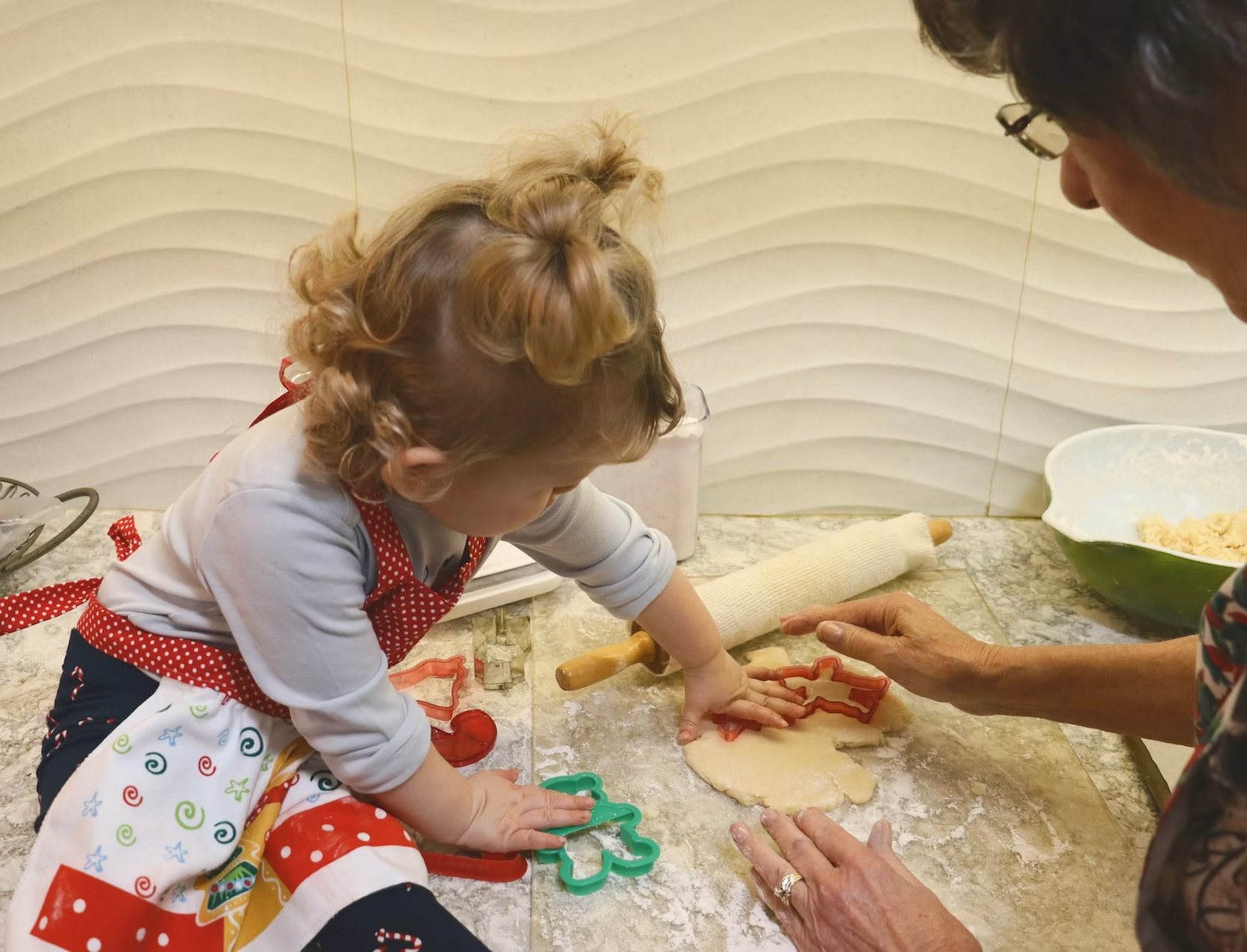
Image by Georgia Vagim 

If you feel like you spend half your day handing out snacks, you’re not alone. Between breakfast and lunch, there’s a snack. Then another one between lunch and dinner. And don’t forget the post-dinner “I’m still hungry” snack. Modern parenting often feels like managing a 24/7 snack buffet.

And honestly? It starts with good intentions. We want our kids to feel full, happy, and fueled. But somewhere along the way, snack time stopped being helpful and started becoming a health hazard.

Let’s unpack how this obsession with snacking got so out of hand, what it’s actually doing to your child’s body, and how to hit reset without turning every afternoon into a hunger strike.

How Did We Get So Snack-Obsessed?

We’re raising kids in a culture that markets snacks as necessities. Toddler diaper bags are stocked like vending machines. Every preschool pickup ends with “What’s in your snack cup?” And grocery store shelves are overflowing with brightly packaged, sugary, shelf-stable options promising “whole grains” and “natural fruit.” But here’s what we forget: kids didn’t always need snacks every two hours.

A generation ago, snacks were an occasional treat, not a routine. Today, between-school bites, car snacks, bedtime snacks, and sports snacks have become part of the daily rhythm, often in the form of ultra-processed, high-sugar, low-nutrient foods.

And here’s the kicker: many of us feel guilty if we don’t offer snacks, even if our kid isn’t hungry. We worry they’ll crash, have a tantrum, or just feel left out. But that constant access to food comes with hidden costs.

1. It Disrupts Their Natural Hunger Cues

Kids are actually born with an incredible ability to self-regulate hunger. Left to their own devices, most will eat when they’re hungry and stop when they’re full.

But frequent snacking interferes with that natural rhythm. When food is always available, eating becomes less about hunger and more about habit or boredom.

Over time, this can lead to overeating, even when the body doesn’t need fuel. And when meals roll around, your child might not be hungry for actual food, leading to the classic dinner standoff.

2. Snacks Are Often Just Sugar in Disguise

Take a stroll through the “kids’ snack” aisle, and you’ll see a parade of health buzzwords—organic, gluten-free, whole grain. But flip the box, and you’ll likely find high levels of sugar, salt, and refined carbs–fruit snacks made of mostly corn syrup, yogurt tubes with more sugar than soda, and granola bars with a dessert’s worth of calories.

These kinds of snacks don’t just fail to nourish. They spike blood sugar, lead to energy crashes, and create more cravings. It’s a rollercoaster ride most little bodies (and parents) aren’t built for.

3. They Crowd Out Nutrient-Dense Meals

If your child snacks through the afternoon, they’re less likely to eat real food at dinner. Which often leads to more snacking later. It’s a cycle that keeps actual meals from being the primary source of nutrition.

Many kids end up under-eating protein, vegetables, fiber, and healthy fats because they’re too full from goldfish crackers and applesauce pouches to try chicken and broccoli. The result? Nutritional gaps that show up in everything from mood swings and poor sleep to weak immunity and sluggish energy.
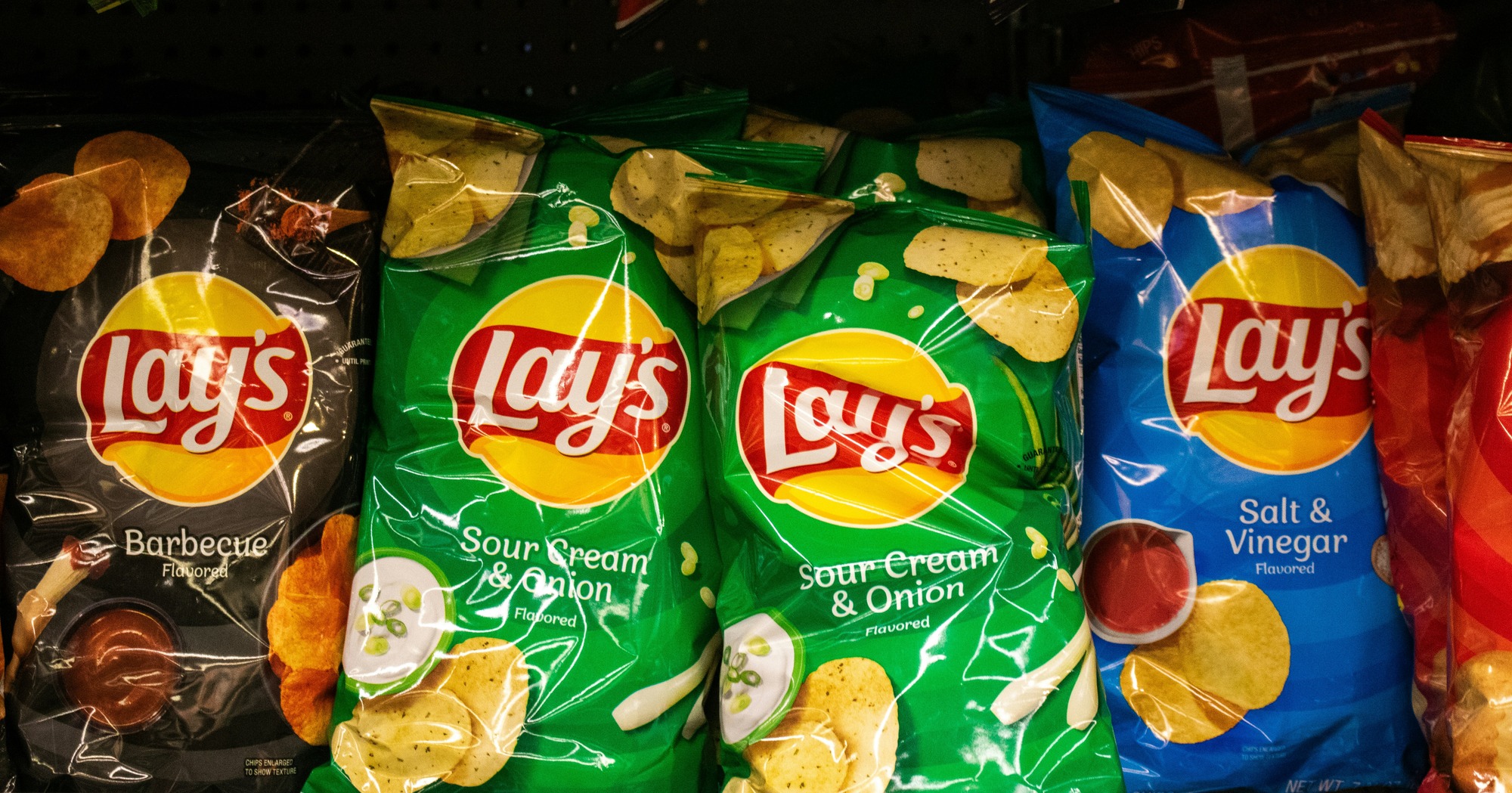
Image by Zoshua Colah 

So, What Can You Do Without Triggering a Toddler Uprising?

Let’s be honest: we’re not going to suddenly live in a world without snacks. And that’s okay. Kids have small stomachs and high energy needs. There’s a place for snacks. But we can make small, powerful changes that shift the culture of snacking back to balance.

Try These Smarter Snack Strategies

1. Rethink the Schedule.
Kids generally only need two snacks a day: one mid-morning and one mid-afternoon. If they’re eating breakfast, lunch, and dinner with adequate portions and nutrition, constant grazing isn’t necessary.

2. Serve Snacks With Structure.
Treat snacks like mini meals—served at a table, with a drink, no screens. This reinforces that food is for fueling, not entertainment.

3. Offer Real Food.
Snacks can be just as whole and nutritious as meals. Try:

  • Sliced veggies with hummus
  • Cheese and fruit
  • Hard-boiled eggs
  • Whole-grain toast with nut butter
  • Leftovers from lunch or dinner

These kinds of snacks give your child what they actually need—protein, fiber, fat, and steady energy.

4. Don’t Use Snacks as Emotional Fixes.
It’s tempting to offer food as a pacifier for boredom, stress, or tantrums, but it teaches the wrong lesson. Sometimes, they just need play, a hug, or quiet time.

5. Let Them Feel Hunger (Within Reason).
Being a little hungry between meals isn’t a problem. It’s a sign their digestive system is working properly. Allowing short periods of hunger builds appetite, helps kids tune into their body’s signals, and often leads to better eating at mealtime.

It’s About Resetting the Culture, Not Eliminating Joy

Snacks can still be fun. There’s room for the occasional treat. But building awareness and teaching kids that snacks are part of a balanced life, not the center of it, is key. So the next time your little one says they’re hungry 20 minutes after lunch, pause. Are they bored? Thirsty? Tired?

And if they really do need a snack, make it count.

How do you handle snack time in your house? Got a go-to healthy option your kids actually like?

Read More:
Beyond Nuggets: Healthy and Easy Toddler Food Ideas

4 Strategies to Encourage Healthy Eating Habits in Kids

Filed Under: Parenting Tagged With: childhood health, healthy eating habits, kids nutrition, mindful eating, parenting tips, picky eaters, snack time, sugar and kids, toddler snacking

Should Parents Allow Their Children to Choose Their Own Diets?

April 19, 2025 | Leave a Comment

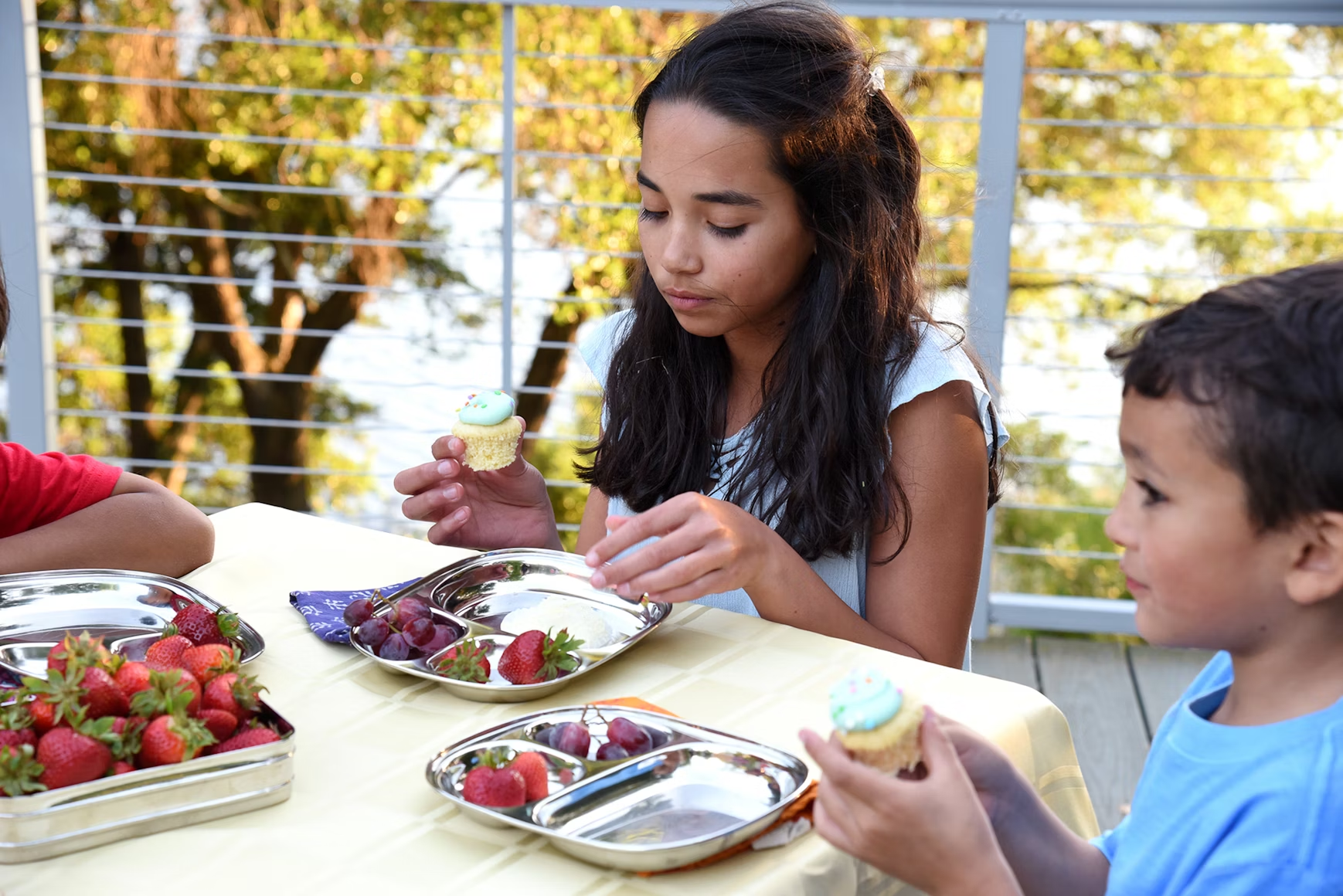
Kids enjoying fruit and cupcakes, exploring their own diet choices
Image Source: Unsplash

Food is more than fuel—it’s comfort, celebration, and, yes, sometimes conflict. If you’ve ever watched your child push peas around a plate or beg for snacks minutes after dinner, you’ve probably wondered: should parents allow their children to choose their own diets?

As with most parenting dilemmas, the answer isn’t a flat yes or no. The goal is balanced power: empower kids while guiding them toward habits that last a lifetime.

Parental Influence Begins With What You Model

Children learn first by watching. Sit‑down meals, visible produce on the counter, and your own enjoyment of vegetables all imprint on young minds. Research on family eating patterns shows that kids copy the foods their parents serve themselves—fruits over fries, water over soda—more than any verbal instructions ever could.

Choice Reduces Food Fights—but Within Limits

Giving a child a bit of control curbs resistance. Offer two or three nutritious options rather than total freedom, and suddenly peas versus carrots feels like a win–win.

Studies on picky eating highlight that guided autonomy increases a child’s willingness to try new foods; it’s freedom with a safety net.

Repetition Builds Familiarity—and Healthier Preferences

One taste rarely seals the deal. Nutrition experts note that children often need 8 to 15 neutral exposures before accepting a new food.

Rotate textures—raw sticks, steamed florets, blended soups—to give broccoli or peppers multiple chances to shine. Patience and persistence pay off; what was once refused can become a favorite.

Child helping with meal prep in the kitchen
Image Source: Unsplash

Get Them Involved in the Kitchen

Hand a child a vegetable peeler or let them top a mini pizza, and something shifts: ownership breeds curiosity. Kids who help plan and cook meals are more likely to taste—and eventually like—those dishes. Simple tasks such as rinsing berries or stirring pancake batter transform mealtime from chore to collaboration.

Be Aware of Your Own Food Preferences

Stock the pantry with cookies and chips, and guess what children will crave? Parents’ purchasing habits shape a household’s default “go‑to” snacks. Swapping high‑sugar choices for fruit cups or nuts lowers temptation and models mindful shopping. A parent’s cart is often the first nutrition lesson a child sees.

What This Means for Your Family Table

Allowing kids to choose their food doesn’t equal a junk‑food free‑for‑all. It means offering structured choice: several nourishing options, clear kitchen routines, and consistent exposure to new flavors. A balanced approach teaches kids to tune into their own hunger cues while respecting the value of wholesome food.

Think of yourself as the curator, not a short‑order cook. You decide what makes it to the table and when meals happen; your child decides which items to eat and how much. Serve meals family‑style so little hands can practice portioning carrots, quinoa, or roasted chicken on their own plate.

Offer two veggie colors, a protein, and a familiar carb—then step back. When dessert is on deck, present it alongside the meal rather than dangling it as a reward; this normalizes treat foods and strips them of forbidden‑fruit allure.

Build predictable rhythms: breakfast at 7, snack at 10, lunch at 12:30, and so on. Regular timing reassures children that more food is always coming, reducing the urge to overeat.

Between meals, keep a “snack station” stocked with ready‑to‑grab fruit, cheese sticks, and whole‑grain crackers. The choices feel expansive, yet every option still fuels growing bodies.

Raising a Curious—and Capable—Eater

Food doesn’t have to be a daily power struggle. Trust your child with small decisions, stay involved, and watch confidence—and curiosity—grow.

Progress, not perfection, is the standard. When family meals spark connection instead of conflict, everyone leaves the table nourished in more ways than one.

How do you manage picky eating tendencies in your kids? Share your thoughts in the comments below!

Read More

  • Encouraging Good Language Development for Toddlers
  • Meals So Great Baby Doesn’t Throw it Back: 5 DIY Baby Foods You Can Make at Home
Samantha Warren
Samantha

Samantha Warren is a holistic marketing strategist with 8+ years of experience partnering with startups, Fortune 500 companies, and everything in between. With an entrepreneurial mindset, she excels at shaping brand narratives through data-driven, creative content. When she’s not working, Samantha loves to travel and draws inspiration from her trips to Thailand, Spain, Costa Rica, and beyond.

Filed Under: Parenting Tagged With: child development, child nutrition, family meals | Parenting, healthy eating habits, parenting tips, picky eating

  • Facebook
  • Pinterest
  • RSS
  • Twitter

Basic Principles Of Good Parenting

Here some basic principles for good parenting:

  1. What You Do Matters: Your kids are watching you. So, be purposeful about what you want to accomplish.
  2. You Can’t be Too Loving: Don’t replace love with material possessions, lowered expectations or leniency.
  3. Be Involved Your Kids Life: Arrange your priorities to focus on what your kid’s needs. Be there mentally and physically.
  4. Adapt Your Parenting: Children grow quickly, so keep pace with your child’s development.
  5. Establish and Set Rules: The rules you set for children will establish the rules they set for themselves later.  Avoid harsh discipline and be consistent.
  6. Explain Your Decisions: What is obvious to you may not be evident to your child. They don’t have the experience you do.
  7. Be Respectful To Your Child: How you treat your child is how they will treat others.  Be polite, respectful and make an effort to pay attention.
Best Parenting Blogs

Most Popular

Baby

9 Baby Names That Sound Rare Without Being Hard to Spell

Evan Morgan
Baby

9 Unusual Baby Names That Sound Like They Belong to Future CEOs

Evan Morgan
Target Store

Choking Incident Prompts Recall of 49,000 Target Gigglescape “Under the Sea” Popping Toys

Evan Morgan
Frustrated Girl

Why Some Students on the Spectrum Are Labeled With ODD

Evan Morgan
Coke Bottles

12 Things Kids Took to School in the ’70s That Would Never Be Allowed Today

Evan Morgan

All content on Kids Ain’t Cheap is for entertainment purposes only. By reading this blog, you agree that Kids Ain’t Cheap is not responsible for any actions taken after reading this blog. For the full disclaimer, see our privacy policy.

Please note that Kids Ain’t Cheap has financial relationships with some of the merchants mentioned here. Kids Ain’t Cheap is funded by banner advertising, commission sales and search optimization consulting.

Copyright © 2006–2026 | District Media | All Rights Reserved | Privacy Policy

Copyright © 2026 Runway Pro Theme by Viva la Violette