
It’s broccoli vs. willpower, and your toddler is winning—again. If you’ve ever pleaded “Just one bite” while your child clamps their mouth shut, you’re not alone. Mealtime battles can feel endless, emotional, and exhausting. The good news? A calmer, more effective path exists. The five core strategies below—plus a bonus tip—are rooted in research and real-life coaching with families. Put them together and you’ll transform the table from a battlefield into a place of connection (and yes, actual eating).
1. Stick to a Steady Mealtime Rhythm
Toddlers thrive on predictability. Scheduling breakfast, lunch, dinner, and two snacks at roughly the same times each day helps regulate hunger cues and mood swings. When small stomachs know fuel is coming, they’re less likely to launch a hunger-induced protest. Aim for meals every three to four hours and snacks midway between. A posted family “food clock” or picture schedule can help toddlers visualize when the next eating opportunity arrives, reducing panic or begging minutes after they push the plate away. Structure sets the stage for success.
2. Offer Variety—Minus the Pressure
Present two to three food groups at each meal: a protein, a fruit or veggie, and a starch or dairy. Add a “safe food” you know your toddler usually accepts (a few plain crackers or cheese cubes) so they never arrive at the table fearing total unfamiliarity. Then step back. Research shows toddlers often need 10–15 exposures to a new food before trying it voluntarily. Your job: expose without insisting. Statements like “These carrots are crunchy—you can taste if you’re curious” invite exploration while preserving autonomy.
3. Ditch Bribes, Threats & Dessert Deals
Promising ice cream for broccoli teaches that veggies are chores and sweets are rewards. Linking foods to morality (“good” vs. “bad”) or performance (“finish or no TV”) plants unhealthy associations that can linger into adulthood. Keep desserts and treats neutral: if you plan to serve a cookie, offer it alongside the meal or as an unconditional after-dinner item, not as ransom. Likewise, avoid punishments like “Go to bed hungry” which can erode trust and increase anxiety around food.
4. Avoid Food Negotiations and One-More-Bite Bargains
The Division of Responsibility in Feeding, popularized by dietitian Ellyn Satter, clarifies roles: parents decide what, when, and where food is offered; children decide whether and how much to eat from what’s provided. Nagging “three more bites” or cooking a second meal when the first is rejected turns eating into a power game. Re-serve leftovers at the next programmed snack if you wish, but stick to the menu. Over time your toddler learns the table is predictable, not a stage for endless haggling.
5. Keep Your Cool—Model the Behavior You Want
Toddlers read facial expressions and tone better than they process explanations. A tight jaw or sigh signals mealtime stress even before words emerge. If a plate is flung, take a breath, remove the food calmly, and state the limit: “Food stays on the table. Let’s clean and try again.” Losing your temper may silence the protest in the moment, but it fuels anxiety at future meals. If you feel anger bubbling, tag-team with another adult or call a quick “reset” break. Your regulation teaches them regulation.
Bonus: Involve Toddlers Before the Meal Starts
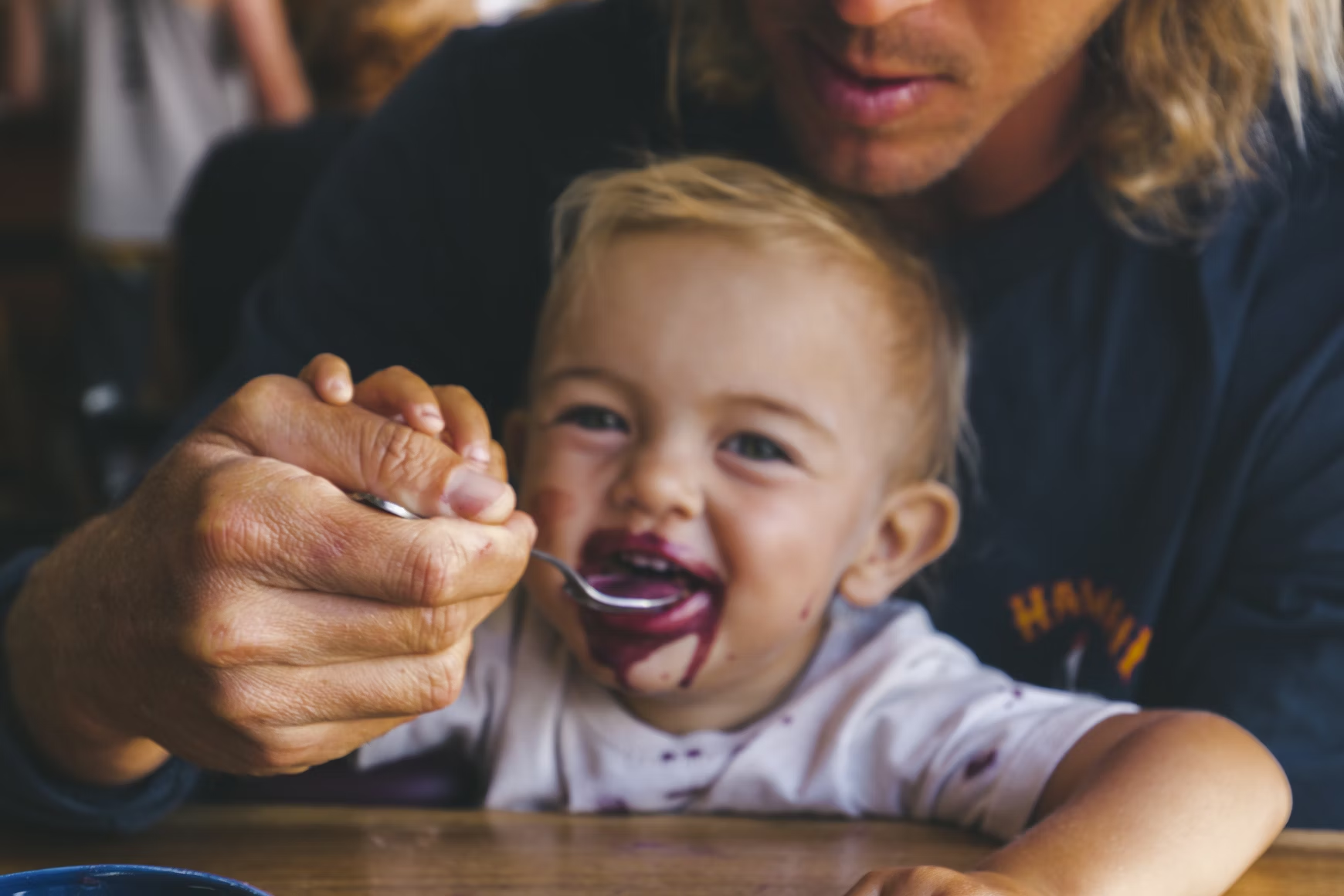
Kids who help shop, wash produce, or stir batter are more invested in tasting the final result. Toddlers can rinse grapes, dump pre-measured ingredients, or garnish plates with parsley “confetti.” The sensory play of touching squishy dough or snapping green beans demystifies new foods. Let them proudly carry a dish to the table and announce, “I made the salad!” Participation builds ownership—and curiosity often triumphs over skepticism.
Putting It All Together
Ending toddler mealtime battles isn’t about perfection; it’s about consistency plus calm presence. A predictable schedule eases hunger swings, variety without pressure sparks exploration, and firm boundaries keep negotiations at bay. When you model patience—and invite tiny hands into prep work—meals shift from struggle to shared experience.
Remember: toddlers’ appetites and preferences change daily. A skipped meal is not a failure; it’s part of learning to listen to their bodies. Over weeks and months, these strategies create a foundation of trust, autonomy, and balanced nutrition.
Do you have a hard-won tip that tamed a mealtime meltdown—or a funny food flop to share? Drop it in the comments. Your story might help another exhausted parent breathe easier tonight.
Read More
- Can Yelling Ever Be “Justified” Parenting—or Is It Always Damage?
- Meal Planning For A Family On A Budget

Samantha Warren is a holistic marketing strategist with 8+ years of experience partnering with startups, Fortune 500 companies, and everything in between. With an entrepreneurial mindset, she excels at shaping brand narratives through data-driven, creative content. When she’s not working, Samantha loves to travel and draws inspiration from her trips to Thailand, Spain, Costa Rica, and beyond.
