• Home
  • About Us
  • Toolkit
  • Archives
  • Advertise
  • Privacy Policy

Kids Ain't Cheap

But They Sure Are Worth It

  • Parenting
    • Baby Stuff
    • Books and Reading
      • Aesops Fables
      • Comic Books
    • Education
    • Family Time
    • Green Living
    • Growing Up
    • Healthy Living & Eating
    • Holidays
    • Parenting
    • Random Musings
    • Shopping
    • Stuff to Do
  • Money
  • Product Reviews
    • Books and Magazines
    • Discount Sites
    • Furniture
    • House Keeping
    • Reviews News
    • Toys and Games
  • Contact Us
  • Our Editorial Commitment
  • Search

The Lunchbox Items Kids Are Most Likely to Bring Home Uneaten

July 31, 2026 | Leave a Comment

Lunchbox
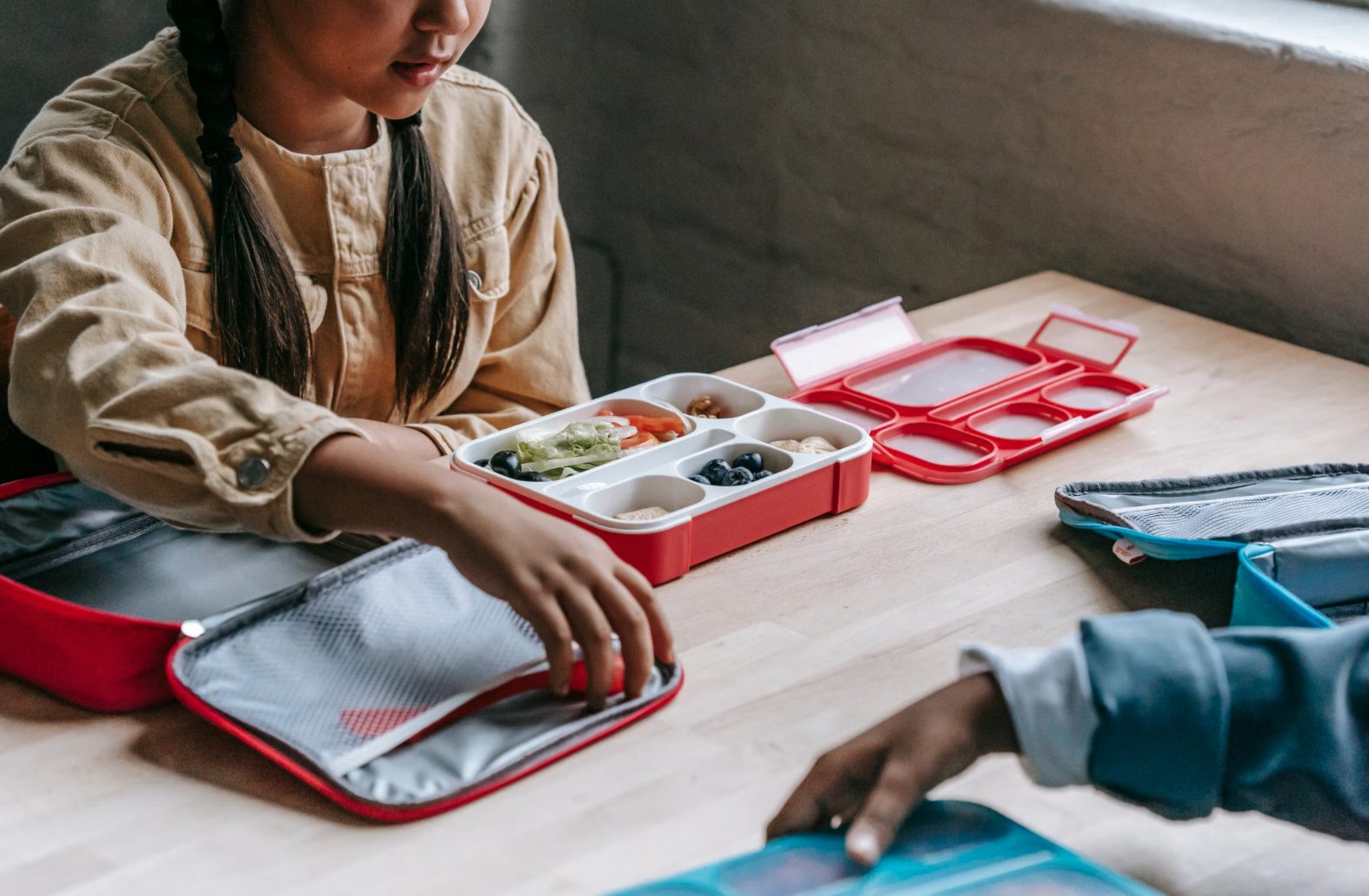
A child’s lunchbox with untouched vegetables, fruit, and half a sandwich highlights the foods that often return home after school. Small portion changes and familiar favorites can help reduce waste. (Pexels).

Packing a school lunch can feel like a daily guessing game. One day your child happily eats sliced cucumbers, and the next day they come home untouched. Parents often assume they’re doing something wrong, but research shows that food preferences, short lunch periods, distractions, and changing tastes all play a role. Understanding which lunchbox items are most likely to return home uneaten can help families reduce food waste, save money, and make school lunches more enjoyable.

Raw Vegetables Often End Up Back at Home

Raw vegetables are one of the most commonly uneaten lunchbox items, especially when they’re packed without a dip or paired with unfamiliar foods. Recent research has found that children with picky eating habits are significantly less likely to eat vegetables or salads during school lunches than their peers. Fresh carrots, celery, cucumber slices, and bell peppers may be nutritious, but many children simply run out of time or choose foods they enjoy more first. Instead of eliminating vegetables, try offering smaller portions with hummus or ranch dressing. Many parents also find that rotating vegetables instead of packing the same ones every day improves acceptance over time.

Whole Fruit Can Be More Trouble Than It’s Worth

Whole apples, oranges, and pears often come home untouched because they take longer to eat during limited lunch breaks. Younger children may also struggle to peel fruit or bite into larger pieces comfortably. Cutting fruit into bite-sized portions or packing berries, grapes, or melon cubes can make healthy choices easier to finish. Studies of school lunches have consistently found that fruit is one of the foods picky eaters skip more frequently than other children. Convenience matters just as much as nutrition when the lunch bell only lasts 20 to 30 minutes.

Large Sandwiches Frequently Go Half-Eaten

A full-size sandwich may look like the perfect lunch, but many kids simply don’t have the appetite or time to finish it. Parents often discover that only a few bites disappear before the sandwich heads back home. Packing half sandwiches, sliders, or pinwheel wraps can reduce waste while still providing enough protein and whole grains. School lunch researchers have noted that portion size plays a significant role in what children actually eat. Smaller servings can always be followed by easy-to-eat snacks if your child is still hungry later in the day.

Yogurt and Dairy Items Can Be Hit or Miss

Yogurt tubes, cottage cheese, and cheese cubes are nutritious options, but they aren’t always finished. Texture changes as foods warm up, even when packed with ice packs, which can make dairy products less appealing by lunchtime. Some children also avoid dairy because they’re focused on socializing rather than eating slowly. Insulated lunch containers and frozen yogurt tubes can help maintain a better texture throughout the morning. Watching which dairy products consistently come back untouched is a better guide than assuming every healthy choice is a favorite.

New or Unfamiliar Foods Usually Stay Untouched

Parents naturally want to introduce variety, but school lunch is rarely the best place to experiment. Children tend to choose familiar foods in busy cafeteria settings where distractions are everywhere. Researchers have also found that social influences and familiarity affect children’s willingness to eat certain lunchbox foods. Introducing new foods at home first, where there’s less pressure and more time, gives kids a better chance to accept them before they appear in a lunchbox. Once a food becomes familiar, it’s much more likely to be eaten at school.

Smart Lunch Packing Starts with Observation

The best lunchbox isn’t the one that looks perfect in a social media photo—it’s the one that comes home nearly empty. Pay attention to what consistently returns and treat those leftovers as useful feedback rather than frustration. Involving children in grocery shopping and lunch planning often increases the chances they’ll actually eat what they helped choose. Packing slightly smaller portions, rotating favorite foods, and keeping meals simple can reduce both food waste and grocery costs. Small adjustments based on your child’s habits usually produce better results than constantly searching for the perfect lunch.

Every child has different tastes, and finding the right lunchbox combination often takes patience and trial and error. Paying attention to what comes home uneaten can help you build lunches your child actually enjoys while cutting down on wasted food. Small changes, such as serving bite-sized fruit or smaller sandwiches, can make a surprisingly big difference over time.

What lunchbox item does your child bring home untouched most often, and what trick has helped you cut down on food waste? Share your experience in the comments—we’d love to hear your ideas.

What to Read Next

Teachers Beg Parents: Stop Buying These 7 High-Sugar Snacks for School Lunches

6 Smart Ways Parents Are Cutting School Lunch Costs Right Now

Nutritionists Warn: 6 “Healthy” Lunchbox Staples That Spike Sugar Crashes at School

Evan Morgan

Evan Morgan has been a full-time freelance writer and editor for 10+ years. When not working, he enjoys catching the latest true crime documentary or getting lost in a good book.

Filed Under: Parenting Tagged With: Back to School, food waste, healthy eating, kids nutrition, lunchbox ideas, Parenting, picky eaters, school lunches

Teachers Beg Parents: Stop Buying These 7 High-Sugar Snacks for School Lunches

March 28, 2026 | Leave a Comment

High-Sugar Snacks
Image source: shutterstock.com

You drop your child off at school hoping they will find a sense of belonging and academic growth. Instead, many parents are noticing their children return home with high levels of stress and unexplained irritability. It is easy to blame social media or a lack of sleep for this modern epidemic of childhood worry. However, teachers are finally revealing that the structure of the school day itself is a major contributor. The hidden system of high-stakes testing and constant comparison is breaking the spirit of our youth. You are not failing as a parent because your child is struggling to cope. The environment they spend seven hours in is often designed for efficiency rather than emotional health. Understanding why 2026 students are more anxious is the first step toward a solution.

1. The Pressure of Constant Digital Feedback

Students today are monitored through digital gradebooks that update in real-time for both parents and administrators. Surprisingly, this level of surveillance prevents children from learning how to fail gracefully in a private setting. They feel the weight of every missed assignment or low quiz score before they even leave the building. On the other hand, traditional education allowed for a period of growth and correction before a final grade was issued. This shift toward instant data makes students feel constant pressure regarding their perceived worth in a digital system. You can explore the psychological impact of digital monitoring through the Child Mind Institute’s guide on school-related anxiety. We must return to a model that values the process over the immediate data point.

2. The Loss of Unstructured Play

Recess and passing periods have been drastically shortened to make more room for standardized curriculum blocks. This removal of free time forces children to stay in a state of high cognitive load for hours on end. Furthermore, the lack of unstructured play prevents them from developing the natural conflict resolution skills they need. Without these social buffers, minor peer disagreements escalate into major sources of daily dread. Teachers report that students are increasingly unable to handle small setbacks without a significant emotional breakdown. Research on the necessity of play for emotional regulation is available from the American Academy of Pediatrics. A school without play is a pressure cooker for the developing mind.

3. High-Stakes Environment and Competitive Ranking

Classroom walls are often covered with data charts that publicly rank students based on their reading or math progress. This public display of ability creates a culture of shame for those who are struggling to keep up. Children as young as six are now aware of where they stand in relation to their peers’ test scores. Additionally, the focus on college readiness in elementary school removes the joy of discovery from the learning process. This competitive atmosphere ensures that 2026 students feel anxious and validated by their environment every single day. We are trading the curiosity of childhood for the metrics of a corporate office. Taking these charts down is a simple way to restore a sense of safety to the classroom.

4. The Impact of Standardized Testing Fatigue

The modern school calendar is often dictated by the proximity to the next state-mandated assessment. This narrow focus forces teachers to skip enrichment activities that build confidence and critical thinking. When the curriculum becomes a race to cover material rather than a journey to understand it, students feel left behind. This fatigue leads to a lack of engagement and a sense of hopelessness among those who do not test well. You can find more information on the effects of over-testing from FairTest: The National Center for Fair & Open Testing. Your child is more than a bar graph on a bulletin board.

5. Reclaiming the Emotional Heart of the Classroom

The reality that classroom habits are making 2026 students more anxious is a call to action for every parent. You have the right to demand a school environment that prioritizes the human heart over a standardized score. It is not your child’s fault that they are struggling to navigate a system that feels increasingly cold and data-driven. We must advocate for more downtime and less surveillance to let our children breathe again. Protecting their mental health is far more important than any grade they will ever receive. By identifying these toxic habits, we can begin to rebuild a school experience that nurtures rather than drains.

6. Restoring Balance for the Next Generation

Advocating for change starts with small conversations between parents and educators. We need to focus on building resilience through supportive environments rather than through increased pressure. When schools prioritize emotional safety, academic success often follows naturally without the cost of a child’s mental well-being. Keeping a close eye on how your child talks about their day can reveal the hidden stressors they face. By working together, we can ensure that the school day becomes a source of inspiration again.

Creating a Healthier Future Together

Transitioning away from a culture of comparison requires a united front from both the home and the classroom. We must empower our children to see themselves as more than just a collection of data points or test scores. By fostering an environment where emotional safety is the foundation of learning, we give them the tools to thrive in an unpredictable world. The goal is to raise individuals who are confident in their unique abilities rather than fearful of falling behind. Every small adjustment in how we talk about grades or success makes a massive difference in their daily mental health.

How has the school system affected your child’s stress levels this year? Please think about your recent experiences and leave a comment below so we can share ideas on how to advocate for our kids.

What To Read Next…

  • 7 Surprising Parenting Methods That Are Outperforming Old-School Rules
  • Texas Special Ed Concerns: Why 2026 Voucher Applications Still Require a Public School Evaluation
  • 7 New North Carolina School Rules Taking Effect for the 2026-2027 Academic Year
Latrice Perez

Latrice is a dedicated professional with a rich background in social work, complemented by an Associate Degree in the field. Her journey has been uniquely shaped by the rewarding experience of being a stay-at-home mom to her two children, aged 13 and 5. This role has not only been a testament to her commitment to family but has also provided her with invaluable life lessons and insights.  As a mother, Latrice has embraced the opportunity to educate her children on essential life skills, with a special focus on financial literacy.

Filed Under: Health Tagged With: education, healthy snacks, lunchbox ideas, nutrition, parenting tips, school lunch, student focus, sugar in food

8 Reasons Your Kids Prefer School Lunches to What You Pack

May 11, 2025 | Leave a Comment

8 Reasons Your Kids Prefer School Lunches to What You Pack

You lovingly pack sandwiches, snacks, and fruit, only to find them untouched, traded, or tossed. So what gives? If your child keeps choosing school lunches over the meals you send from home, you’re not alone. Despite your best efforts to offer healthy, well-balanced options, the cafeteria might still be winning their hearts (and taste buds). Kids view lunchtime as more than just food—it’s a social, sensory, and emotional experience. Here are eight surprising reasons your kids may be choosing school lunches over your carefully packed alternatives—and what you can do about it.

1. They Want to Eat What Their Friends Are Eating

Lunchtime is social; most kids don’t want to feel like the odd one out. If their friends are all eating pizza, nachos, or chicken nuggets from the cafeteria, your quinoa salad or turkey wrap might not stand a chance. Kids crave belonging, and food can quickly become a part of group identity. Even if they like what’s in their lunchbox, they may feel self-conscious eating something different. Sometimes it’s not about the food—it’s about fitting in.

2. The School Menu Feels Like a Treat

School lunches often feature foods your kids aren’t allowed to have at home regularly. Think French toast sticks, chocolate milk, or cheesy breadsticks. When kids see those items on the menu, it can feel like a treat, even if the nutritional value isn’t ideal. The cafeteria sometimes serves up comfort food that hits a nostalgic sweet spot, especially if you limit sugar or processed foods at home. That novelty alone can make school lunch more appealing than your well-balanced Bento box.

3. Variety Beats Repetition

Let’s be honest—most of us fall into lunch-packing routines that involve rotating the same few items. Peanut butter sandwiches, cheese sticks, and baby carrots can get old fast. Meanwhile, the school lunch menu offers variety, even if it’s not always healthy. Tacos on Tuesday, pasta on Wednesday, and breakfast for lunch on Friday? That’s exciting in kid terms. Mixing things up at home—even once a week—can make your packed lunches feel fresher and more fun.

4. They Don’t Like the Temperature or Texture of Packed Food

That lovingly packed grilled cheese is cold when lunch rolls around, and the apple slices might be brown. Many kids are sensitive to food texture and temperature, and what was delicious at 7:30 a.m. just doesn’t hold up by noon. School lunches are often served hot, and cafeteria staff are trained to present food in a way that’s more appealing at the moment it’s eaten. Consider using a thermos for warm options or packing frozen fruit that thaws by lunchtime. A little temperature control can make a big difference.

5. They Want to Feel Independent

When kids choose school lunch, it’s one of the few daily decisions they get to make entirely on their own. It gives them a sense of independence and control, especially in environments where rules dominate most of the day. Choosing a meal—even from a limited menu—can feel empowering. While you might feel frustrated by their choice, honoring their input can go a long way. Involve them in planning and packing lunch at home so they feel more ownership over the meal.

6. Packaging and Presentation Matter

School lunches are usually served on trays or in neatly organized compartments, and that structure makes food more visually appealing. If your packed lunch looks squished, soggy, or all shoved together, it may not get the attention it deserves. Kids often eat with their eyes first, and presentation counts—even at age eight. Investing in a quality lunchbox with separate compartments or colorful silicone cups can make a homemade meal look more fun and appetizing. The better it looks, the more likely they’ll eat it.

7. The Cafeteria Has More Options for Picky Eaters

Picky eaters love the ability to pick and choose. Cafeterias often have options for customizing meals—choosing fruit instead of veggies, skipping a side, or doubling up on their favorite part. That flexibility can feel more appealing than a pre-packed lunch that they have no say in. If your child tends to skip most of their packed lunch, it could be a sign they want more control over what goes in it. Offering them a few build-your-own lunch components can mimic the cafeteria experience positively.

8. There’s Less Pressure and More Fun

Sometimes, eating a packed lunch feels like an extension of home routines and parental expectations. School lunch, on the other hand, feels casual and carefree. No one’s watching to see if they eat their vegetables or finish their sandwich. This mental break can make the whole meal more enjoyable for your child. Reducing pressure around packed lunches and making room for flexibility may help even the playing field.

Packed Lunches Can Compete—If You Get Strategic

It’s not about beating the cafeteria—it’s about making home-packed meals feel just as fun, satisfying, and empowering. With a few tweaks—more variety, better presentation, and a little input from your child—you can turn their lunchbox into something they actually look forward to. And even if they choose the school lunch once in a while, that’s okay too. What matters most is fueling them with food they’ll eat and enjoy, wherever it comes from. Keep it creative and light, and involve them in the process.

Do your kids prefer school lunches or packed ones, and what tips have helped you make your lunches more appealing? Share your ideas in the comments!

Read More:

School Success Starts at Home—Here’s How to Prep Your Kids

5 Ways to Help Change a Child’s Bad Behavior at School

Catherine Reed
Catherine Reed

Catherine is a tech-savvy writer who has focused on the personal finance space for more than eight years. She has a Bachelor’s in Information Technology and enjoys showcasing how tech can simplify everyday personal finance tasks like budgeting, spending tracking, and planning for the future. Additionally, she’s explored the ins and outs of the world of side hustles and loves to share what she’s learned along the way. When she’s not working, you can find her relaxing at home in the Pacific Northwest with her two cats or enjoying a cup of coffee at her neighborhood cafe.

Filed Under: Healthy Living & Eating Tagged With: healthy kids meals, kids lunch tips, lunchbox ideas, packed lunches, parenting advice, parenting hacks, picky eaters, school cafeteria, school food, school lunches

  • Facebook
  • Pinterest
  • RSS
  • Twitter

Basic Principles Of Good Parenting

Here some basic principles for good parenting:

  1. What You Do Matters: Your kids are watching you. So, be purposeful about what you want to accomplish.
  2. You Can’t be Too Loving: Don’t replace love with material possessions, lowered expectations or leniency.
  3. Be Involved Your Kids Life: Arrange your priorities to focus on what your kid’s needs. Be there mentally and physically.
  4. Adapt Your Parenting: Children grow quickly, so keep pace with your child’s development.
  5. Establish and Set Rules: The rules you set for children will establish the rules they set for themselves later.  Avoid harsh discipline and be consistent.
  6. Explain Your Decisions: What is obvious to you may not be evident to your child. They don’t have the experience you do.
  7. Be Respectful To Your Child: How you treat your child is how they will treat others.  Be polite, respectful and make an effort to pay attention.
Best Parenting Blogs

Most Popular

Baby

9 Unusual Baby Names That Sound Like They Belong to Future CEOs

Evan Morgan
Baby

10 Baby Names That Were Once Considered “Grandparent Names” but Feel Cool Again

Evan Morgan
Target Store

Choking Incident Prompts Recall of 49,000 Target Gigglescape “Under the Sea” Popping Toys

Evan Morgan
Frustrated Girl

Why Some Students on the Spectrum Are Labeled With ODD

Evan Morgan
Coke Bottles

12 Things Kids Took to School in the ’70s That Would Never Be Allowed Today

Evan Morgan

All content on Kids Ain’t Cheap is for entertainment purposes only. By reading this blog, you agree that Kids Ain’t Cheap is not responsible for any actions taken after reading this blog. For the full disclaimer, see our privacy policy.

Please note that Kids Ain’t Cheap has financial relationships with some of the merchants mentioned here. Kids Ain’t Cheap is funded by banner advertising, commission sales and search optimization consulting.

Copyright © 2006–2026 | District Media | All Rights Reserved | Privacy Policy

Copyright © 2026 Runway Pro Theme by Viva la Violette