• Home
  • About Us
  • Toolkit
  • Archives
  • Advertise
  • Privacy Policy

Kids Ain't Cheap

But They Sure Are Worth It

  • Parenting
    • Baby Stuff
    • Books and Reading
      • Aesops Fables
      • Comic Books
    • Education
    • Family Time
    • Green Living
    • Growing Up
    • Healthy Living & Eating
    • Holidays
    • Parenting
    • Random Musings
    • Shopping
    • Stuff to Do
  • Money
  • Product Reviews
    • Books and Magazines
    • Discount Sites
    • Furniture
    • House Keeping
    • Reviews News
    • Toys and Games
  • Contact Us
  • Our Editorial Commitment
  • Search

The Lunchbox Items Kids Are Most Likely to Bring Home Uneaten

July 31, 2026 | Leave a Comment

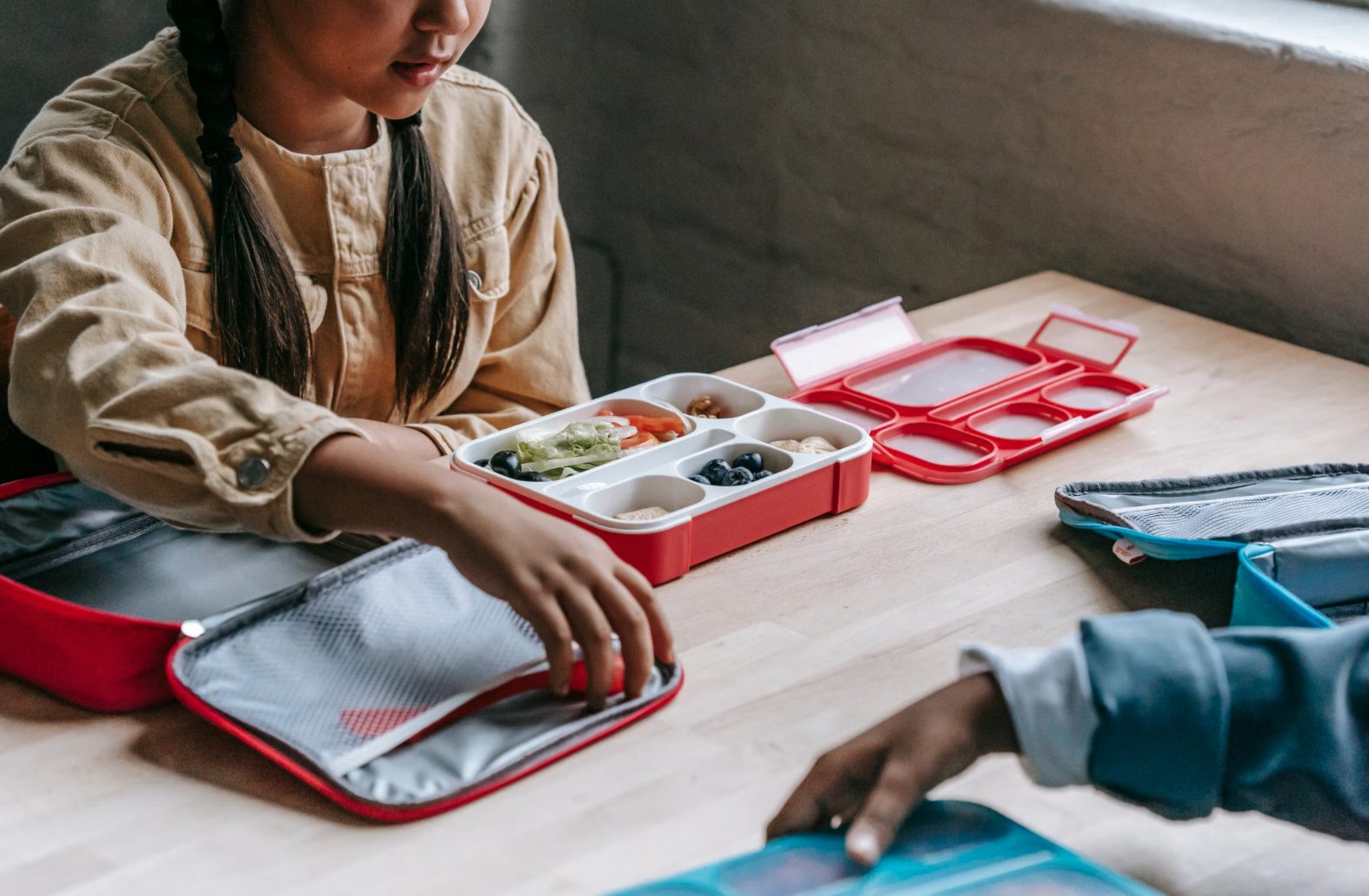
Child packing a red bento-style lunchbox with snacks at a table
A child’s lunchbox with untouched vegetables, fruit, and half a sandwich highlights the foods that often return home after school. Small portion changes and familiar favorites can help reduce waste. (Pexels).

Packing a school lunch can feel like a daily guessing game. One day your child happily eats sliced cucumbers, and the next day they come home untouched. Parents often assume they’re doing something wrong, but research shows that food preferences, short lunch periods, distractions, and changing tastes all play a role. Understanding which lunchbox items are most likely to return home uneaten can help families reduce food waste, save money, and make school lunches more enjoyable.

Raw Vegetables Often End Up Back at Home

Raw vegetables are one of the most commonly uneaten lunchbox items, especially when they’re packed without a dip or paired with unfamiliar foods. Recent research has found that children with picky eating habits are significantly less likely to eat vegetables or salads during school lunches than their peers. Fresh carrots, celery, cucumber slices, and bell peppers may be nutritious, but many children simply run out of time or choose foods they enjoy more first. Instead of eliminating vegetables, try offering smaller portions with hummus or ranch dressing. Many parents also find that rotating vegetables instead of packing the same ones every day improves acceptance over time.

Whole Fruit Can Be More Trouble Than It’s Worth

Whole apples, oranges, and pears often come home untouched because they take longer to eat during limited lunch breaks. Younger children may also struggle to peel fruit or bite into larger pieces comfortably. Cutting fruit into bite-sized portions or packing berries, grapes, or melon cubes can make healthy choices easier to finish. Studies of school lunches have consistently found that fruit is one of the foods picky eaters skip more frequently than other children. Convenience matters just as much as nutrition when the lunch bell only lasts 20 to 30 minutes.

Large Sandwiches Frequently Go Half-Eaten

A full-size sandwich may look like the perfect lunch, but many kids simply don’t have the appetite or time to finish it. Parents often discover that only a few bites disappear before the sandwich heads back home. Packing half sandwiches, sliders, or pinwheel wraps can reduce waste while still providing enough protein and whole grains. School lunch researchers have noted that portion size plays a significant role in what children actually eat. Smaller servings can always be followed by easy-to-eat snacks if your child is still hungry later in the day.

Yogurt and Dairy Items Can Be Hit or Miss

Yogurt tubes, cottage cheese, and cheese cubes are nutritious options, but they aren’t always finished. Texture changes as foods warm up, even when packed with ice packs, which can make dairy products less appealing by lunchtime. Some children also avoid dairy because they’re focused on socializing rather than eating slowly. Insulated lunch containers and frozen yogurt tubes can help maintain a better texture throughout the morning. Watching which dairy products consistently come back untouched is a better guide than assuming every healthy choice is a favorite.

New or Unfamiliar Foods Usually Stay Untouched

Parents naturally want to introduce variety, but school lunch is rarely the best place to experiment. Children tend to choose familiar foods in busy cafeteria settings where distractions are everywhere. Researchers have also found that social influences and familiarity affect children’s willingness to eat certain lunchbox foods. Introducing new foods at home first, where there’s less pressure and more time, gives kids a better chance to accept them before they appear in a lunchbox. Once a food becomes familiar, it’s much more likely to be eaten at school.

Smart Lunch Packing Starts with Observation

The best lunchbox isn’t the one that looks perfect in a social media photo—it’s the one that comes home nearly empty. Pay attention to what consistently returns and treat those leftovers as useful feedback rather than frustration. Involving children in grocery shopping and lunch planning often increases the chances they’ll actually eat what they helped choose. Packing slightly smaller portions, rotating favorite foods, and keeping meals simple can reduce both food waste and grocery costs. Small adjustments based on your child’s habits usually produce better results than constantly searching for the perfect lunch.

Every child has different tastes, and finding the right lunchbox combination often takes patience and trial and error. Paying attention to what comes home uneaten can help you build lunches your child actually enjoys while cutting down on wasted food. Small changes, such as serving bite-sized fruit or smaller sandwiches, can make a surprisingly big difference over time.

What lunchbox item does your child bring home untouched most often, and what trick has helped you cut down on food waste? Share your experience in the comments—we’d love to hear your ideas.

What to Read Next

Teachers Beg Parents: Stop Buying These 7 High-Sugar Snacks for School Lunches

6 Smart Ways Parents Are Cutting School Lunch Costs Right Now

Nutritionists Warn: 6 “Healthy” Lunchbox Staples That Spike Sugar Crashes at School

Evan Morgan

Evan Morgan has been a full-time freelance writer and editor for 10+ years. When not working, he enjoys catching the latest true crime documentary or getting lost in a good book.
Filed Under: Parenting Tagged With: Back to School, food waste, healthy eating, kids nutrition, lunchbox ideas, Parenting, picky eaters, school lunches

Nutritionists Warn: The 3 Toddler Snacks Parents Waste $400+ on Yearly

February 22, 2026 | Leave a Comment

Toddler Snacks
Image source: Pexels.com

You are standing in the grocery aisle, looking for anything that will get your picky toddler to eat something healthy. You grab the colorful pouches, the organic puffs, and the specialty fruit snacks, assuming they are worth the premium price. However, nutritionists have long warned that many toddler snacks are overpriced and nutritionally weak versions of common staples. Honestly, the system relies on your parental guilt to convince you that your child needs these items to thrive. Here is the reveal of the three snacks draining your wallet and how you could easily save hundreds of dollars a year.

The Fruit Pouch Mirage

Fruit pouches are marketed as a convenient way to get a serving of produce into your child. In reality, these are often just high-sugar purees that lack the fiber and texture of actual fruit. You often pay several times more for the pouch than the cost of whole fruit just for the plastic packaging. Surprisingly, consuming food in liquid form does not teach your child how to chew or explore new textures. Furthermore, pediatric dentists warn that the high acidity can be detrimental to developing teeth. On the other hand, a whole apple or a banana costs pennies and provides far more nutritional value.

The Organic Puff Trap

They are light, they are airy, and they dissolve in seconds—and they are almost entirely devoid of nutrients. Organic puffs are essentially expensive air flavored with a dusting of fruit powder. Nutritionists warn that these do nothing to keep a child full, leading to a cycle of constant grazing. Most of the vitamins advertised on the label are added synthetically at the end of processing. You are paying for the organic label on a product that is essentially a processed cracker. For the same price as one container of puffs, you could buy a large bag of oats or bulk rice cakes that last much longer.

Specialty Toddler Milks and Shakes

If your child is a picky eater, you might be tempted by the shakes that promise to fill nutritional gaps. However, for a healthy toddler, these are often unnecessary and packed with added sugars and thickeners. The American Academy of Pediatrics argues that these drinks can actually make picky eating worse by making children too full to try real food at mealtime. Most kids get all the nutrients they need from a balanced diet and whole milk or water. These shakes can add up to hundreds of dollars a year. It is a financial and nutritional trap that targets your anxiety as a parent.

Reclaiming Your Grocery Budget

The toddler food industry is a multi-billion-dollar machine designed to exploit your desire to be a good parent. By identifying these budget-drainers, you can simplify your grocery list and improve your child’s health. Focus on whole, unprocessed foods and skip the specialty aisle whenever possible. You have worked too hard for your money to waste it on expensive packaging and empty calories. Trust your instincts and the basics of nutrition. Your bank account—and your toddler—will thank you for it. You have the authority to choose real food over clever marketing starting today.

Which “must-have” toddler snack have you found to be a total waste of money? Leave a comment below and share your budget-friendly snack alternatives.

What to Read Next…

  • 10 Snacks That Are Making Your Kids Overweight and Unhealthy
  • Nutritionists Warn: 6 “Healthy” Lunchbox Staples That Spike Sugar Crashes at School
  • Virginia Law: The Baby Food Protection Act Just Banned These Brands from Shelves
Latrice Perez

Latrice is a dedicated professional with a rich background in social work, complemented by an Associate Degree in the field. Her journey has been uniquely shaped by the rewarding experience of being a stay-at-home mom to her two children, aged 13 and 5. This role has not only been a testament to her commitment to family but has also provided her with invaluable life lessons and insights.  As a mother, Latrice has embraced the opportunity to educate her children on essential life skills, with a special focus on financial literacy.

Filed Under: Parenting Tagged With: baby food, financial tips, food waste, grocery budget, healthy kids, parenting hacks, toddler nutrition

6 Lunchbox Items Teachers End Up Throwing Away That Parents Paid For

February 18, 2026 | Leave a Comment

Lunchbox Items
Image source: shutterstock.com

You spend Sunday nights meal prepping and hunting for organic snacks to fuel your child’s brain. However, a quiet reality happens in school cafeterias that most parents never see. Thousands of dollars in groceries end up in the trash bin before first recess even begins. Honestly, it is not your fault that marketing convinced you these items were essential. Here is the truth about the lunchbox items that teachers consistently toss and why your money is being wasted.

The Illusion of Yogurt Tubes

Yogurt tubes are marketed as the ultimate mess-free convenience for busy families. In reality, these items are often impossible for small hands to open without scissors. Teachers in a room of thirty students simply do not have time to provide surgical assistance for every snack. By the time a child gets help, the yogurt has usually reached an unappealing temperature. Surprisingly, most of these end up half-squeezed and discarded to avoid a sticky explosion in the classroom.

Pre-Packaged Dipping Kits

Those colorful boxes containing crackers and cheese feel like a balanced win for parents. On the other hand, the high sodium content of these kits often leads to a quick sugar crash. Most children eat the crackers and leave the rubbery meat and cheese untouched. You are essentially paying a 400 percent markup for plastic packaging that ends up in a landfill. Teachers often watch kids pick out the fun part and slide the rest into the bin.

The Deceptive Nature of Fruit Pouches

Fruit pouches feel like a victory for nutrition, but they are often the first thing to be abandoned. Because they are consumed so quickly, they do not provide the satiety that comes from chewing actual fruit. Many children treat these like a drink rather than a meal component. Once the cap is off, they become a tipping hazard that teachers dread. If a child does not finish one in the first two minutes, it is gone.

Why Juice Boxes Fail

Juice boxes are a staple of the American lunchbox, yet they are a primary source of waste and sticky floors. The tiny plastic straws are a nightmare for fine motor skills. Once punctured, the box cannot be resealed. If a child takes two sips and is finished, the rest of that liquid goes straight into the trash. Furthermore, the sugar spike from juice often leads to behavioral issues in the afternoon.

Bulk Snacks in Flimsy Bags

Buying in bulk is a smart financial move, but how you pack those snacks matters. Flimsy sandwich bags often get crushed at the bottom of a backpack, turning expensive crackers into dust. Children will rarely eat a snack that has been pulverized into crumbs. You might think you are saving money, but if the food is inedible by noon, the savings disappear. Investing in a sturdy container ensures that what you pay for actually makes it into your child’s stomach.

Reclaiming Your Grocery Budget

The school lunch system is a hidden cycle of waste that drains your wallet one snack at a time. By focusing on whole foods and durable packaging, you can ensure your child is actually nourished. Stop paying for the convenience of marketing and focus on what kids actually eat. You have worked too hard for your money to let it sit at the bottom of a trash can. Make the shift today and watch your grocery bill and your frustration drop significantly.

Have you noticed your child coming home with a full lunchbox or empty wrappers? Leave a comment below and let us know which items your kids actually finish.

What to Read Next…

  • Virginia Baby Food Ban: 5 Specific Brands Just Prohibited Under New Safety Laws
  • 6 Kid-Friendly Foods That Were Quietly Recalled This Month
  • Why Your Family Could Be Spending More on Food This December — and What to Do
Latrice Perez

Latrice is a dedicated professional with a rich background in social work, complemented by an Associate Degree in the field. Her journey has been uniquely shaped by the rewarding experience of being a stay-at-home mom to her two children, aged 13 and 5. This role has not only been a testament to her commitment to family but has also provided her with invaluable life lessons and insights.  As a mother, Latrice has embraced the opportunity to educate her children on essential life skills, with a special focus on financial literacy.

Filed Under: Parenting Tagged With: education, food waste, grocery budget, healthy kids, Money Saving, parenting tips, school lunch

  • Facebook
  • Pinterest
  • RSS
  • Twitter

Basic Principles Of Good Parenting

Here some basic principles for good parenting:

  1. What You Do Matters: Your kids are watching you. So, be purposeful about what you want to accomplish.
  2. You Can’t be Too Loving: Don’t replace love with material possessions, lowered expectations or leniency.
  3. Be Involved Your Kids Life: Arrange your priorities to focus on what your kid’s needs. Be there mentally and physically.
  4. Adapt Your Parenting: Children grow quickly, so keep pace with your child’s development.
  5. Establish and Set Rules: The rules you set for children will establish the rules they set for themselves later.  Avoid harsh discipline and be consistent.
  6. Explain Your Decisions: What is obvious to you may not be evident to your child. They don’t have the experience you do.
  7. Be Respectful To Your Child: How you treat your child is how they will treat others.  Be polite, respectful and make an effort to pay attention.
Best Parenting Blogs

Most Popular

Baby

9 Baby Names That Sound Rare Without Being Hard to Spell

Evan Morgan
Baby

9 Unusual Baby Names That Sound Like They Belong to Future CEOs

Evan Morgan
Target Store

Choking Incident Prompts Recall of 49,000 Target Gigglescape “Under the Sea” Popping Toys

Evan Morgan
Frustrated Girl

Why Some Students on the Spectrum Are Labeled With ODD

Evan Morgan
Coke Bottles

12 Things Kids Took to School in the ’70s That Would Never Be Allowed Today

Evan Morgan

All content on Kids Ain’t Cheap is for entertainment purposes only. By reading this blog, you agree that Kids Ain’t Cheap is not responsible for any actions taken after reading this blog. For the full disclaimer, see our privacy policy.

Please note that Kids Ain’t Cheap has financial relationships with some of the merchants mentioned here. Kids Ain’t Cheap is funded by banner advertising, commission sales and search optimization consulting.

Copyright © 2006–2026 | District Media | All Rights Reserved | Privacy Policy

Copyright © 2026 Runway Pro Theme by Viva la Violette