• Home
  • About Us
  • Toolkit
  • Archives
  • Advertise
  • Privacy Policy

Kids Ain't Cheap

But They Sure Are Worth It

  • Parenting
    • Baby Stuff
    • Books and Reading
      • Aesops Fables
      • Comic Books
    • Education
    • Family Time
    • Green Living
    • Growing Up
    • Healthy Living & Eating
    • Holidays
    • Parenting
    • Random Musings
    • Shopping
    • Stuff to Do
  • Money
  • Product Reviews
    • Books and Magazines
    • Discount Sites
    • Furniture
    • House Keeping
    • Reviews News
    • Toys and Games
  • Contact Us
  • Our Editorial Commitment
  • Search

Child Tax Credit: Many Families Expected It to Fall to $1,000 in 2026—Here’s What Actually Happened

July 3, 2026 | Leave a Comment

Young Family
The Child Tax Credit did not fall to $1,000 as many families expected. Instead, eligible taxpayers can still claim up to $2,200 per qualifying child under current law. (Pexels).

For months, many parents worried that the federal Child Tax Credit would be cut in half after 2025, dropping from $2,000 to $1,000 per qualifying child. Those concerns stemmed from the scheduled expiration of provisions from the 2017 Tax Cuts and Jobs Act. Instead, Congress took a different path by passing new tax legislation in 2025 that prevented the reduction and actually increased the maximum credit. Here’s what changed, who benefits, and what families should know before filing future tax returns.

Why So Many Families Expected the Child Tax Credit to Shrink

The Child Tax Credit was originally scheduled to revert to $1,000 per qualifying child if Congress allowed the temporary tax provisions enacted in 2017 to expire. Financial planners and tax experts spent years warning families that a smaller credit could mean higher tax bills beginning with the 2026 tax year. That possibility led many households to reconsider their budgets and savings plans. Instead of allowing the reduction to happen, lawmakers approved legislation in 2025 that permanently changed the credit. As a result, the feared $1,000 credit never became a reality for eligible families.

What Actually Happened to the Child Tax Credit

Rather than falling to $1,000, the Child Tax Credit increased to a maximum of $2,200 per qualifying child beginning with the 2025 tax year. The legislation also indexes the credit for inflation, helping preserve its value over time instead of allowing inflation to erode the benefit. For the 2026 tax year, the maximum credit remains $2,200, while up to $1,700 may be refundable through the Additional Child Tax Credit for eligible taxpayers. Income phaseout thresholds remain $200,000 for single filers and $400,000 for married couples filing jointly. Families who qualify will continue receiving substantially more tax relief than many expected just a year ago.

Who Benefits Most—and Who Should Pay Close Attention

Many middle-income families stand to benefit because the higher Child Tax Credit can directly reduce their federal tax liability. For example, a married couple with two qualifying children could potentially claim up to $4,400 in credits if they meet all eligibility requirements. However, not every family will receive the full amount because the refundable portion still depends on earned income and other qualifying rules. The updated law also tightened eligibility by requiring qualifying children and eligible parents to have valid Social Security numbers, affecting some mixed-status households. Reviewing eligibility before tax season can help families avoid surprises.

Smart Planning Can Help Families Maximize the Credit

The higher Child Tax Credit is valuable, but families should not assume they automatically qualify for the maximum amount. Keeping accurate records, ensuring dependents meet residency and age requirements, and confirming Social Security information can prevent processing delays. Parents who experience changes in income, custody arrangements, or filing status should review how those changes may affect their eligibility. Tax professionals also recommend checking whether other credits, such as the Earned Income Tax Credit or Child and Dependent Care Credit, could further reduce a family’s tax bill. Taking time to plan now can lead to a larger refund or a smaller balance due later.

The Bottom Line for Families Heading Into Tax Season

The biggest takeaway is that the widely anticipated drop to a $1,000 Child Tax Credit never happened. Instead, Congress expanded the credit to $2,200 per qualifying child and added inflation adjustments that help preserve its value in future years. While eligibility rules remain important, many families are in a stronger position than they expected when concerns about the scheduled expiration first surfaced. Staying informed and reviewing your tax situation before filing can help ensure you receive every dollar you’re entitled to.

Has the Child Tax Credit made a noticeable difference for your family, or were you expecting it to be reduced? Share your thoughts and experiences in the comments below.

What to Read Next

What’s Happening to the Child Tax Credit?

Child Savings: 11 Unexpected Taxes That Destroy Child Savings

How Does Child Support Affect Tax Return?

Evan Morgan

Evan Morgan has been a full-time freelance writer and editor for 10+ years. When not working, he enjoys catching the latest true crime documentary or getting lost in a good book.

Filed Under: Finance Tagged With: 2026 taxes, child tax credit, Family Finance, IRS, Money Saving, Parents, personal finance, tax credits, tax planning, tax refund

The Hidden Costs of Theme Park Vacations That Shock Parents

March 9, 2026 | Leave a Comment

Disney Cruise

You saved for a year and booked your flights. You finally stepped through those magical gates. Suddenly, you realize your wallet leaks money faster than a broken water ride. It feels like a betrayal when your earned vacation becomes financial stress. Many families expect a set price, but the system triggers impulse spending at every turn. Beyond the ticket, a web of psychological traps and logistical surcharges awaits you. Today, we pull back the curtain on expenses that shiny brochures conveniently forget.

The Invisible Price of Food and Water

Honestly, the biggest shock hits before lunch even starts. Most parks master the “captive audience” pricing model. A single bottle of water can cost as much as a gallon of gas. Dehydration isn’t an option when you walk ten miles in the sun. The parks know this well.

Character-themed snacks look adorable in photos, but they rarely satisfy a hungry child for long. Instead of a one-time cost, you enter a cycle of constant grazing. This habit easily doubles your daily budget. Planning for these price surges keeps your sanity intact while you navigate the crowds. You can check current Disney World food prices to estimate your daily meal costs before you leave.

Why Premium Access Is No Longer Optional

The standard ticket is increasingly a “base model” that offers a frustrating experience. You are often forced to buy digital skip-the-line passes to ride the best attractions. These costs are frequently dynamic. They get more expensive as the park gets more crowded.

This creates a tiered system. Parents feel pressured to pay a “sanity tax” to avoid three-hour queues. You might choose between your budget and your children’s happiness if you ignore these upgrades. Recognizing this shift allows you to prioritize which days require the extra investment. Use this Universal Express Pass price tracker to see how much more you might pay on busy weekends.

The Logistics Trap of Parking and Lockers

Surprisingly, some frustrating costs happen before you even see a roller coaster. Parking fees now rival major city centers. Most parents view this as an unavoidable evil. Once inside, the need for lockers during high-speed rides adds another layer of nickel-and-diming.

These small transactions feel insignificant individually. However, they aggregate into a massive sum by the end of the week. Many parents realize too late that their “all-inclusive” mindset was a myth. You take control by seeing these hidden costs as deliberate hurdles. Review this breakdown of parking and locker fees to avoid surprises at the gate.

Winning the Battle Against the Theme Park Machine

Mastering a theme park vacation requires more than just a map. You must acknowledge the system is rigged to encourage overspending. Identify the triggers, from strategic gift shop placements to convenience fees. This knowledge gives you the power to say no.

Your memories should feature your kids’ smiles, not your credit card balance. You can navigate the gates with your eyes open and your budget protected. What was the most unexpected expense during your last big family trip? Think about the one cost that caught you off guard and leave a comment below.


What to Read Next…

  • 6 Budgeting Hacks from Depression Era Grandmothers
  • 5 Hidden Costs of Owning a Pet That Parents Forget to Budget For
  • The Real Cost: 10 Spending Habits That Drain Your Family Budget Fast
Latrice Perez

Latrice is a dedicated professional with a rich background in social work, complemented by an Associate Degree in the field. Her journey has been uniquely shaped by the rewarding experience of being a stay-at-home mom to her two children, aged 13 and 5. This role has not only been a testament to her commitment to family but has also provided her with invaluable life lessons and insights.  As a mother, Latrice has embraced the opportunity to educate her children on essential life skills, with a special focus on financial literacy.

Filed Under: Budgeting Tagged With: family travel, hidden costs, Money Saving, parenting tips, theme park vacations, travel budget, vacation planning

6 Lunchbox Items Teachers End Up Throwing Away That Parents Paid For

February 18, 2026 | Leave a Comment

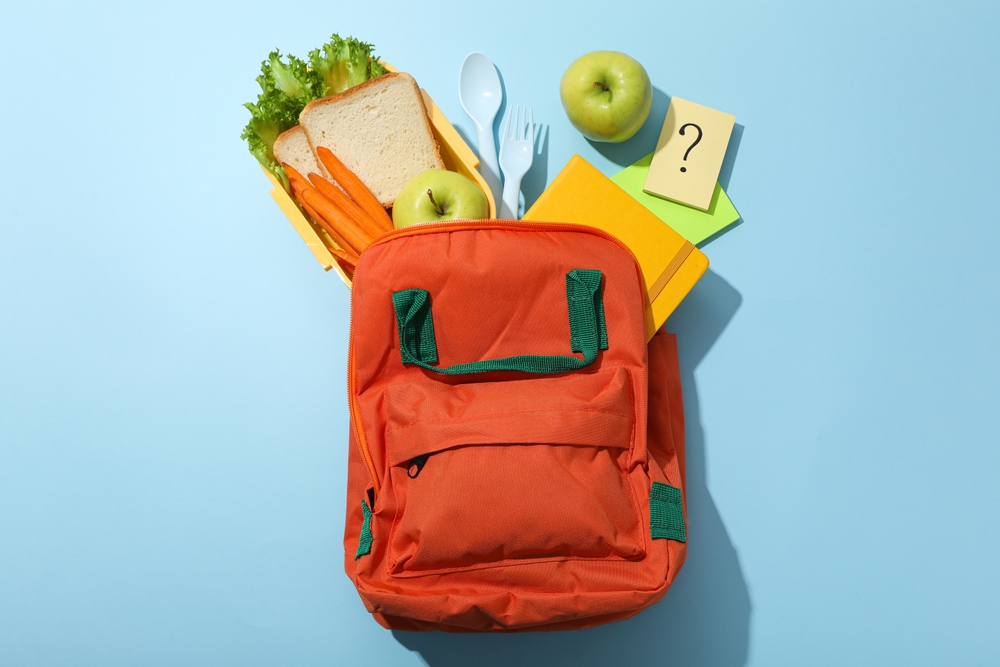
Lunchbox Items
Image source: shutterstock.com

You spend Sunday nights meal prepping and hunting for organic snacks to fuel your child’s brain. However, a quiet reality happens in school cafeterias that most parents never see. Thousands of dollars in groceries end up in the trash bin before first recess even begins. Honestly, it is not your fault that marketing convinced you these items were essential. Here is the truth about the lunchbox items that teachers consistently toss and why your money is being wasted.

The Illusion of Yogurt Tubes

Yogurt tubes are marketed as the ultimate mess-free convenience for busy families. In reality, these items are often impossible for small hands to open without scissors. Teachers in a room of thirty students simply do not have time to provide surgical assistance for every snack. By the time a child gets help, the yogurt has usually reached an unappealing temperature. Surprisingly, most of these end up half-squeezed and discarded to avoid a sticky explosion in the classroom.

Pre-Packaged Dipping Kits

Those colorful boxes containing crackers and cheese feel like a balanced win for parents. On the other hand, the high sodium content of these kits often leads to a quick sugar crash. Most children eat the crackers and leave the rubbery meat and cheese untouched. You are essentially paying a 400 percent markup for plastic packaging that ends up in a landfill. Teachers often watch kids pick out the fun part and slide the rest into the bin.

The Deceptive Nature of Fruit Pouches

Fruit pouches feel like a victory for nutrition, but they are often the first thing to be abandoned. Because they are consumed so quickly, they do not provide the satiety that comes from chewing actual fruit. Many children treat these like a drink rather than a meal component. Once the cap is off, they become a tipping hazard that teachers dread. If a child does not finish one in the first two minutes, it is gone.

Why Juice Boxes Fail

Juice boxes are a staple of the American lunchbox, yet they are a primary source of waste and sticky floors. The tiny plastic straws are a nightmare for fine motor skills. Once punctured, the box cannot be resealed. If a child takes two sips and is finished, the rest of that liquid goes straight into the trash. Furthermore, the sugar spike from juice often leads to behavioral issues in the afternoon.

Bulk Snacks in Flimsy Bags

Buying in bulk is a smart financial move, but how you pack those snacks matters. Flimsy sandwich bags often get crushed at the bottom of a backpack, turning expensive crackers into dust. Children will rarely eat a snack that has been pulverized into crumbs. You might think you are saving money, but if the food is inedible by noon, the savings disappear. Investing in a sturdy container ensures that what you pay for actually makes it into your child’s stomach.

Reclaiming Your Grocery Budget

The school lunch system is a hidden cycle of waste that drains your wallet one snack at a time. By focusing on whole foods and durable packaging, you can ensure your child is actually nourished. Stop paying for the convenience of marketing and focus on what kids actually eat. You have worked too hard for your money to let it sit at the bottom of a trash can. Make the shift today and watch your grocery bill and your frustration drop significantly.

Have you noticed your child coming home with a full lunchbox or empty wrappers? Leave a comment below and let us know which items your kids actually finish.

What to Read Next…

  • Virginia Baby Food Ban: 5 Specific Brands Just Prohibited Under New Safety Laws
  • 6 Kid-Friendly Foods That Were Quietly Recalled This Month
  • Why Your Family Could Be Spending More on Food This December — and What to Do
Latrice Perez

Latrice is a dedicated professional with a rich background in social work, complemented by an Associate Degree in the field. Her journey has been uniquely shaped by the rewarding experience of being a stay-at-home mom to her two children, aged 13 and 5. This role has not only been a testament to her commitment to family but has also provided her with invaluable life lessons and insights.  As a mother, Latrice has embraced the opportunity to educate her children on essential life skills, with a special focus on financial literacy.

Filed Under: Parenting Tagged With: education, food waste, grocery budget, healthy kids, Money Saving, parenting tips, school lunch

7 Things Teachers Wish Parents Would Stop Buying for School Parties

February 16, 2026 | Leave a Comment

School party
Image source: shutterstock.com

Walking into your child’s classroom with a bag full of party supplies should be a joyful moment. Instead, you often feel a strange tension from the person standing at the chalkboard. It is not your fault that you want to be the fun parent who brings the best treats. However, the hidden system of classroom management is fragile and easily disrupted by well-intended gifts. Honestly, what looks like a celebration to you can feel like a logistical nightmare to a teacher. You are about to learn the specific items that trigger a secret eye-roll from educators. Let us reveal how to support the classroom without accidentally causing a meltdown.

1. The Messy Glitter Bomb Trap

Glitter is the houseguest that never leaves and teachers absolutely dread it. While shiny crafts look great on a card, that dust settles into every floor crevice and keyboard for the rest of the year. Custodial staff often have to spend extra hours trying to scrub it away. Surprisingly, even a small bottle can ruin a teacher’s entire afternoon of cleanup. You might think it adds flair, but it actually adds hours of unpaid labor to someone’s day. Save the sparkles for your own living room floor instead.

2. High-Fructose Corn Syrup Overloads

Bringing in three dozen frosted cupcakes might seem like a sweet gesture for the kids. On the other hand, you are essentially handing the teacher a room full of children on a sugar high. Once the initial rush wears off, the inevitable crash leads to irritability and a total loss of focus. This makes the rest of the school day unproductive and stressful for everyone involved. Teachers wish parents would consider lower-sugar alternatives that do not cause a behavioral spike. A simple fruit tray is often the real hero of the party.

3. Inexpensive Plastic Goodie Bag Fillers

Those tiny plastic whistles and bouncy balls usually end up in the trash within twenty-four hours. Worse yet, they often break immediately and become choking hazards or sharp floor debris. Teachers view these as clutter that distracts students during actual lesson time. It is a financial trap where you spend twenty dollars on items that provide no lasting value. Honestly, the kids usually fight over the same cheap toy for five minutes before losing interest. Consider skipping the bags and donating a single book to the class library instead.

4. Unlabeled Home-Baked Goods

The hidden danger of the classroom is the rising number of severe food allergies. While your grandma’s cookie recipe is delicious, a teacher cannot verify the ingredients for a child with a nut or gluten allergy. If there is no official label, that food often has to stay in the teacher’s lounge or go in the trash. This leads to wasted money and hurt feelings for everyone. Always opt for store-bought items with a clear list of allergens visible on the package. It is the only way to ensure every child can participate safely in the fun.

5. Interactive Toys That Make Noise

Anything that chirps, whistles, or beeps is a direct assault on a teacher’s sanity. Classrooms are already loud environments with twenty-plus children talking at once. Adding electronic noise-makers into the mix makes it impossible for the teacher to give instructions. These toys often get confiscated before the party even ends to preserve the peace. You might think it is a harmless gift, but it creates a power struggle between the student and the educator. If it requires batteries or a lung full of air to make a sound, leave it at the store.

6. Massive Pizza Orders Without Warning

Showing up with five hot pizzas at lunchtime sounds like a great surprise for the class. However, it often disrupts the pre-planned school lunch schedule and leaves the cafeteria staff with wasted food. Some students may have specific dietary plans that do not include pizza, leaving them feeling left out. Teachers need to coordinate these events days in advance to ensure the schedule allows for a long lunch. Always check with the teacher at least a week before you commit to a hot food delivery. Coordination is the key to a successful classroom celebration.

7. Excessive Decor That Requires Setup

If your party supplies require the teacher to climb a ladder or spend thirty minutes taping things to the wall, it is too much. Teachers have very limited breaks and cannot spend them acting as your personal event decorators. On the other hand, simple table covers and napkins are always appreciated because they are functional. Avoid the elaborate streamers and balloon arches that require professional-level assembly. Keep the decor minimal so the focus stays on the students having a good time together.

Supporting the Teacher Through Simple Choices

The most empowering thing you can do for a teacher is to ask what they actually need before you shop. Most educators would prefer a pack of extra pencils or a box of tissues over a bag of plastic toys. By choosing functional and safe items, you validate the hard work the teacher does every day. You have the power to make the school party a success without adding to the classroom’s hidden stress levels. Your thoughtfulness goes a long way when it is aligned with the reality of the school day. Stay vigilant about allergies and mess levels to remain the teacher’s favorite ally. Your kids will still have a blast even without the glitter.

What is the most successful item you have ever brought to a school party? Leave a comment below and help other parents avoid the party trap!

What to Read Next…

  • Teachers Share the 5 Valentine’s Gifts That End Up in the Trash Immediately
  • Teachers Beg Parents: Stop Buying These 7 Expensive School Supplies
  • 7 Things Your Child’s Teacher Is Legally Required to Report to the State (That They Won’t Tell You to Your Face)
Latrice Perez

Latrice is a dedicated professional with a rich background in social work, complemented by an Associate Degree in the field. Her journey has been uniquely shaped by the rewarding experience of being a stay-at-home mom to her two children, aged 13 and 5. This role has not only been a testament to her commitment to family but has also provided her with invaluable life lessons and insights.  As a mother, Latrice has embraced the opportunity to educate her children on essential life skills, with a special focus on financial literacy.

Filed Under: Money and Finances Tagged With: classroom tips, education, Georgia Schools, Money Saving, Parenting, School Parties, teachers

  • Facebook
  • Pinterest
  • RSS
  • Twitter

Basic Principles Of Good Parenting

Here some basic principles for good parenting:

  1. What You Do Matters: Your kids are watching you. So, be purposeful about what you want to accomplish.
  2. You Can’t be Too Loving: Don’t replace love with material possessions, lowered expectations or leniency.
  3. Be Involved Your Kids Life: Arrange your priorities to focus on what your kid’s needs. Be there mentally and physically.
  4. Adapt Your Parenting: Children grow quickly, so keep pace with your child’s development.
  5. Establish and Set Rules: The rules you set for children will establish the rules they set for themselves later.  Avoid harsh discipline and be consistent.
  6. Explain Your Decisions: What is obvious to you may not be evident to your child. They don’t have the experience you do.
  7. Be Respectful To Your Child: How you treat your child is how they will treat others.  Be polite, respectful and make an effort to pay attention.
Best Parenting Blogs

Most Popular

Baby

9 Unusual Baby Names That Sound Like They Belong to Future CEOs

Evan Morgan
Baby

10 Baby Names That Were Once Considered “Grandparent Names” but Feel Cool Again

Evan Morgan
Target Store

Choking Incident Prompts Recall of 49,000 Target Gigglescape “Under the Sea” Popping Toys

Evan Morgan
Frustrated Girl

Why Some Students on the Spectrum Are Labeled With ODD

Evan Morgan
Coke Bottles

12 Things Kids Took to School in the ’70s That Would Never Be Allowed Today

Evan Morgan

All content on Kids Ain’t Cheap is for entertainment purposes only. By reading this blog, you agree that Kids Ain’t Cheap is not responsible for any actions taken after reading this blog. For the full disclaimer, see our privacy policy.

Please note that Kids Ain’t Cheap has financial relationships with some of the merchants mentioned here. Kids Ain’t Cheap is funded by banner advertising, commission sales and search optimization consulting.

Copyright © 2006–2026 | District Media | All Rights Reserved | Privacy Policy

Copyright © 2026 Runway Pro Theme by Viva la Violette