• Home
  • About Us
  • Toolkit
  • Archives
  • Advertise
  • Privacy Policy

Kids Ain't Cheap

But They Sure Are Worth It

  • Parenting
    • Baby Stuff
    • Books and Reading
      • Aesops Fables
      • Comic Books
    • Education
    • Family Time
    • Green Living
    • Growing Up
    • Healthy Living & Eating
    • Holidays
    • Parenting
    • Random Musings
    • Shopping
    • Stuff to Do
  • Money
  • Product Reviews
    • Books and Magazines
    • Discount Sites
    • Furniture
    • House Keeping
    • Reviews News
    • Toys and Games
  • Contact Us
  • Our Editorial Commitment
  • Search

7 Classroom Changes That Can Trigger More Stress for Some Autistic Students

August 6, 2026 | Leave a Comment

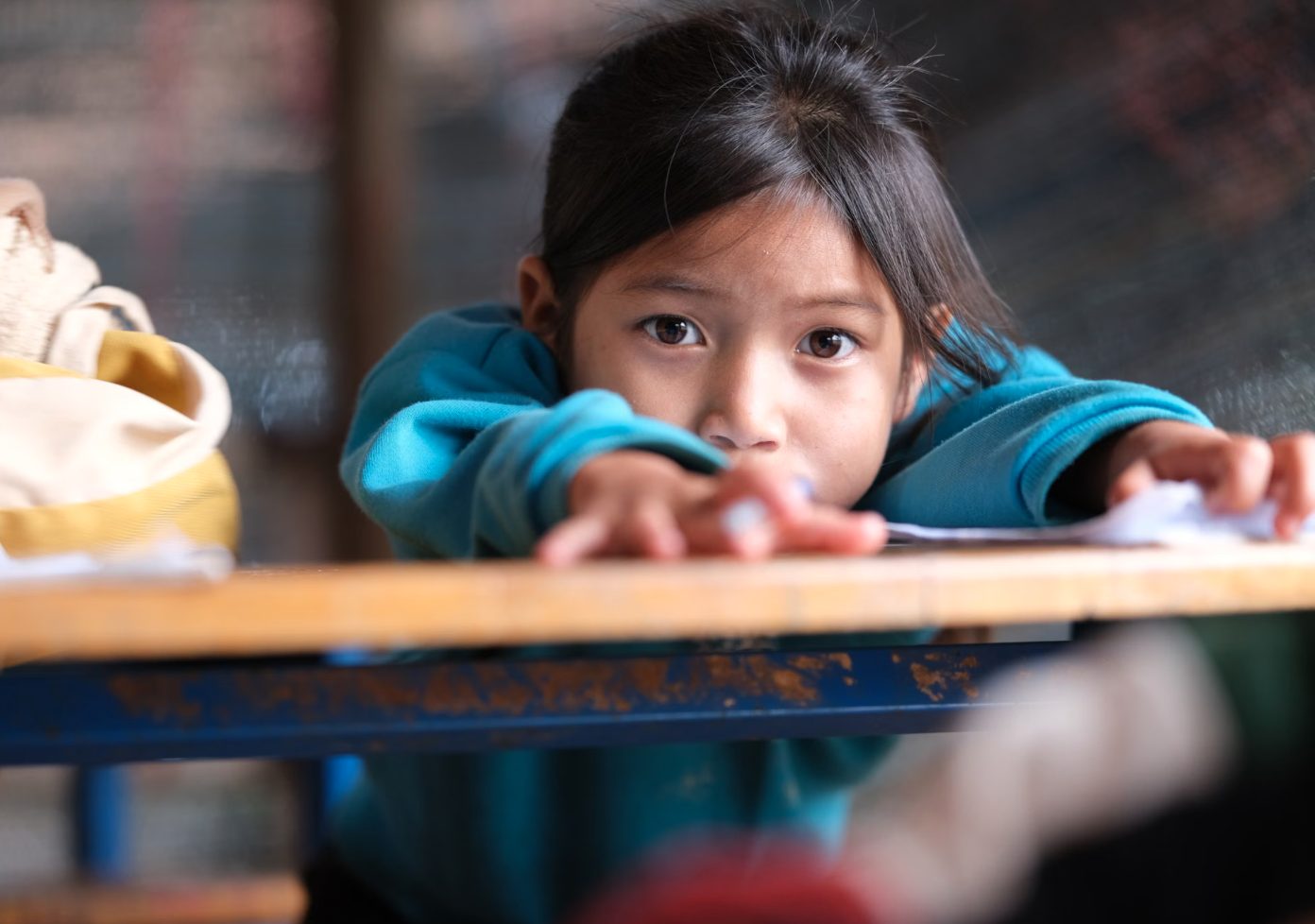
Child In Class
A predictable classroom routine, clear communication, and thoughtful sensory supports can help reduce stress for some autistic students during school transitions. (Pexels).

Starting a new school year often brings excitement, but it can also create uncertainty for autistic students who rely on familiar routines and predictable environments. Even changes that seem minor to teachers or classmates may increase anxiety, affect concentration, or lead to emotional overload for some children. Understanding which classroom adjustments can be challenging helps parents and educators respond with greater empathy and practical support. With thoughtful planning and clear communication, many of these transitions can become far more manageable while creating a more inclusive learning environment.

1. Sudden Changes to Daily Routines

Many autistic students feel more secure when they know what to expect throughout the school day. An unexpected assembly, substitute teacher, or last-minute schedule change can increase stress because it interrupts established routines. Visual schedules, advance warnings, and simple explanations often help reduce uncertainty before changes occur. While every child is different, predictable transitions can make a meaningful difference in helping students stay engaged and emotionally regulated. Teachers who prepare students ahead of time often notice smoother adjustments during unexpected events.

2. Rearranged Classroom Layouts

Moving desks, changing seating assignments, or reorganizing learning spaces may seem harmless, but these adjustments can feel overwhelming for some autistic students. Familiar physical environments provide important visual and spatial cues that support comfort and independence. Even locating supplies or navigating the classroom may become temporarily confusing after a redesign. Giving students an opportunity to explore the new layout before lessons begin can ease anxiety. Small orientation activities often help rebuild confidence more quickly.

3. Increased Noise and Sensory Distractions

Classrooms naturally become louder during group projects, indoor recess, or special celebrations. For some autistic students, heightened background noise or bright visual displays can contribute to sensory overload, making it harder to focus or participate. Sensory sensitivities vary widely, so not every autistic child experiences the same challenges. Quiet workspaces, noise-reducing headphones, or short sensory breaks may help students regain focus when needed. Supporting sensory needs benefits learning without lowering academic expectations.

4. Unexpected Social Group Changes

Collaborative learning is valuable, but frequently rotating partners or assigning unfamiliar groups can create additional stress for some autistic students. New social dynamics require interpreting different communication styles and expectations, which may already demand significant mental effort. Allowing extra preparation time or explaining group roles clearly can reduce uncertainty. Pairing students thoughtfully rather than randomly may also encourage more positive interactions. Building familiarity gradually often leads to stronger participation and greater confidence.

5. Different Teaching Styles or New Teachers

Each teacher brings unique communication methods, classroom expectations, and instructional styles. Even positive differences can require autistic students to adjust their routines and processing strategies. Introducing new teachers through classroom visits, photos, or short meet-and-greet sessions before major transitions may ease initial anxiety. Clear, consistent instructions and predictable classroom expectations help students understand what success looks like. Open communication between families and educators also supports smoother transitions throughout the year.

6. Surprise Fire Drills and Emergency Procedures

Emergency drills are essential for school safety, but sudden loud alarms and rapid changes in routine may be especially distressing for some autistic students. Preparing students by discussing upcoming drills when possible, practicing procedures, or using social stories can reduce fear while maintaining safety. Some schools also provide sensory accommodations, such as noise-reducing headphones during scheduled drills when appropriate. Individual needs differ, so planning should reflect each student’s support requirements. Practicing calmly before real emergencies helps build familiarity without minimizing the importance of safety procedures.

7. Changes in Classroom Expectations

As students progress through the school year, teachers may introduce more independent work, faster transitions, or higher academic demands. While these adjustments are a normal part of learning, they can increase stress if expectations change without sufficient explanation. Breaking larger tasks into smaller steps and providing visual reminders often makes new expectations easier to understand. Positive reinforcement and regular check-ins encourage confidence during periods of adjustment. Flexible support allows students to develop independence while respecting individual learning needs.

Helping Students Thrive Through Predictable Support

Supporting autistic students does not mean avoiding every classroom change—it means introducing changes thoughtfully and recognizing that every child responds differently. Research continues to show that predictable routines, clear communication, and individualized accommodations can improve both learning and emotional well-being. Families and educators who work together are often better equipped to identify potential stressors before they become larger challenges. Small adjustments made with empathy can create classrooms where autistic students feel safe, included, and ready to learn.

Which classroom strategy has helped an autistic student in your life the most? Share your experiences or suggestions in the comments to help other parents and educators learn from your perspective.

What to Read Next

What Happens to Autism Accommodations When a Child Changes Schools?

Teachers Warn: 4 Classroom Strategies That Can Harm Autistic Students

How Masking in School Leads to Burnout in Autistic Teen Girls

Evan Morgan

Evan Morgan has been a full-time freelance writer and editor for 10+ years. When not working, he enjoys catching the latest true crime documentary or getting lost in a good book.
Filed Under: Parenting Tagged With: autism, autistic students, classroom tips, education, neurodiversity, Parenting, school anxiety, sensory processing, special education, teachers

Sensory-Friendly School Supplies: What Helps and What Can Be Skipped

August 3, 2026 | Leave a Comment

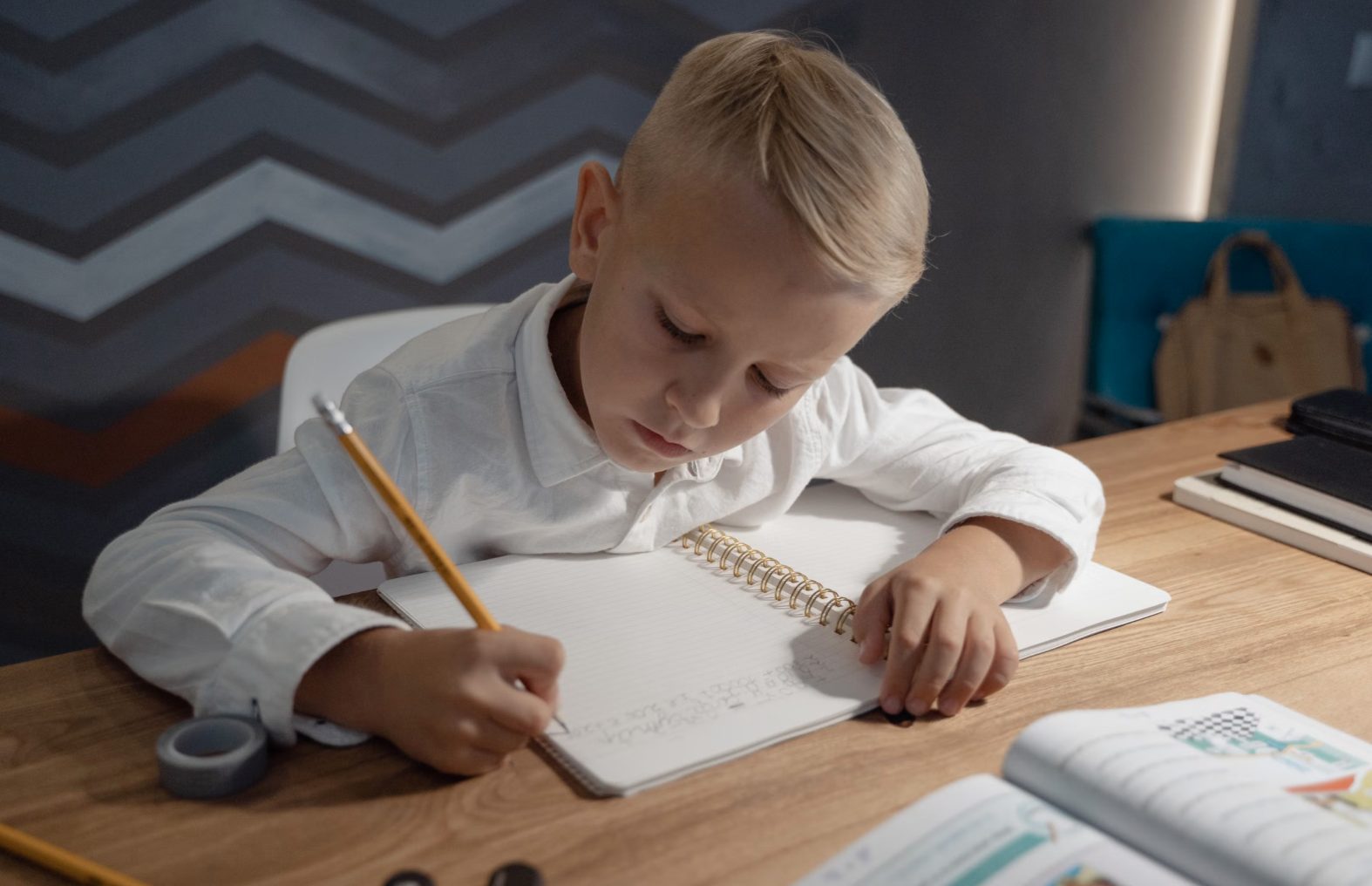
Young Boy Studying
Practical sensory-friendly school supplies like quiet fidgets, noise-reducing headphones, and comfortable writing tools can support learning when chosen for a child’s specific needs. Thoughtful purchases often outperform trendy gadgets. (Pexels).

Choosing sensory-friendly school supplies can make the school day more comfortable for some children, but not every trending product is worth buying. Many parents and teachers want to create a supportive learning environment without filling backpacks with expensive gadgets that rarely get used. The best approach is to focus on practical items that reduce distractions, improve comfort, and fit naturally into classroom routines. Understanding what truly helps—and what can be skipped—can save money while making school more manageable for children with different sensory preferences.

Focus on Comfort Before Specialty Products

The most effective sensory-friendly school supplies often solve everyday problems rather than introducing complicated solutions. A pair of well-fitting noise-reducing headphones, smooth-writing pencils, or a comfortable backpack can have a greater impact than novelty sensory gadgets. For example, a child who is easily distracted by classroom noise may benefit from headphones during independent work, while another may simply prefer notebooks with thicker paper because they dislike the feel of ink bleeding through. Since every child experiences sensory input differently, observing what consistently causes discomfort is usually more helpful than buying every product labeled as sensory-friendly.

Helpful Supplies That Often Earn Their Place

Some sensory-friendly school supplies have proven useful because they address common classroom challenges without disrupting learning. Quiet fidget tools designed for desk use, pencil grips that reduce hand fatigue, unscented markers, soft-textured erasers, and weighted lap pads are frequently recommended by occupational therapists and educators when appropriate for individual students. A child who struggles to stay focused during reading time, for instance, may quietly use a small fidget while remaining engaged with the lesson. These items work best when teachers approve their use and the child understands they are learning tools rather than toys. Practicality should always come before novelty when deciding what belongs in a backpack.

Products That May Not Be Worth the Money

Not every sensory-friendly school supply lives up to the marketing. Oversized fidget toys, brightly flashing gadgets, heavily scented stationery, or bulky accessories can become distractions instead of supports, especially in busy classrooms. Some products promise to improve focus or behavior without credible evidence, which can leave families spending more without seeing meaningful results. Before making a purchase, ask whether the item solves a specific problem or simply looks appealing on social media. If there is no clear purpose, it may be better to skip it and invest in supplies that address a child’s actual needs.

Work With Teachers to Build a Practical School Kit

Communication between families and educators is one of the most valuable tools when selecting sensory-friendly school supplies. Teachers often know which items fit classroom expectations and which may interfere with instruction or distract other students. A brief conversation before school starts can prevent unnecessary purchases while helping everyone support the child consistently throughout the year. Many classrooms already provide sensory breaks or quiet spaces, making certain personal supplies unnecessary. Building a school kit together creates realistic expectations and increases the likelihood that each item will actually be used.

Smart Choices Create Better School Days

The goal of sensory-friendly school supplies is not to create a perfect learning environment but to remove barriers that make learning harder for some children. Small adjustments, such as choosing comfortable headphones over flashy gadgets or selecting unscented supplies instead of strongly scented alternatives, often provide the greatest value. Trusted organizations, including pediatric experts, emphasize that sensory needs vary widely and should be considered as part of each child’s individual strengths and challenges rather than treated with one-size-fits-all solutions. Parents should also remember that products alone cannot replace supportive teaching strategies, routines, or communication with school staff. Thoughtful purchasing decisions help children feel prepared without adding unnecessary clutter or expense.

The Real Measure of Success Is What Gets Used

The best sensory-friendly school supplies are the ones that genuinely make a child’s school day more comfortable and productive. Instead of chasing every new trend, focus on simple, purposeful tools that solve real challenges and fit naturally into the classroom environment. A carefully chosen backpack, quiet fidget, or pair of noise-reducing headphones can be far more valuable than a collection of unused gadgets. Listening to the child, collaborating with teachers, and making thoughtful purchases often leads to the best outcomes.

Which sensory-friendly school supplies have made the biggest difference for your family or classroom, and what would you skip next time? Share your experience in the comments to help other readers make informed choices.

What to Read Next

The Hidden Sensory Processing Disorders Mistaken for Behavior Problems

The Grocery Costs Parents of Sensory-Sensitive Kids Say No One Talks About

10 Places Parents Can Find Free School Supplies Before Classes Begin

Evan Morgan

Evan Morgan has been a full-time freelance writer and editor for 10+ years. When not working, he enjoys catching the latest true crime documentary or getting lost in a good book.

Filed Under: Parenting Tagged With: autism, Back to School, child development, classroom tips, education, occupational therapy, Parenting, school supplies, sensory needs, sensory-friendly school supplies

7 Things Teachers Wish Parents Would Stop Buying for School Parties

February 16, 2026 | Leave a Comment

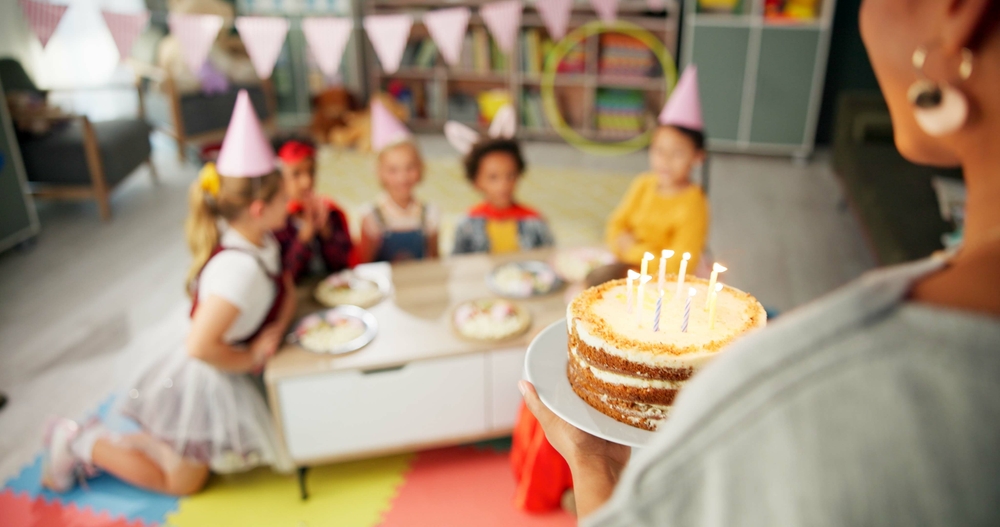
School party
Image source: shutterstock.com

Walking into your child’s classroom with a bag full of party supplies should be a joyful moment. Instead, you often feel a strange tension from the person standing at the chalkboard. It is not your fault that you want to be the fun parent who brings the best treats. However, the hidden system of classroom management is fragile and easily disrupted by well-intended gifts. Honestly, what looks like a celebration to you can feel like a logistical nightmare to a teacher. You are about to learn the specific items that trigger a secret eye-roll from educators. Let us reveal how to support the classroom without accidentally causing a meltdown.

1. The Messy Glitter Bomb Trap

Glitter is the houseguest that never leaves and teachers absolutely dread it. While shiny crafts look great on a card, that dust settles into every floor crevice and keyboard for the rest of the year. Custodial staff often have to spend extra hours trying to scrub it away. Surprisingly, even a small bottle can ruin a teacher’s entire afternoon of cleanup. You might think it adds flair, but it actually adds hours of unpaid labor to someone’s day. Save the sparkles for your own living room floor instead.

2. High-Fructose Corn Syrup Overloads

Bringing in three dozen frosted cupcakes might seem like a sweet gesture for the kids. On the other hand, you are essentially handing the teacher a room full of children on a sugar high. Once the initial rush wears off, the inevitable crash leads to irritability and a total loss of focus. This makes the rest of the school day unproductive and stressful for everyone involved. Teachers wish parents would consider lower-sugar alternatives that do not cause a behavioral spike. A simple fruit tray is often the real hero of the party.

3. Inexpensive Plastic Goodie Bag Fillers

Those tiny plastic whistles and bouncy balls usually end up in the trash within twenty-four hours. Worse yet, they often break immediately and become choking hazards or sharp floor debris. Teachers view these as clutter that distracts students during actual lesson time. It is a financial trap where you spend twenty dollars on items that provide no lasting value. Honestly, the kids usually fight over the same cheap toy for five minutes before losing interest. Consider skipping the bags and donating a single book to the class library instead.

4. Unlabeled Home-Baked Goods

The hidden danger of the classroom is the rising number of severe food allergies. While your grandma’s cookie recipe is delicious, a teacher cannot verify the ingredients for a child with a nut or gluten allergy. If there is no official label, that food often has to stay in the teacher’s lounge or go in the trash. This leads to wasted money and hurt feelings for everyone. Always opt for store-bought items with a clear list of allergens visible on the package. It is the only way to ensure every child can participate safely in the fun.

5. Interactive Toys That Make Noise

Anything that chirps, whistles, or beeps is a direct assault on a teacher’s sanity. Classrooms are already loud environments with twenty-plus children talking at once. Adding electronic noise-makers into the mix makes it impossible for the teacher to give instructions. These toys often get confiscated before the party even ends to preserve the peace. You might think it is a harmless gift, but it creates a power struggle between the student and the educator. If it requires batteries or a lung full of air to make a sound, leave it at the store.

6. Massive Pizza Orders Without Warning

Showing up with five hot pizzas at lunchtime sounds like a great surprise for the class. However, it often disrupts the pre-planned school lunch schedule and leaves the cafeteria staff with wasted food. Some students may have specific dietary plans that do not include pizza, leaving them feeling left out. Teachers need to coordinate these events days in advance to ensure the schedule allows for a long lunch. Always check with the teacher at least a week before you commit to a hot food delivery. Coordination is the key to a successful classroom celebration.

7. Excessive Decor That Requires Setup

If your party supplies require the teacher to climb a ladder or spend thirty minutes taping things to the wall, it is too much. Teachers have very limited breaks and cannot spend them acting as your personal event decorators. On the other hand, simple table covers and napkins are always appreciated because they are functional. Avoid the elaborate streamers and balloon arches that require professional-level assembly. Keep the decor minimal so the focus stays on the students having a good time together.

Supporting the Teacher Through Simple Choices

The most empowering thing you can do for a teacher is to ask what they actually need before you shop. Most educators would prefer a pack of extra pencils or a box of tissues over a bag of plastic toys. By choosing functional and safe items, you validate the hard work the teacher does every day. You have the power to make the school party a success without adding to the classroom’s hidden stress levels. Your thoughtfulness goes a long way when it is aligned with the reality of the school day. Stay vigilant about allergies and mess levels to remain the teacher’s favorite ally. Your kids will still have a blast even without the glitter.

What is the most successful item you have ever brought to a school party? Leave a comment below and help other parents avoid the party trap!

What to Read Next…

  • Teachers Share the 5 Valentine’s Gifts That End Up in the Trash Immediately
  • Teachers Beg Parents: Stop Buying These 7 Expensive School Supplies
  • 7 Things Your Child’s Teacher Is Legally Required to Report to the State (That They Won’t Tell You to Your Face)
Latrice Perez

Latrice is a dedicated professional with a rich background in social work, complemented by an Associate Degree in the field. Her journey has been uniquely shaped by the rewarding experience of being a stay-at-home mom to her two children, aged 13 and 5. This role has not only been a testament to her commitment to family but has also provided her with invaluable life lessons and insights.  As a mother, Latrice has embraced the opportunity to educate her children on essential life skills, with a special focus on financial literacy.

Filed Under: Money and Finances Tagged With: classroom tips, education, Georgia Schools, Money Saving, Parenting, School Parties, teachers

Teachers Beg Parents: Stop Buying These 7 Expensive School Supplies

February 1, 2026 | Leave a Comment

Teachers Beg Parents: Stop Buying These 7 Expensive School Supplies
Image Source: Shutterstock.com

Every school year starts the same way: packed aisles, frantic parents, colorful packaging screaming “must-have,” and kids begging for the coolest new gear. It feels responsible, loving, and supportive to load up the cart with premium supplies, because who doesn’t want their child to feel confident and prepared? But here’s the truth teachers quietly whisper in break rooms and shout in group chats: a lot of those pricey school supplies are a total waste of money.

They don’t improve learning, they don’t help kids focus, and in many cases, they create more distractions than benefits. If you want to save money and actually help your child succeed in the classroom, these are the seven expensive supplies teachers wish parents would stop buying.

1. The Designer Backpack Arms Race

That $80 backpack with the limited-edition character print might look adorable in August, but by October it usually looks like it went through a small war. Teachers see broken zippers, torn straps, and lost accessories every year, no matter how expensive the bag was. Kids drag backpacks across floors, overload them with books, and toss them under desks, which means durability matters more than branding.

A simple, well-constructed backpack with reinforced stitching lasts longer than most designer options. Teachers say the best backpack is boring, sturdy, washable, and not emotionally devastating when it inevitably gets damaged.

2. Fancy Pencil Boxes With Built-In Gadgets

Multi-level pencil organizers with pop-out compartments, mirrors, locks, and tiny drawers look impressive, but they quickly become classroom chaos machines. Teachers watch kids spend more time opening, closing, reorganizing, and showing off their pencil boxes than actually using them. These oversized cases also take up valuable desk space and slow down transitions between activities.

A basic zip pouch or small hard case keeps supplies organized without turning into a distraction device. Teachers consistently say simpler storage equals better focus and smoother classroom flow.

3. High-End Mechanical Pencils And Premium Pens

Parents often assume better tools mean better performance, but classrooms don’t work like luxury offices. Expensive mechanical pencils break, get lost, and cause tears when they disappear under desks or into backpacks. Teachers see kids spending more time fixing lead jams than writing sentences.

Standard pencils and basic pens work just as well for learning and are easier to replace without stress. If a supply causes more anxiety than productivity, it’s not helping your child academically.

4. Trendy Personalized Supplies With Names On Everything

Monogrammed folders, custom notebooks, and name-printed supplies look adorable on Instagram, but teachers know the real outcome. Kids lose them, trade them, spill on them, or outgrow the designs halfway through the year. Personalized items also cost significantly more than standard versions while offering zero academic benefit.

Teachers care far more about functionality than personalization. Neutral supplies save money, reduce pressure, and prevent meltdowns when something inevitably gets lost.

5. Premium Art Supplies For Everyday Classroom Use

Professional-grade markers, high-end colored pencils, and specialty art kits might sound like a great investment in creativity, but classrooms are not art studios. Teachers use supplies daily, and wear-and-tear happens fast. Expensive art materials dry out, break, or get shared across classrooms, which means your investment disappears quickly.

Standard school-grade supplies are designed for durability and heavy use. Teachers often say it’s better to save premium art tools for home projects where kids can actually protect and care for them.

Teachers Beg Parents: Stop Buying These 7 Expensive School Supplies
Image Source: Shutterstock.com

6. Overpriced Organizational Systems

Fancy binders with built-in planners, divider systems, and color-coded sections seem like the perfect solution for school organization. In reality, teachers watch kids struggle to maintain them all year long. Papers get shoved into random sections, folders tear, and systems collapse under real classroom pressure.

Keeping your child organized for school may be difficult, but simple tools work better because they’re easier for kids to maintain independently. Teachers consistently recommend basic folders, simple binders, and clear labeling over complex systems that look good but fail in practice.

7. Tech Accessories For Non-Tech Classrooms

Wireless earbuds, tablet keyboards, stylus pens, and digital accessories often get added to school shopping lists because they feel “modern” and future-ready. But many classrooms either restrict tech use or provide school-managed devices.

Teachers frequently deal with lost earbuds, broken chargers, and constant distractions caused by personal tech accessories. These items create management issues rather than learning benefits. Teachers say wait until the school clearly requires them before spending money on tech extras.

What Teachers Actually Want Parents To Do Instead

Teachers don’t want parents to stop caring or stop preparing their kids for school. They want families to spend money wisely, not emotionally. Durable basics beat flashy extras every time in a real classroom environment. Focus on reliability, simplicity, and practicality instead of aesthetics and trends. The best supplies support learning quietly without becoming distractions, stressors, or status symbols. When parents choose function over flash, kids show up calmer, more focused, and more confident.

Which school supply have you spent way too much money on — and did it actually help your child in the classroom, or just your shopping cart ego? Tell your stories to fellow parents in the comments section.

You May Also Like…

How Your Child’s Cell Phone Could Now Ruin Them In School

8 Budget Cuts in Education That Directly Impact Your Kids

What To Do When Your Child Doesn’t Like Their Teacher

Cops Confirm: The New “Smart” School Lockers That Are Secretly Scanning Your Child’s Belongings

8 Hidden Costs of “Free” Public Education

Brandon Marcus
Brandon Marcus
Brandon Marcus is a writer who has been sharing the written word since a very young age. His interests include sports, history, pop culture, and so much more. When he isn’t writing, he spends his time jogging, drinking coffee, or attempting to read a long book he may never complete.

Filed Under: Education, ElegantPark Satin Bridal Shoes Tagged With: Back to School, budgeting, classroom tips, education, Family Finance, kids education, Parenting, school supplies, smart spending, teachers

  • Facebook
  • Pinterest
  • RSS
  • Twitter

Basic Principles Of Good Parenting

Here some basic principles for good parenting:

  1. What You Do Matters: Your kids are watching you. So, be purposeful about what you want to accomplish.
  2. You Can’t be Too Loving: Don’t replace love with material possessions, lowered expectations or leniency.
  3. Be Involved Your Kids Life: Arrange your priorities to focus on what your kid’s needs. Be there mentally and physically.
  4. Adapt Your Parenting: Children grow quickly, so keep pace with your child’s development.
  5. Establish and Set Rules: The rules you set for children will establish the rules they set for themselves later.  Avoid harsh discipline and be consistent.
  6. Explain Your Decisions: What is obvious to you may not be evident to your child. They don’t have the experience you do.
  7. Be Respectful To Your Child: How you treat your child is how they will treat others.  Be polite, respectful and make an effort to pay attention.
Best Parenting Blogs

Most Popular

11 Ways Kids Are Outsmarting Parental Controls 1. Using Alternate Devices One common trick is simply turning to another device. If a child’s main phone or tablet is restricted, they may borrow a sibling’s, friend’s, or even a school laptop. This instantly gives them access to content outside of parental oversight. Parents often focus on one device, forgetting that others in the household can serve as loopholes. Knowing this tactic helps families tighten controls across all electronics. 2. Clearing Browsing Histories Many kids quickly learn that clearing browsing history hides evidence of restricted activity. With just a few clicks, they can erase any trace of websites visited. This makes it harder for parents to notice when rules are being broken. Parents may assume no history means no browsing, but the reality is often the opposite. Kids are outsmarting parental controls by making it seem like nothing happened at all. 3. Using Private Browsing Modes Most browsers offer “incognito” or private browsing features. Kids use this mode to access websites without leaving a record in the history. To parents checking later, everything looks clean and safe. This simple trick is often one of the first ways kids discover how to bypass restrictions. Conversations about private browsing can help close this gap. 4. Guessing or Resetting Passwords Children who are persistent may try to guess passwords to parental control apps or accounts. Others may find ways to reset them through email prompts or security questions. Once inside, they can disable restrictions entirely. Parents may not even realize controls have been altered until much later. Stronger, less predictable passwords can make this more difficult. 5. Using VPNs to Hide Activity Virtual private networks, or VPNs, let kids disguise their online locations. With one downloaded app, they can bypass geographic or parental restrictions. Some children learn about VPNs through friends or even social media. This makes it easy for them to reach content that should be blocked. Parents often underestimate just how simple it is for kids to use these tools. 6. Creating Fake Accounts When parents monitor social media, kids may create hidden accounts. These “finstas” or fake profiles allow them to interact freely without parental oversight. While their main account appears harmless, the secondary one tells a different story. Kids are outsmarting parental controls by playing both sides at once. Checking for duplicate accounts can help parents stay more aware. 7. Exploiting Time Zone Settings Some kids change the time zone on their devices to bypass screen time limits. This trick allows them to gain extra hours of usage undetected. Parents may assume controls are working, but in reality, the child is bending the clock. It’s a clever loophole that highlights just how resourceful kids can be. Monitoring device settings regularly can catch this tactic. 8. Disabling or Uninstalling Apps Parental control apps can be deleted or disabled with surprising ease. Some kids even reinstall them before a parent checks, making it seem like nothing changed. Others may simply restrict permissions to prevent apps from functioning properly. When apps aren’t monitored closely, parents may not notice they’ve been tampered with. This shows the importance of consistent follow-up. 9. Turning to Friends for Access If a child can’t get past restrictions on their own, they may rely on friends. Visiting a friend’s house or borrowing their phone can give them a free pass. Parents often forget that peer environments can override restrictions set at home. This kind of social workaround is especially common with gaming or social media. Open conversations about trust and responsibility are essential. 10. Hiding Apps in Plain Sight Kids sometimes download apps that look innocent but serve as gateways to hidden activity. These apps may disguise themselves as calculators or utilities. In reality, they allow file storage, private messaging, or browser access. Parents glancing at a home screen may overlook them entirely. Learning to recognize these disguised apps can help parents stay informed. 11. Outpacing Parents’ Tech Knowledge Finally, kids often know more about devices than their parents do. Whether through YouTube tutorials, TikTok hacks, or peer groups, they quickly learn advanced workarounds. This knowledge gap means controls can be bypassed before parents even realize the loophole exists. Staying informed and continually learning about new technology is the best defense. Kids are outsmarting parental controls because they adapt faster than most adults. The Real Solution Lies Beyond Restrictions While controls and filters are important, no system is perfect. Kids will always find creative ways around barriers, making communication the strongest safeguard. Setting clear expectations, building trust, and having ongoing conversations about online behavior matter more than apps alone. Parents who combine technology with open dialogue create a safer digital environment. The goal isn’t to win a battle of wits but to build a relationship that keeps kids both safe and honest. Do you think kids are outsmarting parental controls faster than parents can keep up? Share your experiences in the comments below. What to Read Next... 6 Parenting Tech Shortcuts That Can Expose Your Child to Strangers How Much Screen Time Is Too Much—Legally Speaking? Is Your Child’s School Quietly Tracking Their Location Without Your Consent? How Much Screen Time Is Quietly Reshaping Childhood Behavior? Why Some Parents Are Being Investigated Over Homeschooling Records

11 Ways Kids Are Outsmarting Parental Controls

Catherine Reed
Smiling grandfather holding a happy baby indoors.

Why Grandparents Shouldn’t Babysit Their Grandkids Every Week – The Unspoken Issue

Samantha
Girl getting makeup done, referencing psychologist-approved age.

Wearing Makeup: Here Is the Age That Psychologists Agree It’s Okay for Girls to Wear Makeup

Samantha
birthday gifts

7 Birthday Gifts Your Child Should Never Bring to a Party

Latrice Perez

Babysitting Without Cash: 10 Ways to Barter Your Way Out of Childcare Costs

Ashleigh Clyde

All content on Kids Ain’t Cheap is for entertainment purposes only. By reading this blog, you agree that Kids Ain’t Cheap is not responsible for any actions taken after reading this blog. For the full disclaimer, see our privacy policy.

Please note that Kids Ain’t Cheap has financial relationships with some of the merchants mentioned here. Kids Ain’t Cheap is funded by banner advertising, commission sales and search optimization consulting.

Copyright © 2006–2026 | District Media | All Rights Reserved | Privacy Policy

Copyright © 2026 Runway Pro Theme by Viva la Violette