• Home
  • About Us
  • Toolkit
  • Archives
  • Advertise
  • Privacy Policy

Kids Ain't Cheap

But They Sure Are Worth It

  • Parenting
    • Baby Stuff
    • Books and Reading
      • Aesops Fables
      • Comic Books
    • Education
    • Family Time
    • Green Living
    • Growing Up
    • Healthy Living & Eating
    • Holidays
    • Parenting
    • Random Musings
    • Shopping
    • Stuff to Do
  • Money
  • Product Reviews
    • Books and Magazines
    • Discount Sites
    • Furniture
    • House Keeping
    • Reviews News
    • Toys and Games
  • Contact Us
  • Our Editorial Commitment
  • Search

Back-to-School Anxiety in Autistic Students: Signs Parents May Notice

August 13, 2026 | Leave a Comment

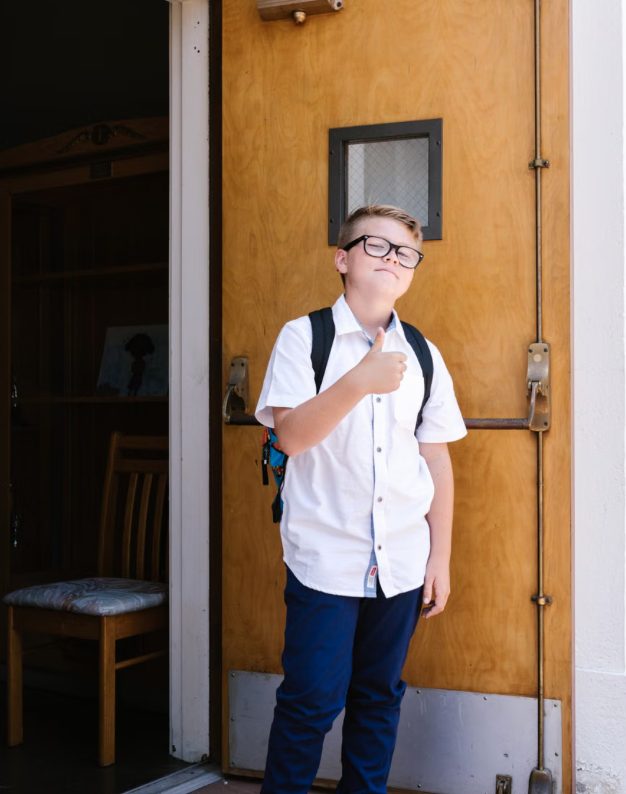
Boy In School
Back-to-school anxiety in autistic students may appear through changes in sleep, behavior, physical complaints, sensory tolerance, or school attendance. These signs are not diagnostic, and persistent or disruptive anxiety should be discussed with an appropriate healthcare or mental health professional. (Pexels).

The return to school can bring excitement, but for some autistic students, it can also create significant stress. New teachers, unfamiliar classrooms, changing schedules, crowded hallways, and increased social expectations can make the transition especially demanding. Autism back-to-school anxiety may not always look like a child saying, “I’m worried about school,” particularly when communicating emotions is difficult. Instead, parents may notice changes in sleep, behavior, physical complaints, or a stronger need for familiar routines. Recognizing these changes early can help families respond with support rather than assuming a child is simply being difficult.

Anxiety May Show Up Through Behavior

Autism back-to-school anxiety can appear as increased irritability, withdrawal, crying, shutdowns, or more intense reactions to everyday demands. The Autism Research Institute notes that anxiety symptoms can overlap with autistic characteristics, which can make anxiety harder to recognize. A child who previously packed a backpack without difficulty, for example, might suddenly become distressed when school supplies are mentioned. Parents may also see an increase in repetitive behaviors or a stronger insistence that activities happen in a particular order. Rather than viewing these behaviors automatically as defiance, consider whether they began or intensified as the first day of school approached.

Physical Complaints Can Be Important Clues

Anxiety does not stay entirely in the mind, and children may experience very real physical symptoms when they feel overwhelmed. Headaches, stomachaches, nausea, dizziness, sweating, or a racing heart can accompany school-related anxiety. A useful clue may be timing, such as stomachaches appearing repeatedly on school mornings but improving on weekends. However, parents should not assume that every physical complaint is caused by autism back to school anxiety, because illness and other medical problems still need appropriate attention. Persistent, severe, or unexplained symptoms should be discussed with the child’s pediatrician or another qualified healthcare professional.

Sleep and Routine Changes Deserve Attention

Sleep can be another place where anxiety becomes visible before a child has explained what is bothering them. Parents might notice difficulty falling asleep, waking during the night, getting up unusually early, or resisting bedtime as school gets closer. Changes in routine can be particularly stressful for some autistic students, and research continues to examine the connection between a strong preference for sameness and anxiety. Re-establishing school-year bedtimes, wake times, meals, and morning routines gradually can make the transition more predictable. A visual calendar or schedule showing when school starts, what happens each morning, and what comes after school can also reduce uncertainty.

Sensory Overload Can Increase School Worries

A classroom can contain sensory demands that are easy for adults to underestimate, including fluorescent lighting, bells, scraping chairs, crowded cafeterias, strong smells, and noisy buses. Sensory sensitivities can contribute to overload and anxiety for autistic people, particularly when combined with social expectations and unexpected changes. Imagine a student who enjoyed summer at home but suddenly faces hundreds of voices in a hallway while trying to locate an unfamiliar classroom before the bell rings. Autism back-to-school anxiety in that situation may appear as covering the ears, refusing certain spaces, trying to leave, or becoming unusually quiet. Parents can share known sensory triggers with teachers and discuss practical supports such as quieter spaces, predictable transitions, seating adjustments, or other individualized accommodations.

School Avoidance Should Not Be Ignored

Occasional first-day nerves are common, but persistent efforts to avoid school deserve closer attention. A student may repeatedly ask to stay home, struggle intensely at drop-off, request early pickup, or complain of physical symptoms whenever attendance is expected. Prolonged school refusal can interfere substantially with a child’s life and may become harder to overcome when absence reinforces avoidance. Parents dealing with autism back-to-school anxiety can communicate early with teachers, counselors, therapists, or other members of the student’s support team instead of waiting for the problem to escalate. Visiting the school beforehand, practicing the route, meeting key staff, or walking through the daily schedule can make unfamiliar situations more predictable.

Preparation Can Build a Sense of Safety

Parents do not need to eliminate every source of anxiety before school begins, and trying to promise that nothing stressful will happen can create unrealistic expectations. Instead, focus on giving the student reliable information about what will happen and a plan for what they can do when something feels difficult. A practice visit might include locating the classroom, restroom, cafeteria, pickup area, and a designated quiet or support space.

Families can also ask the student what feels most uncertain rather than assuming that academics, friendships, noise, transportation, or separation is the main concern. These conversations can turn autism back-to-school anxiety from an undefined threat into specific challenges that families and school staff can address together.

Watch for Change, Then Build Support Around It

The most useful comparison is often not between an autistic student and classmates but between the student’s current behavior and their usual patterns. A noticeable change in sleeping, eating, physical complaints, emotional regulation, sensory tolerance, or willingness to attend school can provide valuable information about what the student is experiencing. These signs are not diagnostic on their own, and parents should seek professional support when anxiety is persistent, worsening, causing significant distress, or interfering with school and everyday life. Early communication among the student, family, educators, pediatrician, and appropriate mental health professionals can help identify what is driving the difficulty and what support may help.

What changes have you noticed in your child as the school year approaches, and what has helped make the transition easier? Share your experience in the comments—another family may benefit from what you have learned.

What to Read Next

School Counselors Report a Rise in Severe Anxiety Among Younger Students

Counselors Say This ‘Normal’ Social Habit Is Fueling Anxiety in Kids — And Parents Are Missing It

The Hidden Sensory Processing Disorders Mistaken for Behavior Problems

Evan Morgan

Evan Morgan has been a full-time freelance writer and editor for 10+ years. When not working, he enjoys catching the latest true crime documentary or getting lost in a good book.


Filed Under: Parenting Tagged With: autism, autism parenting, autistic students, back-to-school anxiety, child anxiety, school anxiety, sensory overload, special education

7 Classroom Changes That Can Trigger More Stress for Some Autistic Students

August 6, 2026 | Leave a Comment

Child In Class
A predictable classroom routine, clear communication, and thoughtful sensory supports can help reduce stress for some autistic students during school transitions. (Pexels).

Starting a new school year often brings excitement, but it can also create uncertainty for autistic students who rely on familiar routines and predictable environments. Even changes that seem minor to teachers or classmates may increase anxiety, affect concentration, or lead to emotional overload for some children. Understanding which classroom adjustments can be challenging helps parents and educators respond with greater empathy and practical support. With thoughtful planning and clear communication, many of these transitions can become far more manageable while creating a more inclusive learning environment.

1. Sudden Changes to Daily Routines

Many autistic students feel more secure when they know what to expect throughout the school day. An unexpected assembly, substitute teacher, or last-minute schedule change can increase stress because it interrupts established routines. Visual schedules, advance warnings, and simple explanations often help reduce uncertainty before changes occur. While every child is different, predictable transitions can make a meaningful difference in helping students stay engaged and emotionally regulated. Teachers who prepare students ahead of time often notice smoother adjustments during unexpected events.

2. Rearranged Classroom Layouts

Moving desks, changing seating assignments, or reorganizing learning spaces may seem harmless, but these adjustments can feel overwhelming for some autistic students. Familiar physical environments provide important visual and spatial cues that support comfort and independence. Even locating supplies or navigating the classroom may become temporarily confusing after a redesign. Giving students an opportunity to explore the new layout before lessons begin can ease anxiety. Small orientation activities often help rebuild confidence more quickly.

3. Increased Noise and Sensory Distractions

Classrooms naturally become louder during group projects, indoor recess, or special celebrations. For some autistic students, heightened background noise or bright visual displays can contribute to sensory overload, making it harder to focus or participate. Sensory sensitivities vary widely, so not every autistic child experiences the same challenges. Quiet workspaces, noise-reducing headphones, or short sensory breaks may help students regain focus when needed. Supporting sensory needs benefits learning without lowering academic expectations.

4. Unexpected Social Group Changes

Collaborative learning is valuable, but frequently rotating partners or assigning unfamiliar groups can create additional stress for some autistic students. New social dynamics require interpreting different communication styles and expectations, which may already demand significant mental effort. Allowing extra preparation time or explaining group roles clearly can reduce uncertainty. Pairing students thoughtfully rather than randomly may also encourage more positive interactions. Building familiarity gradually often leads to stronger participation and greater confidence.

5. Different Teaching Styles or New Teachers

Each teacher brings unique communication methods, classroom expectations, and instructional styles. Even positive differences can require autistic students to adjust their routines and processing strategies. Introducing new teachers through classroom visits, photos, or short meet-and-greet sessions before major transitions may ease initial anxiety. Clear, consistent instructions and predictable classroom expectations help students understand what success looks like. Open communication between families and educators also supports smoother transitions throughout the year.

6. Surprise Fire Drills and Emergency Procedures

Emergency drills are essential for school safety, but sudden loud alarms and rapid changes in routine may be especially distressing for some autistic students. Preparing students by discussing upcoming drills when possible, practicing procedures, or using social stories can reduce fear while maintaining safety. Some schools also provide sensory accommodations, such as noise-reducing headphones during scheduled drills when appropriate. Individual needs differ, so planning should reflect each student’s support requirements. Practicing calmly before real emergencies helps build familiarity without minimizing the importance of safety procedures.

7. Changes in Classroom Expectations

As students progress through the school year, teachers may introduce more independent work, faster transitions, or higher academic demands. While these adjustments are a normal part of learning, they can increase stress if expectations change without sufficient explanation. Breaking larger tasks into smaller steps and providing visual reminders often makes new expectations easier to understand. Positive reinforcement and regular check-ins encourage confidence during periods of adjustment. Flexible support allows students to develop independence while respecting individual learning needs.

Helping Students Thrive Through Predictable Support

Supporting autistic students does not mean avoiding every classroom change—it means introducing changes thoughtfully and recognizing that every child responds differently. Research continues to show that predictable routines, clear communication, and individualized accommodations can improve both learning and emotional well-being. Families and educators who work together are often better equipped to identify potential stressors before they become larger challenges. Small adjustments made with empathy can create classrooms where autistic students feel safe, included, and ready to learn.

Which classroom strategy has helped an autistic student in your life the most? Share your experiences or suggestions in the comments to help other parents and educators learn from your perspective.

What to Read Next

What Happens to Autism Accommodations When a Child Changes Schools?

Teachers Warn: 4 Classroom Strategies That Can Harm Autistic Students

How Masking in School Leads to Burnout in Autistic Teen Girls

Evan Morgan

Evan Morgan has been a full-time freelance writer and editor for 10+ years. When not working, he enjoys catching the latest true crime documentary or getting lost in a good book.

Filed Under: Parenting Tagged With: autism, autistic students, classroom tips, education, neurodiversity, Parenting, school anxiety, sensory processing, special education, teachers

Teachers Warn: 4 Classroom Strategies That Can Harm Autistic Students

July 4, 2026 | Leave a Comment

Teacher
A supportive classroom uses visual schedules, flexible teaching methods, and sensory-friendly strategies to help autistic students feel safe, engaged, and ready to learn. (Pexels).

Every classroom includes students with different learning styles, but autistic students often face unique challenges that can be made worse by well-intentioned teaching methods. While many educators work hard to create inclusive learning environments, some traditional classroom practices can unintentionally increase anxiety, reduce engagement, or make learning more difficult. Autism specialists and experienced teachers increasingly emphasize adapting instruction instead of expecting every child to learn the same way. Understanding which approaches may cause harm is an important step toward creating classrooms where every student has the opportunity to succeed.

1. Expecting Every Student to Learn the Same Way

One-size-fits-all instruction can leave autistic students struggling to keep pace with lessons that rely heavily on verbal explanations or rapid transitions. Many autistic learners process information more effectively through visual supports, predictable routines, or step-by-step instructions rather than lengthy verbal directions. Research consistently shows that structured teaching, visual schedules, and individualized supports improve both learning and classroom participation. For example, a student who becomes overwhelmed during a fast-paced science lesson may thrive when given a visual checklist and extra processing time instead of repeated verbal reminders.

2. Using Public Discipline or Calling Students Out

Correcting a student publicly may seem like an efficient classroom management strategy, but it can have the opposite effect for autistic children. Many autistic students experience heightened anxiety, sensory overload, or difficulty interpreting social situations, making public criticism especially distressing. Instead of improving behavior, embarrassment may trigger shutdowns, meltdowns, or withdrawal from classroom participation. Experienced educators often find greater success by speaking privately, using calm language, and identifying what support the student needs before assuming the behavior was intentional.

3. Ignoring Sensory Needs During the School Day

A classroom that feels perfectly comfortable to one student may be overwhelming to another. Bright fluorescent lights, constant chatter, scraping chairs, crowded bulletin boards, or unexpected noises can quickly overload an autistic student’s sensory system and make concentration nearly impossible. Rather than viewing sensory breaks or noise-reducing headphones as special treatment, many schools now recognize them as practical accommodations that help students stay engaged. Studies on inclusive education continue to show that reducing unnecessary sensory distractions benefits not only autistic students but many of their classmates as well.

4. Forcing Social Interaction Instead of Supporting It

Group projects and classroom discussions build valuable social skills, but forcing participation before a student is ready can increase stress instead of confidence. Some autistic students need extra time to process conversations, while others communicate more comfortably in smaller groups or through structured activities. Teachers who carefully pair students with supportive classmates and provide clear expectations often see more authentic social growth than those who require spontaneous participation. Evidence-based classroom practices encourage teaching social skills through modeling, peer support, and predictable routines rather than placing students in uncomfortable situations without guidance.

Building Classrooms Where Every Student Can Thrive

Supporting autistic students does not require lowering academic expectations—it requires thoughtful teaching that recognizes different ways of learning. Small adjustments, such as providing visual supports, preparing students for schedule changes, respecting sensory differences, and offering individualized communication strategies, can dramatically improve both learning and emotional well-being. These evidence-based practices also benefit many non-autistic students by creating clearer expectations and more organized classrooms. As autism diagnoses continue to rise and inclusive education becomes increasingly common, teachers who embrace flexible instructional strategies are better equipped to help every student reach their potential.

Have you seen classroom strategies that helped—or unintentionally harmed—autistic students? Share your thoughts and experiences in the comments below. Your perspective could help parents, teachers, and caregivers create more supportive learning environments for every child.

What to Read Next

Teachers Say Mainstreaming Is Straining Classrooms

Teachers Admit These Classroom Changes Are Hurting Neurodivergent Students

5 Red Flags Teachers Look for in Children With Learning Disabilities

Evan Morgan

Evan Morgan has been a full-time freelance writer and editor for 10+ years. When not working, he enjoys catching the latest true crime documentary or getting lost in a good book.

Filed Under: Education Tagged With: autism, autistic students, child development, classroom strategies for autistic students, education, inclusive classrooms, neurodiversity, Parenting, special education, teachers

  • Facebook
  • Pinterest
  • RSS
  • Twitter

Basic Principles Of Good Parenting

Here some basic principles for good parenting:

  1. What You Do Matters: Your kids are watching you. So, be purposeful about what you want to accomplish.
  2. You Can’t be Too Loving: Don’t replace love with material possessions, lowered expectations or leniency.
  3. Be Involved Your Kids Life: Arrange your priorities to focus on what your kid’s needs. Be there mentally and physically.
  4. Adapt Your Parenting: Children grow quickly, so keep pace with your child’s development.
  5. Establish and Set Rules: The rules you set for children will establish the rules they set for themselves later.  Avoid harsh discipline and be consistent.
  6. Explain Your Decisions: What is obvious to you may not be evident to your child. They don’t have the experience you do.
  7. Be Respectful To Your Child: How you treat your child is how they will treat others.  Be polite, respectful and make an effort to pay attention.
Best Parenting Blogs

Most Popular

Baby

9 Unusual Baby Names That Sound Like They Belong to Future CEOs

Evan Morgan
Baby

10 Baby Names That Were Once Considered “Grandparent Names” but Feel Cool Again

Evan Morgan
Target Store

Choking Incident Prompts Recall of 49,000 Target Gigglescape “Under the Sea” Popping Toys

Evan Morgan
Frustrated Girl

Why Some Students on the Spectrum Are Labeled With ODD

Evan Morgan
Coke Bottles

12 Things Kids Took to School in the ’70s That Would Never Be Allowed Today

Evan Morgan

All content on Kids Ain’t Cheap is for entertainment purposes only. By reading this blog, you agree that Kids Ain’t Cheap is not responsible for any actions taken after reading this blog. For the full disclaimer, see our privacy policy.

Please note that Kids Ain’t Cheap has financial relationships with some of the merchants mentioned here. Kids Ain’t Cheap is funded by banner advertising, commission sales and search optimization consulting.

Copyright © 2006–2026 | District Media | All Rights Reserved | Privacy Policy

Copyright © 2026 Runway Pro Theme by Viva la Violette