
• Home
  • About Us
  • Toolkit
  • Archives
  • Advertise
  • Privacy Policy

Kids Ain't Cheap

But They Sure Are Worth It

  • Parenting
    • Baby Stuff
    • Books and Reading
      • Aesops Fables
      • Comic Books
    • Education
    • Family Time
    • Green Living
    • Growing Up
    • Healthy Living & Eating
    • Holidays
    • Parenting
    • Random Musings
    • Shopping
    • Stuff to Do
  • Money
  • Product Reviews
    • Books and Magazines
    • Discount Sites
    • Furniture
    • House Keeping
    • Reviews News
    • Toys and Games
  • Contact Us
  • Our Editorial Commitment
  • Search

Teachers Warn: 4 Classroom Strategies That Can Harm Autistic Students

July 4, 2026 | Leave a Comment

Teacher
A supportive classroom uses visual schedules, flexible teaching methods, and sensory-friendly strategies to help autistic students feel safe, engaged, and ready to learn. (Pexels).

Every classroom includes students with different learning styles, but autistic students often face unique challenges that can be made worse by well-intentioned teaching methods. While many educators work hard to create inclusive learning environments, some traditional classroom practices can unintentionally increase anxiety, reduce engagement, or make learning more difficult. Autism specialists and experienced teachers increasingly emphasize adapting instruction instead of expecting every child to learn the same way. Understanding which approaches may cause harm is an important step toward creating classrooms where every student has the opportunity to succeed.

1. Expecting Every Student to Learn the Same Way

One-size-fits-all instruction can leave autistic students struggling to keep pace with lessons that rely heavily on verbal explanations or rapid transitions. Many autistic learners process information more effectively through visual supports, predictable routines, or step-by-step instructions rather than lengthy verbal directions. Research consistently shows that structured teaching, visual schedules, and individualized supports improve both learning and classroom participation. For example, a student who becomes overwhelmed during a fast-paced science lesson may thrive when given a visual checklist and extra processing time instead of repeated verbal reminders.

2. Using Public Discipline or Calling Students Out

Correcting a student publicly may seem like an efficient classroom management strategy, but it can have the opposite effect for autistic children. Many autistic students experience heightened anxiety, sensory overload, or difficulty interpreting social situations, making public criticism especially distressing. Instead of improving behavior, embarrassment may trigger shutdowns, meltdowns, or withdrawal from classroom participation. Experienced educators often find greater success by speaking privately, using calm language, and identifying what support the student needs before assuming the behavior was intentional.

3. Ignoring Sensory Needs During the School Day

A classroom that feels perfectly comfortable to one student may be overwhelming to another. Bright fluorescent lights, constant chatter, scraping chairs, crowded bulletin boards, or unexpected noises can quickly overload an autistic student’s sensory system and make concentration nearly impossible. Rather than viewing sensory breaks or noise-reducing headphones as special treatment, many schools now recognize them as practical accommodations that help students stay engaged. Studies on inclusive education continue to show that reducing unnecessary sensory distractions benefits not only autistic students but many of their classmates as well.

4. Forcing Social Interaction Instead of Supporting It

Group projects and classroom discussions build valuable social skills, but forcing participation before a student is ready can increase stress instead of confidence. Some autistic students need extra time to process conversations, while others communicate more comfortably in smaller groups or through structured activities. Teachers who carefully pair students with supportive classmates and provide clear expectations often see more authentic social growth than those who require spontaneous participation. Evidence-based classroom practices encourage teaching social skills through modeling, peer support, and predictable routines rather than placing students in uncomfortable situations without guidance.

Building Classrooms Where Every Student Can Thrive

Supporting autistic students does not require lowering academic expectations—it requires thoughtful teaching that recognizes different ways of learning. Small adjustments, such as providing visual supports, preparing students for schedule changes, respecting sensory differences, and offering individualized communication strategies, can dramatically improve both learning and emotional well-being. These evidence-based practices also benefit many non-autistic students by creating clearer expectations and more organized classrooms. As autism diagnoses continue to rise and inclusive education becomes increasingly common, teachers who embrace flexible instructional strategies are better equipped to help every student reach their potential.

Have you seen classroom strategies that helped—or unintentionally harmed—autistic students? Share your thoughts and experiences in the comments below. Your perspective could help parents, teachers, and caregivers create more supportive learning environments for every child.

What to Read Next

Teachers Say Mainstreaming Is Straining Classrooms

Teachers Admit These Classroom Changes Are Hurting Neurodivergent Students

5 Red Flags Teachers Look for in Children With Learning Disabilities

Evan Morgan

Evan Morgan has been a full-time freelance writer and editor for 10+ years. When not working, he enjoys catching the latest true crime documentary or getting lost in a good book.

Filed Under: Education Tagged With: autism, autistic students, child development, classroom strategies for autistic students, education, inclusive classrooms, neurodiversity, Parenting, special education, teachers

Parents Say These ‘Sensory-Friendly’ Classrooms Aren’t Actually Working

May 18, 2026 | Leave a Comment

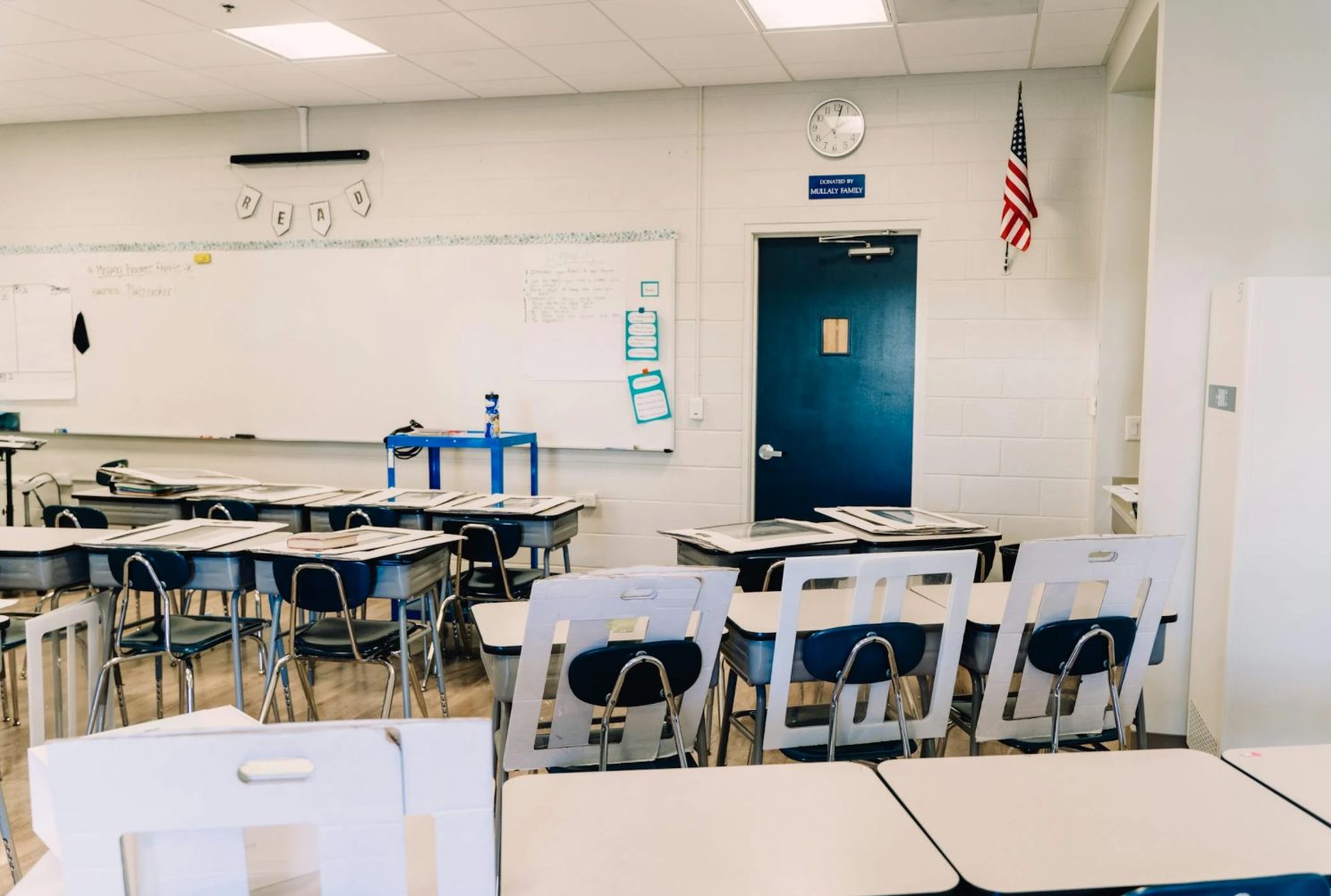
Empty Classroom
An empty classroom – Pexels

Schools across the country have spent the last several years redesigning classrooms to support students with autism, ADHD, anxiety, and sensory processing challenges. Soft lighting, fidget tools, quiet corners, and flexible seating have become common features in many “sensory-friendly classrooms.” While the idea sounds promising, many parents now say the reality falls short of expectations. Some families report that these classrooms still feel overstimulating, poorly staffed, or inconsistent in how sensory support is delivered. As districts invest more money into inclusive learning environments, parents and advocates are asking whether schools are truly meeting the needs of neurodivergent students or simply adopting trendy labels.

Parents Say the Classroom Design Alone Isn’t Enough

Many parents say schools focus too heavily on appearance instead of individualized support. A classroom may include beanbag chairs, dim lamps, and sensory toys, but those features do not automatically help children regulate emotions or stay focused. Families often report that teachers receive limited training on how to properly use sensory accommodations throughout the school day. Some students become overwhelmed when sensory tools are treated like rewards instead of structured supports tied to learning goals. Parents also worry that schools sometimes market classrooms as “sensory-friendly” without consulting occupational therapists or autism specialists during the planning process.

Sensory Overload Still Happens in Many Schools

Parents of neurodivergent children say sensory overload remains one of the biggest daily challenges despite these classroom updates. Loud hallways, buzzing fluorescent lights, crowded cafeterias, and sudden schedule changes can still trigger anxiety or meltdowns. According to a 2026 survey from Ambitious About Autism, many autistic students continue to miss school because the environment feels emotionally and physically overwhelming. Some families say schools concentrate sensory support in one classroom while ignoring the rest of the campus experience. Experts note that true sensory-friendly classrooms require consistency across the entire school environment, not just one redesigned room.

Teachers Are Struggling With Limited Resources

Many educators support sensory-friendly classrooms but admit they often lack the staffing and resources needed to make them effective. Teachers frequently manage large class sizes while balancing multiple learning needs at once. In some districts, one teacher may supervise students across several grade levels while also handling behavioral support responsibilities. Recent concerns in Houston ISD highlight how parents fear disruptions to special education services could negatively affect student progress and emotional stability. Without enough aides, therapists, and specialized training, even well-designed sensory-friendly classrooms can become difficult to manage effectively.

Some Sensory Tools Can Become Distracting

Sensory tools help many children focus, but parents and teachers say misuse has become a growing concern in classrooms. Fidget toys, noise-reduction headphones, and movement breaks are meant to support self-regulation, yet some schools report students using them as distractions instead of learning aids. Several schools in the United Kingdom recently introduced restrictions on certain sensory toys because they became disruptive or unsafe during class. Parents argue that banning these tools entirely misses the larger issue, which is the lack of clear guidance and individualized support plans. Specialists say sensory-friendly classrooms work best when accommodations are tailored to each child rather than applied as one-size-fits-all solutions.

Families Want More Transparency and Accountability

One of the biggest frustrations parents describe is inconsistent communication from schools. Families say they are often told their child is thriving in a sensory-friendly classroom, only to later discover ongoing emotional distress or academic struggles. Some parents also report difficulty accessing classroom data, behavioral reports, or individualized sensory plans tied to their child’s IEP. Trust can quickly break down when schools promote inclusion publicly but fail to explain how accommodations are actually measured or adjusted over time. Parents increasingly want school districts to provide clearer benchmarks showing whether sensory-friendly classrooms improve attendance, emotional regulation, and learning outcomes.

Why Experts Say Sensory-Friendly Classrooms Still Matter

Despite criticism, most experts agree that sensory-friendly classrooms remain an important step toward more inclusive education. Occupational therapists and autism advocates say sensory-aware learning spaces can significantly reduce stress when implemented correctly. Flexible seating, quiet zones, visual schedules, and predictable routines often help students stay engaged and emotionally regulated. However, specialists emphasize that sensory-friendly classrooms should never replace trained staff, individualized learning plans, or strong communication between parents and educators. Successful programs usually involve collaboration between teachers, therapists, administrators, and families working together consistently throughout the school year.

The Bigger Lesson Schools Cannot Ignore

Parents are not rejecting sensory-friendly classrooms entirely, but many believe schools oversimplified what neurodivergent students actually need to succeed. Creating supportive learning environments requires more than calming colors and sensory bins because every child processes the world differently. Families want schools to invest in properly trained staff, realistic classroom sizes, individualized support plans, and campus-wide sensory awareness. As conversations around autism and ADHD continue growing nationwide, schools may need to rethink how inclusion works beyond social media-friendly classroom designs.

What changes do you think schools should make to create learning environments that truly support neurodivergent students? Share your thoughts and experiences in the comments below.

What to Read Next

The Grocery Costs Parents of Sensory-Sensitive Kids Say No One Talks About

8 Ways Schools Are Supporting Children With Sensory Processing Issues

Sensory Processing Alert: Why More Families Are Requesting School Accommodations

Evan Morgan

Evan Morgan has been a full-time freelance writer and editor for 10+ years. When not working, he enjoys catching the latest true crime documentary or getting lost in a good book.

Filed Under: Parenting Tagged With: ADHD students, autism awareness, autism in schools, Education News, inclusive classrooms, neurodivergent students, Parenting, school support, sensory-friendly classrooms, special education

Special Education Shift: Why Inclusive Classrooms Are Expanding Across the U.S.

April 22, 2026 | Leave a Comment

Boy In School
Image Source: Pexels

Inclusive classrooms are no longer a niche approach—they’re quickly becoming the standard across American schools. Over the past decade, educators, parents, and policymakers have pushed for learning environments where students with and without disabilities learn side by side. This shift isn’t just about policy; it reflects a deeper understanding of how children learn, socialize, and succeed. From urban districts to rural communities, schools are rethinking traditional special education models. The result is a growing movement that prioritizes access, equity, and real-world readiness for every student.

The Research Behind Inclusive Classrooms Is Stronger Than Ever

One major reason inclusive classrooms are expanding is the overwhelming body of research supporting them. Studies consistently show that students with disabilities perform better academically and socially when they learn alongside their peers. For example, a child with a learning disability may benefit from hearing different perspectives during group work. At the same time, general education students often develop stronger empathy and collaboration skills. This mutual benefit makes inclusive classrooms a win-win, not a compromise.

Federal Laws and Policy Changes Are Driving the Shift

Policies tied to the Individuals with Disabilities Education Act (IDEA) emphasize educating students in the “least restrictive environment.” This means schools are encouraged to place students in general education settings whenever possible. In practice, that often translates into inclusive classrooms supported by special education professionals. Districts that once relied heavily on separate classrooms are now investing in co-teaching models. As accountability increases, schools are aligning their practices with these legal expectations more closely than ever.

Co-Teaching Models Are Making Inclusion More Practical

Inclusive classrooms work best when teachers are supported, and co-teaching has become a key strategy. In many schools, a general education teacher and a special education teacher share responsibility for the same classroom. This allows for differentiated instruction without isolating students. For instance, one teacher might lead a lesson while the other provides targeted support to small groups. This approach not only benefits students with special needs but also helps struggling learners who might otherwise go unnoticed. As a result, inclusive classrooms become more effective and less overwhelming for educators.

Parents Are Advocating for More Inclusive Options

Parents have played a powerful role in expanding inclusive classrooms across the U.S. Many families want their children to feel part of their community, not separated from it. A parent of a child with autism, for example, may notice improved communication skills when their child interacts daily with peers. At the same time, parents of general education students often appreciate the social growth their children experience. This growing demand has pushed school districts to rethink outdated models. Inclusion is no longer just an educational strategy—it’s a community expectation.

Social-Emotional Learning Benefits All Students

Inclusive classrooms go beyond academics by fostering strong social-emotional development. Students learn how to communicate with people who think, learn, and behave differently. This exposure builds patience, empathy, and resilience—skills that matter well beyond the classroom. For example, group projects in inclusive settings often require students to adapt their communication styles. These real-world interactions prepare students for diverse workplaces and communities. In a rapidly changing world, these skills are just as valuable as test scores.

Technology Is Making Inclusion Easier Than Before

Advances in educational technology have made inclusive classrooms more accessible and effective. Tools like speech-to-text software, audiobooks, and adaptive learning platforms allow students to engage with material in ways that suit their needs. A student with dyslexia, for instance, can listen to assignments instead of struggling through printed text. Teachers can also use digital platforms to track progress and adjust instruction quickly. These tools reduce barriers that once made inclusion difficult. As technology continues to evolve, inclusive classrooms are becoming even more practical to implement.

Addressing Challenges and Misconceptions Head-On

Despite the benefits, inclusive classrooms are not without challenges. Some teachers worry about managing diverse needs in a single classroom. Others fear that general education students may receive less attention. However, when schools provide proper training and resources, these concerns are often resolved. Structured lesson planning, ongoing professional development, and support staff can make a significant difference. It’s important to recognize that inclusion is not about lowering standards—it’s about meeting students where they are.

Rethinking Education for a More Inclusive Future

The expansion of inclusive classrooms reflects a broader shift in how we define success in education. It’s no longer just about test scores or rigid learning paths; it’s about preparing students for life in a diverse and interconnected world. Schools that embrace inclusion are seeing not only academic gains but stronger school communities. While challenges remain, the direction is clear—education is becoming more inclusive, more flexible, and more human-centered. As this trend continues, it will shape how future generations learn and interact.

So what do you think—are inclusive classrooms the future of education, or do they still need major improvements? Share your thoughts and experiences in the comments below. Your perspective could help others better understand this important shift.

What to Read Next

3 Common Challenges Families Face When Accessing Special Education Services

The IEP Gap: Why Some Children With Special Needs Aren’t Getting Full Classroom Support

Texas Schools Update: Special Education Services Expand as Diagnoses Increase

Evan Morgan

Evan Morgan has been a full-time freelance writer and editor for 10+ years. When not working, he enjoys catching the latest true crime documentary or getting lost in a good book.

Filed Under: Education Tagged With: classroom strategies, education trends, inclusive classrooms, special education, teaching methods, U.S. schools

  • Facebook
  • Pinterest
  • RSS
  • Twitter

Basic Principles Of Good Parenting

Here some basic principles for good parenting:

  1. What You Do Matters: Your kids are watching you. So, be purposeful about what you want to accomplish.
  2. You Can’t be Too Loving: Don’t replace love with material possessions, lowered expectations or leniency.
  3. Be Involved Your Kids Life: Arrange your priorities to focus on what your kid’s needs. Be there mentally and physically.
  4. Adapt Your Parenting: Children grow quickly, so keep pace with your child’s development.
  5. Establish and Set Rules: The rules you set for children will establish the rules they set for themselves later.  Avoid harsh discipline and be consistent.
  6. Explain Your Decisions: What is obvious to you may not be evident to your child. They don’t have the experience you do.
  7. Be Respectful To Your Child: How you treat your child is how they will treat others.  Be polite, respectful and make an effort to pay attention.
Best Parenting Blogs

Most Popular

Baby

9 Baby Names That Sound Rare Without Being Hard to Spell

Evan Morgan
Baby

9 Unusual Baby Names That Sound Like They Belong to Future CEOs

Evan Morgan
Target Store

Choking Incident Prompts Recall of 49,000 Target Gigglescape “Under the Sea” Popping Toys

Evan Morgan
Frustrated Girl

Why Some Students on the Spectrum Are Labeled With ODD

Evan Morgan
Coke Bottles

12 Things Kids Took to School in the ’70s That Would Never Be Allowed Today

Evan Morgan

All content on Kids Ain’t Cheap is for entertainment purposes only. By reading this blog, you agree that Kids Ain’t Cheap is not responsible for any actions taken after reading this blog. For the full disclaimer, see our privacy policy.

Please note that Kids Ain’t Cheap has financial relationships with some of the merchants mentioned here. Kids Ain’t Cheap is funded by banner advertising, commission sales and search optimization consulting.

Copyright © 2006–2026 | District Media | All Rights Reserved | Privacy Policy

Copyright © 2026 Runway Pro Theme by Viva la Violette