
• Home
  • About Us
  • Toolkit
  • Archives
  • Advertise
  • Privacy Policy

Kids Ain't Cheap

But They Sure Are Worth It

  • Parenting
    • Baby Stuff
    • Books and Reading
      • Aesops Fables
      • Comic Books
    • Education
    • Family Time
    • Green Living
    • Growing Up
    • Healthy Living & Eating
    • Holidays
    • Parenting
    • Random Musings
    • Shopping
    • Stuff to Do
  • Money
  • Product Reviews
    • Books and Magazines
    • Discount Sites
    • Furniture
    • House Keeping
    • Reviews News
    • Toys and Games
  • Contact Us
  • Our Editorial Commitment
  • Search

What Parents Should Make Sure Gets Documented During an IEP Meeting

August 11, 2026 | Leave a Comment

Meeting
A parent and school team review an Individualized Education Program together, highlighting the importance of documenting meaningful parent concerns to support a student’s educational success. (Pexels).

Parents play a vital role in shaping a child’s Individualized Education Program (IEP), yet many leave meetings wondering whether their concerns were fully documented. Accurate IEP meeting notes help create a clear record of discussions, decisions, and requests that may influence a student’s educational support. When parent concerns are reflected in writing, everyone on the IEP team has a shared understanding of the child’s needs and agreed-upon next steps. Understanding what belongs in IEP meeting notes can help families advocate confidently while building stronger collaboration with educators.

Why Parent Concerns Should Be Documented

An IEP meeting is designed to bring parents, teachers, specialists, and school staff together to make informed decisions about a student’s education. Parent observations often provide valuable insights that may not appear in classroom data, such as challenges with homework, emotional regulation, or communication at home. For example, a parent may notice that a child becomes overwhelmed after long school days even when classroom behavior appears typical. Recording these concerns creates a more complete picture of the student’s needs and supports thoughtful decision-making throughout the school year.

What Types of Concerns Belong in IEP Meeting Notes

Not every comment made during an IEP meeting becomes part of the official record, but significant concerns should be documented. These include observations about academic progress, behavioral changes, social interactions, communication skills, accommodations, therapy needs, transportation concerns, and whether current services are meeting the child’s needs. Parents should also ask for written documentation if they request an evaluation, propose new supports, or disagree with a recommendation. Including these details creates a record that can be referenced during future meetings and helps reduce misunderstandings if questions arise later. Special education advocates also recommend providing parent concerns in writing before or during the meeting to ensure they are considered by the IEP team.

How Parents Can Make Sure Their Voice Is Included

Preparation often makes the biggest difference before an IEP meeting begins. Bringing written notes, recent progress reports, work samples, and examples from home gives parents concrete information to share instead of relying on memory during an emotional discussion. If an important concern is overlooked, parents can respectfully ask that it be added to the meeting notes before the meeting ends. Following up with a summary email after the meeting also creates a written record of what was discussed and any unresolved questions. This approach strengthens communication while helping everyone stay focused on supporting the student’s success.

Common Misconceptions About IEP Meeting Notes

Many parents assume that meeting notes will automatically include everything discussed, but that is not always the case. In many school districts, official IEP forms summarize key discussions rather than providing a word-for-word transcript. That is why parents should review the completed IEP carefully and ask questions if important concerns appear to be missing or inaccurately described. It is also important to remember that respectfully disagreeing with a recommendation is appropriate, and asking for that disagreement to be documented helps create a complete record of the team’s discussion.

Building a Stronger Partnership Through Clear Communication

Successful IEP meetings are built on collaboration rather than conflict. Teachers contribute classroom observations and assessment data, while parents provide information that only they can observe outside of school. When both perspectives are documented, the team is better positioned to develop goals and services that reflect the student’s real-world needs. Families who communicate clearly, ask thoughtful questions, and keep organized records often find future IEP meetings more productive because everyone begins with shared information instead of conflicting memories.

The Lasting Value of Well-Documented Parent Input

Accurate IEP meeting notes do more than summarize a conversation—they help ensure that important parent concerns remain visible throughout the educational planning process. Written documentation supports accountability, encourages collaboration, and provides a reliable reference if questions arise during future meetings or annual reviews. Parents do not need to be legal experts to advocate effectively; they simply need to communicate clearly and ask that meaningful concerns be included in the record. When families and schools work together with transparency and respect, students benefit from more personalized, consistent, and effective educational support.

What parent concern do you believe deserves more attention during IEP meetings? Share your experience or advice in the comments to help other families navigate the process with greater confidence.

What to Read Next

What to Know About Transition-Plan Gaps Parents Often Notice Too Late in High School

When Parents Should Put a School-Lunch Accommodation Request in Writing

7 Questions Parents Should Ask About Seclusion and Restraint Policies

Evan Morgan

Evan Morgan has been a full-time freelance writer and editor for 10+ years. When not working, he enjoys catching the latest true crime documentary or getting lost in a good book.


Filed Under: Parenting Tagged With: disabilities, education, Education Law, IEP, IEP meetings, parent advocacy, Parenting, school support, special education, special needs

How Masking in School Leads to Burnout in Autistic Teen Girls

July 3, 2026 | Leave a Comment

Teen Girls In School
An autistic teen quietly working in a classroom while feeling emotionally exhausted illustrates how masking can hide significant mental strain. Recognizing the signs of autistic burnout can help families and schools provide earlier, more effective support. (Pexels).

Many autistic teen girls appear to thrive at school, earning good grades, maintaining friendships, and following classroom expectations. Behind that outward success, however, some spend every school day carefully hiding autistic traits to fit in with classmates and teachers. This effort, known as masking, can become mentally and emotionally exhausting over time. Mental health professionals and autism researchers increasingly recognize that prolonged masking may contribute to anxiety, depression, and autistic burnout, making early awareness and support especially important.

What Is Masking and Why Do Autistic Teen Girls Do It?

Masking refers to consciously or unconsciously hiding autistic behaviors to appear more socially typical. This may include forcing eye contact, rehearsing conversations, copying peers’ facial expressions, suppressing stimming, or pretending to understand confusing social situations. Many autistic girls begin masking at a young age because they notice social expectations and fear being judged, excluded, or bullied. While masking can help them blend in temporarily, it often comes at a high emotional cost. Experts note that girls are more likely than boys to be overlooked for an autism diagnosis because successful masking can hide challenges from teachers, parents, and even healthcare providers.

How School Environments Can Intensify the Pressure

The typical school day requires constant social interaction, frequent transitions, sensory tolerance, and quick communication. For an autistic teen who is masking, every class period may involve monitoring body language, facial expressions, and speech while also keeping up academically. Imagine a student who smiles through loud lunch periods, group projects, and crowded hallways, only to feel completely drained after getting home. Parents may mistakenly believe their child is doing well because the emotional strain often appears only after school. Over weeks, months, or years, that constant performance can significantly increase stress and emotional fatigue.

When Masking Turns Into Autistic Burnout

Autistic burnout is more than ordinary tiredness after a busy week. Researchers describe it as a state of intense physical, emotional, and mental exhaustion caused by prolonged stress and the ongoing effort to meet demands that exceed a person’s capacity. A teen experiencing burnout may struggle with concentration, lose previously mastered skills, withdraw socially, or become more sensitive to noise and bright lights. Everyday tasks that once seemed manageable may suddenly feel overwhelming. Recovery often requires reduced demands, understanding from adults, and time to regain energy rather than simply encouraging the student to “try harder.”

Signs Parents and Teachers Should Watch For

Burnout often develops gradually, making it easy to miss until symptoms become severe. Warning signs can include frequent headaches, increased anxiety, emotional meltdowns after school, difficulty waking up, declining grades, irritability, or avoiding activities the teen once enjoyed. Some students also report feeling as though they are constantly acting or playing a role rather than being themselves. Parents and educators who notice these patterns should consider whether masking could be contributing to the problem instead of assuming laziness or defiance. Early conversations with qualified healthcare professionals experienced in autism can help identify appropriate support strategies.

Creating School Environments That Reduce Burnout

Schools can make a meaningful difference by encouraging authentic self-expression instead of rewarding constant conformity. Flexible accommodations such as quiet spaces, sensory breaks, alternative participation methods, and predictable routines can lower daily stress without lowering academic expectations. Teachers who understand that autistic students communicate differently may also reduce the pressure to maintain constant eye contact or participate in every social activity. Families benefit from creating calm recovery time after school rather than filling every afternoon with additional obligations. When teens feel accepted for who they are, the need to mask often decreases, supporting both mental health and long-term academic success.

The Real Goal Is Supporting Authentic Success

Success should not require autistic teen girls to hide their identities every day simply to fit into school culture. Recognizing the signs of masking and understanding its connection to autistic burnout allows parents, teachers, and healthcare providers to intervene before emotional exhaustion becomes overwhelming. Small changes in understanding, accommodations, and acceptance can make a lasting difference in a student’s well-being and confidence. As awareness grows, more girls are receiving accurate diagnoses and accessing support that reflects their real experiences rather than the appearance they present at school. Helping autistic teens succeed as themselves—not as someone they feel pressured to imitate—is one of the most valuable forms of support adults can provide.

What changes do you think schools should make to better support autistic students without expecting them to hide who they are? Share your thoughts and experiences in the comments below—we’d love to hear your perspective.

What to Read Next

Therapists Warn More Kids Are Showing Signs of “Masking Fatigue” After School

School Counselors Say More Children Are Masking Autism Symptoms Until Burnout Hits

The Code Words Schools Use When Denying Services

Evan Morgan

Evan Morgan has been a full-time freelance writer and editor for 10+ years. When not working, he enjoys catching the latest true crime documentary or getting lost in a good book.

Filed Under: Health Tagged With: autism, autism awareness, autistic burnout, autistic teen girls, education, masking, Mental Health, neurodiversity, Parenting, school support

How Autism Diagnoses Are Sometimes Downplayed in Schools

June 23, 2026 | Leave a Comment

Young Student
A parent should meet with school staff to discuss developmental concerns and classroom support for a child showing signs of autism. Early recognition and open communication can help students receive appropriate evaluations and services. (Pexels).

Parents often expect schools to be the first place where developmental concerns are recognized, but that does not always happen. While many educators work hard to support students with autism, some families report that concerns are minimized or attributed to behavior, anxiety, or immaturity instead. This can delay evaluations, accommodations, and the services that help children succeed both academically and socially. Understanding why autism diagnoses are sometimes downplayed in schools can help parents advocate more effectively for their children.

Schools and Medical Diagnoses Are Not the Same Thing

One of the biggest misunderstandings is that schools do not provide medical autism diagnoses. Instead, schools determine whether a student qualifies for special education services under educational eligibility rules, which are different from a clinical diagnosis made by a psychologist or developmental pediatrician. A child may have a medical autism diagnosis yet not qualify for certain school services, or a school may initially hesitate to recognize educational needs until more evidence is collected. This difference can leave parents feeling confused when they hear conflicting opinions from educators and healthcare providers. Knowing that these are separate processes helps families better understand what each evaluation is designed to accomplish.

Why Autism Signs Can Be Missed or Minimized

Autism does not look the same in every child, making identification more challenging than many people realize. Some students perform well academically while quietly struggling with communication, sensory sensitivities, or social interactions that are less visible in the classroom. Girls, children with high verbal abilities, and students who have learned to mask autistic traits are especially at risk of being overlooked. Teachers may reasonably interpret these behaviors as shyness, attention difficulties, or anxiety before recognizing a broader developmental pattern. Although most educators act in good faith, limited training or large class sizes can make subtle signs easier to miss.

Delayed Recognition Can Affect Long-Term Success

When autism is not recognized early, students may miss valuable interventions that strengthen communication, emotional regulation, and executive functioning skills. Research continues to show that earlier identification often leads to earlier support, improving educational and social outcomes over time. The latest surveillance data found that approximately 1 in 31 eight-year-old children in the United States had been identified with autism, while younger children are being recognized earlier than previous generations because of improved awareness and screening. Even so, significant differences remain between communities, showing that access to evaluations and support is not equal everywhere. A delayed educational response can increase frustration for students who already know they experience the world differently.

What Parents Can Do If Concerns Are Dismissed

Parents should trust consistent observations rather than waiting for problems to become severe before seeking answers. If concerns continue after conversations with teachers, requesting a formal school evaluation in writing creates a documented process that schools are generally required to address under federal special education law. Families can also pursue an independent clinical evaluation if they believe additional expertise is needed. Keeping records of report cards, teacher communications, behavioral patterns, and outside evaluations often strengthens discussions with school teams. Working collaboratively while remaining persistent usually produces better outcomes than assuming either the school or the family is entirely correct.

A Strong Partnership Makes the Biggest Difference

The goal should never be to blame schools or parents for missed autism signs because identifying developmental differences is often complex. Most educators genuinely want students to succeed, and many schools have improved autism awareness dramatically over the past decade. At the same time, parents know their children better than anyone else and should feel confident speaking up when something seems wrong. Open communication, timely evaluations, and evidence-based support create the best opportunity for students to reach their full potential. Every child deserves to be understood for who they are rather than expected to fit a single definition of success.

What has your experience been with autism evaluations or school support? Share your thoughts in the comments and join the conversation—your story may help another family facing similar challenges.

What to Read Next

How to Respond When a School Delays an Autism Evaluation

The Late Diagnosis Wave: 5 Autism Signs Often Missed Until Middle School

The Hidden Costs of an Autism Diagnosis: 7 Expenses Families Face

Evan Morgan

Evan Morgan has been a full-time freelance writer and editor for 10+ years. When not working, he enjoys catching the latest true crime documentary or getting lost in a good book.

Filed Under: Parenting Tagged With: autism, autism awareness, autism diagnoses in schools, child development, education, IEP, Parenting, school support, special education, student services

How to Respond When a School Delays an Autism Evaluation

June 19, 2026 | Leave a Comment

Boy In School
A parent should meet with school staff to discuss concerns while reviewing documents and developmental notes. Staying organized and requesting support early can help children receive assistance even during an autism evaluation delay. (Pexels).

Parents often expect schools to move quickly when concerns about a child’s development are raised, but that is not always what happens. Long wait times, staffing shortages, and scheduling challenges can delay an autism evaluation, leaving families feeling frustrated and uncertain. While delays are common across the United States, parents still have practical steps they can take to advocate for their child without waiting indefinitely. Knowing your options can help ensure your child continues receiving support while the evaluation process moves forward.

Ask for the Delay in Writing

If the school says an autism evaluation will be delayed, politely request a written explanation that includes the reason and the expected timeline. Keeping documentation creates a clear record of conversations and helps prevent misunderstandings later. For example, if a school psychologist is unavailable for several weeks, having that information in writing allows you to plan your next steps more effectively. Save emails, meeting notes, and copies of any requests you submit because organized records often become valuable if additional advocacy is needed. Remaining calm and professional throughout the process typically leads to more productive communication.

Continue Requesting Support Instead of Waiting

A delayed autism evaluation should not automatically mean your child receives no help in the classroom. The American Academy of Pediatrics recommends referring children for needed intervention services as soon as developmental concerns are identified, rather than waiting for a formal autism diagnosis. Schools may still be able to provide academic accommodations, speech therapy evaluations, behavioral supports, or other services based on observed needs. For instance, a child struggling with communication or sensory challenges may benefit from classroom adjustments while the evaluation is pending. Focusing on your child’s current challenges instead of waiting for a diagnosis keeps progress moving forward.

Work With Your Child’s Pediatrician

Your child’s pediatrician can become an important partner if the school process slows down. Explain the school’s timeline and ask whether referrals to developmental pediatricians, psychologists, speech-language pathologists, or occupational therapists are appropriate. Medical evaluations and school evaluations serve different purposes, and one does not necessarily replace the other. In many communities, wait times for specialists can still be several months, making it worthwhile to join multiple waiting lists as early as possible. Research shows many families experience lengthy delays before receiving an autism diagnosis, making proactive planning especially important.

Keep Detailed Records of Your Child’s Development

One of the most helpful things parents can do during an autism evaluation delay is document what they observe at home. Write down examples involving communication, social interaction, repetitive behaviors, emotional regulation, sensory sensitivities, or changes in routine. Teachers, therapists, and caregivers can also contribute observations that provide a fuller picture of your child’s daily experiences. Imagine a child who becomes overwhelmed by loud cafeteria noise but functions well in smaller groups—specific examples like this help evaluators better understand patterns. These notes also make evaluation appointments more productive because important details are less likely to be forgotten.

Remember That Early Support Matters Most

Receiving an official diagnosis can open doors to additional services, but meaningful support does not always have to wait. Developmental therapies, classroom accommodations, and family education often begin based on developmental concerns rather than a completed autism evaluation. The American Academy of Pediatrics continues to emphasize that early identification and intervention improve opportunities for children to build communication, learning, and social skills. Even if the school’s timeline feels discouraging, every positive step taken today can benefit your child’s future development. Staying informed, organized, and persistent is often the strongest response when facing evaluation delays.

Every Step You Take Today Can Make Tomorrow Easier

A delayed autism evaluation can feel overwhelming, but it does not have to stop your child’s progress. By documenting communication, working closely with healthcare providers, requesting available school supports, and keeping careful records, families can continue moving forward while waiting for answers. Every child deserves timely support, and persistent advocacy often makes a meaningful difference.

Has your family experienced delays with an autism evaluation, and what helped you navigate the process? Share your experience in the comments to help other parents facing the same challenge.

What to Read Next

Parents Fear This Summer Break Could Undo Months of Autism Progress

Why Children With Autism Often Struggle With Summer Transitions

11 Expenses Autism Parents Say Nobody Warned Them About

Evan Morgan

Evan Morgan has been a full-time freelance writer and editor for 10+ years. When not working, he enjoys catching the latest true crime documentary or getting lost in a good book.

Filed Under: Parenting Tagged With: autism awareness, autism diagnosis, autism evaluation, child development, early intervention, Parenting, school support, special education

Your Child’s IEP Was Violated: 5 Steps Parents Can Take Today

June 18, 2026 | Leave a Comment

Classroom
A parent should review an Individualized Education Program with notes highlighting missed services and accommodations, emphasizing the importance of documenting every potential IEP violation and advocating for timely solutions. (Pexels).

When parents discover that a school has not followed their child’s Individualized Education Program (IEP), the situation can feel overwhelming. An IEP is a legally binding document designed to ensure eligible students with disabilities receive the services and accommodations they need to succeed. An IEP violation can happen when required services are skipped, accommodations are ignored, or agreed-upon supports are not provided consistently. Knowing what to do next can help protect your child’s education while keeping the focus on finding practical solutions rather than escalating conflict unnecessarily.

1. Document Every IEP Violation Immediately

The first step after noticing an IEP violation is to create a detailed written record of what happened. Save emails, report cards, progress reports, disciplinary notices, and any communication with teachers or administrators that relates to the missed services or accommodations. For example, if your child was supposed to receive 30 minutes of speech therapy twice a week but only attended one session in an entire month, write down the dates and gather any supporting documentation. If your child comes home saying they were denied extended testing time or classroom accommodations, ask follow-up questions and document the conversation. Thorough documentation often becomes the strongest evidence if additional action is needed later.

2. Request an IEP Meeting as Soon as Possible

Many IEP violations can be addressed through prompt communication before the problem grows larger. Contact your child’s case manager or special education coordinator in writing and request an IEP meeting to discuss the concerns. During the meeting, stay focused on facts instead of emotions by referencing the written IEP and your documentation. Bring copies of records that show where services were missed or accommodations were not provided. Parents are equal members of the IEP team, and approaching the meeting with organized information often leads to more productive discussions.

3. Ask for Written Explanations and Corrective Action

If the school acknowledges the problem, ask what steps will be taken to correct it and request those plans in writing. In some cases, students may qualify for compensatory education, which provides additional services to make up for those they missed. For instance, if occupational therapy sessions were skipped over several weeks because of staffing shortages, the school may schedule extra sessions to help your child catch up. Having a written response reduces misunderstandings and creates accountability moving forward. This step also helps establish a clear timeline if additional advocacy becomes necessary.

4. Learn Your Rights Before Taking the Next Step

Parents often assume an IEP violation automatically requires legal action, but that is not always true. Understanding your rights under the Individuals with Disabilities Education Act (IDEA) helps you determine whether the issue is a simple mistake, a procedural violation, or a more serious denial of appropriate educational services. Reliable organizations such as Wrightslaw, Understood.org, and the Council of Parent Attorneys and Advocates offer practical guidance that explains complex legal concepts in plain language. Learning the difference between isolated errors and ongoing failures helps parents make informed decisions instead of reacting out of frustration. An informed parent is usually a more effective advocate during every stage of the process.

5. Seek Outside Help if the Problem Continues

If repeated conversations with the school fail to resolve the issue, it may be time to seek additional support. Special education advocates, experienced attorneys, or nonprofit parent advocacy organizations can review records and explain available options based on your situation. Depending on the circumstances, parents may choose to mediate, file a state complaint, or request a due process hearing when significant violations continue. These formal processes should generally be considered after reasonable attempts to resolve concerns collaboratively. The goal is always to ensure your child receives the education and services promised in the IEP rather than simply creating conflict with the school.

Protecting Your Child Starts with Taking Action

An IEP violation should never be ignored because small problems can quickly become larger setbacks for a child’s education. By documenting concerns, requesting meetings, obtaining written responses, understanding your rights, and seeking professional guidance when necessary, parents can respond confidently and effectively. Every child deserves the support outlined in their educational plan, and schools have a legal responsibility to provide those services consistently. Taking organized, informed action gives families the best opportunity to resolve problems while maintaining a productive relationship with the school.

If you’ve experienced an IEP violation, what steps helped your family the most, and what advice would you share with other parents facing the same challenge? Leave a comment below and join the conversation.

What to Read Next

7 IEP Accommodations Schools Push Back On Most Often

6 Things Schools Can Legally Refuse in an IEP Meeting

7 IEP Rights Parents Often Discover Too Late

Evan Morgan

Evan Morgan has been a full-time freelance writer and editor for 10+ years. When not working, he enjoys catching the latest true crime documentary or getting lost in a good book.
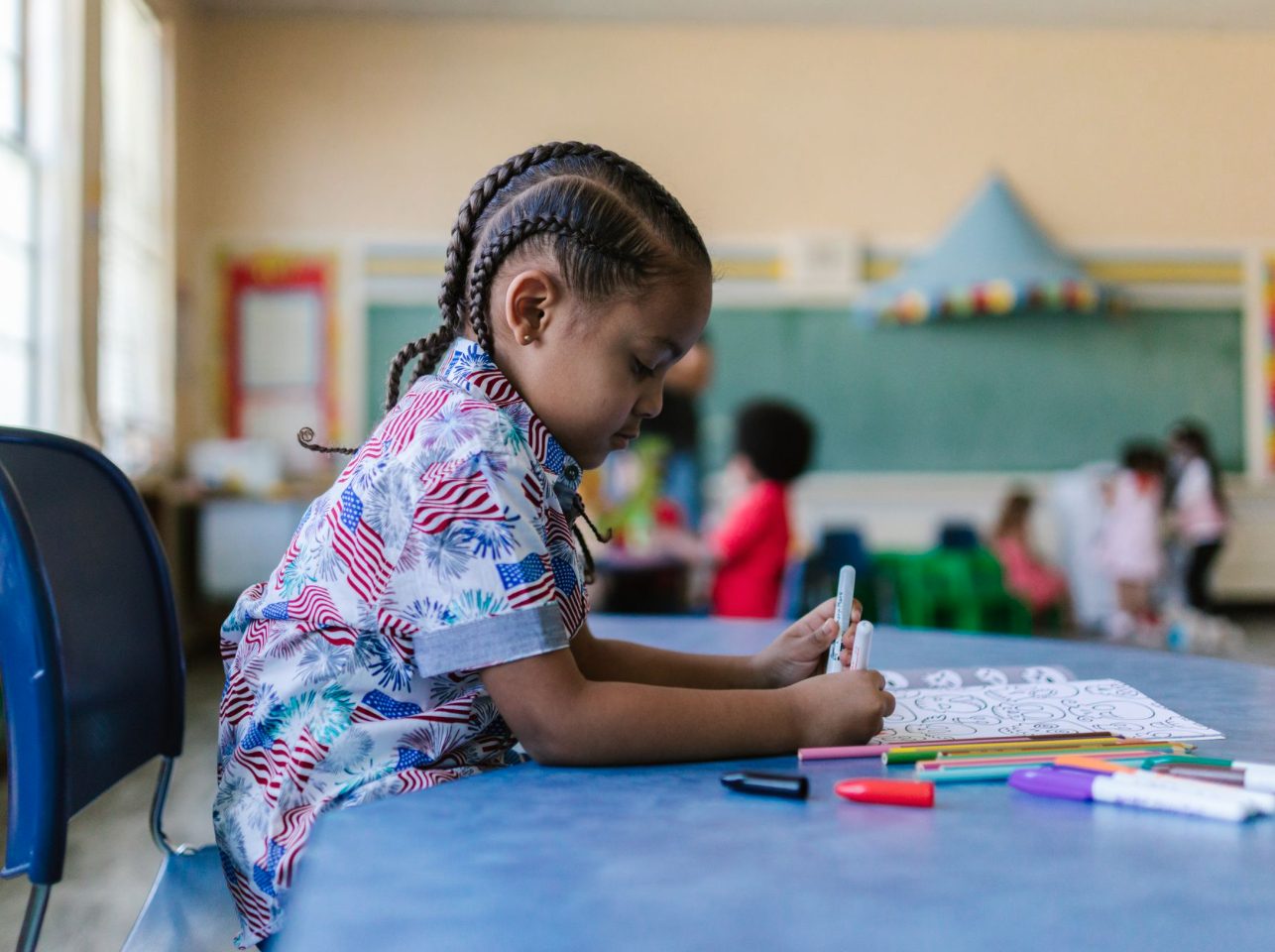
Filed Under: Parenting Tagged With: disability advocacy, education rights, IDEA, IEP violation, parent advocacy, Parenting, school support, special education, special needs

School Staff Quietly Flag These 7 Signs a Child May Need Additional Support

June 3, 2026 | Leave a Comment

Boy In School
Teachers often monitor academic, social, and emotional development. Early recognition of warning signs can help children receive support before challenges grow. Pexels.

Every child learns and develops at their own pace, but school staff is often the first to notice when something seems off. Teachers, counselors, and support specialists spend hours each day observing how students learn, interact, and respond to challenges. While one difficult week rarely signals a serious concern, ongoing patterns can indicate that a child may benefit from additional support. Recognizing these signs early can make a significant difference in a child’s academic progress, emotional well-being, and long-term confidence. Understanding the signs a child may need additional support can help parents take action before challenges become more difficult to address.

1. A Sudden Drop in Academic Performance

One of the most common signs a child may need additional support is a sudden decline in grades or classroom performance. A student who once completed assignments consistently may begin missing work, struggling with instructions, or falling behind in subjects they previously handled well. Teachers often look for patterns rather than isolated incidents because temporary setbacks are normal. When academic struggles continue despite effort, schools may recommend targeted interventions or assessments. Early support can often prevent small learning gaps from becoming larger challenges.

2. Difficulty Staying Focused in Class

Most children occasionally daydream, but persistent attention difficulties can affect learning. Teachers may observe a child frequently losing track of instructions, forgetting tasks, or struggling to complete assignments independently. These behaviors can stem from various causes, including learning differences, stress, sleep issues, or attention-related conditions. Educators typically monitor whether the behavior occurs across multiple settings and subjects. Identifying the root cause is important because focus-related challenges often improve when the right supports are put in place.

3. Frequent Emotional Outbursts or Increased Anxiety

Children often express stress differently than adults. School staff may notice increased frustration, emotional outbursts, tearfulness, or visible anxiety during classroom activities. A child who becomes overwhelmed by routine assignments or transitions may be signaling that something deeper is affecting their ability to cope. Mental health professionals emphasize that lasting emotional changes should not be dismissed as simple phases. Addressing concerns early can help prevent emotional difficulties from affecting academic and social development.

4. Withdrawal From Friends and Social Activities

Social interaction plays a critical role in child development. When a previously outgoing child begins isolating themselves, avoiding group work, or withdrawing from friends, educators often take notice. While some children are naturally quiet, sudden changes in social behavior can indicate emotional stress, bullying concerns, or challenges with social communication. Teachers frequently observe these patterns during lunch, recess, and collaborative classroom activities. Early conversations between parents and school staff can help uncover what may be contributing to the change.

5. Frequent Physical Complaints Without a Clear Cause

Headaches, stomachaches, and unexplained fatigue sometimes have emotional or academic roots. School nurses and teachers often see students repeatedly visiting the health office, especially before tests, presentations, or challenging classes. While physical symptoms should always be taken seriously, recurring complaints without a medical explanation can signal underlying stress or anxiety. Research shows that emotional distress in children often appears through physical symptoms before they can clearly express their feelings. Paying attention to these patterns can help families identify concerns sooner rather than later.

6. Increased School Avoidance or Attendance Problems

Consistent attendance is one of the strongest predictors of academic success. School staff become concerned when a child frequently arrives late, misses classes, or regularly asks to go home. In some cases, school avoidance may be linked to anxiety, social difficulties, learning challenges, or bullying. Experts note that attendance issues are often symptoms rather than the underlying problem itself. Understanding why a child is reluctant to attend school is essential for creating effective solutions.

7. Behavior Changes That Seem Out of Character

Teachers often say that behavior is communication. A child who suddenly becomes unusually aggressive, irritable, defiant, or disengaged may be struggling with challenges that are not immediately visible. Educators are trained to look beyond the behavior itself and consider possible academic, emotional, or environmental factors. What appears to be misconduct may actually reflect frustration, stress, sensory overload, or unmet learning needs. When schools address the underlying cause rather than simply the behavior, outcomes are often much more positive.

Why Early Recognition Matters More Than Ever

The goal of identifying these signs that a child may need additional support is not to label children but to help them succeed. Many students who receive additional support go on to thrive academically, socially, and emotionally when interventions are provided early. Parents and educators work best as partners, sharing observations and focusing on solutions rather than blame. If multiple signs appear consistently over time, a conversation with teachers, counselors, or pediatric professionals can be a valuable next step.

What warning signs do you think parents are most likely to overlook, and how can families work more closely with schools to support children? Share your thoughts in the comments below.

What to Read Next

7 IEP Accommodations Schools Push Back On Most Often

The Growing Parent Revolt Against School-Issued Devices

6 Things Schools Can Legally Refuse in an IEP Meeting

Evan Morgan

Evan Morgan has been a full-time freelance writer and editor for 10+ years. When not working, he enjoys catching the latest true crime documentary or getting lost in a good book.

Filed Under: Parenting Tagged With: academic support, child development, education, learning challenges, Mental Health, Parenting, school support, signs a child may need additional support, student success, teachers

7 IEP Accommodations Schools Push Back On Most Often

June 2, 2026 | Leave a Comment

Child In School
Parents are increasingly discovering that some IEP accommodations — including one-on-one aides, private school placement, assistive technology, and flexible attendance — often face strong resistance from school districts. Experts say families who come prepared with documentation, evaluations, and classroom data are usually in a stronger position to advocate for the support their child truly needs. Pexels

Parents often assume that once a child qualifies for an Individualized Education Program, support automatically follows. In reality, some IEP accommodations spark far more debate during school meetings than others. Schools may cite staffing limits, budget concerns, or questions about educational necessity when certain requests come up. Understanding which IEP accommodations face the most resistance can help families prepare stronger, evidence-based conversations.

1. One-on-One Aides

Few IEP accommodations create more disagreement than requests for a dedicated one-on-one aide. Schools often argue that constant adult support can reduce independence or exceed what a student truly needs in the least restrictive environment. Parents, however, may point to safety concerns, elopement behaviors, or severe attention challenges that make individual supervision critical. A child with autism who bolts from classrooms or a student with significant medical needs may genuinely require this level of help. Documentation from therapists, behavior specialists, or classroom data often becomes essential when seeking these IEP accommodations.

2. Private School Placement at District Expense

Private placement is one of the most contested IEP accommodations because of its financial impact on school districts. Parents typically request this option when they believe their child is not making meaningful progress in public school despite repeated interventions. Schools frequently push back by arguing they can still provide a free appropriate public education, the legal standard under IDEA. For example, a student struggling with severe dyslexia may cycle through several reading interventions before a family requests specialized private instruction. These disputes can quickly escalate into mediation or due process hearings.

3. Reduced Homework or Modified Workloads

Many families request reduced assignments when students become overwhelmed, anxious, or unable to complete work independently. Schools sometimes resist because they worry modified workloads could lower academic expectations or alter curriculum standards. Yet for students with ADHD, learning disabilities, or chronic health conditions, overloaded evenings can lead to burnout instead of learning. A middle schooler spending four exhausting hours on homework may not be demonstrating rigor but rather a mismatch between demands and support. Among common IEP accommodations, workload adjustments often require careful wording to balance access and accountability.

4. Extended School Year Services

Extended School Year, commonly called ESY, provides services beyond the regular academic calendar. Schools often challenge ESY requests unless there is strong evidence showing a student experiences substantial skill regression during school breaks. Parents may notice their child loses reading fluency, speech gains, or behavioral progress after long vacations. A realistic example is a student who needs six weeks each fall to regain communication skills lost over summer break. Data collection, progress reports, and therapist observations can significantly strengthen requests for these IEP accommodations.

5. Assistive Technology and Specialized Devices

Technology-based IEP accommodations are becoming more common, but schools do not always agree on what is necessary. Requests for speech-generating devices, specialized software, text-to-speech tools, or laptops can raise concerns about cost, training, or implementation. A student with dysgraphia may benefit dramatically from speech-to-text software, while a nonverbal student may depend on communication technology to participate in class discussions. Schools sometimes offer lower-cost alternatives that families believe are ineffective or inadequate. Demonstrating how a device directly improves educational access can make a meaningful difference during negotiations.

6. Flexible Attendance or Health-Related Adjustments

Students managing anxiety disorders, autoimmune illnesses, long COVID, or other medical conditions may need attendance flexibility as part of their IEP accommodations. Schools occasionally resist because attendance policies are closely tied to funding, accountability, and instructional time. Still, a child undergoing medical treatment or experiencing severe school-related anxiety may not fit neatly into standard attendance expectations. Flexible scheduling, remote instruction options, or planned rest breaks can help maintain educational access without forcing students into crisis situations. Medical documentation and clear communication between providers and educators are often key to making these supports workable.

7. Independent Educational Evaluations (IEEs)

Although technically an evaluation right rather than a classroom support, Independent Educational Evaluations frequently become flashpoints in special education disputes. Parents may request an outside evaluation when they disagree with school testing results or believe important issues were overlooked. Schools sometimes hesitate because independent assessments can be costly and may produce recommendations requiring more intensive services or IEP accommodations. Imagine a child labeled as behaviorally challenging who later receives an outside diagnosis of dyslexia or autism spectrum disorder. In many cases, comprehensive evaluations reshape the entire conversation about what support is actually appropriate.

The Real Lesson Behind Difficult IEP Conversations

The most disputed IEP accommodations are not always unreasonable requests. Often, they sit at the intersection of student need, school resources, and legal responsibility. Families who come prepared with data, medical input, classroom examples, and a collaborative mindset typically enter stronger discussions. Knowing why schools push back can help parents move from frustration to informed advocacy.

What has your experience with IEP accommodations been like? Have you ever had to fight for a support your child truly needed? Leave a comment and join the conversation.

What to Read Next

6 Things Schools Can Legally Refuse in an IEP Meeting

7 IEP Rights Parents Often Discover Too Late

Does Your Child’s Name Affect Their Education? Shocking Study Says Yes – Here’s How To Advocate During IEP Meetings

Evan Morgan

Evan Morgan has been a full-time freelance writer and editor for 10+ years. When not working, he enjoys catching the latest true crime documentary or getting lost in a good book.
Filed Under: Parenting Tagged With: ADHD, autism, education rights, IEP, IEP accommodations, learning disabilities, Parenting, school support, special education

Does Your Child’s Name Affect Their Education? Shocking Study Says Yes – Here’s How To Advocate During IEP Meetings

May 26, 2026 | Leave a Comment

Girl In Class
Your child’s name could influence how they are treated in school – Pexels

Parents often assume a child’s grades, behavior, and learning needs speak for themselves. But research suggests something more subtle may shape classroom experiences: a child’s name. Studies on implicit bias, teacher expectations, and educational inequality have found that names can influence perceptions about behavior, academic ability, and even disciplinary decisions. For families navigating special education services, that possibility raises an uncomfortable question. Could unconscious bias affect what happens during an IEP meeting?

What Research Says About Names and Educational Bias

A growing body of research shows names can influence first impressions in education and hiring settings. A well-known study from the National Bureau of Economic Research found that resumes with traditionally white-sounding names received more callbacks than identical resumes with Black-sounding names, highlighting how unconscious bias can shape decisions. In education, studies published in journals like Educational Researcher have linked teacher expectations to student outcomes, especially among marginalized students. While a child’s name alone does not determine academic success, it can interact with existing stereotypes that influence expectations. That matters during an IEP meeting, where educator perceptions may shape discussions about support, placement, or goals.

Why IEP Meetings Can Feel Intimidating for Families

An IEP meeting brings together parents, teachers, specialists, and administrators to create or revise a plan for a child with disabilities. These meetings often involve technical language, testing data, and fast-moving conversations that can leave parents overwhelmed. Imagine a parent hearing unfamiliar terms like “least restrictive environment” or “present levels of performance” while trying to process concerns about their child’s future. When unconscious bias enters the picture, some families worry their child is being labeled as “difficult,” “lazy,” or “not trying hard enough.” Understanding your rights and preparing in advance can help level the playing field during any IEP meeting.

How To Advocate Effectively During an IEP Meeting

Strong advocacy starts before the meeting even begins. Bring organized records, including evaluations, report cards, behavior logs, emails, and notes about what works at home. If your child struggles with reading but responds well to visual instruction, share specific examples instead of general concerns. During the IEP meeting, ask direct questions such as, “What data supports this recommendation?” or “How will this goal be measured?” Staying calm, fact-focused, and collaborative can strengthen your position without turning the discussion into a confrontation.

Watch for Red Flags That Deserve a Closer Look

Some warning signs during an IEP meeting deserve extra attention from parents. Be cautious if educators dismiss concerns without data, resist accommodations without explanation, or repeatedly focus on behavior without exploring underlying learning needs. For example, a child with ADHD who forgets assignments may need executive functioning supports rather than punishment or vague criticism. Parents should also notice whether strengths are discussed alongside challenges, because balanced evaluations matter. If something feels unclear or unfair, requesting clarification, written documentation, or an independent educational evaluation is a reasonable next step.

Building a Partnership Without Ignoring Real Concerns

Advocacy does not mean assuming every disagreement is driven by bias, but it does mean staying alert and informed. Most educators want students to succeed, yet unconscious assumptions can affect anyone, even experienced professionals. Approaching an IEP meeting with curiosity, preparation, and confidence can create a more productive partnership. Phrases like, “Help me understand the reasoning behind that recommendation,” encourage dialogue while still protecting your child’s interests. Parents do not need legal training to become powerful advocates for fair educational support.

Your Child’s Voice Matters More Than Any Label

A child’s name should never define their educational opportunities, but research suggests perception and expectations can influence real-world outcomes. That is why every IEP meeting matters so much for families navigating special education services. Preparation, documentation, and respectful questioning can help parents advocate effectively while reducing the risk of misunderstandings or overlooked needs. When families understand both the process and the potential challenges, they are better equipped to secure meaningful support for their children.

Have you ever walked into an IEP meeting feeling unheard, empowered, or surprised by the outcome? Share your experience in the comments and join the conversation.

What to Read Next

Your Child’s IEP Is About to Get Tougher: New Rules Demand Specific Goals, Frequent Check-Ins and More Proof

Schools Must Warn You Before IEP Meetings: New Law Gives NJ Parents a Powerful 2-Day Window – Will Your State Follow?

5 Red Flags That Your Child’s IEP Is Being Quietly Reduced

Evan Morgan

Evan Morgan has been a full-time freelance writer and editor for 10+ years. When not working, he enjoys catching the latest true crime documentary or getting lost in a good book.

Filed Under: Parenting Tagged With: child development, classroom bias, disability advocacy, education, IEP advocacy, IEP meeting, Parenting, parents and education, school support, special education

Parents Say These ‘Sensory-Friendly’ Classrooms Aren’t Actually Working

May 18, 2026 | Leave a Comment

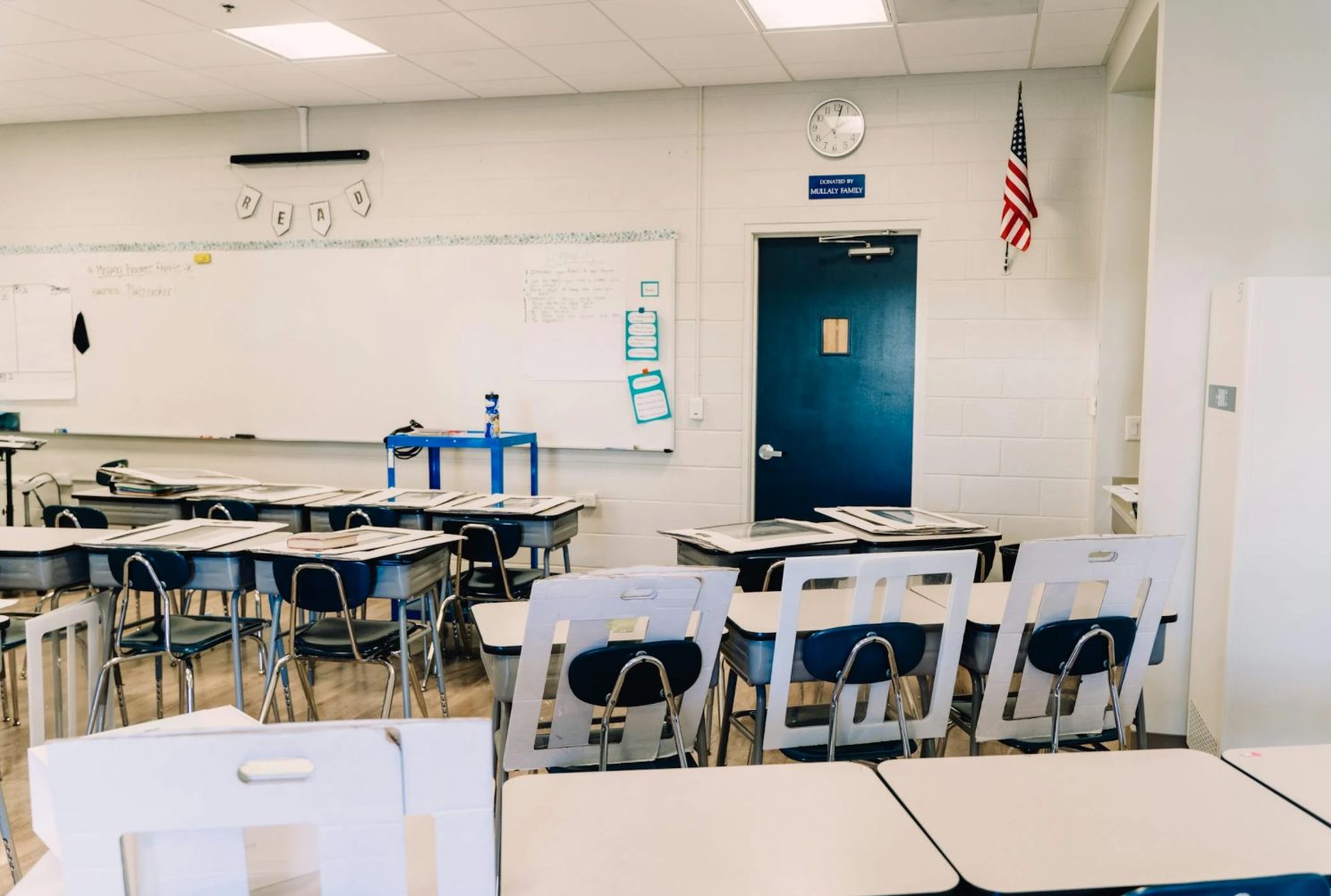
Empty Classroom
An empty classroom – Pexels

Schools across the country have spent the last several years redesigning classrooms to support students with autism, ADHD, anxiety, and sensory processing challenges. Soft lighting, fidget tools, quiet corners, and flexible seating have become common features in many “sensory-friendly classrooms.” While the idea sounds promising, many parents now say the reality falls short of expectations. Some families report that these classrooms still feel overstimulating, poorly staffed, or inconsistent in how sensory support is delivered. As districts invest more money into inclusive learning environments, parents and advocates are asking whether schools are truly meeting the needs of neurodivergent students or simply adopting trendy labels.

Parents Say the Classroom Design Alone Isn’t Enough

Many parents say schools focus too heavily on appearance instead of individualized support. A classroom may include beanbag chairs, dim lamps, and sensory toys, but those features do not automatically help children regulate emotions or stay focused. Families often report that teachers receive limited training on how to properly use sensory accommodations throughout the school day. Some students become overwhelmed when sensory tools are treated like rewards instead of structured supports tied to learning goals. Parents also worry that schools sometimes market classrooms as “sensory-friendly” without consulting occupational therapists or autism specialists during the planning process.

Sensory Overload Still Happens in Many Schools

Parents of neurodivergent children say sensory overload remains one of the biggest daily challenges despite these classroom updates. Loud hallways, buzzing fluorescent lights, crowded cafeterias, and sudden schedule changes can still trigger anxiety or meltdowns. According to a 2026 survey from Ambitious About Autism, many autistic students continue to miss school because the environment feels emotionally and physically overwhelming. Some families say schools concentrate sensory support in one classroom while ignoring the rest of the campus experience. Experts note that true sensory-friendly classrooms require consistency across the entire school environment, not just one redesigned room.

Teachers Are Struggling With Limited Resources

Many educators support sensory-friendly classrooms but admit they often lack the staffing and resources needed to make them effective. Teachers frequently manage large class sizes while balancing multiple learning needs at once. In some districts, one teacher may supervise students across several grade levels while also handling behavioral support responsibilities. Recent concerns in Houston ISD highlight how parents fear disruptions to special education services could negatively affect student progress and emotional stability. Without enough aides, therapists, and specialized training, even well-designed sensory-friendly classrooms can become difficult to manage effectively.

Some Sensory Tools Can Become Distracting

Sensory tools help many children focus, but parents and teachers say misuse has become a growing concern in classrooms. Fidget toys, noise-reduction headphones, and movement breaks are meant to support self-regulation, yet some schools report students using them as distractions instead of learning aids. Several schools in the United Kingdom recently introduced restrictions on certain sensory toys because they became disruptive or unsafe during class. Parents argue that banning these tools entirely misses the larger issue, which is the lack of clear guidance and individualized support plans. Specialists say sensory-friendly classrooms work best when accommodations are tailored to each child rather than applied as one-size-fits-all solutions.

Families Want More Transparency and Accountability

One of the biggest frustrations parents describe is inconsistent communication from schools. Families say they are often told their child is thriving in a sensory-friendly classroom, only to later discover ongoing emotional distress or academic struggles. Some parents also report difficulty accessing classroom data, behavioral reports, or individualized sensory plans tied to their child’s IEP. Trust can quickly break down when schools promote inclusion publicly but fail to explain how accommodations are actually measured or adjusted over time. Parents increasingly want school districts to provide clearer benchmarks showing whether sensory-friendly classrooms improve attendance, emotional regulation, and learning outcomes.

Why Experts Say Sensory-Friendly Classrooms Still Matter

Despite criticism, most experts agree that sensory-friendly classrooms remain an important step toward more inclusive education. Occupational therapists and autism advocates say sensory-aware learning spaces can significantly reduce stress when implemented correctly. Flexible seating, quiet zones, visual schedules, and predictable routines often help students stay engaged and emotionally regulated. However, specialists emphasize that sensory-friendly classrooms should never replace trained staff, individualized learning plans, or strong communication between parents and educators. Successful programs usually involve collaboration between teachers, therapists, administrators, and families working together consistently throughout the school year.

The Bigger Lesson Schools Cannot Ignore

Parents are not rejecting sensory-friendly classrooms entirely, but many believe schools oversimplified what neurodivergent students actually need to succeed. Creating supportive learning environments requires more than calming colors and sensory bins because every child processes the world differently. Families want schools to invest in properly trained staff, realistic classroom sizes, individualized support plans, and campus-wide sensory awareness. As conversations around autism and ADHD continue growing nationwide, schools may need to rethink how inclusion works beyond social media-friendly classroom designs.

What changes do you think schools should make to create learning environments that truly support neurodivergent students? Share your thoughts and experiences in the comments below.

What to Read Next

The Grocery Costs Parents of Sensory-Sensitive Kids Say No One Talks About

8 Ways Schools Are Supporting Children With Sensory Processing Issues

Sensory Processing Alert: Why More Families Are Requesting School Accommodations

Evan Morgan

Evan Morgan has been a full-time freelance writer and editor for 10+ years. When not working, he enjoys catching the latest true crime documentary or getting lost in a good book.

Filed Under: Parenting Tagged With: ADHD students, autism awareness, autism in schools, Education News, inclusive classrooms, neurodivergent students, Parenting, school support, sensory-friendly classrooms, special education

8 Ways Schools Are Supporting Children With Sensory Processing Issues

May 2, 2026 | Leave a Comment

Kid In School
Image Source: Pexels

Classrooms today look very different from those of a decade ago, especially when it comes to supporting students with diverse needs. One area gaining increased attention is sensory processing issues, which can affect how children respond to sounds, textures, lights, and movement. For many families, navigating school support can feel overwhelming at first. However, schools across the country are adopting thoughtful strategies to help students thrive. Understanding these approaches can help parents feel more confident and involved in their child’s education.

1. Sensory-Friendly Classrooms

Many schools are redesigning classrooms to reduce overwhelming stimuli and create calmer learning environments. Teachers may use soft lighting, neutral colors, and minimal wall clutter to avoid overstimulation. For example, instead of fluorescent lights, some classrooms now rely on natural lighting or lamps. Flexible seating options like bean bags or wobble stools allow students to regulate their comfort levels. These changes may seem small, but they can significantly improve focus for children with sensory processing issues.

2. Access to Sensory Breaks

Scheduled sensory breaks are becoming a common and effective strategy in schools. These breaks allow students to step away from structured learning and engage in calming or energizing activities. A child might use a quiet corner, stretch, or do a brief movement exercise to reset. Research shows that short, intentional breaks can improve attention and reduce anxiety in students. Teachers often integrate these breaks into the daily routine so students don’t feel singled out.

3. Occupational Therapy Support

Schools are increasingly partnering with occupational therapists to support students with sensory processing issues. These professionals assess individual needs and develop personalized strategies to help children succeed. For instance, a therapist might recommend specific tools like weighted vests or fidget items. They also train teachers on how to incorporate sensory-friendly techniques into lessons. This collaboration ensures that support is consistent throughout the school day.

4. Individualized Education Plans (IEPs)

Individualized Education Plans play a critical role in supporting children with sensory processing issues. These plans outline specific accommodations tailored to each student’s needs. For example, a child may receive extended time on assignments or access to noise-canceling headphones. IEPs are developed with input from parents, teachers, and specialists to ensure a comprehensive approach. Regular reviews help adjust strategies as the child grows and their needs evolve.

5. Use of Sensory Tools and Equipment

Many classrooms now include sensory tools designed to help students self-regulate. Common items include fidget toys, therapy balls, and weighted blankets. These tools are not distractions when used correctly; they actually help students stay engaged. For example, a student who struggles with sitting still may focus better while using a wobble cushion. Teachers often provide guidance on how and when to use these tools effectively. This empowers students to take control of their own learning experience.

6. Teacher Training and Awareness

Teacher training has become a key factor in supporting students with sensory processing issues. Educators are learning to recognize signs of sensory overload and respond appropriately. For example, instead of viewing certain behaviors as disruptive, teachers may identify them as sensory-related responses. Professional development programs often include practical strategies for classroom management and student support. This shift in understanding creates a more inclusive and compassionate learning environment.

7. Collaboration With Parents

Strong communication between schools and families is essential for student success. Many schools now prioritize regular updates and collaborative planning with parents. This might include weekly check-ins or shared progress reports. Parents can provide valuable insights about triggers, preferences, and effective strategies used at home. When schools and families work together, children receive more consistent support. This partnership builds trust and helps address concerns early on.

8. Quiet Zones and Safe Spaces

Dedicated quiet zones are becoming a staple in modern classrooms and school buildings. These spaces give students a place to decompress when they feel overwhelmed. A quiet zone may include soft seating, calming visuals, and noise-reducing features. Students are encouraged to use these spaces proactively, not just during moments of distress. Having access to a safe retreat can make a significant difference in emotional regulation. It also helps prevent escalation and supports a smoother return to learning.

Why These Supports Matter More Than Ever

Schools are making meaningful progress in supporting children with sensory processing issues, but there is still room for growth. The strategies outlined above show how thoughtful adjustments can create more inclusive classrooms. Parents should feel encouraged to ask questions and advocate for their child’s needs. Every child is different, and what works for one may not work for another. By staying informed and involved, families can help shape better educational experiences for their children.

What strategies have you seen work best for children with sensory processing issues? Have schools in your area made meaningful changes to support these students? Your insights could help other parents navigate similar challenges. Share your experiences, questions, or concerns in the comments below.

What to Read Next

Illinois Schools: New IEP Guidelines Aim to Improve Classroom Support

Virginia Special Needs Update: More Classroom Support Staff Added

The IEP Gap: Why Some Children With Special Needs Aren’t Getting Full Classroom Support

Evan Morgan

Evan Morgan has been a full-time freelance writer and editor for 10+ years. When not working, he enjoys catching the latest true crime documentary or getting lost in a good book.

Filed Under: Education Tagged With: child development, classroom strategies, Parenting, school support, sensory processing issues, special education

7 Things Your Pediatrician Might Not Be Allowed to Tell You

January 4, 2026 | Leave a Comment

7 Things Your Pediatrician Might Not Be Allowed to Tell You
Image source: shutterstock.com

A pediatrician’s office can feel like the one place you should get straight answers, fast. But medicine also runs on laws, ethics, clinic policies, insurance rules, and professional boundaries that shape what gets said and how it gets said. Sometimes it’s not that your doctor doesn’t want to help, it’s that they aren’t allowed to tell you something in the way you’re hoping. Knowing those limits can help you ask better questions, push for clearer next steps, and leave appointments with a real plan instead of vague reassurance. Here are seven behind-the-scenes constraints that can affect your kid’s care.

1. They May Not Be Able To Recommend Specific Brands Or Products

Many clinics have policies about endorsing particular brands, especially for supplements, formula, or over-the-counter products. Even when a pediatrician has personal opinions, they may stick to categories and ingredients rather than a shopping list. If you want specifics, ask what features matter most, like dosage form, allergens, or third-party testing. Bring two or three options you’re considering so the conversation stays concrete without turning into advertising. You can also ask a pharmacist for brand-level guidance when the issue is mostly product comparison.

2. They Often Can’t Speak Freely About Another Provider’s Choices

Parents sometimes want a pediatrician to say, “That other clinician was wrong,” but professional standards discourage trash-talking and guessing without full context. Your pediatrician may also lack complete records, which makes definitive statements risky. Instead, ask what the standard options are and what evidence or guidelines support them. Request a records transfer and a second opinion conversation focused on your child’s needs, not someone else’s mistake. This keeps the appointment productive and gives you something you can act on right away.

3. What They’re Allowed to Tell About School Supports And Testing

Pediatricians can flag concerns and write letters, but they don’t control how schools evaluate or what services a district approves. They also can’t promise that a specific diagnosis automatically results in a specific school plan. If you’re stuck, ask for a clear, written summary of observed challenges and recommended supports you can share with the school. Request referrals for testing when appropriate, because a formal evaluation often carries more weight than a verbal concern. Keep a simple log of school impacts so the letter reflects real patterns, not just a rough description.

4. They May Be Limited In What They Can Say About Insurance And Billing

Doctors don’t always know what your plan will cover, what coding triggers denials, or what a test will cost after fees. Some offices also restrict staff from making guarantees because pricing can change and coverage varies by plan. Ask for the exact name of the test or referral code so you can call insurance with specifics. Request a “prior authorization” check when it applies, and ask the office who handles that task. If you’re facing a big bill, ask whether a different equivalent option exists that’s easier to approve.

5. They Might Not Be Able To Address Certain Topics Without Privacy And Consent

Privacy rules can block conversations that feel “obvious” to parents, like a pediatrician discussing a teen’s issues in front of a parent or sharing results through a casual phone call. Clinics often have strict procedures for who can access records, who can receive updates, and how sensitive information gets communicated. Ask what your state and clinic policy allow for teen confidentiality and portal access, so you aren’t surprised later. If your child has two households, confirm what documentation the office needs to communicate with both guardians. It can feel frustrating, but the same rules protect your child’s privacy, too.

6. They Can’t Always Give Medical Advice By Text, Portal, Or A Quick Call

Many parents wish for a simple message that says what to do, but a pediatrician often needs an exam, vitals, or a full history before making recommendations. Some practices also limit portal messages to administrative questions because medical advice can become liability-heavy without documentation. If you need guidance, ask what symptoms should trigger an urgent visit versus home care, and write those thresholds down. Use the nurse line or triage process the practice offers, because it’s designed for decision-making within policy. If your child’s issue is recurring, ask for a written action plan you can follow next time.

7. They May Have Mandatory Reporting Duties You Don’t Realize

Pediatricians are mandated reporters in many situations, which means they must act if they suspect abuse, neglect, or a serious safety risk. They can’t “keep it off the record” if they believe a child is in danger, even if a parent is asking for privacy. That can also apply to certain injury patterns, unsafe environments, or threats of harm, depending on local rules. If you’re navigating a sensitive situation, ask what the doctor’s obligations are before you share details, so you understand the process. It’s not about punishment; it’s about safety and ensuring kids don’t fall through cracks.

How To Get Better Answers Without Getting Defensive

Go into appointments with two or three priority questions and ask for the next step in writing, not just reassurance. If you hear something vague, ask, “What would you do if this were your child?” and “What should I watch for that changes the plan?” Take notes and request a printed summary, because details blur when you’re stressed. When a boundary shows up, ask who can answer it instead, like a specialist, school evaluator, pharmacist, or insurance rep. Most importantly, keep the tone collaborative, because clear teamwork is often the fastest way to get real help.

What’s the one question you wish you could ask at your child’s pediatrician without feeling rushed?

What to Read Next…

Are Modern Potty Training Methods Making Doctors Concerned?

Child’s Voice: 4 Critical Questions To Ask Your Child’s Doctor

8 Medical Bills Related to Children That Insurance Rarely Covers

6 Times You Should See a Doctor for Bedwetting

8 Health Fads Parents Are Pushing on Their Kids Without Science

Catherine Reed
Catherine Reed

Catherine is a tech-savvy writer who has focused on the personal finance space for more than eight years. She has a Bachelor’s in Information Technology and enjoys showcasing how tech can simplify everyday personal finance tasks like budgeting, spending tracking, and planning for the future. Additionally, she’s explored the ins and outs of the world of side hustles and loves to share what she’s learned along the way. When she’s not working, you can find her relaxing at home in the Pacific Northwest with her two cats or enjoying a cup of coffee at her neighborhood cafe.

Filed Under: healthcare Tagged With: child health, family wellness, health advocacy, insurance navigation, medical appointments, parent tips, Parenting, pediatrician visits, school support, teen privacy

11 School Practices That Punish Neurodivergent Children

January 3, 2026 | Leave a Comment

11 School Practices That Punish Neurodivergent Children
Image source: shutterstock.com

If your child keeps getting labeled “disruptive,” “lazy,” or “defiant,” it’s worth asking a harder question: are they being punished for how their brain works? A lot of families end up in a loop of behavior charts, missing recess, and constant negative notes home, even when the child is trying. The truth is that many classrooms still prioritize compliance over regulation, and that can hit kids with ADHD, autism, learning differences, and sensory needs the hardest. The good news is you can spot the patterns, document what’s happening, and ask for specific supports that actually help. Here are 11 common pain points to watch for, plus practical ways to respond.

1. Taking Away Recess As A “Consequence”

When kids lose recess, they lose the exact movement break that helps them regulate. For many neurodivergent kids, sitting still longer doesn’t build skills, it increases stress. If a teacher says recess is “earned,” ask for different school practices that don’t remove a body break. Suggest a short reset walk, a quick helper job, or a calming corner instead. Document how behavior changes on days your child gets movement.

2. Public Clip Charts And “Traffic Light” Behavior Systems

Public charts turn mistakes into shame, and shame rarely improves behavior. Kids who struggle with impulse control can get “stuck on red” early and stop trying. Ask whether feedback can be private, like a discreet check-in or a note home that’s factual. If your child is anxious, request a plan that focuses on replacement skills, not public ranking. You can also ask for positive goals that are specific and realistic.

3. Zero-Tolerance Rules For “Disrespect”

Rigid rules often punish tone, facial expressions, and delayed processing more than actual harm. A child who blurts, argues, or melts down may be overwhelmed, not intentionally rude. Many school practices treat escalation as a choice instead of a stress response. Ask the team to define “disrespect” in observable terms, not feelings. Push for de-escalation steps before discipline, like a break pass or a quiet reset.

4. Forced Eye Contact And “Whole-Body Listening”

Eye contact can be painful or distracting for some kids, especially autistic students. “Whole-body listening” can also punish harmless regulation, like looking down or moving hands. Instead, ask the teacher to measure comprehension, not posture. Offer alternative school practices like “listening body choices,” including doodling, fidgets, or looking at notes. If needed, request this as an accommodation in writing.

5. Penalizing Fidgeting, Stimming, Or Quiet Movement

Small movements can be a child’s way of staying present, not acting out. When those movements get punished, kids often replace them with bigger behaviors because they’re dysregulated. If your child uses a fidget, chew tool, or rocking, ask what’s allowed and where. Explain that regulation tools help learning and share what works at home. Put a simple plan in place so the tool isn’t treated like a toy.

6. One-Size-Fits-All Seating And Sensory Exposure

Some kids can’t learn well under buzzing lights, loud rooms, or tight desk clusters. When a child reacts, adults may call it “dramatic” instead of addressing the trigger. Ask for small changes first, like a seat near the door, a study carrel, or noise-reducing headphones. If cafeterias and assemblies are the problem, request a quieter option or a gradual re-entry plan. Small sensory supports can prevent big blowups.

7. Punishing Late Work Without Checking Executive Function

Late work is often an organization problem, not a motivation problem. If a child can’t start, plan, or break tasks into steps, punishments add pressure without adding skills. Many school practices pile on zeros and detentions, which makes avoidance worse. Ask for scaffolds like chunked deadlines, a daily checklist, or teacher sign-offs. Also request a realistic homework cap so nights don’t become a battle.

8. Grading Handwriting More Than Knowledge

Messy handwriting can come from dysgraphia, motor planning issues, or fatigue, not laziness. If your child knows the material but loses points for writing, that’s a mismatch. Ask whether they can type, use speech-to-text, or give oral responses for some assignments. If copying from the board is hard, request printed notes or a photo of the board. The goal is showing learning, not suffering through penmanship.

9. Timed Tests And Speed-Based “Mastery”

Speed can punish slow processing, anxiety, and attention differences even when understanding is solid. A timer can turn a manageable test into a shutdown. If your child consistently knows answers later, ask for extended time or untimed testing. Bring examples that show accuracy improves with time, because data helps. This is one of those school practices that looks “fair” on paper but isn’t fair in reality.

10. Participation Grades That Reward Only One Communication Style

Some kids think deeply but don’t speak fast, speak often, or speak in groups. Participation grades can punish quiet kids, anxious kids, and kids who need more processing time. Ask for alternative ways to show participation, like written responses, small-group roles, or turn-and-talk with a partner. Encourage the teacher to grade “evidence of engagement,” not volume. Your child shouldn’t have to perform extroversion to earn credit.

11. Discipline For Needing Breaks Or Leaving The Room

Walking out can be unsafe, but sometimes it’s the only way a child knows to escape overload. If a child gets punished for leaving, they may stay and explode instead. Ask for a supervised break plan with clear steps, like a break card, a designated location, and a check-in timer. Make sure adults agree on the plan so it’s consistent across classes. The goal is safety and regulation, not control.

What To Do When “Normal” Doesn’t Fit

Start by writing down patterns, including triggers, times, and what helped. Use calm, specific language when you talk to the school, and ask for supports tied to learning, not blame. That’s how you shift the conversation from “bad behavior” to “needed skills.” If the first response is “we treat everyone the same,” remind them that equal treatment isn’t the same as equal access.

Which of these school practices have you seen, and what’s helped your child most?

What to Read Next…

Understanding the Costs of Early Childhood Special Education and How to Save

5 Back-to-School Routines That Ignite Morning Meltdowns

7 Ways Schools Fail to Hold Bullies Accountable

The Teacher Shortage Crisis: How It’s Affecting Your Child’s Education

School Smarts: 7 Surprising Gaps That Could Affect Your Child’s Education

Catherine Reed
Catherine Reed

Catherine is a tech-savvy writer who has focused on the personal finance space for more than eight years. She has a Bachelor’s in Information Technology and enjoys showcasing how tech can simplify everyday personal finance tasks like budgeting, spending tracking, and planning for the future. Additionally, she’s explored the ins and outs of the world of side hustles and loves to share what she’s learned along the way. When she’s not working, you can find her relaxing at home in the Pacific Northwest with her two cats or enjoying a cup of coffee at her neighborhood cafe.

Filed Under: Money and Finances Tagged With: 504 plan, ADHD, autism, child behavior, classroom strategies, education advocacy, IEP, neurodiversity, Parenting, school support

  • Facebook
  • Pinterest
  • RSS
  • Twitter

Basic Principles Of Good Parenting

Here some basic principles for good parenting:

  1. What You Do Matters: Your kids are watching you. So, be purposeful about what you want to accomplish.
  2. You Can’t be Too Loving: Don’t replace love with material possessions, lowered expectations or leniency.
  3. Be Involved Your Kids Life: Arrange your priorities to focus on what your kid’s needs. Be there mentally and physically.
  4. Adapt Your Parenting: Children grow quickly, so keep pace with your child’s development.
  5. Establish and Set Rules: The rules you set for children will establish the rules they set for themselves later.  Avoid harsh discipline and be consistent.
  6. Explain Your Decisions: What is obvious to you may not be evident to your child. They don’t have the experience you do.
  7. Be Respectful To Your Child: How you treat your child is how they will treat others.  Be polite, respectful and make an effort to pay attention.
Best Parenting Blogs

Most Popular

11 Ways Kids Are Outsmarting Parental Controls 1. Using Alternate Devices One common trick is simply turning to another device. If a child’s main phone or tablet is restricted, they may borrow a sibling’s, friend’s, or even a school laptop. This instantly gives them access to content outside of parental oversight. Parents often focus on one device, forgetting that others in the household can serve as loopholes. Knowing this tactic helps families tighten controls across all electronics. 2. Clearing Browsing Histories Many kids quickly learn that clearing browsing history hides evidence of restricted activity. With just a few clicks, they can erase any trace of websites visited. This makes it harder for parents to notice when rules are being broken. Parents may assume no history means no browsing, but the reality is often the opposite. Kids are outsmarting parental controls by making it seem like nothing happened at all. 3. Using Private Browsing Modes Most browsers offer “incognito” or private browsing features. Kids use this mode to access websites without leaving a record in the history. To parents checking later, everything looks clean and safe. This simple trick is often one of the first ways kids discover how to bypass restrictions. Conversations about private browsing can help close this gap. 4. Guessing or Resetting Passwords Children who are persistent may try to guess passwords to parental control apps or accounts. Others may find ways to reset them through email prompts or security questions. Once inside, they can disable restrictions entirely. Parents may not even realize controls have been altered until much later. Stronger, less predictable passwords can make this more difficult. 5. Using VPNs to Hide Activity Virtual private networks, or VPNs, let kids disguise their online locations. With one downloaded app, they can bypass geographic or parental restrictions. Some children learn about VPNs through friends or even social media. This makes it easy for them to reach content that should be blocked. Parents often underestimate just how simple it is for kids to use these tools. 6. Creating Fake Accounts When parents monitor social media, kids may create hidden accounts. These “finstas” or fake profiles allow them to interact freely without parental oversight. While their main account appears harmless, the secondary one tells a different story. Kids are outsmarting parental controls by playing both sides at once. Checking for duplicate accounts can help parents stay more aware. 7. Exploiting Time Zone Settings Some kids change the time zone on their devices to bypass screen time limits. This trick allows them to gain extra hours of usage undetected. Parents may assume controls are working, but in reality, the child is bending the clock. It’s a clever loophole that highlights just how resourceful kids can be. Monitoring device settings regularly can catch this tactic. 8. Disabling or Uninstalling Apps Parental control apps can be deleted or disabled with surprising ease. Some kids even reinstall them before a parent checks, making it seem like nothing changed. Others may simply restrict permissions to prevent apps from functioning properly. When apps aren’t monitored closely, parents may not notice they’ve been tampered with. This shows the importance of consistent follow-up. 9. Turning to Friends for Access If a child can’t get past restrictions on their own, they may rely on friends. Visiting a friend’s house or borrowing their phone can give them a free pass. Parents often forget that peer environments can override restrictions set at home. This kind of social workaround is especially common with gaming or social media. Open conversations about trust and responsibility are essential. 10. Hiding Apps in Plain Sight Kids sometimes download apps that look innocent but serve as gateways to hidden activity. These apps may disguise themselves as calculators or utilities. In reality, they allow file storage, private messaging, or browser access. Parents glancing at a home screen may overlook them entirely. Learning to recognize these disguised apps can help parents stay informed. 11. Outpacing Parents’ Tech Knowledge Finally, kids often know more about devices than their parents do. Whether through YouTube tutorials, TikTok hacks, or peer groups, they quickly learn advanced workarounds. This knowledge gap means controls can be bypassed before parents even realize the loophole exists. Staying informed and continually learning about new technology is the best defense. Kids are outsmarting parental controls because they adapt faster than most adults. The Real Solution Lies Beyond Restrictions While controls and filters are important, no system is perfect. Kids will always find creative ways around barriers, making communication the strongest safeguard. Setting clear expectations, building trust, and having ongoing conversations about online behavior matter more than apps alone. Parents who combine technology with open dialogue create a safer digital environment. The goal isn’t to win a battle of wits but to build a relationship that keeps kids both safe and honest. Do you think kids are outsmarting parental controls faster than parents can keep up? Share your experiences in the comments below. What to Read Next... 6 Parenting Tech Shortcuts That Can Expose Your Child to Strangers How Much Screen Time Is Too Much—Legally Speaking? Is Your Child’s School Quietly Tracking Their Location Without Your Consent? How Much Screen Time Is Quietly Reshaping Childhood Behavior? Why Some Parents Are Being Investigated Over Homeschooling Records

11 Ways Kids Are Outsmarting Parental Controls

Catherine Reed
Smiling grandfather holding a happy baby indoors.

Why Grandparents Shouldn’t Babysit Their Grandkids Every Week – The Unspoken Issue

Samantha
Girl getting makeup done, referencing psychologist-approved age.

Wearing Makeup: Here Is the Age That Psychologists Agree It’s Okay for Girls to Wear Makeup

Samantha
birthday gifts

7 Birthday Gifts Your Child Should Never Bring to a Party

Latrice Perez

Babysitting Without Cash: 10 Ways to Barter Your Way Out of Childcare Costs

Ashleigh Clyde

All content on Kids Ain’t Cheap is for entertainment purposes only. By reading this blog, you agree that Kids Ain’t Cheap is not responsible for any actions taken after reading this blog. For the full disclaimer, see our privacy policy.

Please note that Kids Ain’t Cheap has financial relationships with some of the merchants mentioned here. Kids Ain’t Cheap is funded by banner advertising, commission sales and search optimization consulting.

Copyright © 2006–2026 | District Media | All Rights Reserved | Privacy Policy

Copyright © 2026 Runway Pro Theme by Viva la Violette