• Home
  • About Us
  • Toolkit
  • Archives
  • Advertise
  • Privacy Policy

Kids Ain't Cheap

But They Sure Are Worth It

  • Parenting
    • Baby Stuff
    • Books and Reading
      • Aesops Fables
      • Comic Books
    • Education
    • Family Time
    • Green Living
    • Growing Up
    • Healthy Living & Eating
    • Holidays
    • Parenting
    • Random Musings
    • Shopping
    • Stuff to Do
  • Money
  • Product Reviews
    • Books and Magazines
    • Discount Sites
    • Furniture
    • House Keeping
    • Reviews News
    • Toys and Games
  • Contact Us
  • Our Editorial Commitment
  • Search

Does Your Child’s Name Affect Their Education? Shocking Study Says Yes – Here’s How To Advocate During IEP Meetings

May 26, 2026 | Leave a Comment

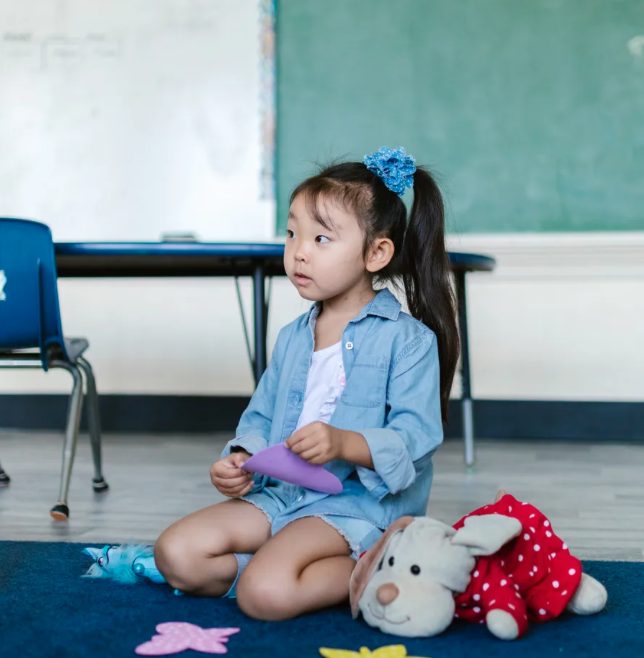
Girl In Class
Your child’s name could influence how they are treated in school – Pexels

Parents often assume a child’s grades, behavior, and learning needs speak for themselves. But research suggests something more subtle may shape classroom experiences: a child’s name. Studies on implicit bias, teacher expectations, and educational inequality have found that names can influence perceptions about behavior, academic ability, and even disciplinary decisions. For families navigating special education services, that possibility raises an uncomfortable question. Could unconscious bias affect what happens during an IEP meeting?

What Research Says About Names and Educational Bias

A growing body of research shows names can influence first impressions in education and hiring settings. A well-known study from the National Bureau of Economic Research found that resumes with traditionally white-sounding names received more callbacks than identical resumes with Black-sounding names, highlighting how unconscious bias can shape decisions. In education, studies published in journals like Educational Researcher have linked teacher expectations to student outcomes, especially among marginalized students. While a child’s name alone does not determine academic success, it can interact with existing stereotypes that influence expectations. That matters during an IEP meeting, where educator perceptions may shape discussions about support, placement, or goals.

Why IEP Meetings Can Feel Intimidating for Families

An IEP meeting brings together parents, teachers, specialists, and administrators to create or revise a plan for a child with disabilities. These meetings often involve technical language, testing data, and fast-moving conversations that can leave parents overwhelmed. Imagine a parent hearing unfamiliar terms like “least restrictive environment” or “present levels of performance” while trying to process concerns about their child’s future. When unconscious bias enters the picture, some families worry their child is being labeled as “difficult,” “lazy,” or “not trying hard enough.” Understanding your rights and preparing in advance can help level the playing field during any IEP meeting.

How To Advocate Effectively During an IEP Meeting

Strong advocacy starts before the meeting even begins. Bring organized records, including evaluations, report cards, behavior logs, emails, and notes about what works at home. If your child struggles with reading but responds well to visual instruction, share specific examples instead of general concerns. During the IEP meeting, ask direct questions such as, “What data supports this recommendation?” or “How will this goal be measured?” Staying calm, fact-focused, and collaborative can strengthen your position without turning the discussion into a confrontation.

Watch for Red Flags That Deserve a Closer Look

Some warning signs during an IEP meeting deserve extra attention from parents. Be cautious if educators dismiss concerns without data, resist accommodations without explanation, or repeatedly focus on behavior without exploring underlying learning needs. For example, a child with ADHD who forgets assignments may need executive functioning supports rather than punishment or vague criticism. Parents should also notice whether strengths are discussed alongside challenges, because balanced evaluations matter. If something feels unclear or unfair, requesting clarification, written documentation, or an independent educational evaluation is a reasonable next step.

Building a Partnership Without Ignoring Real Concerns

Advocacy does not mean assuming every disagreement is driven by bias, but it does mean staying alert and informed. Most educators want students to succeed, yet unconscious assumptions can affect anyone, even experienced professionals. Approaching an IEP meeting with curiosity, preparation, and confidence can create a more productive partnership. Phrases like, “Help me understand the reasoning behind that recommendation,” encourage dialogue while still protecting your child’s interests. Parents do not need legal training to become powerful advocates for fair educational support.

Your Child’s Voice Matters More Than Any Label

A child’s name should never define their educational opportunities, but research suggests perception and expectations can influence real-world outcomes. That is why every IEP meeting matters so much for families navigating special education services. Preparation, documentation, and respectful questioning can help parents advocate effectively while reducing the risk of misunderstandings or overlooked needs. When families understand both the process and the potential challenges, they are better equipped to secure meaningful support for their children.

Have you ever walked into an IEP meeting feeling unheard, empowered, or surprised by the outcome? Share your experience in the comments and join the conversation.

What to Read Next

Your Child’s IEP Is About to Get Tougher: New Rules Demand Specific Goals, Frequent Check-Ins and More Proof

Schools Must Warn You Before IEP Meetings: New Law Gives NJ Parents a Powerful 2-Day Window – Will Your State Follow?

5 Red Flags That Your Child’s IEP Is Being Quietly Reduced

Evan Morgan

Evan Morgan has been a full-time freelance writer and editor for 10+ years. When not working, he enjoys catching the latest true crime documentary or getting lost in a good book.

Filed Under: Parenting Tagged With: child development, classroom bias, disability advocacy, education, IEP advocacy, IEP meeting, Parenting, parents and education, school support, special education

Teachers Admit: These 6 Baby Names Create Instant Bias in the Classroom

February 27, 2026 | Leave a Comment

Baby names
Image source: shutterstock.com

Many parents spend months choosing the perfect baby name while imagining how it will sound on the first day of school. However, educators admit that certain names can spark quick, unconscious assumptions before a child even walks through the door. These snap judgments are rarely intentional or malicious. They are simply part of how the human brain organizes information. Research has studied how names influence expectations in workplaces, housing, and classrooms. Understanding how this bias works helps parents advocate for their children and helps teachers stay aware of their own mental shortcuts.

1. Nevaeh

This name represents a broader category of highly trend-driven or distinctive choices that stand out on a class roster. Research discussed by the University of Chicago suggests that unusual names can influence how adults perceive socioeconomic background or parenting styles. While teachers do not aim to judge the child, a name like this can trigger a mental shortcut regarding the family’s approach to education. You should be aware that unique spellings or reversed concepts often signal a specific type of parental involvement to an educator.

2. Ryker

Names that carry bold or aggressive connotations often shape expectations about a child’s energy levels. Psychology Today has explored how names with strong symbolic meaning influence perception regardless of the child’s actual personality. An educator might anticipate a high-energy or boundary-testing student simply because the name evokes a tough cultural image. This is a form of pattern recognition where the teacher subconsciously prepares for a specific classroom dynamic before the morning bell even rings.

3. Khaleesi

Names tied to massive pop-culture icons create instant, and often unavoidable, associations. Educators frequently connect these names to fictional characters or celebrities who possess polarizing traits. These associations can influence expectations before the teacher ever meets the student. While it is a simple case of the brain recognizing a cultural pattern, it can still color the teacher’s initial patience level. Choosing a name with such a strong modern link often means your child must work to establish an identity separate from the screen.

4. Maverick

Some names act as strong social signals that suggest a certain socioeconomic background or parenting philosophy. The National Bureau of Economic Research has published work showing that names often correlate statistically with specific income brackets or communities. A teacher may subconsciously connect a name to a particular background, which shapes their expectations about academic support or communication style. When a name projects an image of a rule-breaker or an independent spirit, it can lead to stricter disciplinary stances for minor infractions.

5. Reagan

Using a surname as a first name can be interpreted as a sign of a formal or traditional household. This often leads educators to assume that there are high expectations and a rigid structure at home. These assumptions are not rooted in the child’s behavior but in cultural patterns around naming. A teacher might hesitate to reach out with minor concerns because they anticipate an overly formal or defensive response from the family. It creates a subtle barrier to the casual, open communication that is often necessary for a student’s success.

6. Desirée

Names that include accents or special characters can sometimes cause technical hurdles in school databases. Over time, repeated system errors or manual entry requirements can create small frustrations for administrative staff and educators. While this has nothing to do with the child, it can influence early interactions if the staff is not mindful of their reactions. These technical friction points can lead to an unconscious annoyance that colors the family’s early relationship with the school. Selecting a name that is easy for digital systems to process ensures a smoother administrative experience.

Final Thoughts on Classroom Bias

A child’s name should never determine how they are treated in school, yet research shows that first impressions are powerful. Awareness is the most effective tool for both parents and educators. When parents understand how these biases form, they can choose names that offer a clear path rather than a bumpy one. Teachers who recognize these mental shortcuts can work harder to ensure every student starts with a clean slate. Every child deserves to be seen for who they are rather than the labels their name might trigger.

Have you ever felt like a teacher treated your child differently because of their name? Think about your own experiences and leave a comment below.

What to Read Next…

  • 6 Baby Names Inspired by Vintage TV and Movies
  • 6 Baby Names That Sound Cute Now but Cause Problems Later
  • The 2026 Name Filter: 5 Trendy Baby Names That Are Already Becoming Playground Slang for Slow
Latrice Perez

Latrice is a dedicated professional with a rich background in social work, complemented by an Associate Degree in the field. Her journey has been uniquely shaped by the rewarding experience of being a stay-at-home mom to her two children, aged 13 and 5. This role has not only been a testament to her commitment to family but has also provided her with invaluable life lessons and insights.  As a mother, Latrice has embraced the opportunity to educate her children on essential life skills, with a special focus on financial literacy.

Filed Under: Money and Finances Tagged With: baby names, classroom bias, education trends, naming trends, parenting tips, school psychology, social signaling, teacher secrets

  • Facebook
  • Pinterest
  • RSS
  • Twitter

Basic Principles Of Good Parenting

Here some basic principles for good parenting:

  1. What You Do Matters: Your kids are watching you. So, be purposeful about what you want to accomplish.
  2. You Can’t be Too Loving: Don’t replace love with material possessions, lowered expectations or leniency.
  3. Be Involved Your Kids Life: Arrange your priorities to focus on what your kid’s needs. Be there mentally and physically.
  4. Adapt Your Parenting: Children grow quickly, so keep pace with your child’s development.
  5. Establish and Set Rules: The rules you set for children will establish the rules they set for themselves later.  Avoid harsh discipline and be consistent.
  6. Explain Your Decisions: What is obvious to you may not be evident to your child. They don’t have the experience you do.
  7. Be Respectful To Your Child: How you treat your child is how they will treat others.  Be polite, respectful and make an effort to pay attention.
Best Parenting Blogs

Most Popular

Baby

9 Unusual Baby Names That Sound Like They Belong to Future CEOs

Evan Morgan
Baby

10 Baby Names That Were Once Considered “Grandparent Names” but Feel Cool Again

Evan Morgan
Target Store

Choking Incident Prompts Recall of 49,000 Target Gigglescape “Under the Sea” Popping Toys

Evan Morgan
Frustrated Girl

Why Some Students on the Spectrum Are Labeled With ODD

Evan Morgan
Coke Bottles

12 Things Kids Took to School in the ’70s That Would Never Be Allowed Today

Evan Morgan

All content on Kids Ain’t Cheap is for entertainment purposes only. By reading this blog, you agree that Kids Ain’t Cheap is not responsible for any actions taken after reading this blog. For the full disclaimer, see our privacy policy.

Please note that Kids Ain’t Cheap has financial relationships with some of the merchants mentioned here. Kids Ain’t Cheap is funded by banner advertising, commission sales and search optimization consulting.

Copyright © 2006–2026 | District Media | All Rights Reserved | Privacy Policy

Copyright © 2026 Runway Pro Theme by Viva la Violette