
• Home
  • About Us
  • Toolkit
  • Archives
  • Advertise
  • Privacy Policy

Kids Ain't Cheap

But They Sure Are Worth It

  • Parenting
    • Baby Stuff
    • Books and Reading
      • Aesops Fables
      • Comic Books
    • Education
    • Family Time
    • Green Living
    • Growing Up
    • Healthy Living & Eating
    • Holidays
    • Parenting
    • Random Musings
    • Shopping
    • Stuff to Do
  • Money
  • Product Reviews
    • Books and Magazines
    • Discount Sites
    • Furniture
    • House Keeping
    • Reviews News
    • Toys and Games
  • Contact Us
  • Our Editorial Commitment
  • Search

Parents Are Spending Thousands on Services Schools Won’t Provide

June 4, 2026 | Leave a Comment

Money
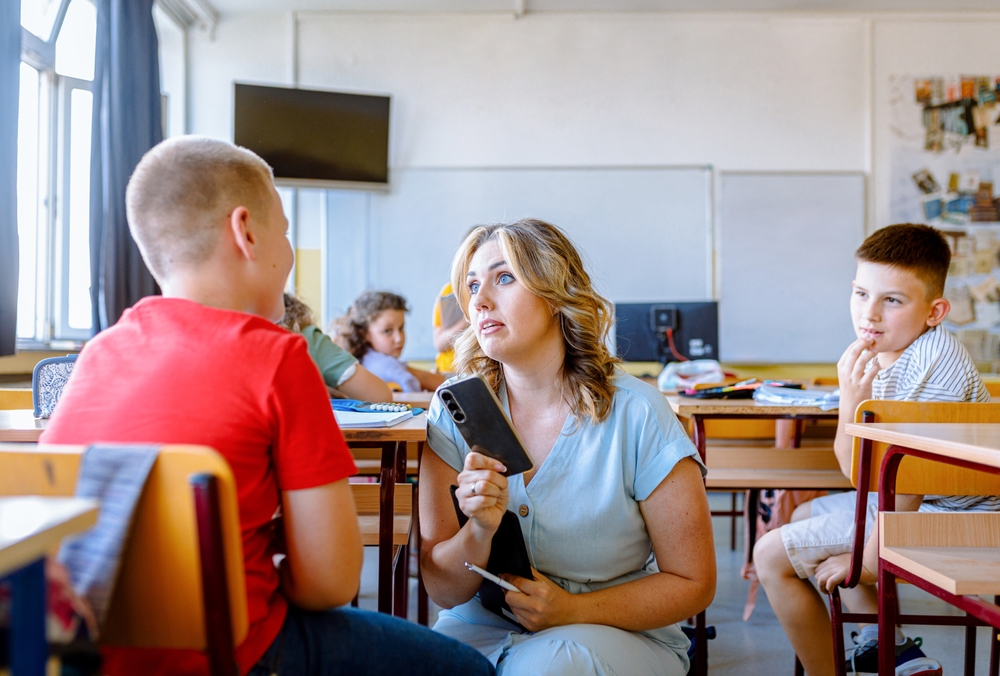
A growing number of families are paying for academic support outside the classroom. Rising demand for private tutoring reflects concerns about personalized learning and educational gaps. Pexels.

For many families, the school day no longer feels like enough. Parents across the United States are spending thousands of dollars each year on private tutoring, educational therapy, test preparation, executive functioning coaching, and specialized learning support that schools either cannot provide or offer only in limited ways. What was once considered an occasional academic boost has become a regular household expense for many middle-class families. As competition increases and concerns about academic performance grow, parents are increasingly turning to outside services to fill gaps they believe schools are unable to address. The growing demand highlights broader concerns about educational support and student success.

The Growing Cost of Academic Support

The demand for private tutoring has surged in recent years as families seek personalized academic help for their children. The U.S. online private tutoring market was valued at more than $4.3 billion in 2024 and is projected to continue growing rapidly through the decade. Parents are paying anywhere from $30 to $200 per hour for tutors, depending on the subject and level of expertise required. For a student receiving weekly sessions throughout the school year, annual costs can easily exceed several thousand dollars. Many families view the expense as necessary rather than optional, especially when they believe their child is falling behind or needs enrichment beyond the classroom.

Why Parents Are Looking Beyond Schools

Public schools are tasked with educating large numbers of students with varying academic needs, making individualized support difficult to provide consistently. While many schools offer intervention programs, staffing shortages and budget limitations often restrict how much one-on-one attention students receive. Some districts have also scaled back tutoring programs as pandemic-era funding expired, leaving families searching for alternatives. Research continues to show that consistent, high-quality private tutoring can improve literacy and math outcomes when it complements classroom instruction. As a result, parents who can afford it increasingly seek private tutoring to ensure their children receive additional support before small struggles become larger problems.

The Rise of Specialized Educational Services

Private tutoring is only one piece of a much larger educational support industry. Many parents now hire executive functioning coaches to help children manage assignments, organization, and time management skills. Others invest in educational therapists who specialize in learning differences such as dyslexia, ADHD, or processing challenges. Test preparation services for college entrance exams remain popular, particularly among families focused on competitive admissions. These specialized services can cost hundreds or even thousands of dollars per month, creating a growing divide between families who can afford them and those who cannot.

What Families Are Really Paying For

Parents are not simply purchasing academic instruction; they are often paying for personalization. A classroom teacher may work with 25 or more students at once, while a private tutor can focus exclusively on one child’s strengths and weaknesses. Families frequently report that their children gain confidence when lessons are tailored to their learning style and pace. In many cases, parents describe outside support as addressing needs that are difficult to accommodate within traditional classroom settings. The appeal lies in the customized attention, immediate feedback, and flexibility that private tutoring services can provide.

The Bigger Picture for Families and Schools

The rapid growth of private tutoring reflects a larger reality in modern education. Families increasingly feel responsible for supplementing their children’s learning outside the classroom, even when they already pay taxes that support public schools. While many educators work tirelessly to meet student needs, limited resources make it difficult for schools to provide every service families want. As the tutoring industry expands into a market worth billions of dollars, the conversation is shifting from whether supplemental education is helpful to whether all students should have equal access to it. Finding solutions that balance personalization, affordability, and equity will likely remain one of education’s biggest challenges in the years ahead.

What This Trend Means for the Future of Education

The increasing reliance on private tutoring and specialized educational services reflects a growing gap between what schools can provide and what families believe their children need. While these services can offer meaningful academic benefits, their costs place them out of reach for many households. Policymakers, educators, and parents continue to debate how to expand access to individualized learning support without deepening educational inequality. The challenge will be finding ways to deliver effective interventions while keeping them affordable and widely available. The future of educational success may depend on how communities address these growing disparities.

What educational services have you paid for that your child’s school didn’t provide, and do you think those costs were worth it? Have you used private tutoring, educational therapy, or coaching services to help your child succeed? Share your experiences and opinions in the comments below.

What to Read Next

What Happens When a School Says Your Child No Longer Qualifies for Services?

7 IEP Accommodations Schools Push Back On Most Often

School Staff Quietly Flag These 7 Signs a Child May Need Additional Support


Evan Morgan

Evan Morgan has been a full-time freelance writer and editor for 10+ years. When not working, he enjoys catching the latest true crime documentary or getting lost in a good book.


Filed Under: Education Tagged With: academic support, education costs, education trends, family finances, K-12 education, Parenting, private tutoring, school funding, student learning, tutoring services

Special Education Shift: Why Inclusive Classrooms Are Expanding Across the U.S.

April 22, 2026 | Leave a Comment

Boy In School
Image Source: Pexels

Inclusive classrooms are no longer a niche approach—they’re quickly becoming the standard across American schools. Over the past decade, educators, parents, and policymakers have pushed for learning environments where students with and without disabilities learn side by side. This shift isn’t just about policy; it reflects a deeper understanding of how children learn, socialize, and succeed. From urban districts to rural communities, schools are rethinking traditional special education models. The result is a growing movement that prioritizes access, equity, and real-world readiness for every student.

The Research Behind Inclusive Classrooms Is Stronger Than Ever

One major reason inclusive classrooms are expanding is the overwhelming body of research supporting them. Studies consistently show that students with disabilities perform better academically and socially when they learn alongside their peers. For example, a child with a learning disability may benefit from hearing different perspectives during group work. At the same time, general education students often develop stronger empathy and collaboration skills. This mutual benefit makes inclusive classrooms a win-win, not a compromise.

Federal Laws and Policy Changes Are Driving the Shift

Policies tied to the Individuals with Disabilities Education Act (IDEA) emphasize educating students in the “least restrictive environment.” This means schools are encouraged to place students in general education settings whenever possible. In practice, that often translates into inclusive classrooms supported by special education professionals. Districts that once relied heavily on separate classrooms are now investing in co-teaching models. As accountability increases, schools are aligning their practices with these legal expectations more closely than ever.

Co-Teaching Models Are Making Inclusion More Practical

Inclusive classrooms work best when teachers are supported, and co-teaching has become a key strategy. In many schools, a general education teacher and a special education teacher share responsibility for the same classroom. This allows for differentiated instruction without isolating students. For instance, one teacher might lead a lesson while the other provides targeted support to small groups. This approach not only benefits students with special needs but also helps struggling learners who might otherwise go unnoticed. As a result, inclusive classrooms become more effective and less overwhelming for educators.

Parents Are Advocating for More Inclusive Options

Parents have played a powerful role in expanding inclusive classrooms across the U.S. Many families want their children to feel part of their community, not separated from it. A parent of a child with autism, for example, may notice improved communication skills when their child interacts daily with peers. At the same time, parents of general education students often appreciate the social growth their children experience. This growing demand has pushed school districts to rethink outdated models. Inclusion is no longer just an educational strategy—it’s a community expectation.

Social-Emotional Learning Benefits All Students

Inclusive classrooms go beyond academics by fostering strong social-emotional development. Students learn how to communicate with people who think, learn, and behave differently. This exposure builds patience, empathy, and resilience—skills that matter well beyond the classroom. For example, group projects in inclusive settings often require students to adapt their communication styles. These real-world interactions prepare students for diverse workplaces and communities. In a rapidly changing world, these skills are just as valuable as test scores.

Technology Is Making Inclusion Easier Than Before

Advances in educational technology have made inclusive classrooms more accessible and effective. Tools like speech-to-text software, audiobooks, and adaptive learning platforms allow students to engage with material in ways that suit their needs. A student with dyslexia, for instance, can listen to assignments instead of struggling through printed text. Teachers can also use digital platforms to track progress and adjust instruction quickly. These tools reduce barriers that once made inclusion difficult. As technology continues to evolve, inclusive classrooms are becoming even more practical to implement.

Addressing Challenges and Misconceptions Head-On

Despite the benefits, inclusive classrooms are not without challenges. Some teachers worry about managing diverse needs in a single classroom. Others fear that general education students may receive less attention. However, when schools provide proper training and resources, these concerns are often resolved. Structured lesson planning, ongoing professional development, and support staff can make a significant difference. It’s important to recognize that inclusion is not about lowering standards—it’s about meeting students where they are.

Rethinking Education for a More Inclusive Future

The expansion of inclusive classrooms reflects a broader shift in how we define success in education. It’s no longer just about test scores or rigid learning paths; it’s about preparing students for life in a diverse and interconnected world. Schools that embrace inclusion are seeing not only academic gains but stronger school communities. While challenges remain, the direction is clear—education is becoming more inclusive, more flexible, and more human-centered. As this trend continues, it will shape how future generations learn and interact.

So what do you think—are inclusive classrooms the future of education, or do they still need major improvements? Share your thoughts and experiences in the comments below. Your perspective could help others better understand this important shift.

What to Read Next

3 Common Challenges Families Face When Accessing Special Education Services

The IEP Gap: Why Some Children With Special Needs Aren’t Getting Full Classroom Support

Texas Schools Update: Special Education Services Expand as Diagnoses Increase

Evan Morgan

Evan Morgan has been a full-time freelance writer and editor for 10+ years. When not working, he enjoys catching the latest true crime documentary or getting lost in a good book.

Filed Under: Education Tagged With: classroom strategies, education trends, inclusive classrooms, special education, teaching methods, U.S. schools

Texas Schools Update: Special Education Services Expand as Diagnoses Increase

April 15, 2026 | Leave a Comment

Child In School
Image Source: Pexels

Texas schools are facing a significant shift as the number of students diagnosed with learning differences and developmental conditions continues to rise. From autism spectrum disorder to ADHD and speech delays, educators are seeing more diverse needs in classrooms than ever before. In response, districts across the state are expanding special education services, hiring specialists, and investing in new support systems. This transformation is reshaping how schools operate, how teachers are trained, and how families engage with education. Understanding these changes can help parents, educators, and communities better support students who need it most.

Why Diagnoses Are Increasing Across Texas

The rise in diagnoses is not simply about more children developing conditions, but rather better awareness and improved screening practices. Pediatricians, teachers, and parents are now more equipped to identify early signs of learning and developmental challenges. Advances in medical research and diagnostic tools have also made it easier to detect conditions that may have been overlooked in the past. Additionally, the stigma surrounding special education has decreased, encouraging families to seek evaluations sooner. Together, these factors are contributing to a steady increase in the number of students qualifying for special education services.

How Texas Schools Are Expanding Services

School districts across Texas are responding by expanding both the scope and accessibility of special education programs. Many districts are increasing the number of special education teachers, speech therapists, and behavioral specialists to meet growing demand. Technology is also playing a larger role, with tools designed to support individualized learning plans and track student progress more effectively. Inclusion programs are becoming more common, allowing students with disabilities to learn alongside their peers in general education classrooms. These efforts reflect a broader commitment to ensuring every student receives a fair and supportive education.

Challenges Schools Are Facing Along the Way

Despite progress, schools are encountering several challenges as they scale up services. One major issue is staffing shortages, as qualified special education professionals are in high demand but short supply. Budget constraints can also limit how quickly districts can implement new programs or expand existing ones. Teachers often report feeling overwhelmed as they balance the needs of diverse learners within the same classroom. Additionally, navigating federal and state regulations can be complex and time-consuming for administrators. These hurdles highlight the need for continued investment and policy support to sustain progress.

What This Means for Parents and Families

For parents, the expansion of services brings both opportunities and responsibilities. Families now have greater access to evaluations, individualized education programs (IEPs), and specialized support within public schools. However, navigating the system can still feel confusing, especially for those new to special education. Parents are encouraged to stay informed, attend meetings, and advocate for their child’s specific needs. Building strong relationships with teachers and school staff can also make a significant difference in a child’s success.

Actionable Steps to Support Student Success

1. Stay informed about your child’s rights under special education laws and services available in your district. Communicate regularly with teachers and specialists to monitor progress and address concerns early. Request evaluations promptly if you notice signs of learning or developmental challenges. Utilize community resources such as tutoring programs, therapy services, and parent support groups. Encourage your child’s strengths while providing support in areas where they struggle.

Taking these steps can help ensure that students receive the support they need to thrive academically and socially. Small, consistent efforts often lead to meaningful improvements over time. Being proactive rather than reactive can make a significant difference in outcomes. Parents who stay engaged tend to see better collaboration and clearer communication with schools. Most importantly, these actions empower both students and families to navigate the education system with confidence.

A Changing Landscape in Texas Education

The expansion of special education services in Texas reflects a broader shift toward inclusivity and individualized learning. While challenges remain, the increased focus on early diagnosis and targeted support is a positive step forward. Schools, families, and communities all play a role in ensuring these changes lead to meaningful outcomes for students. Continued investment in resources, training, and awareness will be essential to keep pace with growing needs. By working together, Texas can create a more supportive and equitable education system for all learners.

What do you think about the changes happening in Texas schools? Have you or someone you know experienced the impact of expanded special education services? Share your thoughts in the comments below—we’d love to hear your perspective and start a conversation.

What to Read Next

Texas Education Freedom Accounts: 6 Income Limits for the 2026 Lottery

The 5 Educational Apps That Teachers Say Are Actually Hurting Grades

8 Budget Cuts in Education That Directly Impact Your Kids

Evan Morgan

Evan Morgan has been a full-time freelance writer and editor for 10+ years. When not working, he enjoys catching the latest true crime documentary or getting lost in a good book.
Filed Under: Education Tagged With: ADHD, autism, education trends, school policy, special education, student support, Texas education

12 Things Kids Took to School in the ’70s That Would Never Be Allowed Today

April 8, 2026 | Leave a Comment

Coke Bottles
Image Source: Pexels

Back in the 1970s, school life looked very different from what kids experience today. Rules were looser, safety standards were less strict, and everyday items often reflected a more carefree—and sometimes risky—approach to childhood. What was once considered normal would now raise eyebrows, or even get a student sent straight to the principal’s office. From questionable lunchbox contents to items that could easily be labeled dangerous, the contrast is striking. Let’s take a nostalgic yet eye-opening look at what kids used to carry into classrooms that would never pass today.

1. Pocket Knives

It wasn’t unusual for kids in the ’70s to carry small pocket knives to school. Many used them for whittling during recess or practical tasks in shop class. At the time, it was seen as a tool rather than a weapon, reflecting a different mindset about responsibility. Today, zero-tolerance policies mean even a tiny blade would result in serious disciplinary action. The shift highlights how safety concerns and school security have dramatically evolved.

2. Homemade Snacks with Unknown Ingredients

Kids often brought homemade treats wrapped in wax paper, with no labels or ingredient lists. While charming, these snacks could contain allergens that schools today strictly monitor. There was little awareness about food allergies, and sharing food was common practice. Now, schools enforce strict rules about outside food to protect students. This change reflects growing knowledge about health risks and the importance of transparency.

3. Glass Soda Bottles

Bringing glass bottles of soda or milk to school was perfectly normal decades ago. Kids would toss them into their bags without much thought about breakage. Today, glass containers are typically banned due to safety hazards. A broken bottle could easily lead to injuries in crowded hallways. Modern schools prioritize safer materials like plastic or reusable insulated bottles.

4. Cigarettes (Yes, Really)

Believe it or not, some older students—and even younger ones—brought cigarettes to school. In certain cases, smoking areas were designated for high schoolers. Cultural attitudes toward smoking were far more relaxed than they are now. Today, tobacco products are strictly prohibited on school grounds for all ages. The dramatic shift reflects increased awareness of long-term health risks.

5. Toy Guns That Looked Real

Toy guns in the ’70s often resembled real firearms, with minimal distinction. Kids would play with them during recess without raising concern. In today’s environment, such items would cause immediate alarm and potentially lockdown procedures. Schools now enforce strict bans on anything resembling a weapon. This change underscores heightened security awareness in modern education.

6. Matches and Lighters

Carrying matches or lighters was surprisingly common among kids back then. Some used them for experiments, lighting candles, or even sneaking cigarettes. There was less emphasis on fire safety education compared to today. Now, these items are strictly forbidden due to obvious risks. Schools take fire hazards seriously, with clear rules and consequences.

7. Metal Lunchboxes with Sharp Edges

Classic metal lunchboxes were iconic but not always safe. Their edges could become sharp with wear, and they were heavy enough to cause injury. Kids often swung them around or used them in playful scuffles. Today’s lunchboxes are made from softer, lightweight materials designed for safety. It’s a small but meaningful example of how product design has evolved.

8. Open Drink Containers

Thermoses and cups without secure lids were common in school bags. Spills were frequent, but rarely considered a big deal. In modern classrooms, electronics and shared materials make spills a bigger concern. Schools now encourage sealed, spill-proof containers. This reflects a shift toward maintaining cleaner, more organized learning environments.

9. Aerosol Spray Cans

Items like hairspray or deodorant in aerosol cans often made their way into backpacks. While convenient, they posed risks if misused or exposed to heat. Kids sometimes treated them as toys, unaware of the potential danger. Today, many schools restrict aerosol products entirely. Safety awareness has led to tighter control over potentially hazardous items.

10. Pets for Show-and-Tell

Bringing pets to school for show-and-tell was a common and exciting event. However, not all animals were well-behaved or safe around children. Allergies, bites, and general unpredictability were often overlooked. Modern schools usually limit live animals to controlled educational settings. This ensures both student safety and animal welfare.

11. Skateboards and Roller Skates

Many kids used skateboards or roller skates as transportation to and from school. They often brought them inside and stored them in classrooms or hallways. While fun, they posed tripping hazards and safety concerns. Today, schools typically have strict rules about where such items can be used or stored. Designated areas or outright bans are now common.

12. Unrestricted Magazines and Comics

Kids frequently brought magazines and comic books with content that might not be age-appropriate. There was little oversight on what was considered suitable reading material. Sharing them among friends was part of the school culture. Today, schools are more mindful about content and its impact on students. Policies now aim to create a more controlled and inclusive environment.

A Different Time, A Different Mindset

Looking back, it’s clear that school life in the ’70s operated under a very different set of expectations. Many items kids carried reflected a culture that valued independence but often overlooked safety. Today’s stricter rules may seem limiting, but they are rooted in protecting students and fostering a secure learning space. The evolution shows how awareness and societal values have shifted over time. While nostalgia has its charm, modern standards ultimately prioritize well-being.

What’s something you or someone you know brought to school that would be unthinkable today? Do you think schools have become too strict, or are these changes necessary for safety? Share your memories and opinions in the comments below—we’d love to hear your perspective and start a conversation.

What to Read Next

Speech Therapists Beg: Throw Away These 5 “Talking” Toys (They Kill Conversation)

Beyond the IEP: Why D.C. Schools Were Just Flagged for Discriminating Against Special Ed Students

Texas Vouchers vs. IEPs: The Hidden Legal Rights You Lose When You Switch Schools

Evan Morgan

Evan Morgan has been a full-time freelance writer and editor for 10+ years. When not working, he enjoys catching the latest true crime documentary or getting lost in a good book.

Filed Under: Lifestyle Tagged With: 1970s school life, education trends, nostalgic memories, retro childhood, school safety

Teachers Say This Common Parent Habit Is Making Classrooms Harder to Manage

March 19, 2026 | Leave a Comment

Common Parent Habit
Image source: shutterstock.com

You probably think you are helping your child when you send that quick text during the school day. It feels like a small way to stay connected or handle a sudden change in soccer practice. However, educators are sounding the alarm on a trend that is quietly dismantling classroom focus. This habit seems harmless on the surface but creates a ripple effect of anxiety and distraction for students and staff alike. Constant digital access is actually hindering the ability of your child to learn and thrive. You will discover how stepping back can move your child forward in the long run.

The Digital Umbilical Cord That Stifles Independence

Honestly, the urge to check in is completely understandable in an uncertain world. We want to know our kids are safe and happy at every moment of the day. Yet, teachers report that students are now reaching for their phones the second they feel a minor frustration. Instead of asking a peer for help or navigating a social hiccup, they text home. This immediate escape hatch prevents them from developing the very problem-solving skills they need for adulthood. It turns a manageable classroom into a series of individual crises handled via text message.

When a parent responds instantly to a non-emergency, it validates the idea that the child cannot handle the school day alone. This constant back-and-forth disrupts the flow of instruction and pulls the student out of the learning environment. Teachers find themselves competing with a glowing screen for the attention of a student. On the other hand, a student who knows they cannot reach home until the final bell is forced to engage with their surroundings. They learn to trust their own judgment and the authority of the adults in the room.

Surprisingly, many parents do not realize that their messages are actually fueling student stress. A child who is constantly tethered to home through a device never fully settles into the school community. They remain in a state of hyper-vigilance, waiting for the next notification from you. By setting firmer boundaries, you give your child the gift of being fully present where they are. This shift allows the classroom to become a place of discovery rather than a satellite office for family logistics.

Why Your Quick Text Is a Major Distraction

Every time a phone vibrates in a pocket, the brain of a student leaves the math problem or the literature discussion. It takes several minutes for a young mind to reach a state of deep focus again. When half the class is receiving check-in texts, the teacher spends more time managing devices than teaching content. This creates an environment where deep learning becomes nearly impossible for everyone involved. It triggers emotional spikes during academic time that the teacher then has to de-escalate without knowing the context of your home conversation.

Furthermore, this habit undermines the role of the teacher as the primary guide in the classroom. If a child feels they can bypass school rules by reaching out to you, they stop respecting the internal boundaries of the institution. This creates a culture of instant gratification over persistence. It fosters unnecessary anxiety about life outside the classroom when they should be focused on their development within it. Teachers are asking for a return to the days where school was a sanctuary from the digital noise of the outside world.

Moving Toward Digital Independence

Establishing a no-contact window during school hours is one of the most effective ways to support the mental health of your child. Recent studies from 2026 show that reducing device access leads to meaningful gains in student achievement and a calmer environment. This allows them to build durable skills like communication, critical thinking, and adaptability. When they know they are responsible for their own day, they rise to the occasion. Your trust in their ability to navigate a few hours without you is the strongest vote of confidence you can give.

It is time to cut the digital cord for the sake of their education. Have you noticed your child becoming more anxious because of their phone? Please think about how these interruptions change their day and leave a comment below to let us know your thoughts on classroom phone policies.

What To Read Next…

  • ‘Gentle Parenting’ Fades in 2026 — The Trend Replacing It
  • 8 Once-Normal ’70s Kids Hobbies That Helicopter Parenting Quietly Killed
  • 7 Parenting Expenses That Quietly Drain Budgets After the Holidays
Latrice Perez

Latrice is a dedicated professional with a rich background in social work, complemented by an Associate Degree in the field. Her journey has been uniquely shaped by the rewarding experience of being a stay-at-home mom to her two children, aged 13 and 5. This role has not only been a testament to her commitment to family but has also provided her with invaluable life lessons and insights.  As a mother, Latrice has embraced the opportunity to educate her children on essential life skills, with a special focus on financial literacy.

Filed Under: Money and Finances Tagged With: child independence, classroom management, digital boundaries, education trends, Parenting, school habits, teacher advice

Teachers Admit: These 6 Baby Names Create Instant Bias in the Classroom

February 27, 2026 | Leave a Comment

Baby names
Image source: shutterstock.com

Many parents spend months choosing the perfect baby name while imagining how it will sound on the first day of school. However, educators admit that certain names can spark quick, unconscious assumptions before a child even walks through the door. These snap judgments are rarely intentional or malicious. They are simply part of how the human brain organizes information. Research has studied how names influence expectations in workplaces, housing, and classrooms. Understanding how this bias works helps parents advocate for their children and helps teachers stay aware of their own mental shortcuts.

1. Nevaeh

This name represents a broader category of highly trend-driven or distinctive choices that stand out on a class roster. Research discussed by the University of Chicago suggests that unusual names can influence how adults perceive socioeconomic background or parenting styles. While teachers do not aim to judge the child, a name like this can trigger a mental shortcut regarding the family’s approach to education. You should be aware that unique spellings or reversed concepts often signal a specific type of parental involvement to an educator.

2. Ryker

Names that carry bold or aggressive connotations often shape expectations about a child’s energy levels. Psychology Today has explored how names with strong symbolic meaning influence perception regardless of the child’s actual personality. An educator might anticipate a high-energy or boundary-testing student simply because the name evokes a tough cultural image. This is a form of pattern recognition where the teacher subconsciously prepares for a specific classroom dynamic before the morning bell even rings.

3. Khaleesi

Names tied to massive pop-culture icons create instant, and often unavoidable, associations. Educators frequently connect these names to fictional characters or celebrities who possess polarizing traits. These associations can influence expectations before the teacher ever meets the student. While it is a simple case of the brain recognizing a cultural pattern, it can still color the teacher’s initial patience level. Choosing a name with such a strong modern link often means your child must work to establish an identity separate from the screen.

4. Maverick

Some names act as strong social signals that suggest a certain socioeconomic background or parenting philosophy. The National Bureau of Economic Research has published work showing that names often correlate statistically with specific income brackets or communities. A teacher may subconsciously connect a name to a particular background, which shapes their expectations about academic support or communication style. When a name projects an image of a rule-breaker or an independent spirit, it can lead to stricter disciplinary stances for minor infractions.

5. Reagan

Using a surname as a first name can be interpreted as a sign of a formal or traditional household. This often leads educators to assume that there are high expectations and a rigid structure at home. These assumptions are not rooted in the child’s behavior but in cultural patterns around naming. A teacher might hesitate to reach out with minor concerns because they anticipate an overly formal or defensive response from the family. It creates a subtle barrier to the casual, open communication that is often necessary for a student’s success.

6. Desirée

Names that include accents or special characters can sometimes cause technical hurdles in school databases. Over time, repeated system errors or manual entry requirements can create small frustrations for administrative staff and educators. While this has nothing to do with the child, it can influence early interactions if the staff is not mindful of their reactions. These technical friction points can lead to an unconscious annoyance that colors the family’s early relationship with the school. Selecting a name that is easy for digital systems to process ensures a smoother administrative experience.

Final Thoughts on Classroom Bias

A child’s name should never determine how they are treated in school, yet research shows that first impressions are powerful. Awareness is the most effective tool for both parents and educators. When parents understand how these biases form, they can choose names that offer a clear path rather than a bumpy one. Teachers who recognize these mental shortcuts can work harder to ensure every student starts with a clean slate. Every child deserves to be seen for who they are rather than the labels their name might trigger.

Have you ever felt like a teacher treated your child differently because of their name? Think about your own experiences and leave a comment below.

What to Read Next…

  • 6 Baby Names Inspired by Vintage TV and Movies
  • 6 Baby Names That Sound Cute Now but Cause Problems Later
  • The 2026 Name Filter: 5 Trendy Baby Names That Are Already Becoming Playground Slang for Slow
Latrice Perez

Latrice is a dedicated professional with a rich background in social work, complemented by an Associate Degree in the field. Her journey has been uniquely shaped by the rewarding experience of being a stay-at-home mom to her two children, aged 13 and 5. This role has not only been a testament to her commitment to family but has also provided her with invaluable life lessons and insights.  As a mother, Latrice has embraced the opportunity to educate her children on essential life skills, with a special focus on financial literacy.

Filed Under: Money and Finances Tagged With: baby names, classroom bias, education trends, naming trends, parenting tips, school psychology, social signaling, teacher secrets

Teachers Support It: Why Parents Are Boycotting Class Gift Funds in 2026

February 21, 2026 | Leave a Comment

Class Gift Funds
Image source: Gemini

The email arrives like clockwork every holiday: a “suggested” donation for the class gift fund. You want to show your appreciation, but the constant pressure to contribute is starting to feel like a second mortgage. More parents are currently speaking up about the pressure of these organized collections and choosing to opt out. Honestly, the system of gift-giving has become a performative burden that often creates more stress than joy. Here is the reveal of why the shift toward simple, intentional giving is gaining momentum and what teachers actually want from you instead.

The Performative Pressure of Class Funds

Class gift funds were originally meant to simplify things, but they have evolved into a source of social anxiety. Parents often report feeling judged if they cannot meet a suggested donation of twenty or fifty dollars. This hidden system can create a divide in the classroom based on who can afford to pay for the group’s generosity. Furthermore, many teachers say that large group gifts sometimes result in expensive items they do not actually need or want. It is a cycle of spending that prioritizes the “look” of appreciation over the actual utility of the gift. Consequently, the fund becomes a chore rather than a sincere gesture of thanks.

What Teachers Really Need for Survival

If you want to truly help a teacher, the answer is rarely a branded mug or a high-end candle. Educators often spend hundreds of their own dollars every year just to keep their rooms functional with basic supplies. Surprisingly, a simple gift card to a major retailer or a box of quality supplies like tissues and pens is worth far more than a luxury gift basket. On the other hand, surveys consistently show that the most valued gift is a heartfelt, handwritten note from the student. These personal connections are the fuel that keeps teachers going, yet they cost nothing to produce.

Reimagining Appreciation Without the Invoice

Choosing to move away from a group fund is not about being stingy; it is about being intentional. By stepping away from the mandatory donation, you reclaim your right to show gratitude in a way that fits your budget. You might choose to volunteer your time or provide a specific item the teacher has mentioned needing for a project. This shifts the focus from a financial transaction back to a human relationship. Teachers often appreciate the honesty of a parent who chooses a simple, personal gesture over a forced contribution. This transparency breaks the system of social pressure and builds a stronger school community for everyone involved.

Protecting Your Budget and Your Relationships

Your value as a parent is not measured by the size of your contribution to a gift pool. By simplifying classroom giving, you protect your wallet and set a healthy example for your children regarding the true meaning of gratitude. You deserve to show appreciation without the guilt of an unmanageable price tag. Take the lead in your school and suggest more practical, low-cost ways to celebrate the hard work of our educators. When the pressure is removed, the gratitude becomes much more sincere. You have the power to change the culture of your classroom starting today.

Are you feeling the pressure of class gift funds this year? Leave a comment below and share how you prefer to show appreciation for your child’s teacher.

What to Read Next…

  • California High Schools Expand Ethnic Studies Graduation Requirements in 2026
  • 7 Things Teachers Wish Parents Would Stop Buying for School Parties
  • 5 Ways Schools Are Secretly Shifting Costs to Parents in 2026
Latrice Perez

Latrice is a dedicated professional with a rich background in social work, complemented by an Associate Degree in the field. Her journey has been uniquely shaped by the rewarding experience of being a stay-at-home mom to her two children, aged 13 and 5. This role has not only been a testament to her commitment to family but has also provided her with invaluable life lessons and insights.  As a mother, Latrice has embraced the opportunity to educate her children on essential life skills, with a special focus on financial literacy.

Filed Under: Money and Finances Tagged With: Class Gifts, education trends, Financial Pressure, gift giving, Parenting, school budgets, Teacher Appreciation

6 Ways Parents Are Quiet Quitting Expensive School Spirit Days

February 7, 2026 | Leave a Comment

These Are 6 Ways Parents Are Quiet Quitting Expensive School Spirit Days
Image Source: Shutterstock.com

There was a time when school spirit days were simple. Pajama Day? Easy. Hat Day? Done. Crazy Hair Day? A can of gel and a prayer. But somewhere along the way, spirit days evolved into full‑blown productions requiring themed outfits, accessories, props, and sometimes even last‑minute craft projects that mysteriously appear on the calendar the night before. And parents — already juggling work, schedules, and the rising cost of everything — have quietly decided they’re over it.

Families are feeling the financial and mental load of constant themed days, and many are choosing a gentler, more realistic approach. They’re not opting out entirely; they’re simply participating in ways that don’t require a shopping trip, a glue gun, or a second mortgage.

1. The “Use What We Already Have” Method Is Becoming the New Normal

Parents everywhere are embracing the radical idea that spirit day doesn’t require buying anything new. Instead of hunting down neon socks for “Glow Day” or a full safari outfit for “Explorer Day,” families are digging through closets, toy bins, and the mysterious drawer where random costume pieces go to retire.

Kids don’t need a brand‑new outfit to feel included. A mismatched pair of socks works just fine for Wacky Wednesday. A stuffed animal becomes a “wildlife companion” for Animal Day. And that old Halloween costume? Suddenly perfect for Superhero Day. Parents are discovering that creativity beats consumerism every time, and kids often enjoy the challenge of making something out of what they already own.

2. Parents Are Setting Boundaries With the “One Spirit Day Per Month” Rule

Some families are quietly implementing a new household policy: participate in one spirit day per month, and the rest are optional. This gives kids a sense of choice and prevents parents from feeling overwhelmed by a never‑ending parade of themed events.

This strategy also teaches kids something valuable — that it’s okay to prioritize. Not every event requires full participation, and not every themed day needs to be a production. Parents who use this method often find that their kids naturally gravitate toward the days that genuinely excite them, rather than feeling obligated to do them all. It’s a win for mental health, schedules, and budgets.

3. The “Low‑Effort Version Counts” Philosophy Is Taking Over

Quiet quitting doesn’t mean skipping spirit days entirely. It means redefining what participation looks like. Instead of elaborate costumes, parents are opting for simple, doable versions of the theme. Pajama Day? Great — just wear pajamas. Crazy Hair Day? A ponytail with a ribbon counts. Sports Day? A T‑shirt with a number on it is perfectly acceptable.

This approach removes the pressure to go above and beyond. Kids still feel included, and parents avoid the stress of trying to outdo last year’s effort. It’s a reminder that spirit days were never meant to be competitions — they were meant to be fun. And fun doesn’t require a shopping cart full of supplies.

4. Parents Are Teaming Up to Share Costumes and Supplies

Another quiet trend gaining traction is the rise of the “spirit day swap.” Parents are sharing costumes, accessories, and props with friends, neighbors, and classmates. Why buy a cowboy hat for Western Day when someone down the street has one sitting in a closet? Why purchase a lab coat for Scientist Day when another family has one from last year’s Halloween?

This community‑minded approach saves money, reduces waste, and builds connections between families. It also teaches kids that sharing is normal and that not everything needs to be brand‑new. Parents who participate in swaps often say it’s one of the easiest ways to reduce the financial burden of spirit days without sacrificing the fun.

5. Families Are Pushing Back on Last‑Minute Announcements

One of the biggest frustrations parents face is the dreaded last‑minute spirit day email. You know the one — it arrives at 8 p.m. announcing that tomorrow is “Dress Like a Historical Figure Day,” and suddenly you’re scrambling to turn a bedsheet into a toga. Many parents are quietly deciding that if the school doesn’t give enough notice, participation is optional.

Families have busy schedules, and not every household can pivot on a dime. By setting this boundary, parents reduce stress and send a gentle message that communication matters. And honestly, most kids are perfectly happy showing up in regular clothes if the alternative is a rushed, chaotic morning.

These Are 6 Ways Parents Are Quiet Quitting Expensive School Spirit Days
Image Source: Shutterstock.com

6. Parents Are Choosing Experiences Over Outfits

Perhaps the most meaningful shift is that families are focusing less on themed outfits and more on the spirit behind spirit days. Instead of spending money on costumes, parents are using the opportunity to talk with their kids about school pride, creativity, and community. A child might not have the perfect outfit for Book Character Day, but they can bring their favorite book and share why they love it.

This approach keeps the heart of spirit days alive without the financial strain. It reminds kids that participation is always important, but isn’t about perfection — it’s about enthusiasm. And it gives parents permission to step back from the pressure to perform.

Parents Aren’t Opting Out — They’re Opting for Sanity

Quiet quitting school spirit days isn’t about being anti‑fun or anti‑school. It’s about recognizing that modern parenting comes with enough demands already. Families are choosing balance, creativity, and practicality over pressure, expense, and last‑minute chaos. And in many ways, this shift is bringing spirit days back to what they were always meant to be: simple, joyful, and inclusive.

What is going on with your family? Are you quietly quitting spirit days, too, or do you still go all‑in when the calendar hits Wacky Wednesday? Let’s hear about it below.

You May Also Like…

6 After-School Activities Parents Regret Paying For (Because the “Benefits” Don’t Show Up)

Nutritionists Warn: 6 “Healthy” Lunchbox Staples That Spike Sugar Crashes at School

Teachers Beg Parents: Stop Buying These 7 Expensive School Supplies

10 Innocent Behaviors That Could Get Your Child Suspended in 2026

8 Budget Cuts in Education That Directly Impact Your Kids

Brandon Marcus
Brandon Marcus
Brandon Marcus is a writer who has been sharing the written word since a very young age. His interests include sports, history, pop culture, and so much more. When he isn’t writing, he spends his time jogging, drinking coffee, or attempting to read a long book he may never complete.

Filed Under: Parenting Tagged With: education trends, Family Budgeting, kids activities, modern parenting, money-saving tips, parent life, Parenting, quiet quitting, school culture, school events, school spirit days

Why Are More Parents Questioning the Value of Preschool?

October 20, 2025 | Leave a Comment

Why Are More Parents Questioning the Value of Preschool?
Image source: shutterstock.com

For decades, preschool was considered a near-essential stepping stone for young children, preparing them for academic and social success. But lately, more parents are rethinking whether the benefits truly outweigh the costs. Rising tuition, shifting work patterns, and access to alternative learning options have changed how families approach early education. As more studies emerge showing mixed results, the debate over the value of preschool is growing louder—and parents are taking a closer look at what children really need before kindergarten.

1. The Rising Cost of Early Education

For many families, the financial strain of preschool is the first reason to question the value of preschool. In some areas, tuition can rival college expenses, with full-time programs costing thousands of dollars per year. Parents are asking whether these costs make sense when many children could receive similar developmental support at home or through community programs. Financially savvy families often weigh the long-term impact of early tuition against future needs like college savings or debt reduction. For many, the math simply doesn’t add up.

2. Remote Work Has Changed Family Dynamics

The shift toward remote or hybrid work has given parents more flexibility to be hands-on with their children during the early years. This change has led many to reconsider the traditional value of preschool when home learning and parent-led activities can provide similar benefits. Parents who once needed childcare for long office hours are finding new ways to blend work and early education at home. Storytime, play-based learning, and outdoor exploration can replace structured classroom time in many households. As a result, preschool is no longer the automatic default for every family.

3. Inconsistent Quality Across Programs

Not all preschools deliver the same developmental or educational outcomes, and that inconsistency has parents questioning the true value of preschool. While some programs focus on creativity, exploration, and emotional growth, others emphasize rigid academics far too early. The difference in philosophy can make or break a child’s first school experience. Parents are increasingly cautious about programs that push standardized learning before children are ready. Many now seek alternatives that respect childhood pace and curiosity, rather than emphasizing early achievement.

4. Socialization Can Happen Outside the Classroom

A common argument for preschool is that it teaches kids to socialize, share, and cooperate. Yet, more parents are realizing that these skills can develop naturally in everyday environments. When questioning the value of preschool, families often point to playdates, community events, and sibling interaction as equally valid ways to build social confidence. Homeschooling groups and local libraries now offer structured social opportunities for preschool-age children. The assumption that preschool is the only path to social readiness is being steadily dismantled.

5. The Emotional Impact of Early Separation

For some children, starting preschool too early can create stress rather than stability. Parents questioning the value of preschool often cite the emotional toll of separating from caregivers before a child is ready. Early attachment and security are crucial to emotional development, and not all children thrive in group care settings. While some benefit from structure and new experiences, others feel anxious or overstimulated. Recognizing that readiness varies widely, parents are becoming more comfortable delaying preschool enrollment until their child shows signs of emotional readiness.

6. The Rise of Alternative Learning Models

Today’s parents have more choices than ever before when it comes to early learning. Micro-schools, co-ops, forest schools, and Montessori-inspired programs offer diverse approaches that challenge the traditional value of preschool. Many of these models emphasize hands-on learning and self-directed exploration over worksheets and tests. Parents drawn to these alternatives believe they offer better balance between structure and freedom. This shift shows that “preschool” no longer has one universal definition—and that’s changing the conversation entirely.

7. Mixed Research on Long-Term Benefits

Decades of research have supported early education, but newer studies reveal that the long-term academic advantages may not be as strong as once believed. Some experts argue that while preschool can give short-term gains in literacy and numeracy, those benefits often level out as the child progresses. This has made many parents question the long-term value of preschool when compared with consistent, supportive parenting at home. Critics also warn that early academic pressure can backfire, creating burnout or resistance to learning later on. Families are learning to balance early education goals with emotional development and play.

8. Cultural and Community Shifts

Parenting norms are shifting, and with them, so are expectations about early education. Families questioning the value of preschool are often motivated by broader cultural conversations about childhood, family balance, and the pace of modern life. Some parents are choosing to slow down, prioritizing unstructured time and creativity over early academics. Others find support in multigenerational households, where grandparents or relatives play active teaching roles. The result is a more personalized approach to early education that challenges the one-size-fits-all preschool model.

9. The Push for Universal Pre-K Raises New Questions

Even as some states expand access to universal preschool, many families remain unconvinced. While affordability improves, questions about curriculum, teacher quality, and class size persist. Parents who question the value of preschool worry that universal systems may prioritize enrollment numbers over individualized care. Others feel that taxpayer-funded programs could inadvertently pressure families to participate even when it’s not the right fit. The debate highlights the tension between access and autonomy in early education.

Rethinking Readiness: What Matters Most Before Kindergarten

Ultimately, the conversation about the value of preschool isn’t just about cost or convenience—it’s about redefining readiness. Children develop on unique timelines, and learning begins long before any classroom setting. For some, preschool offers a positive start; for others, home-based learning or part-time programs are just as effective. Parents questioning early education aren’t rejecting learning; they’re personalizing it. The most valuable lesson may be that a child’s readiness, not society’s expectations, should guide the path forward.

Are you reconsidering preschool for your child? What factors most influence your decision about early education? Share your perspective in the comments.

What to Read Next…

9 Times Schools Asked Parents for Money in Questionable Ways

7 Reasons Your Kids Are Faking Illness to Avoid School (And What to Do About It)

8 After-School Activities That Drain Family Budgets the Fastest

9 Elementary School Activities That Disappear as Budgets Shrink

7 Preschool Programs That Might Be Hurting Kids Socially

Catherine Reed
Catherine Reed

Catherine is a tech-savvy writer who has focused on the personal finance space for more than eight years. She has a Bachelor’s in Information Technology and enjoys showcasing how tech can simplify everyday personal finance tasks like budgeting, spending tracking, and planning for the future. Additionally, she’s explored the ins and outs of the world of side hustles and loves to share what she’s learned along the way. When she’s not working, you can find her relaxing at home in the Pacific Northwest with her two cats or enjoying a cup of coffee at her neighborhood cafe.

Filed Under: Parenting Tagged With: child development, childcare costs, early education, education trends, Family Finance, family life, Parenting, parenting decisions, preschool

  • Facebook
  • Pinterest
  • RSS
  • Twitter

Basic Principles Of Good Parenting

Here some basic principles for good parenting:

  1. What You Do Matters: Your kids are watching you. So, be purposeful about what you want to accomplish.
  2. You Can’t be Too Loving: Don’t replace love with material possessions, lowered expectations or leniency.
  3. Be Involved Your Kids Life: Arrange your priorities to focus on what your kid’s needs. Be there mentally and physically.
  4. Adapt Your Parenting: Children grow quickly, so keep pace with your child’s development.
  5. Establish and Set Rules: The rules you set for children will establish the rules they set for themselves later.  Avoid harsh discipline and be consistent.
  6. Explain Your Decisions: What is obvious to you may not be evident to your child. They don’t have the experience you do.
  7. Be Respectful To Your Child: How you treat your child is how they will treat others.  Be polite, respectful and make an effort to pay attention.
Best Parenting Blogs

Most Popular

Baby

9 Unusual Baby Names That Sound Like They Belong to Future CEOs

Evan Morgan
Baby

10 Baby Names That Were Once Considered “Grandparent Names” but Feel Cool Again

Evan Morgan
Target Store

Choking Incident Prompts Recall of 49,000 Target Gigglescape “Under the Sea” Popping Toys

Evan Morgan
Frustrated Girl

Why Some Students on the Spectrum Are Labeled With ODD

Evan Morgan
Coke Bottles

12 Things Kids Took to School in the ’70s That Would Never Be Allowed Today

Evan Morgan

All content on Kids Ain’t Cheap is for entertainment purposes only. By reading this blog, you agree that Kids Ain’t Cheap is not responsible for any actions taken after reading this blog. For the full disclaimer, see our privacy policy.

Please note that Kids Ain’t Cheap has financial relationships with some of the merchants mentioned here. Kids Ain’t Cheap is funded by banner advertising, commission sales and search optimization consulting.

Copyright © 2006–2026 | District Media | All Rights Reserved | Privacy Policy

Copyright © 2026 Runway Pro Theme by Viva la Violette