
• Home
  • About Us
  • Toolkit
  • Archives
  • Advertise
  • Privacy Policy

Kids Ain't Cheap

But They Sure Are Worth It

  • Parenting
    • Baby Stuff
    • Books and Reading
      • Aesops Fables
      • Comic Books
    • Education
    • Family Time
    • Green Living
    • Growing Up
    • Healthy Living & Eating
    • Holidays
    • Parenting
    • Random Musings
    • Shopping
    • Stuff to Do
  • Money
  • Product Reviews
    • Books and Magazines
    • Discount Sites
    • Furniture
    • House Keeping
    • Reviews News
    • Toys and Games
  • Contact Us
  • Our Editorial Commitment
  • Search

School Counselors Report 5 Biases Affecting Students With Disabilities

July 11, 2026 | Leave a Comment

Counselor With Student
A school counselor meets with a student while teachers collaborate on inclusive strategies, highlighting the importance of recognizing strengths, addressing bias, and ensuring equal opportunities for students with disabilities. (Pexels).

Students with disabilities continue to face barriers that go beyond academics. Many school counselors say that unconscious bias, outdated assumptions, and unequal expectations still shape how some students are treated in classrooms and school activities. While schools have made significant progress toward inclusion, experts agree that bias can quietly influence opportunities, discipline, and even student confidence. Understanding these challenges is the first step toward creating schools where every child has the chance to succeed.

1. Lower Academic Expectations Can Limit Student Growth

School counselors frequently observe that some educators unintentionally expect less from students with disabilities before giving them the opportunity to demonstrate their abilities. When expectations are lowered, students may receive fewer challenging assignments, leadership opportunities, or advanced coursework recommendations. The American School Counselor Association emphasizes that students with disabilities deserve access to rigorous academic, career, and social-emotional opportunities alongside appropriate supports. A student with dyslexia, for example, may excel in science but never be encouraged to enroll in advanced classes because adults focus only on reading difficulties. High expectations combined with individualized accommodations often produce stronger outcomes than limiting expectations from the start.

2. Invisible Disabilities Are Often Misunderstood

Not every disability is immediately noticeable, and that can create misunderstandings in school settings. Students with ADHD, autism, anxiety disorders, learning disabilities, or chronic medical conditions are sometimes viewed as lazy, distracted, or unmotivated instead of needing appropriate support. School counselors often spend time educating teachers and classmates about these less visible disabilities to reduce stigma and improve understanding. Research has consistently shown that disability awareness programs improve peer acceptance and create more inclusive school environments. When schools recognize invisible disabilities early, students are more likely to receive the accommodations they need before frustration turns into academic struggles.

3. Discipline Decisions May Be Influenced by Bias

Behavior can sometimes be interpreted differently depending on a student’s disability or background. Recent research examining school decision-making has found that stigmatizing assumptions and racial bias can influence how educators interpret student behavior during important disciplinary reviews. Instead of asking whether a behavior may be connected to a student’s disability, adults may mistakenly assume the student is simply refusing to follow directions. School counselors often advocate for evaluating the full context before disciplinary action because inappropriate punishment can damage both learning and self-esteem. Fair, individualized decision-making protects students while helping schools maintain consistent expectations for everyone.

4. Social Exclusion Can Be Just as Harmful as Academic Barriers

Bias does not only appear in grades or discipline; it also affects friendships and participation. Students with disabilities may be unintentionally excluded from group projects, extracurricular activities, or social events because classmates feel unsure about how to interact with them. Counselors regularly organize disability awareness activities that encourage empathy and normalize differences among students. A child who uses a communication device, for instance, may become fully included once classmates understand how to communicate effectively. Building genuine peer relationships improves confidence, reduces bullying, and supports stronger mental health throughout a student’s school years.

5. Families Sometimes Face Assumptions Instead of Collaboration

Parents of students with disabilities often report feeling dismissed when raising concerns about services or accommodations. School counselors recognize that families possess valuable knowledge about their child’s strengths, challenges, and learning styles. Effective schools treat parents as equal members of the educational team rather than viewing questions as conflict. Open communication helps prevent misunderstandings while leading to stronger Individualized Education Programs (IEPs) and Section 504 plans. When educators, counselors, and families work together respectfully, students benefit from consistent support both at school and at home.

Creating Schools Where Every Student Can Thrive

Bias is not always intentional, but its impact on students with disabilities can be significant if left unaddressed. School counselors play an essential role by advocating for fair treatment, educating staff, supporting families, and helping students develop confidence in their abilities. Small changes in expectations, communication, and inclusion can dramatically improve educational experiences and long-term success. Every student deserves to be recognized for their strengths rather than defined by their challenges. By acknowledging these five common biases, schools can continue moving toward learning environments where every child feels respected, supported, and empowered.

What changes would you like to see schools make to better support students with disabilities? Have you witnessed examples of inclusive practices or bias in your local schools? Share your thoughts and experiences in the comments below to help continue this important conversation.

What to Read Next

School Counselors Report a Rise in Severe Anxiety Among Younger Students

School Counselors Say More Children Are Masking Autism Symptoms Until Burnout Hits

Counselors Flag a Growing Social Trend Raising Anxiety in Kids Under 12

Evan Morgan

Evan Morgan has been a full-time freelance writer and editor for 10+ years. When not working, he enjoys catching the latest true crime documentary or getting lost in a good book.

Filed Under: Education Tagged With: 504 plans, child development, disability awareness, education, IEP, inclusive education, K-12 education, Parenting, school counselor bias, school counselors, special education, students with disabilities

Why 504 Plans Often Break Down With Substitute Teachers

July 5, 2026 | Leave a Comment

Teacher Writing On Blackboard
A substitute teacher should review classroom notes before students arrive, illustrating how clear communication helps ensure 504 Plans are implemented consistently for every student. (Pexels).

Parents trust that a 504 Plan will provide consistent support for their child every school day, regardless of who is leading the classroom. However, that consistency can quickly disappear when a substitute teacher takes over. While substitute teachers work hard to keep classes running smoothly, they often step into unfamiliar situations with limited preparation and incomplete information. Understanding why 504 Plans sometimes break down can help parents and schools work together to prevent these issues and ensure students receive the accommodations they are legally entitled to.

Substitute Teachers Often Receive Very Little Advance Information

One of the biggest reasons 504 Plans fail during a substitute-led class is that substitutes frequently have little time to prepare. Many are called in early that morning or even after the school day has already started. Privacy rules also limit what schools can leave in substitute lesson plans, meaning accommodations may not be clearly communicated. Without knowing that a student requires preferential seating, scheduled movement breaks, or extended testing time, a substitute may unintentionally overlook important supports. Although schools remain legally responsible for implementing 504 Plans, communication breakdowns are a common obstacle.

The Fast Pace of the School Day Leaves Little Time to Learn Individual Needs

Substitute teachers often walk into an unfamiliar classroom just minutes before students arrive. They must quickly review lesson plans, locate materials, take attendance, and establish classroom expectations before instruction even begins. In middle and high schools, substitutes may teach well over 100 students in a single day, making it difficult to learn every student’s accommodations. Even experienced substitute teachers can struggle when balancing classroom management with individualized student needs. Without a streamlined system for sharing accommodations, important details may be unintentionally missed.

Vague 504 Plans Can Create Confusion

Not all 504 Plans are written with the same level of detail. Plans containing broad language like “provide additional support when necessary” leave room for interpretation, especially for someone meeting the student for the first time. More effective accommodations are specific and measurable, such as allowing 50 percent additional time on classroom assignments or providing written instructions alongside verbal directions. Clear language reduces uncertainty and helps every educator, including substitutes, understand exactly what should be provided. The more straightforward the plan, the easier it becomes to implement consistently.

Students May Hesitate to Advocate for Themselves

Many parents assume their child will remind a substitute teacher about their accommodations if necessary. In reality, many students feel uncomfortable drawing attention to themselves in front of classmates. Children with ADHD, anxiety disorders, migraines, diabetes, dyslexia, or other qualifying conditions may simply remain silent rather than risk embarrassment. Younger students may not fully understand their accommodations, while older students may worry about appearing different. Schools should never depend solely on students to ensure their own 504 Plans are followed.

Better Communication Creates Better Outcomes

Fortunately, many schools have found practical ways to reduce these challenges. Some districts prepare confidential substitute accommodation summaries that provide only the information necessary to support students appropriately. Classroom teachers may also leave discreet notes highlighting essential accommodations without revealing sensitive medical details. School counselors, 504 coordinators, and administrators can further improve consistency by briefing substitute teachers before classes begin whenever possible. When schools, families, and educators work together proactively, students are far more likely to receive uninterrupted support throughout the school day.

Why Consistency Is What Students Need Most

A substitute teacher should never have to guess whether a student requires accommodations, and students should never lose access to the support outlined in their 504 Plans simply because their regular teacher is absent. Strong communication systems, clearly written accommodations, and ongoing staff training can dramatically reduce implementation problems. Parents who notice recurring issues should document concerns and work collaboratively with school administrators to identify practical solutions rather than assuming intentional neglect. Ultimately, the success of 504 Plans depends on consistency, preparation, and teamwork, ensuring every student has equal access to learning regardless of who is standing at the front of the classroom.

Have you or your child experienced problems with a substitute teacher following a 504 Plan? What changes do you think schools could make to improve consistency? Share your thoughts and experiences in the comments below to help other families and educators learn from one another.

What to Read Next

Teachers Say This Common Parent Habit Is Making Classrooms Harder to Manage

7 Things Your Child’s Teacher is Legally Required to Report to the State

Teachers Beg Parents: Stop Buying These 7 High-Sugar Snacks for School Lunches

Evan Morgan

Evan Morgan has been a full-time freelance writer and editor for 10+ years. When not working, he enjoys catching the latest true crime documentary or getting lost in a good book.
Filed Under: Education Tagged With: 504 plans, classroom success, education, K-12 education, Parenting, school accommodations, Section 504, special education, student support, substitute teachers

Phone-Free Schools Act: New Policies Limit Student Smartphone Use to Curb Distraction and Cyberbullying

July 2, 2026 | Leave a Comment

Kids Using Smartphone
Students are starting to place their smartphones in secure storage before class as schools adopt new phone-free policies designed to reduce distractions, improve focus, and help prevent cyberbullying during the school day. (Pexels).

Schools across the United States are tightening rules on student smartphone use as lawmakers and educators respond to growing concerns about classroom distractions, cyberbullying, and excessive screen time. Phone-free school policies have expanded rapidly over the past two years. According to a 2026 review, more than 35 states and Washington, D.C., have enacted or adopted statewide laws or policies restricting student cellphone use, while many others require districts to develop local policies.

While the exact rules vary by state and district, the shared goal is to help students stay focused while creating a safer learning environment. As families prepare for another school year, understanding these new expectations can help parents and students adjust more smoothly.

Why Phone-Free Schools Are Expanding Across the Country

The Phone-Free Schools Act reflects a nationwide shift toward reducing digital distractions in classrooms. More than 30 states now have statewide laws or policies requiring schools to restrict student cellphone use in some form, with several implementing bell-to-bell restrictions that keep phones out of reach throughout the school day.

When announcing New York’s statewide phone-free schools law, Governor Kathy Hochul said students “deserve distraction-free classrooms where they can focus on learning and building relationships,” describing the policy as an investment in both academic success and student well-being.

Early reports from districts that have adopted phone-free policies have found higher teacher satisfaction, less in-class phone use, and improved student engagement, although researchers continue studying long-term academic outcomes. One national review linked stricter policies with improved attendance and classroom focus while noting that evidence on test-score gains remains mixed.

Reducing Distractions While Addressing Cyberbullying

One of the biggest arguments supporting the Phone-Free Schools Act is its potential to reduce interruptions that pull students away from learning. A single phone notification can quickly derail attention, and repeated distractions throughout the day can make it difficult for students to absorb new information.

Limiting phone access also reduces opportunities for students to record classmates without permission or engage in online harassment during school hours. While cyberbullying does not disappear once students leave campus, restricting phone use during the day can reduce incidents that begin or escalate inside school buildings. Parents and educators often agree that classrooms should prioritize face-to-face learning over constant digital engagement.

What Parents and Students Should Expect

Most new policies do not completely prohibit students from bringing phones to school but instead regulate when they can be used. Many districts require phones to remain powered off inside backpacks or locked in specialized storage pouches until dismissal, while exceptions typically exist for medical needs or emergencies. Parents who worry about reaching their children should know that schools continue to provide communication through front offices and established emergency procedures. Students may initially find the adjustment challenging, especially if they are accustomed to checking notifications throughout the day. Over time, many schools report that students adapt quickly as phone-free routines become part of the daily schedule.

The Debate Over Whether Phone Bans Really Work

Not everyone agrees that the Phone-Free Schools Act is a complete solution to student learning challenges. Recent large-scale research has found that strict phone bans dramatically reduce classroom phone use but produce only modest improvements in standardized test scores. Researchers say the strongest benefits may be improved classroom attention, student well-being, and teacher satisfaction rather than immediate academic gains.

Other education experts argue that successful policies combine reasonable limits with digital citizenship lessons that teach students how to use technology responsibly. This balanced approach may better prepare students for life beyond school than relying on bans alone.

Even critics generally acknowledge that reducing unnecessary classroom distractions gives teachers more opportunities to focus on instruction rather than policing devices.

Finding the Right Balance Between Technology and Learning

Phone-free school policies are becoming a permanent part of the education landscape, but they’re only one piece of a larger conversation about technology and student well-being. While research continues to evaluate their long-term academic impact, many educators report calmer classrooms, fewer distractions, and more face-to-face interaction among students. As schools refine these policies, success will likely depend on combining reasonable phone restrictions with digital literacy, clear communication, and consistent expectations for students and families. The goal isn’t to eliminate technology—it’s to ensure it supports learning instead of competing with it.

Do you think the Phone-Free Schools Act will improve education, or should students have more flexibility? Share your thoughts and experiences in the comments below.

What to Read Next

How Your Child’s Cell Phone Could Now Ruin Them In School

7 Kids Apps That Can Silently Access Your Camera or Microphone

Should You Let Your Child Keep Their Smartphone Overnight?

Evan Morgan

Evan Morgan has been a full-time freelance writer and editor for 10+ years. When not working, he enjoys catching the latest true crime documentary or getting lost in a good book.

Filed Under: Education Tagged With: classroom distraction, Cyberbullying, digital wellness, education policy, K-12 education, Parenting, Phone-Free Schools Act, school cellphone ban, school safety, student smartphones

All-Gender Restrooms Are Now Required in K-12 Schools – What Parents Should Know

July 1, 2026 | Leave a Comment

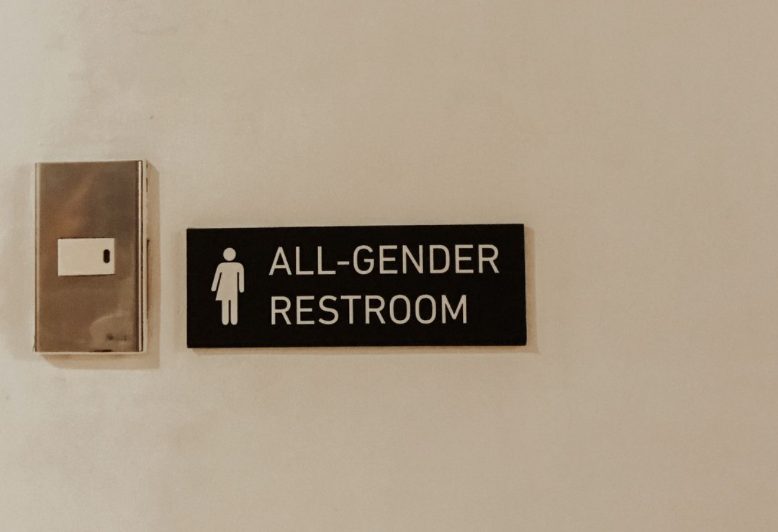
All-Gender Restroom Sign
California schools must now provide at least one voluntary all-gender restroom while continuing to offer traditional boys’ and girls’ restrooms. Parents should understand how the new requirement works before the school year begins. (Pexels).

Parents across California are seeing a significant change on school campuses as a new restroom requirement officially takes effect. Beginning July 1, 2026, every qualifying K-12 public school campus must provide at least one all-gender restroom for voluntary student use under Senate Bill 760. The law is intended to improve accessibility and privacy while ensuring that every student has a safe restroom option.

“Schools should provide a safe and inclusive environment for all students, one where they’re able to focus on learning and where they’re encouraged to thrive academically, socially and emotionally,” said California Senator Josh Newman, author of SB 760. Understanding what the change actually means—and what it doesn’t mean—can help families separate facts from misconceptions.

What the New Law Actually Requires

The new requirement applies to California public school districts, county offices of education, and charter schools serving students in grades K-12. “These measures will help protect vulnerable youth, promote acceptance, and create more supportive environments in our schools and communities,” said Gavin Newsom when signing the legislation.

Schools with more than one boys’ restroom and more than one girls’ restroom must provide at least one clearly marked all-gender restroom that any student may choose to use. Existing boys’ and girls’ restrooms remain in place, meaning students are not required to use the all-gender restroom. In many cases, schools are simply redesignating an existing single-user restroom rather than building an entirely new facility. The all-gender restroom requirement is designed to expand restroom options instead of replacing traditional facilities.

Why Schools Are Adding All-Gender Restrooms

Supporters say the law focuses on student privacy, accessibility, and inclusion rather than on changing existing restroom policies. An all-gender restroom can benefit students with disabilities who need assistance from a caregiver of a different sex, younger siblings attending school events with parents, and students who simply prefer additional privacy. Many campuses already had similar single-user restrooms available for staff or visitors before this statewide requirement. Education leaders also note that students who avoid using school restrooms because they feel uncomfortable may experience health issues, missed class time, or decreased concentration. Providing another restroom option is intended to address those practical concerns.

Common Questions Parents Are Asking

One of the biggest misconceptions is that every restroom on campus will become gender-neutral, but that is not what the law requires. Traditional boys’ and girls’ restrooms continue operating exactly as before, with the all-gender restroom serving as an additional voluntary option. Parents may also wonder whether supervision or safety standards will change, but schools are still expected to maintain restroom monitoring, cleanliness, and campus security policies. Many all-gender restrooms are single-user facilities that offer increased privacy through locking doors. School administrators are also responsible for ensuring the restroom remains accessible, clearly marked, and properly maintained throughout the school day.

How Parents Can Stay Informed

If your child attends a California public school, consider asking campus administrators how the new restroom requirement has been implemented. Schools may have updated campus maps, family communications, or student handbooks explaining the available restroom options. Parents who understand the layout can have more informed conversations with their children before the school year begins. If your child expresses concerns, listening without assumptions and discussing available choices often leads to a more productive conversation than relying on social media rumors. Staying informed directly through your local school helps ensure you receive accurate information rather than speculation.

Looking Ahead: Communication Matters Most

Families should remember that implementation may look slightly different from one campus to another. Some schools already had single-user restrooms that met most of the new requirements, while others needed to update signage, install privacy locks, or designate a staff member as the required point of contact for implementation.

While opinions differ on the policy, the practical change is relatively straightforward: qualifying schools must provide at least one voluntary all-gender restroom while keeping existing boys’ and girls’ restrooms available. Parents who understand the details are better prepared to answer their children’s questions and communicate with school staff when needed. As with many education policies, clear information often reduces unnecessary confusion and helps families focus on what matters most—the safety, comfort, and well-being of every student.

What are your thoughts about this new requirement, and how do you think schools should communicate these changes to families? Share your perspective in the comments and join the conversation.

What to Read Next

The Code Words Schools Use When Denying Services

School Counselors Report a Rise in Severe Anxiety Among Younger Students

How the Seamless Summer Option Keeps Kids Fed After the School Year Ends

Evan Morgan

Evan Morgan has been a full-time freelance writer and editor for 10+ years. When not working, he enjoys catching the latest true crime documentary or getting lost in a good book.

Filed Under: Parenting Tagged With: all-gender restroom requirement, California schools, education policy, K-12 education, Parents, public schools, SB 760, school safety, student privacy

Teachers Say Mainstreaming Is Straining Classrooms

June 20, 2026 | Leave a Comment

Teacher And Student
A teacher works with students in an inclusive classroom, highlighting the growing need for specialized support, smaller class sizes, and additional staff to make mainstreaming successful. (Pexels).

Teachers across the United States are raising concerns that mainstreaming in classrooms is becoming increasingly difficult to manage without additional support, funding, and specialized staff. While educating students with disabilities alongside their peers remains an important goal, many educators say the current reality often falls short of the vision. Instead of questioning inclusion itself, teachers are pointing to overcrowded classrooms, staffing shortages, and growing behavioral and academic challenges that make it harder to meet every student’s needs. As schools continue expanding inclusive practices, the debate has shifted from whether mainstreaming matters to whether schools have the resources to make it successful.

Why More Teachers Are Speaking Out

Mainstreaming in classrooms has become standard practice in many school districts, with most students receiving special education services spending a significant portion of their day in general education settings. Supporters say inclusive classrooms promote stronger social skills, improve peer relationships, and reduce stigma for students with disabilities. However, many teachers argue that inclusion only works when schools provide adequate support staff, co-teachers, and specialized training. Recent education research has also questioned whether academic outcomes consistently improve without those supports, adding new complexity to the conversation. Rather than opposing inclusion, many educators say they want policymakers to focus on building the infrastructure needed for success.

Classroom Demands Continue to Grow

A typical classroom today may include students working at several different academic levels, along with children who require individualized accommodations, behavioral interventions, or speech and occupational services. Teachers often balance lesson planning, classroom management, and documentation while trying to ensure every student remains engaged. For example, one teacher may spend several minutes helping a student experiencing sensory overload while simultaneously keeping twenty-five other students focused on a math lesson. Those interruptions are understandable and necessary, but they also illustrate why teachers frequently report feeling overwhelmed. As student needs become more diverse, the demands on classroom educators continue to increase.

Research Highlights Both Benefits and Challenges

Research on mainstreaming in classrooms presents a more nuanced picture than many headlines suggest. Some studies have found meaningful social and emotional benefits for students learning alongside their peers, while recent reviews question whether academic gains are as clear when specialized instruction is limited. A major review published in 2025 concluded that decades of research have not definitively settled which educational setting consistently produces the strongest academic outcomes for every student. Experts increasingly agree that successful inclusion depends less on placement alone and more on providing intensive interventions, collaboration, and individualized support. That distinction is becoming central to today’s discussion about improving special education services.

Resources Often Determine Success

Teachers consistently say the biggest issue is not mainstreaming in classrooms itself but the shortage of resources that accompany it. Many districts continue struggling to hire special education teachers, classroom aides, school psychologists, and behavioral specialists, leaving general education teachers to shoulder additional responsibilities. Large class sizes can also make individualized instruction significantly more difficult, particularly when several students require intensive support at the same time. Schools that invest in co-teaching models, ongoing professional development, and smaller student-to-teacher ratios often report stronger outcomes for both general and special education students. These examples suggest that successful inclusion depends heavily on adequate staffing rather than policy alone.

The Real Conversation Schools Need to Have

Parents sometimes worry that acknowledging classroom challenges means opposing inclusion, but that is not necessarily the case. Most educators support providing students with disabilities access to their peers whenever appropriate, while also recognizing that every child learns differently. The goal is to ensure each student receives instruction in an environment where they can make meaningful academic and social progress. Honest conversations about staffing shortages, teacher burnout, and individualized learning plans can strengthen inclusive education rather than weaken it. Addressing those issues may help schools deliver the quality education every student deserves.

Looking Beyond the Debate

The discussion surrounding mainstreaming in classrooms is unlikely to disappear anytime soon because it touches students, families, teachers, and entire school communities. The growing consensus among many education experts is that inclusion succeeds when schools invest in people, training, and evidence-based supports instead of relying on classroom placement alone. Teachers are not asking schools to abandon inclusion; they are asking for the tools needed to make it work effectively for every learner. As enrollment and student needs continue evolving, those investments may become more important than ever.

What do you think schools should prioritize to make inclusive education more successful? Share your thoughts in the comments and join the conversation.

What to Read Next

Teachers Admit These Classroom Changes Are Hurting Neurodivergent Students

5 Red Flags Teachers Look for in Children With Learning Disabilities

7 Things Your Child’s Teacher is Legally Required to Report to the State

Evan Morgan

Evan Morgan has been a full-time freelance writer and editor for 10+ years. When not working, he enjoys catching the latest true crime documentary or getting lost in a good book.

Filed Under: Education Tagged With: classroom management, education, inclusive education, K-12 education, mainstreaming in classrooms, Schools, special education, student learning, teacher shortage, teachers

Parents Are Spending Thousands on Services Schools Won’t Provide

June 4, 2026 | Leave a Comment

Money
A growing number of families are paying for academic support outside the classroom. Rising demand for private tutoring reflects concerns about personalized learning and educational gaps. Pexels.

For many families, the school day no longer feels like enough. Parents across the United States are spending thousands of dollars each year on private tutoring, educational therapy, test preparation, executive functioning coaching, and specialized learning support that schools either cannot provide or offer only in limited ways. What was once considered an occasional academic boost has become a regular household expense for many middle-class families. As competition increases and concerns about academic performance grow, parents are increasingly turning to outside services to fill gaps they believe schools are unable to address. The growing demand highlights broader concerns about educational support and student success.

The Growing Cost of Academic Support

The demand for private tutoring has surged in recent years as families seek personalized academic help for their children. The U.S. online private tutoring market was valued at more than $4.3 billion in 2024 and is projected to continue growing rapidly through the decade. Parents are paying anywhere from $30 to $200 per hour for tutors, depending on the subject and level of expertise required. For a student receiving weekly sessions throughout the school year, annual costs can easily exceed several thousand dollars. Many families view the expense as necessary rather than optional, especially when they believe their child is falling behind or needs enrichment beyond the classroom.

Why Parents Are Looking Beyond Schools

Public schools are tasked with educating large numbers of students with varying academic needs, making individualized support difficult to provide consistently. While many schools offer intervention programs, staffing shortages and budget limitations often restrict how much one-on-one attention students receive. Some districts have also scaled back tutoring programs as pandemic-era funding expired, leaving families searching for alternatives. Research continues to show that consistent, high-quality private tutoring can improve literacy and math outcomes when it complements classroom instruction. As a result, parents who can afford it increasingly seek private tutoring to ensure their children receive additional support before small struggles become larger problems.

The Rise of Specialized Educational Services

Private tutoring is only one piece of a much larger educational support industry. Many parents now hire executive functioning coaches to help children manage assignments, organization, and time management skills. Others invest in educational therapists who specialize in learning differences such as dyslexia, ADHD, or processing challenges. Test preparation services for college entrance exams remain popular, particularly among families focused on competitive admissions. These specialized services can cost hundreds or even thousands of dollars per month, creating a growing divide between families who can afford them and those who cannot.

What Families Are Really Paying For

Parents are not simply purchasing academic instruction; they are often paying for personalization. A classroom teacher may work with 25 or more students at once, while a private tutor can focus exclusively on one child’s strengths and weaknesses. Families frequently report that their children gain confidence when lessons are tailored to their learning style and pace. In many cases, parents describe outside support as addressing needs that are difficult to accommodate within traditional classroom settings. The appeal lies in the customized attention, immediate feedback, and flexibility that private tutoring services can provide.

The Bigger Picture for Families and Schools

The rapid growth of private tutoring reflects a larger reality in modern education. Families increasingly feel responsible for supplementing their children’s learning outside the classroom, even when they already pay taxes that support public schools. While many educators work tirelessly to meet student needs, limited resources make it difficult for schools to provide every service families want. As the tutoring industry expands into a market worth billions of dollars, the conversation is shifting from whether supplemental education is helpful to whether all students should have equal access to it. Finding solutions that balance personalization, affordability, and equity will likely remain one of education’s biggest challenges in the years ahead.

What This Trend Means for the Future of Education

The increasing reliance on private tutoring and specialized educational services reflects a growing gap between what schools can provide and what families believe their children need. While these services can offer meaningful academic benefits, their costs place them out of reach for many households. Policymakers, educators, and parents continue to debate how to expand access to individualized learning support without deepening educational inequality. The challenge will be finding ways to deliver effective interventions while keeping them affordable and widely available. The future of educational success may depend on how communities address these growing disparities.

What educational services have you paid for that your child’s school didn’t provide, and do you think those costs were worth it? Have you used private tutoring, educational therapy, or coaching services to help your child succeed? Share your experiences and opinions in the comments below.

What to Read Next

What Happens When a School Says Your Child No Longer Qualifies for Services?

7 IEP Accommodations Schools Push Back On Most Often

School Staff Quietly Flag These 7 Signs a Child May Need Additional Support


Evan Morgan

Evan Morgan has been a full-time freelance writer and editor for 10+ years. When not working, he enjoys catching the latest true crime documentary or getting lost in a good book.

Filed Under: Education Tagged With: academic support, education costs, education trends, family finances, K-12 education, Parenting, private tutoring, school funding, student learning, tutoring services

  • Facebook
  • Pinterest
  • RSS
  • Twitter

Basic Principles Of Good Parenting

Here some basic principles for good parenting:

  1. What You Do Matters: Your kids are watching you. So, be purposeful about what you want to accomplish.
  2. You Can’t be Too Loving: Don’t replace love with material possessions, lowered expectations or leniency.
  3. Be Involved Your Kids Life: Arrange your priorities to focus on what your kid’s needs. Be there mentally and physically.
  4. Adapt Your Parenting: Children grow quickly, so keep pace with your child’s development.
  5. Establish and Set Rules: The rules you set for children will establish the rules they set for themselves later.  Avoid harsh discipline and be consistent.
  6. Explain Your Decisions: What is obvious to you may not be evident to your child. They don’t have the experience you do.
  7. Be Respectful To Your Child: How you treat your child is how they will treat others.  Be polite, respectful and make an effort to pay attention.
Best Parenting Blogs

Most Popular

11 Ways Kids Are Outsmarting Parental Controls 1. Using Alternate Devices One common trick is simply turning to another device. If a child’s main phone or tablet is restricted, they may borrow a sibling’s, friend’s, or even a school laptop. This instantly gives them access to content outside of parental oversight. Parents often focus on one device, forgetting that others in the household can serve as loopholes. Knowing this tactic helps families tighten controls across all electronics. 2. Clearing Browsing Histories Many kids quickly learn that clearing browsing history hides evidence of restricted activity. With just a few clicks, they can erase any trace of websites visited. This makes it harder for parents to notice when rules are being broken. Parents may assume no history means no browsing, but the reality is often the opposite. Kids are outsmarting parental controls by making it seem like nothing happened at all. 3. Using Private Browsing Modes Most browsers offer “incognito” or private browsing features. Kids use this mode to access websites without leaving a record in the history. To parents checking later, everything looks clean and safe. This simple trick is often one of the first ways kids discover how to bypass restrictions. Conversations about private browsing can help close this gap. 4. Guessing or Resetting Passwords Children who are persistent may try to guess passwords to parental control apps or accounts. Others may find ways to reset them through email prompts or security questions. Once inside, they can disable restrictions entirely. Parents may not even realize controls have been altered until much later. Stronger, less predictable passwords can make this more difficult. 5. Using VPNs to Hide Activity Virtual private networks, or VPNs, let kids disguise their online locations. With one downloaded app, they can bypass geographic or parental restrictions. Some children learn about VPNs through friends or even social media. This makes it easy for them to reach content that should be blocked. Parents often underestimate just how simple it is for kids to use these tools. 6. Creating Fake Accounts When parents monitor social media, kids may create hidden accounts. These “finstas” or fake profiles allow them to interact freely without parental oversight. While their main account appears harmless, the secondary one tells a different story. Kids are outsmarting parental controls by playing both sides at once. Checking for duplicate accounts can help parents stay more aware. 7. Exploiting Time Zone Settings Some kids change the time zone on their devices to bypass screen time limits. This trick allows them to gain extra hours of usage undetected. Parents may assume controls are working, but in reality, the child is bending the clock. It’s a clever loophole that highlights just how resourceful kids can be. Monitoring device settings regularly can catch this tactic. 8. Disabling or Uninstalling Apps Parental control apps can be deleted or disabled with surprising ease. Some kids even reinstall them before a parent checks, making it seem like nothing changed. Others may simply restrict permissions to prevent apps from functioning properly. When apps aren’t monitored closely, parents may not notice they’ve been tampered with. This shows the importance of consistent follow-up. 9. Turning to Friends for Access If a child can’t get past restrictions on their own, they may rely on friends. Visiting a friend’s house or borrowing their phone can give them a free pass. Parents often forget that peer environments can override restrictions set at home. This kind of social workaround is especially common with gaming or social media. Open conversations about trust and responsibility are essential. 10. Hiding Apps in Plain Sight Kids sometimes download apps that look innocent but serve as gateways to hidden activity. These apps may disguise themselves as calculators or utilities. In reality, they allow file storage, private messaging, or browser access. Parents glancing at a home screen may overlook them entirely. Learning to recognize these disguised apps can help parents stay informed. 11. Outpacing Parents’ Tech Knowledge Finally, kids often know more about devices than their parents do. Whether through YouTube tutorials, TikTok hacks, or peer groups, they quickly learn advanced workarounds. This knowledge gap means controls can be bypassed before parents even realize the loophole exists. Staying informed and continually learning about new technology is the best defense. Kids are outsmarting parental controls because they adapt faster than most adults. The Real Solution Lies Beyond Restrictions While controls and filters are important, no system is perfect. Kids will always find creative ways around barriers, making communication the strongest safeguard. Setting clear expectations, building trust, and having ongoing conversations about online behavior matter more than apps alone. Parents who combine technology with open dialogue create a safer digital environment. The goal isn’t to win a battle of wits but to build a relationship that keeps kids both safe and honest. Do you think kids are outsmarting parental controls faster than parents can keep up? Share your experiences in the comments below. What to Read Next... 6 Parenting Tech Shortcuts That Can Expose Your Child to Strangers How Much Screen Time Is Too Much—Legally Speaking? Is Your Child’s School Quietly Tracking Their Location Without Your Consent? How Much Screen Time Is Quietly Reshaping Childhood Behavior? Why Some Parents Are Being Investigated Over Homeschooling Records

11 Ways Kids Are Outsmarting Parental Controls

Catherine Reed
Smiling grandfather holding a happy baby indoors.

Why Grandparents Shouldn’t Babysit Their Grandkids Every Week – The Unspoken Issue

Samantha
Girl getting makeup done, referencing psychologist-approved age.

Wearing Makeup: Here Is the Age That Psychologists Agree It’s Okay for Girls to Wear Makeup

Samantha
birthday gifts

7 Birthday Gifts Your Child Should Never Bring to a Party

Latrice Perez

Babysitting Without Cash: 10 Ways to Barter Your Way Out of Childcare Costs

Ashleigh Clyde

All content on Kids Ain’t Cheap is for entertainment purposes only. By reading this blog, you agree that Kids Ain’t Cheap is not responsible for any actions taken after reading this blog. For the full disclaimer, see our privacy policy.

Please note that Kids Ain’t Cheap has financial relationships with some of the merchants mentioned here. Kids Ain’t Cheap is funded by banner advertising, commission sales and search optimization consulting.

Copyright © 2006–2026 | District Media | All Rights Reserved | Privacy Policy

Copyright © 2026 Runway Pro Theme by Viva la Violette