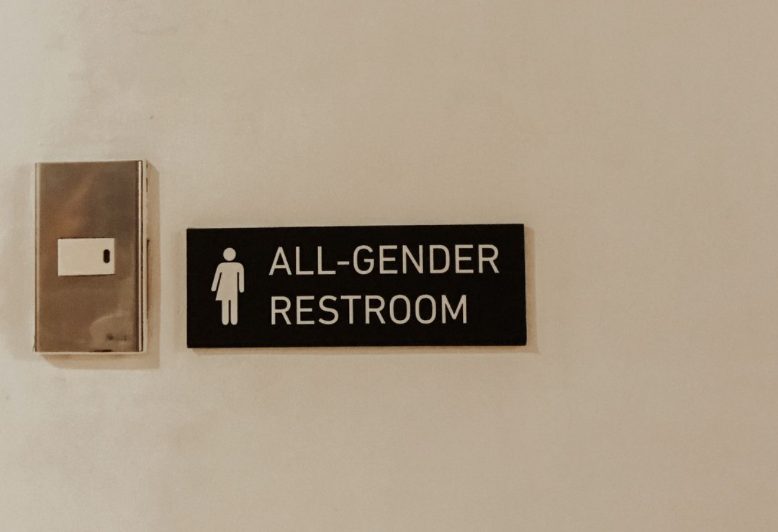
Parents across California are seeing a significant change on school campuses as a new restroom requirement officially takes effect. Beginning July 1, 2026, every qualifying K-12 public school campus must provide at least one all-gender restroom for voluntary student use under Senate Bill 760. The law is intended to improve accessibility and privacy while ensuring that every student has a safe restroom option.
“Schools should provide a safe and inclusive environment for all students, one where they’re able to focus on learning and where they’re encouraged to thrive academically, socially and emotionally,” said California Senator Josh Newman, author of SB 760. Understanding what the change actually means—and what it doesn’t mean—can help families separate facts from misconceptions.
What the New Law Actually Requires
The new requirement applies to California public school districts, county offices of education, and charter schools serving students in grades K-12. “These measures will help protect vulnerable youth, promote acceptance, and create more supportive environments in our schools and communities,” said Gavin Newsom when signing the legislation.
Schools with more than one boys’ restroom and more than one girls’ restroom must provide at least one clearly marked all-gender restroom that any student may choose to use. Existing boys’ and girls’ restrooms remain in place, meaning students are not required to use the all-gender restroom. In many cases, schools are simply redesignating an existing single-user restroom rather than building an entirely new facility. The all-gender restroom requirement is designed to expand restroom options instead of replacing traditional facilities.
Why Schools Are Adding All-Gender Restrooms
Supporters say the law focuses on student privacy, accessibility, and inclusion rather than on changing existing restroom policies. An all-gender restroom can benefit students with disabilities who need assistance from a caregiver of a different sex, younger siblings attending school events with parents, and students who simply prefer additional privacy. Many campuses already had similar single-user restrooms available for staff or visitors before this statewide requirement. Education leaders also note that students who avoid using school restrooms because they feel uncomfortable may experience health issues, missed class time, or decreased concentration. Providing another restroom option is intended to address those practical concerns.
Common Questions Parents Are Asking
One of the biggest misconceptions is that every restroom on campus will become gender-neutral, but that is not what the law requires. Traditional boys’ and girls’ restrooms continue operating exactly as before, with the all-gender restroom serving as an additional voluntary option. Parents may also wonder whether supervision or safety standards will change, but schools are still expected to maintain restroom monitoring, cleanliness, and campus security policies. Many all-gender restrooms are single-user facilities that offer increased privacy through locking doors. School administrators are also responsible for ensuring the restroom remains accessible, clearly marked, and properly maintained throughout the school day.
How Parents Can Stay Informed
If your child attends a California public school, consider asking campus administrators how the new restroom requirement has been implemented. Schools may have updated campus maps, family communications, or student handbooks explaining the available restroom options. Parents who understand the layout can have more informed conversations with their children before the school year begins. If your child expresses concerns, listening without assumptions and discussing available choices often leads to a more productive conversation than relying on social media rumors. Staying informed directly through your local school helps ensure you receive accurate information rather than speculation.
Looking Ahead: Communication Matters Most
Families should remember that implementation may look slightly different from one campus to another. Some schools already had single-user restrooms that met most of the new requirements, while others needed to update signage, install privacy locks, or designate a staff member as the required point of contact for implementation.
While opinions differ on the policy, the practical change is relatively straightforward: qualifying schools must provide at least one voluntary all-gender restroom while keeping existing boys’ and girls’ restrooms available. Parents who understand the details are better prepared to answer their children’s questions and communicate with school staff when needed. As with many education policies, clear information often reduces unnecessary confusion and helps families focus on what matters most—the safety, comfort, and well-being of every student.
What are your thoughts about this new requirement, and how do you think schools should communicate these changes to families? Share your perspective in the comments and join the conversation.
What to Read Next
The Code Words Schools Use When Denying Services
School Counselors Report a Rise in Severe Anxiety Among Younger Students
How the Seamless Summer Option Keeps Kids Fed After the School Year Ends

Evan Morgan has been a full-time freelance writer and editor for 10+ years. When not working, he enjoys catching the latest true crime documentary or getting lost in a good book.
