• Home
  • About Us
  • Archives
  • Contact Us
  • Advertise
  • Privacy Policy

Kids Ain't Cheap

But They Sure Are Worth It

  • Home
  • Toolkit
  • Parenting
    • Baby Stuff
    • Books and Reading
      • Aesops Fables
      • Comic Books
    • Education
    • Family Time
    • Green Living
    • Growing Up
    • Healthy Living & Eating
    • Holidays
    • Parenting
    • Random Musings
    • Shopping
    • Stuff to Do
  • Money
  • Product Reviews
    • Books and Magazines
    • Discount Sites
    • Furniture
    • House Keeping
    • Reviews News
    • Toys and Games
  • Search

7 School Policies That Secretly Undermine Parental Authority

November 1, 2025 | Leave a Comment

7 School Policies That Secretly Undermine Parental Authority

Image source: shutterstock.com

Parents trust schools to educate and protect their children, but in many cases, modern school policies have quietly expanded beyond academics. Some of these rules, often introduced with good intentions, have begun to erode parental influence and decision-making power. From health matters to behavioral interventions, schools sometimes make choices that parents never agreed to—or even knew about. This growing tension between home and classroom authority leaves many families wondering where to draw the line. Here are seven school policies that may be undermining parental authority more than most parents realize.

1. Health Decisions Without Parental Notification

One of the most controversial school policies involves allowing certain health decisions to be made without parental involvement. Some schools now permit students to access mental health counseling, contraception, or even certain medical services during school hours without notifying parents. While these programs are often designed to protect student privacy, they can also create confusion or conflict at home. Parents who believe they should be part of these decisions feel left out of crucial conversations about their child’s well-being. Over time, these policies can erode the trust between families and schools.

2. Curriculum Choices That Limit Transparency

Many parents are discovering that curriculum transparency is not as clear-cut as they assumed. Some schools implement classroom materials, reading lists, or social learning programs without fully disclosing the content to families. When parents question what’s being taught, they may encounter vague responses or resistance. This lack of openness makes it harder for parents to align school lessons with their family’s values or beliefs. The result is growing frustration and mistrust toward school policies that seem to prioritize institutional agendas over parental input.

3. Restricting Parental Access to Student Records

Another area where school policies subtly undermine parental authority is access to student records. Some schools have tightened privacy rules to the point that even parents struggle to obtain details about grades, disciplinary actions, or counseling notes. While privacy protections are important, overregulation can prevent parents from effectively supporting their children. It creates a system where schools hold more control over information than families do. When parents are kept at arm’s length, collaboration becomes nearly impossible.

4. Behavioral Interventions Without Parental Approval

Behavior management programs have become a staple in many schools, but not all of them involve parents in the process. Some teachers or administrators use specific emotional regulation techniques, social contracts, or disciplinary alternatives without parental consent. These interventions may be well-meaning, but they can conflict with the discipline methods used at home. When children receive mixed messages about consequences or boundaries, it weakens both the authority of the school and that of parents. Parents should always be informed when behavioral strategies extend beyond standard classroom rules.

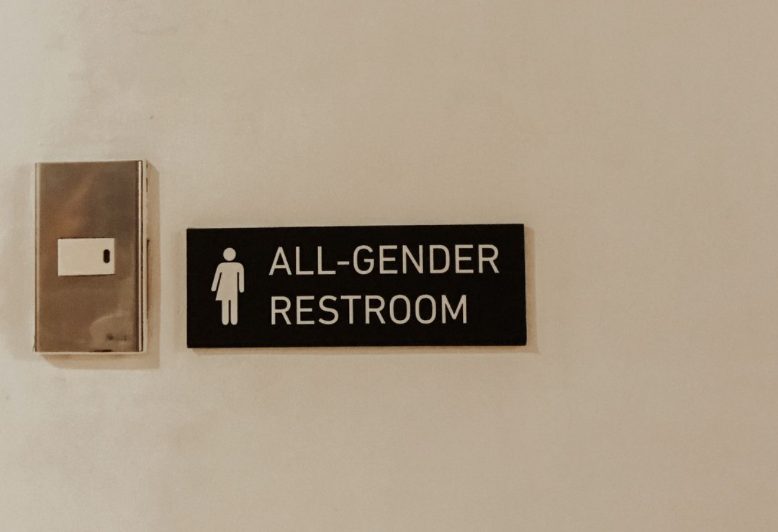
5. Policies on Gender Identity and Pronouns

Few school policies have sparked more debate in recent years than those related to gender identity and pronoun use. Some districts now allow students to adopt new names or pronouns at school without requiring parental notification. Supporters argue this protects student privacy, but critics say it sidelines parents from deeply personal matters involving their own children. These policies can cause emotional confusion and conflict within families. Regardless of personal beliefs, parents want to be part of such important conversations about their child’s identity.

6. Technology Use and Data Tracking

Technology has transformed education, but it’s also introduced new ways for school policies to bypass parental oversight. Many schools use digital learning platforms that collect data on student performance, behavior, and even browsing habits. Parents are often unaware of how much personal information is being stored or shared with third parties. This data collection raises serious privacy concerns, especially when parents have a limited ability to opt out. Without full transparency, digital learning can quietly shift control of information away from families and toward institutions.

7. After-School Programs That Replace Family Time

Even after the final bell, school policies can still influence how much control parents have over their children’s lives. Some schools encourage extensive after-school programs, late tutoring sessions, or weekend enrichment activities that leave little room for family time. While these programs are designed to boost academic performance, they often blur the line between school and home. Parents may feel pressured to participate or risk their child falling behind. Over time, this constant involvement in school activities can erode the family’s role as the child’s primary source of guidance and connection.

Reclaiming the Balance Between Home and School

Parents and schools are meant to be partners, not competitors, in a child’s development. Yet as more school policies expand into areas traditionally reserved for families, that balance is becoming harder to maintain. Reclaiming parental authority doesn’t mean rejecting schools—it means advocating for transparency, collaboration, and mutual respect. Parents can start by attending board meetings, reviewing district handbooks, and asking for clear communication about classroom decisions. When families are empowered to participate, schools become stronger partners in raising confident, well-rounded children.

Have you noticed school policies that seem to overstep parental boundaries? Share your experiences and thoughts in the comments below.

What to Read Next…

  • 9 School Dress Code Rules That Are Now Considered Discriminatory
  • Is Your Child’s School Quietly Tracking Their Location Without Your Consent?
  • 8 School Rules That Should’ve Changed Decades Ago
  • 5 Things Kids Are Saying at School That Should Worry You
  • 9 Reasons The Principal Keeps Calling You To The School (And It Might Be Your Fault)
Catherine Reed
Catherine Reed

Catherine is a tech-savvy writer who has focused on the personal finance space for more than eight years. She has a Bachelor’s in Information Technology and enjoys showcasing how tech can simplify everyday personal finance tasks like budgeting, spending tracking, and planning for the future. Additionally, she’s explored the ins and outs of the world of side hustles and loves to share what she’s learned along the way. When she’s not working, you can find her relaxing at home in the Pacific Northwest with her two cats or enjoying a cup of coffee at her neighborhood cafe.

Filed Under: Education Tagged With: education reform, education system, family rights, parental authority, Parenting, public schools, school policies, student privacy

The Teacher Shortage Crisis: How It’s Affecting Your Child’s Education

October 31, 2025 | Leave a Comment

The Teacher Shortage Crisis: How It's Affecting Your Child's Education

Image source: shutterstock.com

Across the country, the teacher shortage crisis is reshaping classrooms in ways parents never imagined. Schools are struggling to fill vacancies, class sizes are swelling, and students are feeling the effects through inconsistent instruction and limited support. The problem isn’t just about numbers—it’s about the long-term quality of education and the future of learning. Understanding how this crisis impacts your child’s education helps families advocate for solutions and prepare for the changing educational landscape.

Larger Class Sizes and Less Individual Attention

One of the most visible effects of the teacher shortage crisis is the rise in class sizes. With fewer qualified teachers available, schools combine classes or ask educators to take on more students than they can effectively manage. This shift reduces the amount of one-on-one attention students receive, making it harder for teachers to identify learning gaps or behavioral issues early on. As a result, high-achieving students may stagnate, while struggling learners fall further behind. The learning environment becomes more about survival than personalized instruction.

Increased Reliance on Substitute and Unqualified Teachers

In districts hit hardest by the teacher shortage, schools are hiring substitute or uncertified teachers to fill permanent roles. While many of these individuals are well-intentioned, they often lack the specialized training needed to manage classrooms or adapt curriculum for diverse learners. This creates inconsistency in instruction and can disrupt the rhythm of learning. Students may experience frequent turnover in instructors, leaving them confused or disengaged. Over time, the quality of education suffers as continuity and expertise disappear from the classroom.

Burnout and Early Departures from the Profession

The teacher shortage crisis is not just about recruitment—it’s also about retention. Veteran teachers are leaving the profession due to burnout, low pay, and increasing administrative demands. When experienced educators leave, schools lose mentors, institutional knowledge, and stability. Younger teachers are often thrust into leadership roles before they’re ready, adding more pressure to an already strained system. This cycle of stress and turnover perpetuates the crisis, creating an unstable learning environment that directly affects your child’s academic experience.

Decline in Extracurricular and Enrichment Programs

Another ripple effect of the teacher shortage crisis is the decline of extracurricular and enrichment opportunities. Schools facing staffing shortages often reassign teachers who once led art, music, or after-school programs to core subjects instead. These activities, which are vital for creativity, confidence, and social development, are among the first to be cut. Without them, students miss out on experiences that shape critical thinking and collaboration skills. The result is a narrower, less dynamic education that limits students’ personal growth.

Impact on Special Education and Support Services

Special education has been disproportionately affected by the teacher shortage. Qualified special education teachers and aides are increasingly difficult to find, leading to higher caseloads and fewer resources for students with disabilities. Many families report longer wait times for evaluations and reduced access to individualized instruction. This not only violates educational mandates but also places tremendous emotional strain on children who need consistent, specialized attention. The lack of support can hinder academic progress and widen achievement gaps.

Unequal Effects Across Districts

While the teacher shortage crisis is national, it doesn’t impact every community equally. Wealthier districts are often able to offer higher salaries or incentives to attract talent, while underfunded schools—especially in rural or urban areas—struggle to compete. This creates an uneven playing field where a child’s ZIP code determines their educational quality. Students in lower-income areas may face a revolving door of teachers, outdated materials, and overburdened staff. The result is a widening gap in educational equity that has long-term economic and social implications.

Parents and Communities Are Stepping In

In response to the teacher shortage crisis, many parents and community organizations are stepping in to support schools. Volunteers assist with tutoring, classroom activities, and extracurricular programs. Local businesses are sponsoring supplies or offering incentives for educators. These efforts make a difference but are not sustainable solutions to a systemic issue. Long-term change will require investment in teacher training, fair compensation, and policies that value educators as professionals. Still, parental involvement remains one of the strongest tools for maintaining educational stability during the crisis.

The Long-Term Costs of Inaction

Failing to address the teacher shortage has long-term consequences for students and society. Academic achievement declines when instructional quality drops, and the effects can persist into adulthood. Lower graduation rates, diminished workforce readiness, and reduced civic engagement all trace back to weakened educational foundations. Economically, communities may face slower growth as fewer graduates qualify for skilled positions. The cost of inaction is not just measured in dollars but in lost potential and opportunity for future generations.

What Parents Can Do to Advocate for Change

Parents play a powerful role in addressing the teacher shortage crisis. Start by staying informed about your district’s staffing challenges and attending school board meetings. Advocate for competitive teacher salaries, funding for support staff, and programs that encourage young educators to enter the field. Support teachers directly by volunteering, providing supplies, or simply expressing appreciation for their work. Collective community voices can influence local and state policies that prioritize education funding and teacher well-being.

Protecting the Future of Learning

The teacher shortage crisis is a wake-up call about the fragility of the education system. Every parent wants their child to learn in a safe, engaging, and well-supported environment—but that depends on having dedicated educators in every classroom. By recognizing the signs of strain and advocating for long-term investment in teachers, families can help restore balance and quality in public education. The future of learning depends not only on teachers but also on the collective commitment of communities that value education as the foundation of opportunity.

How has your local school been affected by the teacher shortage crisis? Share your experiences or solutions in the comments below.

What to Read Next…

7 Things Teachers Wish Parents Would Stop Believing

10 Parent Habits That Teachers Say Are Making Kids Rude

11 Parent Email Mistakes That Infuriate Teachers

Do Teachers Secretly Flag Families Who Question Curriculum?

Here’s What to Do When The Teacher Calls About Your Child’s Behavior

Catherine Reed
Catherine Reed

Catherine is a tech-savvy writer who has focused on the personal finance space for more than eight years. She has a Bachelor’s in Information Technology and enjoys showcasing how tech can simplify everyday personal finance tasks like budgeting, spending tracking, and planning for the future. Additionally, she’s explored the ins and outs of the world of side hustles and loves to share what she’s learned along the way. When she’s not working, you can find her relaxing at home in the Pacific Northwest with her two cats or enjoying a cup of coffee at her neighborhood cafe.

Filed Under: Education Tagged With: classroom learning, Education Crisis, education policy, parental involvement, public schools, student achievement, teacher retention, teacher shortage

  • Facebook
  • Pinterest
  • RSS
  • Twitter

Basic Principles Of Good Parenting

Here some basic principles for good parenting:

  1. What You Do Matters: Your kids are watching you. So, be purposeful about what you want to accomplish.
  2. You Can’t be Too Loving: Don’t replace love with material possessions, lowered expectations or leniency.
  3. Be Involved Your Kids Life: Arrange your priorities to focus on what your kid’s needs. Be there mentally and physically.
  4. Adapt Your Parenting: Children grow quickly, so keep pace with your child’s development.
  5. Establish and Set Rules: The rules you set for children will establish the rules they set for themselves later.  Avoid harsh discipline and be consistent.
  6. Explain Your Decisions: What is obvious to you may not be evident to your child. They don’t have the experience you do.
  7. Be Respectful To Your Child: How you treat your child is how they will treat others.  Be polite, respectful and make an effort to pay attention.
Best Parenting Blogs

Copyright © 2025 Runway Pro Theme by Viva la Violette