
• Home
  • About Us
  • Toolkit
  • Archives
  • Advertise
  • Privacy Policy

Kids Ain't Cheap

But They Sure Are Worth It

  • Parenting
    • Baby Stuff
    • Books and Reading
      • Aesops Fables
      • Comic Books
    • Education
    • Family Time
    • Green Living
    • Growing Up
    • Healthy Living & Eating
    • Holidays
    • Parenting
    • Random Musings
    • Shopping
    • Stuff to Do
  • Money
  • Product Reviews
    • Books and Magazines
    • Discount Sites
    • Furniture
    • House Keeping
    • Reviews News
    • Toys and Games
  • Contact Us
  • Our Editorial Commitment
  • Search

10 Places Parents Can Find Free School Supplies Before Classes Begin

July 24, 2026 | Leave a Comment

School Supplies
Families can find free school supplies through school districts, United Way events, churches, community centers, retailers, and military family programs before the new school year begins. (Pexels).

As the back-to-school season approaches, many families are looking for ways to stretch their budgets without sacrificing what their children need for success. The average family can spend well over $100 per child on essential classroom supplies, making free school supplies an important resource for households of every income level. Fortunately, communities across the United States offer a wide range of programs that provide backpacks, notebooks, pencils, calculators, and other essentials before the first day of school. Knowing where to look early can make all the difference, since many giveaways require registration or distribute supplies on a first-come, first-served basis.

1. Local School Districts

Many public school districts organize annual back-to-school events that provide free school supplies to students who qualify. These programs are often funded through partnerships with local businesses, education foundations, and nonprofit organizations. Some districts distribute supplies directly through schools, while others host community-wide events before classes begin. Check your district’s website or social media pages during the summer for registration deadlines and eligibility requirements. Calling your child’s school office is also an easy way to learn about available assistance.

2. United Way Affiliates

United Way chapters across the country coordinate large school supply drives that help thousands of students every year. Programs such as Operation SOS and Ready Set School partner with school districts and community organizations to distribute backpacks filled with classroom essentials. Many events also include free health screenings, haircuts, or family resource fairs. Supplies are often prioritized for families with financial need, so registering early is recommended. These community partnerships continue expanding each year to meet growing demand.

3. Community Centers

Community recreation centers and neighborhood organizations frequently host back-to-school festivals that include free school supplies. These events often feature games, food, health services, and educational resources alongside backpack giveaways. Parents appreciate having multiple services available in one location instead of visiting several organizations. Since supplies are usually limited, arriving early increases your chances of receiving everything on your child’s school list. Many community centers also offer after-school programs that families can learn about during these events.

4. Churches and Faith-Based Organizations

Many churches sponsor annual backpack drives regardless of a family’s religious affiliation. Local congregations often collect donated school supplies throughout the summer before distributing them to students in need. Some events include free meals, children’s activities, and additional family support services. Requirements vary by location, with some asking only for proof of residency or student enrollment. Calling nearby churches a few weeks before school starts can uncover valuable local opportunities.

5. Military Family Programs

Military families have access to specialized assistance through organizations such as Operation Homefront’s Back-to-School Brigade. The nationwide program provides backpacks filled with school supplies for eligible military children and has distributed more than 630,000 backpacks since it began. Registration is generally required, and events fill quickly in many communities. The program helps ease financial pressure during PCS moves and other military transitions. Eligible families should monitor local event announcements throughout the summer.

6. Local Businesses

Banks, credit unions, medical offices, radio stations, and small businesses frequently sponsor free school supplies giveaways as part of their community outreach efforts. These events are commonly advertised through local newspapers, Facebook pages, and community calendars. Some businesses partner with nonprofits to serve hundreds of families during a single weekend event. Even independently owned stores often collect donations from customers throughout July. Watching local announcements can help parents discover opportunities they might otherwise miss.

7. Retailer-Sponsored Events

Major retailers regularly partner with charitable organizations to collect and distribute free school supplies before the school year begins. Walmart and The Salvation Army’s Stuff the Bus campaign is one of the best-known examples, with donations benefiting local children in communities nationwide. Some stores also sponsor backpack giveaways or donate supplies directly to nearby schools. Because these events vary by location, checking participating retailers in your area is worthwhile. These partnerships continue helping families manage rising back-to-school costs.

8. Local Nonprofit Organizations

Many nonprofit organizations focus specifically on helping children succeed in school by providing free school supplies. Groups like Communities In Schools, Boys & Girls Clubs, YMCA branches, and local family resource organizations often host annual distribution events. Some organizations also provide clothing, hygiene products, and tutoring resources alongside school supplies. Parents should contact nonprofits several weeks before school starts because some require advance registration. These organizations frequently collaborate to serve more families together than they could individually.

9. Food Banks and Family Assistance Programs

Food banks increasingly recognize that educational supplies are another basic household necessity during late summer. Many organize seasonal backpack giveaways alongside grocery distributions, making it easier for families facing financial hardship to receive multiple forms of assistance. Parents can often learn about additional housing, utility, or childcare resources during these visits. Supplies may include everything from crayons and folders to calculators and binders. Asking your local food pantry about back-to-school events can reveal resources you may not have considered.

10. Public Libraries

Libraries have become valuable community resource hubs that extend far beyond books. Many host free school supplies events, literacy fairs, and educational programs before the academic year begins. Children often receive backpacks, notebooks, reading materials, and information about homework assistance while attending family-friendly activities. Library staff can also direct parents to other organizations offering free school supplies nearby. Visiting your local library before classes begin is a smart way to prepare for a successful school year.

Helping Every Child Start Strong

Finding free school supplies may take a little planning, but the savings can significantly reduce back-to-school stress for families. Checking school districts, United Way affiliates, community centers, churches, military programs, local businesses, retailer-sponsored events, nonprofits, food banks, and libraries gives parents multiple opportunities to receive assistance. Register early whenever possible because many programs have limited supplies or attendance caps. A few phone calls or online searches today could save your family both money and worry before classes begin.

Where have you found free school supplies in your community, and what advice would you share with other parents? Leave a comment below and join the conversation.

What to Read Next

Teachers Beg Parents: Stop Buying These 7 Expensive School Supplies

Here’s Why School Supplies Continue to Cost More and More Every Year

Affordable DIY Kids Crafts Supplies You Can Buy Today for Endless Fun

Evan Morgan

Evan Morgan has been a full-time freelance writer and editor for 10+ years. When not working, he enjoys catching the latest true crime documentary or getting lost in a good book.

Filed Under: Parenting Tagged With: Back to School, backpacks, churches, community centers, education, family savings, free school supplies, military families, Parents, school districts, school supplies, United Way

Why Districts Are Increasingly Outsourcing Special Ed Services

July 12, 2026 | Leave a Comment

Boy In School
Special education professionals work one-on-one with students while collaborating with classroom staff, highlighting how outsourced specialists help districts maintain essential support amid nationwide staffing shortages. (Pexels).

School districts across the United States are facing unprecedented challenges in providing consistent support for students with disabilities. Rising demand for special education, ongoing staffing shortages, and tighter budgets have pushed many districts to rethink how they deliver essential services. As a result, outsourcing special education services has become an increasingly common solution rather than a temporary fix. While some parents worry that outsourcing could reduce quality, many districts are using specialized providers to maintain legally required services and ensure students continue receiving the support outlined in their Individualized Education Programs (IEPs).

Staffing Shortages Are Driving the Shift

One of the biggest reasons districts are outsourcing special education services is the nationwide shortage of qualified professionals. Schools continue to struggle to hire speech-language pathologists, occupational therapists, school psychologists, and special education teachers, leaving many positions vacant for months. National education reports consistently identify special education as one of the hardest areas to staff. Rather than allowing students to miss legally required support, districts often contract with outside specialists who can begin working immediately. This approach helps schools remain compliant while minimizing disruptions to student learning.

Specialized Providers Offer Greater Flexibility

Outsourcing special education services gives districts access to experienced professionals without committing to permanent hires when staffing needs fluctuate. A rural district may only need a school psychologist for a few days each week, making a full-time position financially impractical. Specialized agencies allow administrators to scale services based on actual student needs. Many providers also offer teletherapy and virtual evaluations that expand access to underserved communities. This flexibility has become increasingly valuable as student enrollment and support needs continue to evolve.

Financial Pressures Are Reshaping District Decisions

Special education remains one of the fastest-growing expenses in many school budgets. At the same time, districts face financial uncertainty while trying to preserve classroom instruction and student support programs. Outsourcing special education services can help reduce recruitment costs, employee benefits, and long-term staffing obligations. District leaders increasingly cite predictable budgeting and access to specialized expertise as major advantages. Although outsourcing is not always the least expensive option, it often provides greater financial stability.

Parents Often Benefit from Faster Access to Services

Families naturally want consistency for their children, and some initially worry when outside providers are involved. However, an experienced contracted therapist is often preferable to waiting months for a vacant district position to be filled. A student requiring weekly speech therapy can continue progressing instead of losing valuable instructional time. Many contracted professionals work exclusively with children who have disabilities and collaborate closely with school teams. Maintaining communication between parents, teachers, and providers remains essential for successful outcomes.

Outsourcing Is Not a One-Size-Fits-All Solution

Although outsourcing special education services offers many advantages, districts must carefully manage the process. Frequent turnover among contractors can disrupt relationships that students depend on. Schools must ensure providers understand district procedures, document services properly, and coordinate with classroom teachers. Strong oversight helps maintain educational quality while meeting legal responsibilities. When managed effectively, outsourced professionals complement existing school staff instead of replacing them.

The Future Will Likely Include Hybrid Service Models

Many education leaders now view outsourcing as one component of a broader staffing strategy. Districts continue investing in recruiting permanent employees while partnering with outside agencies to address difficult-to-fill positions. Hybrid staffing models provide greater flexibility during periods of changing enrollment and increased student needs. This balanced approach allows schools to maintain continuity while expanding access to specialized expertise. Ultimately, the goal remains ensuring every student receives timely, high-quality support.

Looking Ahead: Keeping Students at the Center

The growing trend of outsourcing special education services reflects the complex realities facing today’s school districts. Staffing shortages, rising demand, and financial pressures have made outside partnerships an increasingly practical solution. When implemented thoughtfully, outsourcing helps schools maintain compliance while reducing delays in student services. Parents should remain actively involved and communicate regularly with educators and providers to ensure their child’s needs are met.

Do you believe outsourcing special education services benefits students, or should districts focus more on expanding their in-house teams? Share your thoughts in the comments below.

What to Read Next

Golden Arches, Empty Wallet: 7 Real-World Meals Better Than Takeout

7 Things Daycares Charge Extra For in 2026 That Used to Be Free

Teachers Warn: 4 Classroom Strategies That Can Harm Autistic Students

Evan Morgan

Evan Morgan has been a full-time freelance writer and editor for 10+ years. When not working, he enjoys catching the latest true crime documentary or getting lost in a good book.

Filed Under: Education Tagged With: education funding, education policy, IEP, occupational therapy, outsourcing special education services, public schools, school districts, special education, speech therapy, staffing shortages

Special Ed Transportation: When Families End Up Paying for Busing

June 28, 2026 | Leave a Comment

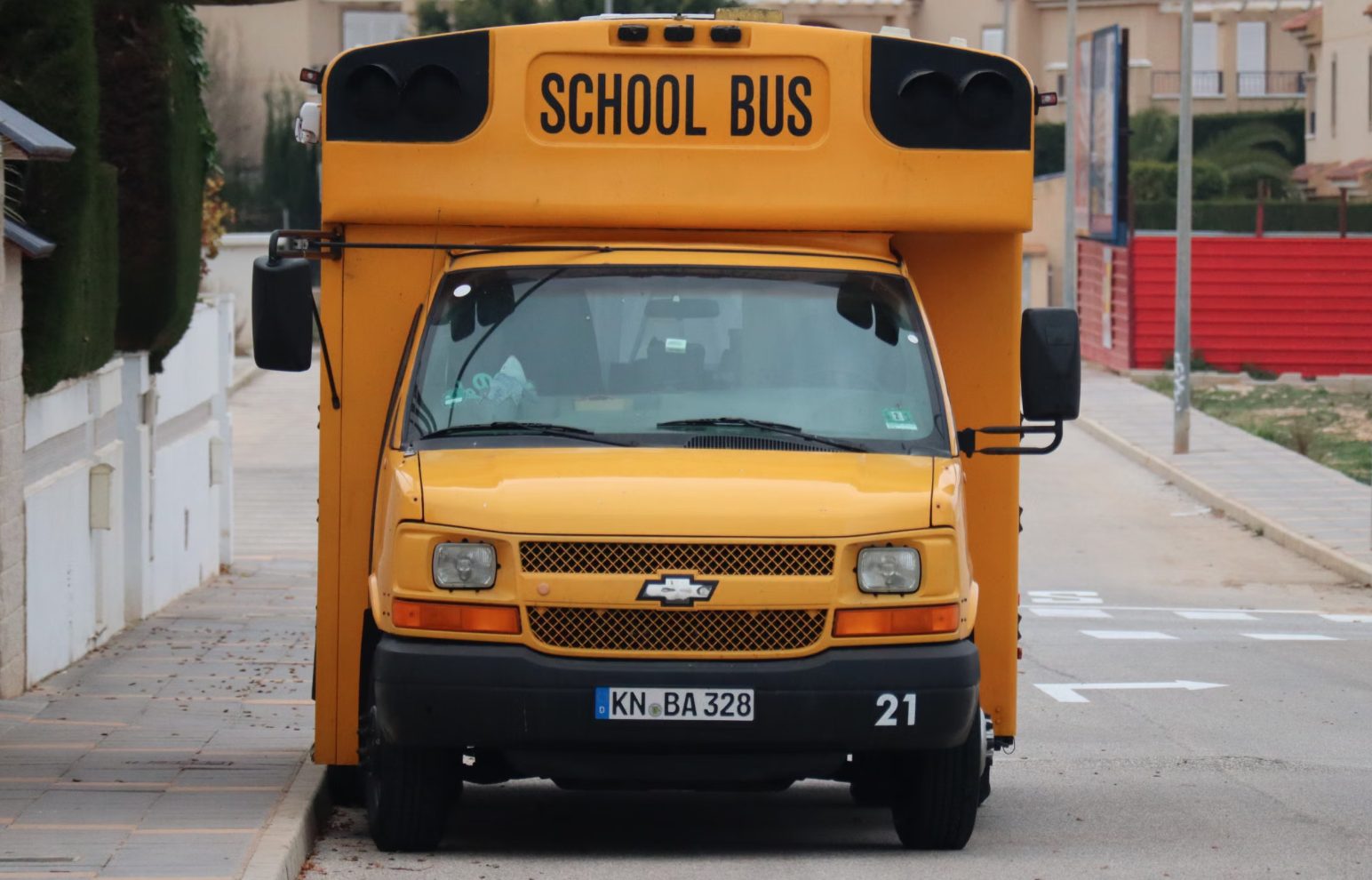
School Bus
Parents often have to shoulder transportation responsibilities for their children, illustrating how some families are covering transportation costs when district bus service falls short. (Pexels).

Parents rarely expect to pay out of pocket for transportation that is included in their child’s Individualized Education Program (IEP). The Individuals with Disabilities Education Act (IDEA) considers transportation a “related service” when it’s necessary for a child to receive a free appropriate public education (FAPE), making transportation more than just a convenience in many special education programs.

Yet across the United States, some families find themselves covering fuel costs, mileage, rideshare fees, or even private transportation when school districts cannot provide reliable service. Bus driver shortages, rising transportation costs, and staffing challenges have placed additional pressure on special education transportation systems in many communities. Many districts have reported persistent school bus driver shortages in recent years, forcing route consolidations, delayed pickups, and greater reliance on parents for temporary transportation in some communities.

Why Some Families Are Paying for Special Education Transportation

Special education transportation is considered a related service under federal law when it is necessary for a student to benefit from their education. However, transportation challenges have grown as districts struggle with driver shortages, increasing fuel costs, and longer travel routes for specialized programs. In some cases, districts ask parents to temporarily transport their child while staffing shortages are resolved, with reimbursement offered only if both parties agree. Other families report paying transportation costs without reimbursement because they were unaware they could request it or challenge the decision. These situations can create financial stress, particularly for households already managing medical appointments, therapies, and adaptive equipment expenses.

What Parents Should Know About Their Rights

If transportation is written into a child’s IEP, school districts are generally responsible for providing that service at no cost to the family. When a district cannot fulfill its transportation obligation, parents may be able to negotiate mileage reimbursement or another temporary solution through the IEP team. Keeping detailed records of travel dates, mileage, receipts, and communication with school officials can strengthen a reimbursement request if questions arise later. Families should never assume they must permanently absorb transportation expenses simply because a district is experiencing staffing shortages. Every situation is unique, making documentation and open communication essential throughout the process.

When Temporary Solutions Become Long-Term Problems

Many families willingly help during a short-term transportation disruption because they want their child to maintain consistent school attendance. Problems arise when temporary arrangements continue for months without a formal agreement or reimbursement plan. Missing work, paying for gasoline, or arranging private transportation several times each week can quickly add hundreds of dollars to a family’s monthly expenses. Transportation barriers may also reduce attendance, making it harder for students to receive specialized instruction and therapies outlined in their IEPs. Experts continue to warn that transportation challenges remain one of the most significant operational issues affecting school districts nationwide as costs continue to rise.

Practical Steps Families Can Take

Parents who believe they are unfairly paying for special education transportation should begin by reviewing their child’s current IEP. Requesting an IEP meeting provides an opportunity to discuss transportation concerns, document ongoing costs, and explore possible reimbursement options. It is also helpful to maintain organized records that include mileage logs, receipts, attendance records, and written correspondence with district staff. If concerns remain unresolved, families may wish to consult a special education advocate or attorney who understands state-specific regulations. Taking proactive steps early often prevents misunderstandings from becoming expensive long-term problems.

The Road Ahead for Families and School Districts

Transportation challenges are unlikely to disappear overnight, especially as school districts continue balancing tight budgets with increasing student needs. At the same time, families should not be expected to shoulder costs for services that are required to ensure their child receives an appropriate education. Collaborative communication between parents and school districts often produces better outcomes than waiting until financial hardships become overwhelming. Staying informed, asking questions, and documenting every transportation-related expense gives parents a stronger foundation if reimbursement becomes necessary. As transportation systems evolve, informed families remain their child’s strongest advocates.

Protecting Your Child’s Right to Transportation

Special education transportation is more than just getting to and from school—it can determine whether a child consistently receives the educational services they need to succeed. Families who understand their rights, maintain thorough documentation, and communicate proactively with their school district are often better positioned to resolve transportation issues. While staffing shortages and budget constraints are real challenges, they should not shift long-term transportation costs onto parents when those services are part of an IEP. Staying informed and advocating early can make a meaningful difference for both your child and your family’s finances.

Have you ever been asked to pay for transportation your child’s school was supposed to provide? Share your experience in the comments below and join the conversation.

What to Read Next

New York Parents Warn About Rising Transportation Issues for Special Needs Students

What Changes for Your Child’s IEP When They Turn 18

Are You Missing Out? How The Arc Helps Special Needs Families Secure Free Support Outside of School

Evan Morgan

Evan Morgan has been a full-time freelance writer and editor for 10+ years. When not working, he enjoys catching the latest true crime documentary or getting lost in a good book.

Filed Under: Education Tagged With: disability advocacy, education rights, family finances, IEP, Parents, school buses, school districts, special education, special education transportation, transportation reimbursement

Why More Districts Are Contracting Out Special Ed Support

June 21, 2026 | Leave a Comment

Teacher With Students
A special education specialist works one-on-one with students, highlighting how many districts now rely on contracted professionals to address staffing shortages and maintain required support services. (Pexels).

School districts across the United States are increasingly turning to outside providers to deliver special education services, and the trend is accelerating. From speech therapy and psychological evaluations to occupational therapy and behavioral support, contracted specialists are becoming a common part of public education. The primary keyword, contracted special education services, reflects a growing reality as schools struggle with staffing shortages and rising student needs. While some parents welcome faster access to specialists, others worry about consistency and long-term quality.

Staffing Shortages Are Pushing Districts to Look Elsewhere

One of the biggest reasons districts rely on contracted special education services is the nationwide shortage of qualified professionals. Many schools have difficulty recruiting speech-language pathologists, school psychologists, occupational therapists, and special education teachers, particularly in rural communities. According to the National Center for Education Statistics, about 15% of public school students receive special education services, creating significant demand for qualified staff. As vacancies remain open for months, outside agencies help districts maintain legally required services. For many administrators, contracting is less about preference and more about ensuring students receive timely support.

Contract Providers Can Fill Critical Gaps Faster

Hiring permanent employees often involves lengthy recruiting, certification verification, and onboarding processes that can stretch across an entire school year. Contract agencies typically maintain networks of licensed professionals who can begin working with students much sooner. For example, a district that suddenly loses its only occupational therapist may bring in a contracted specialist within weeks instead of leaving students waiting for services. Faster staffing helps schools stay compliant with Individualized Education Programs (IEPs) while reducing disruptions for families. Although temporary, these professionals often prevent significant learning delays.

Financial Pressures Also Influence the Decision

Budget concerns also play a major role in the growth of contracted special education services. While hourly contractor rates may appear expensive, districts avoid paying year-round salaries, pensions, health insurance, and other long-term employment costs. Smaller districts especially benefit because they may only need a specialist one or two days each week instead of hiring a full-time employee. Administrators also gain flexibility to adjust staffing based on changing enrollment or student needs. That flexibility can help schools manage unpredictable budgets without eliminating essential student support.

Families See Both Benefits and Challenges

Parents often have mixed reactions when services are provided by outside professionals instead of district employees. Many appreciate shorter wait times for evaluations or therapy sessions, especially when early intervention can significantly improve academic outcomes. Others worry that contract staff may change frequently, making it harder for children to build trusting relationships with the adults supporting them. Consistency is especially important for students with autism, emotional disabilities, or complex communication needs. Strong communication between districts, families, and contracted providers can reduce many of these concerns and improve continuity of care.

Outsourcing Is Not a Permanent Solution

Education experts generally agree that contracted special education services help districts solve immediate staffing problems but do not address the underlying workforce shortage. High caseloads, paperwork demands, burnout, and competitive private-sector salaries continue driving qualified professionals away from school systems. Some districts are expanding tuition assistance, residency programs, and signing bonuses to recruit permanent staff while still relying on contractors in the meantime. Others are investing in teletherapy to connect students with licensed specialists remotely when local professionals are unavailable. The most successful districts often combine short-term contracting with long-term workforce development strategies.

Looking Ahead: What This Means for Students

The growing use of contracted special education services reflects the difficult balancing act facing school districts today. Schools must meet federal requirements while responding to staffing shortages, increasing student enrollment, and tightening budgets. When managed carefully, contracted providers can deliver valuable expertise and ensure students receive the support outlined in their IEPs without unnecessary delays. However, lasting success depends on building stable teams, maintaining strong communication with families, and investing in permanent special education professionals whenever possible. As districts continue adapting, parents who stay informed and engaged remain an essential part of ensuring every child receives the services they deserve.

What has your experience been with special education services in your local school district? Do you think contracting outside specialists is helping students, or should districts focus more on hiring permanent staff? Share your thoughts in the comments below and join the conversation.

What to Read Next

California Parents Push Back Against Proposed Special Ed Budget Reductions

The School Budget Cuts Parents Say Are Hitting Special Education First

New York Parents Warn About Rising Transportation Issues for Special Needs Students

Evan Morgan

Evan Morgan has been a full-time freelance writer and editor for 10+ years. When not working, he enjoys catching the latest true crime documentary or getting lost in a good book.

Filed Under: Education Tagged With: contracted special education services, education funding, IEP, occupational therapy, school districts, school psychologists, special education, speech therapy, students with disabilities

  • Facebook
  • Pinterest
  • RSS
  • Twitter

Basic Principles Of Good Parenting

Here some basic principles for good parenting:

  1. What You Do Matters: Your kids are watching you. So, be purposeful about what you want to accomplish.
  2. You Can’t be Too Loving: Don’t replace love with material possessions, lowered expectations or leniency.
  3. Be Involved Your Kids Life: Arrange your priorities to focus on what your kid’s needs. Be there mentally and physically.
  4. Adapt Your Parenting: Children grow quickly, so keep pace with your child’s development.
  5. Establish and Set Rules: The rules you set for children will establish the rules they set for themselves later.  Avoid harsh discipline and be consistent.
  6. Explain Your Decisions: What is obvious to you may not be evident to your child. They don’t have the experience you do.
  7. Be Respectful To Your Child: How you treat your child is how they will treat others.  Be polite, respectful and make an effort to pay attention.
Best Parenting Blogs

Most Popular

Baby

9 Unusual Baby Names That Sound Like They Belong to Future CEOs

Evan Morgan
Baby

10 Baby Names That Were Once Considered “Grandparent Names” but Feel Cool Again

Evan Morgan
Target Store

Choking Incident Prompts Recall of 49,000 Target Gigglescape “Under the Sea” Popping Toys

Evan Morgan
Frustrated Girl

Why Some Students on the Spectrum Are Labeled With ODD

Evan Morgan
Coke Bottles

12 Things Kids Took to School in the ’70s That Would Never Be Allowed Today

Evan Morgan

All content on Kids Ain’t Cheap is for entertainment purposes only. By reading this blog, you agree that Kids Ain’t Cheap is not responsible for any actions taken after reading this blog. For the full disclaimer, see our privacy policy.

Please note that Kids Ain’t Cheap has financial relationships with some of the merchants mentioned here. Kids Ain’t Cheap is funded by banner advertising, commission sales and search optimization consulting.

Copyright © 2006–2026 | District Media | All Rights Reserved | Privacy Policy

Copyright © 2026 Runway Pro Theme by Viva la Violette