• Home
  • About Us
  • Toolkit
  • Archives
  • Advertise
  • Privacy Policy

Kids Ain't Cheap

But They Sure Are Worth It

  • Parenting
    • Baby Stuff
    • Books and Reading
      • Aesops Fables
      • Comic Books
    • Education
    • Family Time
    • Green Living
    • Growing Up
    • Healthy Living & Eating
    • Holidays
    • Parenting
    • Random Musings
    • Shopping
    • Stuff to Do
  • Money
  • Product Reviews
    • Books and Magazines
    • Discount Sites
    • Furniture
    • House Keeping
    • Reviews News
    • Toys and Games
  • Contact Us
  • Our Editorial Commitment
  • Search

Special Ed Transportation: When Families End Up Paying for Busing

June 28, 2026 | Leave a Comment

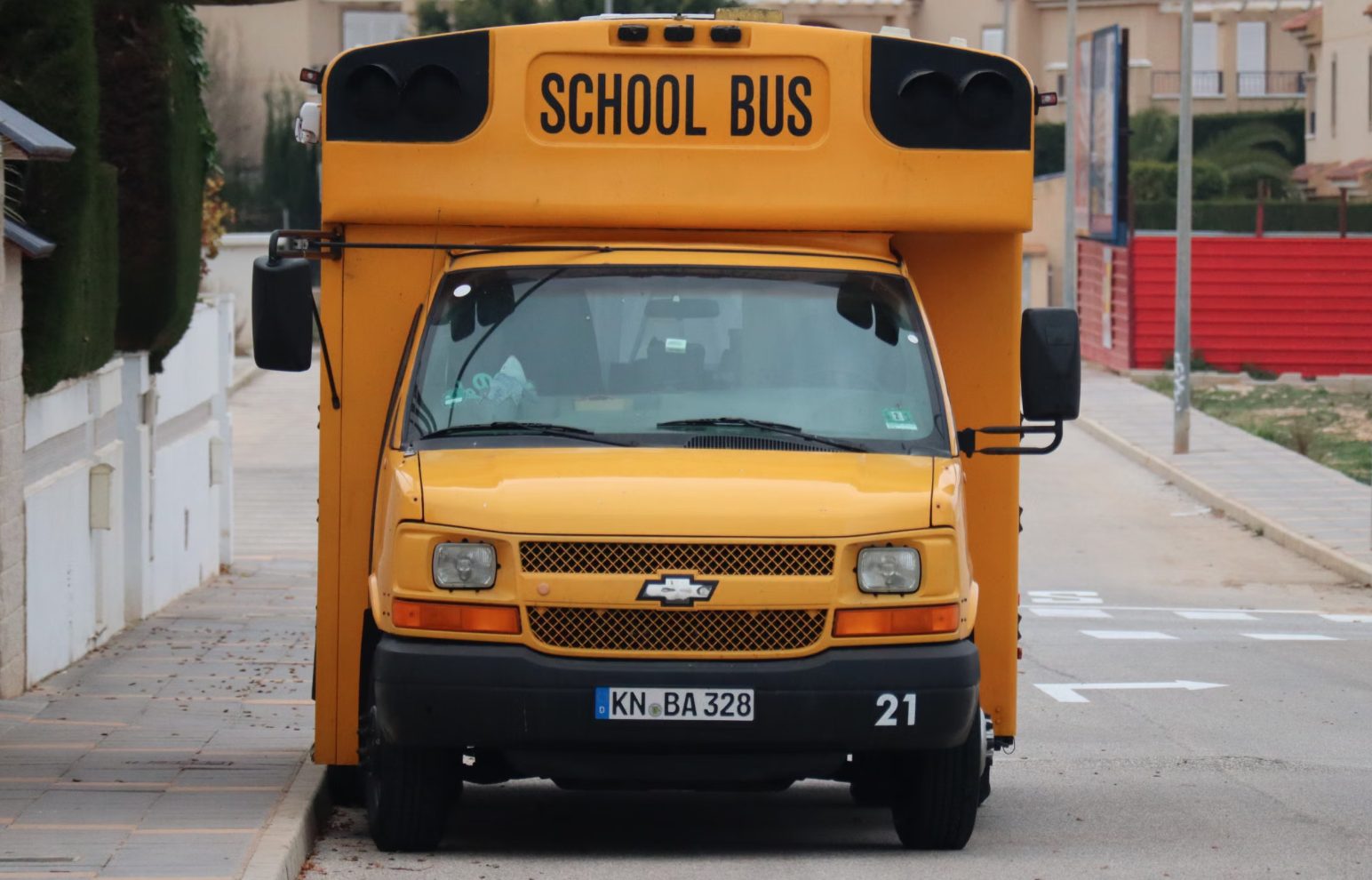
School Bus
Parents often have to shoulder transportation responsibilities for their children, illustrating how some families are covering transportation costs when district bus service falls short. (Pexels).

Parents rarely expect to pay out of pocket for transportation that is included in their child’s Individualized Education Program (IEP). The Individuals with Disabilities Education Act (IDEA) considers transportation a “related service” when it’s necessary for a child to receive a free appropriate public education (FAPE), making transportation more than just a convenience in many special education programs.

Yet across the United States, some families find themselves covering fuel costs, mileage, rideshare fees, or even private transportation when school districts cannot provide reliable service. Bus driver shortages, rising transportation costs, and staffing challenges have placed additional pressure on special education transportation systems in many communities. Many districts have reported persistent school bus driver shortages in recent years, forcing route consolidations, delayed pickups, and greater reliance on parents for temporary transportation in some communities.

Why Some Families Are Paying for Special Education Transportation

Special education transportation is considered a related service under federal law when it is necessary for a student to benefit from their education. However, transportation challenges have grown as districts struggle with driver shortages, increasing fuel costs, and longer travel routes for specialized programs. In some cases, districts ask parents to temporarily transport their child while staffing shortages are resolved, with reimbursement offered only if both parties agree. Other families report paying transportation costs without reimbursement because they were unaware they could request it or challenge the decision. These situations can create financial stress, particularly for households already managing medical appointments, therapies, and adaptive equipment expenses.

What Parents Should Know About Their Rights

If transportation is written into a child’s IEP, school districts are generally responsible for providing that service at no cost to the family. When a district cannot fulfill its transportation obligation, parents may be able to negotiate mileage reimbursement or another temporary solution through the IEP team. Keeping detailed records of travel dates, mileage, receipts, and communication with school officials can strengthen a reimbursement request if questions arise later. Families should never assume they must permanently absorb transportation expenses simply because a district is experiencing staffing shortages. Every situation is unique, making documentation and open communication essential throughout the process.

When Temporary Solutions Become Long-Term Problems

Many families willingly help during a short-term transportation disruption because they want their child to maintain consistent school attendance. Problems arise when temporary arrangements continue for months without a formal agreement or reimbursement plan. Missing work, paying for gasoline, or arranging private transportation several times each week can quickly add hundreds of dollars to a family’s monthly expenses. Transportation barriers may also reduce attendance, making it harder for students to receive specialized instruction and therapies outlined in their IEPs. Experts continue to warn that transportation challenges remain one of the most significant operational issues affecting school districts nationwide as costs continue to rise.

Practical Steps Families Can Take

Parents who believe they are unfairly paying for special education transportation should begin by reviewing their child’s current IEP. Requesting an IEP meeting provides an opportunity to discuss transportation concerns, document ongoing costs, and explore possible reimbursement options. It is also helpful to maintain organized records that include mileage logs, receipts, attendance records, and written correspondence with district staff. If concerns remain unresolved, families may wish to consult a special education advocate or attorney who understands state-specific regulations. Taking proactive steps early often prevents misunderstandings from becoming expensive long-term problems.

The Road Ahead for Families and School Districts

Transportation challenges are unlikely to disappear overnight, especially as school districts continue balancing tight budgets with increasing student needs. At the same time, families should not be expected to shoulder costs for services that are required to ensure their child receives an appropriate education. Collaborative communication between parents and school districts often produces better outcomes than waiting until financial hardships become overwhelming. Staying informed, asking questions, and documenting every transportation-related expense gives parents a stronger foundation if reimbursement becomes necessary. As transportation systems evolve, informed families remain their child’s strongest advocates.

Protecting Your Child’s Right to Transportation

Special education transportation is more than just getting to and from school—it can determine whether a child consistently receives the educational services they need to succeed. Families who understand their rights, maintain thorough documentation, and communicate proactively with their school district are often better positioned to resolve transportation issues. While staffing shortages and budget constraints are real challenges, they should not shift long-term transportation costs onto parents when those services are part of an IEP. Staying informed and advocating early can make a meaningful difference for both your child and your family’s finances.

Have you ever been asked to pay for transportation your child’s school was supposed to provide? Share your experience in the comments below and join the conversation.

What to Read Next

New York Parents Warn About Rising Transportation Issues for Special Needs Students

What Changes for Your Child’s IEP When They Turn 18

Are You Missing Out? How The Arc Helps Special Needs Families Secure Free Support Outside of School

Evan Morgan

Evan Morgan has been a full-time freelance writer and editor for 10+ years. When not working, he enjoys catching the latest true crime documentary or getting lost in a good book.
Filed Under: Education Tagged With: disability advocacy, education rights, family finances, IEP, Parents, school buses, school districts, special education, special education transportation, transportation reimbursement

New York Parents Warn About Rising Transportation Issues for Special Needs Students

May 25, 2026 | Leave a Comment

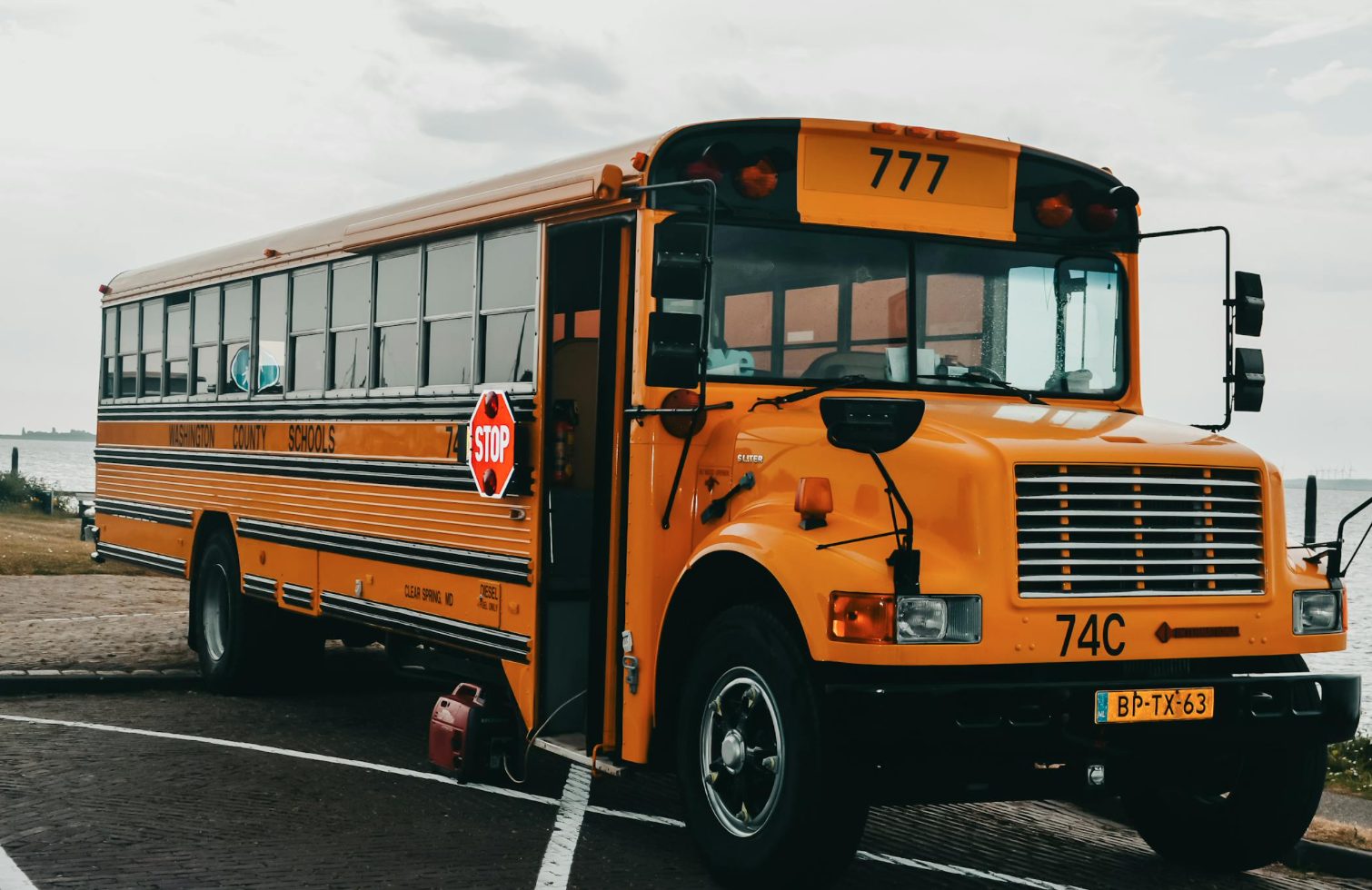
School Bus
New York families face many transportation issues for special needs kids – Pexels

For many New York families, getting a child to school safely is no longer a routine part of the day. Parents of children with disabilities are raising concerns about missed pickups, long bus rides, staffing shortages, and missing accommodations tied to special education transportation. When a child depends on a predictable schedule, medical support, or behavioral accommodations, transportation problems can affect far more than arrival time. Families say the growing strain is disrupting education, family finances, and student well-being.

Why Special Education Transportation Is Becoming a Bigger Concern

Special education transportation is not simply a school bus ride for many students. Some children require wheelchair access, travel time limits, air conditioning, safety harnesses, or trained bus aides written into their Individualized Education Programs, known as IEPs. New York City schools recognize that specialized transportation may be required when a student’s medical, cognitive, emotional, or physical needs make standard transportation unsafe. When these supports are delayed, missing, or inconsistently provided, parents say the consequences can include anxiety, missed instruction, and safety risks. Families argue that reliable transportation is not an optional service but an essential educational support.

Parents Describe Delays, Long Routes, and Daily Stress

Families across New York have described transportation challenges that go far beyond occasional late buses. Parents and disability advocates have reported students missing weeks of transportation, enduring extremely long rides, or lacking required accommodations despite documented needs. For a child with autism, epilepsy, mobility limitations, or sensory sensitivities, an extended commute can trigger exhaustion, behavioral setbacks, or medical concerns. Many parents say the unpredictability also affects work schedules, childcare costs, and household stability. What might appear to be a scheduling issue can quickly become a daily crisis for families already juggling complex care responsibilities.

Safety and Accountability Remain Top Concerns for Families

Transportation problems are not only about timing; safety remains a major concern for caregivers. Parents worry about whether drivers and bus aides receive adequate training for students with communication challenges, behavioral needs, or medical conditions. Recent incidents involving special needs transportation workers in New York have intensified public concern about oversight and student protection. Families often ask a simple question: if accommodations are legally required, who ensures they are consistently delivered every day? Many caregivers say stronger accountability measures and better communication could help rebuild trust.

What Parents Can Do When Special Education Transportation Breaks Down

Parents facing recurring transportation issues are not powerless, even though the process can feel overwhelming. Experts often recommend documenting missed pickups, excessive delays, unsafe conditions, and communication failures with dates, screenshots, or written logs. Families can also request an IEP review if transportation accommodations are not meeting a child’s documented needs or if new concerns emerge. Keeping organized records may help when speaking with school districts, advocates, attorneys, or special education support organizations. Knowing your rights and staying proactive can make a meaningful difference when special education transportation problems continue.

Behind New York’s Transportation Complaints

The debate over special education transportation is really about educational access and trust. A child cannot fully benefit from school services if getting to class becomes a daily struggle filled with uncertainty, missed supports, or safety fears. Parents warning about rising transportation issues are pushing for something many families consider basic: reliable, respectful, and appropriately supported transportation for vulnerable students.

What has your experience been with special education transportation in New York or your own community, and what changes do you believe schools should make? Share your thoughts in the comments and join the conversation.

What to Read Next

7 Things Veteran Special Education Parents Wish They’d Known Earlier

7 New North Carolina School Policies Special Needs Parents Should Watch in 2026

Parents Say Summer Is Financially Brutal for Families With Special Needs Children

Evan Morgan

Evan Morgan has been a full-time freelance writer and editor for 10+ years. When not working, he enjoys catching the latest true crime documentary or getting lost in a good book.

Filed Under: Parenting Tagged With: disabilities, Education News, New York, NYC schools, Parenting, school buses, special education transportation, special needs students, student safety, transportation issues

  • Facebook
  • Pinterest
  • RSS
  • Twitter

Basic Principles Of Good Parenting

Here some basic principles for good parenting:

  1. What You Do Matters: Your kids are watching you. So, be purposeful about what you want to accomplish.
  2. You Can’t be Too Loving: Don’t replace love with material possessions, lowered expectations or leniency.
  3. Be Involved Your Kids Life: Arrange your priorities to focus on what your kid’s needs. Be there mentally and physically.
  4. Adapt Your Parenting: Children grow quickly, so keep pace with your child’s development.
  5. Establish and Set Rules: The rules you set for children will establish the rules they set for themselves later.  Avoid harsh discipline and be consistent.
  6. Explain Your Decisions: What is obvious to you may not be evident to your child. They don’t have the experience you do.
  7. Be Respectful To Your Child: How you treat your child is how they will treat others.  Be polite, respectful and make an effort to pay attention.
Best Parenting Blogs

Most Popular

Baby

9 Unusual Baby Names That Sound Like They Belong to Future CEOs

Evan Morgan
Baby

10 Baby Names That Were Once Considered “Grandparent Names” but Feel Cool Again

Evan Morgan
Target Store

Choking Incident Prompts Recall of 49,000 Target Gigglescape “Under the Sea” Popping Toys

Evan Morgan
Frustrated Girl

Why Some Students on the Spectrum Are Labeled With ODD

Evan Morgan
Coke Bottles

12 Things Kids Took to School in the ’70s That Would Never Be Allowed Today

Evan Morgan

All content on Kids Ain’t Cheap is for entertainment purposes only. By reading this blog, you agree that Kids Ain’t Cheap is not responsible for any actions taken after reading this blog. For the full disclaimer, see our privacy policy.

Please note that Kids Ain’t Cheap has financial relationships with some of the merchants mentioned here. Kids Ain’t Cheap is funded by banner advertising, commission sales and search optimization consulting.

Copyright © 2006–2026 | District Media | All Rights Reserved | Privacy Policy

Copyright © 2026 Runway Pro Theme by Viva la Violette