• Home
  • About Us
  • Toolkit
  • Archives
  • Advertise
  • Privacy Policy

Kids Ain't Cheap

But They Sure Are Worth It

  • Parenting
    • Baby Stuff
    • Books and Reading
      • Aesops Fables
      • Comic Books
    • Education
    • Family Time
    • Green Living
    • Growing Up
    • Healthy Living & Eating
    • Holidays
    • Parenting
    • Random Musings
    • Shopping
    • Stuff to Do
  • Money
  • Product Reviews
    • Books and Magazines
    • Discount Sites
    • Furniture
    • House Keeping
    • Reviews News
    • Toys and Games
  • Contact Us
  • Our Editorial Commitment
  • Search

New York Parents Warn About Rising Transportation Issues for Special Needs Students

May 25, 2026 | Leave a Comment

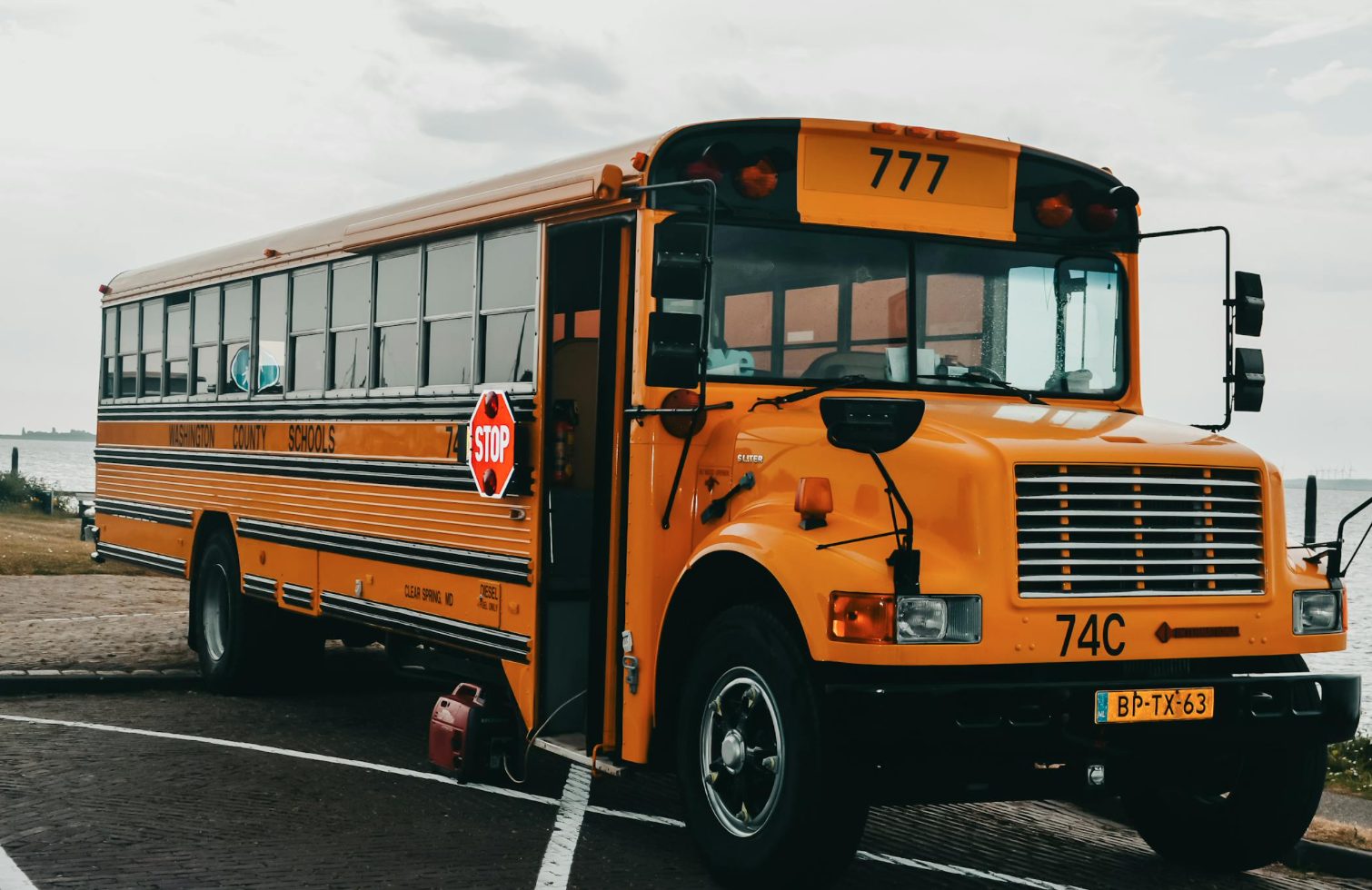
School Bus
New York families face many transportation issues for special needs kids – Pexels

For many New York families, getting a child to school safely is no longer a routine part of the day. Parents of children with disabilities are raising concerns about missed pickups, long bus rides, staffing shortages, and missing accommodations tied to special education transportation. When a child depends on a predictable schedule, medical support, or behavioral accommodations, transportation problems can affect far more than arrival time. Families say the growing strain is disrupting education, family finances, and student well-being.

Why Special Education Transportation Is Becoming a Bigger Concern

Special education transportation is not simply a school bus ride for many students. Some children require wheelchair access, travel time limits, air conditioning, safety harnesses, or trained bus aides written into their Individualized Education Programs, known as IEPs. New York City schools recognize that specialized transportation may be required when a student’s medical, cognitive, emotional, or physical needs make standard transportation unsafe. When these supports are delayed, missing, or inconsistently provided, parents say the consequences can include anxiety, missed instruction, and safety risks. Families argue that reliable transportation is not an optional service but an essential educational support.

Parents Describe Delays, Long Routes, and Daily Stress

Families across New York have described transportation challenges that go far beyond occasional late buses. Parents and disability advocates have reported students missing weeks of transportation, enduring extremely long rides, or lacking required accommodations despite documented needs. For a child with autism, epilepsy, mobility limitations, or sensory sensitivities, an extended commute can trigger exhaustion, behavioral setbacks, or medical concerns. Many parents say the unpredictability also affects work schedules, childcare costs, and household stability. What might appear to be a scheduling issue can quickly become a daily crisis for families already juggling complex care responsibilities.

Safety and Accountability Remain Top Concerns for Families

Transportation problems are not only about timing; safety remains a major concern for caregivers. Parents worry about whether drivers and bus aides receive adequate training for students with communication challenges, behavioral needs, or medical conditions. Recent incidents involving special needs transportation workers in New York have intensified public concern about oversight and student protection. Families often ask a simple question: if accommodations are legally required, who ensures they are consistently delivered every day? Many caregivers say stronger accountability measures and better communication could help rebuild trust.

What Parents Can Do When Special Education Transportation Breaks Down

Parents facing recurring transportation issues are not powerless, even though the process can feel overwhelming. Experts often recommend documenting missed pickups, excessive delays, unsafe conditions, and communication failures with dates, screenshots, or written logs. Families can also request an IEP review if transportation accommodations are not meeting a child’s documented needs or if new concerns emerge. Keeping organized records may help when speaking with school districts, advocates, attorneys, or special education support organizations. Knowing your rights and staying proactive can make a meaningful difference when special education transportation problems continue.

Behind New York’s Transportation Complaints

The debate over special education transportation is really about educational access and trust. A child cannot fully benefit from school services if getting to class becomes a daily struggle filled with uncertainty, missed supports, or safety fears. Parents warning about rising transportation issues are pushing for something many families consider basic: reliable, respectful, and appropriately supported transportation for vulnerable students.

What has your experience been with special education transportation in New York or your own community, and what changes do you believe schools should make? Share your thoughts in the comments and join the conversation.

What to Read Next

7 Things Veteran Special Education Parents Wish They’d Known Earlier

7 New North Carolina School Policies Special Needs Parents Should Watch in 2026

Parents Say Summer Is Financially Brutal for Families With Special Needs Children

Evan Morgan

Evan Morgan has been a full-time freelance writer and editor for 10+ years. When not working, he enjoys catching the latest true crime documentary or getting lost in a good book.

Filed Under: Parenting Tagged With: disabilities, Education News, New York, NYC schools, Parenting, school buses, special education transportation, special needs students, student safety, transportation issues

NYC’s Class Size Law Deadline Is Getting Closer — Here’s Why Parents May See Staffing Disruptions

March 1, 2026 | Leave a Comment

NYC’s Class Size Law
Image source: shutterstock.com

Walking into your child’s school this fall might feel a little different. It isn’t just the new hallway paint. A massive legislative clock is ticking for New York City Public Schools. The 2026-2027 deadline forces administrators to make impossible choices. State law requires 80% of all classrooms to meet strict new caps by next year. This is a jump from the current 60% target. Smaller classes sound like a dream. However, the hidden reality shows a system scrambling for space and staff. This chaos could turn your child’s stable school environment upside down. You must understand how these mandates work before the next schedule change hits your home.

The Space Crunch and the Loss of Specialty Rooms

The biggest hurdle to smaller classes isn’t just a teacher shortage. It is the literal lack of four walls and a door. Many principals must now choose between a smaller math class and keeping art or music rooms. Over-enrolled schools view every square inch of their buildings as potential classroom space. This means your child’s favorite elective might soon move to a rolling cart. Schools may even combine grades to free up a room. The system currently prioritizes the headcount over the richness of the educational experience.

Many high-performing schools struggle the most because they are in high demand. These popular schools often have the largest classes. Therefore, they have the furthest to go to reach the new state limits. On the other hand, schools in lower-income areas often have smaller classes already. Yet, these schools lack the funding to keep specialized staff. This creates a messy redistribution of resources. It doesn’t always put student needs first. Your child’s school might even claim an ‘exempt’ status because no physical space remains. This leaves the overcrowding problem exactly where it started.

The Staffing Shuffle and Teacher Shortages

Hiring teachers for thousands of new classrooms is a logistical nightmare. The city already faces a persistent teacher shortage. Even with millions invested, finding qualified educators for bilingual math or special education is nearly impossible. This leads to a ‘staffing shuffle.’ Districts move experienced teachers around to meet compliance numbers. This often leaves certain grades with a revolving door of substitutes. It is a game of musical chairs where the music never stops. The children lose out on consistent instruction.

The law aims to help kids, but the implementation wreaks havoc on school stability. You can read the full text of the Class Size Law (Chapter 556) to see the specific mandates. When a school creates a new section, they often pull an assistant principal back into a teaching role. This leaves the school with less administrative support for discipline or parent communication. You may notice that emails go unreturned. School-wide events might face cancellation because the staff is stretched thin. Smaller classes are a great goal. However, without the proper infrastructure, they become a source of daily disruption.

Protecting Your Child’s Academic Stability

Your primary concern is whether your child is actually learning. The 80% compliance mark will be the most difficult transition yet. You need to join your School Leadership Team (SLT) meetings to see what the school trades away. You should also review the NYC DOE Class Size Reports to see where your specific school stands. Ask your principal directly how they plan to meet the caps. Find out if any specialty programs are on the chopping block. By staying informed, you can advocate for a balanced approach. You can respect the law without sacrificing the heart of your school’s community. You have worked too hard for stability to let a mandate dismantle it.

Have you seen changes in your child’s school building or schedule because of the class size law? Leave a comment below and tell us if the changes feel like an improvement or a disruption.

What to read next…

  • Virginia Law: The Baby Food Protection Act Just Banned These Brands from Shelves
  • Before You Pay: 6 Classroom Requests That Are Now Being Sent as Supply Lists.
  • Parents Are Stunned by the New Homework Shift Showing Up in Elementary Schools
Latrice Perez

Latrice is a dedicated professional with a rich background in social work, complemented by an Associate Degree in the field. Her journey has been uniquely shaped by the rewarding experience of being a stay-at-home mom to her two children, aged 13 and 5. This role has not only been a testament to her commitment to family but has also provided her with invaluable life lessons and insights.  As a mother, Latrice has embraced the opportunity to educate her children on essential life skills, with a special focus on financial literacy.

Filed Under: Legal Tagged With: class size law, education policy, New York City, NYC education, NYC schools, parent advocacy, school staffing, teacher shortage

  • Facebook
  • Pinterest
  • RSS
  • Twitter

Basic Principles Of Good Parenting

Here some basic principles for good parenting:

  1. What You Do Matters: Your kids are watching you. So, be purposeful about what you want to accomplish.
  2. You Can’t be Too Loving: Don’t replace love with material possessions, lowered expectations or leniency.
  3. Be Involved Your Kids Life: Arrange your priorities to focus on what your kid’s needs. Be there mentally and physically.
  4. Adapt Your Parenting: Children grow quickly, so keep pace with your child’s development.
  5. Establish and Set Rules: The rules you set for children will establish the rules they set for themselves later.  Avoid harsh discipline and be consistent.
  6. Explain Your Decisions: What is obvious to you may not be evident to your child. They don’t have the experience you do.
  7. Be Respectful To Your Child: How you treat your child is how they will treat others.  Be polite, respectful and make an effort to pay attention.
Best Parenting Blogs

Most Popular

Baby

9 Baby Names That Sound Rare Without Being Hard to Spell

Evan Morgan
Baby

9 Unusual Baby Names That Sound Like They Belong to Future CEOs

Evan Morgan
Target Store

Choking Incident Prompts Recall of 49,000 Target Gigglescape “Under the Sea” Popping Toys

Evan Morgan
Frustrated Girl

Why Some Students on the Spectrum Are Labeled With ODD

Evan Morgan
Coke Bottles

12 Things Kids Took to School in the ’70s That Would Never Be Allowed Today

Evan Morgan

All content on Kids Ain’t Cheap is for entertainment purposes only. By reading this blog, you agree that Kids Ain’t Cheap is not responsible for any actions taken after reading this blog. For the full disclaimer, see our privacy policy.

Please note that Kids Ain’t Cheap has financial relationships with some of the merchants mentioned here. Kids Ain’t Cheap is funded by banner advertising, commission sales and search optimization consulting.

Copyright © 2006–2026 | District Media | All Rights Reserved | Privacy Policy

Copyright © 2026 Runway Pro Theme by Viva la Violette