
• Home
  • About Us
  • Toolkit
  • Archives
  • Advertise
  • Privacy Policy

Kids Ain't Cheap

But They Sure Are Worth It

  • Parenting
    • Baby Stuff
    • Books and Reading
      • Aesops Fables
      • Comic Books
    • Education
    • Family Time
    • Green Living
    • Growing Up
    • Healthy Living & Eating
    • Holidays
    • Parenting
    • Random Musings
    • Shopping
    • Stuff to Do
  • Money
  • Product Reviews
    • Books and Magazines
    • Discount Sites
    • Furniture
    • House Keeping
    • Reviews News
    • Toys and Games
  • Contact Us
  • Our Editorial Commitment
  • Search

Student ID Cards Must Now List the Trevor Project Hotline – A Lifeline for LGBTQ Youth

July 4, 2026 | Leave a Comment

Mental Health Matters
California student ID cards display mental health resources, including The Trevor Project hotline, highlighting how schools are expanding access to crisis support for LGBTQ youth. (Pexels).

Across California, a small change to student ID cards could have a meaningful impact on young lives. Beginning July 1, 2026, public middle schools, high schools, and public colleges are required to print The Trevor Project’s crisis hotline information alongside other mental health resources on student identification cards. The goal is simple: make specialized crisis support immediately accessible to LGBTQ+ students who may need it most. Supporters say placing lifesaving resources directly in students’ wallets removes one more barrier to getting help during a mental health crisis.

Why This New Student ID Card Requirement Matters

California’s new law, Assembly Bill 727, expands an existing requirement that already placed the 988 Suicide & Crisis Lifeline on student ID cards. Starting this school year, public schools serving grades 7 through 12 and California’s public colleges must also include The Trevor Project’s phone number and text line. The organization provides free, confidential crisis intervention and suicide prevention services specifically for LGBTQ+ young people, available 24 hours a day. Supporters believe having this information visible every day increases the likelihood that students—or friends concerned about someone else—can quickly access help. Mental health advocates often note that even a few seconds saved during a crisis can make a significant difference.

The Mental Health Challenges Facing LGBTQ Youth

The need for specialized support is backed by extensive research. According to The Trevor Project’s most recent national survey, 39% of LGBTQ young people seriously considered attempting suicide during the past year, while many reported difficulty accessing affirming mental health care. California lawmakers cited similar findings showing that roughly half of LGBTQ youth who wanted mental health services were unable to receive them. Experts consistently emphasize that these elevated risks are linked to bullying, discrimination, family rejection, and social isolation rather than a person’s identity itself. By placing crisis resources directly on student ID cards, schools hope students can find help without having to search online during moments of distress.

Student ID Cards Become More Than School Identification

For many students, an ID card is one of the few items they carry every day. Beyond granting access to classrooms, libraries, or sporting events, these cards are increasingly becoming tools for student safety and well-being. Several states already require suicide prevention resources on student IDs, but California’s law is among the first to specifically include The Trevor Project’s LGBTQ-focused hotline. The card will display both the organization’s phone number (1-866-488-7386) and text option by texting START to 678-678, making support available in whichever format feels most comfortable. For students who may not be ready to speak aloud, texting can provide an important alternative.

What Families and Schools Should Understand

Some parents have questioned whether listing The Trevor Project replaces existing school counseling or family involvement. It does not. The hotline is intended as an additional crisis resource that complements counselors, trusted adults, teachers, and mental health professionals already available within schools and communities. Like the 988 Lifeline, it serves as an immediate point of contact during emotional crises when someone may not know where else to turn. Mental health professionals generally agree that expanding access to multiple support options increases the chances that young people will seek help before a crisis escalates.

A Small Change That Could Save Lives

Adding a hotline number to a student ID card may seem like a modest policy change, but accessibility often matters during emergencies. When someone is experiencing overwhelming anxiety, depression, or thoughts of self-harm, searching for resources can feel impossible. Having trusted contact information already in hand removes that obstacle and creates another pathway to support. Whether students personally use the resource or share it with a friend in need, the requirement reflects a broader effort to make mental health assistance easier to reach. Time will ultimately measure its impact, but advocates hope this simple addition helps save lives through earlier intervention.

Do you think placing mental health resources directly on student ID cards could encourage more young people to seek help when they need it most? Share your thoughts and experiences in the comments below. Your perspective could help spark an important conversation about student mental health and school safety.

What to Read Next

9 Children’s Cartoons That Are Really Made For Adults

How the Seamless Summer Option Keeps Kids Fed After the School Year Ends

The Late Diagnosis Wave: 5 Autism Signs Often Missed Until Middle School

Evan Morgan

Evan Morgan has been a full-time freelance writer and editor for 10+ years. When not working, he enjoys catching the latest true crime documentary or getting lost in a good book.

Filed Under: News Tagged With: AB 727, California schools, Education News, LGBTQ youth, Mental Health, school safety, student ID cards, student wellness, suicide prevention, Trevor Project

All-Gender Restrooms Are Now Required in K-12 Schools – What Parents Should Know

July 1, 2026 | Leave a Comment

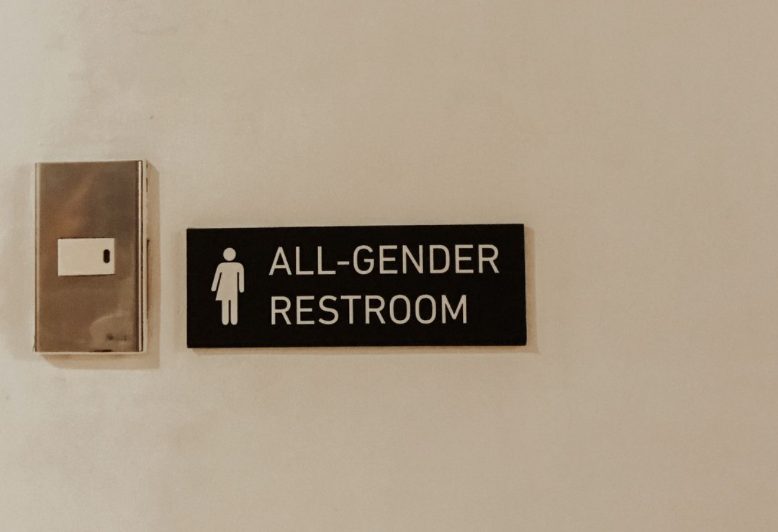
All-Gender Restroom Sign
California schools must now provide at least one voluntary all-gender restroom while continuing to offer traditional boys’ and girls’ restrooms. Parents should understand how the new requirement works before the school year begins. (Pexels).

Parents across California are seeing a significant change on school campuses as a new restroom requirement officially takes effect. Beginning July 1, 2026, every qualifying K-12 public school campus must provide at least one all-gender restroom for voluntary student use under Senate Bill 760. The law is intended to improve accessibility and privacy while ensuring that every student has a safe restroom option.

“Schools should provide a safe and inclusive environment for all students, one where they’re able to focus on learning and where they’re encouraged to thrive academically, socially and emotionally,” said California Senator Josh Newman, author of SB 760. Understanding what the change actually means—and what it doesn’t mean—can help families separate facts from misconceptions.

What the New Law Actually Requires

The new requirement applies to California public school districts, county offices of education, and charter schools serving students in grades K-12. “These measures will help protect vulnerable youth, promote acceptance, and create more supportive environments in our schools and communities,” said Gavin Newsom when signing the legislation.

Schools with more than one boys’ restroom and more than one girls’ restroom must provide at least one clearly marked all-gender restroom that any student may choose to use. Existing boys’ and girls’ restrooms remain in place, meaning students are not required to use the all-gender restroom. In many cases, schools are simply redesignating an existing single-user restroom rather than building an entirely new facility. The all-gender restroom requirement is designed to expand restroom options instead of replacing traditional facilities.

Why Schools Are Adding All-Gender Restrooms

Supporters say the law focuses on student privacy, accessibility, and inclusion rather than on changing existing restroom policies. An all-gender restroom can benefit students with disabilities who need assistance from a caregiver of a different sex, younger siblings attending school events with parents, and students who simply prefer additional privacy. Many campuses already had similar single-user restrooms available for staff or visitors before this statewide requirement. Education leaders also note that students who avoid using school restrooms because they feel uncomfortable may experience health issues, missed class time, or decreased concentration. Providing another restroom option is intended to address those practical concerns.

Common Questions Parents Are Asking

One of the biggest misconceptions is that every restroom on campus will become gender-neutral, but that is not what the law requires. Traditional boys’ and girls’ restrooms continue operating exactly as before, with the all-gender restroom serving as an additional voluntary option. Parents may also wonder whether supervision or safety standards will change, but schools are still expected to maintain restroom monitoring, cleanliness, and campus security policies. Many all-gender restrooms are single-user facilities that offer increased privacy through locking doors. School administrators are also responsible for ensuring the restroom remains accessible, clearly marked, and properly maintained throughout the school day.

How Parents Can Stay Informed

If your child attends a California public school, consider asking campus administrators how the new restroom requirement has been implemented. Schools may have updated campus maps, family communications, or student handbooks explaining the available restroom options. Parents who understand the layout can have more informed conversations with their children before the school year begins. If your child expresses concerns, listening without assumptions and discussing available choices often leads to a more productive conversation than relying on social media rumors. Staying informed directly through your local school helps ensure you receive accurate information rather than speculation.

Looking Ahead: Communication Matters Most

Families should remember that implementation may look slightly different from one campus to another. Some schools already had single-user restrooms that met most of the new requirements, while others needed to update signage, install privacy locks, or designate a staff member as the required point of contact for implementation.

While opinions differ on the policy, the practical change is relatively straightforward: qualifying schools must provide at least one voluntary all-gender restroom while keeping existing boys’ and girls’ restrooms available. Parents who understand the details are better prepared to answer their children’s questions and communicate with school staff when needed. As with many education policies, clear information often reduces unnecessary confusion and helps families focus on what matters most—the safety, comfort, and well-being of every student.

What are your thoughts about this new requirement, and how do you think schools should communicate these changes to families? Share your perspective in the comments and join the conversation.

What to Read Next

The Code Words Schools Use When Denying Services

School Counselors Report a Rise in Severe Anxiety Among Younger Students

How the Seamless Summer Option Keeps Kids Fed After the School Year Ends

Evan Morgan

Evan Morgan has been a full-time freelance writer and editor for 10+ years. When not working, he enjoys catching the latest true crime documentary or getting lost in a good book.

Filed Under: Parenting Tagged With: all-gender restroom requirement, California schools, education policy, K-12 education, Parents, public schools, SB 760, school safety, student privacy

California Parents Push Back Against Proposed Special Ed Budget Reductions

May 29, 2026 | Leave a Comment

Parents And Child
Parents in California are pushing back against proposed special education budget cuts affecting their children – Pexels

For many California families, special education is not an optional school service. It can mean speech therapy that helps a child communicate, classroom aides that support learning, or behavioral programs that make school attendance possible. That is why growing concerns over California special education budget cuts are sparking strong reactions from parents across the state. Families, educators, and disability advocates say proposed reductions could deepen existing staffing shortages and strain already stretched school systems.

Parents Fear Essential Services Could Be Reduced

California parents argue that even small funding reductions can create major disruptions for children with disabilities. In practical terms, a tighter budget may translate into fewer speech therapists, delayed evaluations, larger caseloads, or reduced one-on-one classroom support. For families already navigating individualized education programs, or IEPs, these changes feel personal rather than political. Many parents say they spent years securing services their children legally need and worry that California special education budget cuts could reverse hard-won progress. Disability advocates note that demand for special education support has increased while schools continue battling workforce shortages.

Why Special Education Funding Matters Beyond the Classroom

Special education funding affects much more than academic performance. A child receiving occupational therapy at school may gain skills needed for independence at home, while counseling services can reduce behavioral crises and improve family stability. When services are delayed or reduced, parents often fill the gap themselves through private therapy, unpaid caregiving, or reduced work hours. That financial and emotional burden falls hardest on middle- and lower-income households. Critics of California special education budget cuts warn that cutting support today can create higher social and economic costs later.

Staffing Shortages Already Challenge California Schools

California schools are not entering this debate from a position of abundance. Many districts report ongoing difficulty hiring credentialed special education teachers, psychologists, aides, and therapists. Rising caseloads can increase burnout, which then leads to higher turnover and less continuity for students who depend on familiar routines and trusted professionals. Parents pushing back against California special education budget cuts argue that reducing funding during a staffing crisis risks worsening an already fragile system. Education reporting has highlighted concerns about growing student needs colliding with limited resources nationwide and in California schools.

Families Want Transparency and Long-Term Planning

Many parents are not simply asking lawmakers to spend more money without accountability. They want clearer explanations about how funding decisions are made, what programs could be affected, and how districts plan to protect legally required services. Some families worry that vague budget language can create confusion until changes begin showing up in classrooms months later. Others are calling for long-term planning that balances fiscal realities with student protections. Supporters of preserving special education funding say transparency is essential when discussing California special education budget cuts because families deserve time to prepare and participate in decisions affecting their children.

The Bigger Question Facing California Education

The debate over California special education budget cuts reflects a broader question about educational priorities. Schools across the country face competing demands, rising costs, and pressure to do more with limited resources. Yet many parents argue that students with disabilities should not become an easy target during difficult budget cycles. They point out that special education services are not enrichment programs that can simply be paused without consequences. For families whose children depend on specialized support to access learning, stability and consistency remain critical.

What This Fight Could Mean for California Families Moving Forward

California’s special education funding debate is about more than spreadsheets and policy language. It touches daily routines, educational access, family finances, and the future of children who rely on individualized support. Parents pushing back against California special education budget cuts are sending a clear message that funding decisions carry real-world consequences beyond district balance sheets. As lawmakers, educators, and advocates continue these discussions, many families will be watching closely for concrete answers.

What do you think — should California protect special education funding even during budget pressure? Share your thoughts in the comments and join the conversation.

What to Read Next

The School Budget Cuts Parents Say Are Hitting Special Education First

Texas Parents Say Special Education Staffing Shortages Are Getting Worse

New York Parents Warn About Rising Transportation Issues for Special Needs Students

Evan Morgan

Evan Morgan has been a full-time freelance writer and editor for 10+ years. When not working, he enjoys catching the latest true crime documentary or getting lost in a good book.

Filed Under: Education Tagged With: California education, California schools, California special education budget cuts, disability advocacy, IEP, school funding, special education

California’s Nondisclosure Law Blocked: What Every Parent Needs to Know About ‘Mirabelli v. Bonta’

March 31, 2026 | Leave a Comment

California school ban
Image source: shutterstock.com

Finding out your child has been leading a double life at school without your knowledge is a parent’s worst nightmare. You expect the education system to partner with you rather than hide vital information about your own family. Recently, a major legal shift occurred when the U.S. Supreme Court stepped in to address policies that once kept student gender identity transitions a secret from parents. This landmark intervention in the case of Mirabelli v. Bonta asserts that parents have a fundamental right to be involved in their children’s lives. The system that once forced teachers to withhold information is finally being held accountable by the federal judiciary. Understanding your rights as a parent is now more critical than ever before.

The Legal Impact of Mirabelli v. Bonta

The federal court determined that keeping parents in the dark violates the constitutional right to direct the upbringing of their children. Before this 2026 Supreme Court action, school districts implemented policies that specifically excluded families from sensitive conversations. Teachers were often placed in an impossible position, forced to choose between state mandates and parental trust. Surprisingly, the court found that these secrecy policies caused irreparable harm to the family unit and student well-being. This ruling serves as a massive win for transparency within the public school system across the state. You can read the official Supreme Court order and a detailed legal analysis of the parent victory to understand the current landscape. On the other hand, the state may still attempt to pursue further legal maneuvers as the case moves forward.

Navigating the New School Landscape

Parents must now be proactive in communicating with administrators to ensure their voices are heard in every decision. With the Supreme Court vacating the stay on parental notification, the barrier between the classroom and the living room has finally started to crumble. You have the legal standing to ask direct questions about the policies being enforced in your local district. Most schools are currently scrambling to update their handbooks to comply with the new judicial standards and federal privacy expectations. Consequently, staying informed is your best defense against any remaining pockets of administrative overreach. Furthermore, this case sets a powerful precedent for other states grappling with similar transparency issues in 2026.

Restoring Parental Authority in Education

The bond between a parent and a child is a sacred space that the government should not be allowed to enter. This legal clarity ensures that you remain the primary guide for your child’s emotional and social development. This victory validates your instinct that you are the most important advocate for your child’s future. Moving forward, the relationship between schools and families must be built on a foundation of total honesty and mutual respect.

Rebuilding the School-Home Partnership

The path toward a more transparent education system requires consistent engagement from every household. While the courts have protected your right to know, your active presence in the school community ensures that those rights are respected daily. Taking the time to meet with your child’s teachers and attend board meetings is a small price for the security of your family unit. How will you use this new legal clarity to engage more deeply with your child’s school administration this week? Please leave a comment and let me know how your local district is responding to these changes.

What to Read Next…

  • Virginia Baby Food Ban: 5 Specific Brands Just Prohibited Under New Safety Laws
  • Texas Vouchers vs. IEPs: The Hidden Legal Rights You Lose When You Switch Schools
  • 7 Things Your Child’s Teacher is Legally Required to Report to the State
Latrice Perez

Latrice is a dedicated professional with a rich background in social work, complemented by an Associate Degree in the field. Her journey has been uniquely shaped by the rewarding experience of being a stay-at-home mom to her two children, aged 13 and 5. This role has not only been a testament to her commitment to family but has also provided her with invaluable life lessons and insights.  As a mother, Latrice has embraced the opportunity to educate her children on essential life skills, with a special focus on financial literacy.

Filed Under: Education Tagged With: California law, California schools, Education News, family law, Mirabelli v Bonta, parental rights, school transparency, student privacy

  • Facebook
  • Pinterest
  • RSS
  • Twitter

Basic Principles Of Good Parenting

Here some basic principles for good parenting:

  1. What You Do Matters: Your kids are watching you. So, be purposeful about what you want to accomplish.
  2. You Can’t be Too Loving: Don’t replace love with material possessions, lowered expectations or leniency.
  3. Be Involved Your Kids Life: Arrange your priorities to focus on what your kid’s needs. Be there mentally and physically.
  4. Adapt Your Parenting: Children grow quickly, so keep pace with your child’s development.
  5. Establish and Set Rules: The rules you set for children will establish the rules they set for themselves later.  Avoid harsh discipline and be consistent.
  6. Explain Your Decisions: What is obvious to you may not be evident to your child. They don’t have the experience you do.
  7. Be Respectful To Your Child: How you treat your child is how they will treat others.  Be polite, respectful and make an effort to pay attention.
Best Parenting Blogs

Most Popular

11 Ways Kids Are Outsmarting Parental Controls 1. Using Alternate Devices One common trick is simply turning to another device. If a child’s main phone or tablet is restricted, they may borrow a sibling’s, friend’s, or even a school laptop. This instantly gives them access to content outside of parental oversight. Parents often focus on one device, forgetting that others in the household can serve as loopholes. Knowing this tactic helps families tighten controls across all electronics. 2. Clearing Browsing Histories Many kids quickly learn that clearing browsing history hides evidence of restricted activity. With just a few clicks, they can erase any trace of websites visited. This makes it harder for parents to notice when rules are being broken. Parents may assume no history means no browsing, but the reality is often the opposite. Kids are outsmarting parental controls by making it seem like nothing happened at all. 3. Using Private Browsing Modes Most browsers offer “incognito” or private browsing features. Kids use this mode to access websites without leaving a record in the history. To parents checking later, everything looks clean and safe. This simple trick is often one of the first ways kids discover how to bypass restrictions. Conversations about private browsing can help close this gap. 4. Guessing or Resetting Passwords Children who are persistent may try to guess passwords to parental control apps or accounts. Others may find ways to reset them through email prompts or security questions. Once inside, they can disable restrictions entirely. Parents may not even realize controls have been altered until much later. Stronger, less predictable passwords can make this more difficult. 5. Using VPNs to Hide Activity Virtual private networks, or VPNs, let kids disguise their online locations. With one downloaded app, they can bypass geographic or parental restrictions. Some children learn about VPNs through friends or even social media. This makes it easy for them to reach content that should be blocked. Parents often underestimate just how simple it is for kids to use these tools. 6. Creating Fake Accounts When parents monitor social media, kids may create hidden accounts. These “finstas” or fake profiles allow them to interact freely without parental oversight. While their main account appears harmless, the secondary one tells a different story. Kids are outsmarting parental controls by playing both sides at once. Checking for duplicate accounts can help parents stay more aware. 7. Exploiting Time Zone Settings Some kids change the time zone on their devices to bypass screen time limits. This trick allows them to gain extra hours of usage undetected. Parents may assume controls are working, but in reality, the child is bending the clock. It’s a clever loophole that highlights just how resourceful kids can be. Monitoring device settings regularly can catch this tactic. 8. Disabling or Uninstalling Apps Parental control apps can be deleted or disabled with surprising ease. Some kids even reinstall them before a parent checks, making it seem like nothing changed. Others may simply restrict permissions to prevent apps from functioning properly. When apps aren’t monitored closely, parents may not notice they’ve been tampered with. This shows the importance of consistent follow-up. 9. Turning to Friends for Access If a child can’t get past restrictions on their own, they may rely on friends. Visiting a friend’s house or borrowing their phone can give them a free pass. Parents often forget that peer environments can override restrictions set at home. This kind of social workaround is especially common with gaming or social media. Open conversations about trust and responsibility are essential. 10. Hiding Apps in Plain Sight Kids sometimes download apps that look innocent but serve as gateways to hidden activity. These apps may disguise themselves as calculators or utilities. In reality, they allow file storage, private messaging, or browser access. Parents glancing at a home screen may overlook them entirely. Learning to recognize these disguised apps can help parents stay informed. 11. Outpacing Parents’ Tech Knowledge Finally, kids often know more about devices than their parents do. Whether through YouTube tutorials, TikTok hacks, or peer groups, they quickly learn advanced workarounds. This knowledge gap means controls can be bypassed before parents even realize the loophole exists. Staying informed and continually learning about new technology is the best defense. Kids are outsmarting parental controls because they adapt faster than most adults. The Real Solution Lies Beyond Restrictions While controls and filters are important, no system is perfect. Kids will always find creative ways around barriers, making communication the strongest safeguard. Setting clear expectations, building trust, and having ongoing conversations about online behavior matter more than apps alone. Parents who combine technology with open dialogue create a safer digital environment. The goal isn’t to win a battle of wits but to build a relationship that keeps kids both safe and honest. Do you think kids are outsmarting parental controls faster than parents can keep up? Share your experiences in the comments below. What to Read Next... 6 Parenting Tech Shortcuts That Can Expose Your Child to Strangers How Much Screen Time Is Too Much—Legally Speaking? Is Your Child’s School Quietly Tracking Their Location Without Your Consent? How Much Screen Time Is Quietly Reshaping Childhood Behavior? Why Some Parents Are Being Investigated Over Homeschooling Records

11 Ways Kids Are Outsmarting Parental Controls

Catherine Reed
Smiling grandfather holding a happy baby indoors.

Why Grandparents Shouldn’t Babysit Their Grandkids Every Week – The Unspoken Issue

Samantha
Girl getting makeup done, referencing psychologist-approved age.

Wearing Makeup: Here Is the Age That Psychologists Agree It’s Okay for Girls to Wear Makeup

Samantha
birthday gifts

7 Birthday Gifts Your Child Should Never Bring to a Party

Latrice Perez

Babysitting Without Cash: 10 Ways to Barter Your Way Out of Childcare Costs

Ashleigh Clyde

All content on Kids Ain’t Cheap is for entertainment purposes only. By reading this blog, you agree that Kids Ain’t Cheap is not responsible for any actions taken after reading this blog. For the full disclaimer, see our privacy policy.

Please note that Kids Ain’t Cheap has financial relationships with some of the merchants mentioned here. Kids Ain’t Cheap is funded by banner advertising, commission sales and search optimization consulting.

Copyright © 2006–2026 | District Media | All Rights Reserved | Privacy Policy

Copyright © 2026 Runway Pro Theme by Viva la Violette