
• Home
  • About Us
  • Toolkit
  • Archives
  • Advertise
  • Privacy Policy

Kids Ain't Cheap

But They Sure Are Worth It

  • Parenting
    • Baby Stuff
    • Books and Reading
      • Aesops Fables
      • Comic Books
    • Education
    • Family Time
    • Green Living
    • Growing Up
    • Healthy Living & Eating
    • Holidays
    • Parenting
    • Random Musings
    • Shopping
    • Stuff to Do
  • Money
  • Product Reviews
    • Books and Magazines
    • Discount Sites
    • Furniture
    • House Keeping
    • Reviews News
    • Toys and Games
  • Contact Us
  • Our Editorial Commitment
  • Search

When Parents Should Put a School-Lunch Accommodation Request in Writing

August 9, 2026 | Leave a Comment

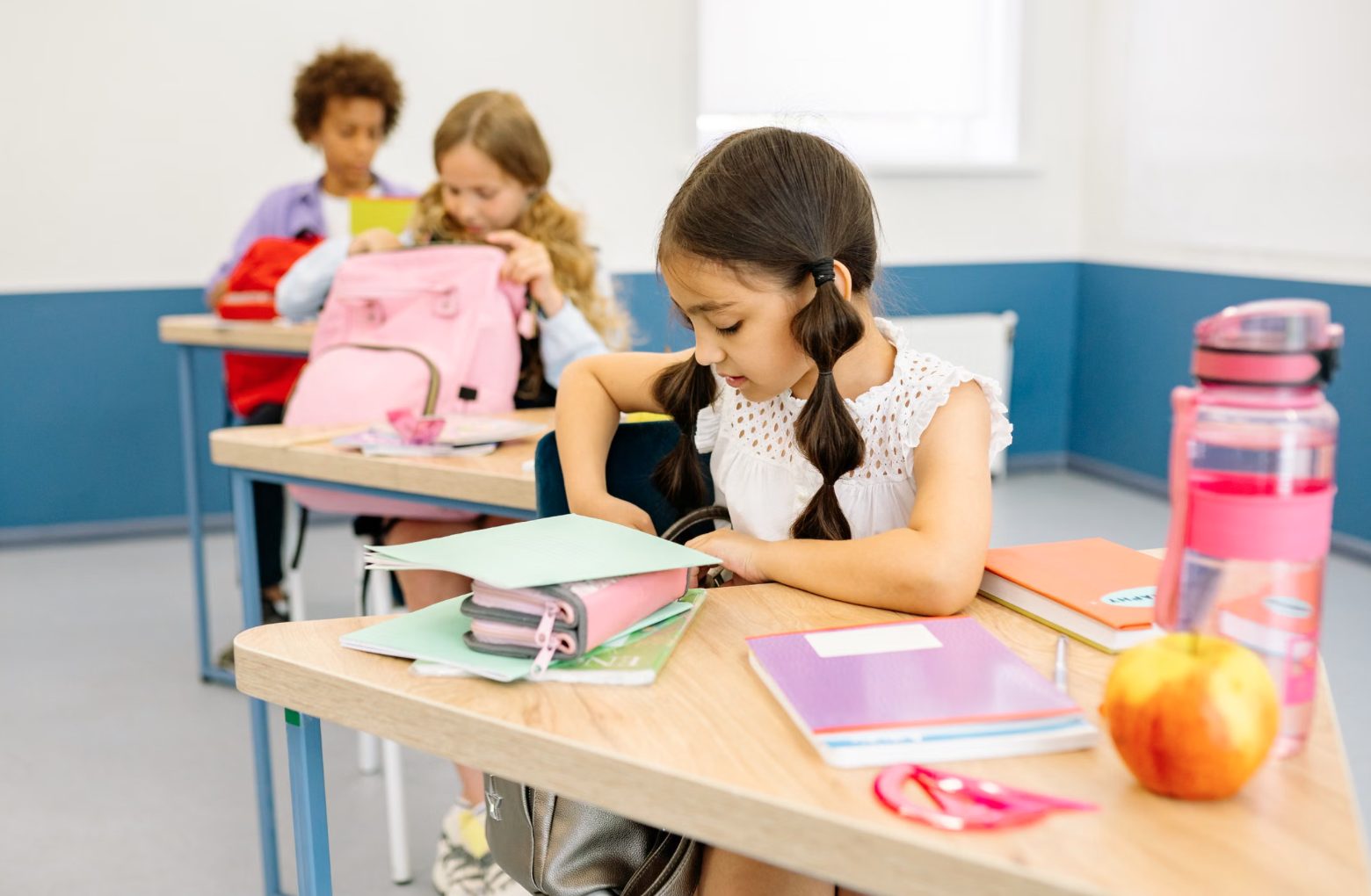
Girls Eating Lunch
A written school lunch accommodation plan can help ensure teachers, cafeteria staff, and school nurses understand a student’s documented dietary or medical needs. Clear communication reduces confusion and supports a safer school day. (Pexels).

For many families, school lunch is more than a daily meal—it can directly affect a child’s health, safety, and ability to learn. Whether a student has a life-threatening food allergy, diabetes, celiac disease, or another medical condition, clear written accommodations can help prevent confusion and reduce unnecessary risks. While schools often want to support students, verbal conversations alone can leave important details open to interpretation. Understanding when and how to request written school lunch accommodations gives parents a stronger foundation for working collaboratively with school staff.

Why Written School Lunch Accommodations Matter

School lunch accommodations create a documented plan that everyone involved can reference throughout the school year. A written request reduces misunderstandings between teachers, cafeteria staff, school nurses, and substitute employees who may interact with a child. For example, a student with a severe peanut allergy may need allergen-safe meal options, designated seating, or emergency procedures that are clearly outlined rather than communicated informally. Children with diabetes may require flexibility around meal timing, while students with celiac disease may need gluten-free meals that avoid cross-contact. Having these expectations documented helps promote consistency while recognizing that medical and dietary accommodations vary depending on each student’s individual needs.

Start With Medical Documentation and Specific Requests

Parents should begin by discussing their child’s needs with the treating healthcare provider before approaching the school. Medical documentation often explains the diagnosis, dietary restrictions, and any accommodations necessary to keep the student safe during meals. Instead of requesting broad changes, it is usually more effective to describe specific needs, such as ingredient substitutions, allergen labeling, meal timing adjustments, or emergency response procedures. A detailed written request also gives school administrators a clear starting point for evaluating possible accommodations. This collaborative approach typically leads to more productive conversations than relying on verbal discussions alone.

Know the Difference Between Preference and Medical Need

One of the biggest misconceptions is that every dietary request automatically requires a school to modify meals. Medical conditions supported by appropriate documentation may qualify for formal accommodations, while personal food preferences, lifestyle choices, or selective eating generally follow different school policies. Parents should avoid assuming every request will receive approval and instead ask what documentation the district requires for their child’s situation. Understanding this distinction helps families set realistic expectations while maintaining a cooperative relationship with school staff. Asking questions early in the process often prevents delays once the school year begins.

Review the Plan Throughout the School Year

Written accommodations should not remain untouched after the first day of school. Children’s medical needs, medications, allergies, and nutritional requirements can change over time, making periodic reviews important. Parents should also revisit the plan before field trips, classroom celebrations, or extracurricular activities where food may be served outside the cafeteria. If problems arise, documenting concerns in writing creates a record that can help guide future discussions with the school. Regular communication allows families and educators to work together while keeping the student’s safety and well-being at the center of every decision.

Helping Your Child Eat Safely Starts With Clear Communication

Requesting school lunch accommodations in writing is not about creating unnecessary paperwork—it is about making expectations clear before problems occur. A thoughtful written plan gives families and school staff a shared reference that supports safer, more consistent meal experiences. By combining medical documentation, specific accommodation requests, and ongoing communication, parents can better advocate for their child’s individual needs while recognizing that every case is unique. Taking these proactive steps can help reduce uncertainty and allow students to focus on learning instead of worrying about lunchtime.

Have you ever had to request school lunch accommodations for your child, or are you preparing to do so this year? Share your experience or questions in the comments—your insight could help another parent facing the same situation.

What to Read Next

7 School Lunch Payment Fees Quietly Raising Parents’ Costs

The Lunchbox Items Kids Are Most Likely to Bring Home Uneaten

Teachers Beg Parents: Stop Buying These 7 High-Sugar Snacks for School Lunches

Evan Morgan

Evan Morgan has been a full-time freelance writer and editor for 10+ years. When not working, he enjoys catching the latest true crime documentary or getting lost in a good book.


Filed Under: Parenting Tagged With: 504 plan, child health, education, food allergies, Parenting, school lunch, school lunch accommodations, School Nutrition, school safety, special diets

7 Questions Parents Should Ask About Seclusion and Restraint Policies

August 8, 2026 | Leave a Comment

Young Girl With Tutor
A parent should meet with school staff to review student safety procedures and discuss seclusion and restraint policies before a crisis occurs. Open communication can help build trust and encourage preventive support strategies. (Pexels).

Parents trust schools to keep children safe while creating an environment where they can learn and grow. Yet many families are surprised to discover that school seclusion and restraint policies can vary significantly between districts and states. Although these interventions are generally intended only for emergency situations involving an immediate risk of serious physical harm, experts continue to encourage schools to prioritize prevention and positive behavioral supports whenever possible. Understanding your child’s school’s seclusion and restraint policies before a crisis occurs helps you ask informed questions, advocate effectively, and build a stronger partnership with educators.

1. When Can Seclusion or Restraint Be Used?

Your first question should focus on exactly when these interventions are permitted. Many school policies allow them only when a student presents an immediate danger to themselves or others rather than for punishment, discipline, or refusing instructions. Ask administrators to explain the specific circumstances that would trigger these actions and whether they follow state laws and district guidelines. Request real-world examples instead of general statements so you clearly understand the policy. If the explanation seems unclear, ask for a written copy of the district’s procedures.

2. What Types of Restraint or Seclusion Are Prohibited?

Not every intervention is considered safe or acceptable. Some states prohibit restraint techniques that restrict breathing or place pressure on a student’s chest because they increase the risk of serious injury. Ask whether your district bans dangerous holds and how staff members are trained to avoid them. Understanding prohibited practices helps parents recognize whether a school’s response follows accepted standards. Student safety should always remain the highest priority.

3. How Are Staff Trained to Prevent Crises?

The best restraint is often the one that never becomes necessary. Ask whether teachers, aides, and specialists receive regular training in de-escalation techniques and Positive Behavioral Interventions and Supports (PBIS). For example, a child experiencing sensory overload may respond better to calming strategies than physical intervention. Schools that emphasize prevention often reduce crisis situations while improving classroom outcomes. This information can provide greater confidence in the school’s overall approach.

4. How Will Parents Be Notified?

Communication should never be delayed after a restraint or seclusion incident. Ask how quickly parents will be contacted and whether notification includes a written report explaining what happened. The report should outline what led to the incident, why intervention was considered necessary, how long it lasted, and whether any injuries occurred. Prompt communication allows parents to ask informed questions while details remain fresh. It also builds trust between families and educators.

5. What Documentation Is Maintained?

Good documentation creates accountability and helps identify patterns over time. Parents should ask whether every incident is documented, reviewed by administrators, and discussed with the student’s support team. Repeated incidents may indicate that current behavior plans need improvement. For example, several similar events might reveal sensory triggers that could be addressed through preventive strategies. Careful recordkeeping benefits both safety and long-term planning.

6. What Happens After a Crisis?

A crisis should not end once the intervention is over. Ask whether students participate in a debriefing to discuss what happened and identify ways to prevent future incidents. Staff should also review whether different strategies could have avoided the restraint or seclusion altogether. These conversations help improve future responses while supporting the student’s emotional well-being. Meaningful follow-up reduces the likelihood of repeated crises.

7. How Can Parents Be Part of Prevention Planning?

Parents know their children better than anyone else. Ask whether you can participate in meetings to discuss triggers, communication preferences, sensory needs, or calming techniques that work well at home. For instance, scheduled movement breaks or access to a quiet area may prevent behaviors from escalating. Collaborative planning creates more individualized support strategies. Strong partnerships between families and schools often lead to better outcomes for students.

Helping Create Safer Schools Together

Learning about seclusion and restraint policies before an emergency occurs can make a meaningful difference. Asking thoughtful questions encourages transparency, accountability, and stronger collaboration between parents and educators. While policies differ by state and school district, informed families are better prepared to advocate for safe, respectful learning environments. Every child deserves a school where prevention comes first and crisis interventions remain a true last resort.

Have you ever asked your child’s school about its seclusion and restraint policies? What answers surprised you most, and what questions would you add to this list? Share your thoughts in the comments and help other parents start this important conversation.

What to Read Next

Special-Education Terms Parents Should Know Before the School Year Begins

What IEP Records Should Parents Save After Every Meeting?

6 504 Plan Assumptions That Can Leave Parents Unprepared

Evan Morgan

Evan Morgan has been a full-time freelance writer and editor for 10+ years. When not working, he enjoys catching the latest true crime documentary or getting lost in a good book.
Filed Under: Parenting Tagged With: behavior intervention, child advocacy, education, Parenting, school safety, seclusion and restraint policies, special education, student safety

6 School Policy Changes Parents Should Watch This Year

July 7, 2026 | Leave a Comment

Student And Teacher
Parents and students should review school policy updates before the academic year begins, which can help prevent unexpected disruptions to transportation, counseling, attendance, and other essential student services. (Pexels).

Families often focus on report cards, sports, and school events, but behind the scenes, school policy changes can dramatically affect the services students rely on every day. Over the past few years, districts have faced staffing shortages, new state mandates, declining enrollment in some communities, and rising operating costs, leading many schools to rethink how services are delivered. While many of these updates are designed to improve learning or safety, they can also create unexpected challenges for students and parents. Here’s a look at six policy changes every family with school-aged children should be aware of this year.

1. Stricter Cell Phone Policies Could Change Daily Student Support

Cell phone restrictions are becoming one of the fastest-growing school policy changes nationwide, with many states and districts limiting or banning personal devices during the school day. Supporters say fewer distractions can improve classroom focus, while critics worry students may have less access to parents during emergencies or after-school schedule changes.

More than half of U.S. states have now adopted or encouraged statewide cellphone restrictions, making this one of the fastest-moving education policy trends in years. Parents should learn exactly how their child’s school handles communication during the day so there are no surprises. Having a backup communication plan can reduce stress if students cannot immediately reach family members.

2. Transportation Adjustments May Reduce Bus Availability

School transportation continues to face challenges due to driver shortages and rising operating costs. School districts across the country continue reporting bus driver shortages, forcing many to consolidate routes or adjust transportation eligibility. Even small route changes can create childcare complications for working parents or increase commute times for students. Families should review transportation updates well before each school year begins rather than assuming previous schedules will remain unchanged.

3. Attendance Policies Are Becoming More Strict

Many schools have strengthened attendance requirements after pandemic-related learning losses highlighted the impact of chronic absenteeism. Students who accumulate excessive absences may face mandatory intervention meetings, reduced extracurricular eligibility, or additional academic support requirements. These school policy changes are intended to improve learning outcomes, but families dealing with illness or other hardships may need to communicate more frequently with administrators. Keeping documentation for medical appointments and understanding excused absence rules can prevent unnecessary complications.

4. Counseling and Mental Health Resources May Be Restructured

Student mental health remains a major priority, but staffing shortages have forced some districts to rethink how counseling services are delivered. Instead of one-on-one sessions being readily available, schools may increasingly rely on group programs, outside partnerships, or referral systems. While these approaches can still provide meaningful support, they may require families to be more proactive when students need individualized assistance. Parents should ask how counseling appointments are scheduled and what crisis resources remain available on campus.

5. Special Education Services Could Experience Scheduling Changes

Special education programs must continue meeting legal requirements, but staffing shortages have made scheduling more difficult in many districts. Students may receive services from different specialists throughout the year as schools work to fill vacancies or redistribute workloads. This does not necessarily reduce service quality, but it can require closer communication between families and Individualized Education Program (IEP) teams. Parents should regularly review progress reports and ask questions whenever service schedules change unexpectedly.

6. Budget Reductions Could Affect Enrichment Programs

Financial pressures continue to influence district budgets, making extracurricular programs, tutoring, arts education, and after-school activities vulnerable during budget discussions. While core classroom instruction typically remains protected, supplemental student services may face reductions when districts need to balance spending. These school policy changes can disproportionately affect students who rely on school-based enrichment opportunities they cannot easily access elsewhere. Families can stay engaged by attending school board meetings, reviewing proposed budgets, and participating in community feedback sessions. Early public involvement often gives communities a stronger voice before final decisions are made.

Staying Prepared Starts With Staying Informed

School policy changes are rarely intended to make life harder for families, but even well-intentioned decisions can create unexpected ripple effects across student services. Parents who regularly review district communications, attend school meetings, and maintain open conversations with teachers are often better prepared to adapt when policies shift. Taking a proactive approach allows families to address concerns before they become larger problems affecting a student’s education.

Which of these policy changes concerns you the most, and has your local school already implemented any of them? Share your experience in the comments because your insight may help other families prepare for similar changes.

What to Read Next

The Code Words Schools Use When Denying Services

Does Your Child Qualify for Summer Special Education Services?

Parents Are Spending Thousands on Services Schools Won’t Provide

Evan Morgan

Evan Morgan has been a full-time freelance writer and editor for 10+ years. When not working, he enjoys catching the latest true crime documentary or getting lost in a good book.
Filed Under: Education Tagged With: attendance, education, education policy, K-12 schools, Parents, school policy changes, school safety, school transportation, student services, teachers

Child Abuse Prevention Law Expands “Mandated Reporter” Definition to Volunteers and Contractors

July 5, 2026 | Leave a Comment

Students In Class
California’s expanded mandated reporter law now requires many school volunteers, contractors, and board members to report suspected child abuse and complete annual training. The goal is to identify warning signs earlier and better protect students. (Pexels).

Schools rely on far more than teachers to keep children safe. Volunteers, coaches, contractors, and school board members often spend significant time interacting with students, making them uniquely positioned to notice when something may be wrong. California’s Senate Bill 848 (SB 848), which took effect in phases beginning January 1, 2026, expands the definition of a mandated reporter to include many of these individuals, placing new legal responsibilities on those working around children. The change is designed to strengthen child abuse prevention by ensuring more trusted adults understand when and how to report suspected abuse before it escalates.

Why the Definition of a Mandated Reporter Is Expanding

For years, mandated reporter laws primarily applied to teachers, counselors, school administrators, and certain other education professionals. Under SB 848, many school volunteers, governing board members, and contractors who regularly interact with students are now included in that definition. For example, an adult volunteer coaching an after-school robotics club or a contracted speech therapist working on campus may now have the same reporting responsibilities as classroom teachers. The law recognizes that children often build trusting relationships with adults outside the classroom and may disclose abuse to them first. Expanding the mandated reporter definition creates additional opportunities to identify abuse early and connect children with help.

What the New Requirements Mean in Practice

Becoming a mandated reporter does not require someone to investigate abuse or determine whether it actually occurred. Instead, the legal obligation begins when there is reasonable suspicion that a child may be experiencing abuse or neglect, leaving trained investigators to determine the facts. Imagine a volunteer noticing repeated unexplained bruises on a child or hearing statements that suggest possible abuse at home. Rather than trying to verify the story personally, the volunteer is expected to report those concerns through the proper reporting channels. This approach helps prevent delays that could place children at greater risk while protecting reporters who act in good faith.

Training Is Now a Key Part of Compliance

The expanded mandated reporter law is accompanied by new training requirements for many newly covered individuals. Beginning in 2026, covered employees, volunteers, contractors, and governing board members must complete mandated reporter training within the required timeframe and renew it annually. Schools are also responsible for documenting completion to demonstrate compliance with state law. The training teaches participants how to recognize physical, emotional, and behavioral warning signs of abuse while explaining reporting procedures and legal protections. By ensuring more adults receive consistent instruction, lawmakers hope schools can create stronger layers of protection for students.

Clearing Up Common Misconceptions

Some people worry that filing a report automatically leads to a child’s removal from their home or criminal charges against a parent. In reality, a report simply alerts child welfare or law enforcement professionals, who then determine whether further investigation is necessary. Others mistakenly believe they need concrete proof before reporting, but California law generally requires only reasonable suspicion. Good-faith reporters are typically protected from liability, encouraging people to report concerns without fear of punishment if their suspicions ultimately prove unfounded. Understanding these facts helps reduce hesitation while reinforcing that the goal is protecting children rather than assigning blame.

Why Families and Schools Should Welcome the Changes

Parents often assume teachers are the only adults responsible for spotting warning signs, but students regularly interact with many trusted individuals throughout the school day. Bus drivers, coaches, volunteers, tutors, contracted therapists, and extracurricular instructors may notice changes in a child’s behavior that others never see. Expanding the mandated reporter network increases the number of trained adults watching for signs of abuse and responding appropriately. While schools must invest additional time in training and compliance, many child safety advocates view these responsibilities as worthwhile if they lead to earlier intervention. Ultimately, protecting children works best when everyone who regularly interacts with students understands their role in keeping them safe.

A Stronger Safety Net for Every Student

California’s expanded mandated reporter law reflects a growing commitment to preventing child abuse before it becomes more severe. By requiring more adults to receive training and understand their reporting responsibilities, SB 848 creates additional safeguards throughout school communities. Volunteers and contractors are no longer viewed as observers on the sidelines but as active partners in student safety. Schools that prepare early, provide quality training, and communicate expectations clearly will be better equipped to comply with the law while protecting children.

Do you believe expanding the mandated reporter definition will improve student safety, or could schools face new challenges implementing these requirements? Share your thoughts in the comments below and join the conversation.

What to Read Next

Teaching Your Child That “Family” Doesn’t Mean “Tolerate Abuse”

Stop Now! 12 Behaviors That Say You’ve Crossed The Line From Discipline to Abuse

7 Things Your Child’s Teacher is Legally Required to Report to the State

Evan Morgan

Evan Morgan has been a full-time freelance writer and editor for 10+ years. When not working, he enjoys catching the latest true crime documentary or getting lost in a good book.
Filed Under: Parenting Tagged With: California law, child abuse prevention, child welfare, contractors, education, mandated reporter, SB 848, school safety, student protection, volunteers

Student ID Cards Must Now List the Trevor Project Hotline – A Lifeline for LGBTQ Youth

July 4, 2026 | Leave a Comment

Mental Health Matters
California student ID cards display mental health resources, including The Trevor Project hotline, highlighting how schools are expanding access to crisis support for LGBTQ youth. (Pexels).

Across California, a small change to student ID cards could have a meaningful impact on young lives. Beginning July 1, 2026, public middle schools, high schools, and public colleges are required to print The Trevor Project’s crisis hotline information alongside other mental health resources on student identification cards. The goal is simple: make specialized crisis support immediately accessible to LGBTQ+ students who may need it most. Supporters say placing lifesaving resources directly in students’ wallets removes one more barrier to getting help during a mental health crisis.

Why This New Student ID Card Requirement Matters

California’s new law, Assembly Bill 727, expands an existing requirement that already placed the 988 Suicide & Crisis Lifeline on student ID cards. Starting this school year, public schools serving grades 7 through 12 and California’s public colleges must also include The Trevor Project’s phone number and text line. The organization provides free, confidential crisis intervention and suicide prevention services specifically for LGBTQ+ young people, available 24 hours a day. Supporters believe having this information visible every day increases the likelihood that students—or friends concerned about someone else—can quickly access help. Mental health advocates often note that even a few seconds saved during a crisis can make a significant difference.

The Mental Health Challenges Facing LGBTQ Youth

The need for specialized support is backed by extensive research. According to The Trevor Project’s most recent national survey, 39% of LGBTQ young people seriously considered attempting suicide during the past year, while many reported difficulty accessing affirming mental health care. California lawmakers cited similar findings showing that roughly half of LGBTQ youth who wanted mental health services were unable to receive them. Experts consistently emphasize that these elevated risks are linked to bullying, discrimination, family rejection, and social isolation rather than a person’s identity itself. By placing crisis resources directly on student ID cards, schools hope students can find help without having to search online during moments of distress.

Student ID Cards Become More Than School Identification

For many students, an ID card is one of the few items they carry every day. Beyond granting access to classrooms, libraries, or sporting events, these cards are increasingly becoming tools for student safety and well-being. Several states already require suicide prevention resources on student IDs, but California’s law is among the first to specifically include The Trevor Project’s LGBTQ-focused hotline. The card will display both the organization’s phone number (1-866-488-7386) and text option by texting START to 678-678, making support available in whichever format feels most comfortable. For students who may not be ready to speak aloud, texting can provide an important alternative.

What Families and Schools Should Understand

Some parents have questioned whether listing The Trevor Project replaces existing school counseling or family involvement. It does not. The hotline is intended as an additional crisis resource that complements counselors, trusted adults, teachers, and mental health professionals already available within schools and communities. Like the 988 Lifeline, it serves as an immediate point of contact during emotional crises when someone may not know where else to turn. Mental health professionals generally agree that expanding access to multiple support options increases the chances that young people will seek help before a crisis escalates.

A Small Change That Could Save Lives

Adding a hotline number to a student ID card may seem like a modest policy change, but accessibility often matters during emergencies. When someone is experiencing overwhelming anxiety, depression, or thoughts of self-harm, searching for resources can feel impossible. Having trusted contact information already in hand removes that obstacle and creates another pathway to support. Whether students personally use the resource or share it with a friend in need, the requirement reflects a broader effort to make mental health assistance easier to reach. Time will ultimately measure its impact, but advocates hope this simple addition helps save lives through earlier intervention.

Do you think placing mental health resources directly on student ID cards could encourage more young people to seek help when they need it most? Share your thoughts and experiences in the comments below. Your perspective could help spark an important conversation about student mental health and school safety.

What to Read Next

9 Children’s Cartoons That Are Really Made For Adults

How the Seamless Summer Option Keeps Kids Fed After the School Year Ends

The Late Diagnosis Wave: 5 Autism Signs Often Missed Until Middle School

Evan Morgan

Evan Morgan has been a full-time freelance writer and editor for 10+ years. When not working, he enjoys catching the latest true crime documentary or getting lost in a good book.
Filed Under: News Tagged With: AB 727, California schools, Education News, LGBTQ youth, Mental Health, school safety, student ID cards, student wellness, suicide prevention, Trevor Project

Phone-Free Schools Act: New Policies Limit Student Smartphone Use to Curb Distraction and Cyberbullying

July 2, 2026 | Leave a Comment

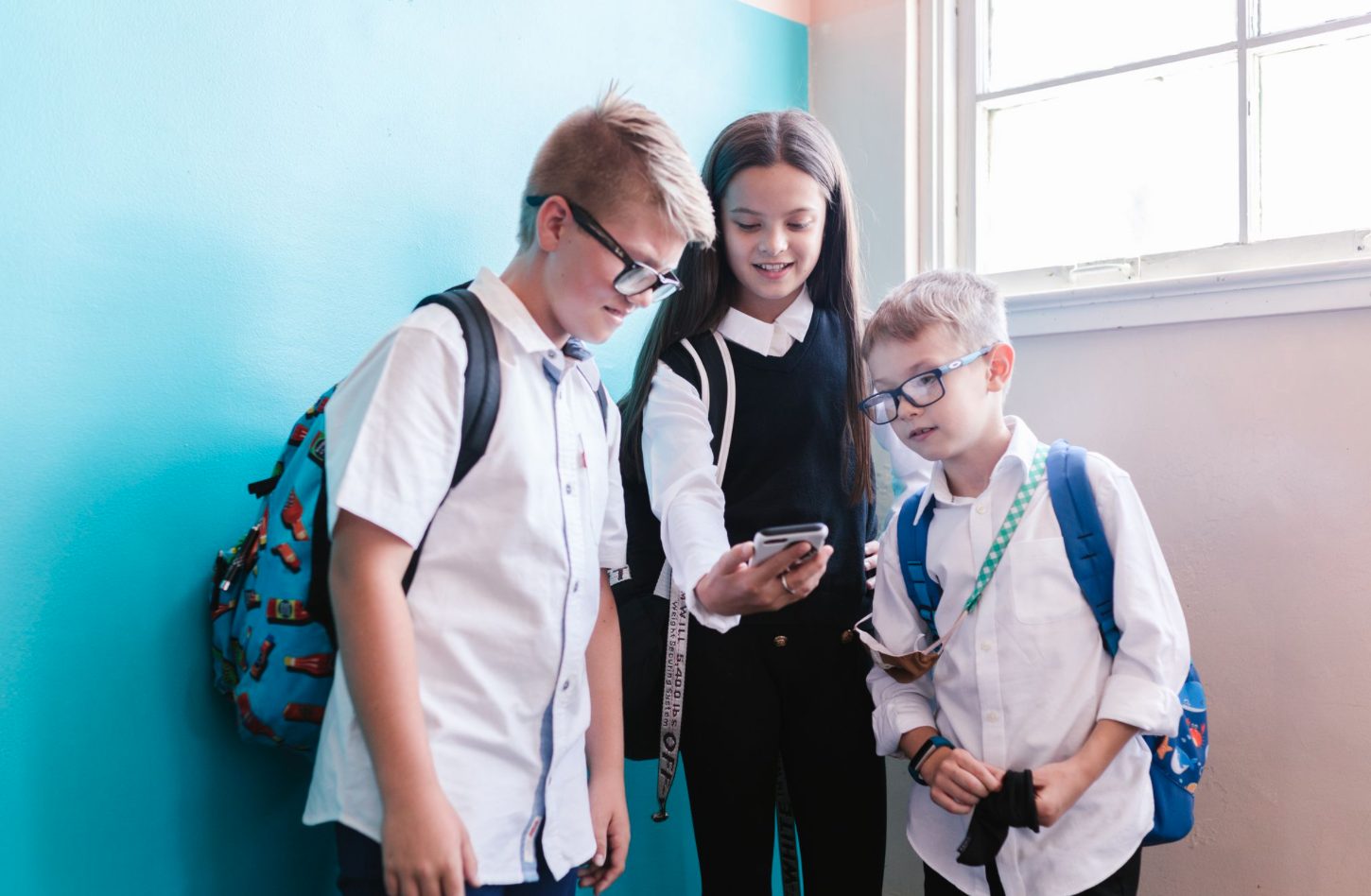
Kids Using Smartphone
Students are starting to place their smartphones in secure storage before class as schools adopt new phone-free policies designed to reduce distractions, improve focus, and help prevent cyberbullying during the school day. (Pexels).

Schools across the United States are tightening rules on student smartphone use as lawmakers and educators respond to growing concerns about classroom distractions, cyberbullying, and excessive screen time. Phone-free school policies have expanded rapidly over the past two years. According to a 2026 review, more than 35 states and Washington, D.C., have enacted or adopted statewide laws or policies restricting student cellphone use, while many others require districts to develop local policies.

While the exact rules vary by state and district, the shared goal is to help students stay focused while creating a safer learning environment. As families prepare for another school year, understanding these new expectations can help parents and students adjust more smoothly.

Why Phone-Free Schools Are Expanding Across the Country

The Phone-Free Schools Act reflects a nationwide shift toward reducing digital distractions in classrooms. More than 30 states now have statewide laws or policies requiring schools to restrict student cellphone use in some form, with several implementing bell-to-bell restrictions that keep phones out of reach throughout the school day.

When announcing New York’s statewide phone-free schools law, Governor Kathy Hochul said students “deserve distraction-free classrooms where they can focus on learning and building relationships,” describing the policy as an investment in both academic success and student well-being.

Early reports from districts that have adopted phone-free policies have found higher teacher satisfaction, less in-class phone use, and improved student engagement, although researchers continue studying long-term academic outcomes. One national review linked stricter policies with improved attendance and classroom focus while noting that evidence on test-score gains remains mixed.

Reducing Distractions While Addressing Cyberbullying

One of the biggest arguments supporting the Phone-Free Schools Act is its potential to reduce interruptions that pull students away from learning. A single phone notification can quickly derail attention, and repeated distractions throughout the day can make it difficult for students to absorb new information.

Limiting phone access also reduces opportunities for students to record classmates without permission or engage in online harassment during school hours. While cyberbullying does not disappear once students leave campus, restricting phone use during the day can reduce incidents that begin or escalate inside school buildings. Parents and educators often agree that classrooms should prioritize face-to-face learning over constant digital engagement.

What Parents and Students Should Expect

Most new policies do not completely prohibit students from bringing phones to school but instead regulate when they can be used. Many districts require phones to remain powered off inside backpacks or locked in specialized storage pouches until dismissal, while exceptions typically exist for medical needs or emergencies. Parents who worry about reaching their children should know that schools continue to provide communication through front offices and established emergency procedures. Students may initially find the adjustment challenging, especially if they are accustomed to checking notifications throughout the day. Over time, many schools report that students adapt quickly as phone-free routines become part of the daily schedule.

The Debate Over Whether Phone Bans Really Work

Not everyone agrees that the Phone-Free Schools Act is a complete solution to student learning challenges. Recent large-scale research has found that strict phone bans dramatically reduce classroom phone use but produce only modest improvements in standardized test scores. Researchers say the strongest benefits may be improved classroom attention, student well-being, and teacher satisfaction rather than immediate academic gains.

Other education experts argue that successful policies combine reasonable limits with digital citizenship lessons that teach students how to use technology responsibly. This balanced approach may better prepare students for life beyond school than relying on bans alone.

Even critics generally acknowledge that reducing unnecessary classroom distractions gives teachers more opportunities to focus on instruction rather than policing devices.

Finding the Right Balance Between Technology and Learning

Phone-free school policies are becoming a permanent part of the education landscape, but they’re only one piece of a larger conversation about technology and student well-being. While research continues to evaluate their long-term academic impact, many educators report calmer classrooms, fewer distractions, and more face-to-face interaction among students. As schools refine these policies, success will likely depend on combining reasonable phone restrictions with digital literacy, clear communication, and consistent expectations for students and families. The goal isn’t to eliminate technology—it’s to ensure it supports learning instead of competing with it.

Do you think the Phone-Free Schools Act will improve education, or should students have more flexibility? Share your thoughts and experiences in the comments below.

What to Read Next

How Your Child’s Cell Phone Could Now Ruin Them In School

7 Kids Apps That Can Silently Access Your Camera or Microphone

Should You Let Your Child Keep Their Smartphone Overnight?

Evan Morgan

Evan Morgan has been a full-time freelance writer and editor for 10+ years. When not working, he enjoys catching the latest true crime documentary or getting lost in a good book.

Filed Under: Education Tagged With: classroom distraction, Cyberbullying, digital wellness, education policy, K-12 education, Parenting, Phone-Free Schools Act, school cellphone ban, school safety, student smartphones

All-Gender Restrooms Are Now Required in K-12 Schools – What Parents Should Know

July 1, 2026 | Leave a Comment

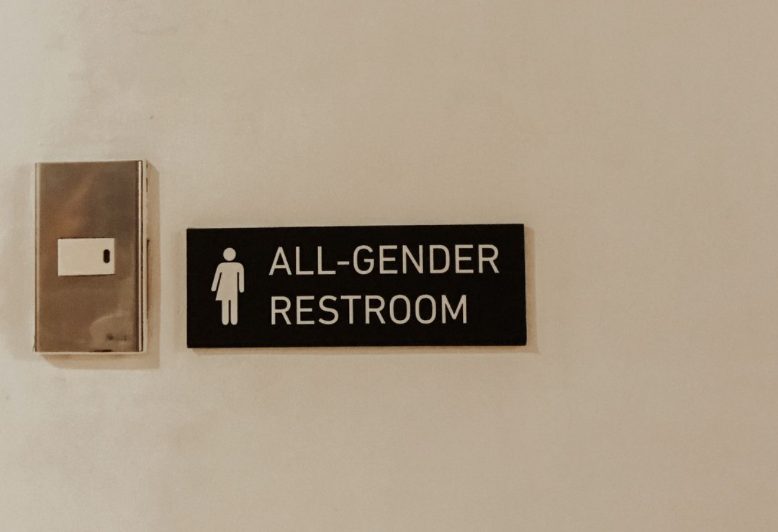
All-Gender Restroom Sign
California schools must now provide at least one voluntary all-gender restroom while continuing to offer traditional boys’ and girls’ restrooms. Parents should understand how the new requirement works before the school year begins. (Pexels).

Parents across California are seeing a significant change on school campuses as a new restroom requirement officially takes effect. Beginning July 1, 2026, every qualifying K-12 public school campus must provide at least one all-gender restroom for voluntary student use under Senate Bill 760. The law is intended to improve accessibility and privacy while ensuring that every student has a safe restroom option.

“Schools should provide a safe and inclusive environment for all students, one where they’re able to focus on learning and where they’re encouraged to thrive academically, socially and emotionally,” said California Senator Josh Newman, author of SB 760. Understanding what the change actually means—and what it doesn’t mean—can help families separate facts from misconceptions.

What the New Law Actually Requires

The new requirement applies to California public school districts, county offices of education, and charter schools serving students in grades K-12. “These measures will help protect vulnerable youth, promote acceptance, and create more supportive environments in our schools and communities,” said Gavin Newsom when signing the legislation.

Schools with more than one boys’ restroom and more than one girls’ restroom must provide at least one clearly marked all-gender restroom that any student may choose to use. Existing boys’ and girls’ restrooms remain in place, meaning students are not required to use the all-gender restroom. In many cases, schools are simply redesignating an existing single-user restroom rather than building an entirely new facility. The all-gender restroom requirement is designed to expand restroom options instead of replacing traditional facilities.

Why Schools Are Adding All-Gender Restrooms

Supporters say the law focuses on student privacy, accessibility, and inclusion rather than on changing existing restroom policies. An all-gender restroom can benefit students with disabilities who need assistance from a caregiver of a different sex, younger siblings attending school events with parents, and students who simply prefer additional privacy. Many campuses already had similar single-user restrooms available for staff or visitors before this statewide requirement. Education leaders also note that students who avoid using school restrooms because they feel uncomfortable may experience health issues, missed class time, or decreased concentration. Providing another restroom option is intended to address those practical concerns.

Common Questions Parents Are Asking

One of the biggest misconceptions is that every restroom on campus will become gender-neutral, but that is not what the law requires. Traditional boys’ and girls’ restrooms continue operating exactly as before, with the all-gender restroom serving as an additional voluntary option. Parents may also wonder whether supervision or safety standards will change, but schools are still expected to maintain restroom monitoring, cleanliness, and campus security policies. Many all-gender restrooms are single-user facilities that offer increased privacy through locking doors. School administrators are also responsible for ensuring the restroom remains accessible, clearly marked, and properly maintained throughout the school day.

How Parents Can Stay Informed

If your child attends a California public school, consider asking campus administrators how the new restroom requirement has been implemented. Schools may have updated campus maps, family communications, or student handbooks explaining the available restroom options. Parents who understand the layout can have more informed conversations with their children before the school year begins. If your child expresses concerns, listening without assumptions and discussing available choices often leads to a more productive conversation than relying on social media rumors. Staying informed directly through your local school helps ensure you receive accurate information rather than speculation.

Looking Ahead: Communication Matters Most

Families should remember that implementation may look slightly different from one campus to another. Some schools already had single-user restrooms that met most of the new requirements, while others needed to update signage, install privacy locks, or designate a staff member as the required point of contact for implementation.

While opinions differ on the policy, the practical change is relatively straightforward: qualifying schools must provide at least one voluntary all-gender restroom while keeping existing boys’ and girls’ restrooms available. Parents who understand the details are better prepared to answer their children’s questions and communicate with school staff when needed. As with many education policies, clear information often reduces unnecessary confusion and helps families focus on what matters most—the safety, comfort, and well-being of every student.

What are your thoughts about this new requirement, and how do you think schools should communicate these changes to families? Share your perspective in the comments and join the conversation.

What to Read Next

The Code Words Schools Use When Denying Services

School Counselors Report a Rise in Severe Anxiety Among Younger Students

How the Seamless Summer Option Keeps Kids Fed After the School Year Ends

Evan Morgan

Evan Morgan has been a full-time freelance writer and editor for 10+ years. When not working, he enjoys catching the latest true crime documentary or getting lost in a good book.

Filed Under: Parenting Tagged With: all-gender restroom requirement, California schools, education policy, K-12 education, Parents, public schools, SB 760, school safety, student privacy

Sensory Processing Alert: Why More Families Are Requesting School Accommodations

April 20, 2026 | Leave a Comment

Girl In School
Image Source: Pexels

Walk into a modern primary school classroom, and you might notice something different from the rigid rows of decades past. You might see a student wearing noise-canceling headphones while working on math or another sitting on a flexible wobble stool during story time. These sights are becoming more frequent as parents and educators recognize that sensory processing challenges are not just behavioral quirks but neurological realities. Families across the country are increasingly advocating for these changes to ensure their children can focus on learning rather than fighting their environment. This surge in requests for sensory processing accommodations reflects a growing understanding of how our brains interpret the world around us.

Understanding the Rise of Sensory Processing Awareness

The increasing number of accommodation requests stems from a significant shift in how we view neurodiversity in the classroom. Years ago, a child who couldn’t sit still or who covered their ears during fire drills was often labeled as difficult or overly sensitive. Today, diagnostic tools have improved, allowing pediatricians and occupational therapists to identify sensory processing disorder with much greater precision and frequency. Parents are now equipped with specific language to describe why their child experiences sensory overload in high-stimulus environments like cafeterias. This medical clarity empowers families to approach school districts with data-backed requests rather than vague concerns about their child’s classroom performance.

The Impact of Modern Classroom Environments on Students

Contemporary classrooms are often vibrant hubs of activity, filled with bright posters, buzzing fluorescent lights, and collaborative group work. While these elements are designed to be engaging, they can create a perfect storm of sensory triggers for many students. A child with tactile defensiveness might find the seam of a school uniform or the texture of finger paint physically painful. When a student is stuck in a state of fight-or-flight due to environmental stimuli, their ability to process academic information effectively disappears. Consequently, families are requesting modifications like dimmed lighting or designated quiet zones to help their children maintain emotional regulation.

Navigating the Path to Formal School Accommodations

Securing the right support often involves navigating the complex world of Individualized Education Programs (IEPs) and 504 plans. Families must work closely with school psychologists and teachers to document how sensory challenges interfere with the student’s access to the curriculum. This process requires a collaborative spirit, as parents share what works at home while teachers provide insight into classroom dynamics. Successful accommodations might include scheduled sensory breaks, where a child can jump on a mini-trampoline or use weighted blankets to reset. By formalizing these supports, schools provide a legal safety net that ensures the child’s needs are met regardless of the staff member in charge.

Addressing Common Misconceptions About Sensory Needs

A common hurdle for families is the misconception that sensory accommodations are merely “extra perks” or excuses for poor behavior. Critics sometimes suggest that children simply need to toughen up or adapt to the standard environment without specialized equipment. However, neurological research shows that sensory processing issues are rooted in how the brain receives and organizes signals from the senses. Providing a fidget tool or a sensory seat is no different than providing glasses to a student with blurred vision. When we address these misconceptions directly, we foster a more inclusive school culture that values every student’s unique way of experiencing the world.

Practical Strategies for Collaborative Advocacy

The most effective advocacy happens when parents and educators view themselves as a unified team working toward the child’s success. Start by keeping a detailed log of specific triggers and the resulting behaviors to provide clear evidence during school meetings. Propose simple, low-cost solutions first, such as moving a desk away from a noisy hallway or allowing the use of a handheld sensory toy. It is also helpful to invite an independent occupational therapist to participate in school discussions to provide professional weight to your requests. Building these bridges of communication ensures that the focus remains on the child’s well-being rather than administrative or financial constraints.

Empowering the Next Generation of Learners

Ultimately, the goal of these accommodations is to help students understand their own needs and advocate for themselves as they grow. When a school honors a request for a sensory-friendly environment, they are teaching the student that their physical and emotional comfort matters. This early validation builds the confidence necessary for students to tackle academic challenges that might otherwise feel insurmountable. We are moving toward a future where “one size fits all” education is replaced by a more personalized and empathetic approach. By supporting these changes today, we are creating a more accessible and successful educational journey for every type of learner.

Has your family ever navigated the process of requesting sensory processing accommodations at school? We would love to hear about your experiences or any tips you have for other parents in the comments below.

What to Read Next

Texas Schools Update: Special Education Services Expand as Diagnoses Increase

5 Ways Early Intervention Can Support Children With Autism

The IEP Gap: Why Some Children With Special Needs Aren’t Getting Full Classroom Support

Evan Morgan

Evan Morgan has been a full-time freelance writer and editor for 10+ years. When not working, he enjoys catching the latest true crime documentary or getting lost in a good book.
Filed Under: Parenting Tagged With: education, neurodiversity, Parenting, school safety, sensory processing, special education

12 Things Kids Took to School in the ’70s That Would Never Be Allowed Today

April 8, 2026 | Leave a Comment

Coke Bottles
Image Source: Pexels

Back in the 1970s, school life looked very different from what kids experience today. Rules were looser, safety standards were less strict, and everyday items often reflected a more carefree—and sometimes risky—approach to childhood. What was once considered normal would now raise eyebrows, or even get a student sent straight to the principal’s office. From questionable lunchbox contents to items that could easily be labeled dangerous, the contrast is striking. Let’s take a nostalgic yet eye-opening look at what kids used to carry into classrooms that would never pass today.

1. Pocket Knives

It wasn’t unusual for kids in the ’70s to carry small pocket knives to school. Many used them for whittling during recess or practical tasks in shop class. At the time, it was seen as a tool rather than a weapon, reflecting a different mindset about responsibility. Today, zero-tolerance policies mean even a tiny blade would result in serious disciplinary action. The shift highlights how safety concerns and school security have dramatically evolved.

2. Homemade Snacks with Unknown Ingredients

Kids often brought homemade treats wrapped in wax paper, with no labels or ingredient lists. While charming, these snacks could contain allergens that schools today strictly monitor. There was little awareness about food allergies, and sharing food was common practice. Now, schools enforce strict rules about outside food to protect students. This change reflects growing knowledge about health risks and the importance of transparency.

3. Glass Soda Bottles

Bringing glass bottles of soda or milk to school was perfectly normal decades ago. Kids would toss them into their bags without much thought about breakage. Today, glass containers are typically banned due to safety hazards. A broken bottle could easily lead to injuries in crowded hallways. Modern schools prioritize safer materials like plastic or reusable insulated bottles.

4. Cigarettes (Yes, Really)

Believe it or not, some older students—and even younger ones—brought cigarettes to school. In certain cases, smoking areas were designated for high schoolers. Cultural attitudes toward smoking were far more relaxed than they are now. Today, tobacco products are strictly prohibited on school grounds for all ages. The dramatic shift reflects increased awareness of long-term health risks.

5. Toy Guns That Looked Real

Toy guns in the ’70s often resembled real firearms, with minimal distinction. Kids would play with them during recess without raising concern. In today’s environment, such items would cause immediate alarm and potentially lockdown procedures. Schools now enforce strict bans on anything resembling a weapon. This change underscores heightened security awareness in modern education.

6. Matches and Lighters

Carrying matches or lighters was surprisingly common among kids back then. Some used them for experiments, lighting candles, or even sneaking cigarettes. There was less emphasis on fire safety education compared to today. Now, these items are strictly forbidden due to obvious risks. Schools take fire hazards seriously, with clear rules and consequences.

7. Metal Lunchboxes with Sharp Edges

Classic metal lunchboxes were iconic but not always safe. Their edges could become sharp with wear, and they were heavy enough to cause injury. Kids often swung them around or used them in playful scuffles. Today’s lunchboxes are made from softer, lightweight materials designed for safety. It’s a small but meaningful example of how product design has evolved.

8. Open Drink Containers

Thermoses and cups without secure lids were common in school bags. Spills were frequent, but rarely considered a big deal. In modern classrooms, electronics and shared materials make spills a bigger concern. Schools now encourage sealed, spill-proof containers. This reflects a shift toward maintaining cleaner, more organized learning environments.

9. Aerosol Spray Cans

Items like hairspray or deodorant in aerosol cans often made their way into backpacks. While convenient, they posed risks if misused or exposed to heat. Kids sometimes treated them as toys, unaware of the potential danger. Today, many schools restrict aerosol products entirely. Safety awareness has led to tighter control over potentially hazardous items.

10. Pets for Show-and-Tell

Bringing pets to school for show-and-tell was a common and exciting event. However, not all animals were well-behaved or safe around children. Allergies, bites, and general unpredictability were often overlooked. Modern schools usually limit live animals to controlled educational settings. This ensures both student safety and animal welfare.

11. Skateboards and Roller Skates

Many kids used skateboards or roller skates as transportation to and from school. They often brought them inside and stored them in classrooms or hallways. While fun, they posed tripping hazards and safety concerns. Today, schools typically have strict rules about where such items can be used or stored. Designated areas or outright bans are now common.

12. Unrestricted Magazines and Comics

Kids frequently brought magazines and comic books with content that might not be age-appropriate. There was little oversight on what was considered suitable reading material. Sharing them among friends was part of the school culture. Today, schools are more mindful about content and its impact on students. Policies now aim to create a more controlled and inclusive environment.

A Different Time, A Different Mindset

Looking back, it’s clear that school life in the ’70s operated under a very different set of expectations. Many items kids carried reflected a culture that valued independence but often overlooked safety. Today’s stricter rules may seem limiting, but they are rooted in protecting students and fostering a secure learning space. The evolution shows how awareness and societal values have shifted over time. While nostalgia has its charm, modern standards ultimately prioritize well-being.

What’s something you or someone you know brought to school that would be unthinkable today? Do you think schools have become too strict, or are these changes necessary for safety? Share your memories and opinions in the comments below—we’d love to hear your perspective and start a conversation.

What to Read Next

Speech Therapists Beg: Throw Away These 5 “Talking” Toys (They Kill Conversation)

Beyond the IEP: Why D.C. Schools Were Just Flagged for Discriminating Against Special Ed Students

Texas Vouchers vs. IEPs: The Hidden Legal Rights You Lose When You Switch Schools

Evan Morgan

Evan Morgan has been a full-time freelance writer and editor for 10+ years. When not working, he enjoys catching the latest true crime documentary or getting lost in a good book.

Filed Under: Lifestyle Tagged With: 1970s school life, education trends, nostalgic memories, retro childhood, school safety

8 Warning Signs a Child May Be Dealing With Bullying at School

March 7, 2026 | Leave a Comment

dealing with bullying
Image source: shutterstock.com

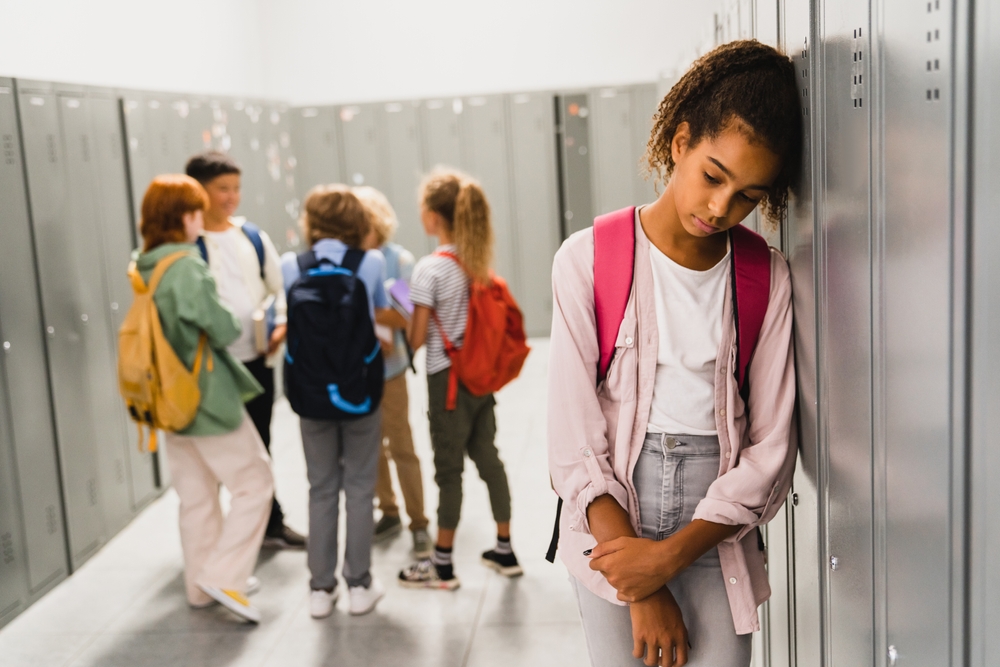
Every morning, millions of parents drop their children off at school, trusting the system to keep them safe. However, for many kids, the hallways remain a battleground. Bullying in 2026 is no longer just about stolen lunch money or a shove on the playground; it has evolved into a 24/7 digital and psychological siege. Because tactics have changed, the warning signs are much more subtle and easy to miss if you only look for classic symptoms. Honestly, your child might suffer in silence because they fear the social hierarchy will turn against them if they speak up. We are going to look at five quiet red flags that indicate your child is struggling and why early intervention is the only way to protect their mental health.

1. The Sudden Disappearance of Personal Belongings

If your child constantly loses a favorite sweatshirt, expensive headphones, or their lunch box, it might not be simple forgetfulness. Bullying often starts with the testing of boundaries through the theft or destruction of property. A bully might force a child to give up their things or simply break them to exert power. Surprisingly, many children make up elaborate stories about how they lost items because they feel ashamed. If accidental losses become a pattern, it is time to look deeper than just a messy backpack. You can find more on identifying signs of school-based theft and bullying through federal resources.

2. Unexplained Physical Ailments on Sunday Nights

The “Sunday Scaries” are real for adults, but for a bullied child, they manifest as genuine physical illness. Frequent complaints of stomachaches, headaches, or extreme fatigue that disappear on Saturday morning are classic signs of school-related dread. This is the body’s physical response to the chronic stress of an unsafe environment. Here’s the truth: your child isn’t faking it to be lazy; their nervous system is literally sounding an alarm. When the thought of walking through school gates causes a physical reaction, the situation has progressed beyond normal peer conflict.

3. A Drastic Shift in Digital Behavior

In 2026, cyberbullying is often the primary driver of schoolyard torment. Pay close attention to how your child reacts when they receive a digital notification. Do they suddenly look anxious, angry, or teary-eyed after checking their phone? Alternatively, have they suddenly stopped using an app they used to love? A child who abruptly deletes social media or hides their screen may be trying to manage a digital attack alone. On the other hand, becoming obsessively attached to the phone can be a sign they are trying to monitor what people say in real-time. Review the latest 2026 cyberbullying statistics and trends to see how digital harassment is evolving.

4. The “Ghosting” of Long-Time Friends

Social exclusion is one of the most painful forms of bullying, especially for pre-teens and teenagers. If a best friend of three years is suddenly never mentioned, or if your child stops getting invited to weekend hangouts, a social shift is likely happening. Bullies often work by isolating their target first, making them feel like no one is on their side. When a social circle vanishes overnight, it is rarely a mutual situation. It is usually a calculated move by an aggressor to leave your child standing alone. Experts at PACER’s National Bullying Prevention Center offer strategies for dealing with social isolation.

5. Changes in Sleep and Eating Patterns

When a child is under the constant threat of bullying, their basic biological rhythms are the first to break. You might notice them picking at their dinner or, conversely, coming home absolutely famished because they were too afraid to eat in the cafeteria. Sleep is another major indicator; frequent nightmares or difficulty falling asleep can signal that their mind is stuck in a loop of the day’s traumas. These are not just phases—they are the external markers of internal distress. If you see these signs, consulting mental health resources for bullied youth is a vital next step.

Taking the First Step Toward Healing

Recognizing these signs is the first part of the battle. Your child needs to know that home is a safe harbor where they won’t be judged for the actions of others. By opening a calm, non-confrontational dialogue, you allow them to break the cycle of silence. Have you noticed any of these shifts in your child recently? Leave a comment below so we can support each other through these tough conversations.

What To Read Next…

  • Mental Health for Kids: Why It’s the Biggest Parental Concern in 2025
  • 8 Once-Normal ’70s Kids Hobbies That Helicopter Parenting Quietly Killed
  • 5 Ways Bullying Apps Are Operating Without School Oversight
Latrice Perez

Latrice is a dedicated professional with a rich background in social work, complemented by an Associate Degree in the field. Her journey has been uniquely shaped by the rewarding experience of being a stay-at-home mom to her two children, aged 13 and 5. This role has not only been a testament to her commitment to family but has also provided her with invaluable life lessons and insights.  As a mother, Latrice has embraced the opportunity to educate her children on essential life skills, with a special focus on financial literacy.

Filed Under: Parenting Tagged With: bullying signs, child mental health, Cyberbullying, parenting advice, red flags for bullying, school harassment, school safety, social exclusion

Riley Gaines Act Takes Effect in Georgia — What It Means for Student Athletes

February 19, 2026 | Leave a Comment

Girl locker room
Image source: Pexels.com

You probably remember the local buzz when Governor Brian Kemp signed those education bills last spring. Now that the dust has settled, the Riley Gaines Act is officially active across Georgia. For many families, this feels like a long-awaited victory for fairness, but for others, it is a confusing shift in the school landscape. Honestly, the system is changing quickly, and you need to know exactly how these new rules impact your child’s place on the field. Here is the truth about what the Riley Gaines Act changes for student athletes this season.

The End of Gender Identity in Sports Selection

The core of this law is straightforward but impactful: biological sex now dictates team placement. Schools are no longer allowed to let students participate on teams based on gender identity. Instead, they must use the sex assigned at birth, specifically what was clinically verified at or before birth. This means if a student was born male, they cannot compete on a team designated for females, regardless of their current identity. Georgia joins over two dozen states with similar bans, aiming to level the playing field for young women.

The New Reality for Bathrooms and Locker Rooms

This act goes beyond the scoreboard and into the facilities your children use every day. Schools are now mandated to provide separate restrooms and changing areas specifically for males and females. Surprisingly, this also extends to overnight accommodations during school trips. If a school hosts an interscholastic competition, they must ensure these separate spaces are strictly maintained. It is a massive logistical shift for administrators, but for many parents, it represents a return to traditional privacy standards in school buildings.

The Cost of Non-Compliance and Lawsuits

The state is not just making suggestions; they are enforcing these rules with significant financial teeth. Institutions that willfully fail to comply can face the withholding of state funding, including scholarships and grants. Furthermore, the law creates a private right of action. This means a student or parent who feels an athletic opportunity was unfairly taken away can file a lawsuit for damages. It is a high-stakes environment where the school’s budget and your child’s sports career are directly linked to these new legal definitions.

A Narrow Exception for Female Athletes

There is one specific carve-out in the legislation that every parent should note. Girls may still participate on boys’ or co-ed teams if a comparable female version of that sport is not offered. On the other hand, the reverse is not true. Boys are strictly prohibited from joining girls’ teams even if a male equivalent does not exist. This distinction is designed to protect the growth of female sports while ensuring girls still have a path to competition in less common athletic programs.

Protecting the Future of Georgia Sports

Navigating these changes can feel like walking through a minefield of shifting policies. By understanding the Riley Gaines Act, you are better equipped to advocate for your child’s rights and safety. Whether you are cheering from the bleachers or helping your student navigate a locker room change, knowledge is your best equipment. Stay informed as schools begin to roll out their specific implementation plans this month. You have the power to ensure the system works for your family, not against it.

How do you feel about these changes hitting Georgia schools this semester? Leave a comment below and share how your local district is handling the new sports rules.

What to Read Next…

  • How Your Childs Cell Phone Could Now Ruin Them In School
  • 5 Ways Schools Are Secretly Shifting Costs to Parents in 2026
  • The Smart Locker Trap: Why Schools Are Quietly Auditing Your Child’s Private Devices
Latrice Perez

Latrice is a dedicated professional with a rich background in social work, complemented by an Associate Degree in the field. Her journey has been uniquely shaped by the rewarding experience of being a stay-at-home mom to her two children, aged 13 and 5. This role has not only been a testament to her commitment to family but has also provided her with invaluable life lessons and insights.  As a mother, Latrice has embraced the opportunity to educate her children on essential life skills, with a special focus on financial literacy.

Filed Under: Education Tagged With: Brian Kemp, Education Law, Georgia Sports, Riley Gaines Act, school safety, Student Athletes, Women in Sports

Cops Confirm: The New ‘Smart’ School Lockers That Are Secretly Scanning Your Child’s Belongings

January 18, 2026 | Leave a Comment

Cops Confirm: The New 'Smart' School Lockers That Are Secretly Scanning Your Child’s Belongings
Image source: shutterstock.com

If your kid came home saying their locker “checks what’s inside,” you’d probably assume they misunderstood. But as more districts add tech to hallways, smart school lockers are becoming one more place where safety and privacy collide. Some schools say these systems help deter weapons, vaping, and theft, while families worry about quiet monitoring that never feels clearly explained. The truth usually lives in the fine print, and most parents don’t see that paperwork until a problem happens. Here’s what “scanning” can actually mean, what data may get stored, and what to ask so you’re not guessing.

What These Lockers Really Are

Schools often describe these units as upgrades, but they’re closer to a hardware-and-software package than a metal box. Some versions use digital locks, staff dashboards, audit trails of locker openings, and alerts when a door is forced. Other models add sensors, cameras in the locker bank area, or integrations with campus security systems. When a school installs smart school lockers, the system may track activity patterns even if it never “reads” the contents directly. In some cases, these lockers prevent access during specific times of day, supporting activities like phone bans during school hours by making the devices inaccessible. That’s why it helps to ask what features are enabled, not just what the locker is capable of.

Where Smart School Lockers Show Up On Campus

Most schools start in high-traffic areas like main hallways, athletic wings, or near cafeterias where supervision is already heavy. You may also see them replacing older locker banks during renovations, which makes the change feel routine. Some campuses roll them out first for middle school grades, where vaping and prank theft create constant headaches. Schools sometimes place them near cameras or staff offices to discourage tampering and speed up response times. The placement matters because it can change whether the system functions like a simple lock or part of a broader monitoring setup.

What “Scanning” Can Mean In Plain English

In everyday talk, “scanning” sounds like a machine looking through a backpack, but schools often use the word loosely. A locker can “scan” by logging openings, recording door vibration, or flagging repeated attempts to access the wrong locker. Some systems connect to tools that detect metal nearby or run weapon-detection alerts in the area, which families may interpret as checking belongings. When smart school lockers connect to student IDs or app logins, they can also link a specific kid to a specific pattern of use. Before you panic, ask whether the school means content detection or behavior tracking, because those are very different things.

What Gets Collected And Who Can Access It

Data can include timestamps, access logs, failed entry attempts, maintenance notes, and sometimes video tied to the locker area. If the system uses an app, it may also store device identifiers and login history, depending on how the vendor built it. Schools might share access with administrators, security staff, and sometimes school resource officers during investigations. With smart school lockers, the big question isn’t only what they collect, but how long they keep it and what triggers a review. If a vendor stores data off-site, ask whether the district can delete it and whether it gets used to “improve the product.”

How Privacy Works At School Versus At Home

Parents often assume a locker works like a private drawer, but schools usually treat lockers as school property. That means policies can allow searches, especially if staff believe a safety issue exists, even when they don’t notify families in advance. The details vary by district rules, state guidance, and how the school writes its handbook, so it’s worth reading the exact wording. If smart school lockers generate logs that suggest “suspicious” behavior, that information may shape how quickly staff escalate a situation. If this feels legally messy, it can be, so treat this as general guidance and consider professional advice for your specific circumstances.

What To Ask So You’re Not Left In The Dark

Start with one simple question: “What features are turned on right now, and what features are turned off?” Next, ask whether the locker system collects access logs, and whether staff review those logs routinely or only after an incident. Ask if the school uses cameras near the locker banks and whether that footage gets linked to locker access records. If the vendor runs the platform, ask where data is stored, how long it’s retained, and whether it can be shared with law enforcement without a warrant. Finally, ask what the school will tell families if it changes settings later, because smart school lockers can expand quietly over time.

The Best Outcome: Safety With Clear Boundaries

Schools want fewer emergencies, and parents want fewer surprises, so transparency is the real win. The most reasonable setups focus on secure access and theft reduction without treating every student like a suspect. If the school can explain what’s collected, who sees it, and why it exists, the system feels less like a secret and more like a safety tool. Smart school lockers don’t have to be creepy, but they become creepy when nobody explains them until a kid gets flagged. When you ask the right questions early, you help set expectations that protect both student safety and basic privacy.

What’s your take—would you accept high-tech lockers for added safety, or would you push back unless the school offered clear limits and full transparency?

What to Read Next…

Why Are Some Schools Replacing Lunch With Vending Machines?

11 School Practices That Punish Neurodivergent Children

School Safety Warning: The Real Reason Some Lockdown Drills Are Backfiring

5 Ways Bullying Apps Are Operating Without School Oversight

Why Are Public Schools Quietly Removing Librarians?

Catherine Reed
Catherine Reed

Catherine is a tech-savvy writer who has focused on the personal finance space for more than eight years. She has a Bachelor’s in Information Technology and enjoys showcasing how tech can simplify everyday personal finance tasks like budgeting, spending tracking, and planning for the future. Additionally, she’s explored the ins and outs of the world of side hustles and loves to share what she’s learned along the way. When she’s not working, you can find her relaxing at home in the Pacific Northwest with her two cats or enjoying a cup of coffee at her neighborhood cafe.

Filed Under: Education Tagged With: digital monitoring, family rights, high school, lockers, middle school, Parenting, school safety, school technology, student privacy

Next Page »
  • Facebook
  • Pinterest
  • RSS
  • Twitter

Basic Principles Of Good Parenting

Here some basic principles for good parenting:

  1. What You Do Matters: Your kids are watching you. So, be purposeful about what you want to accomplish.
  2. You Can’t be Too Loving: Don’t replace love with material possessions, lowered expectations or leniency.
  3. Be Involved Your Kids Life: Arrange your priorities to focus on what your kid’s needs. Be there mentally and physically.
  4. Adapt Your Parenting: Children grow quickly, so keep pace with your child’s development.
  5. Establish and Set Rules: The rules you set for children will establish the rules they set for themselves later.  Avoid harsh discipline and be consistent.
  6. Explain Your Decisions: What is obvious to you may not be evident to your child. They don’t have the experience you do.
  7. Be Respectful To Your Child: How you treat your child is how they will treat others.  Be polite, respectful and make an effort to pay attention.
Best Parenting Blogs

Most Popular

Baby

9 Unusual Baby Names That Sound Like They Belong to Future CEOs

Evan Morgan
Baby

10 Baby Names That Were Once Considered “Grandparent Names” but Feel Cool Again

Evan Morgan
Target Store

Choking Incident Prompts Recall of 49,000 Target Gigglescape “Under the Sea” Popping Toys

Evan Morgan
Frustrated Girl

Why Some Students on the Spectrum Are Labeled With ODD

Evan Morgan
Coke Bottles

12 Things Kids Took to School in the ’70s That Would Never Be Allowed Today

Evan Morgan

All content on Kids Ain’t Cheap is for entertainment purposes only. By reading this blog, you agree that Kids Ain’t Cheap is not responsible for any actions taken after reading this blog. For the full disclaimer, see our privacy policy.

Please note that Kids Ain’t Cheap has financial relationships with some of the merchants mentioned here. Kids Ain’t Cheap is funded by banner advertising, commission sales and search optimization consulting.

Copyright © 2006–2026 | District Media | All Rights Reserved | Privacy Policy

Copyright © 2026 Runway Pro Theme by Viva la Violette